Raptor Lake is Intel’s range of next-gen processors expected to come out in 2022, and we’ve just seen the first purported benchmark of these CPUs.
As highlighted by regular hardware leaker Komachi_Ensaka on Twitter, what could be the 13th-gen flagship processor has been sighted in a BAPCo Crossmark benchmark as Tom’s Hardware reports.
Note that the benchmark has since been removed – of course, it shouldn’t have been aired in the first place – but not before Tom’s screen grabbed and shared the news.
According to the details given here, the spec that the chip runs with is eight performance cores (new Raptor Cove cores), and 16 efficiency cores (Gracemont cores – the same as with Alder Lake). This is what was previously rumored, and gives the processor a theoretical 32-threads (as efficiency cores don’t have hyper-threading).
The benchmark itself shows the Raptor Lake CPU hitting an overall score of 1,591, which compares to a result of 2,376 for the Core i9-12900K, Intel’s new Alder Lake flagship.
Analysis: Don’t read much into an early engineering sample
It’s no surprise – assuming this benchmark is genuine, which is always a bit of a leap of faith with very early leaks – to see that Raptor Lake is a good deal slower than Alder Lake at this point in its development (the 12900K is almost 50% faster here, in fact). Obviously, when the Raptor Lake flagship is finished, that won’t be the case (if it wasn’t measurably faster, Intel would go back to the drawing board until it was).
What’s happening here is because this is a very early testing sample, it’s doubtless locked to slow clock speeds and doesn’t remotely reflect the performance of the final product which should emerge later in 2022 (maybe in Q3). Right now, Raptor Lake will still have plenty of optimization to be done on both the hardware and software fronts.
The theory is that Intel’s 13th-gen CPUs will be a simple refresh of Alder Lake, but it’s bound to make some decent architectural gains as Intel refines its new hybrid tech, and obviously the addition of more efficiency cores – a lot more if these early rumors are right – should make a considerable difference to performance too.
There is also speculation about Raptor Lake taking some big strides forward in terms of power-efficiency as well, so we can still remain quietly optimistic about what the next-gen might bring.
Although the biggest name in foldable phones is arguably Samsung, with its top-spec Galaxy Z Fold 3 being its most recent top-end bending handset, a rival device from Oppo might take the top spot soon.
We've heard rumors about the Oppo Find N for a while now, though that name isn't official. Judging by its rumors and specs, it sounds like this could be a contender for the top entry in our list of the best foldable phones – and some rumors claim it could launch very, very soon.
What we know about the Oppo foldable phone
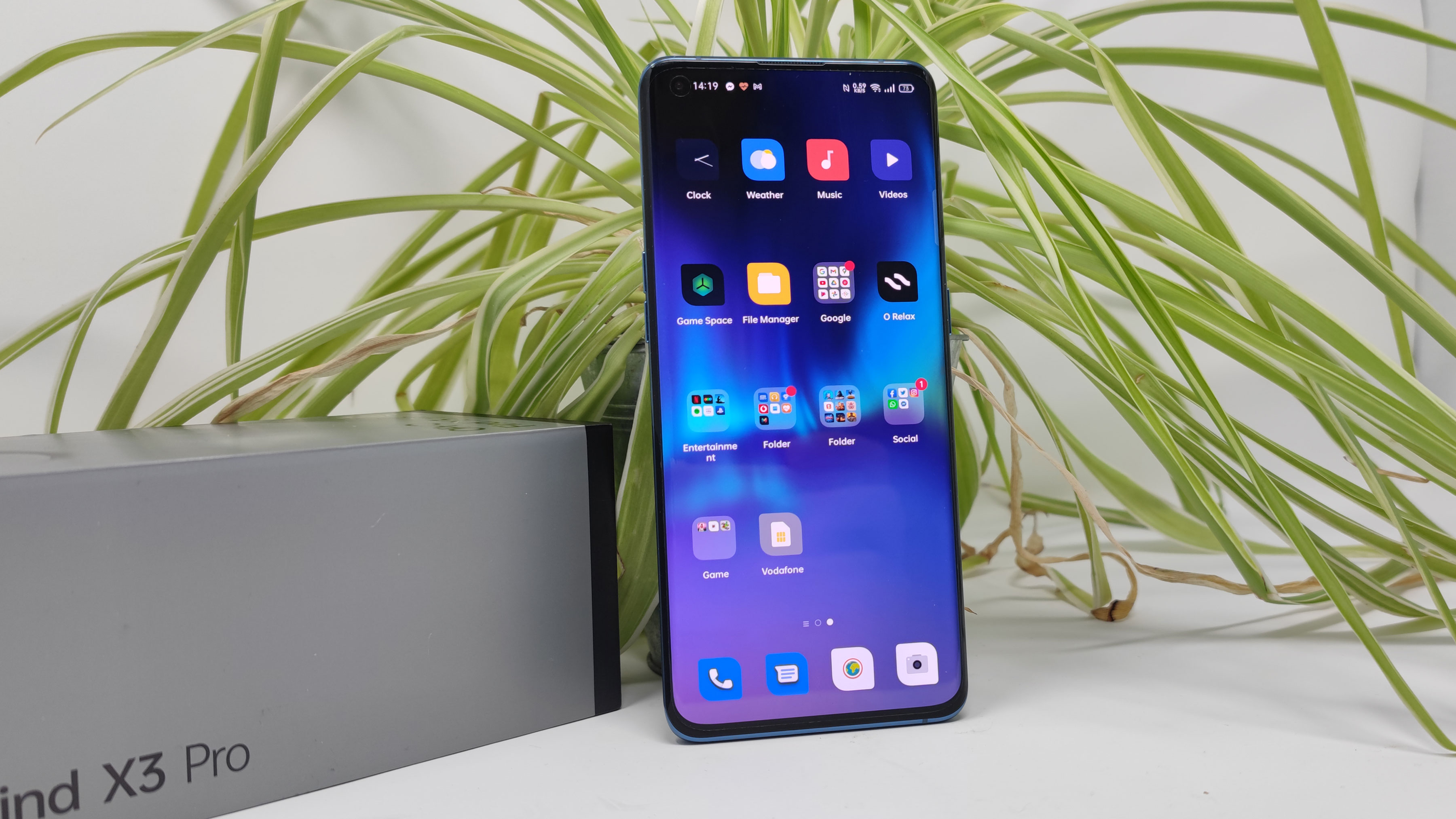
(Image credit: Future)
Rumors point to the Oppo Find N having a screen between 7.8 and 8 inches across when it's unfolded. The main display will apparently have a 120Hz refresh rate, though the outer one is said to be stuck at 60Hz.
It's also believed there will be three rear cameras, including a 50MP main one and also a 32MP selfie snapper.
Additionally, the phone is expected to use the Snapdragon 888 chipset, have a 4,500mAh battery, and charge at 65W.
But when could we see the thing? Well, one source thinks it'll get launched by the end of December. Oppo is hosting its annual Inno Day on December 14 and that could be when we see the device.
There are many surprises in December: Xiaomi will release the Mi 12 series, new designs, and new cameras. OPPO will release the first folding phone, vivo will release the new OriginOS 2.0December 2, 2021
See more
What we don't know about the Oppo foldable
The specs to the Oppo Find N seem decent but we don't know enough to get too excited just yet – and those specs alone aren't enough to call the phone a decent Galaxy Z Fold rival.
What's more promising is the name behind the foldable: Oppo. The company has a legacy of making phones with great displays and cameras, and it's that advantage that the Find N could have over other foldable rivals.
For example, the Find X3 Pro had a "Full-Path Color Management System" which basically avoids compression ruining the look of streaming videos and makes them look better. Features like that could give the Find N an edge for viewing media.
Plus, Oppo often has an edge over its rivals when it comes to its cameras. Oppo worked with Sony to create a bespoke main camera sensor for the Reno 5, which also ended in in the X3 Pro, and took vibrant pictures.
We don't know enough about the phone's display or camera features, but judging by Oppo's reputation and past phones, we're looking forward to the Find N already.
We'll certainly be tuning into the Oppo Find N launch when it happens so we can see if this really is the game-changing foldable phone to rival Samsung's alternatives.
A few days ago Motorola promised that it would be launching a flagship-level smartphone sometime this month, and it's now used one of the company's official social media accounts to show off the Moto Edge X30 to the world.
The single, official picture was posted to the Motorola account on the Chinese social network Weibo (via GSMArena), and gives us our first proper look at the Moto Edge X30 device, with slim display bezels and a punch hole camera up at the top of the screen.
Before you get too attached to it though, it's important to note that we're not exactly sure which markets this phone will be coming to. It's definitely launching in China first of all, but it's unclear whether it will eventually find its way to the US, Europe, and other regions.
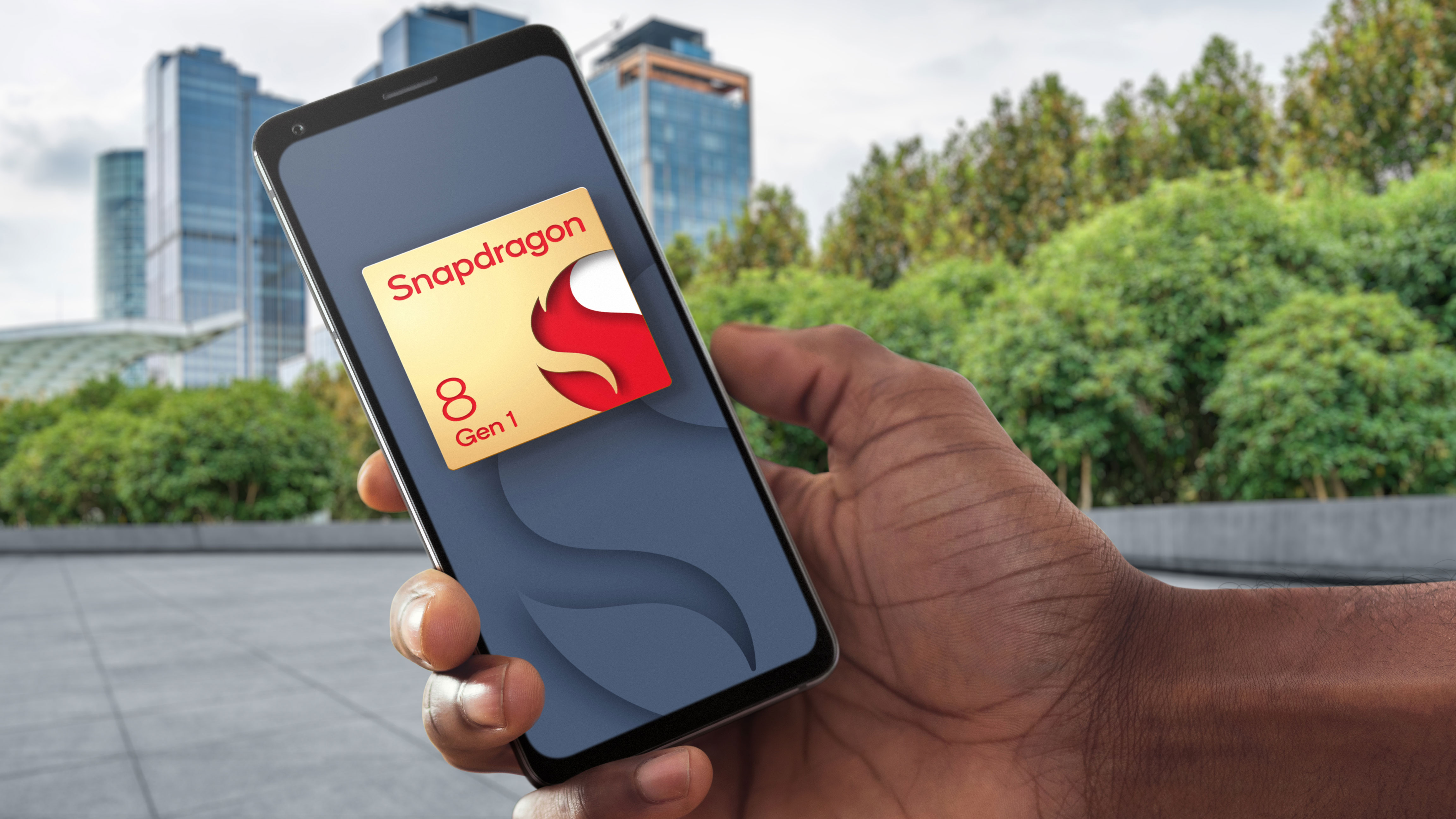
What makes the Moto Edge X30 particularly notable is that it's set to be one of the first phones running on the Snapdragon 8 Gen 1 chipset that was just unveiled by Qualcomm – a chipset that is likely to be powering a lot of top-end Android phones throughout 2022.
Motorola has made some of the other specs of this phone official too: we know the display is going to come with a 144Hz refresh rate, support for HDR10+ content, and the ability to display more than a billion colors.
Unofficially, we've also heard that the handset is going to come sporting a display that's 6.67 inches from corner to corner. Apparently it will also come with a triple-lens 50MP+50MP+2MP rear camera. It's scheduled to be unveiled in full on December 9.
Analysis: the Snapdragon 8 Gen 1 future
(Image credit: Qualcomm)
The Moto Edge X30 will be one of the very first phones that we see running the Qualcomm Snapdragon 8 Gen 1 chipset, but many more handsets will follow. As with any processor launch from Qualcomm, there are a bunch of new features to look forward to.
For a start the chipset is going to enable always-on cameras – not to keep you constantly under surveillance, but to enable functionality like hands-free unlocking (because your phone will be able to recognize who you are while it's doing other tasks).
There are also updates in terms of reducing background noise on phone calls, and in getting up to internet speeds of 10Gbps. If you have access to the latest and greatest 5G connections, then the Snapdragon 8 Gen 1 is going to make sure that you're always hooked up at the fastest speeds possible.
Then there are the performance improvements as well of course: the chipset is going to mean the Android phones of 2022 will be faster and more capable than ever, with a jump of around 20% in terms of speed over the Snapdragon 888.
Even a week after this year's big Black Friday and Cyber Monday sales events, Nintendo Switch OLED stock is still available to buy at a few stores. The console and a number of bundles are currently available to order for immediate delivery so you can get yours before the end of the year.
However, if those options don't interest you - or you'd prefer the Neon console - there is still some availability at Very. With these bundles, you can save up to £10 and delivery is available immediately. We've seen stock here slowly dwindle over the last couple of weeks so it may be running out soon.
Lastly, for the most bundle options, you want to go to the official My Nintendo Store. As well as both console colours, you can also pick it up with many different games - from new releases such as Mario Party Superstars to classics like The Legend of Zelda: Skyward Sword HD.
Nintendo Switch OLED consoles and bundles in stock
Nintendo Switch OLED (Neon):£309 at Amazon
Amazon has the Nintendo Switch OLED (Neon) console in stock. This is the first major restock for the upgraded console it has had since October. Of course, given it's only been available for a month there is no discount on the console just yet, but this is a rare chance to get one before Christmas.
Nintendo Switch OLED:from £309 at My Nintendo Store
If you want the Nintendo Switch OLED in Neon then it's available at the My Nintendo Store - along with the White coloured console - for £309.99. Consoles are now in stock and ready for immediate dispatch so a delivery before Christmas is still available. Plus, if you go for a bundle, you get a carry case as a free gift.
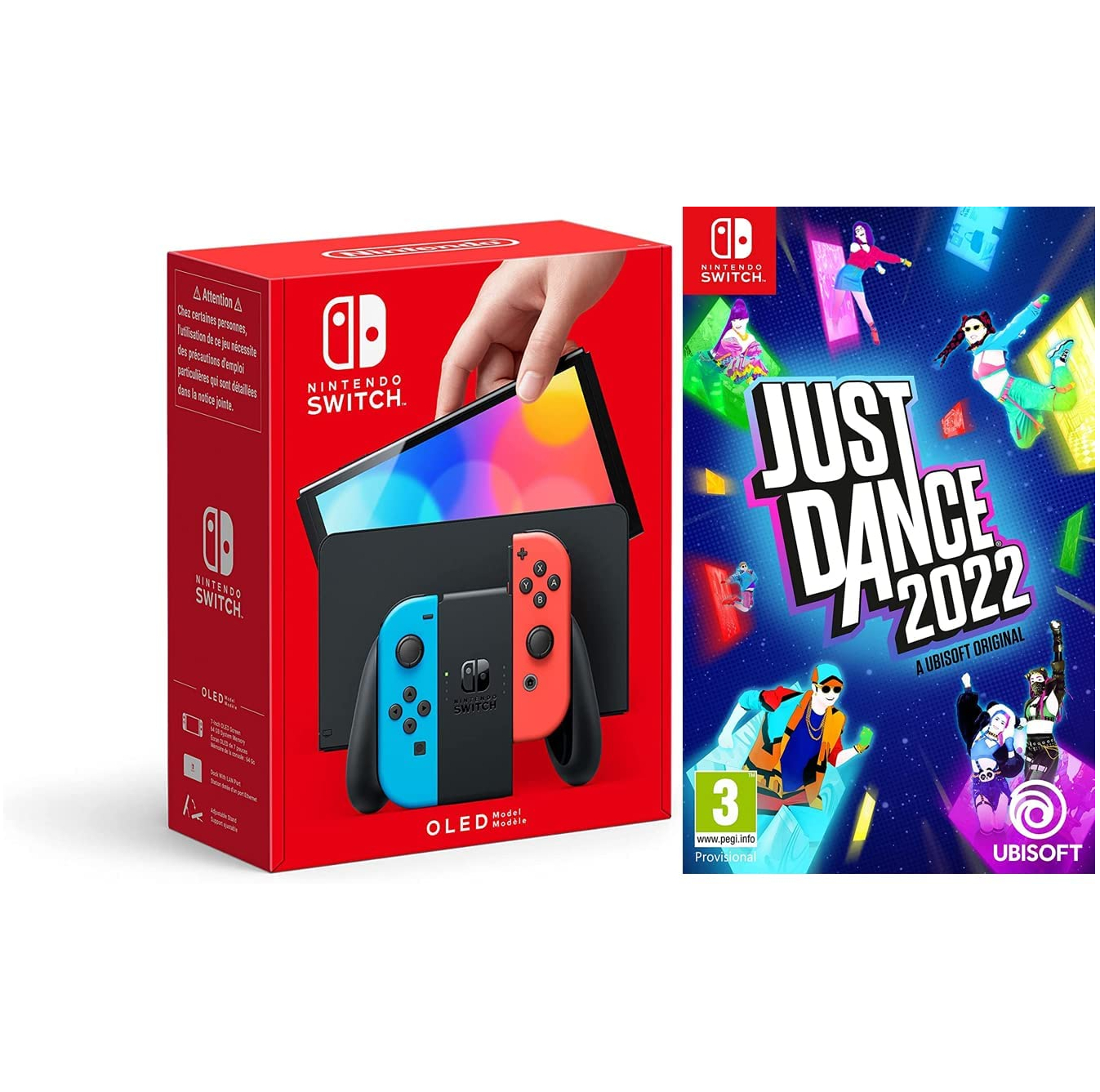
Nintendo Switch OLED (Neon) | Just Dance 2022:£351.99£338.99 at Amazon Save £13 – This is the best value Nintendo Switch OLED bundle available to buy today. Just Dance 2022 has proven to be a strong seller over Black Friday and Cyber Monday, so getting a console and one of its most popular games is a strong offer - especially with this £13 discount.
Nintendo Switch OLED (White) | Animal Crossing New Horizons:£349.98 at Very The £10 saving on this bundle is no longer available at Very so expect to pay full price for console and cutesy lifestyle sim Animal Crossing New Horizons. As one of the Nintendo Switch's most popular and best-selling games, we expect this bundle to go fairly quickly.
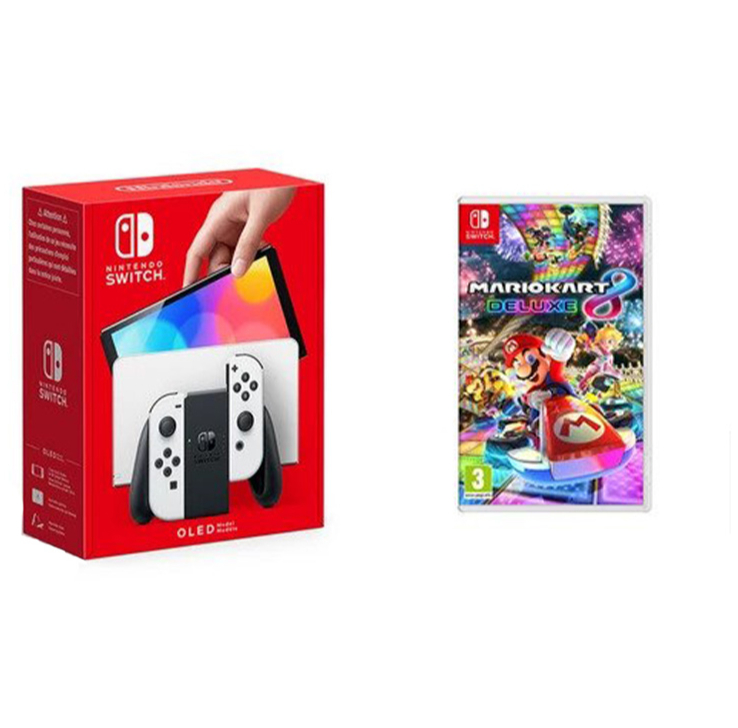
Nintendo Switch OLED (White) | Mario Kart 8 Deluxe:£349.98 at Very Save £10 - This bundle includes Mario Kart 8 Deluxe - another top-selling Switch title. It's rarely discounted if you were looking to buy it separately, but it's also an ideal game to start off your Switch library.
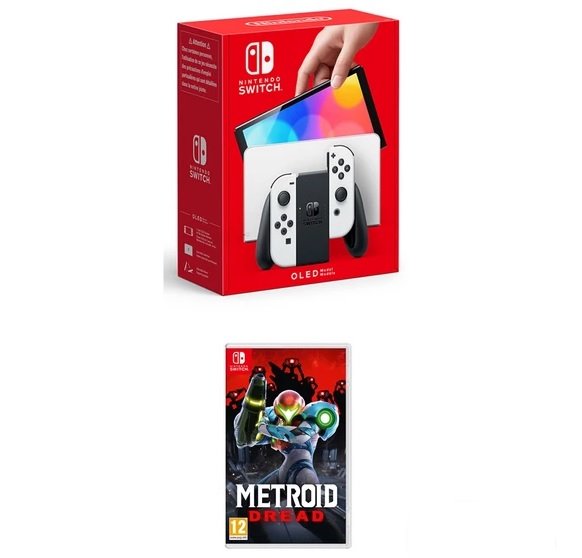
Nintendo Switch OLED (White) | Metroid Dread:£359.98£349.98 at Very
Save £10 – There's a small £10 discount on this Nintendo Switch OLED bundle at Very - but it's slightly misleading. The latest version of the popular console is usually priced at £309, so you're effectively getting a copy of Metroid Dread for just £40. That said, we have seen the game for £30 at some stores, so while still a good discount, it's not as big a saving as it really makes itself out to be.
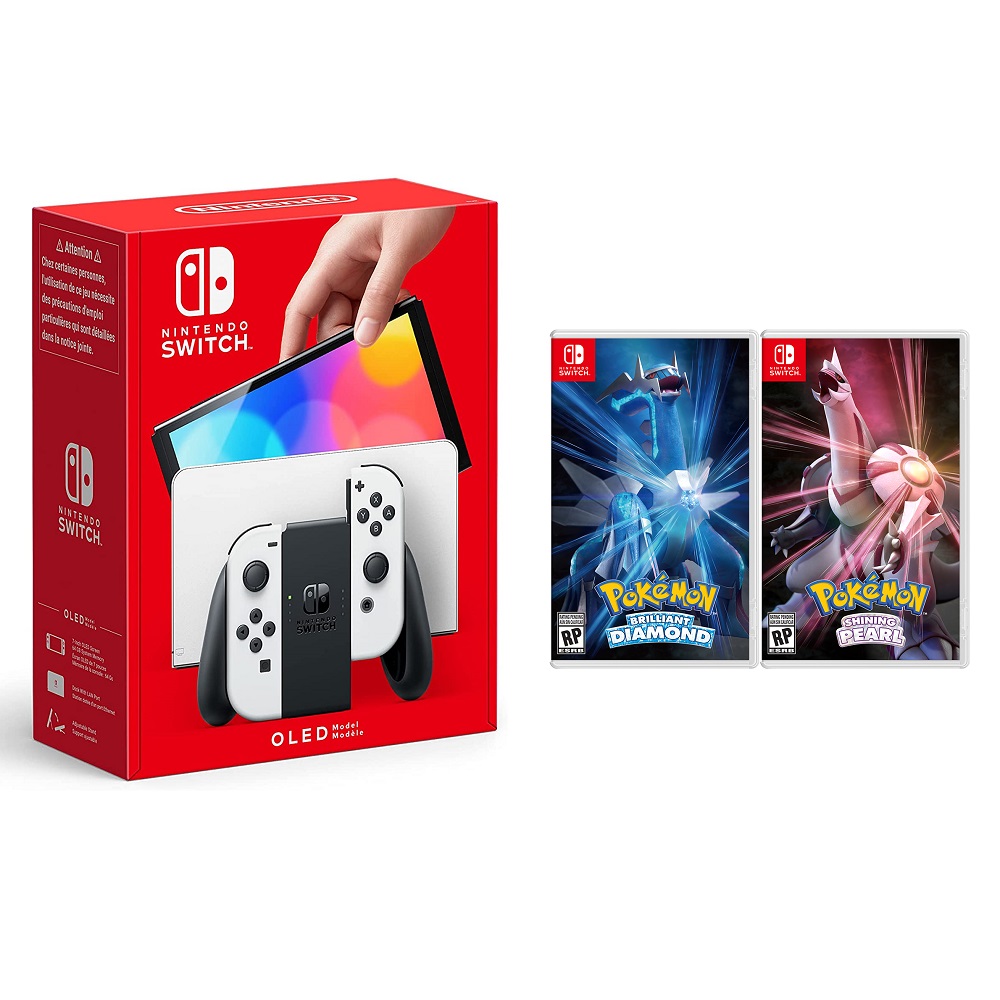
Nintendo Switch OLED | Pokémon: Shining Pearl & Pokémon: Brilliant Diamond:£399.97 at Very
This bundle includes both new Pokémon games that only just launched on November 19. If you're the biggest fan of catching 'em all or are buying for someone who is, it's an unbeatable bundle.
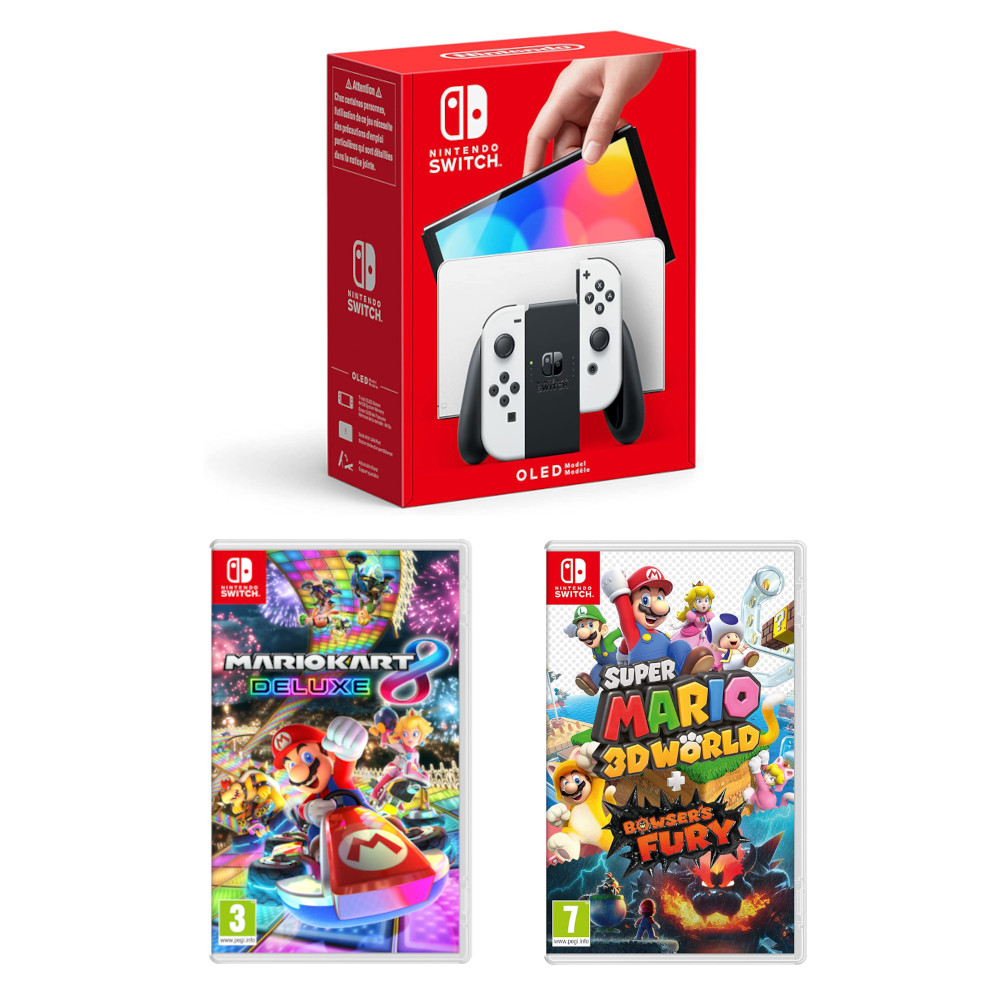
Nintendo Switch OLED (White) | Super Mario 3D World & Mario Kart 8:£389.97 at Very
This is a very strong multiplayer-focused bundle with frenetic racer Mario Kart 8 and inventive platformer Super Mario 3D World. Both games are best experienced with friends, whether you're competing for first place or collaborating to reach the end of a tricky course.
That's everything out there right now. For the regular console, you can take a look at our guide to all the very best Nintendo Switch deals that are available today. And if all these Nintendo Switch OLED bundles dry up, you can keep an eye on our Nintendo Switch OLED restock hub for the latest updates.
from TechRadar - All the latest technology news https://ift.tt/3DbRnZI
Spider-Man: Across the Spider-Verse (Part One) trailer gives us our first look at Spider-Man: Into the Spider-Verse sequel. Spider-Man: Across the Spider-Verse (Part One) releasing October 7, 2022 in cinemas worldwide.
The best video doorbells ensure that you never miss a delivery again (and that you can give cold callers the cold shoulder) by enabling you to see and speak to whoever is on your doorstep from your smartphone, even when you’re not at home.
Arlo and Ring are two of the biggest names in the video doorbell market right now, and each offers a flagship video doorbell that captures footage in an aspect ratio that ensures you can see the full length of someone on your doorstep, and any packages at their feet - ideal if you’re doing your holiday shopping online.
The Arlo Video Doorbell will set you back $149.99 / £179.99 / AU$289.99, while the Ring Video Doorbell Pro 2 is a good bit more expensive at $249.99 / £219 / AU$399.99. You may be wondering whether spending an additional $100 / £40 / AU$110 will result in a better experience when conversing with people at your threshold, so we pitted the Ring Video Doorbell Pro 2 against the Arlo Video Doorbell to help you choose the best video doorbell for your home.
(Image credit: Ring)
Best Ring Video Doorbell Pro 2 and Arlo Video Doorbell deals
Read on to find out how these doorbell cameras compare – or, if you already know which smart doorbell you want to buy, you can check out the current best prices for both products below:
Price
Wen it comes to cost, the Arlo Video doorbell is more affordable than Ring’s top-of-the-range smart doorbell. As we’ve mentioned, Arlo’s model is priced at $149.99 / £179.99/ AU$289.99, while the Ring Video Doorbell Pro will set you back $249.99 / £219 / AU$399.99.
Both models are mains powered, although Arlo does offer a wireless version of its doorbell, which costs $199.99 / £179.99 / AU$329. In the US and Australia, the Arlo Essential is $50 / AU$40 more expensive than the wired doorbell, while in the UK the two are the same price.
Ring doesn’t offer a battery-powered version of the Ring Video Doorbell Pro 2. If you want a wire-free option, you’ll need to invest in the Ring Video Doorbell 4, which doesn’t offer the same video quality or aspect ratio as the Pro model, but is more affordable at $199.99 / £179 / AU$329.
To get the most out of both doorbells, and review footage recorded by the camera at a later date, you’ll need to subscribe to the relevant online storage service. In the case of Ring Video Doorbell, this is Ring Protect, which is priced from $3 / £2.50 /AU$4 per month. For Arlo devices, you’ll need an Arlo Secure subscription, which starts at $2.99 / £2.79 / AU$4.49 per month.
(Image credit: Arlo)
Design
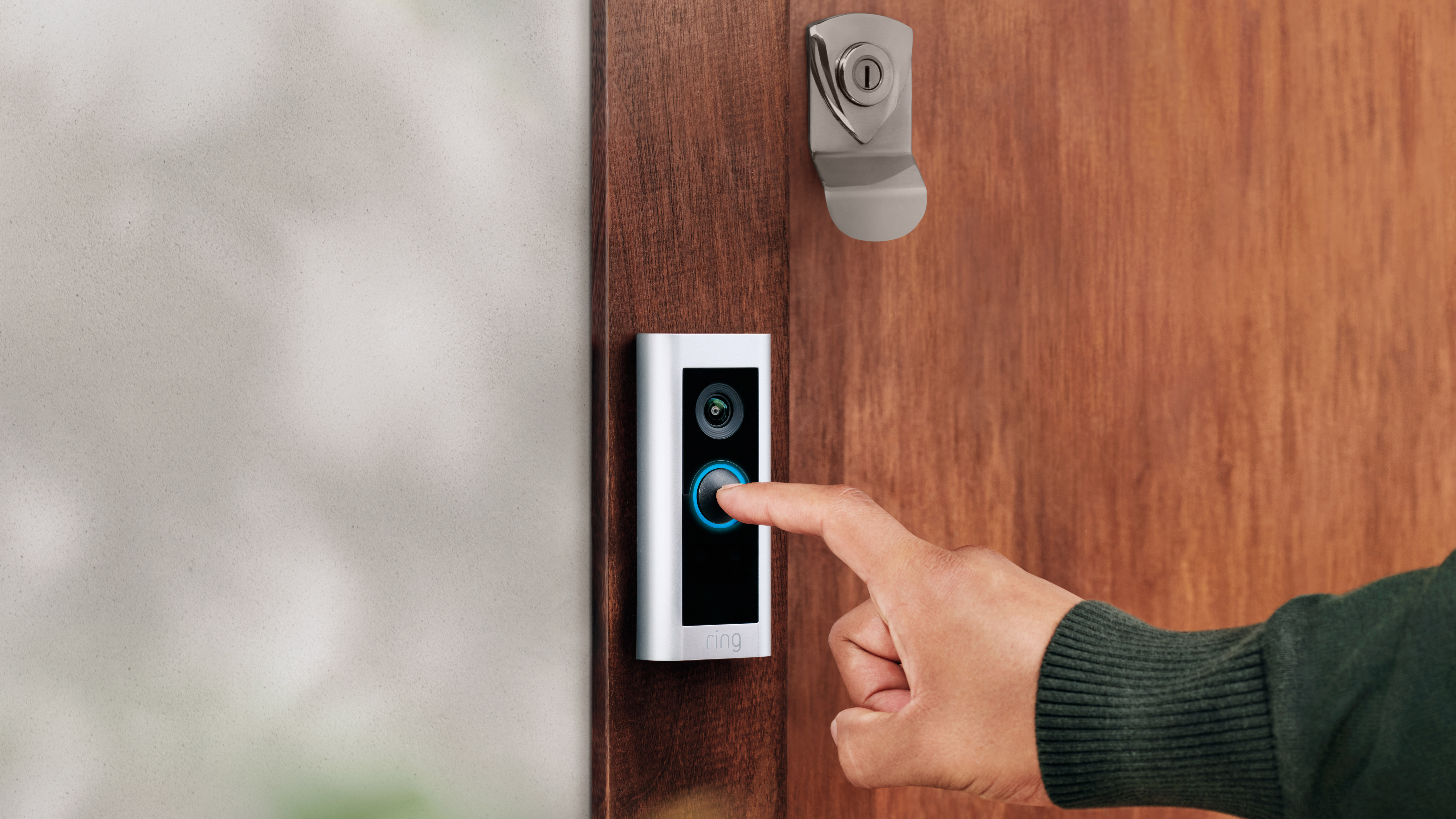
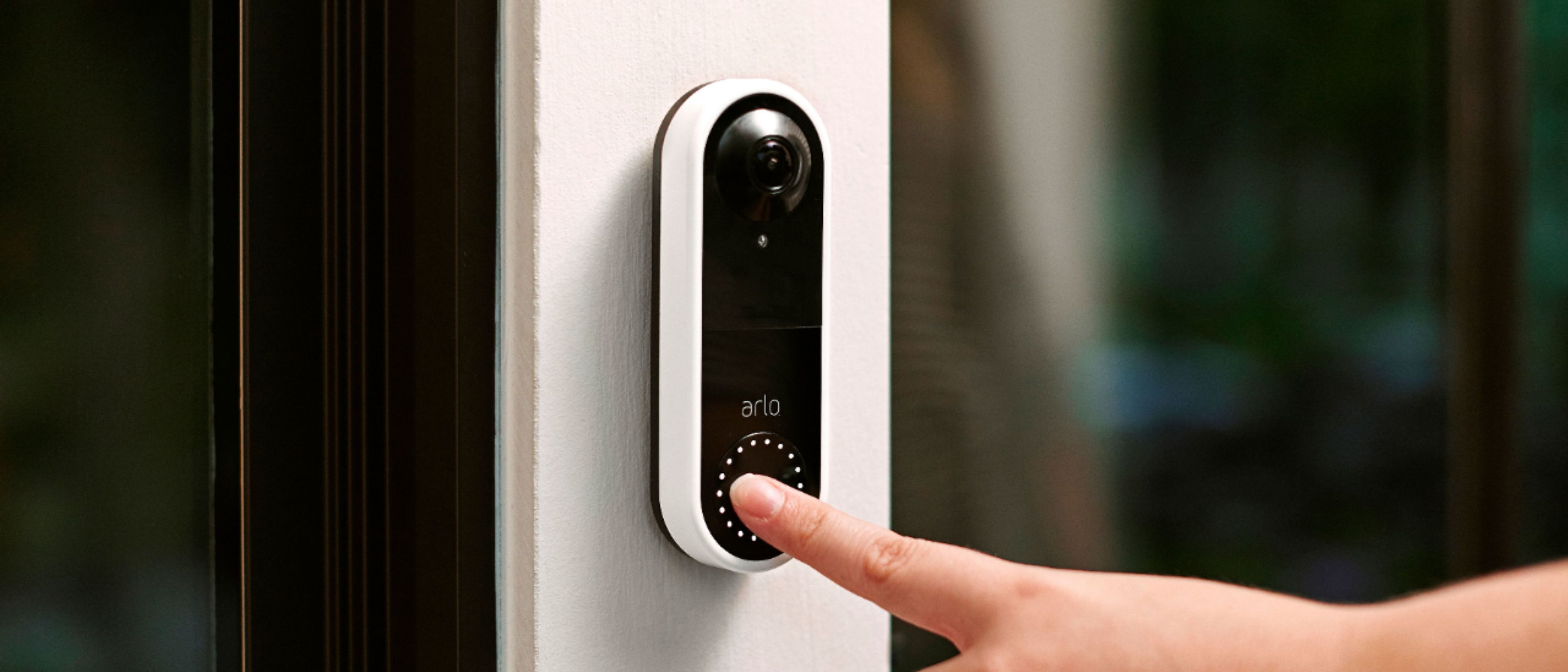
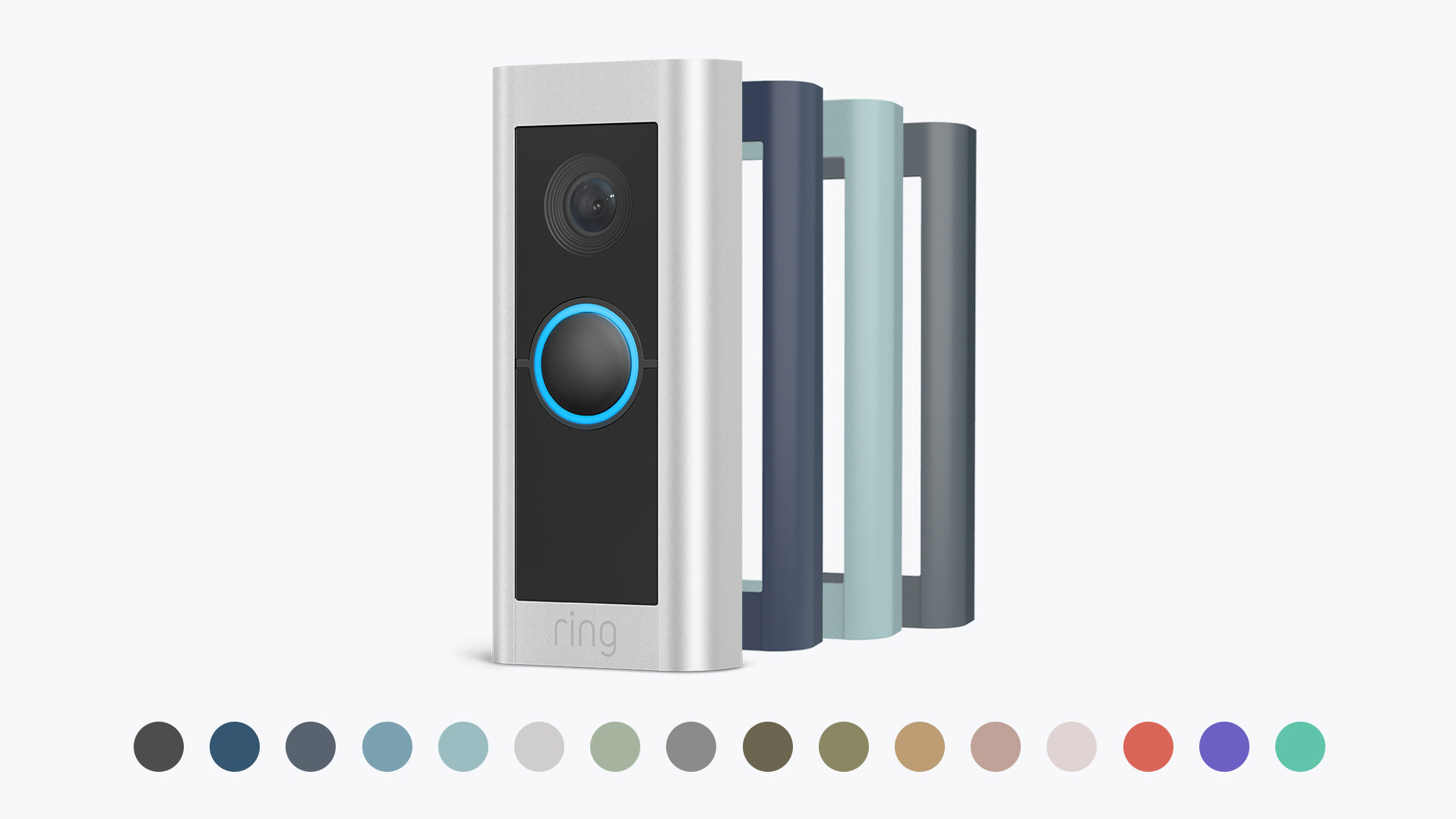
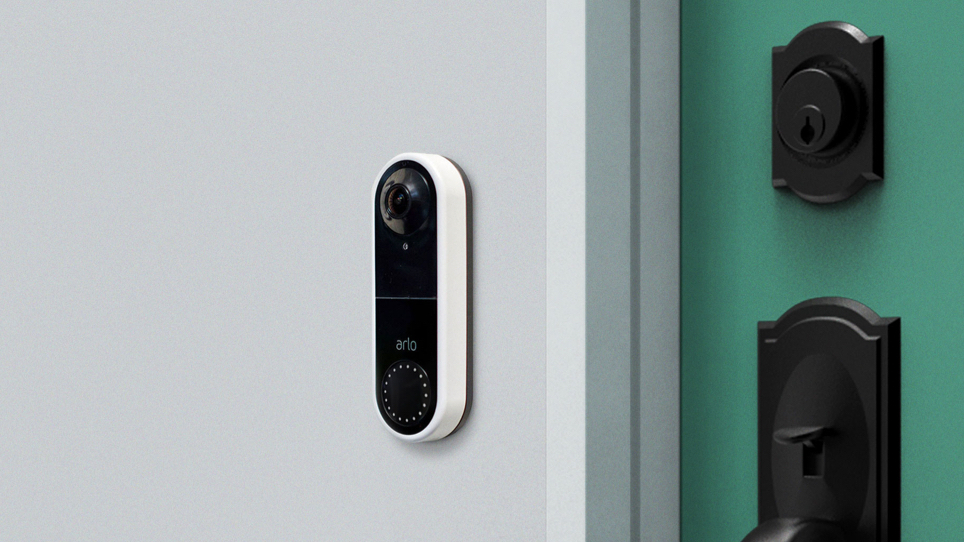
While both video doorbells are compact, with a small footprint, each has a distinct look. The Ring Video Doorbell Pro 2 has a rectangular design, which combines a glossy black fascia with a slim silver surround, which is removable and can be swapped for alternatives in an array of colors including red, blue, and gold. The Arlo Video Doorbell sports a rounded design with a stylish monochrome finish.
Both doorbells feature a button that illuminates when pressed and have a built-in camera, microphone, and speaker that enable you to see and speak to anyone on your doorstep. The Ring Video Doorbell’s lens has a 150-degree field of view, and captures footage at a resolution of 1536 x 1536p, while the Arlo Video Doorbell has the same resolution but a wider 180-degree field of view.
As mentioned, both doorbells are mains-powered and need to be connected to existing doorbell wiring, although in the UK the Ring Video Doorbell Pro 2 is available with an adapter that enables you to plug it into a power outlet. If you have an existing chime in your home, both doorbells will activate this when they’re pressed.
If you don’t already have a chime, both Ring and Arlo offer an additional plug-in chime that connects to the doorbell wirelessly. The Ring Chime will set you back $29.99 / £29.99 / AU$59, while the Arlo Chime is priced at $49.99 / £44.99 / AU$79.
Alternatively, both video doorbells can be connected to a smart speaker or smart display to sound an alert in your home. However, in the case of the Ring Video Doorbell Pro 2, this only applies to Amazon’s range of Echo smart speakers and Echo Show smart displays. Arlo’s doorbell, meanwhile, is compatible with Amazon’s devices, as well as those that use Google Assistant, and also has HomeKit support for those invested in Apple’s ecosystem.
(Image credit: Ring)
Features
When it comes to essential functionality, the Ring Video Doorbell Pro 2 and Arlo Video Doorbell are evenly matched. Both will send an alert to your smartphone and will activate a connected chime when the doorbell is pressed, or motion is detected in the field of view.
On receiving this alert you can either log in and view the doorbell’s live feed from your smartphone or, provided that you’ve subscribed to the relevant storage service, review the footage at a later date.
During testing, we were impressed with the quality of video captured by both doorbells. The footage was clear, and audio was in sync with the picture. Ring’s doorbell has an advantage over Arlo’s here, as it captures colorized night-vision footage when it’s dark. While there’s no built-in LED (a feature that many of Ring and Arlo’s home security cameras offer), the doorbell uses ambient light in the camera’s field of view to apply a simulated color to the image and provide more detailed footage. This comes in handy if you don’t have a porch light, or it’s not always on. However, the Arlo doorbell’s wider field of view means more of your driveway is captured in the video.
Both video doorbells allow you to set activity zones so that you’re only notified about motion in these areas, although as with many of the other features this does require a subscription. The Arlo doorbell is slightly better at distinguishing between different types of motion, and can identify people, animals, vehicles, and packages, while Ring’s video doorbell can identify people, but not animals and vehicles; it does have a package detection mode, but this is more fiddly to set up than on Arlo’s doorbell.
We also found that the notifications Arlo’s video doorbell sends when the doorbell is pressed are harder to miss. The doorbell places a Voice over IP (VoIP) call to your smartphone, rather than just sending an alert. On test, once this call was answered it was slightly faster to load the live feed from the doorbell’s camera than the feed from the Ring Video Doorbell Pro 2.
Ring also offers a couple of features not found on the Arlo Video Doorbell. 3D Motion uses radar to identify the distance of a person, animal, vehicle, or another source of motion from your door, and only sends a notification when the motion is within a certain range so that you’re not plagued by unwanted alerts. The Bird’s Eye View feature provides an aerial map charting the path of any motion, which can be useful in working out where a delivery person went with your package if you weren’t home, for example.
(Image credit: Arlo)
Verdict
When it comes to choosing the best video doorbell, both the Ring Video Doorbell Pro 2 and the Arlo Video Doorbell perform their basic tasks equally well.
For those on a tighter budget, or who want a video doorbell that prioritizes speed of alerts and offers the widest field of view, the Arlo Video Doorbell is the better choice.
However, the Ring Video Doorbell Pro 2 is better suited to those who want color night vision, or a device that’s loaded with features to reduce unwanted alerts, and track motion once the source leaves the doorbell’s field of view.
The best phones in the world right now are the iPhone 13 Pro and iPhone 13 Pro Max, but if that isn't for you we've got other top picks that may suit you, including the best Android phones.
Our phone experts have spent years reviewing smartphones, and we've tested all the best on the market to put together this definitive list of the very best smartphones you can buy in 2021.
Buying a mobile phone is a complicated decision, and you need options. That's why we've come up with a list of the best rather than just a single 'best phone' recommendation. We weigh the pros and cons of each model on our list based on performance, cameras, price point, and other metrics.
We're constantly updating our best cell phones list to make sure you're buying the absolute top phone for your needs. The Samsung Galaxy S21 Ultra is our latest number one pick, but also consider the iPhone 13, OnePlus 9 ProiPhone 13 Pro or Galaxy Note 20 Ultra, which we've found to be powerful phones for different reasons beyond operating system of choice.
This is our guide to the best phones available right now in the UAE, Saudi Arabia, Qatar, Kuwait, Bahrain and Oman. If you already have your mobile OS alliance set you'll want to check out either our ranking of the best Android phone or best iPhone. We're constantly updating our best cell phones list to make sure you're buying the absolute top phone for your needs
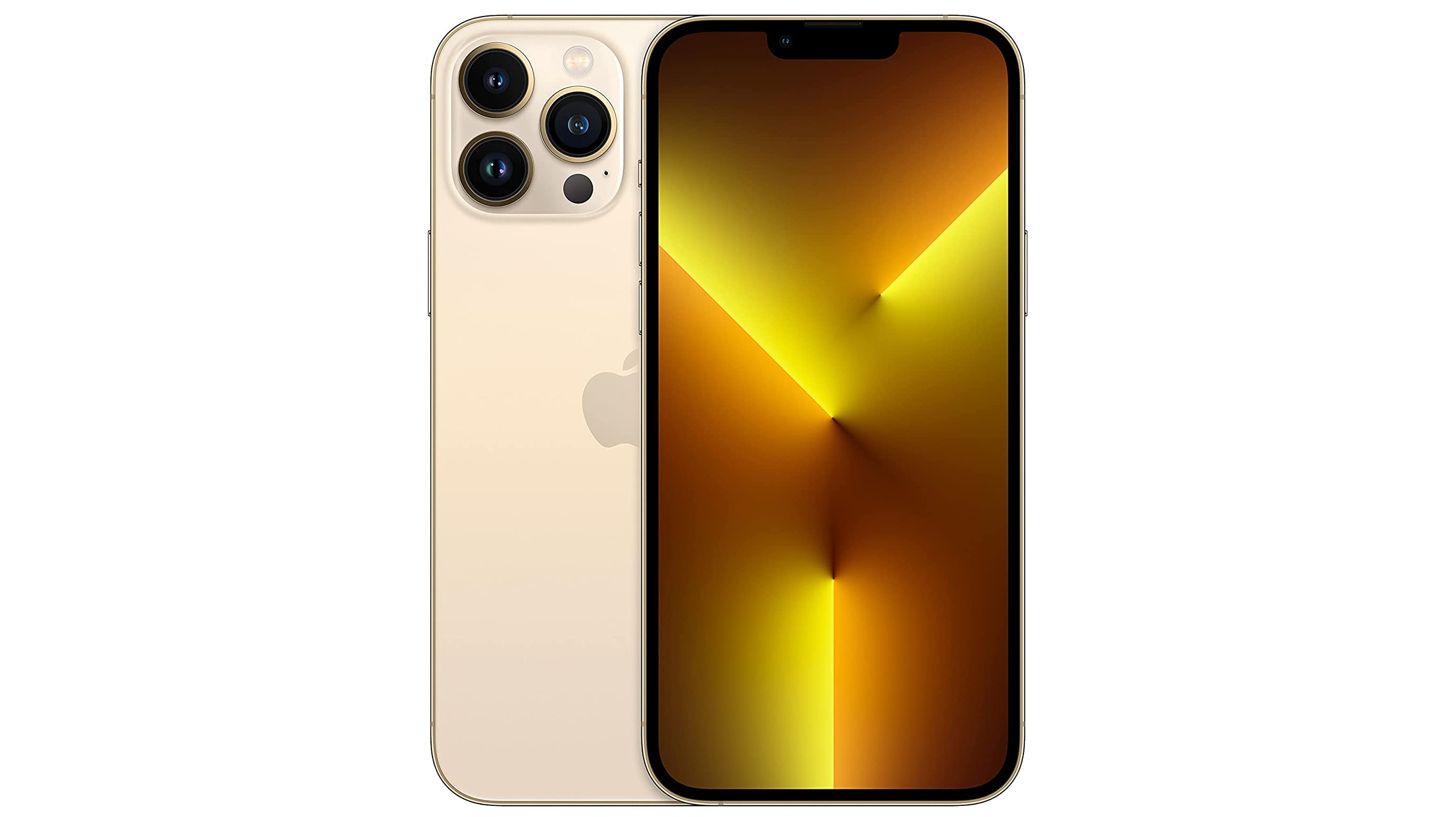
Release date: September 2021 | Weight: 204g / 240g | Dimensions: 146.7mm x 71.5mm x 7.7mm / 160.8mm x 78.1mm x 7.7mm | OS: iOS 15 | Screen size: 6.1-inch / 6.7-inch | Resolution: 1170 x 2532 / 1284 x 2778 | CPU: A15 Bionic | RAM: 6GB | Storage: 128GB/256GB/512GB/1TB | Battery: 3,095mAh / 4,352mAh | Rear camera: 12MP + 12MP + 12MP | Front camera: 12MP
Great performance
Strong battery life
Limited design changes
Notch still too large
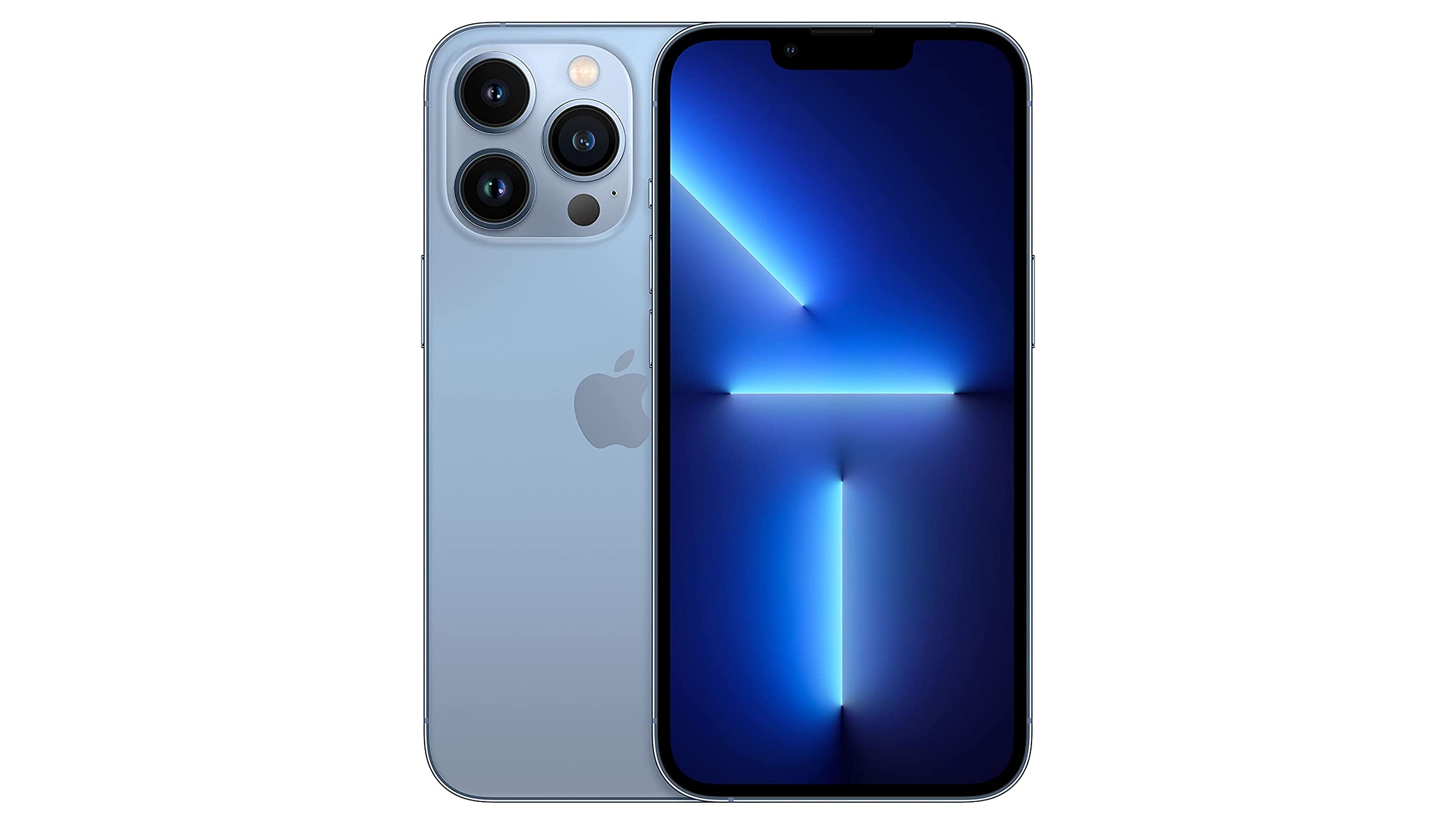
The iPhone 13 Pro and iPhone 13 Pro Max are the best iPhones available at the time of writing, offering more power than ever before, improved cameras, 120Hz refresh rates and surprisingly good battery life.
Why: While the iPhone 13 Pro and Pro Max are the best iPhones and are the obvious choice for not just iPhone fans but anyone looking to get a high-end phone. With a higher refresh rate than the iPhone 12 range, a new macro mode and a smaller notch, they aren’t the biggest upgrades but they’re undeniably great.
Screen: Whether you choose the 6.1-inch iPhone 13 Pro or 6.7-inch iPhone 13 Pro Max you’re getting a sharp OLED screen with a 120Hz variable refresh rate. The continued presence of the notch is annoying, but it’s slightly smaller this time and easy to ignore, especially once you see the overall quality of the display.
Battery life: Apple has outdone itself with the battery life on the iPhone 13 Pro Max, which is genuinely great, rather than just being great for an iPhone. The iPhone 13 Pro’s isn’t quite as good, but it’s still decent and an upgrade on the iPhone 12 Pro’s life.
Camera: The iPhone 13 Pro range includes the same lens types as last year, but with larger pixels and new modes, including an impressive macro mode, and a slightly less significant Cinematic mode. Between all this and their improved low light performance, these cameras are ace.
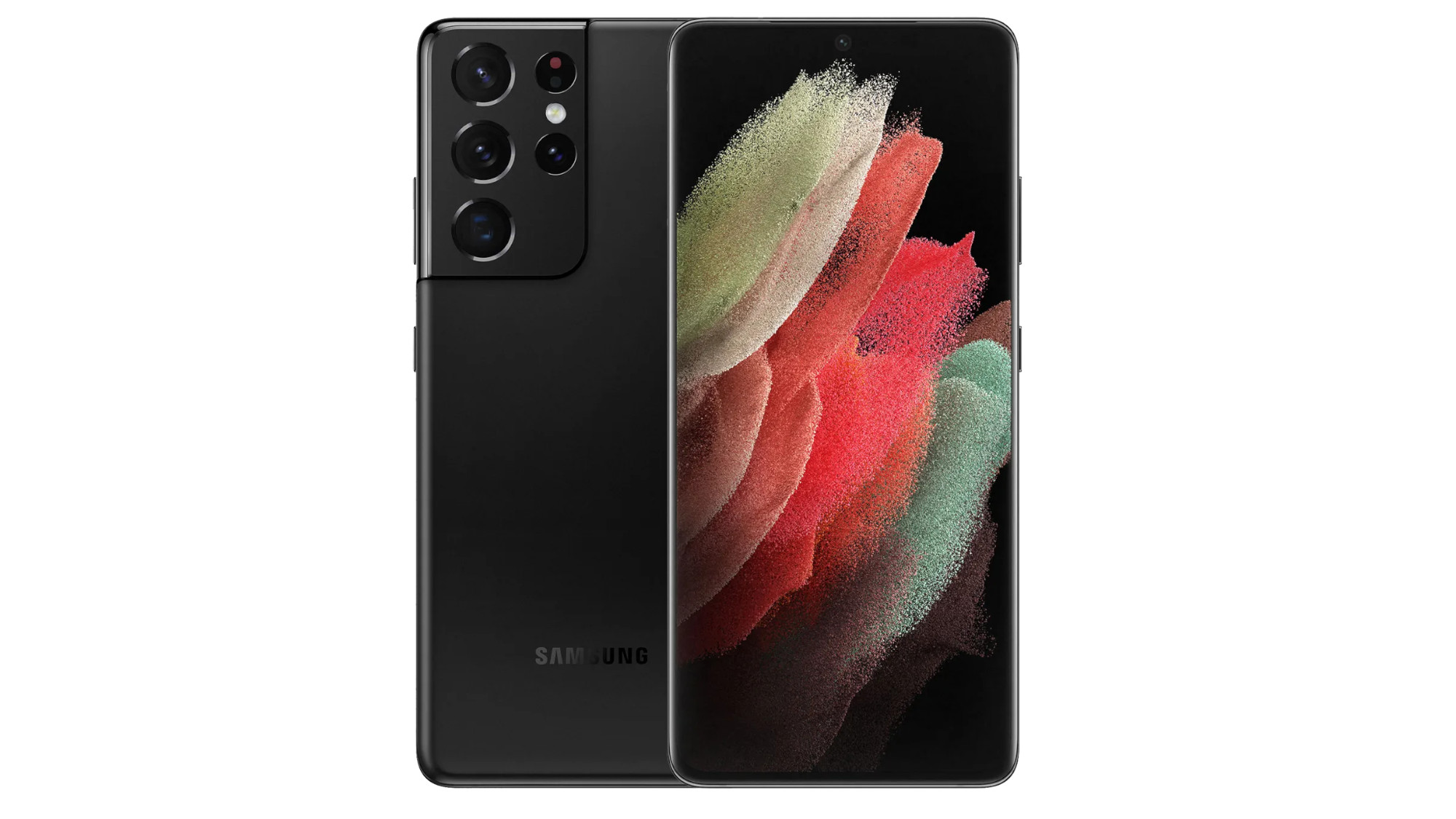
Release date: January 2021 | Weight: 227g | Dimensions: 165.1 x 75.6 x 8.9 mm | OS: Android 11 | Screen size: 6.8-inch | Resolution: 1440 x 3200 | CPU: Snapdragon 888 / Exynos 2100 | RAM: 12GB / 16GB | Storage: 128GB/256GB/512GB | Battery: 5,000mAh | Rear camera: 108MP + 10MP + 10MP + 12MP | Front camera: 40MP
The best camera zoom
Mesmerizing design
Expensive at any level
No microSD card slot
The Samsung Galaxy S21 Ultra is the best Android phone right now.
Why: We think the S21 Ultra is a fantastic choice for you with one of the best camera suites, phenomenal power, great battery life, a solid design and a whole host of other great features. The Galaxy S21 Ultra isn't a cheap handset with a price that, despite being cheaper than its predecessor, is still costlier than any competing flagship, but if you're looking for the ultimate smartphone experience in 2021 you will be hard pressed to do better than this latest from Samsung.
Screen: The Samsung Galaxy S21 Ultra features a top 6.8-inch screen with a 120Hz adaptive refresh rate and a Quad HD resolution. This is one of the best smartphone displays on the market.
Battery life: The Samsung S21 Ultra's battery life is solid, and we found it'd often see us through a whole day from a full charge. If you're playing around with the 120Hz refresh rate, battery life is likely to drain faster, but it's a top choice if you're after a long lasting phone.
Note the Samsung Galaxy S21 Ultra doesn't come with a charger in the box though, so you'll have to use your existing one or buy one separately.
Camera: Samsung's 108MP camera on the Galaxy S21 Ultra is going to be the highlight for many, and the camera doesn't disappoint on this phone. Like its predecessor, you can take 100x zoom photography, but it's far improved here over the Galaxy S20 Ultra with two telephoto cameras working in tandem to do the heavy lifting.
Not the best of the S series, but nevertheless great
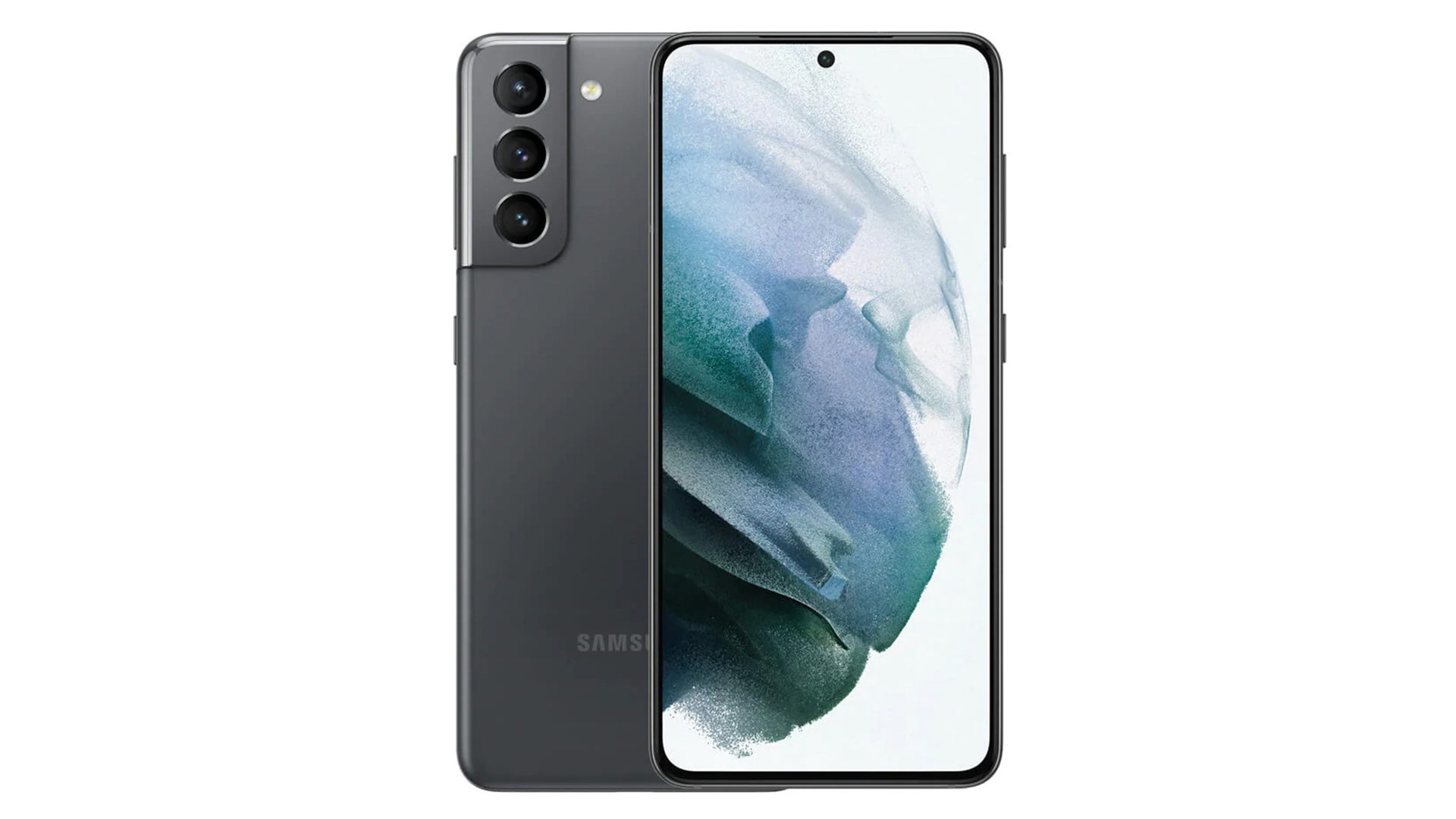
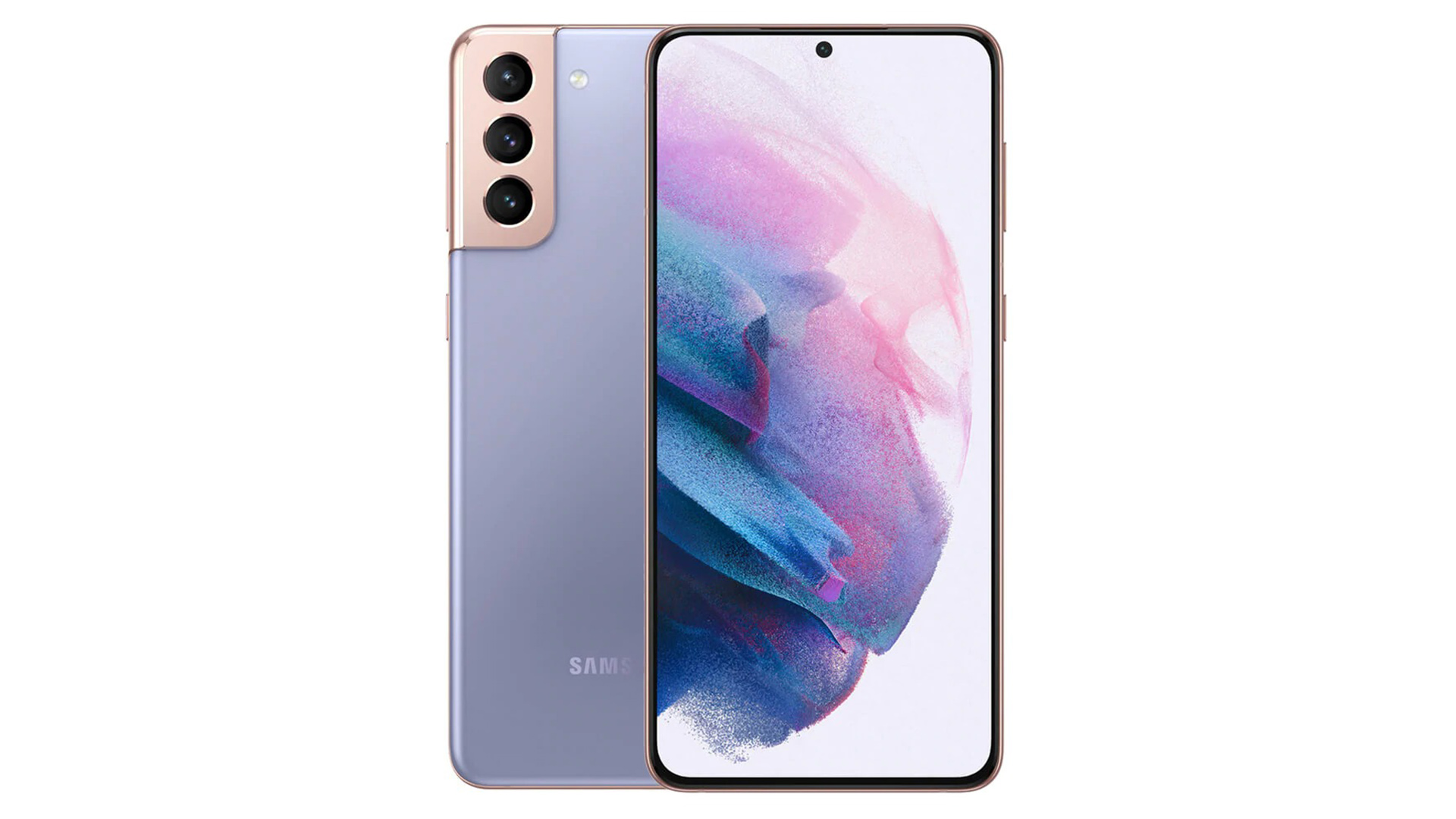
Release date: January 2021 | Weight: 169g/200g | Dimensions: 151.7 x 71.2 x 7.9 mm / 161.5 x 75.6 x 7.8 mm | OS: Android 11 | Screen size: 6.2-inch / 6.7-inch | Resolution: 1080 x 2400 | CPU: Snapdragon 888 / Exynos 2100 | RAM: 8GB | Storage: 128GB / 256GB | Battery: 4,000mAh / 4,800mAh | Rear camera: 12MP + 64MP + 12MP | Front camera: 10MP
Fantastic, versatile camera
Cheaper than the Galaxy S20
No microSD support
Screen isn’t the best
The Samsung Galaxy S21 and Galaxy S21 Plus aren't the height of spec and prowess as their predecessors used to be – the Samsung Galaxy S20 used to sit at the top of this list – and instead Samsung's Ultra handsets are now taking the limelight. But its strength is in its value: the S21 is a powerful phone that's more affordable than some of its competitors.
Why: The Samsung Galaxy S21 will be the perfect smartphone for many with its great mix of solid spec, a great design and the fact it's cheaper than the Galaxy S21 Ultra as well as its predecessors. If you own the Samsung Galaxy S20 we wouldn't recommend buying this, but for others this will be the perfect smartphone. If you're looking for a larger screen and a better battery, opt for the very similar but slightly more expensive Plus model.
Screen: Much has been said about Samsung's switch to Full HD for the Galaxy S21's display, but in our testing we didn't notice the knock down in resolution much unless we were testing the phone side by side with a QHD display. With a 120Hz refresh rate and great brightness, the Galaxy S21's screen will satisfy many. Looking for that larger screen? You'll get it with the S21 Plus.
Battery life: The battery life on the Samsung Galaxy S21 will last you a full day from a single charge, and its 4,000mAh cell means you'll get a lot of usage out of the handset without having to recharge the phone. The battery on the S21 Plus is even better with a 4,800mAh cell inside.
Camera: The Galaxy S21's camera is much the same as the Galaxy S20, but a few software tweaks have been included from Samsung that make it just that touch better. Overall, this isn't as phenomenal as the Galaxy S21 Ultra but for most just wanting to shoot the odd snap, this will suit you perfectly.
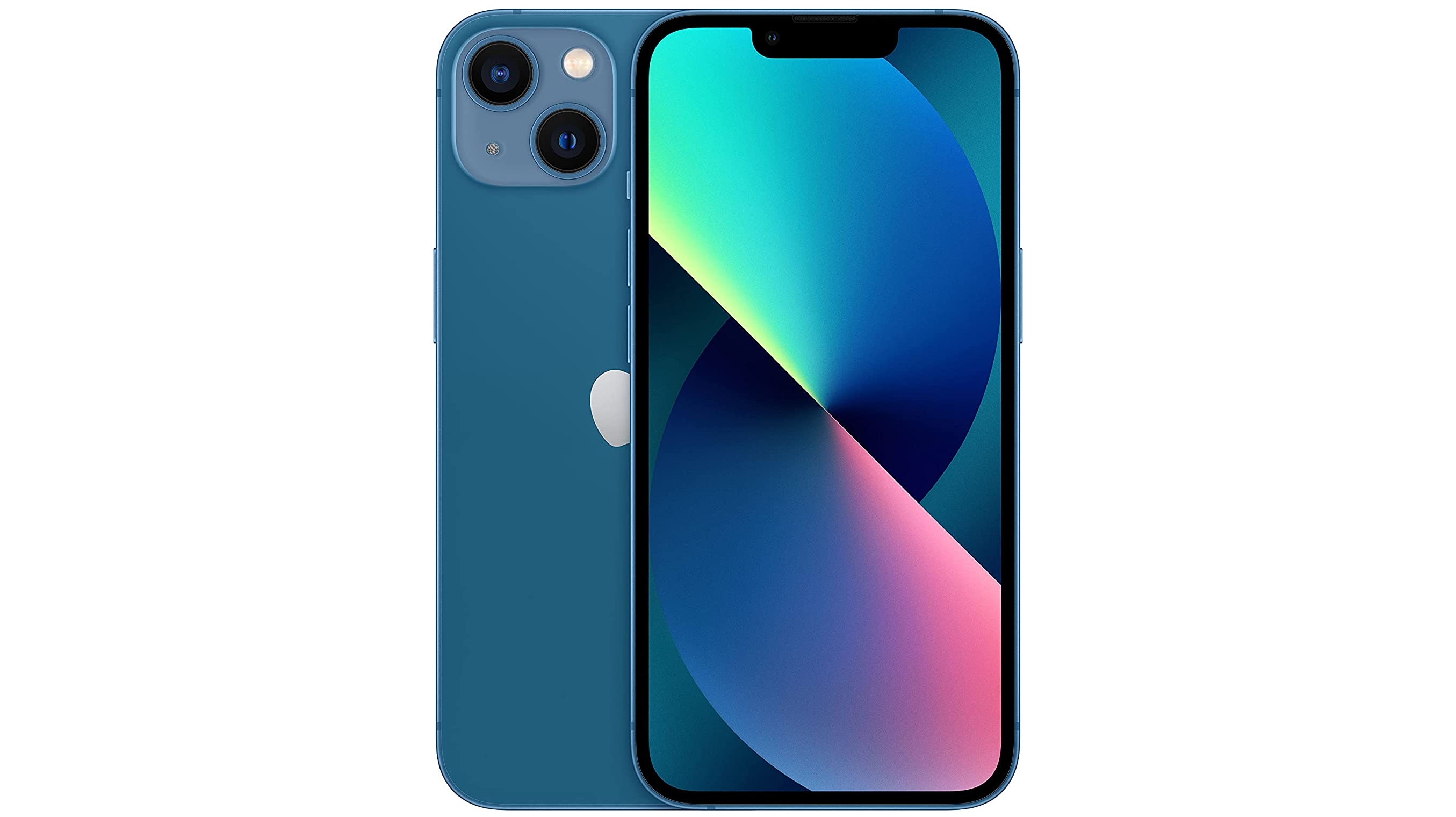
Release date: September 2021 | Weight: 174g | Dimensions: 146.7 x 71.5 x 7.7mm | OS: iOS 15 | Screen size: 6.1-inch | Resolution: 1170 x 2532 | CPU: A15 Bionic | RAM: 4GB | Storage: 128GB/256GB/512GB | Battery: Up to 19 hours | Rear camera: 12MP+12MP | Front camera: 12MP
Strong battery life
Powerful internals
Minimal design changes
No 120Hz screen
The iPhone 13 isn’t as big an upgrade as the iPhone 13 Pro, as it lacks a 120Hz refresh rate, but with oodles of power and good battery life it’s a strong choice if you don’t have a fortune to spend.
Why: The iPhone 13 Pro / Pro Max and the Samsung Galaxy S21 range have the edge over the iPhone 13 when it comes to specs and features, but this standard iPhone model comes close to matching them, especially when it comes to battery life. And actually it probably has slightly more power than its Android rivals.
Screen: With its 6.1-inch 1170 x 2532 OLED display, the iPhone 13 has a bright and clear screen. It doesn’t have a 120Hz refresh rate, but it does at least have a slightly smaller notch than the iPhone 12.
Battery life: In our tests the iPhone 13 reliably lasted through a day of use, but not much more. That puts it in fairly average territory, yet it’s still an improvement on many previous iPhones here.
Camera: The iPhone 13 lacks a telephoto camera, but its main and ultra-wide perform well, with the former having larger pixels than the iPhone 12’s. With improved image stabilization too, plus some new shooting modes and features, there’s a lot to play with here, and a lot to like.
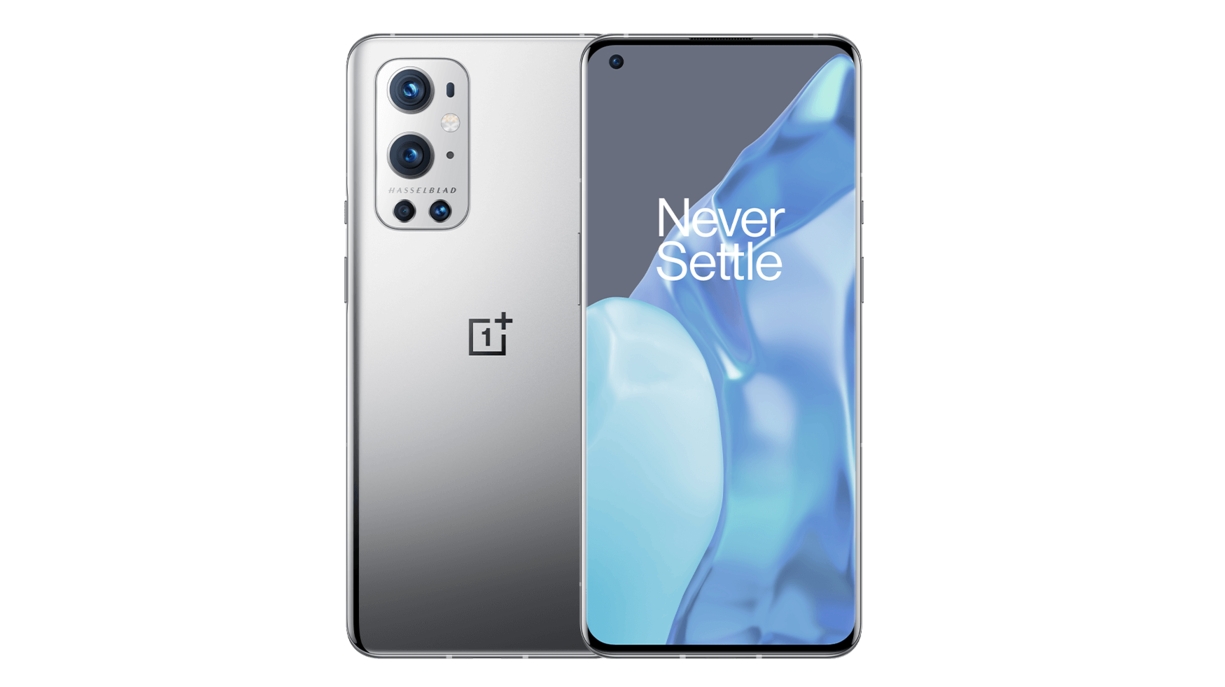
The OnePlus 9 Pro is a top-tier flagship and one that improves on the main weakness of previous OnePlus phones – their cameras. This is a phone that can compete with the other top handsets, and some may even prefer its camera to the other phones on this list.
Why it's ranked 6th: OnePlus may have focused its attention on the cameras for the OnePlus 9 Pro, but this is an overall incredible smartphone offering top-end power, a great display and most features you'd expect from any other phone you'll find on this list. Battery life isn't the absolute best, and it's remarkably expensive considering OnePlus' history in the smartphone market but it has earned its place this high on our best smartphone list because it's the overall package.
Screen: This 6.7-inch screen has the ability to impress you more than an iPhone for one simple reason: the 'Fluid Display' that sets the refresh rate to 120Hz. Not only does it make game look better, but simply scrolling the web looks smoother. You'll also find nice upscaling and HDR10+ here.
Battery life: If you need your phone battery to last all day long, the OnePlus 9 Pro achieves that, but it doesn't offer the absolute best battery life we've seen on a smartphone. It features a 4,500mAh battery, and this is set to last you a full day from a single charge but it may not offer that if you're using the phone an extraordinary amount. It also have great fast charging and wireless charging features.
Camera: Thanks to a new Hasselblad partnership and a ‘freeform’ ultra-wide lens, designed to reduce the distortion at the edge of images, the OnePlus 9 Pro is the best OnePlus camera phone. It isn't the absolute best camera phone, but it's a remarkable step up from the company with a great 48MP main camera alongside an 8MP telephoto and 50MP ultrawide.
This productivity powerhouse is the best phone to get stuff done on
Release date: August 2020 | Weight: 208g | Dimensions: 164.8 x 77.2 x 8.1mm | OS: Android 10 | Screen size: 6.9-inch | Resolution: 1440 x 3088 | CPU: Snapdragon 865 Plus / Exynos 990 | RAM: 12GB | Storage: 128/256/512GB | Battery: 4,500mAh | Rear camera: 108MP, 12MP, 12MP | Front camera: 10MP
Useful S Pen features
Great-looking screen
Slow charging
Ultra-expensive
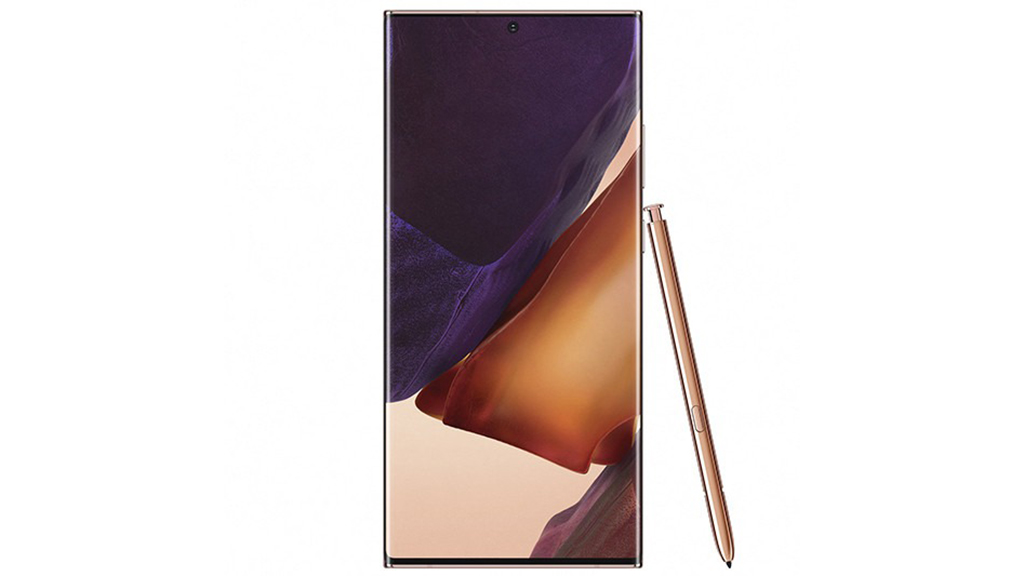
The Galaxy Note 20 Ultra is Samsung's most expensive non-foldable phone, and generation's big perk of the Note is that it comes with an amazing camera. Get ready for extreme close-ups with the 5x optical zoom and 50x digital zoom. The S Pen returns with new tricks like recording voice notes and syncing them with handwritten notes.
Why: This is one of Samsung's most powerful phones, but it's more expensive than most of the S21 series. You get it all with the Note 20 Ultra: a stylus, a camera with a 5x optical zoom and 50x digital zoom, a faster chipset (at least in the US version) and a 6.9-inch 120Hz screen. Not everyone needs an 'everything phone' like this, but if you want it all and don't want to wait for the Galaxy Z Fold 2, this is one of Samsung's best.
Screen: The 6.9-inch Note 20 Ultra display is massive, but only is a fraction of an inch larger than 2019's 6.8-inch Note 10 Plus screen. A big difference is in the fluidity of the screen via a 120Hz refresh rate. No, you can't enable both the WQHD+ resolution and 120Hz at the same time, but the pixels look fine at 1080p on a screen of this size vs having to go back to 60Hz. Another literally small perk: the front-facing camera punch hole is smaller than ever.
Battery life: The Note 20 Ultra has a solid 4,500mAh battery, and we found that it goes more than a day with normal use without a problem. Even power users won't have a problem, based on our tests. Samsung includes a 25W fast wired charger in the box and offers compatibility with 15W fast wireless charging, but it has backed off of supporting 45W wired charging for some reason.
Camera: The Note 20 Ultra has one of the best cameras on an Android phone, and that's in part because of its 5x optical zoom and 50x digital zoom. It makes 2x optical zooms from the iPhone seem like minor cropping at the edges of 1x photos. With 5x optical and, in good light, 10x digital, Samsung punches in with a dramatic zoom and usable photos on Instagram (50x zoom is mostly a party trick). We also found this phone to have the best ultrawide camera, and the regular 12MP camera is sharp. You don't need the 108MP camera and should watch out for skin softening in low-light.
Release date: April 2020 | Weight: 148g | Dimensions: 138.4 x 67.3 x 7.3mm | OS: iOS 13 | Screen size: 4.7-inch | Resolution: 1134 x 750 | CPU: A13 Bionic | RAM: 3GB | Storage: 64/128/256GB | Battery: 1,821mAh | Rear camera: 12MP | Front camera: 7MP
Low price for an iPhone
One-hand-friendly and light
Has the Touch ID home button
Battery life could be better
Old screen technology
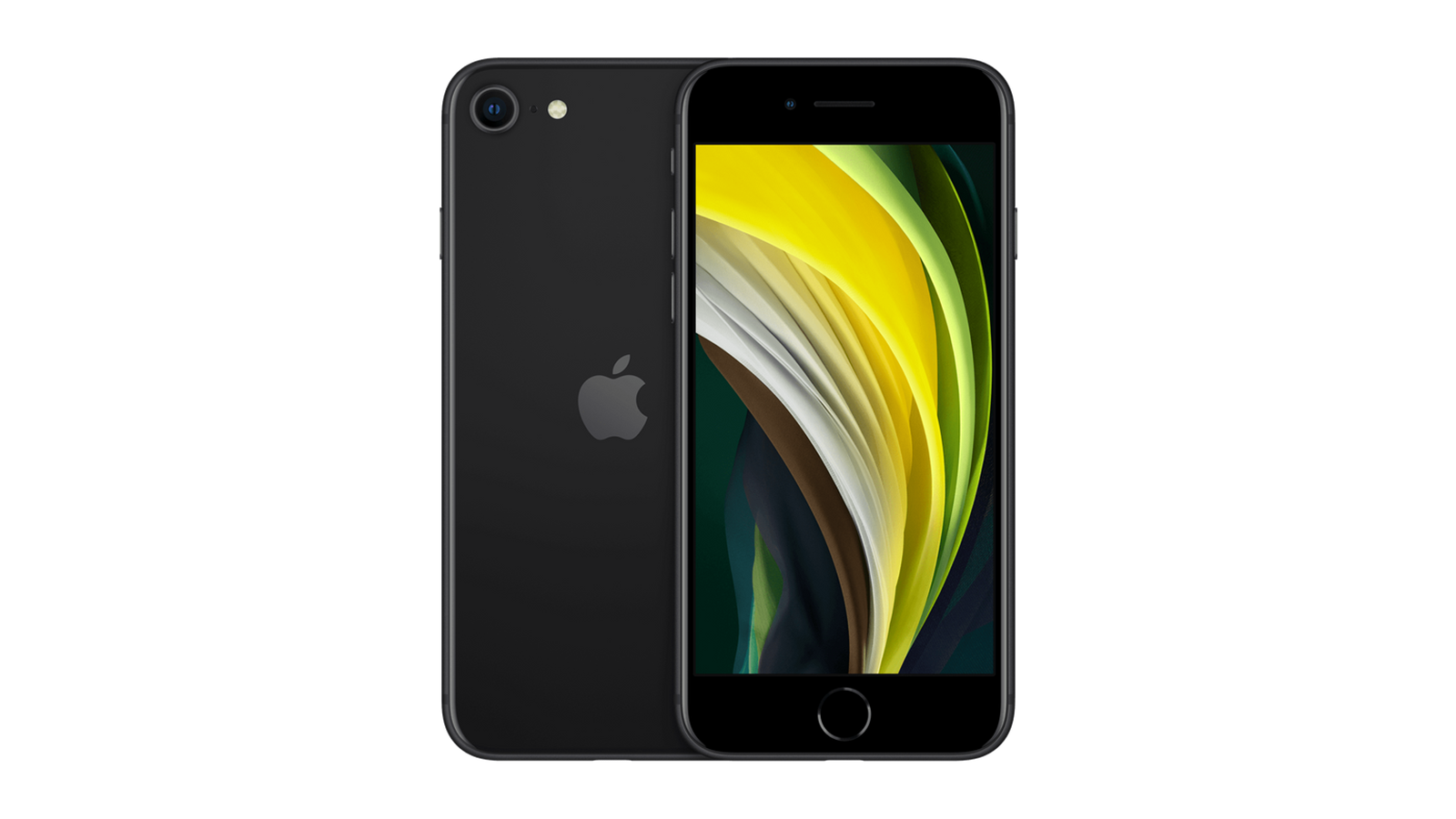
The iPhone SE 2020 is the sequel to the one-hand-friendly iPhone from 2016, and it takes the power and specs we loved from the iPhone 11 series and crams them into the design of the iPhone 7 and iPhone 8.
Why: This isn't Apple's most powerful iPhone, but it's the best value for people who want to stick with iOS 15 without paying through the nose. Its screen technology won't wow you like an iPhone 13 Pro, and there's just one camera on the back, but the relatively low price means this is hard to beat if you're on a budget and don't want to switch to Android.
Screen: This new iPhone SE has a 4.7-inch screen borrowed from the iPhone 7 and iPhone 8, so it's bigger than the original iPhone SE, but remains one-hand-friendly. That's become important for people who have been demanding a smaller phone. This is the one to get, even if the resolution and bezel won't wow anyone.
Battery life: As long as you aren't a power user (who would likely opt for the iPhone 11 series anyway), then you'll be OK with what Apple offers in terms of battery life. It's not going to last you any longer than a day, though, with generally the same amount of power as we saw on the iPhone 8, which had a 1,821mAh battery capacity.
Camera: For the money, the iPhone SE 2020 takes perfectly fine photos in good light. You won't notice much of a difference outside of it occasionally failing to nail perfect exposure levels and depth of field outdoors during the daytime. Dim the lights, however, and you'll notice one glaring omission: the night mode that's on the more powerful iPhones. That requires an upgrade to at least the iPhone 11.
Release date: March 2019 | Weight: 192g | Dimensions: 158 x 73.4 x 8.4mm | OS: Android 9 | Screen size: 6.47-inch | CPU: Kirin 980 | RAM: 8GB | Storage: 128/256/512GB | Battery: 4,200mAh | Rear camera: 40MP + 20MP + 8MP + ToF | Front camera: 32MP
Fantastic cameras
Eye-catching design
No Google services
EMUI is getting better
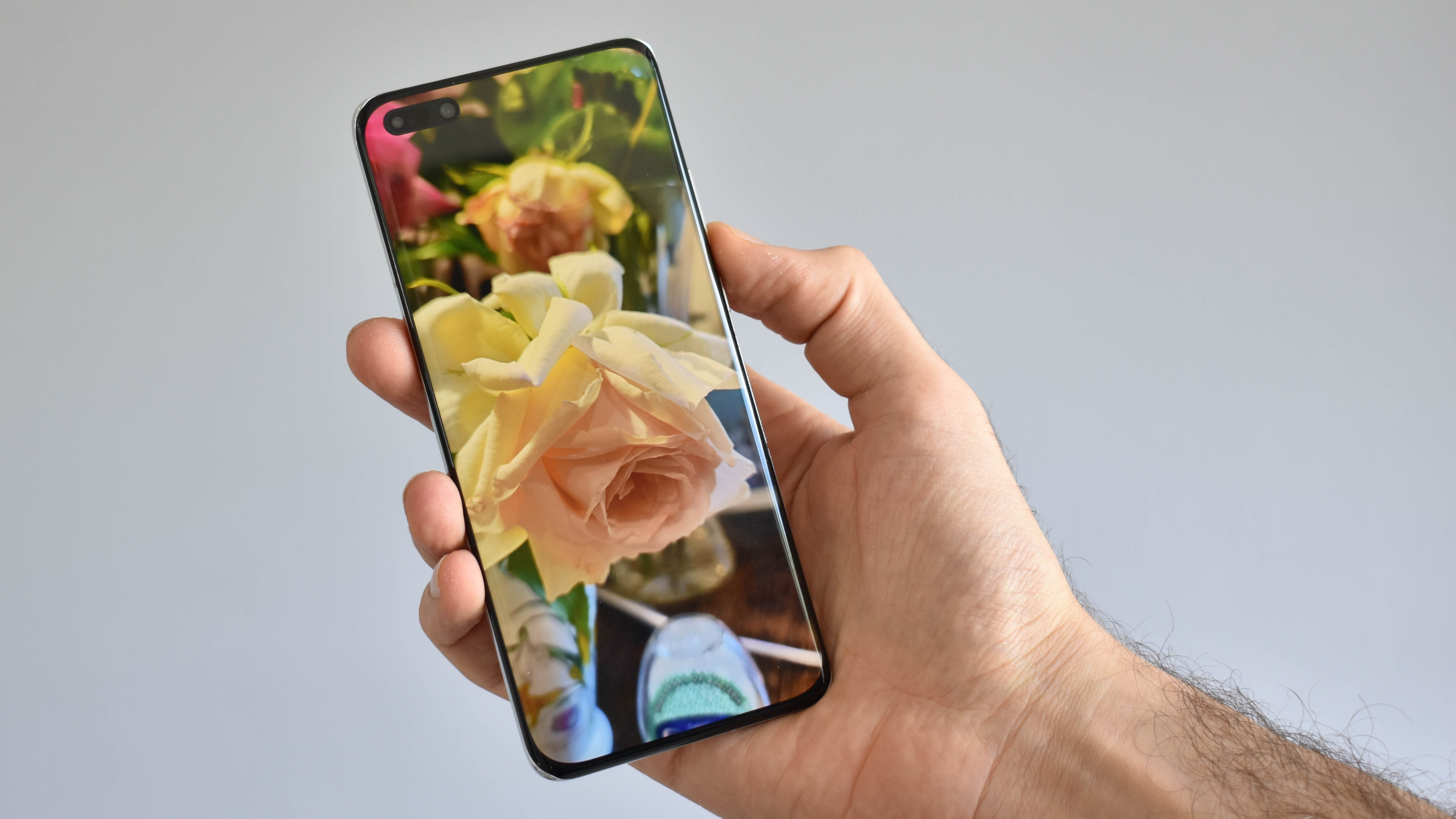
Why: The Huawei P40 Pro is Huawei's latest effort and from a hardware perspective, it easily matches or exceeds almost every flagship Android phone. It has the best camera on any phone and shines under low-light performance. What holds it back is the lack of Google Mobile Services (GMS)
Screen: The large 6.58-inch OLED screen on the P40 Pro is curved from all sides and and offers a 90Hz refresh rate for smooth operation.
Battery life: The 4,200mAh battery on the Huawei P40 Pro along with good battery management easily keeps the phone running all day with plenty of power left over at night.
Camera: There is no denying that the Huawei P40 Pro is currently the best camera phone. The 50 MP, f/1.9 primary sensor takes stunning shots in low light while the 5X optical zoom lens and ultra wide lens offer plenty of flexibility.
Software: What is likely to be a deal breaker for some is the lack of Google Mobile Services on the Huawei P40 Pro. Though Huawei is continuously building its own set of services, it could be a while before you can use all your favorite apps on new Huawei phones.
Mini Verdict: Were it not for the fact that the Huawei P40 Pro lacked Google Mobile Services, this phone would have placed a lot higher in our list of best phones- possibly even topping it. With a fantastic camera and a beautiful design, the phone has almost everything going for it.
Release date: September 2020 | Weight: 190g | Dimensions: 159.8 x 74.5 x 8.4mm | OS: Android 10 | Screen size: 6.5-inch | Resolution: 2400 x 1080 | CPU: Snapdragon 865 | RAM: 6/8GB | Storage: 128/256GB | Battery: 4,500mAh | Rear camera: 12MP+8MP+12MP | Front camera: 32MP
Still good specs for the price
Large screen
Big battery
Middling camera specs
No Android 11 yet?
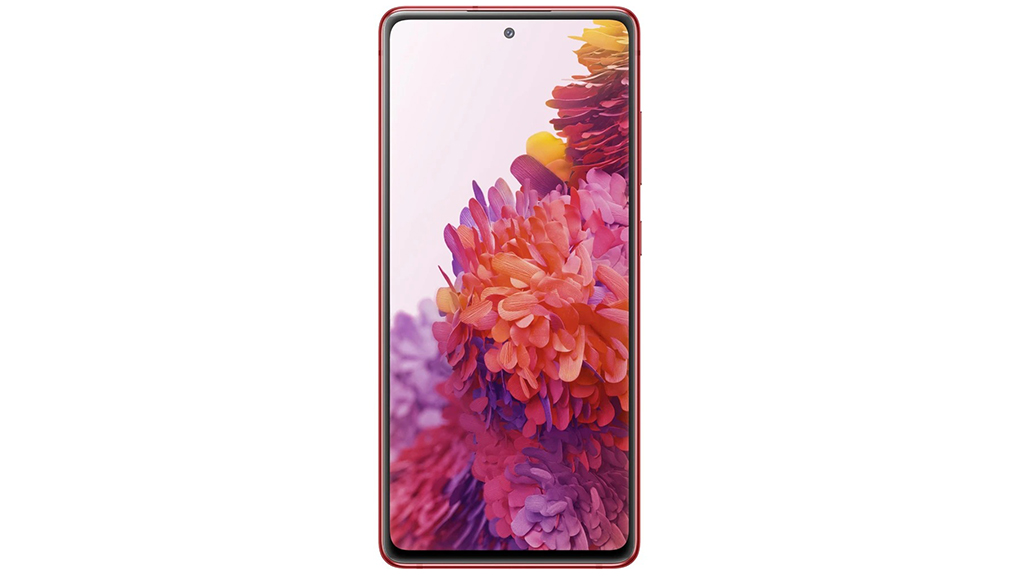
The Samsung Galaxy S20 Fan Edition is 2020's version of the Samsung S10 Lite and the S10e before it – the best of the flagship specs with a few trimmed features to save costs.
Why it's ranked: The S20 Fan Edition is a good combination of specs and cameras, making it a good value for and Android phone with a signature Samsung polish that puts it ahead of most phones at the same price tier.
Screen: The 6.5-inch Infinity-O AMOLED screen is plenty sharp at Full HD Plus, even if its not quite the WQHD resolution of its pricier siblings, nor does it have the 120Hz refresh rate. It retains an in-screen fingerprint sensor, leaving the phone's back unblemished.
Battery life: The Galaxy S20 Ultra has a huge 4,500mAh battery, helpful for Wireless PowerSharing and mundane binging or gaming you're doing. We found it lasted a day or more, though we still haven't hit the two-day battery life threshold yet.
Camera: The cameras are another area of trimmed capability: while the 12MP main shooter is fine, but not quite the high-megapixel of the S20 and especially the 108MP S20 Ultra. The other cameras are perfectly suitable, including the 12MP ultra-wide lens, an 8MP telephoto with 3x optical zoom, and a hefty 32MP selfie shooter in a punch-hole.
Scientists at the Center for Synthetic Biology from the Northwestern University, Illinois, have managed to produce a so-called proof of principle demonstration on DNA storage encoding three bits of information in an hour.
Although this is only a tiny fraction of what others have achieved (up to 200MB per day), Dr. Keith EJ Tyo, an associate professor of chemical and biological engineering and his team believe that there’s a huge potential going forward as the prospect of at-scale parallelization is a real possibility.
According to a report in Technology Networks, what Tyo and his colleagues at Northwestern came up with is a new in vitro method “for recording information to DNA which relies on an enzymatic system”. Key to the process is a non-replicative DNA polymerase called terminal deoxynucleotidyl transferase.
A watershed week for DNA storage
Similar to the data capture approach recently proposed by a Chinese team led by Professor Liu Hong, Dr. Tyo's approach aims to simplify the current method of chemically synthesized DNA. The process “does not require washing steps and instead all the reagents for DNA synthesis stay in the mixture and the properties of the DNA polymerase are modulated reversibly."
In layman’s terms, the writing of the data to DNA is faster and simpler as it eliminates some of the steps while reversible modularity could imply the ability to edit content already committed to the DNA.
The procedure, Time-sensitive Untemplated Recording using TdT for Local Environmental Signals, or TURTLES, is published in the Journal of the American Chemical Society.
The Northwestern University news was the fourth announcement this week on DNA storage and with Shannon, the first commercially available DNA storage device, already up and running, 2022 could turn out to be a very, very interesting year for a post-silicon data storage world. Check out Microsoft’s DNA storage announcement and that of the Georgia Tech Research Institute (GTRI).
Scientists and health officials strongly urge booster shots for Moderna and Pfizer as the omicron variant of the virus that causes COVID-19 begins to circulate around in the US.