TSMC is prepping its 3nm node for volume production by this time next year 2022, and the Apple M3 chip is expected to be one of the first chips off the fab line.
The report on TSMC comes from Taiwanese trade publication DigiTimes, which indicates that TSMC is already running test production off its 3nm process, known as its N3 line, with an eye towards the last few months of 2022 to start ramping up production for shipments to Apple and Intel in early 2023.
The node is expected to produce Apple's 3rd generation silicon, the M3, for use in its MacBook and iMac products. The next-gen M2, expected to be released sometime next year with the launch of a new MacBook Air, is expected to use TSMC's 4nm, or N4, process node.
In addition to M3's for new MacBooks and iMacs, the 3nm node is also expected to produce A17 chips for the iPhone 15.
Analysis: what might a next-next-gen Apple chip look like?
The notoriously tight-lipped Apple hasn't said anything about its roadmap for Apple silicon, and we don't really even know anything about the M2, much less the M3.
But as Mac Rumors points out, there is already a lot of speculation around what 2023's Apple chips could bring.
One industry analyst says that the M3 chip could be on as many as four dies, with as many as 40 cores in its CPU. For perspective, the M1 has eight cores, while the M1 Pro and M1 Max have up to 10 cores.
What all those additional cores would mean for the chip's power efficiency isn't clear, especially since we don't know what the breakdown between performance and efficiency cores will be.
A 40-core CPU would also be physically huge, but it's not like the AMD Threadripper is tiny either, and it gets on alright. Given the level of control Apple has over its hardware design, they could make the chip as big or as small as they like. Who, ultimately, is going to tell them no?
Apple has just announced its App Store Awards 2021, which highlight its favorite apps and games of the year – and our best video editing app has just won its iPad App of the Year category.
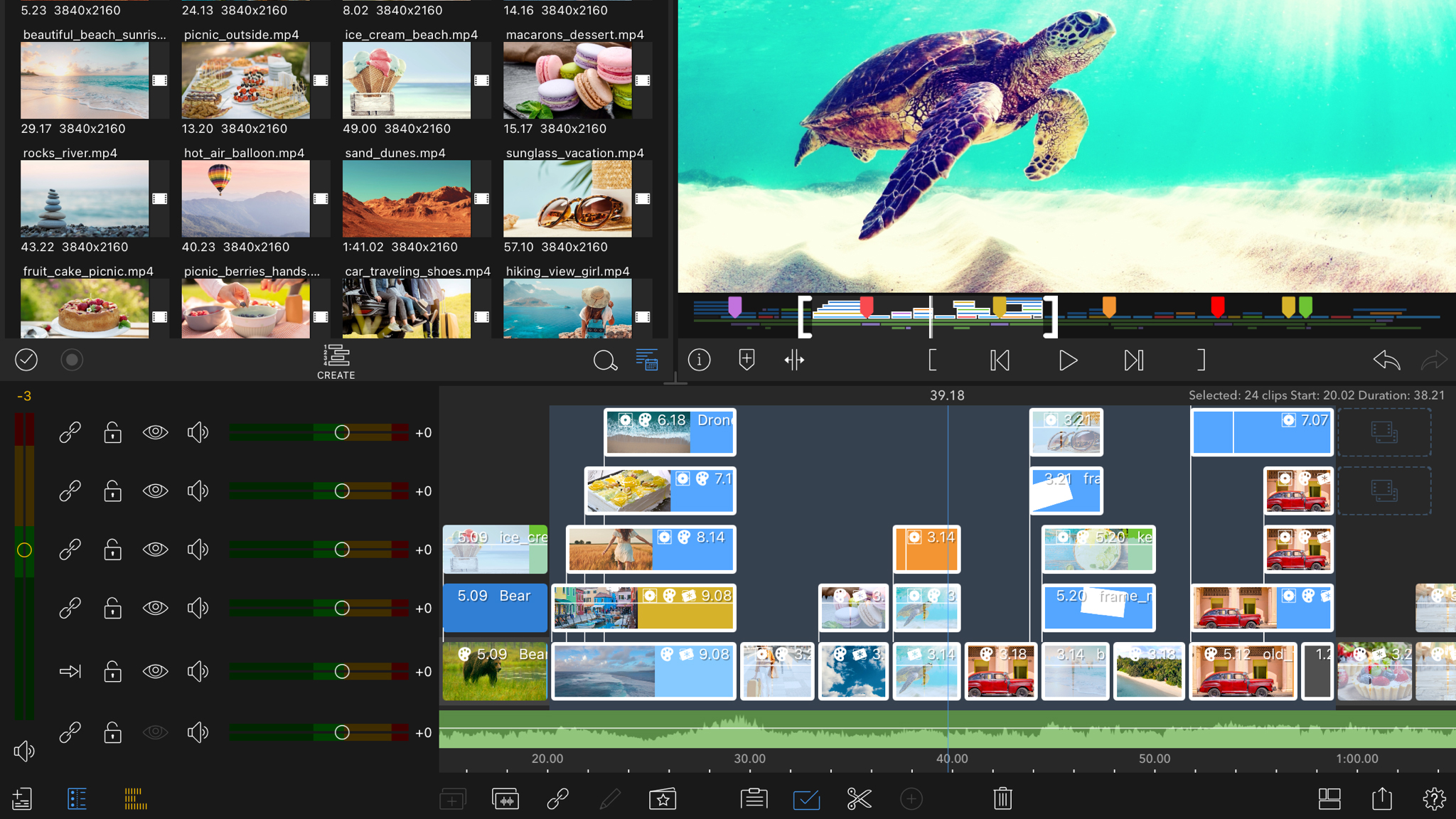
LumaFusion, which first arrived on Apple's tablet back in 2017, deservedly picked up the title, with Apple stating that the app makes "video editing faster, less intimidating, and more portable for creators at every level".
It may have been around for a few years, but Lumafusion has matured nicely in recent times, adding features like HDR support and, in July 2021, a handy new video stabilization feature. As our review says, it's now "the mobile app that's synonymous with desktop-grade video editing".
The reason why LumaFusion is so popular is because, rather than stripping out features to create a dumbed-down mobile experience, it makes complex features more accessible to a wider audience.
For example, there's a versatile multi-track editor that lets you create six tracks for your video, graphics and audio, plus another six for extra effects like music or voiceovers. The app's magnetic timeline is also speedy and responsive, even when you're working with 4K footage, and there are lots of extra tools to make further tweaks.
Another bonus, particularly when compared to Adobe apps, is that LumaFusion is one-off payment, rather than an ongoing subscription. At $29.99 / £25.99 / AU$46.99, it's not exactly cheap, but it is good value considering the app's power. That said, if you're looking to edit just a single clip, rather than put together a multi-layered video, then LumaFX ($0.99 / 99p / AU$1.49) is a more affordable alternative.
Analysis: A worthy winner that shows the editing power of the latest iPads
(Image credit: Luma Touch LLC)
Apple's App Store Awards are editorial picks, rather than being based entirely on the number of downloads, so they can be a good way to discover apps that aren't necessarily riding high at the top of the charts.
In more recent years, there's usually been a photography or video-related app in Apple's picks. For example, in 2019 its iPhone App of the year was Spectre Camera, which lets you create long exposure photo effects, while in 2018 its top Mac app was the image editor Pixelmator Pro.
Lumafusion isn't exactly an up-and-coming app, but Apple's decision to give it a gong in this year's App Store Awards shows both the booming popularity of mobile video editing and the increasing, desktop-level power of its tablets.
The latest iPad Pro 11 (2021), for example, is more than capable of being your only video editing machine, while apps like Lumafusion will comfortably run on more affordable iPads, as long as they're running iPadOS 14.4.1 or later.
If you'd like to see which apps have been the most outright popular in terms of downloads this year, though, then Apple has also published that list. From star constellation finders to recipe organizers, there are some good ones in there – and it's always good to know that your homescreen is freshly stocked with the best apps out there.
Apple wants businesses to upgrade their Mac devices with a new business offer it hopes many companies won’t be able to refuse.
The company is preparing a business-only offer through which organizations will be able to get a 13-inch MacBook Air for as little as $30 a month.
There are a range of other devices on offer, including a 13-inch MacBook Pro for $39, 14-inch MacBook Pro for $60, and 16-inch MacBook Pro for $75.
Apple M1 Refresh
The program was created in partnership with CIT Group, a bank for business customers, which says interested parties simply need to sign the documents after approval, with CIT issuing a purchase order to Apple in its stead.
The service is entitled “Apple M1 Refresh”, signaling that the company is interested in pushing the new devices into the business realm, replacing the older, more energy-consuming Intel-based laptops.
There are many questions that still need to be answered, though, such as if there is a minimal number of computers that need to be ordered, how a business can end up owning the devices (instead of leasing them indefinitely), or if there are other accessories offered. There’s also the question of frequency, or how often a business can upgrade to a newer device. At the end of the day, it equates to a new MacBook roughly every three years.
TechRadar Pro has contacted Apple for comment on these queries.
This is the second offer Apple’s made to businesses this month, after Small Business Essentials, which enables small businesses to obtain Apple hardware without breaking the bank.
The AirPods 3 are new this year, but the AirPods Pro are Apple's only earbuds with active noise cancellation. We'll explain how else the two earbud models stack up.
Flights and accommodation for this launch event were funded by Qualcomm, but the views reflect the writer's own independent opinion.
But which upcoming phones will be using the new chipset? We've now had the first manufacturers confirm compatbility, and we expect to hear from more Android phone makers over the coming weeks.
Below we'll reveal all the handsets that have been confirmed so far, and then we'll talk you through some of the other phones we're expecting to see that may also sport the latest chipset from Qualcomm.
The first phone confirmed to feature the next-gen chipset is the Xiaomi 12, which the company's CEO has announced will be "available soon".
We expect the Xiaomi 12 to launch in China in the next couple of weeks. It'll then likely come to other markets in early 2022.
While it may be that Xiaomi reveals this phone first, that doesn't necessarily mean it'll be the first phone featuring the next-gen chip that will be available in Western markets.
OnePlus CEO Pete Lau has confirmed on Chinese social networking site Weibo that the next flagship phone from the company will sport the Snapdragon 8 Gen 1.
Lau hasn't confirmed the name of the handset, but we can assume this will be the upcoming OnePlus 10 series.
We'd expect this to be on both the OnePlus 10 and OnePlus 10 Pro considering how the company has implemented Qualcomm's chipsets in the past.
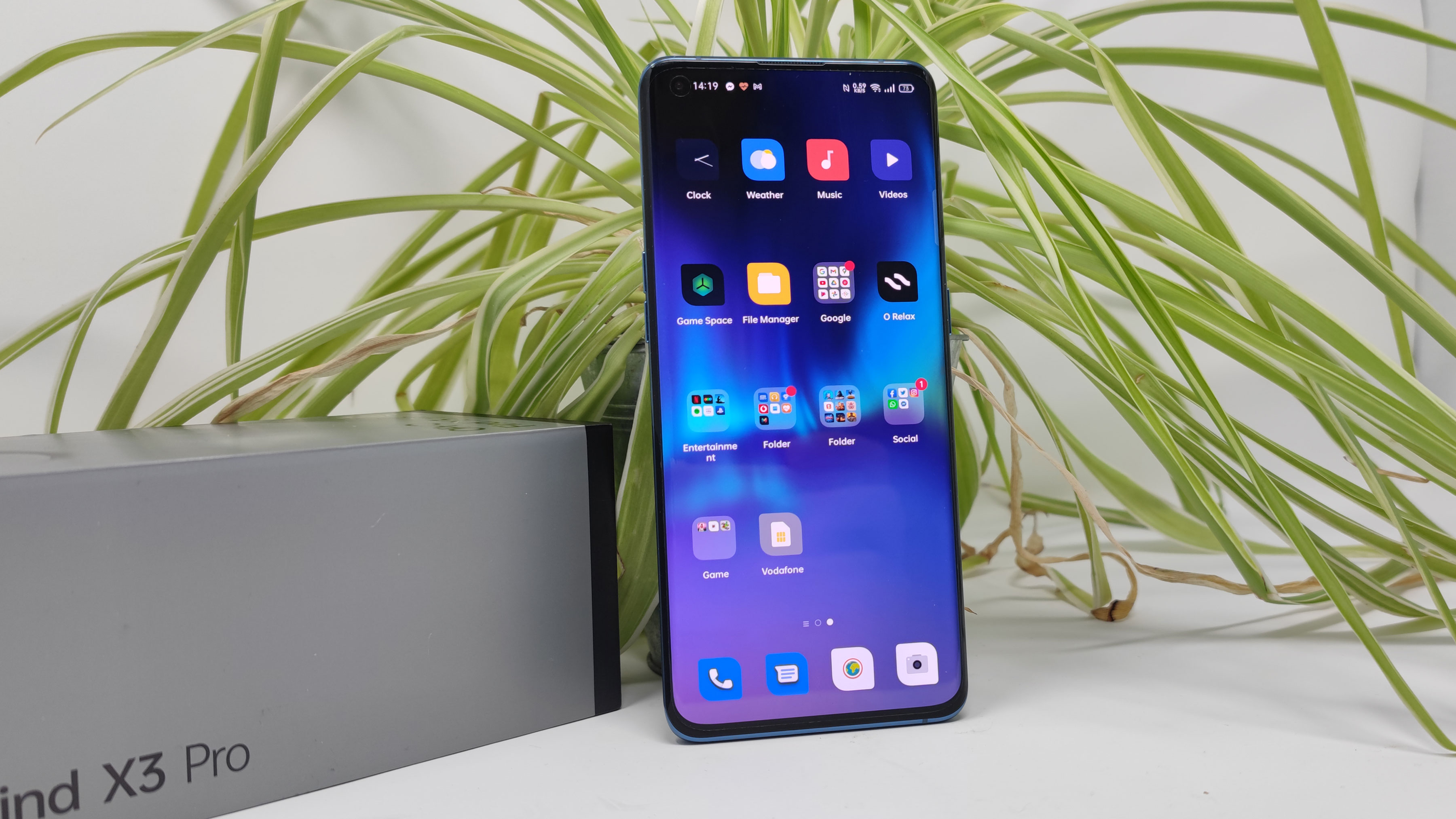
Although the company has yet to confirm the name of its next flagship as the Find X4, we know that Oppo's top-end phone for 2022 will feature the Snapdragon 8 Gen 1.
Oppo also told us that it would be revealing its next flagship phone before the end of March 2022. The Find X3 was introduced in March 2021, so it would make sense if the Find X4 was introduced around a year later.
Realme teased its next smartphone over the last few days, and the company has now confirmed that the upcoming Realme GT 2 Pro will be one of the first phones to feature the Snapdragon 8 Gen 1.
It’s official! #realmeGT2Pro, our first and most premium flagship will pack #Snapdragon8Gen1. Along with the best chip, what else do you think makes a true premium flagship smartphone? #realmeGT2series pic.twitter.com/oFcDGkeVfrDecember 1, 2021
See more
This is expected to be the brand's first seriously top-end phone, designed to compete with flagships from the likes of Apple and Samsung, so it would come as no surprise if it used the new Qualcomm chipset.
We don't yet know much about the Realme GT 2 Pro, or when it'll be officially revealed, but with the company now starting to tease this handset we'd expect to see it sooner rather than later.
A new Motorola Edge
We don't yet know the name of this phone, but during the launch event for the Snapdragon 8 Gen 1 we heard that a new Motorola Edge device is set to debut with the chipset on board.
Ruben Castano, Head of Customer Experiences at Motorola, said: "In just a few days, we will reveal one of the very first smartphones to launch on this new Snapdragon 8 platform in China." That event has now been confirmed for December 9.
There have been leaks and rumors that suggest a new Motorola Edge X30 handset may be introduced in China in the coming weeks. That may be the handset that Castano was talking about, but that hasn't been confirmed, and whatever the phone turns out to be, we don't yet know whether it will launch in markets outside of China.
In addition to the confirmed phones above, we expect to see the Snapdragon 8 Gen 1 powering many of the other top-end handsets that are launched over the next year or so.
Arguably the biggest phone that will feature the chipset is the upcoming Samsung Galaxy S22. Normally, Samsung's flagship phones run on its own Exynos chipset in some regions, while models released in other parts of the world use the newest Qualcomm chip.
However, numerous leaks have suggested that all the Galaxy S22 handsets will use Qualcomm's chipset, as Samsung has run into issues with the manufacturing of its Exynos processors.
Other leaks suggest the Huawei P60 may also feature the Snapdragon 8 Gen 1, as the company has hit production problems with its own Kirin chipsets. Rumors suggest that this is due to the global silicon shortage that's impacting the production of numerous devices.
We haven't seen any credible leaks around other phones that could include the Snapdragon 8 Gen 1, but we can speculate that the upcoming OnePlus 10, Samsung Galaxy Z Fold 4, Samsung Galaxy Z Flip 4, Sony Xperia 1 IV and others are likely to be powered by Qualcomm's latest and greatest mobile chip. Watch this space.
Alt. text: Christmas Sale of $1100 off portable power station that looks like a home in a wintered forest
Electricity is at the heart of so many gifts during the holiday season. So give the gift that will keep all those other gifts running. Give the ones you love EcoFlow portable power stations.
Designed to be sleek and stylish, EcoFlow’s portable power stations provide reliable backup power to all manner of electrical devices, from mobile phones to home appliances and other power-hungry equipment.
If a storm knocks out the electricity, an EcoFlow portable power station will even keep the Christmas tree a-glowing!
Right now, many EcoFlow portable power stations are on sale especially for the holiday season. Here’s six powerful products that belong under the Christmas tree.
(Image credit: EcoFlow)
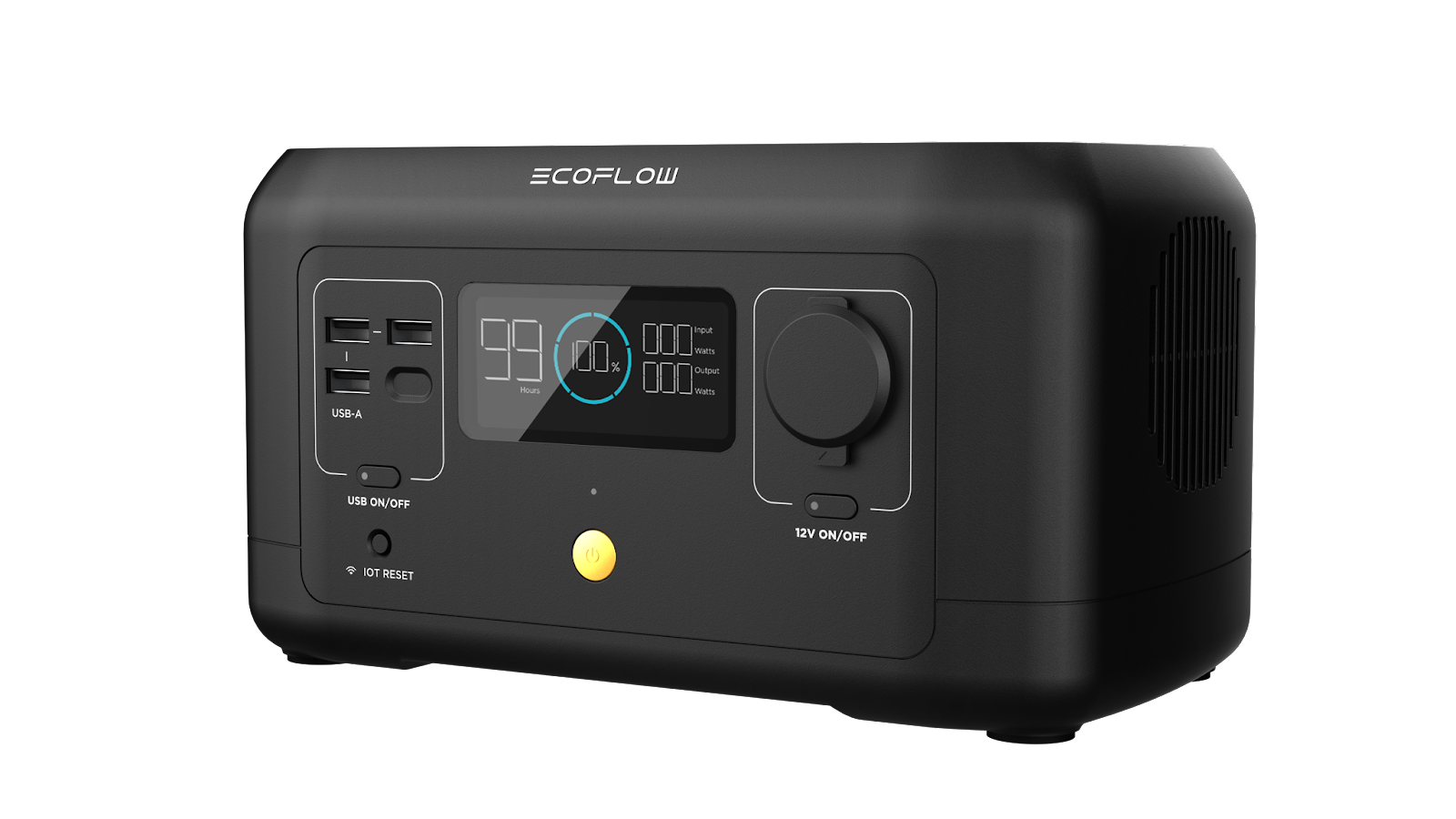
EcoFlow RIVER mini gives you power at hand. Throw 210Wh of portable power in your backpack and be at ease knowing you’ve got power anywhere. The EcoFlow RIVER mini can be fully charged in 1.5 hours and with a 300W output (600W surge), it is ideal for 99% of consumer electronics.
Just in time for the holidays, the RIVER mini’s MSRP of $349 has been reduced by $90 to $259.
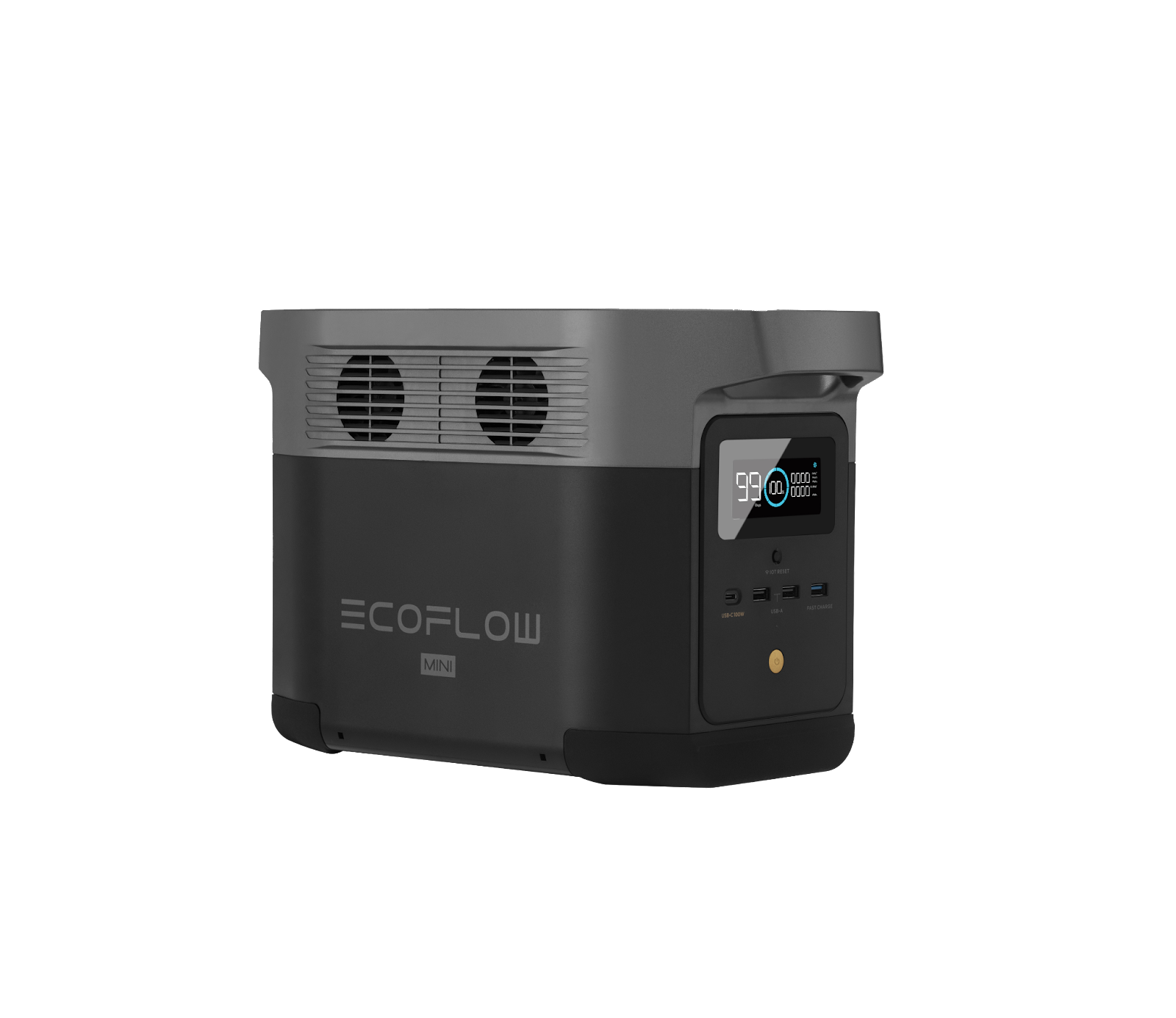
Bring along the EcoFlow DELTA mini and keep your devices powered at all times.
DELTA mini’s 882Wh capacity is perfect for power outages, outdoor adventures, and professional work. DELTA mini snags up to 300W from solar panels for a full recharge in three to six hours. It can also go from 0-100% in 96 minutes when charging from the wall.
Usually the DELTA mini has an MSRP of $999. However, to make gift-giving all that more affordable, the DELTA mini’s price has been cut by $100 to $899.
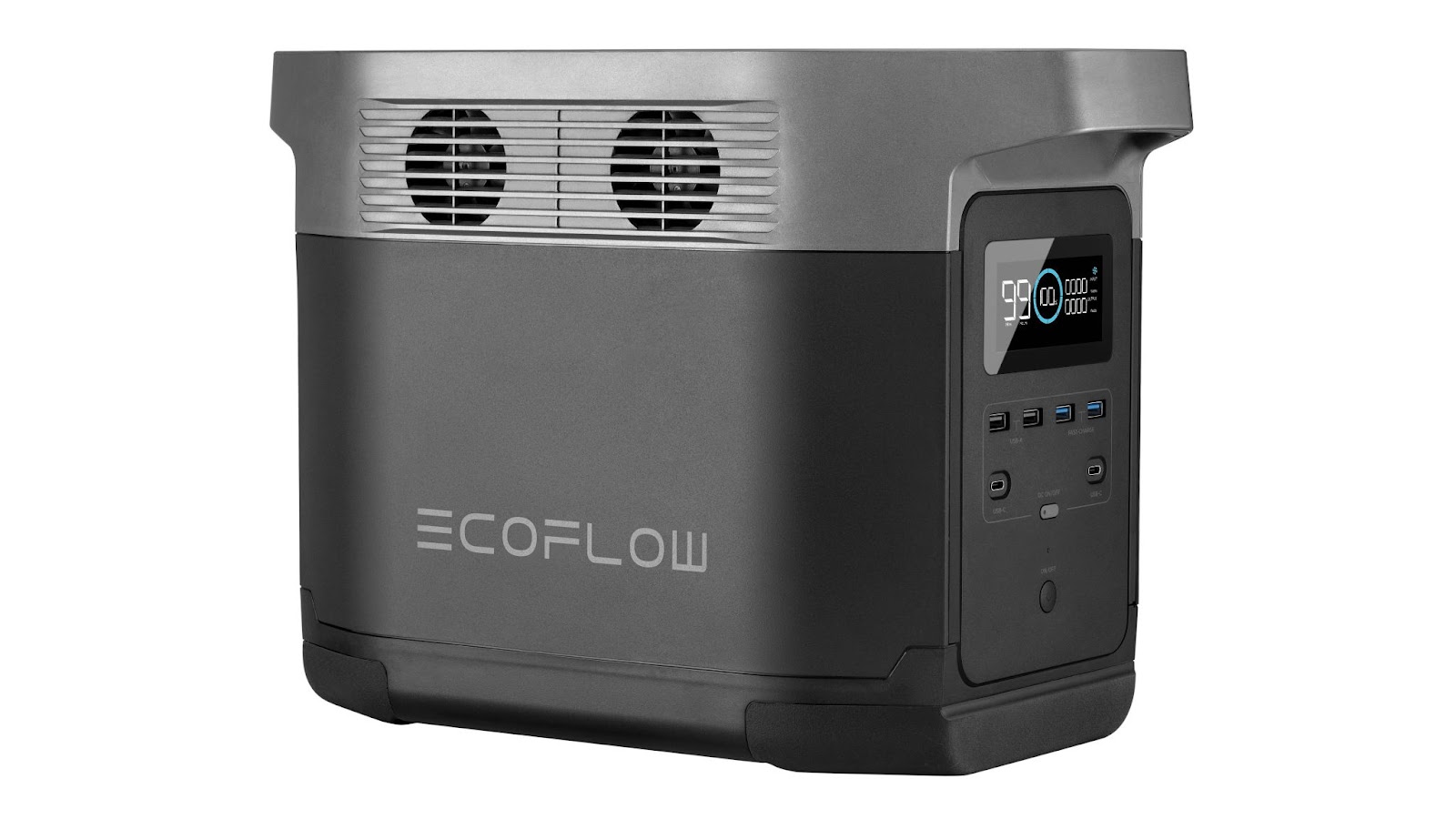
Stay in charge of any situation with DELTA and keep your devices powered at all times.
DELTA has a huge 1,260Wh capacity that’s perfect for power outages, outdoor adventures, and professional work. Power up to 13 devices simultaneously and recharge from 0% to 100% in 1.6 hours, which is 10 times the speed of most portable power stations in the market.
A $300 discount brings the DELTA’s MSRP of $1399 down to just $1099 in time for holiday gift-giving.
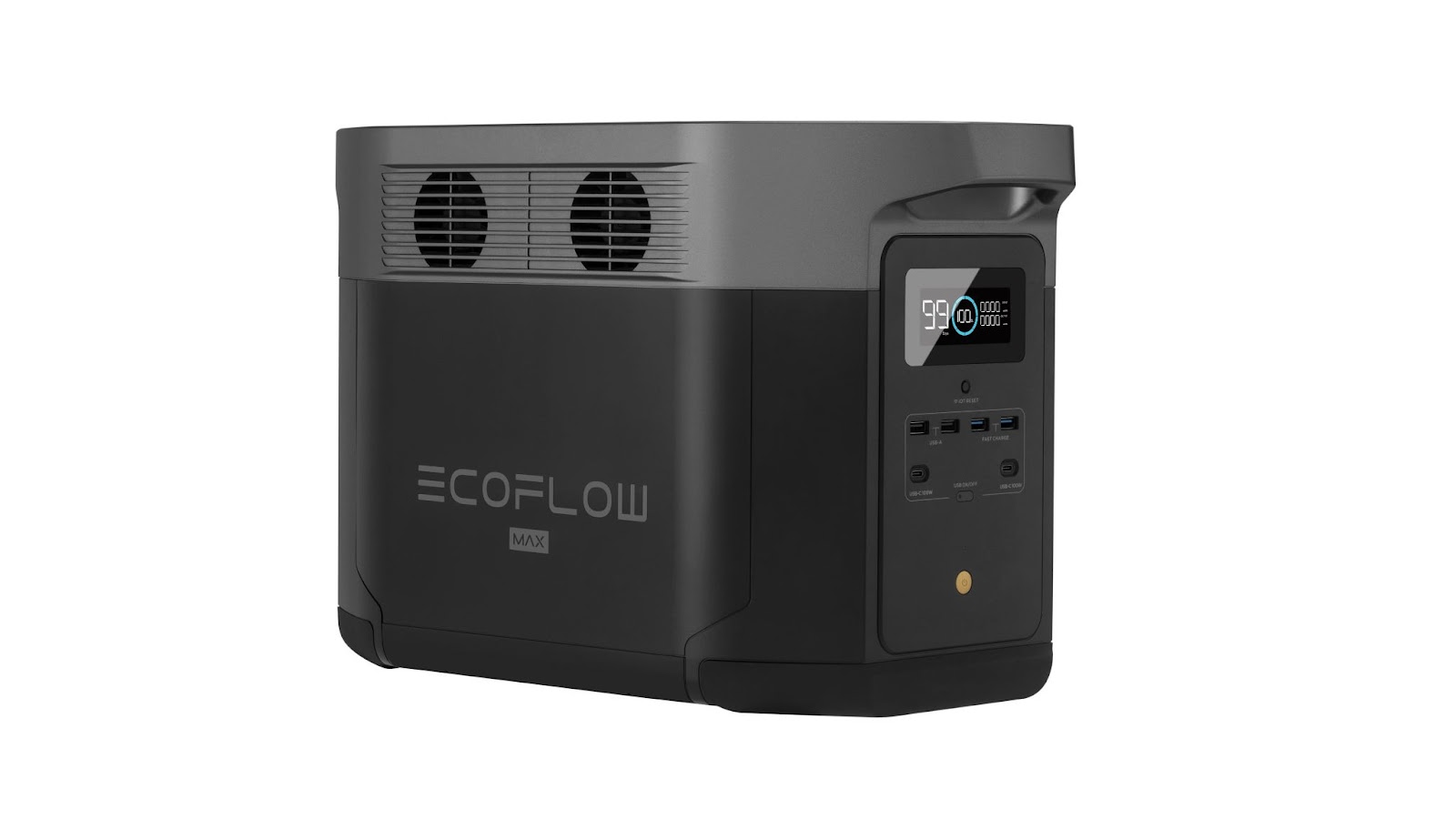
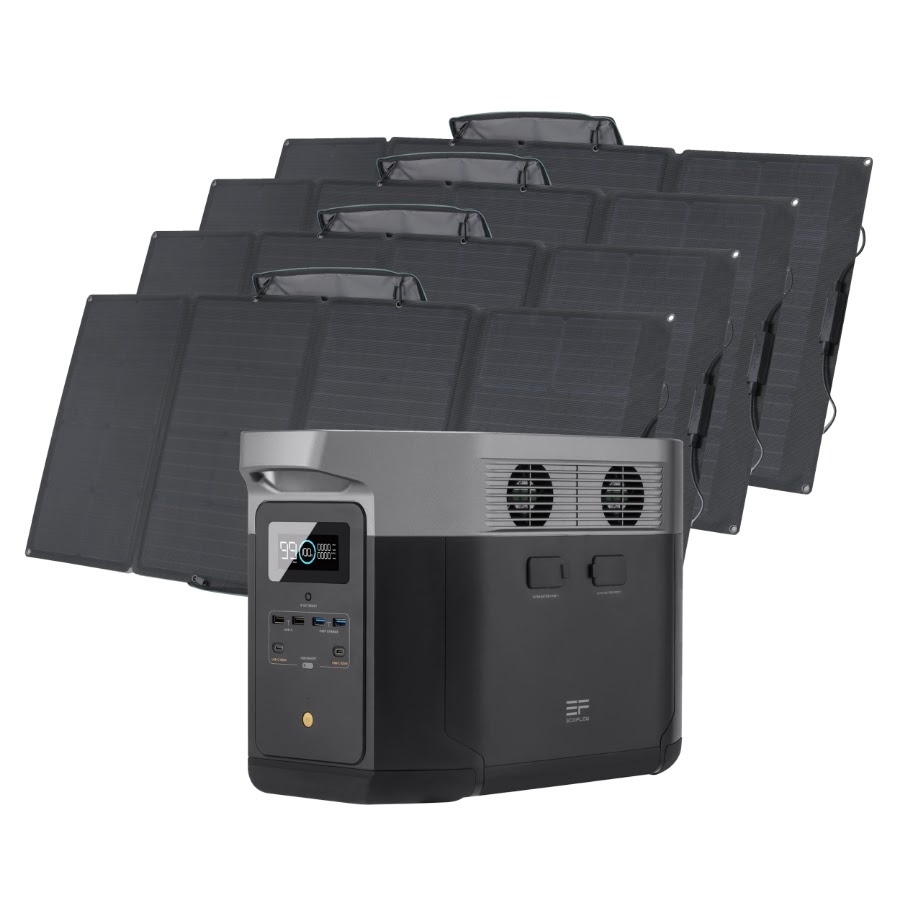
A single EcoFlow DELTA Max unit packs a 2kWh capacity that is expandable up to 6kWh with DELTA Max Smart Extra Batteries.
This means when a blackout hits, you can continue to power your important home devices such as your fridge and lights for hours on end.
With EcoFlow’s X-Boost technology, DELTA Max can power heavy-duty devices up to 3400W. Plus, DELTA Max charges up safely and rapidly from 0-80% in just 65 minutes
To mark the holiday season, the $2,099 (MSRP) DELTA Max has been reduced in price by $200 to $1,899.
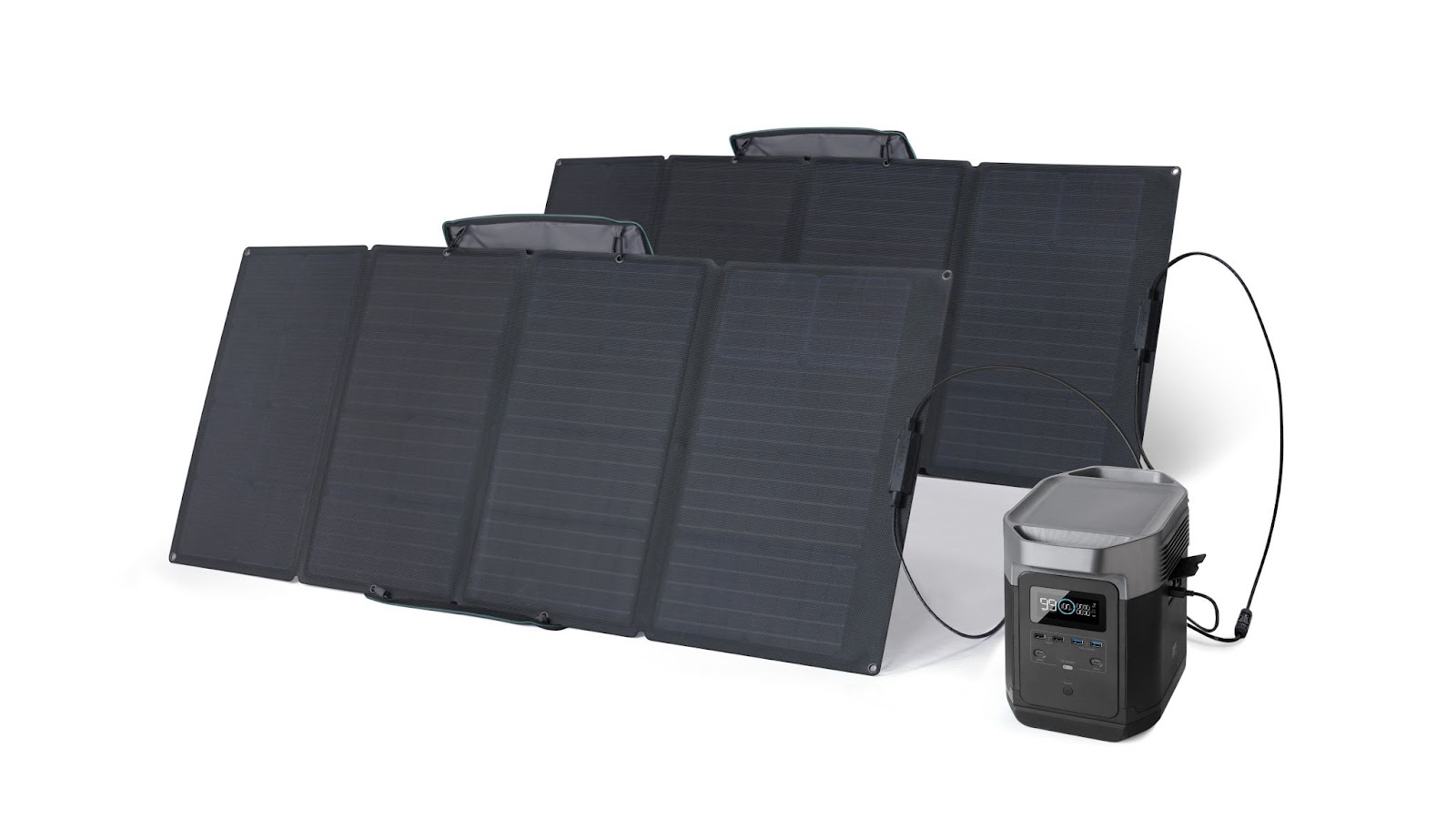
The EcoFlow 110W Solar Panel has a high conversion efficiency of 21-22%. Combine two 110W Solar Panels with an EcoFlow DELTA Portable Power station to enjoy improved solar charging in cold and cloudy environments - fully recharged in seven to 14 hours!
Gift-givers take note: Right now this ‘DELTA’ bundle has been cut by $698 from an MSRP of $2,197 down to $1,499.
The EcoFlow DELTA Max (1600) is a scaled version of the EcoFlow DELTA Max. With a huge capacity of 1612Wh, the EcoFlow DELTA Max (1600) can power 15 devices at once with a 2000W output. With the X-Boost mode on, it can power some 2800W appliances. Pair the EcoFlow DELTA Max (1600) with four 110W Solar Panels, and it can be fully charged by solar in 4.5 to 9 hours.
The bundle also comes with impressive savings: The DELTA Max Bundle’s MSRP of $3399 has been dropped by $1100 to $2299.
Qualcomm CEO Christiano Amon on stage at Tech Summit 2021(Image credit: Qualcomm)
Some of the biggest upcoming phones of 2022 are likely to feature the next-gen Qualcomm Snapdragon 8 Gen 1 chipset that was revealed at Tech Summit 2021, but that's not all we're expecting from the big show.
Day 2 is underway at the Snapdragon Tech Summit 2021, and we're expecting to hear about more products and features that aren't as wedded to the company's mobile technology innovations.
Flights and accommodation for this launch event were funded by Qualcomm, but the views reflect the writer's own independent opinion.
Exactly what we'll see is yet to be confirmed, but the announcements will continue later today. We'll be running you through everything that happens at Tech Summit 2021 day 2 live in our coverage below.
Expect the big event to start at 3PM PST / 6PM EST / 11PM GMT (or 10AM AEDT on Thursday, December 2). In the meantime, you can catch up on everything that happened on the first day and the highlights of the big reveals.
Welcome to our Tech Summit 2021 coverage where you'll be among the first to hear about everything that happens at today's keynote.
If you're interested in what features may debut on 2022 Android smartphones, this is the place to be. We expect this next chipset to feature in flagship handsets from a variety of top-end phone makers.
Qualcomm has confirmed it will reveal its new premium tier mobile platform today, although we don't know its name. Qualcomm says we can also expect announcements in "AI, gaming, and connectivity".
You can watch along with the big keynote using the YouTube embed below. The event is set to start at 3PM PST / 6PM EST / 11PM GMT (or 10AM AEDT on Wednesday, December 1).
Expect this live blog to fully kick into gear when we start to hear announcements on stage from Qualcomm. We'll be typing as fast as we can to give you the latest from the show.
Over 60 phones used the Snapdragon 888 platform that was revealed in 2020, and that includes a lot of big name devices. A lot of those devices then went on to feature in our ranking of the world's very best smartphones.
Logically, we'd expect 2022's best smartphones to also feature this next-gen platform... when they're revealed. Whether we'll hear from any of those manufacturers today remains to be seen.
2021 has to be a big year for Qualcomm as it has seen tough competition throughout the last 12 months. The new MediaTek 9000 Dimensity SoC was revealed less than two weeks ago, and many have agreed it seems like a major step up for that brand that has traditionally lagged a little behind Qualcomm's technology.
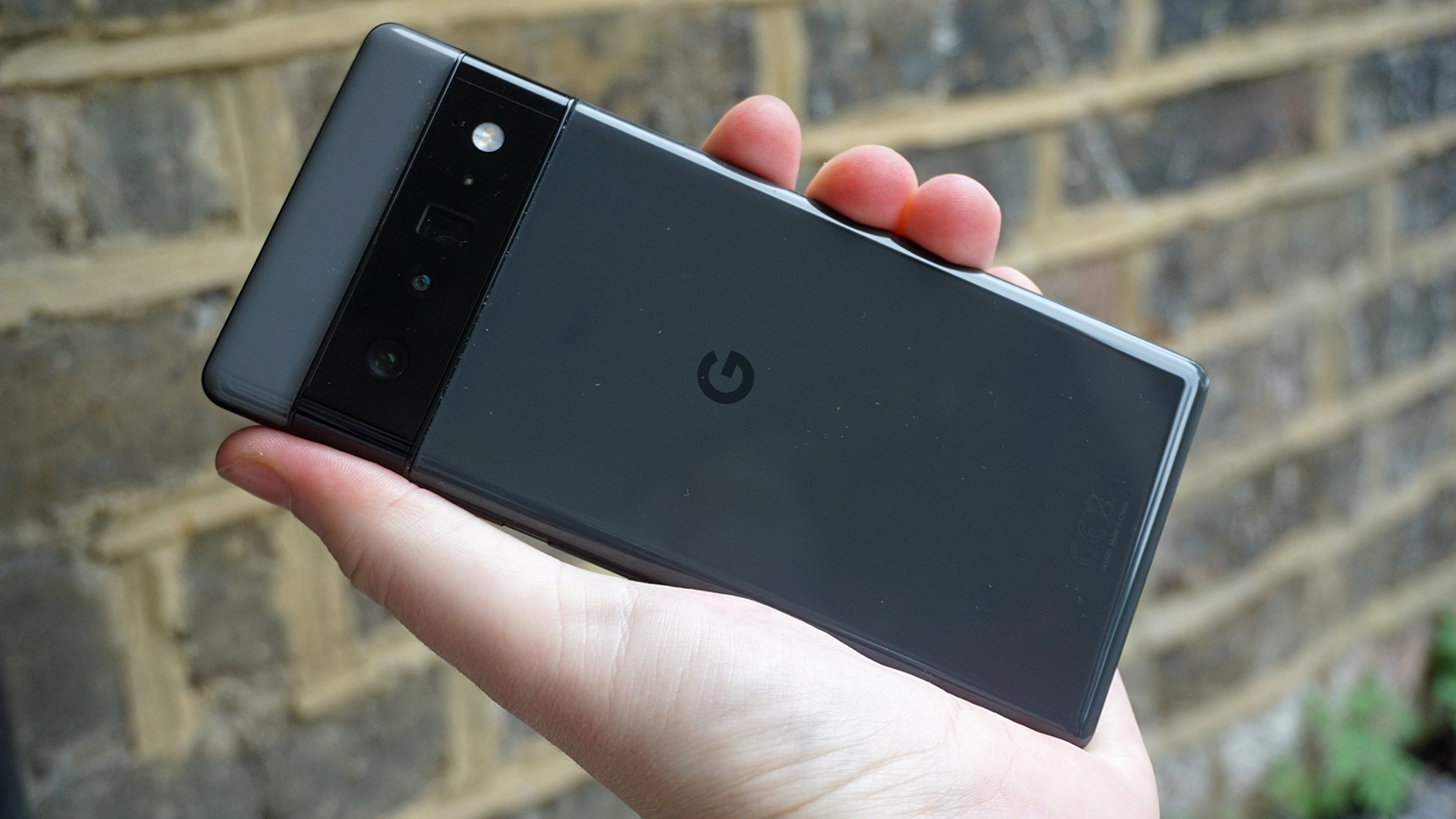
The iPhone chipset - that's the A15 Bionic - has proved strong in the iPhone 13 series, and Google's new Pixel 6 and Pixel 6 Pro both feature the company's first attempt at its own chipset. That's called the Tensor, and it likely means Google won't be using the new Qualcomm chipset in its 2022 devices.
Lots is changing within the chipset space, so Qualcomm will likely be looking to today to make a serious impact with its announcements.
Apologies for the delay, we've just got into the room ready for the event to start. It hasn't started yet, so bare with us while we wait for the big launch to begin.
Before the event starts, we can introduce you to our coverage of the big event. We've learned lots about the new Qualcomm Snapdragon 8 Gen 1, which is the name of the new platform.
You can read more about the chipset in its full form below, and we'll have more updates coming live as the event gets underway.
Here we go, the music has started and the event is about to begin. We'll be talking you through everything as it happens on stage, but here's a reminder to check out our full coverage of the Snapdragon 8 Gen 1 below.
Don McGuire, SVP and Chief Marketing Officer of Qualcomm has just taken to the stage, and he's talking about how happy he is to be running live events again.
This does feel odd being at an actual tech launch again after almost two years of virtual launches.
McGuire is talking us through how the Snapdragon brand is the number one global smartphone mobile processor brand. On stage, we can see adverts for the OnePlus 9, Oppo Find X3 Pro, Samsung phones, Xiaomi phones, Redmi phones and Black Shark.
Could that be a hint at where the Snapdragon 8 Gen 1 will be next year? It could be, but we've yet to hear anything official from any brands.
Why isn't this new chipset called the Snapdragon 898? Qualcomm is changing it up in 2021, and we've spoken directly to a few of the company's representatives about why this has changed.
Lightning-fast connectivity, cutting-edge performance and immersive experiences are the three main pillars of today's announcement. That's according to Cristiano Amon, Qualcomm's CEO who is talking on stage right now.
Most of this is prelude so far, so we're going to talk more about this name for the next-gen chipset. So why has this happened, and why is now the right time for Qualcomm to do this?
Ziad Asghar, VP of Product Management at Qualcomm, told TechRadar, “People know that 8 is basically the highest tier that we have. So we thought let’s simplify this – let’s call it the Snapdragon 8.
“This one will be called the Snapdragon 8 Gen 1, and then as we go further we’ll call it Gen 2, Gen 3 and so on. I think it really simplifies it, and you don’t have to remember three numbers.”
(Image credit: Qualcomm)
Debra Marich, Senior Director of Product Marketing at Qualcomm, told TechRadar during a briefing for the new chipset, "We're strengthening our Snapdragon brand as a standalone product brand for consumers, and we'll be leveraging the equity we've built in the last Snapdragon brand for the past 10 years."
Christano is now moving onto the technology inside the new chipset, and it includes a Snapdragon X65 5G modem-RF. It features up to 10Gbps download speeds, but the company is also keen to work on upload speeds as well.
3.5 Gbps uploads are possible with this next-gen chip. An example of what that really means is coming up on stage... and it's an 8K live video call that is being done over a 5G connection on Verizon.
The quality seemed good throughout the video call, even blown up on a massive screen in front of us. This isn't a gamechanging use case for most people, but it proves that improved upload speeds are an important innovation for the next stage of 5G.
What else would fast upload speeds mean? It'll open up further possibilities than just upload videos to your Instagram faster than ever. We're thinking about how this could have an impact on augmented reality experiences and more.
5G mmWave download speeds are 19x faster than sub-6 5G technology in the US. That's according to stats that Qualcomm has shown on stage - we missed the source - and that's why the company is making a big point about its push for improved mmWave features.
We're moving onto the camera, and this is where things get exciting. Qualcomm is talking about how the rear camera is one of the biggest reasons people upgrade their smartphone so the company needs to get this right.
It's right, especially when many of the best camera phones of 2021 didn't feature a Qualcomm chipset inside. The iPhone 13 series remains one of the big contenders for that title, while the Pixel 6 and Pixel 6 Pro both have a fantastic camera experience with its new Tensor chip inside.
8K video was just played on screen, and this new platform allows for 8K HDR on a smartphone for the first time. Whether any manufacturers include this features remains to be seen.
Christiano has moved onto Snapdragon Sound, and he has just announced this is the first chipset to include streaming lossless CD audio over Bluetooth. Musician JP Saxe is now on stage to talk about what this technology means for him.
Many camera features were skipped over in the launch, but there are lots of innovations you can read about in our full coverage. A few of the higlights are below:
An 18-bit ISP
Burst mode is capable of up to 240 12MP photos a second
A new bokeh for video mode
Improvements for wide-angle photography
Video Super-Resolution for Extreme Zoom
A sketch on stage with Christano and JP Saxe saw the musician playing a song called "This is How CEOs Make Fun of Muscians" on a ukulele. It was one of the oddest things we've seen during a Qualcomm launch, but it was genuinely quite funny.
(Image credit: Qualcomm)
We're onto mobile gaming. So far, we're hearing lots about why mobile gaming is so big, why it's important for the company to innovate in this area and more. Translation: Qualcomm is going even bigger on mobile gaming in 2021 and beyond.
Qualcomm is announcing a partnership with ESL, which is the world's biggest eSports company.
Craig Levine, co-CEO of ESL, in now on stage. Levine has said the two companies will announce "something really big next year", so we don't really know what this partnership means yet.
The Google Pixel 6 Pro(Image credit: Future)
Well... here's a surprise. Hiroshi Lockheimer from Google has just entered the stage. We didn't expect Google to be represented on stage, especially as the company moved away from Qualcomm for its Pixel phones in 2021.
Qualcomm just showed a range of logos on stage for companies that use its products, and it may be we see these are the manufacturers that will use the Snapdragon 8 Gen 1.
The manufacturers mentioned were Vivo, OnePlus, Asus, Sony, Sharp, Motorola, HTC, Lenovo, Nubia, Meizu, Black Shark, Leica, Kyocera, iQoo, Xiaomi, Oppo, Honor, Samsung, ZTE, Poco, Realme, Redmi, Fujitsu and HMD Global.
This isn't a gurantee that all the new flagships from these companies will be using the Snapdragon 8 Gen 1, and we have also listed almost every smartphone maker on the planet.
We didn't get any meaty announcements from Google there. It seemed it was to further confirm that the two companies are still working together, despite Google moving to its new chipset.
It was the first time we've heard Google IO 2022 mentioned, which we expect to happen in May 2022. The company hasn't confirmed plans yet, but that heavily suggests it'll be taking place next year.
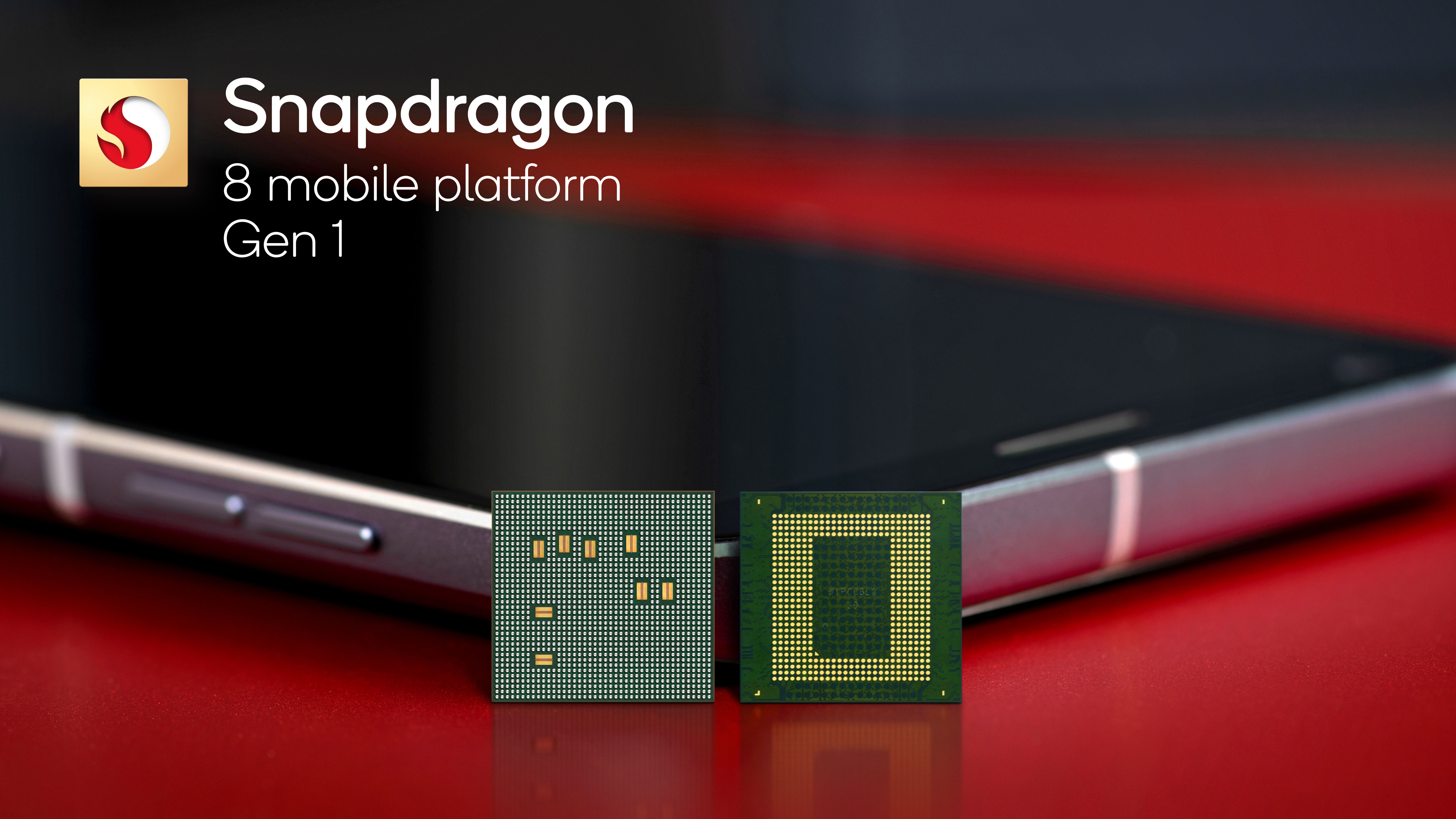
It's not a surprise, but the new Snapdragon 8 Gen 1 looks physically similar to the Snapdragon 888. Nevertheless, below are some great photos of the new chipset so you can see it in the real world.
Qualcomm's chips are everywhere, so I took its latest "everywhere" - on a roving #SnapdragonSummit photo walk.The new Snapdragon 8 Gen 1, coming soon to a high-end Android near you.(📸: Sony Xperia Pro-I + Snapseed. Travel, lodging and entertainment provided by Qualcomm.) pic.twitter.com/UmTXpTGKYIDecember 1, 2021
See more
Qualcomm has been running through all the features we've heard about over the last hour or so. This feels like it may be finishing up, so that may be the end of the opening keynote.
We'll have more news throughout the rest of the day as we learn more about the new mobile platform and other announcements from Qualcomm.
Whoops, that wasn't the end. Qualcomm is now confirming the name of the new chipset (something we'd already told you) and it's the Snapdragon 8 Gen 1. The idea here is that future generations will be called the Snapdragon 8 Gen 2, Gen 3 and so on.
For its lower tier products, they'll follow a similar structure. For example, the 700 series will now be called the Snapdragon 7 Gen 1 and so on.
Lei Jun, Founder and CEO of Xiaomi is now on stage in the form of a video, and he has confirmed the Xiaomi 12 will be the first to use the new chipset. He also said the product "will be available soon".
Rumors suggest we may be seeing the 12 introduced during December. That'll likely be a China-only launch, if the company follows its normal cadence of launches. We'll then probably see it introduced in further markets at a later date.
That's the end of the big show. The keynote is now over, and we're expecting to learn further details about the new platform as the rest of this week goes on.
Below, you'll find all of our coverage on the event so far. We may be back soon with futher detail about the chip, if there's anything interesting in the next element of the event.
We're back, and it's to tell you that a new Motorola Edge phone is coming. Ruben Castano, Head of Customer Experiences at Motorola, said, "All the experiences you saw today will be available very soon on an upcoming Motorola Edge device.
"In fact, in just a few days we will reveal one of the very first smartphones to launch on this new Snapdragon 8 platform in China."
That quote suggests this device may be exclusive to those in China, so this may not be a handset you're able to buy. Previously, Motorola has introduced some smartphones in China and then brought them to other countries under new names at a later date.
Bit more Snapdragon 8 Gen 1 news for you, and it's another smartphone you may be able to buy. Oppo's next flagship - highly likely to be the Find X4 - is now confirmed to feature the new Qualcomm chipset.
Day 2 is underway at Tech Summit 2021, and we're waiting on the company's second keynote. It is set to start at 3PM PST / 6PM EST / 11PM GMT (or 10AM AEDT on Thursday, December 2).
Below, you can tune into the event when it starts later today. We'll be talking you through all the biggest announcements in this live blog as we're live at the tech show.
What can you expect today? Qualcomm has yet to confirm anything firm, but a representative for the company has called it the "Snapdragon Beyond The Smartphone" keynote.
The company's website gives us more detail where it says, "Qualcomm President and CEO Cristiano Amon’s keynote discusses his vision for the intelligent edge and Qualcomm’s role across Infrastructure (5G + Wi-Fi 6), Compute, Handheld Gaming, Auto, and more."
from TechRadar - All the latest technology news https://ift.tt/3G0AUtb
If you’re a fan of Android phones then the Snapdragon 8 Gen 1 is a big deal, as this upcoming chipset will almost certainly power many of the best Android phones of 2022.
The latest innovation from Qualcomm is now here after the company introduced its new Snapdragon 8 Gen 1 platform at its annual Tech Summit event. This is the new chipset that we expect to see powering a lot of the top-end phones in 2022 and beyond.
Flights and accommodation for this launch event were funded by Qualcomm, but the views reflect the writer's own independent opinion.
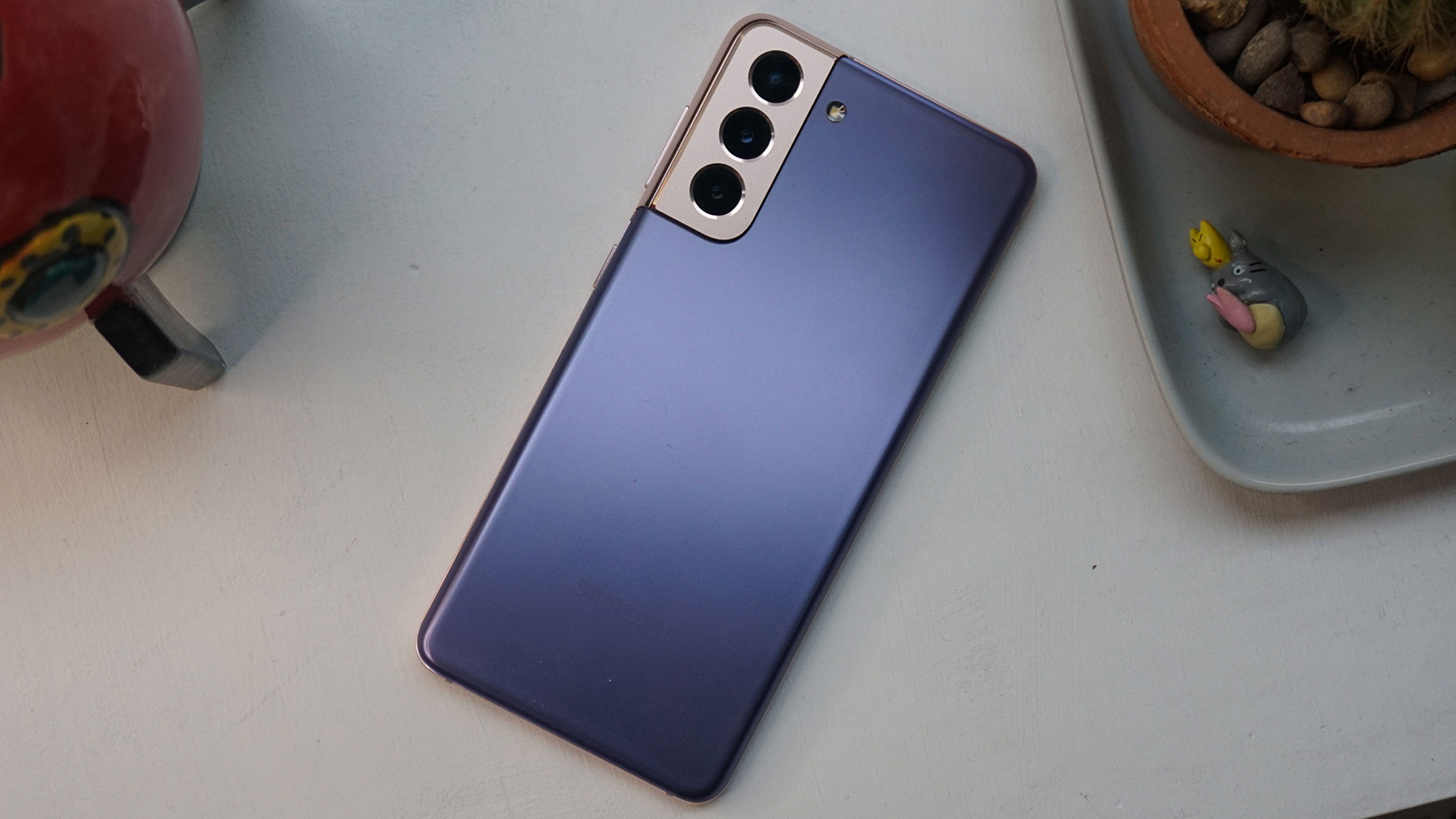
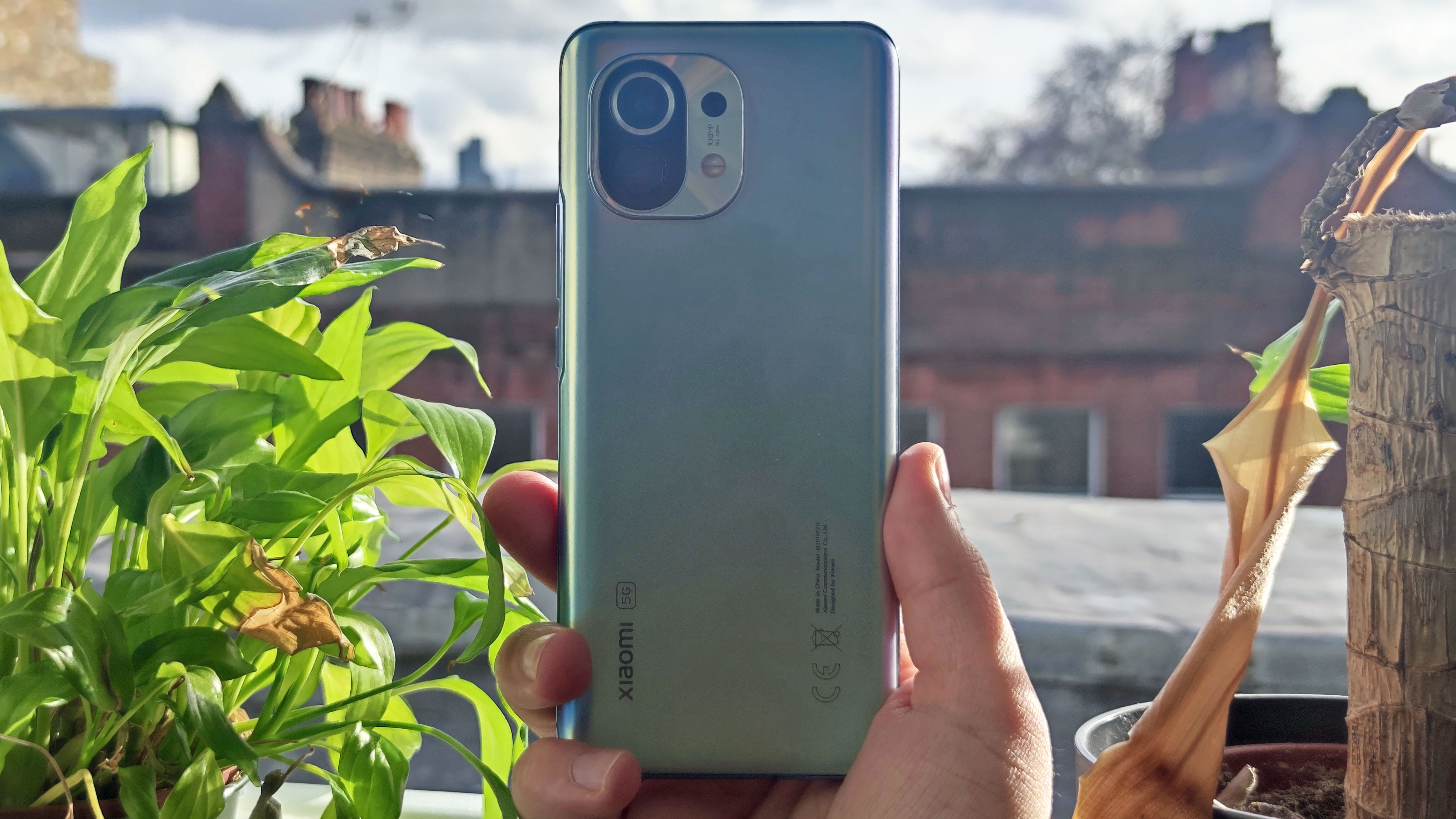
It's the sequel to the Snapdragon 888 (and its sibling the Snapdragon 888 Plus) that was introduced in 2020 and featured on smartphones like the Galaxy S21, OnePlus 9 Pro, Oppo Find X3 Pro and Xiaomi Mi 11.
That means we'll likely see it included in the next iterations of those phones, so we expect manufacturers like Samsung, Oppo, Xiaomi, OnePlus, Motorola, Realme and many more to include this chipset in their absolute best smartphones.
This is top-end power, so it's reserved for the most expensive devices. If you're a smartphone fan, you've likely noticed that the new chipset also has a new naming structure, too. We expected this to be called the Snapdragon 898, but Qualcomm moved to what it believes is a more "simplified" naming structure.
What is it? The next top-end Android chipset from Qualcomm
When is it out? Expect it in phones very soon
Which phones will use the Snapdragon 8 Gen 1?
A lot of phones are likely to use the Snapdragon 8 Gen 1, and four devices have been confirmed so far. They are the Xiaomi 12, a new Motorola Edge handset, Oppo's upcoming flagship and the Realme GT 2 Pro.
The Xiaomi 12 is the first phone that will feature the chipset, while we expect that new Oppo phone to be the rumored Find X4 series. The new Motorola Edge is a touch more complicated, and we have reason to believe it'll be a China-only device.
Rumored handset include the Samsung Galaxy S22 range, which will reportedly use this chipset in either most or all parts of the world. That’s a change, as typically Samsung splits its Galaxy S models between the latest Snapdragon and the latest Exynos.
The Samsung Galaxy S22 range is likely to land in February, but before that we could see the Snapdragon 8 Gen 1 in the Xiaomi 12 in December (though that launch will probably only be for China, with the rest of the world getting it later).
The successor to the Xiaomi Mi 11 could be one of the first Snapdragon 8 Gen 1 phones(Image credit: Future)
Leaks also suggest that the Huawei P60 range could use this chipset. That’s slightly surprising as Huawei usually makes its own, but the US trade ban has complicated things there. Finally, there’s also evidence of the Snapdragon 8 Gen 1 being used in at least one Vivo phone.
Beyond the leaks and rumors, we also expect the OnePlus 10 and Sony Xperia 1 IV to use this chipset, based on past form, as probably will the Samsung Galaxy Z Fold 4, the Samsung Galaxy Z Flip 4, and many other phones.
Don't expect Pixel phones in 2022 to be using this as it's likely Google will continue using its own Tensor chipset. One oddity is a rumor that Samsung won't be using its Exynos chipsets in certain models of the Galaxy S22.
Basically, if you buy a high-end Android smartphone in 2022, there’s a good chance the Snapdragon 8 Gen 1 will be at its heart.
The Snapdragon 8 Gen 1 is designed to offer a top-end flagship experience. Be aware though, not every manufacturer will use each of the features below.
A lot of the new features we talk about are now are an option for manufacturers to implement, but not every phone maker in 2022 will decide to introduce each of the below features. So don't expect these features to be guaranteed in your smartphone when you unpackage it in 2022.
How powerful is it?
(Image credit: Qualcomm)
Ziad Asghar, VP of Product Management at Qualcomm, told TechRadar during a briefing that the new chipset introduces, "The biggest changes that we've ever brought about in a product."
That's a big claim (and one we'd expect Qualcomm to make) so we'll be breaking down every feature we've learned about so far.
First off, the CPU has been improved by being 20% faster than the last generation; it also offers 30% power savings. That should hopefully result in better overall performance on your smartphone, and perhaps longer battery life.
The CPU (central processing unit) is the brains of your phone for everyday tasks such as booting up and running apps, or navigating around your phone's operating system. Improvements to the CPU performance should mean your phone is slicker and speedier than previous generations.
Those stats aren't the biggest jump in numbers we've seen from a new Qualcomm platform, but the Snapdragon 888 Plus was already one of the most powerful chips on the market so we didn't expect a huge improvement here.
Artificial intelligence features also remain a focus for Qualcomm, and the company is partnering with Google Cloud to introduce its Cloud Vertex AI Neural Architecture Search features into the Snapdragon 8 Gen 1 platform.
A Qualcomm spokesperson said, "It allows [manufacturers] to apply Neural Architecture Search techniques, and would let [manufacturers] be able to optimize the model to the fullest extent to be able to get the most optimal models for best accuracy".
Essentially, you should expect the best possible artifical intelligence features from this latest Snapdragon platform. Plugging in Google Cloud's features should only offer improvements here, but it's currently unclear what exactly this will offer.
New camera features
Most of the exciting improvements for the Qualcomm Snapdragon 8 Gen 1are in the camera, which opens up a whole new variety of features for manufacturers to introduce to your smartphone's snapper.
The image signal processor (ISP) has been improved on this chip with it introducing 4,096 times more camera data than previous models. It was previously a 14-bit ISP on the Snapdragon 888, and this features an 18-bit one.
Those four extra bits allow for improved dynamic range, which should mean you'll be able to take photos with brighter bright areas and darker dark areas.
Faster shooting in burst mode is now possible, and Qualcomm has doubled the number of photos you can take in quick succession. For example, in one second you can now take 240 12MP photos using the burst mode features.
Wide-angle photography may also be improved on your next phone. A new de-warp technology and Chromatic Aberration Correction have been introduced here, and they're designed to improve wide-angle shots.
Facial recognition technology has been improved on the latest Snapdragon with the company saying it's faster and more accurate than ever. We've yet to get any hard data specifically on that claim, though.
The company says it will better track the position of your nose, mouth, eyes, eyebrows, jawline and more. There are more than 300 facial landmarks now being used by the platform, but we're not clear on how many were used on previous generations.
The platform allows for you to shoot in 8K HDR for the very first time, and that's both HDR 10 and HDR 10 Plus. Not many smartphones currently offer 8K video recording – and it's rare you'll find a screen that is capable of making use of the footage – but it's a useful feature for future smartphones.
Sticking on video recording, and a new feature called Video Super-Resolution for Extreme Zoom should mean that your phone's telephoto camera can record better video. It's rare you'd want to shoot video at long distances, but this could be better on future smartphones.
(Image credit: Qualcomm)
The final video feature is a new bokeh engine that will allow for the blurred effect on the rear of your portrait shots. This will be like how it works on Portrait mode on many top-end smartphones, but the capability here is up to 4K video.
We've seen this introduced on the iPhone 13 series previously, although it was called Cinematic Mode. It'll be interesting to see which Android manufacturer includes this feature first.
Another big camera feature is the fact you can record video, but also take photos at the same time. This is up to 8K HDR video, while the camera also takes 64MP shots. It's not entirely clear how this would be implemented yet, but it's a feature you may find helpful when shooting certain moments that you also want photographs of.
Finally, you'll also be able to shoot in 18-bit RAW for the first time. This is likely a feature that will appeal to true camera enthusiasts who want to export raw images for editing.
What does it change for gaming?
Another big improvement is in gaming, which introduces an AI engine that offers 4x faster artificial intelligence performance than the Snapdragon 888. It'll be interesting to see how this works in real life.
The Adreno GPU is 30% faster than the last-gen chipset, while the Vulkan is 60% faster. That essentially means you'll be getting into your games quicker, and they should run better than your previous smartphones.
A new feature called Adreno Frame Motion Engine will allow you to double the frame rate in the games you're playing while maintaining the same power levels. Qualcomm also confirmed the feature would allow you to keep playing at the same frame rate, but you'd be using half the power.
There are further gaming features to be introduced on the Snapdragon 8 Gen 1, but we haven't heard about them in full yet. Expect to see more in this article at a later date.
Every other feature we've heard about so far
A new always-on camera is an impressive introduction with the Snapdragon 8 Gen 1. The idea here is your phone's camera would be able to constantly be running, and then software developers can introduce new features to make use of that.
As an example, Qualcomm suggested you could unlock your phone without having to press a button to start a facial recognition process.
Another example, and perhaps a more interesting implementation, would be for security purposes. The camera would be able to monitor if anyone is looking over your shoulder while you're using certain apps. If you're looking at confidential files, it would then be able to lock your phone to ensure no one else is able to peek over your shoulder.
That would only be possible for certain uses (for example, someone looking at an angle would likely not be picked up by the camera) but it's an interesting feature that could be useful.
There are improvements for audio, too. For example, Qualcomm is introduced CD lossless audio and Bluetooth LE audio into the platform for the first time.
Plus, a new feature called Android Ready SE is designed to allow you to include identification documents on your smartphone. This would allow for this process to be done securely, but there is little detail on how that would look for the average person.
The platform also includes the most advanced Wi-Fi 6 connectivity, so you may be able to experience a slightly faster Wi-Fi connection on your next smartphone.
Finally, 5G is improving on the Gen 1, but we've yet to hear many specifics about the features. Qualcomm has said this platform supports up to 10Gbps, which is likely to keep you connected without any concerns.
A pandemic problem led to a $52 billion plan to help chipmakers like Intel. But Taiwan and Korea already spend triple what the US does on chipmaking tools.