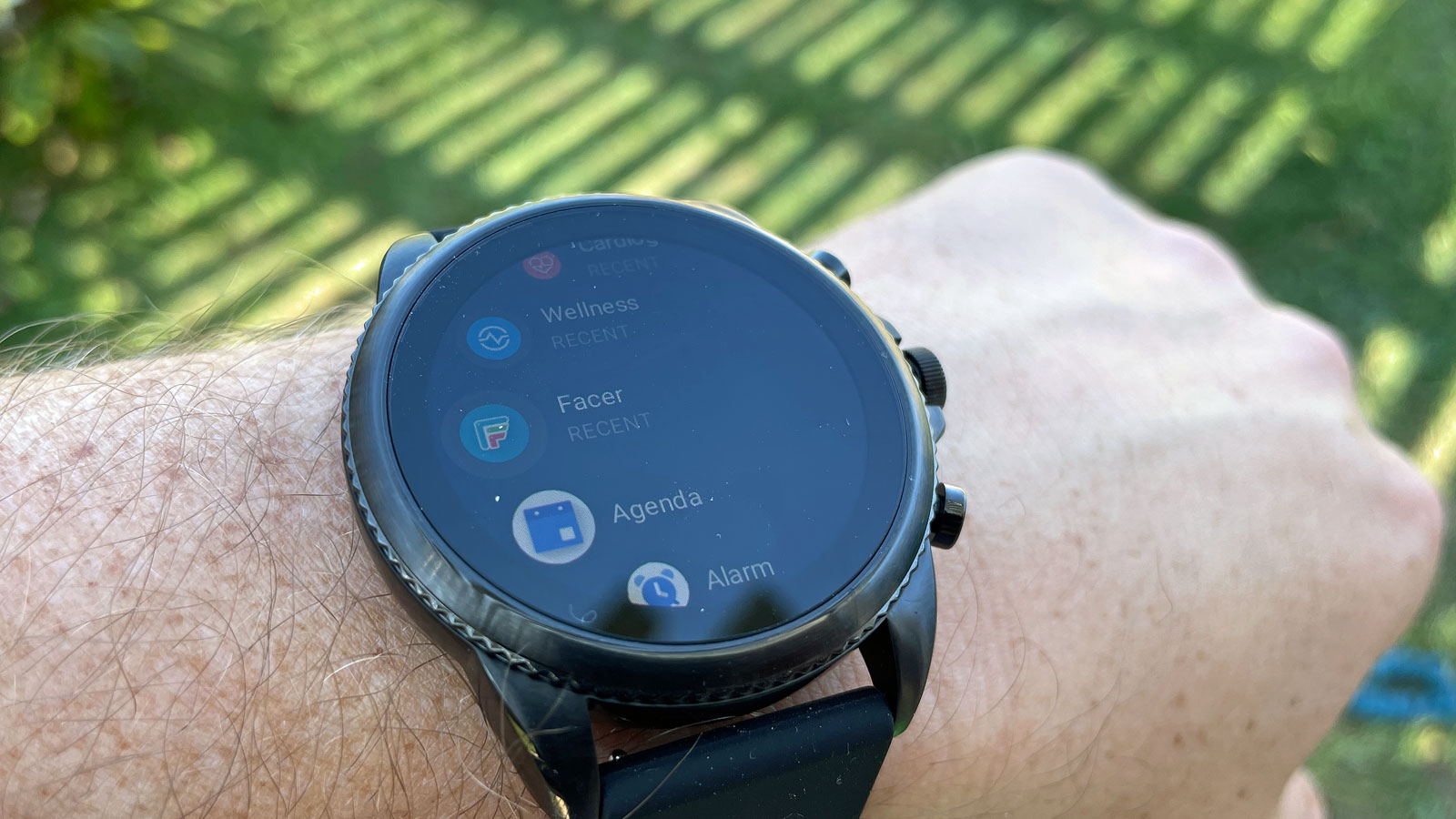
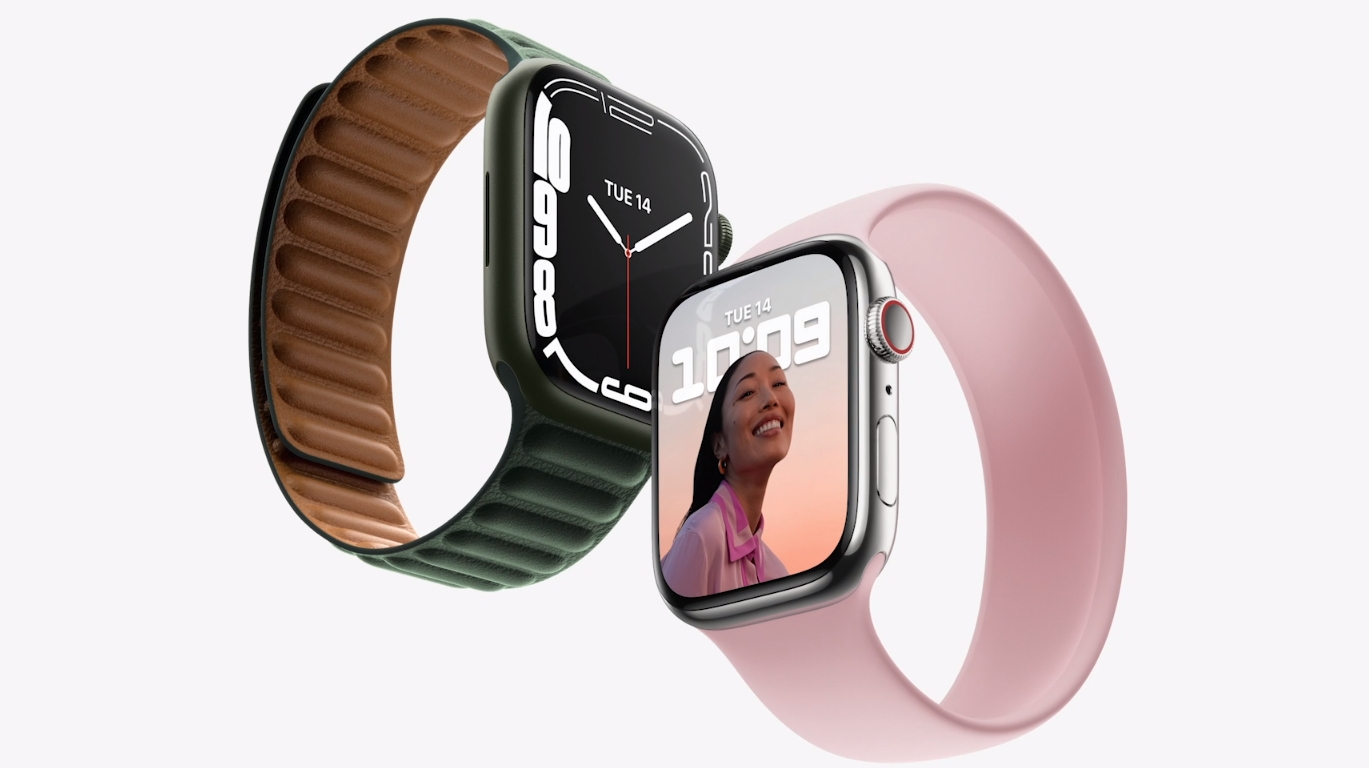
As I tested the new Fossil Gen 6 smartwatch, I was struck by how Wear OS has calcified into a middling software platform that really hasn’t convinced me to move away from my iOS ecosystem. I’m not saying the Apple Watch is for everyone, but it still feels like the best option out there, and I’m not convinced to switch.
Unfortunately, my opinion is largely affected by the odd territoriality of smartwatches and phone operating systems: Apple Watches only work with iPhones, while the latest Samsung Galaxy Watch 4 only works with Androids (bucking its predecessor’s trend of multi-OS compatibility). The watches that support both mobile operating systems, however, are stuck with Wear OS 2.0, which hasn’t been upgraded in years.
It’s an unfortunate reality, and one that forces consumers to pick their exclusive ecosystem in ways that are as unnecessary as they are embarrassingly retrograde. It’s never been cool for Apple to keep Apple Watch compatibility solely with iOS devices, though we can begrudgingly understand how much more seamless you can make interactions by focusing on just your in-house operating system. But locking Galaxy Watch 4 out of iOS feels like a loss, especially as it prevents the new Wear OS 3 from going toe-to-toe with watchOS.
(Image credit: Future)
The Fossil Gen 6 is the compromise that works with both Android and iOS devices, but unfortunately, it won’t be upgraded to Wear OS 3 until 2022. In the meantime, prospective buyers are stuck in a limbo of dealing with the current Wear OS 2.0, which hasn’t had a big refinement in years, while they wait for new features and integrations with Android 12 (like a watch face that matches your phone color palette through Material You).
All of the Fossil Gen 6’s speed via its Snapdragon Wear 4100 Plus chipset is wasted on an aging interface – those smooth transitions are only switching between some basic downloaded-by-default apps. I also have to manually reconnect the watch to my iPhone on a somewhat frequent basis, a condition that may not extend to Android phones. And it’s not like switching to a Samsung Galaxy Watch 4 is a good alternative – I’d literally have to switch phone operating systems, which is easy to do as a reviewer but a hard ask for most consumers, especially since some features are only accessible if you have a Samsung phone.
(Image credit: Apple)
My Apple Watch stays until I have a good reason to switch
And really, what I’m arguing here isn’t about what is the absolute best smartwatch you can buy – I’m talking about inertia, and that there isn’t much of a reason to switch away from a setup that works because watch evolution seems even more glacial than it is in phones. By and large, smartwatches didn’t get any big new features in 2021, and the year before only added blood oxygen measurements via SpO2 sensors, following the wide adoption of ECG in 2019 – which are important features for users specifically concerned about sleep apnea or heart arrhythmia, but not terribly useful for most folks.
Instead, what keeps me using my Apple Watch 5 is inertia, and the lack of an exciting reason to upgrade, let alone jump to a Wear OS watch. What would it take? The same continuous connection with my phone, for starters, but also some of the other benefits of seamless integration, like intuitively adopting the same Focus mode as my iPhone is set to (or at least going on Do Not Disturb), integrating my calendar appointments, and sharing simple tasks like timers. Having an app to work as a shutter button for the phone’s cameras is the kind of touch I'm talking about.
It’s a shame, as I genuinely think the Fossil Gen 6 and Samsung Galaxy Watch 4 are the classiest smartwatches you can buy – they have the panache of traditional timepiece design that’s absent on the bulbous, squared-off Apple Watch. In many ways, the Fossil Gen 6 is the best traditional-looking watch we’ve gotten that still works with iOS and Android phones (just above the TicWatch Pro 3, in my opinion), but I ultimately value interoperability more than looks.
Other folks might think differently, and that’s okay – in this post, at least, I’m not trying to steer buyers in one direction or another. (If you’re on the hunt, check our best smartwatches page for actual buying advice.) But the wearable market’s options are few, and even fewer now that Samsung has folded its Tizen OS into Google’s Wear OS 3. If you haven’t felt motivated to upgrade to a new, pricey smartwatch, I don’t blame you – and I’m waiting just as much to get swept off my feet with showstopping watch features.
The best defacement monitoring services will immediately alert you to any unauthorized changes to your website, helping you to protect your online assets.
The best website defacement monitoring services
Click the links below to go to the provider's website:
Read on for our detailed analysis of each defacement monitoring service
In July 2001, the Code Red worm infected over 359,000 hosts which were running a vulnerable implementation of Windows NT. Visitors to compromised websites were greeted with the message: "HELLO! Welcome to http://www.worm.com! Hacked By Chinese!"
Code Red and the phrase "Hacked by Chinese!" have long since passed into internet legend but the danger of website defacement is clear and present. Hackers can target your site at any time, so unless you are viewing a page as its been changed, it's hard to respond quickly.
In this guide, you'll discover an elegant solution to the issue of website defacement in the form of the very best security tools on the web today. These automate the task of regularly checking your domains for anomalies and make sure to notify you if any unauthorized changes are detected.
There are options to match all budgets from free services suitable for the occasional blogger to premium platforms for large business owners.
Here then are the best website defacement monitoring services currently available.
We've also highlighted the best web hosting services
(Image credit: Visualping)
1. Visualping
A simple free tool for detecting superficial changes
Easy setup
Mobile version available
Only detects visual changes
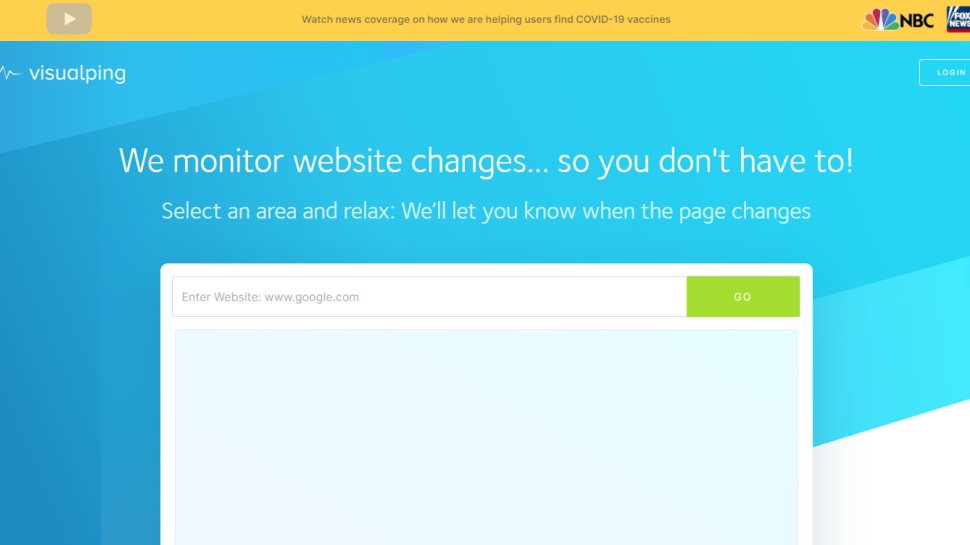
Visualping is a deceptively simple tool which offers powerful protection against website defacement. Users of the website or iOS/Android mobile apps need only enter a URL and their email address to receive regular updates of any changes made.
The tool works by making regular snapshots of the page in question then comparing these on an hourly, daily or weekly basis. It can also be customized to trigger an alert for tiny, medium or significant changes.
Visualping is not designed specifically for website defacement. As the developers' website mentions, it will work equally well for checking on the release on concert tickets or a new product launch. However its ability to display superposed 'images' as well as the fact you can control the frequency Visualping checks for changes means it's certainly fit for purpose.
The basic free version of Visualping allows you up to 2 free checks per day. Costs vary after this on a very reasonable sliding scale depending on the number of checks required. If you need to monitor multiple domains consider installing the Visualping Chrome web extension. Once installed just click the Visualping button to start monitoring the current page.
Through to its name Visualping may not be able to detect invisible to changes to pages such as modifications of source code. If malware is a concern consider one of the other tools in this guide.
(Image credit: StatusCake)
2. StatusCake
StatusCake is a mighty tasty offering with competitive pricing
Advanced features such as speed test
Reasonable costs
Free tier offers only 10 checks a day
StatusCake is a many-layered treat for webmasters. This British-based site offers a way to check your pages for defacement and downtime from a variety of locations: the project maintains 48 monitoring centers in 28 countries around the world. Many centers support the more recent IPv6 protocol.
This offers subscribers a much more refined experience over simpler competitors. Not only can you adjust the frequency of checks but you can also specify the location from which you want to monitor pages. StatusCake even offers a speed test to show how quickly a page loads when checked.
There is a free package that can perform up to 10 checks at 5-minute intervals. This is fine for hobby bloggers and those with very monolithic websites but business owners can benefit more from a paid subscription.
These are very competitively priced compared to other monitoring services, but regardless of which package you choose, StatusCake includes multiple notification options including email, text message and even push notifications via Android/iOS. This service also works with some third party apps such as PagerDuty.
(Image credit: Sucuri)
3. Sucuri
Stop website defacement in its tracks
Massive range of security tools
Cloud based so no installation required
No free trial
Sucuri began in 2010 under the guiding hand of developer Daniel Cid who envisioned a tool which could give webmasters better insight into the security status of their websites.
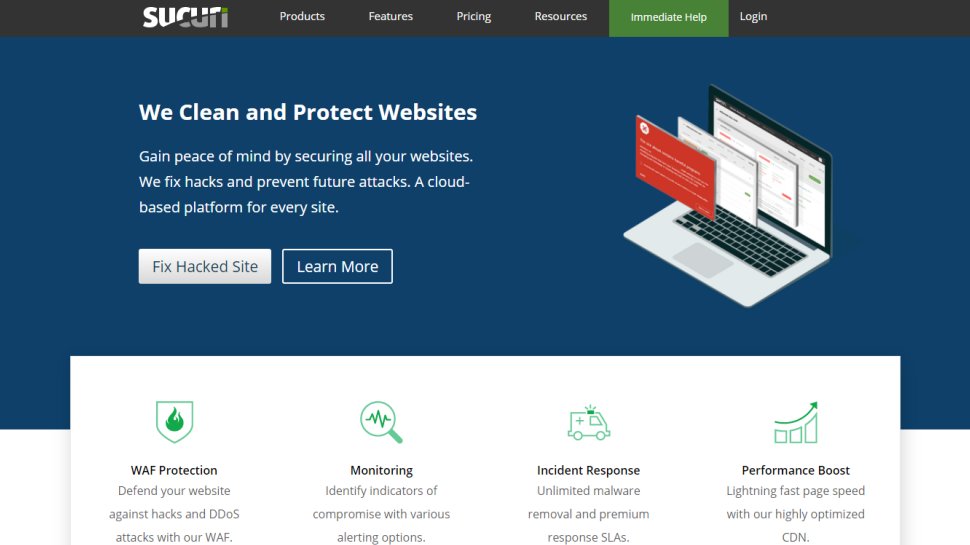
It's safe to say that Mr. Cid has been successful. The cloud-based SaaS (Software as a Service) Sucuri works not only as a monitoring platform but contains many tools to help prevent malicious attacks by hackers such as a Firewall, anti-virus and DDoS protection. This may be why Sucuri was acquired by legendary hosting provider GoDaddy in March 2018.
The Sucuri Website Firewall can handle malware prevention through use of a dedicated whitelist, so that only authorized parties can connect to your site. Sucuri also regularly monitors changes to your pages and can display appropriate warnings. Furthermore, there is a free website malware and security scanner that you can use at sitecheck.sucuri.net.
The service also maintains a dedicated incident response team, who work 365 days a year to assist you with restoring your site if anything goes wrong. Subscribers are guaranteed a response within 12 hours to all support requests of this kind. The basic tier also includes features such as the firewall (with support for whitelists and blacklists), continuous scanning for defacement and malware cleanup.
Sadly, there is no free trial for Sucuri, however the main site offers a money back guarantee within 30 days if users aren't satisfied.
(Image credit: Future)
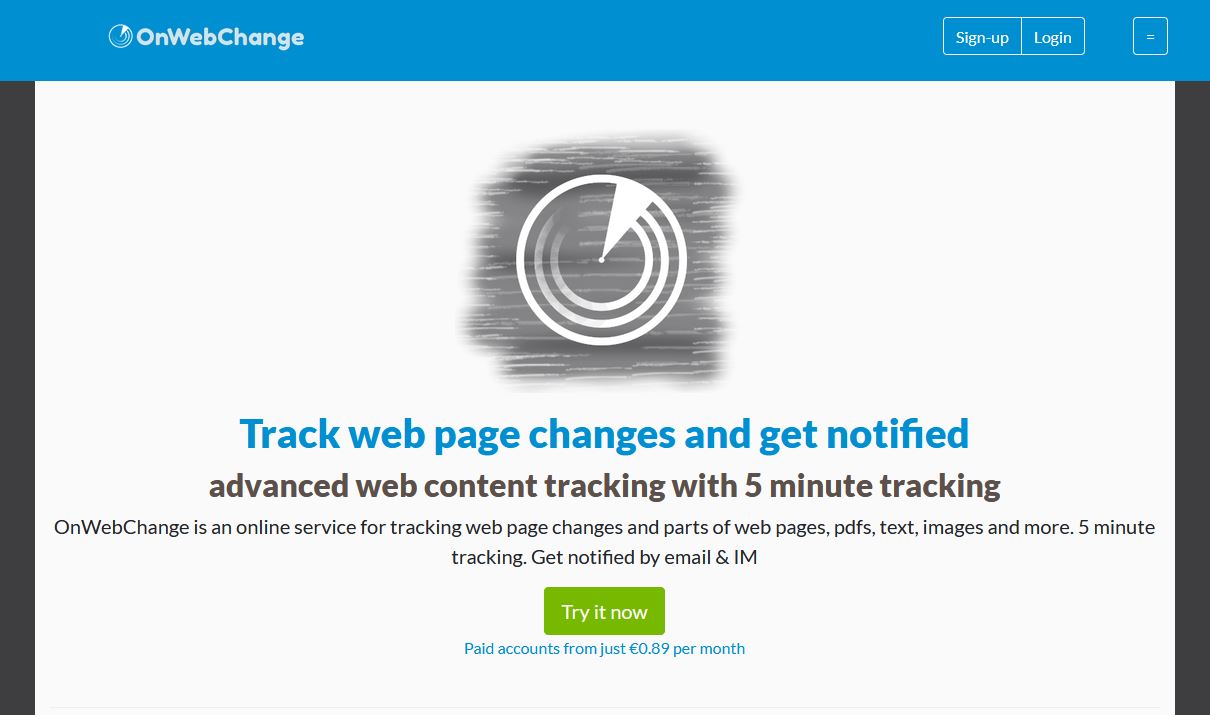
4. OnWebChange
A flexible and well-priced anti-defacement tool
Select specific page areas
Very inexpensive
Free tier monitors only 3 domains
OnWebChange is one of the most versatile and useful tools when it comes to defacement protection. Since it was originally developed by Briton Tom Carnell in 2009 the service has exploded and can boast tens of thousands of users. This is due in part to the sophisticated monitoring features. In the first instance, users can select one or more areas to monitor within a web page. This is ideal if you maintain pages with dynamic content.
OnWebChange will notify you each time a change takes place, either via email or via push notifications in Android/iOS. Power Users can also use a HTTP CallBacks with their own login data to adjust website content automatically e.g. to restore a defaced page. Furthermore, users can use multi-region tracking which allows you to visit the web pages as if you were visiting them from different geographic regions around the world. In addition, the "Browser Mode" feature is available, which allows you to track any public webpage.
The generous free tier offers subscribers advanced CSS (Page Content Selection) as well as the ability to scan both PDF and plain text files for changes. Free tier users are permitted a maximum of 3 tracked sites a month. Checks are made up to 30 times (roughly once a day).
Premium subscribers benefit from advanced features such as unlimited trackers and checks every 60 minutes. The highest tier of subscription called "Turbo-100", enables 5 minute tracking with some additional features.
(Image credit: Fluxguard)
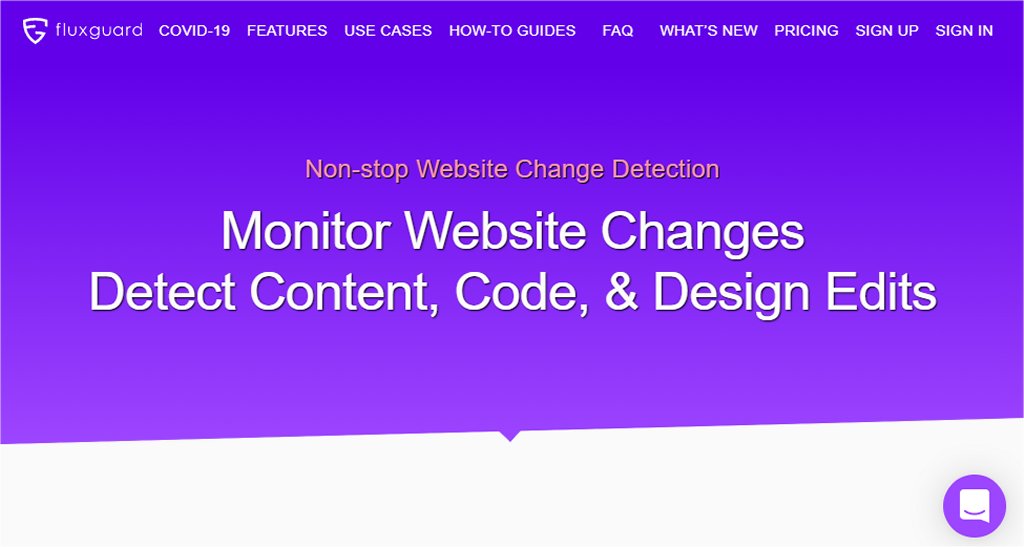
5. Fluxguard
A powerful tool suited for basically anyone
Powerful features
Generous free plan
No lower tier plan
Fluxguard offers various powerful features in addition to defacement monitoring and as such attracts a variety of customers. Its website change monitoring is quite effective with full browser page crawls and other functions depending on what you paid for.
The service provides multiple levels of web change detection. Every page is screenshotted and any pixel changes are detected. The HTML is compared and the text is extracted and checked for changes, and the complete network change analysis is done. The service also runs Google Lighthouse audits. The already mentioned full browser page crawls include complete network activity logging, multiple screenshots, rendered DOM capture, and a few other things.
The pricing is versatile with several plans available, including the free plan. The free plan gives you 50 credits per month, and 1 credit equals one full page crawl, so you can crawl and monitor 50 pages per month. The plan includes visual, HTML, and text change detection, as well as 100% dynamic page monitoring. You also get Google Chrome crawler, Google Lighthouse audits, and instant email alerts.
All things considered, Fluxguard is a good choice for all your defacement monitoring needs and their free plan offers a good starting point in exploring what the service can do.
Back in 2018, we drove Toyota's first generation Mirai hydrogen fuel-cell electric vehicle (FCEV) alongside MrMobile, and while the technology was interesting, the car was uninspiring to drive, and refueling was a major challenge - even in hydrogen friendly California.
Basically, while the original Mirai got the job done, it was nothing more than an overpriced and compromised hydrogen-powered Toyota Corolla.
Fast forward to 2021, and Toyota's second generation Mirai hydrogen FCEV is upon us, with sharp new looks, a lower price, a better platform, more range, and updated technology.
So, does this new Mirai fix the old car's driving and packaging compromises, and - more importantly - has the dismal hydrogen refueling infrastructure improved over the past 3 years? We drove a 2021 Toyota Mirai for a week to find out.
The 2021 Mirai starts at $49,500 before incentives - that's $9,050 less than the previous generation - and it still comes with six years (or $15,000) of complementary hydrogen.
It's now bigger, built on the same RWD platform as the Lexus LS sedan, with seating for five. Range is has increased 30% increase over its predecessor, while power is up slightly, with 182hp and 300ft-lb of torque.
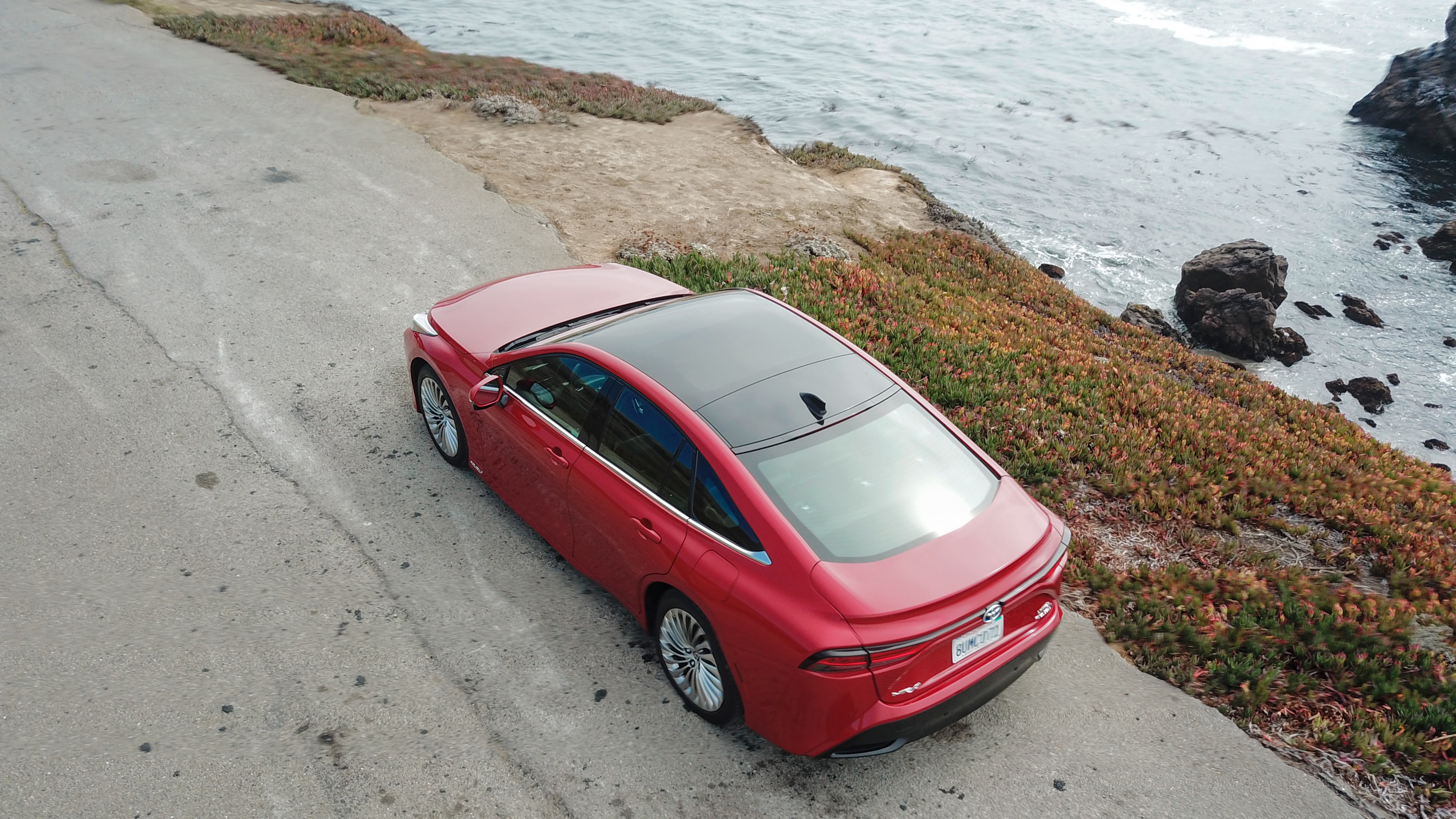
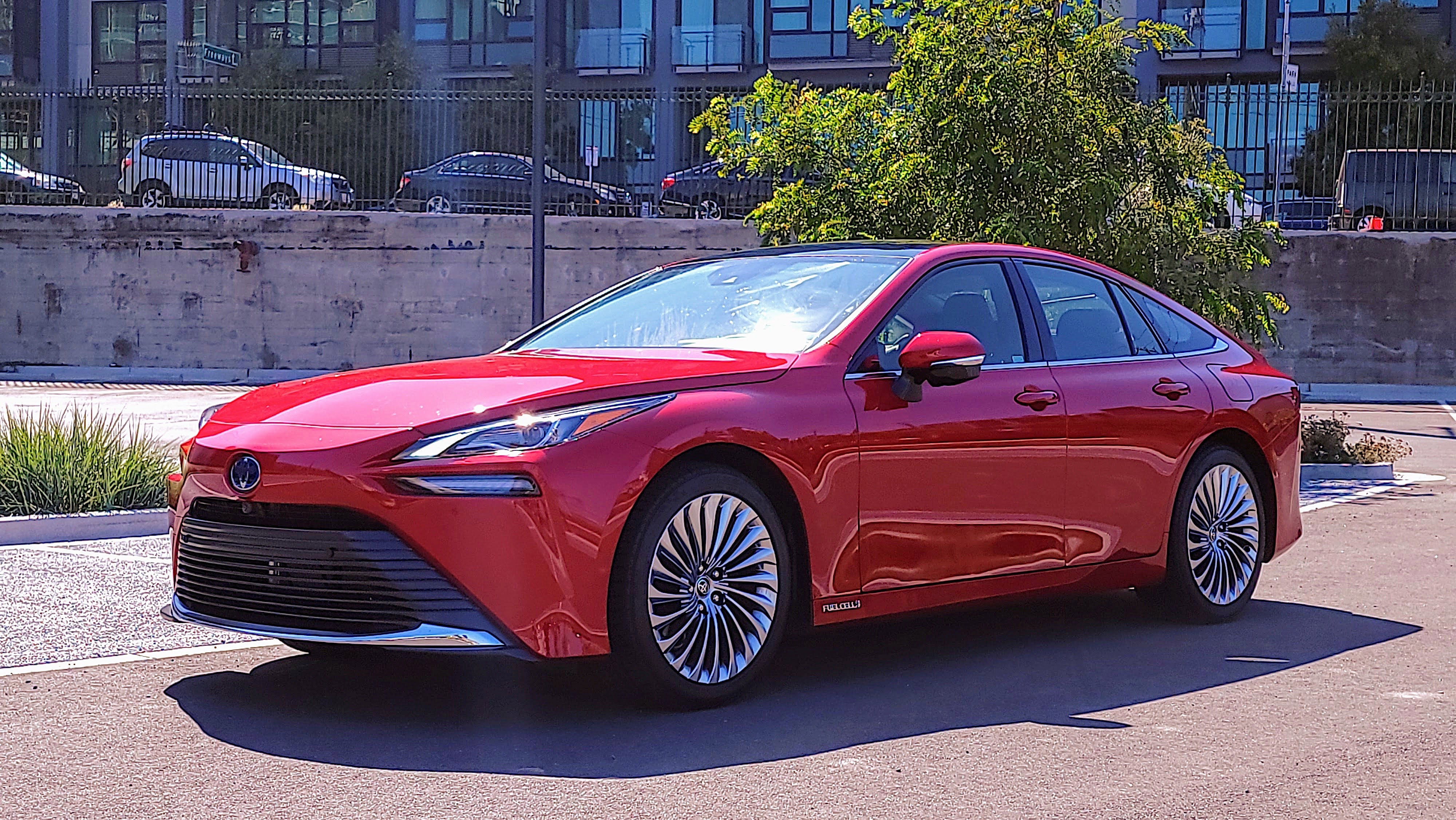
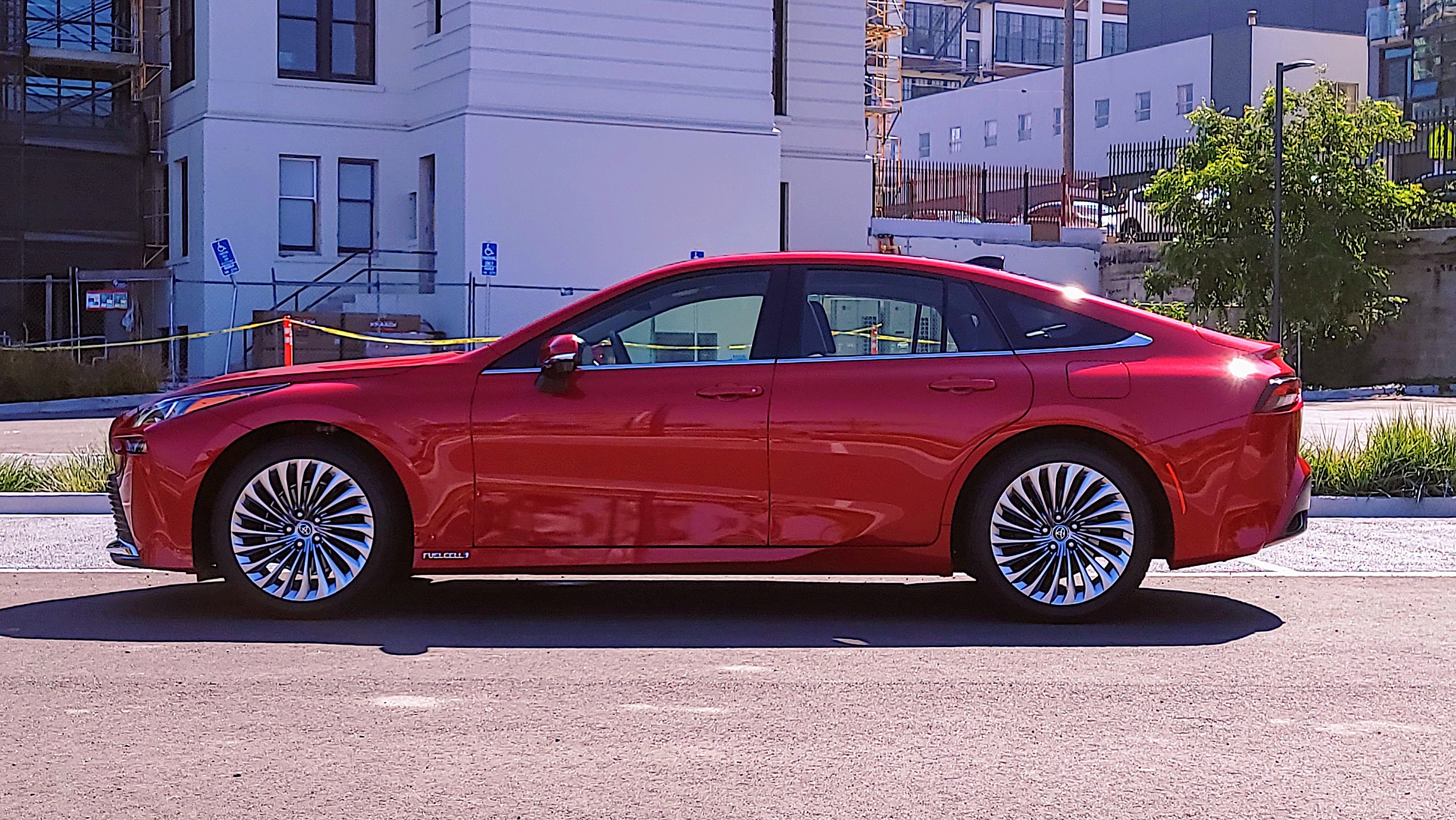
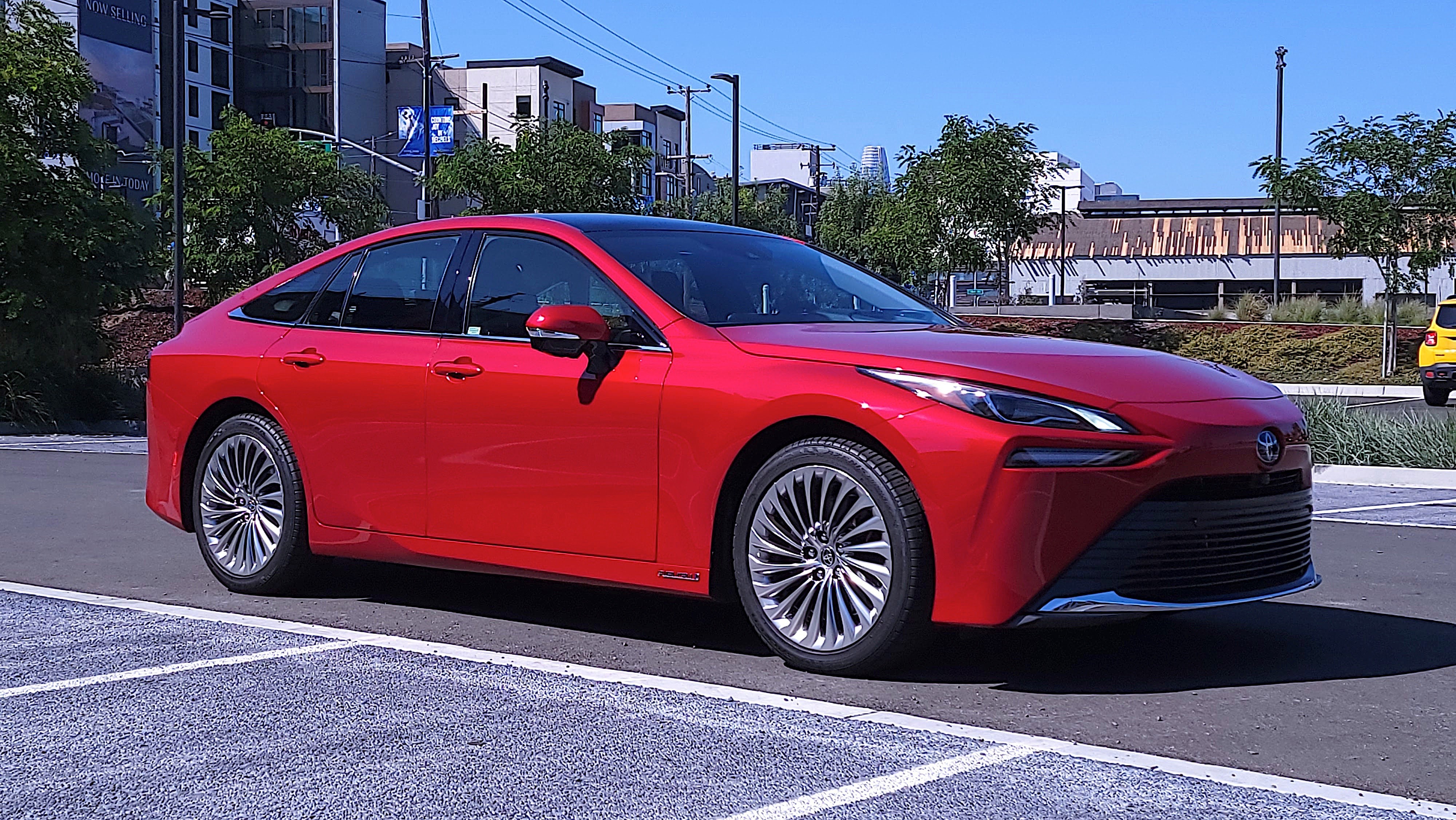
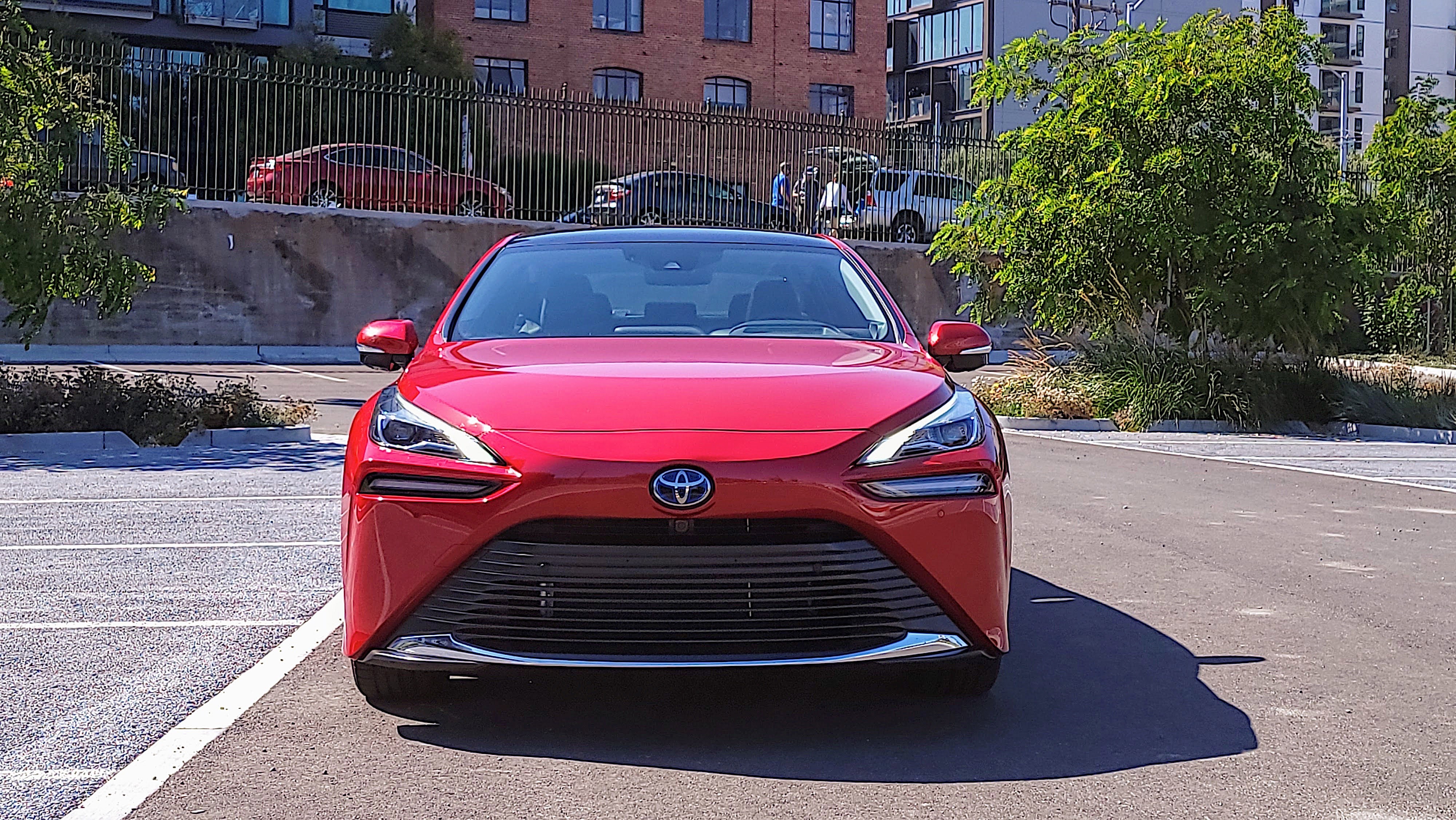
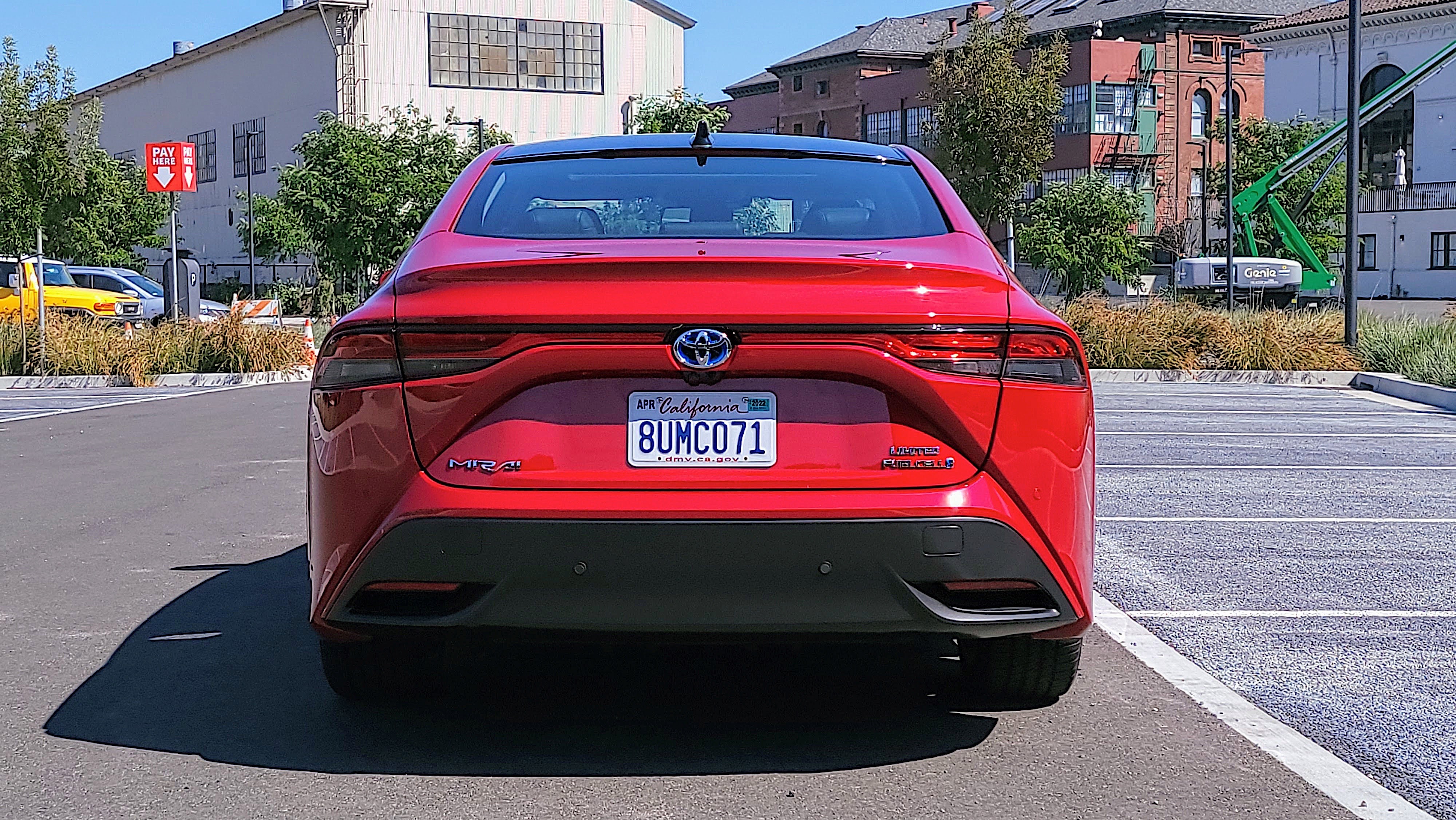
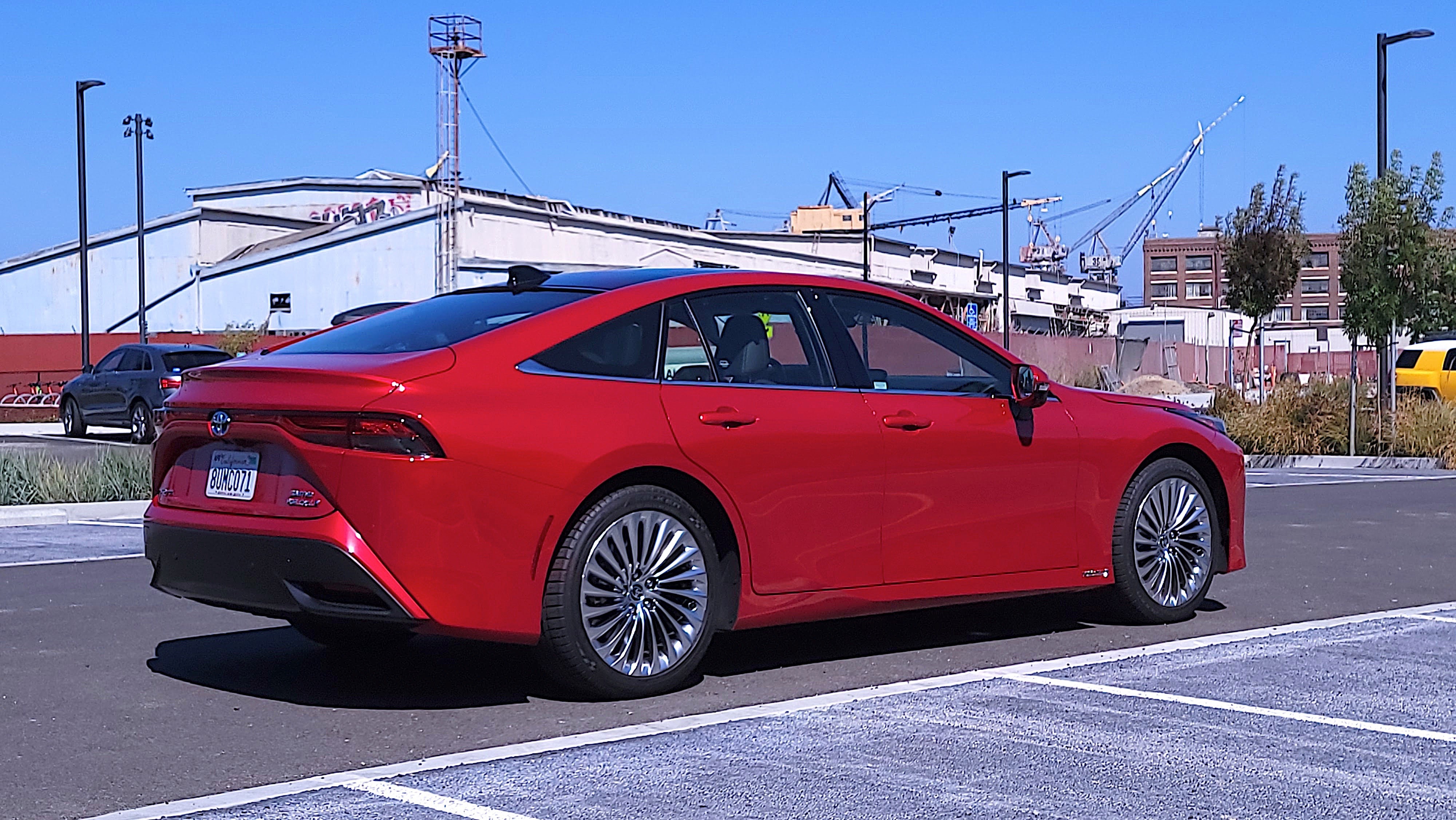
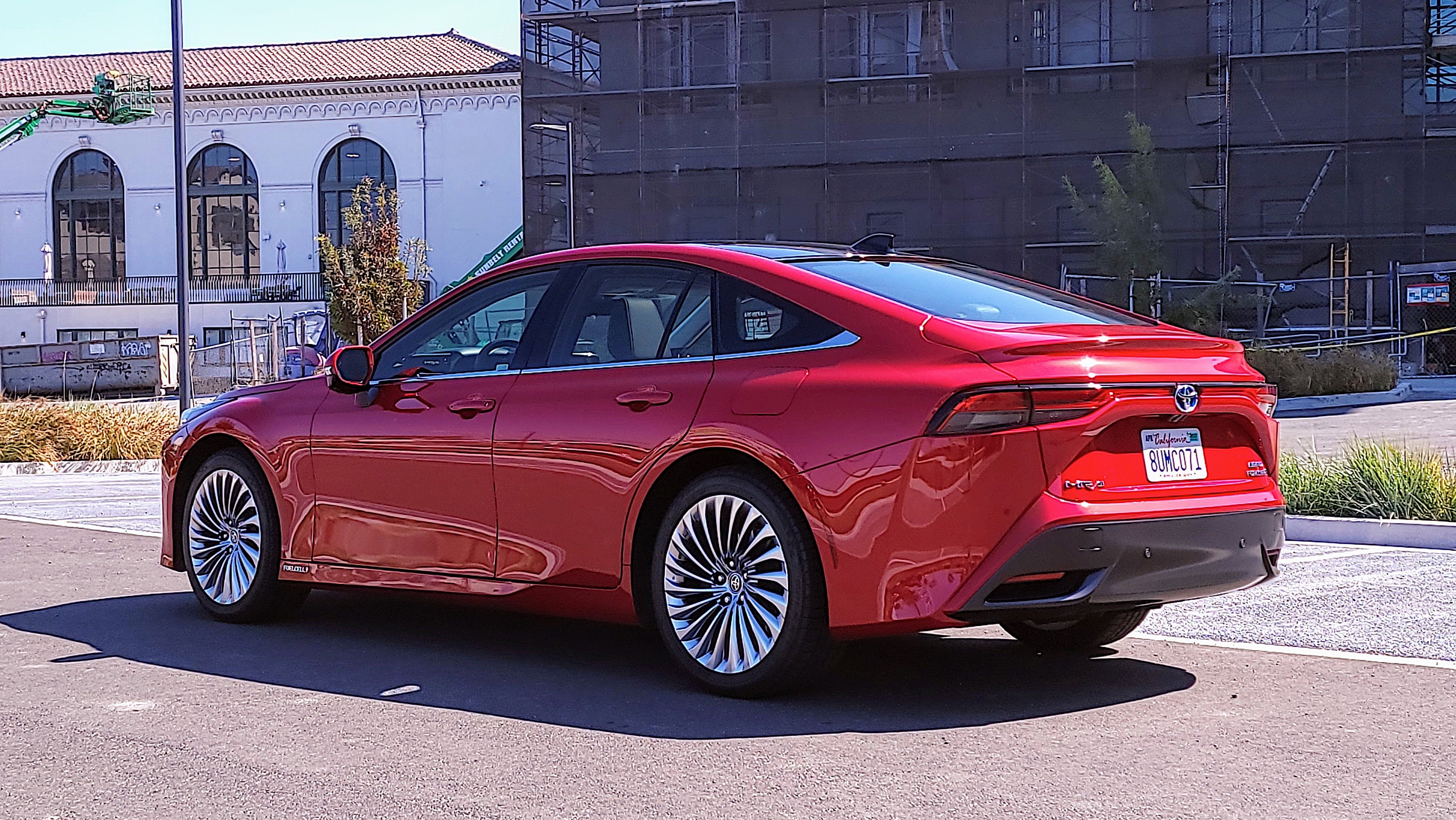
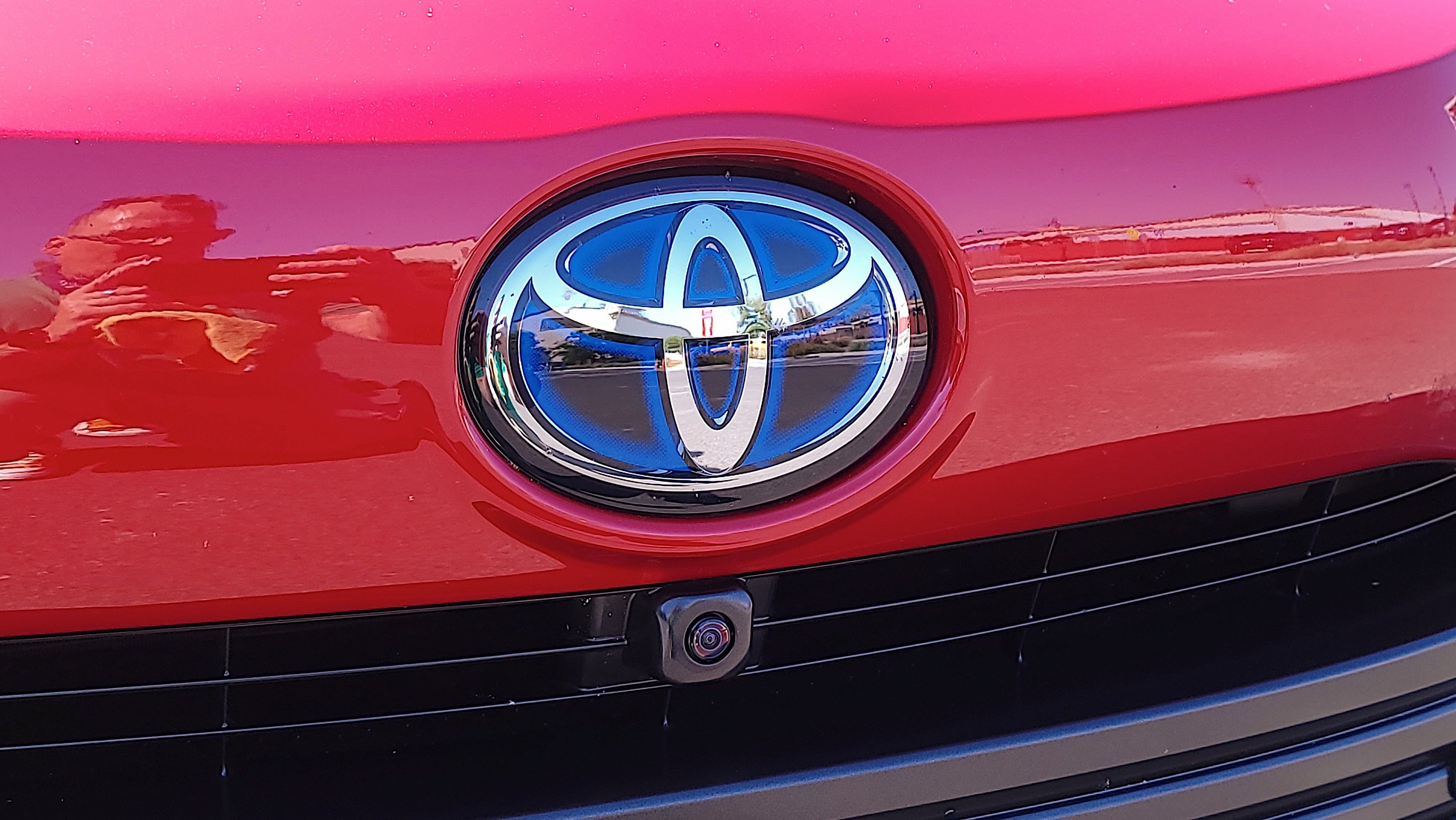
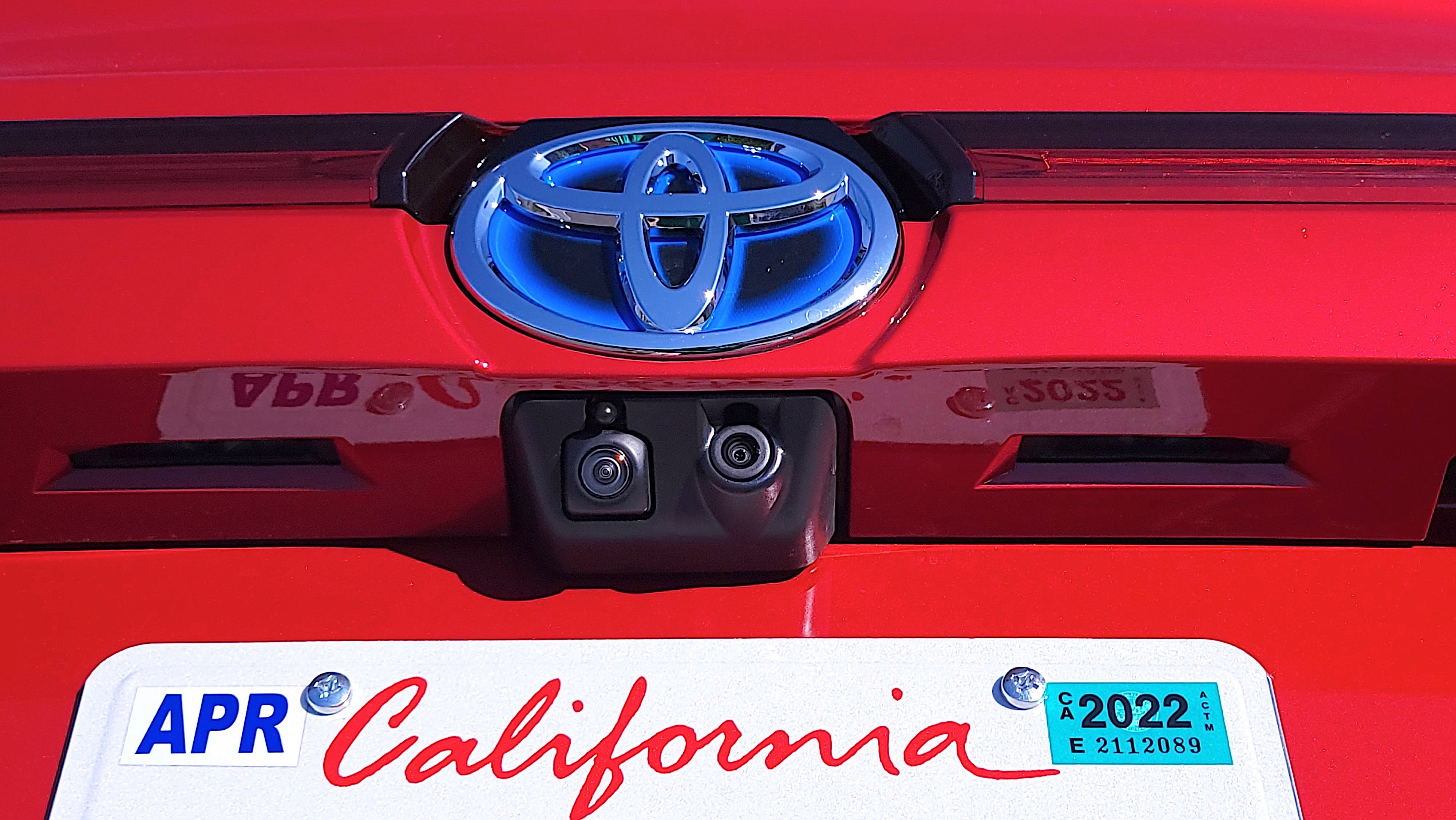
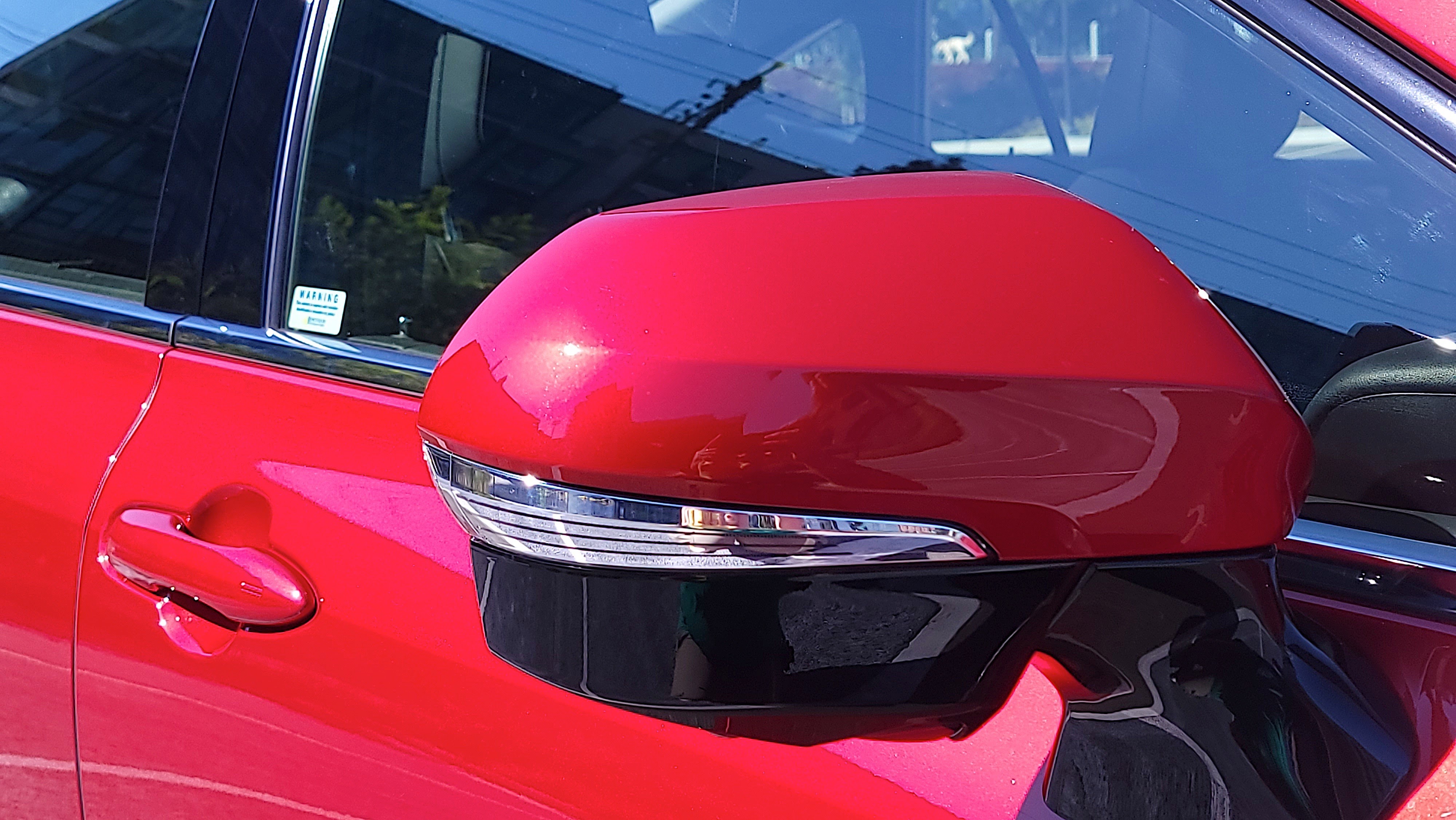
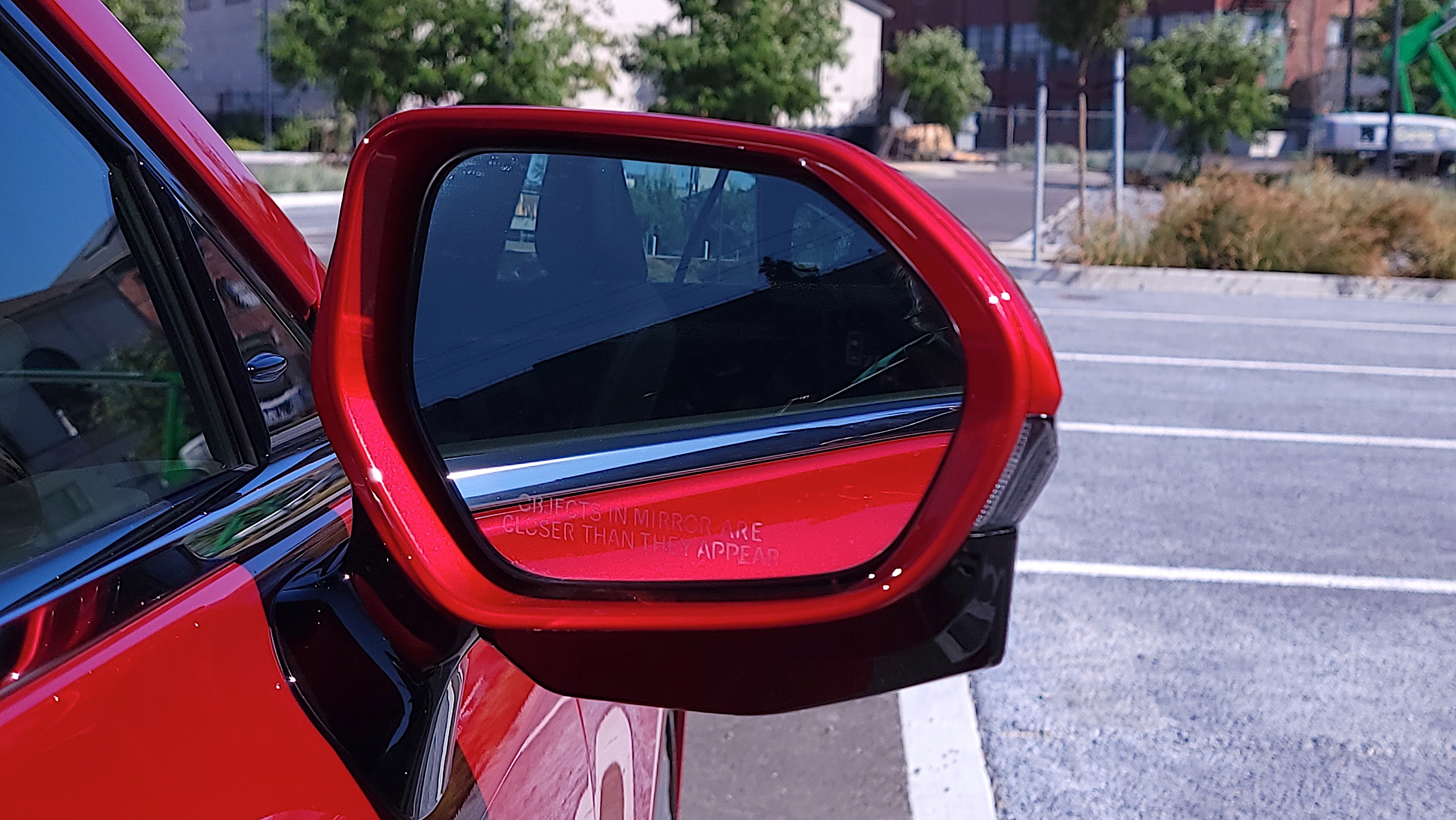
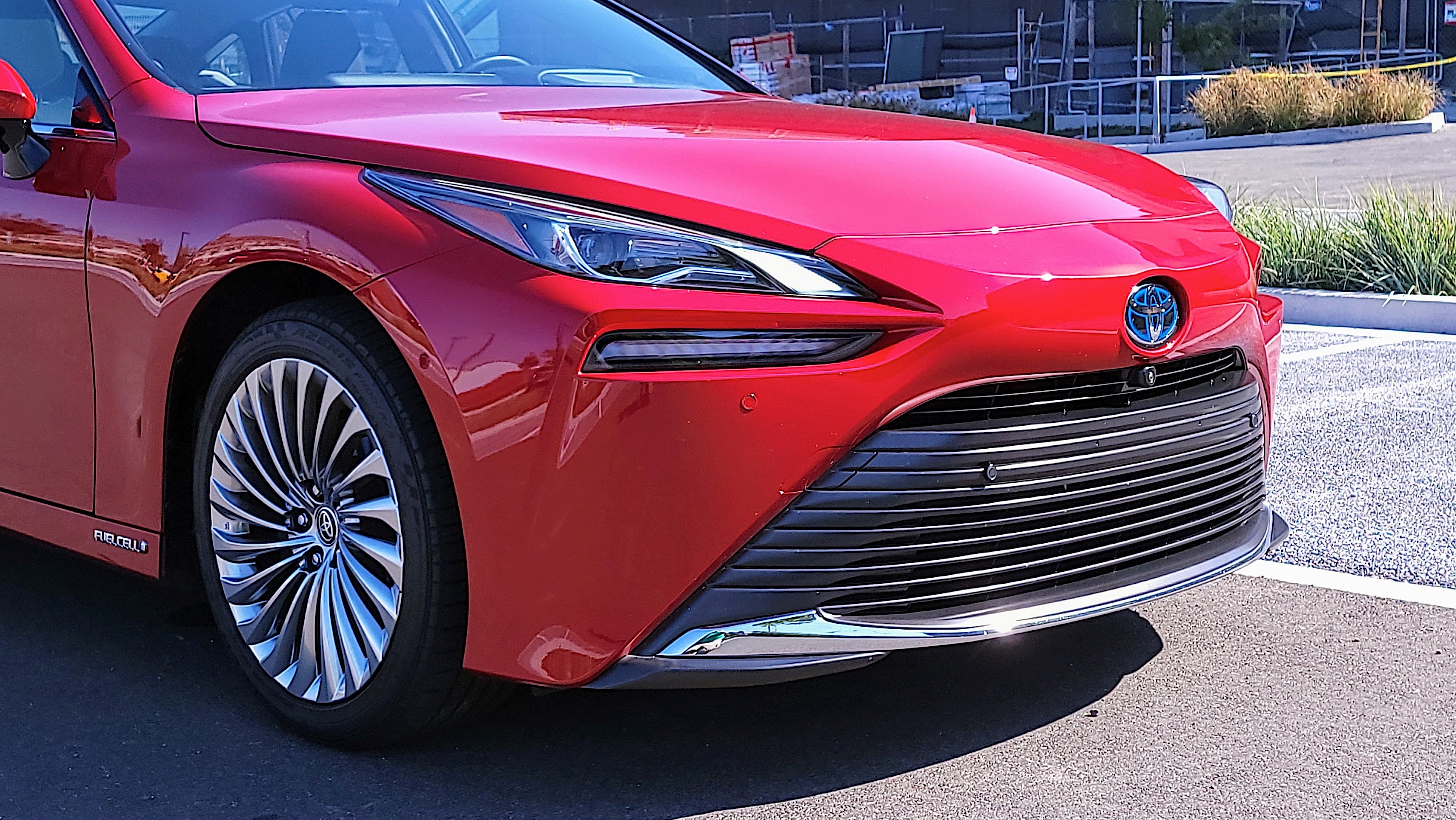
The exterior is modern and sophisticated, and the RWD proportions are outstanding. It’s a gorgeous car from every angle. You're basically getting a Lexus-like exterior without the ugly spindle grille.
(Image credit: TechRadar / Myriam Joire)
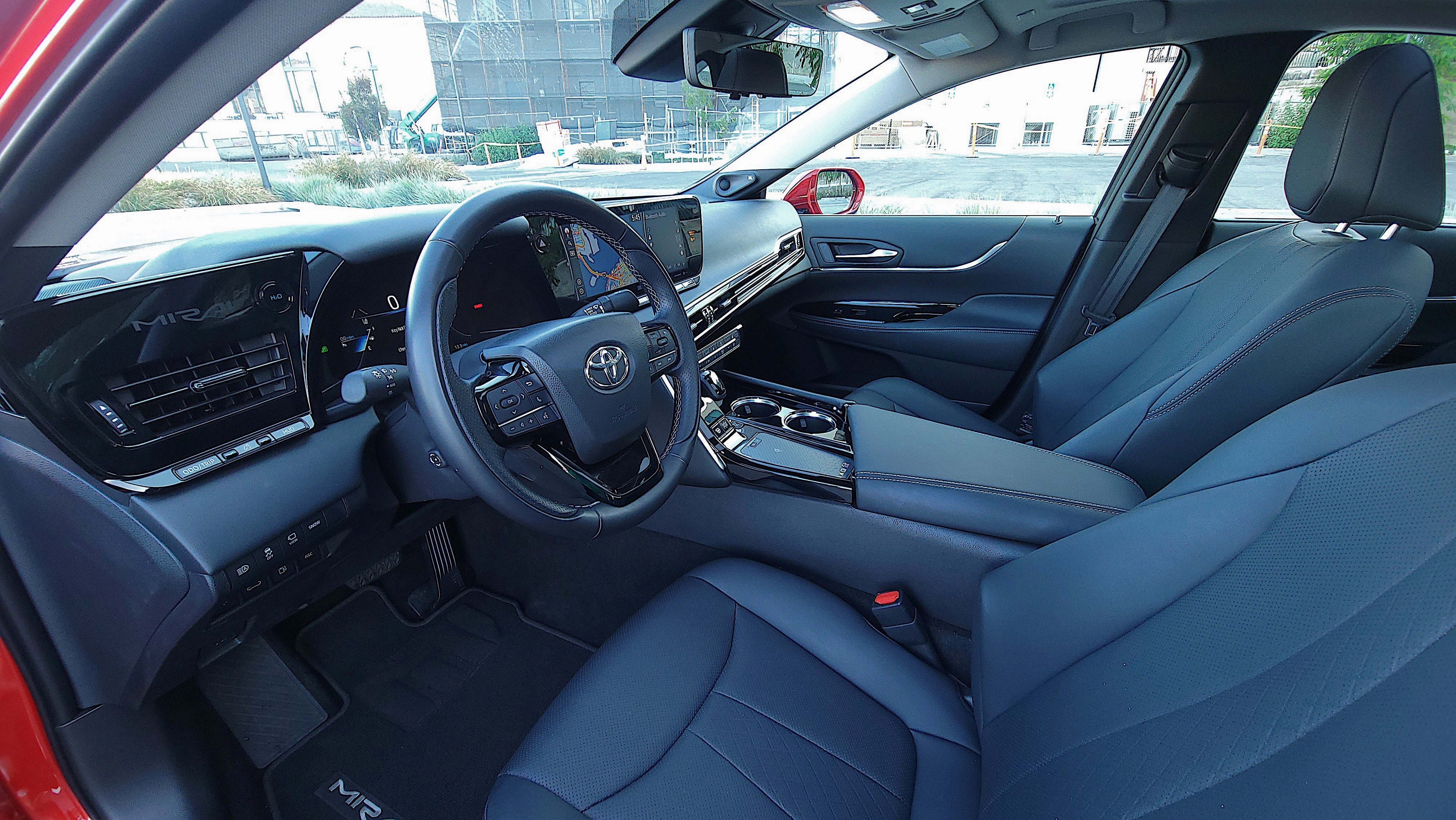
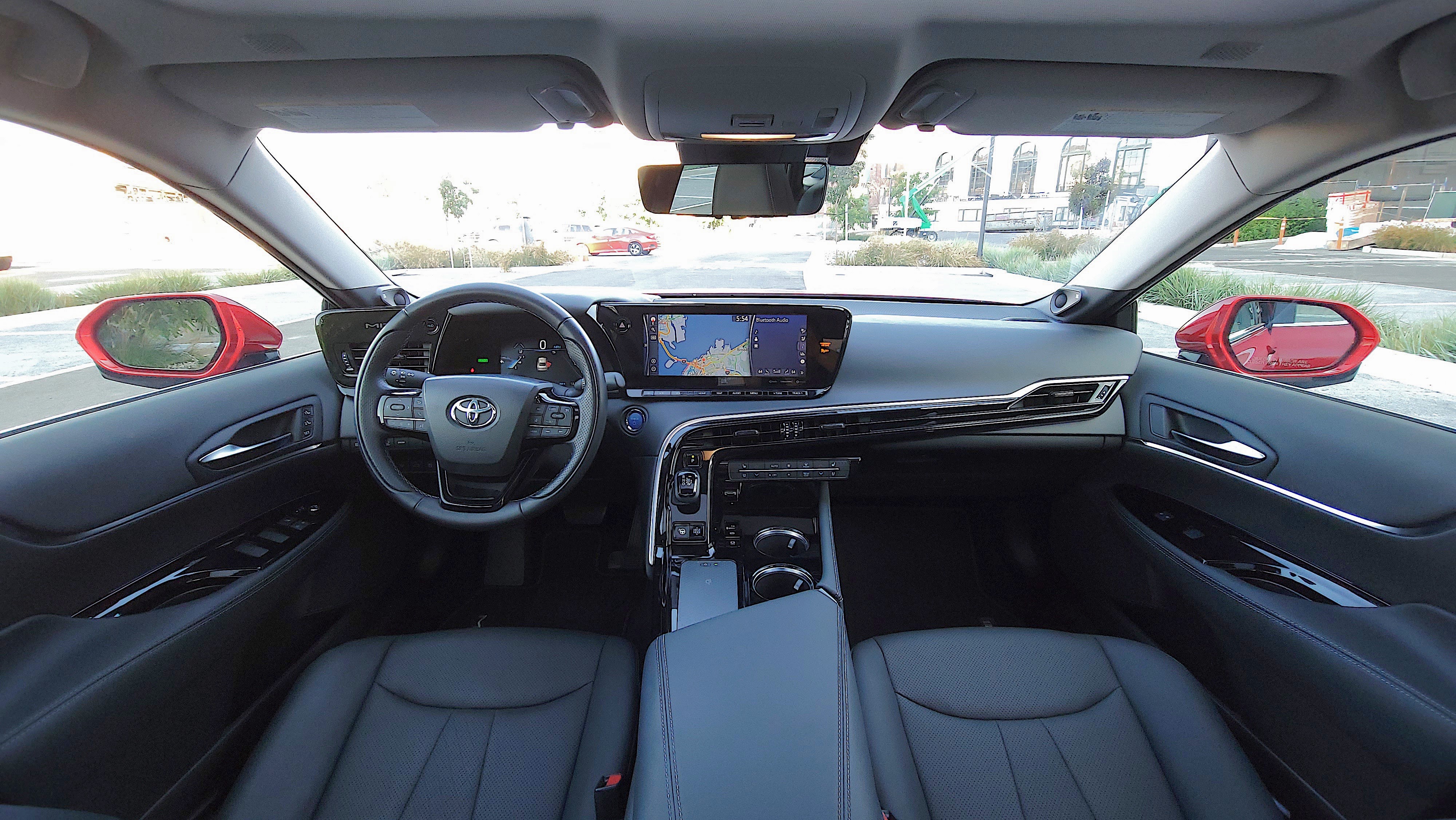
Inside, it's a different story. There's nothing wrong with materials and build quality, but the interior's Camry-like appearance is busy and uninspired. Despite being whisper quiet, the cabin lacks the luxury of a modern Lexus.
The 2021 Mirai is reasonably spacious inside, but this sense of space is hampered by a high cowl, and by one of the hydrogen tanks, which takes up valuable real-estate, and makes the rear middle seat pretty cramped.
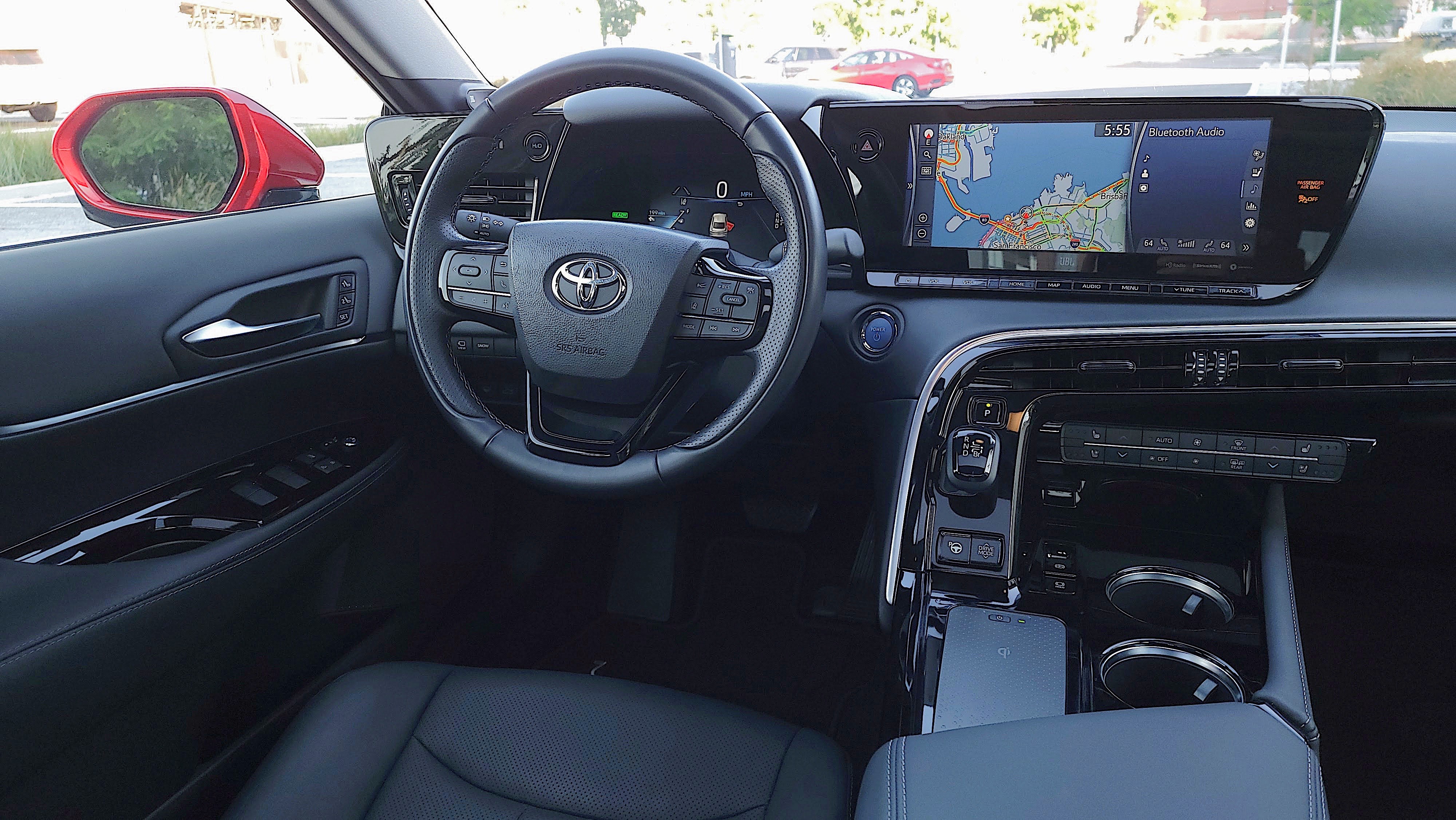
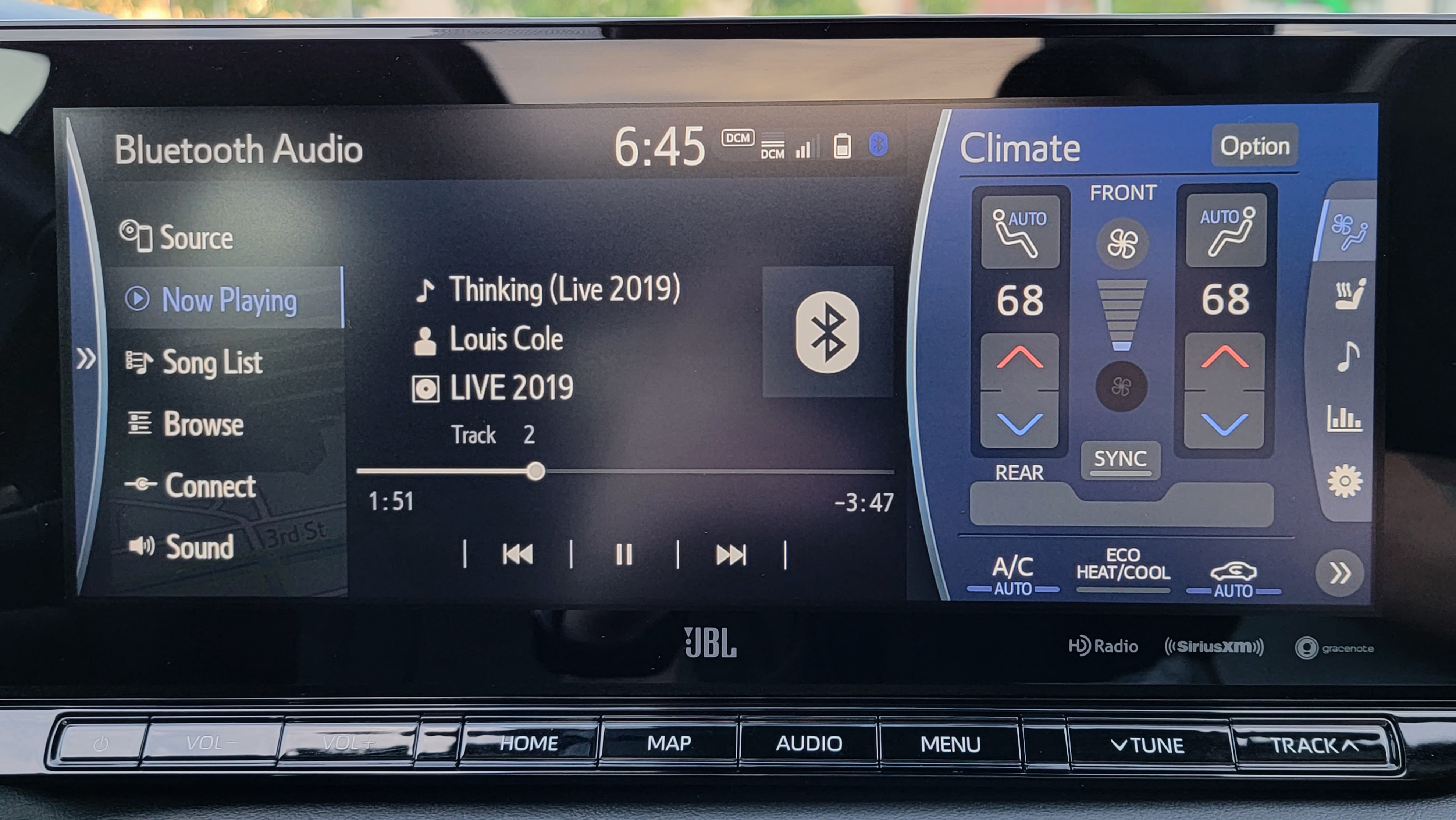
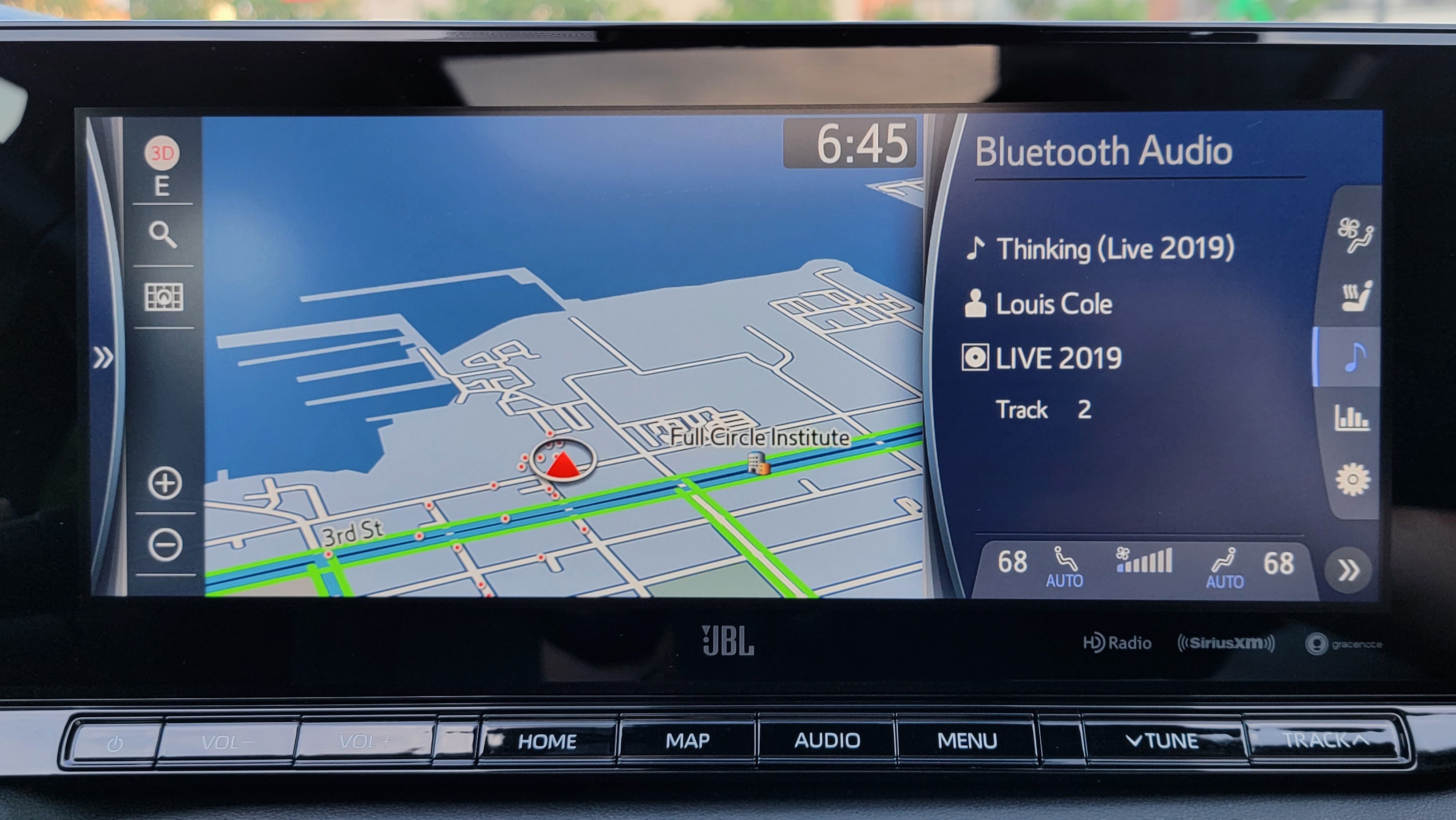
The infotainment system consists of a 13.2-inch touchscreen with navigation and a 14-speaker JBL-branded audio system. Unfortunately, the user interface feels quite sluggish, and looks like it’s from a decade ago.
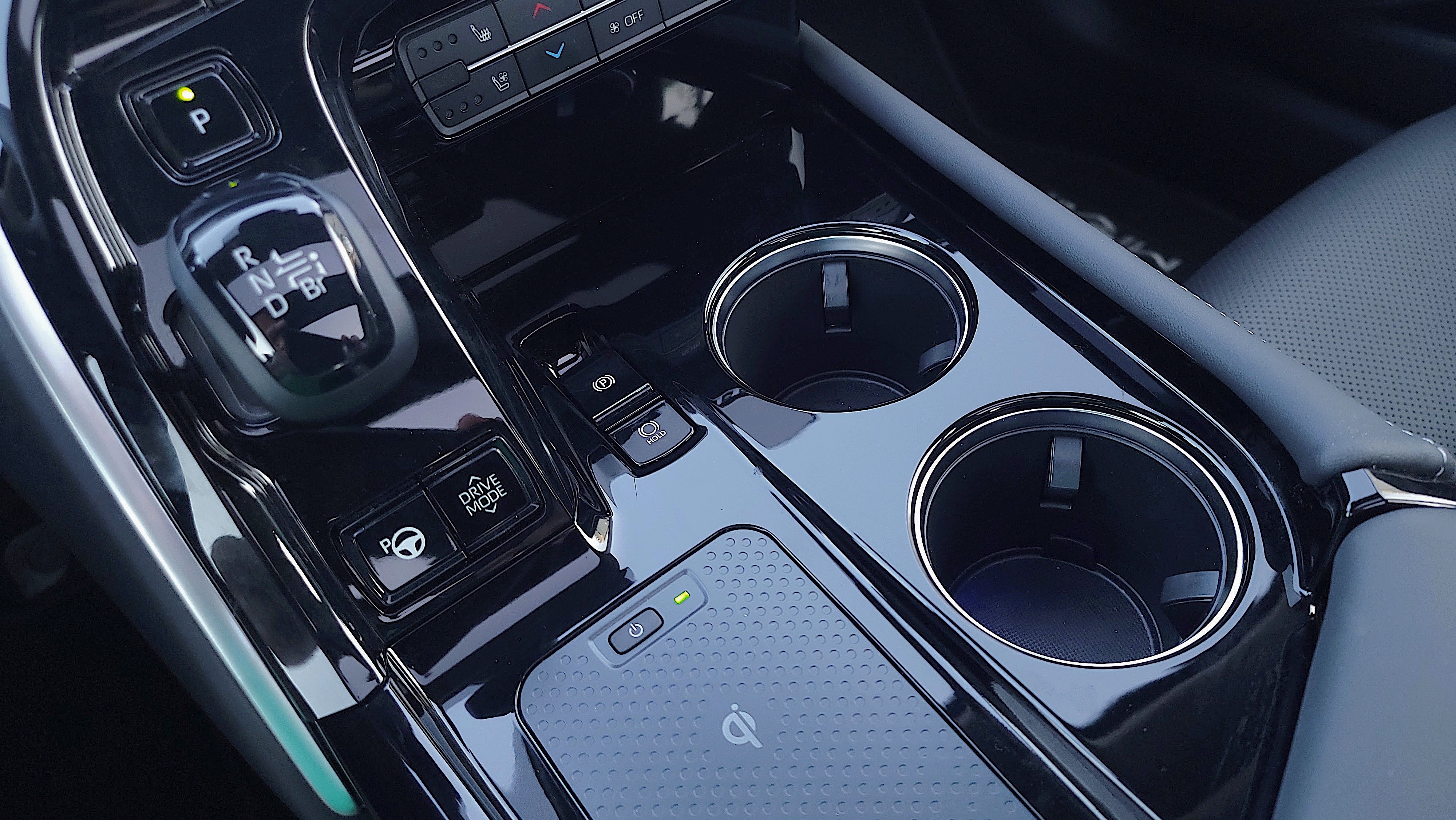
Thankfully, the 2021 Mirai features Apple CarPlay and Android Auto (both wired), which are the perfect antidote to the built-in infotainment’s clunky user experience. Amazon Alexa integration is also available, along with a Qi-compatible wireless charging pad, and four USB Type-A ports.
The Mirai is definitely tuned for comfort. If that's what you're after, this Toyota delivers. Just don't expect much performance - 0 to 60mph happens in a leisurely 9.2 seconds.
But let's talk about the elephant in the room, and that's the hydrogen refueling infrastructure - or the lack thereof. Despite the San Francisco bay area having over a dozen hydrogen stations, most of them were out of fuel during the week we spent reviewing the Mirai. Hydrogen is also expensive: it costs about $100 to fully refuel.
Overall, the Toyota Mirai is an extremely comfortable and competent vehicle that looks fantastic, but is let down by an abysmal hydrogen refueling infrastructure.
While it's definitely interesting, it's simply not exciting. This is a car from an alternate reality where Tesla doesn't exist (or failed), battery EVs never took off, and hydrogen FCEVs are "the next big thing". Problem is, nobody - except Toyota it seems - lives in that reality.
(Image credit: TechRadar / Myriam Joire)
Toyota Mirai price and availability
$49,500 before incentives
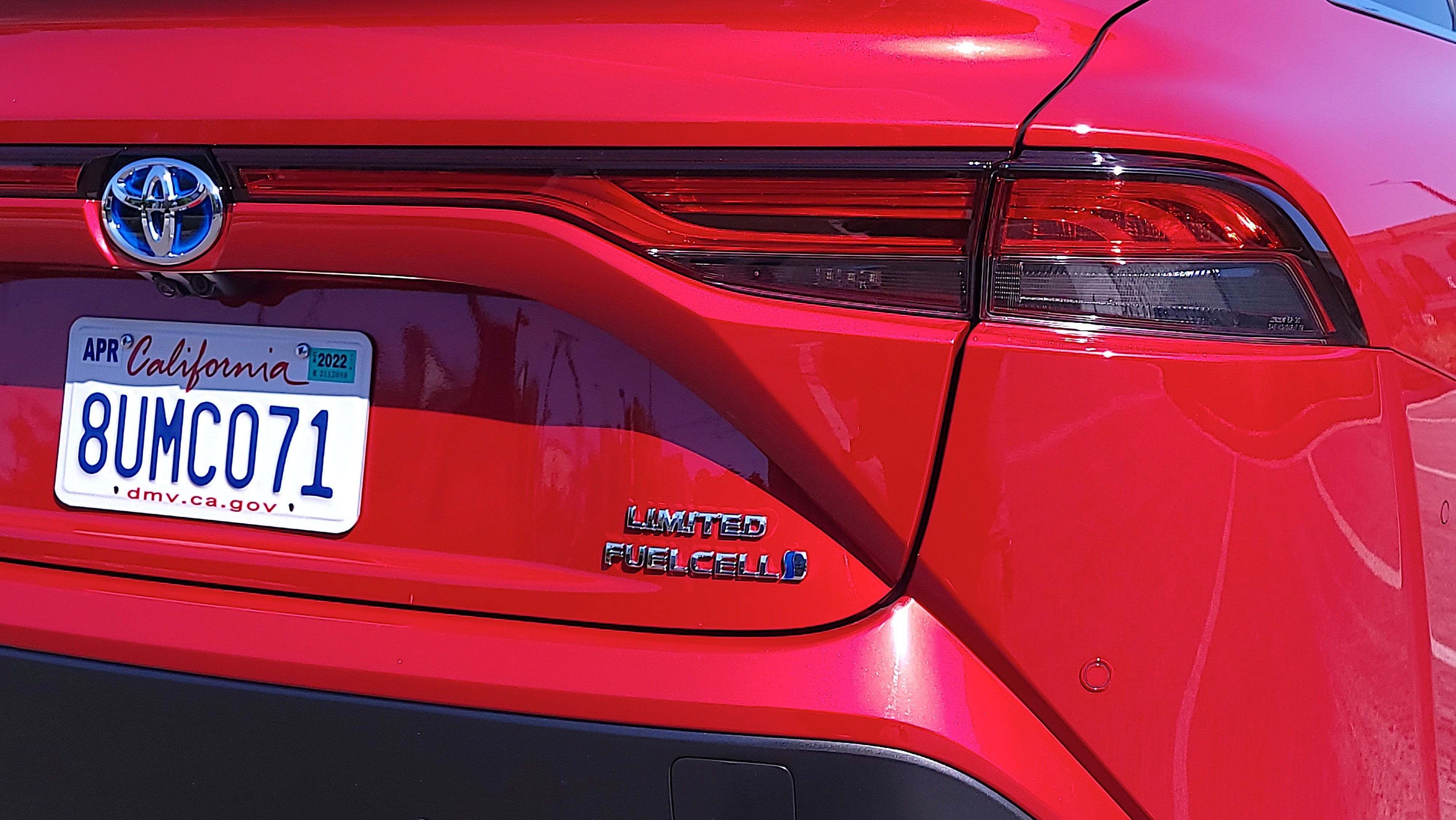
XLE and Limited trims
6 years (or $15,000) of free hydrogen
The 2021 Toyota Mirai prices start at $49,500 / £54,920 before incentives. It's only available as a three-year business lease in Australia, and costs AU$63,000.
In the US, it comes in two trims: XLE ($49,500) and Limited ($66,000). Options include an advanced technology package ($1,410) on the XLE trim and 20-inch wheels ($1,120) on the Limited trim. Toyota also includes six years (or $15,000) of complementary hydrogen.
While the XLE trim is already well equipped, the Limited trim boasts several additional features.
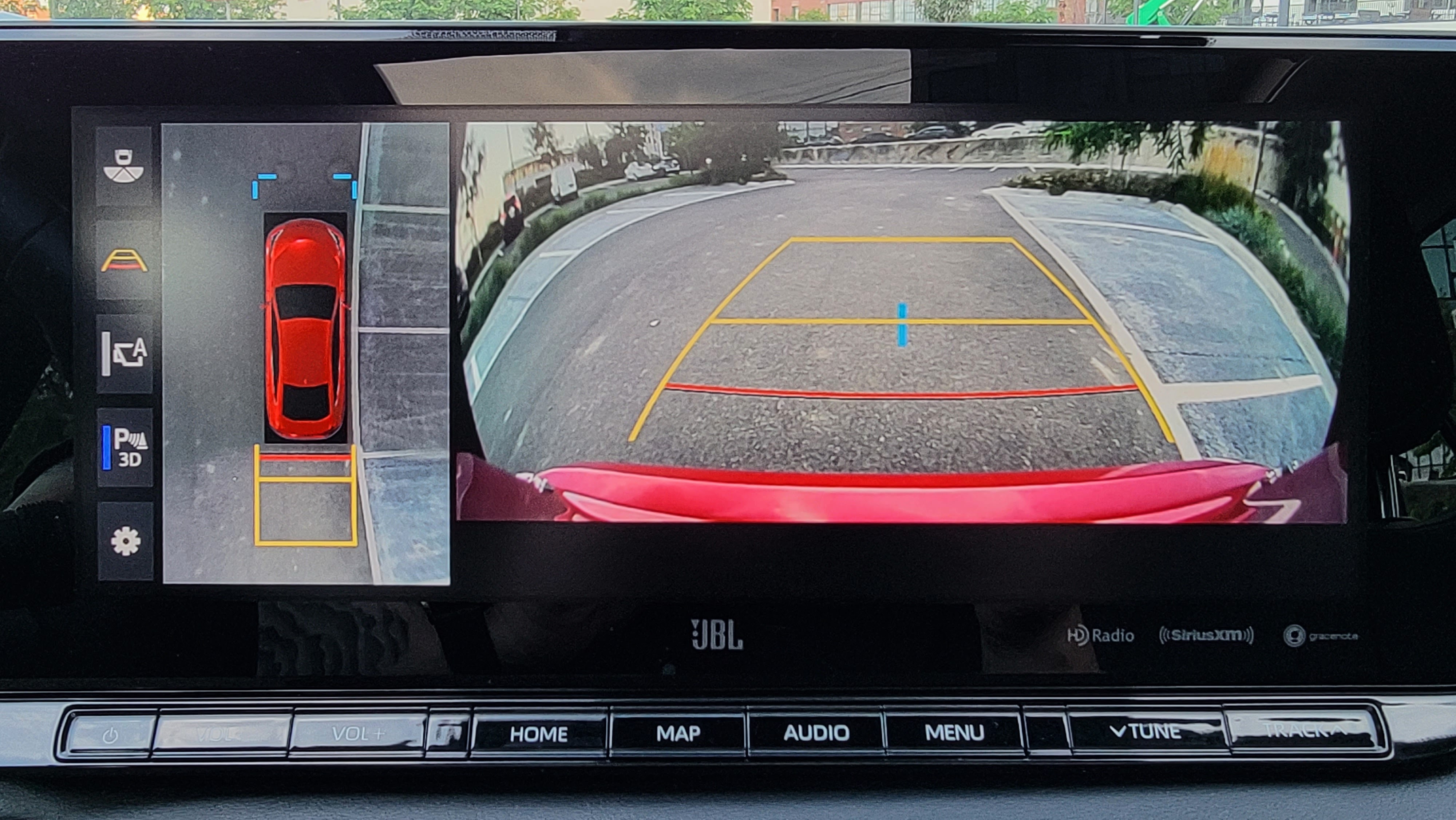
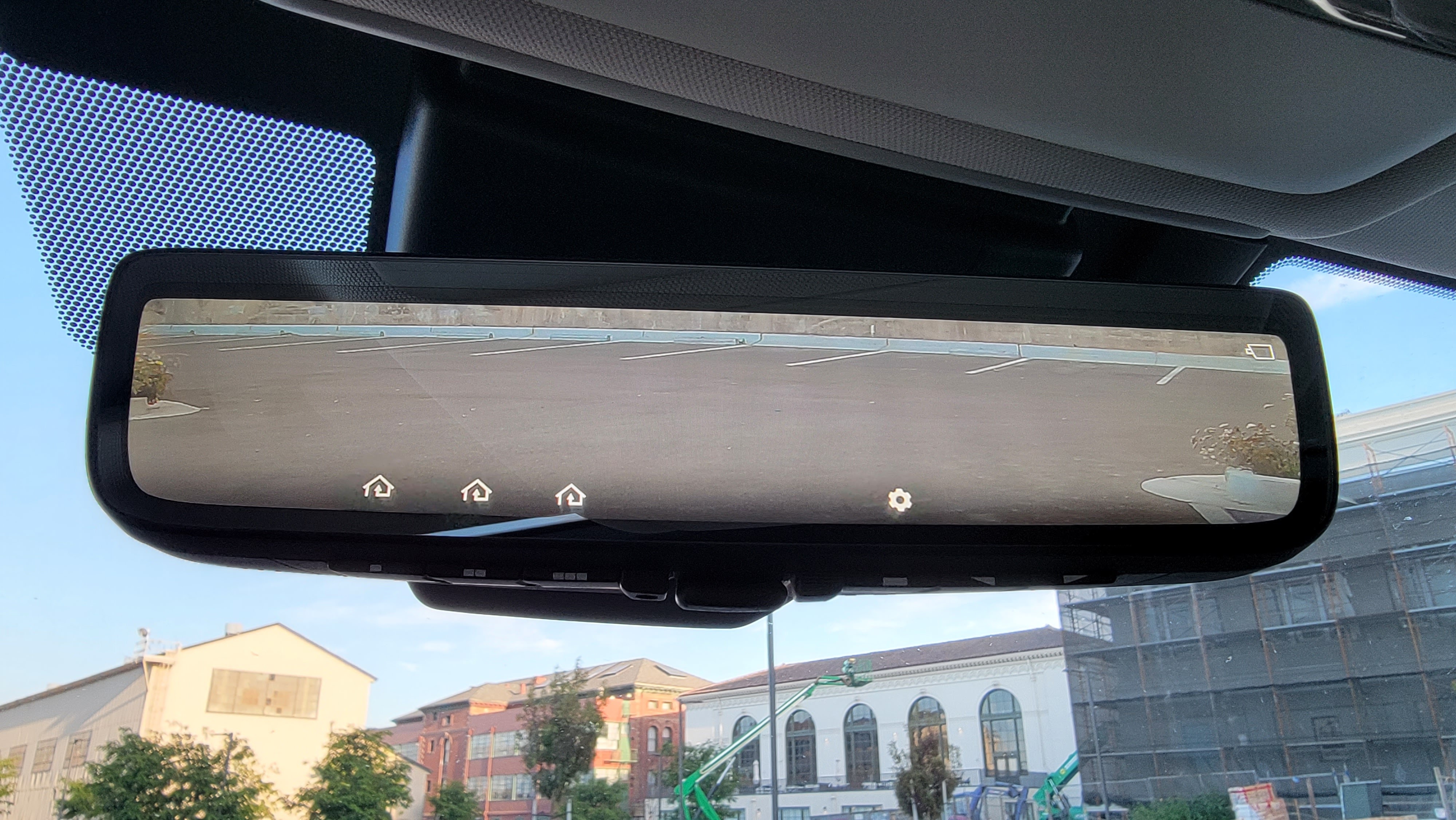
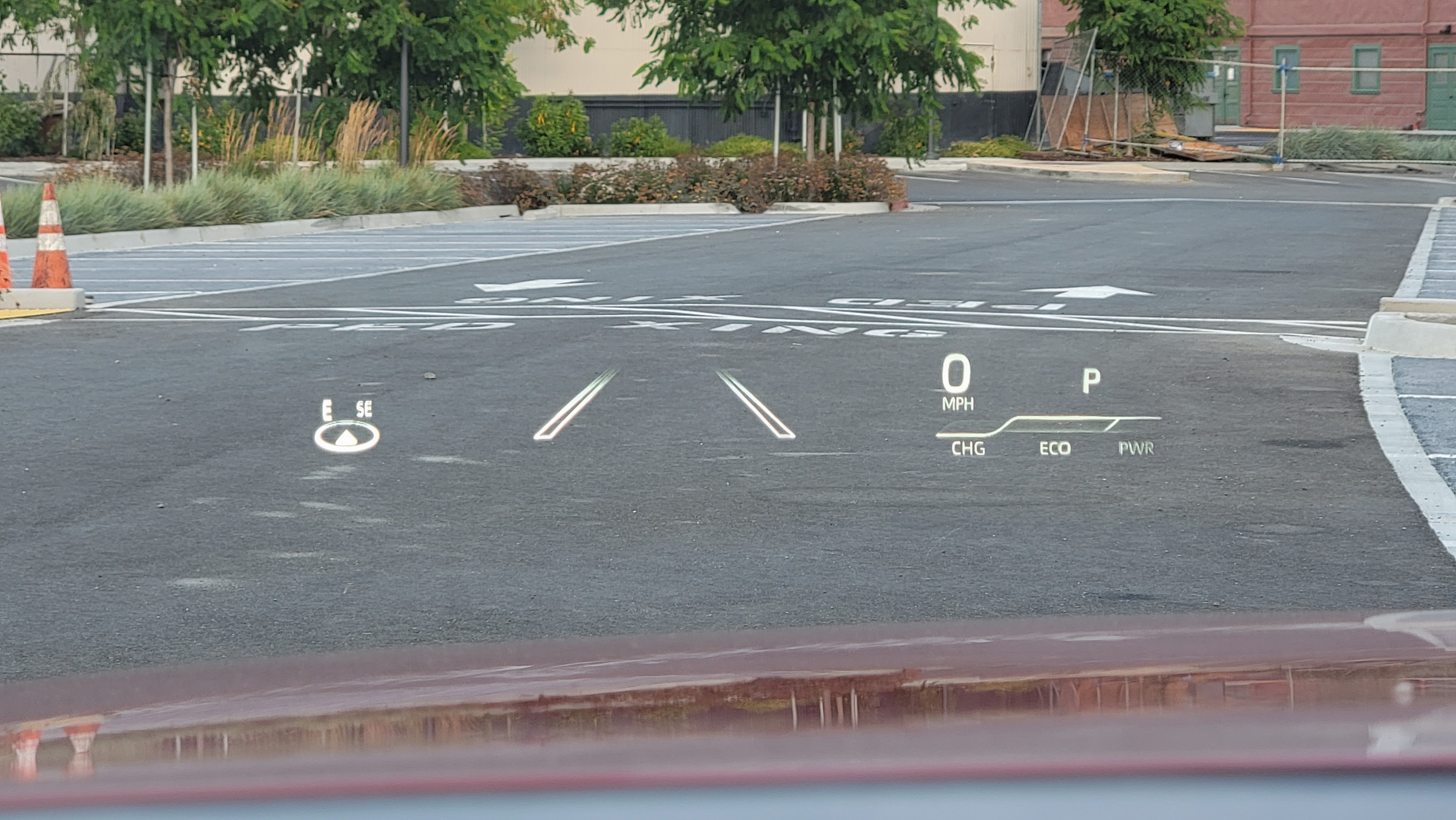
It adds a color HUD (heads-up display), multiple cameras for a 360-degree view, front and rear parking sensors, self-parking, a switchable digital rearview mirror with Homelink, rear climate, heated and ventilated seats all around, a fixed panoramic glass roof with a power sunshade, a rear window power sunshade, and rear side window sunshades.
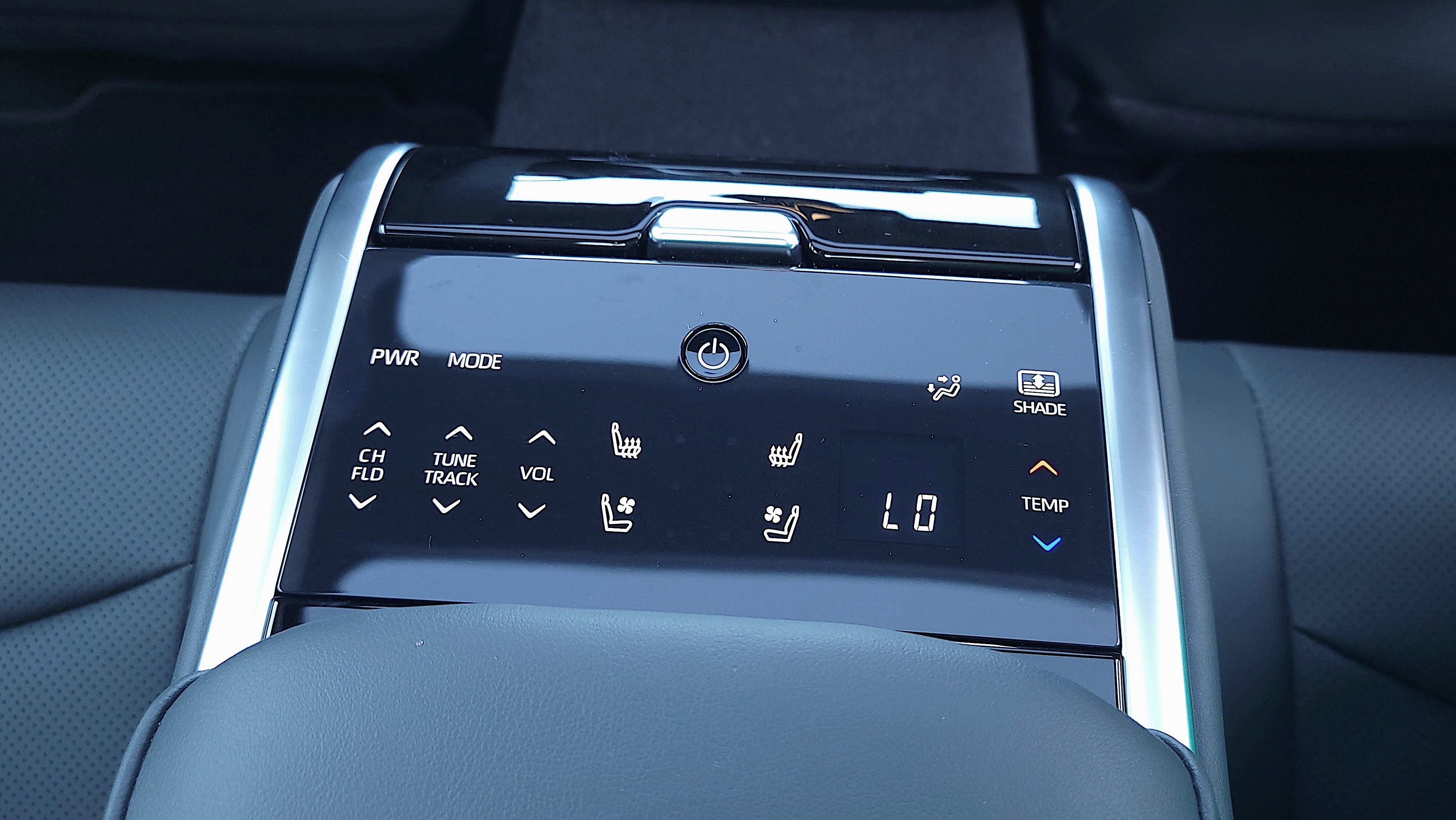
In addition, the Limited trim includes a control panel (with a display and capacitive buttons) in the folding rear armrest that lets rear passengers adjust the volume, rear climate, rear heated and ventilated seats, and rear window power sunshade.
The 2021 Toyota Mirai we tested cost $67,545 and came with the Limited trim ($66,000), SuperSonic Red paint ($425), and the optional 20-inch alloy wheels ($1,120).
(Image credit: TechRadar / Myriam Joire)
Toyota Mirai design
Striking exterior
Bland and generic interior
Limited trunk space
As we mentioned, the 2021 Mirai is now built on the same TNGA-L (GA-L) large RWD platform as the Lexus LS sedan, which is a massive upgrade over the original Mirai, which was built on Toyota's older MC compact FWD platform, shared with the Prius, RAV4, and Corolla.
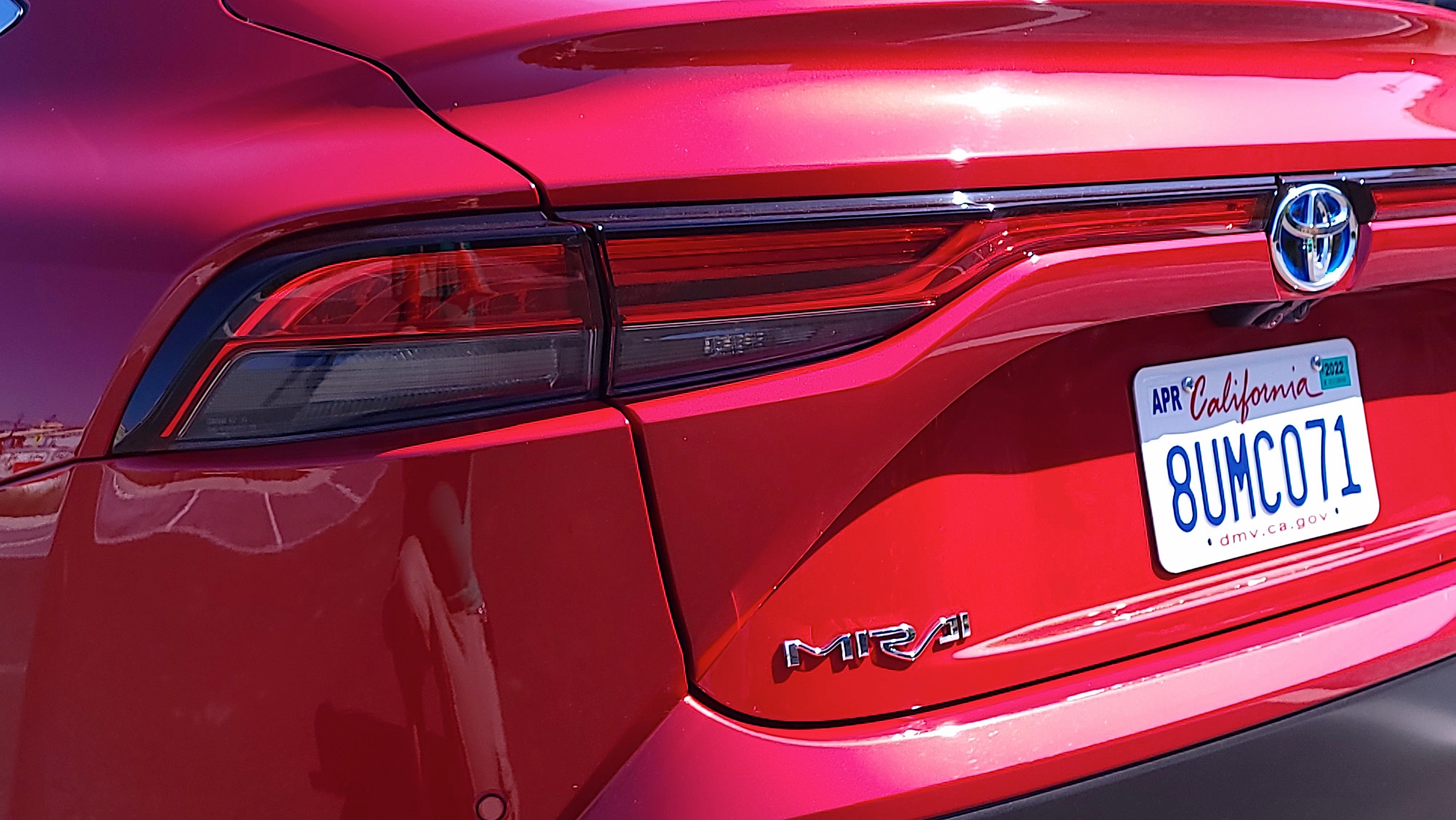
This means the 2021 Mirai is a bigger, more premium, and better looking vehicle. We're big fans of this new design - it's refined and striking, with beautiful RWD proportions.
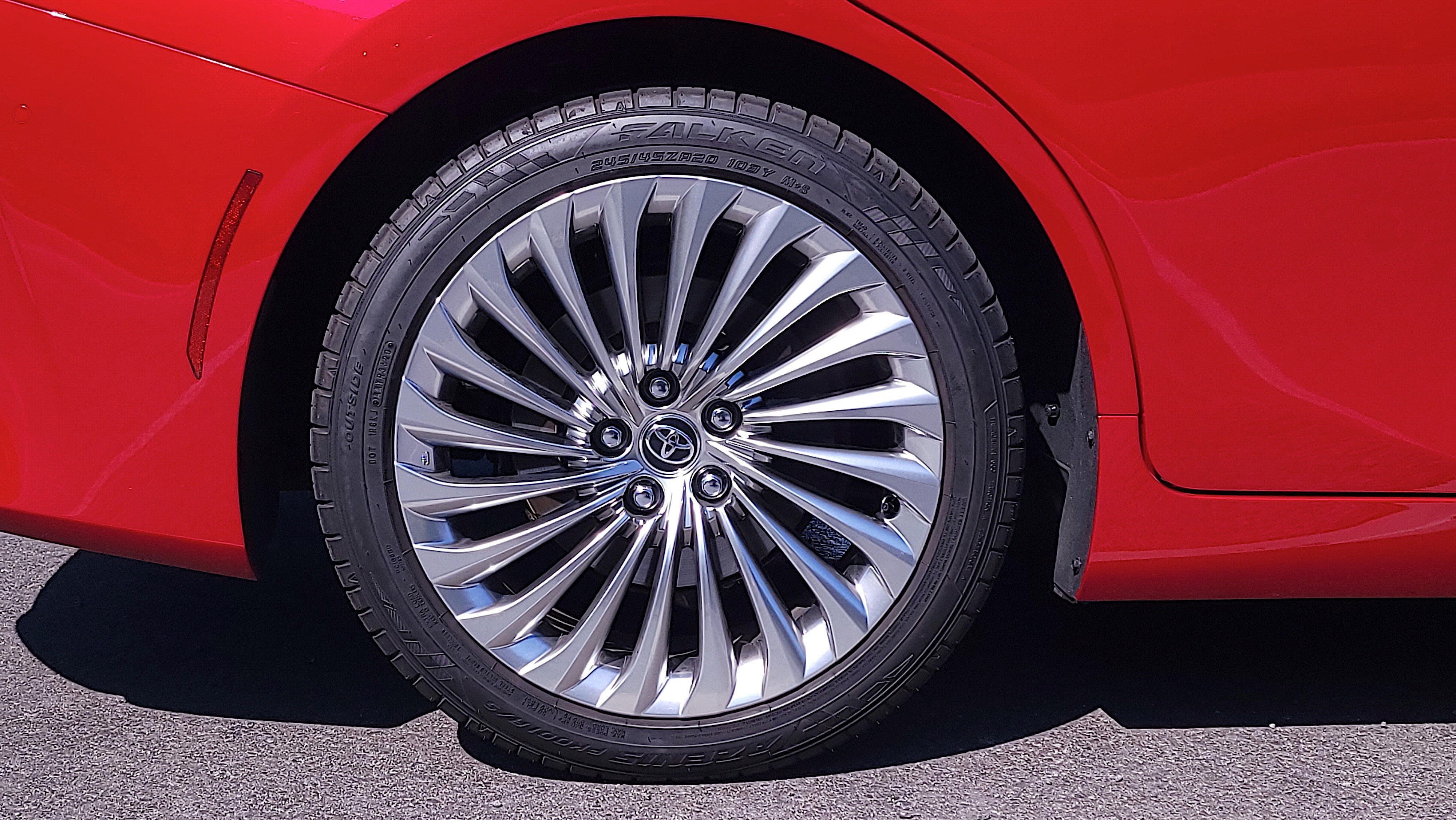
While the optional 20-inch wheels on the Limited trim we drove really bring the Lexus-like exterior together, the interior is a bit of a letdown.
Basically, it's standard issue Toyota inside - it's perfectly fine, but it doesn't elicit much joy or excitement. Obviously, materials and build quality are top notch, but you'd be forgiven to think you're sitting in a Camry or an Avalon.
It's a busy cabin, with a lot of controls and piano black surfaces that attract fingerprints.
Once you get past its slightly bland and generic design, you'll find this interior to be comfortable, spacious, and quiet.
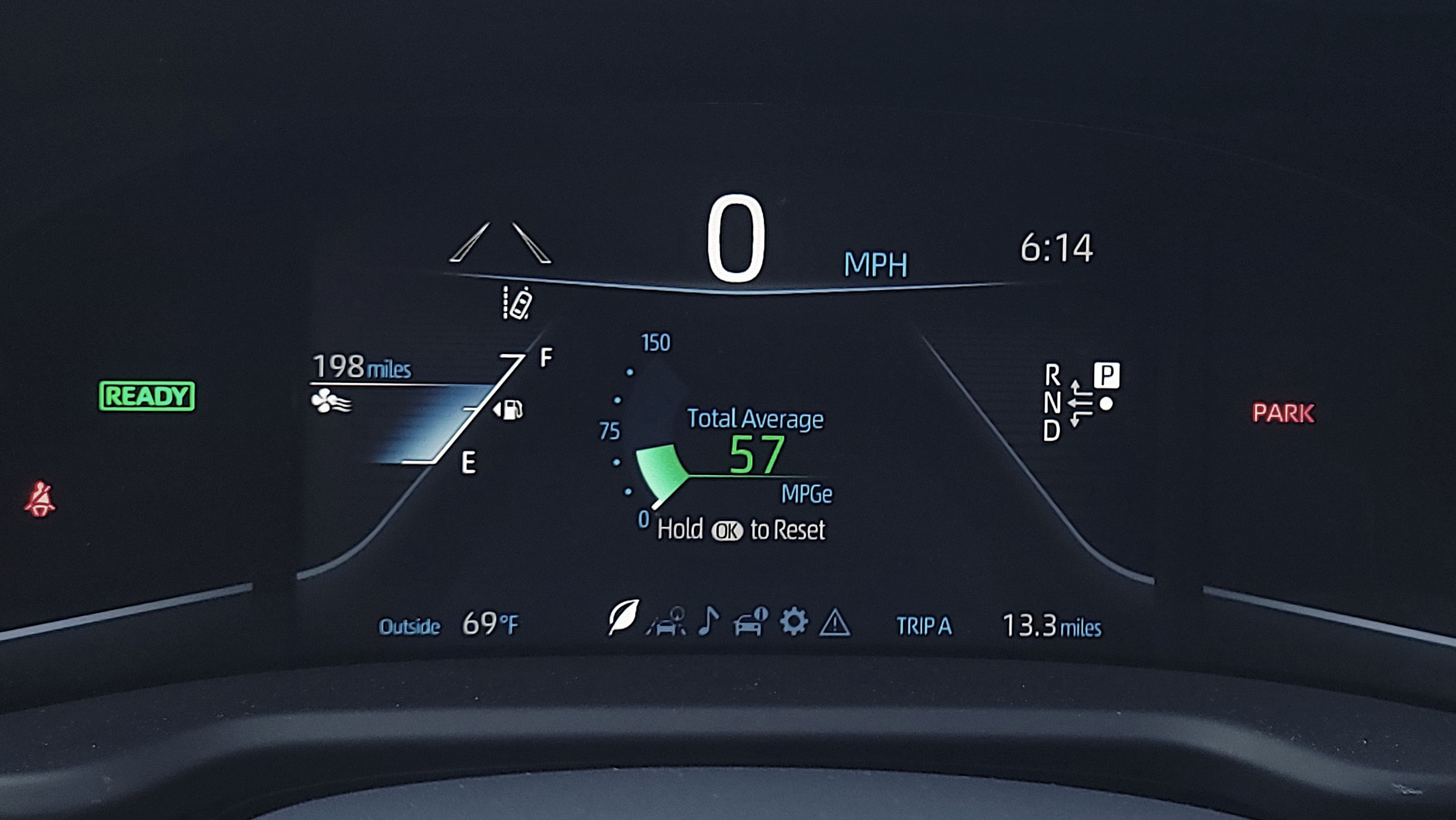
The dashboard features an 8-inch multi-information instrument display in front of the driver, plus a 13.2-inch center-mounted touchscreen, but the high cowl restricts forward visibility.
Image 1 of 3
(Image credit: TechRadar / Myriam Joire)
Image 2 of 3
(Image credit: TechRadar / Myriam Joire)
Image 3 of 3
(Image credit: TechRadar / Myriam Joire)
And while it's easy to adjust the power memory seats and steering wheel to compensate for this, it reduces the sense of space.
Since the 2021 Mirai is larger, it now seats five (vs four previously). Unfortunately, one of the hydrogen tanks resides where the transmission, diveshaft, and exhaust would be located in a RWD ICE (internal combustion engine) vehicle, splitting the floor longitudinally in half.
The resulting 'hydrogen tank tunnel' limits center console storage, and severely compromises leg space for the rear middle seat passenger.
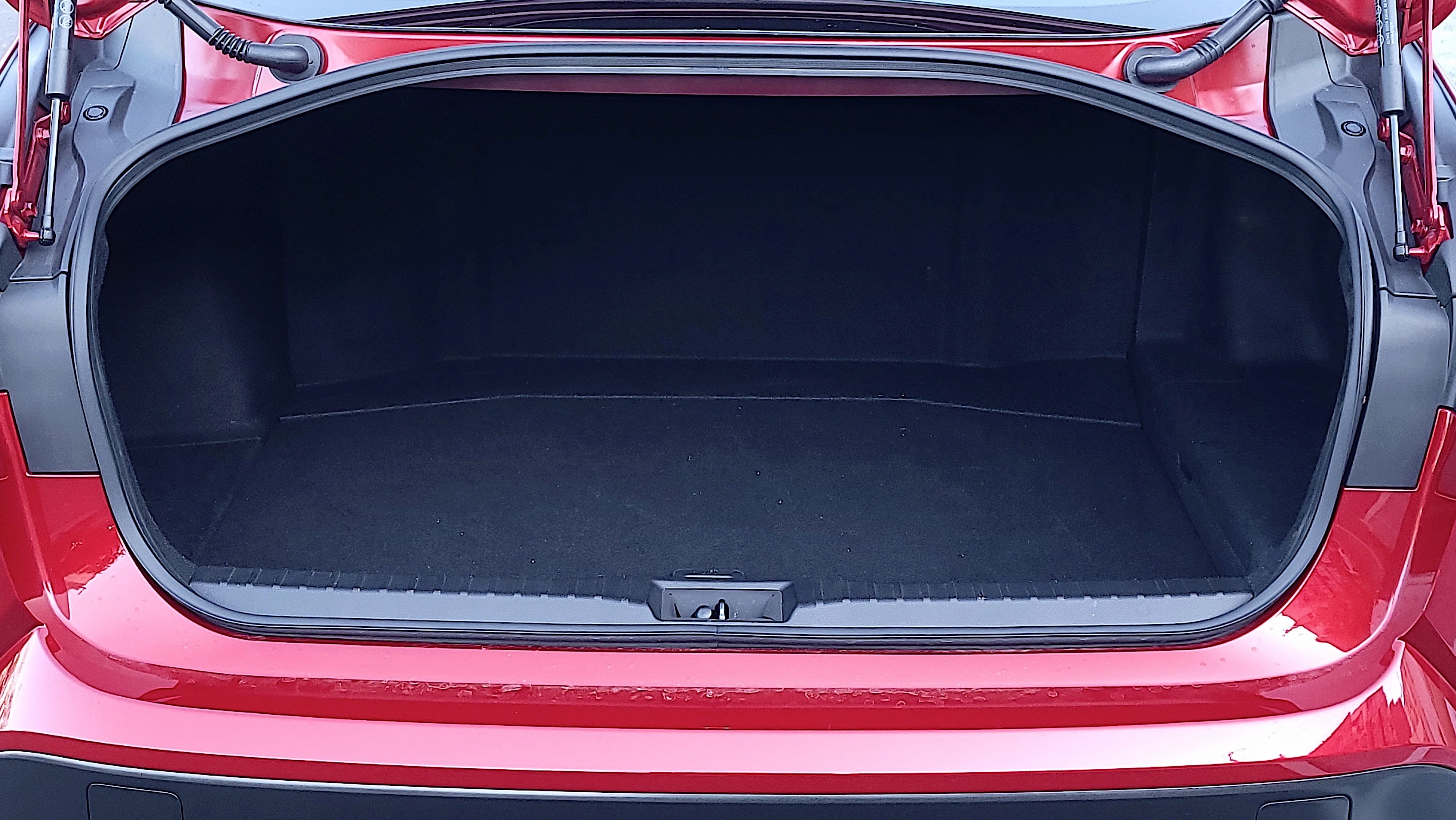
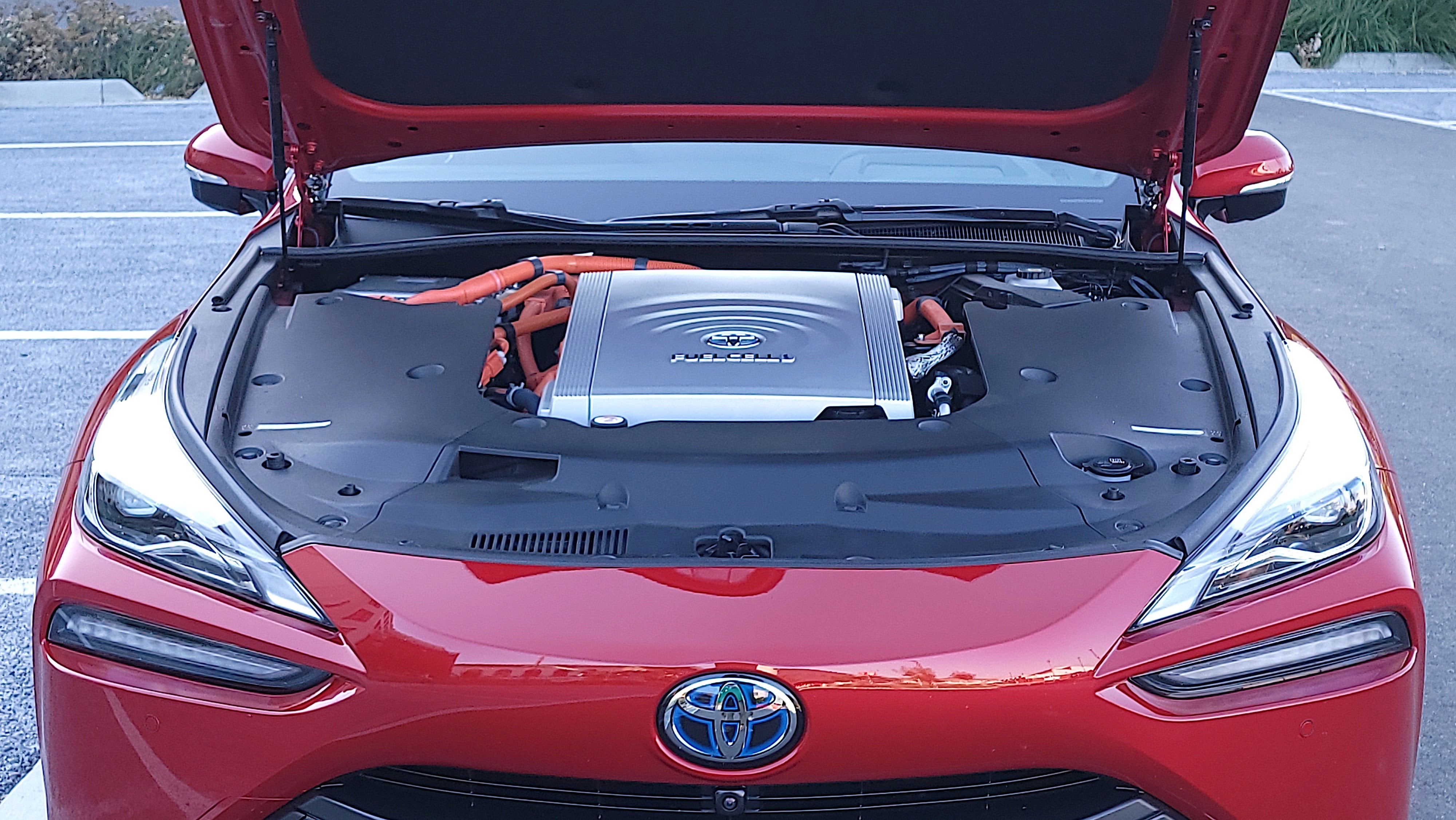
With the hydrogen fuel cell located under the hood, there's no room for a frunk. And with the battery pack positioned between the rear seats and the trunk, the rear seats don't fold.
This also means trunk space is limited to just 9.6 cubic feet (321 liters). Speaking of the trunk, it features a soft close mechanism, but lacks power struts to fully open or close the lid. Also strangely missing here is a heated steering wheel.
Somehow, we expected both these features to carry over from the Lexus LS sedan the 2021 Mirai is based on.
After all, the Limited trim inherits the fixed panoramic glass roof from its luxury cousin. It keeps the cabin feeling airy, and even includes a power sunshade.
Finally, while the heated faux-leather seats (also ventilated on the Limited trim) match this vehicle's comfortable character, we'd have liked a little more support on longer drives.
Image 1 of 17
(Image credit: TechRadar / Myriam Joire)
Image 2 of 17
(Image credit: TechRadar / Myriam Joire)
Image 3 of 17
(Image credit: TechRadar / Myriam Joire)
Image 4 of 17
(Image credit: TechRadar / Myriam Joire)
Image 5 of 17
(Image credit: TechRadar / Myriam Joire)
Image 6 of 17
(Image credit: TechRadar / Myriam Joire)
Image 7 of 17
(Image credit: TechRadar / Myriam Joire)
Image 8 of 17
(Image credit: TechRadar / Myriam Joire)
Image 9 of 17
(Image credit: TechRadar / Myriam Joire)
Image 10 of 17
(Image credit: TechRadar / Myriam Joire)
Image 11 of 17
(Image credit: TechRadar / Myriam Joire)
Image 12 of 17
(Image credit: TechRadar / Myriam Joire)
Image 13 of 17
(Image credit: TechRadar / Myriam Joire)
Image 14 of 17
(Image credit: TechRadar / Myriam Joire)
Image 15 of 17
(Image credit: TechRadar / Myriam Joire)
Image 16 of 17
(Image credit: TechRadar / Myriam Joire)
Image 17 of 17
(Image credit: TechRadar / Myriam Joire)
Toyota Mirai drive, range and fueling
Comfort over performance
Excellent range
Abysmal hydrogen refueling infrastructure
Like other hydrogen FCEVs, the Mirai combines hydrogen stored in high-pressure tanks on board the car with the oxygen present in the air to generate electricity on demand inside a fuel cell.
This electricity is then stored in a small battery (about the same size as a hybrid vehicle battery), and used to power an electric motor. Water is the only byproduct (or 'waste') from this process, so hydrogen FCEVs have zero emissions.
The 2021 Mirai stores hydrogen in three tanks (vs two previously) for an increased range of 357-402 miles (vs 312mi previously) - depending on trim.
In addition, it features a 1.24KWh Li-ion battery pack (vs 1.6KWh nickel-metal hydride previously) and a more powerful 182hp / 300ft-lb motor (vs 152hp / 247ft-lb previously), enabling the 0-60mph sprint in 9.2s. While that's not spectacular, there's plenty of torque, so it doesn't feel slow.
Behind the wheel, it's all about comfort over performance, and if that's your jam, Toyota's got you covered.
(Image credit: TechRadar / Myriam Joire)
While the suspension is tuned for comfort - with a compliant and soft ride - handling is pretty decent. Toss the 2021 Mirai into a corner and that RWD platform actually delivers a rewarding experience.
It's the same with the steering, which is quite light - making this car easy to drive - but provides more feedback than expected.
The 2021 Mirai's brakes are disappointing. Like with its hybrid cars, Toyota blends regen and hydraulic braking here, and while it works fine, it feels disconcerting.
Basically, the brakes are hard to modulate because there's a slight delay between when you press the pedal and when the brakes activate. Also, while there's an auto hold feature, it turns off every time you restart the car, which is both annoying and unwarranted.
Speaking of which, you can boost the amount of regen braking by selecting the brake gear (B). But unlike other cars with this option, the 2021 Mirai always wants to return to the standard drive gear (D) after some time.
We think this might have something to do with the state of charge of the battery pack or with hill detection. It's unfortunate since one pedal driving is one feature that really differentiates EVs from the ICE cars.
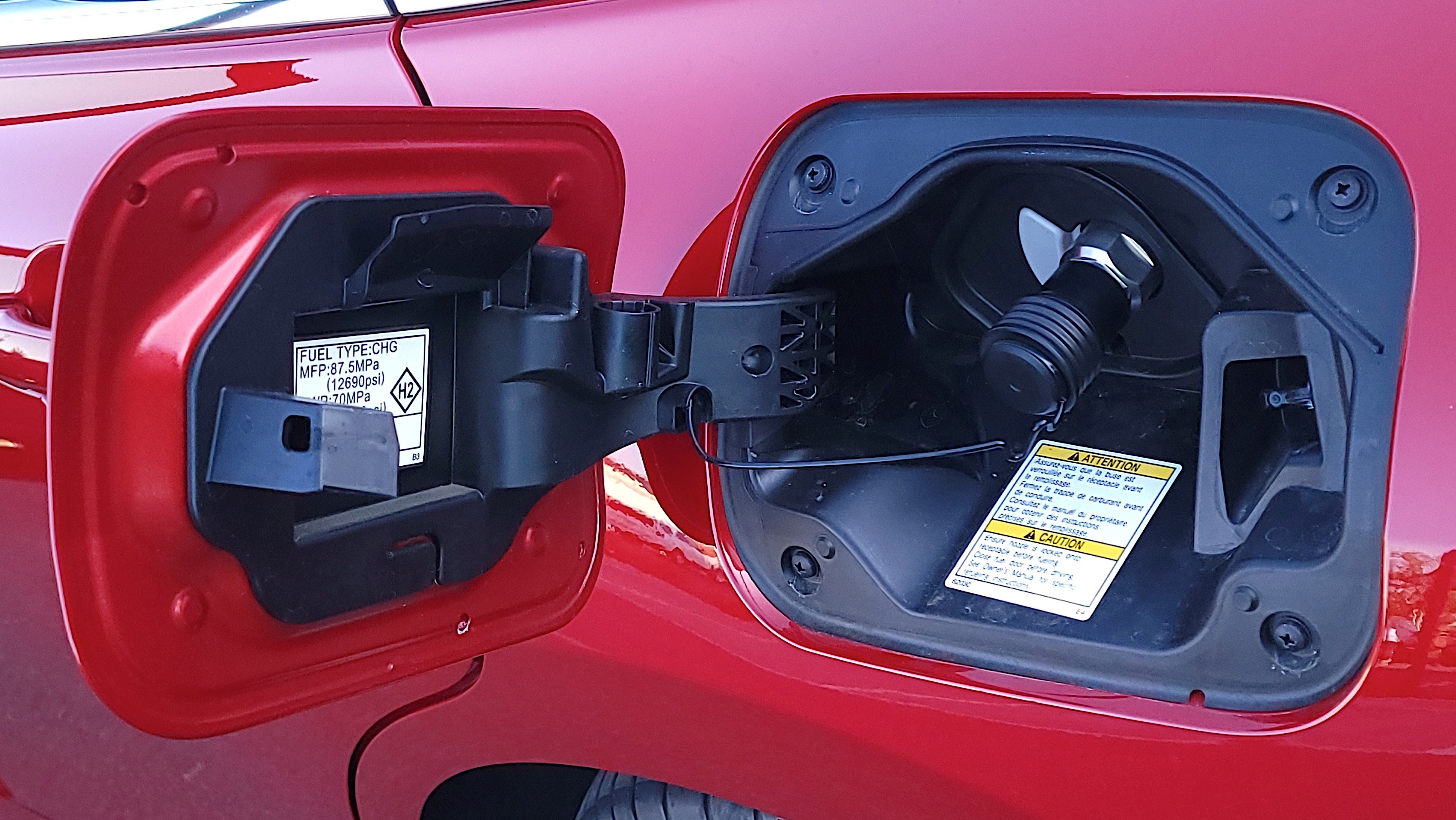
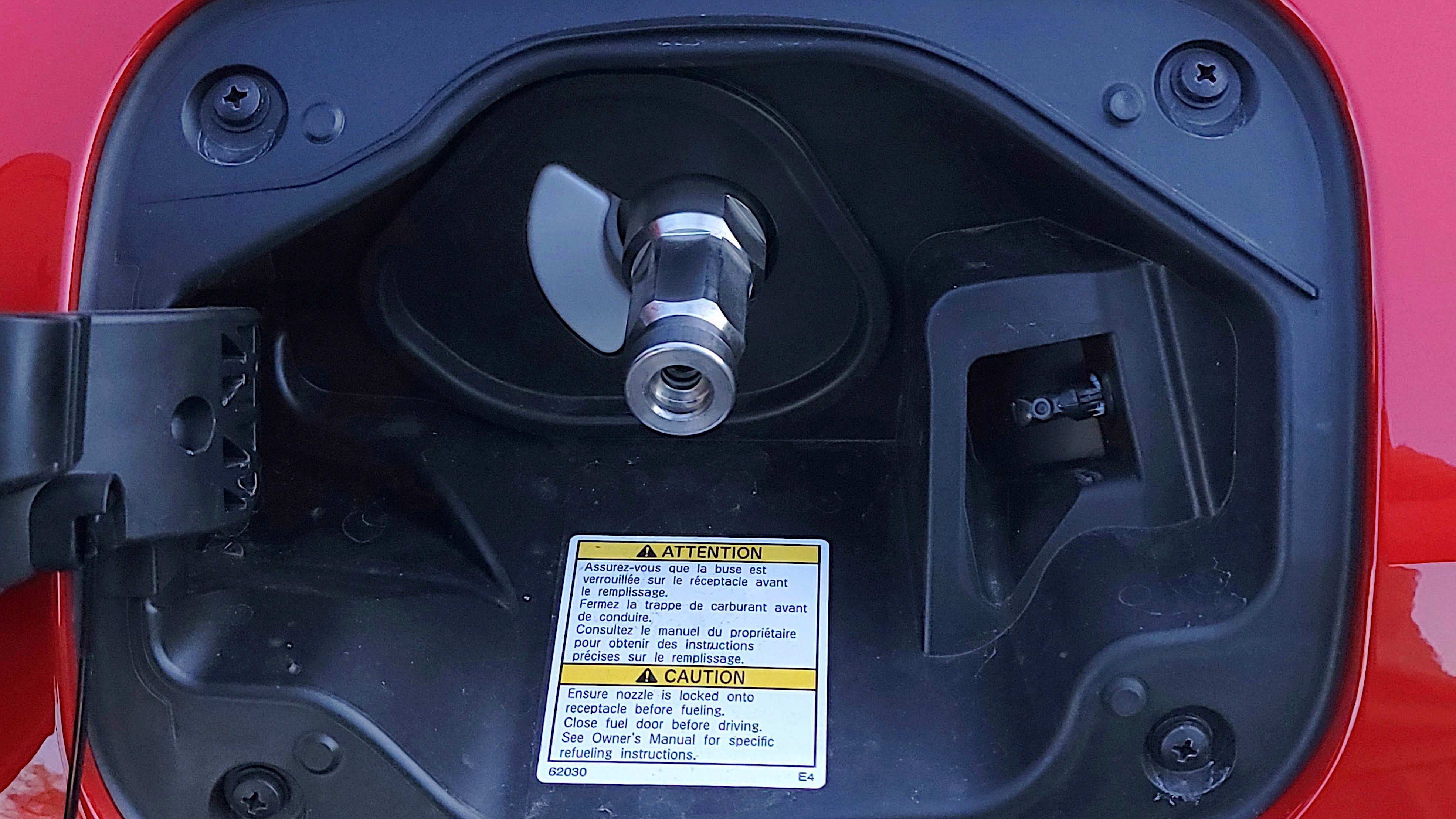
Refueling the Mirai is a significant challenge. In the US, there are only 45 hydrogen refueling stations, 43 of which are located in California alone, with an even split between the greater San Francisco / Sacramento and Los Angeles / San Diego areas.
Image 1 of 2
(Image credit: TechRadar / Myriam Joire)
Image 2 of 2
(Image credit: TechRadar / Myriam Joire)
During the week we spent testing the 2021 Mirai most of the dozen or so hydrogen refueling stations within a one hour drive from San Francisco were out of fuel.
Making things worse, the 2021 Mirai's navigation system kept suggesting hydrogen refueling stations that were closed because it wasn't receiving timely and accurate status data.
The California Fuel Cell Partnership map was the only resource we found with timely and accurate status data on local hydrogen refueling stations. It directed us to the only working hydrogen refueling station close to us, 10 miles (16km) away.
We refueled twice, spending about $50 each time, and netting about half a tank each time. That's expensive, but it was definitely as quick and easy as refueling with gas or diesel.
On our first refueling stop, we talked with an original Mirai owner and asked if these hydrogen refueling stations were often out of fuel. They said it's a common occurrence, and that they refuel as soon as their car's hydrogen level dips below half, "just in case".
Toyota Mirai specs and tech
Sluggish and outdated infotainment
Apple CarPlay, Android Auto, Amazon Alexa
Basic driver assistance
When it comes to infotainment, the 2021 Mirai packs a 13.2-inch touchscreen with navigation and a JBL-branded audio system with 14-speaker. Sadly, it sounds middling at best.
While the display is large and reasonably high resolution, the user interface isn't very responsive. The entire system feels sluggish, and the UI design looks dated.
Spec-wise, there's Bluetooth and USB audio support, along with FM / AM / Sirius-XM (satellite) radio functionality.
On the plus side, the 2021 Mirai offers (wired) Android Auto and Apple CarPlay. That's a huge relief considering the infotainment system's lackluster user experience.
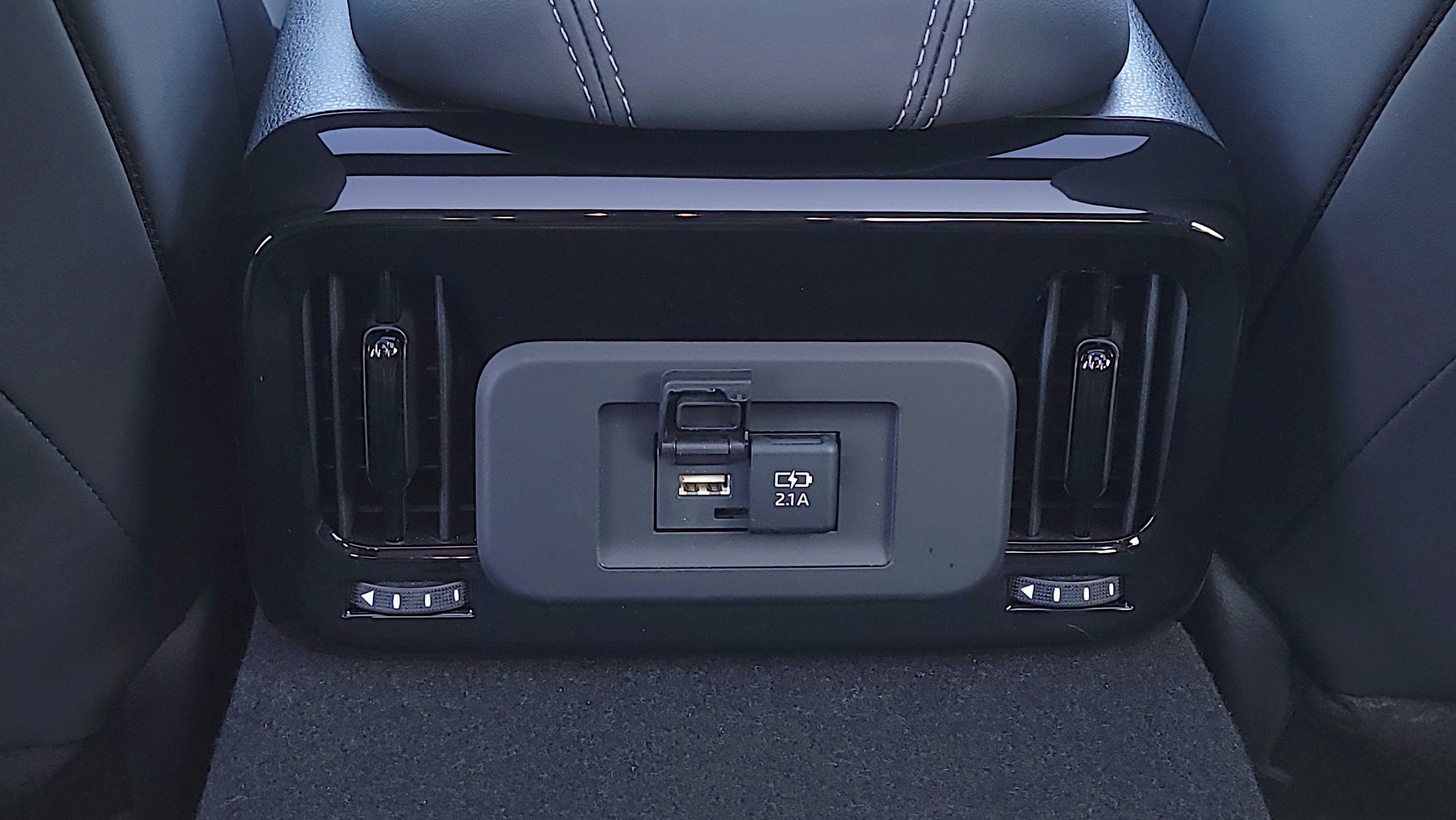
You'll also find Amazon Alexa integration, four USB Type-A ports (two in front, two in back), and a Qi-compatible wireless charging pad.
Image 1 of 3
(Image credit: TechRadar / Myriam Joire)
Image 2 of 3
(Image credit: TechRadar / Myriam Joire)
Image 3 of 3
(Image credit: TechRadar / Myriam Joire)
Vehicle remote control - via Toyota's Remote Connect app - and WiFi hotspot functionality are also enabled thanks to built-in LTE connectivity.
Additional features are available depending on trim and options. The advanced technology package adds a 360-degree view plus front and rear parking sensors to the XLE trim.
But the Limited trim comes with a 360-degree view, a color HUD (heads-up display), a switchable digital rearview mirror with Homelink, front and rear parking sensors, and self-parking. A backup camera is standard since it's mandatory in the US.
The 2021 Mirai features Toyota Safety Sense 2.5+. This driver assistance and safety package includes pedestrian warning, forward collision warning, automatic emergency braking, adaptive cruise control with automatic steering, traffic sign recognition, lane keeping assist, and lane departure warning.
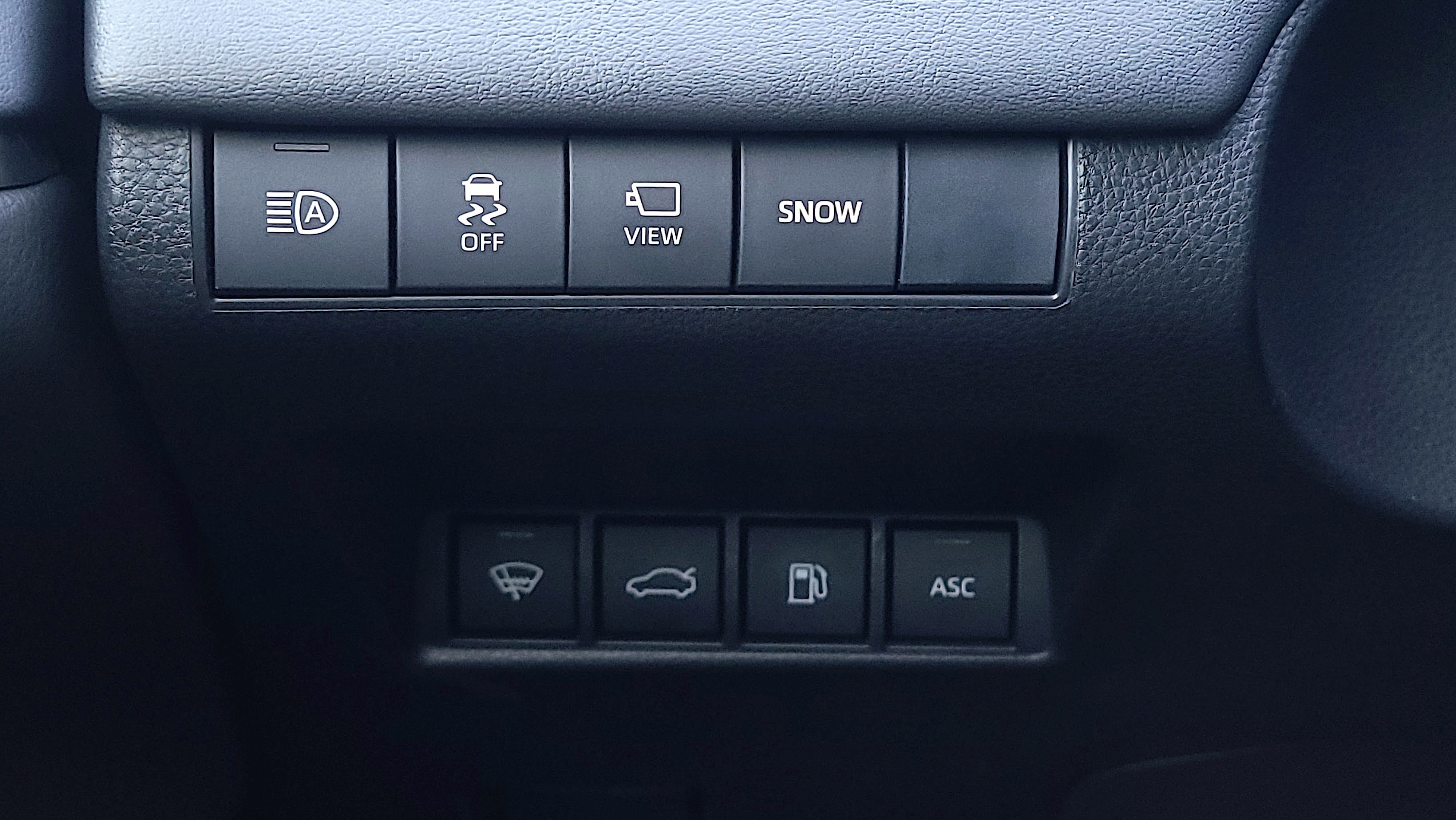
In addition, this vehicle comes with automatic wipers, headlights, and high-beams, plus blind spot warning and rear traffic alert.
On paper, these features give the 2021 Mirai level 2 ADAS capability. But in practice, the automatic steering feature didn't inspire much confidence.
We found the implementation very basic, with the car often bouncing between lane markings. It's a far cry from Tesla's Autopilot, which glides down lanes with aplomb.
Toyota's automatic steering also requires the driver to keep both hands on the wheel, instead of monitoring driver attention.
Image 1 of 9
(Image credit: TechRadar / Myriam Joire)
Image 2 of 9
(Image credit: TechRadar / Myriam Joire)
Image 3 of 9
(Image credit: TechRadar / Myriam Joire)
Image 4 of 9
(Image credit: TechRadar / Myriam Joire)
Image 5 of 9
(Image credit: TechRadar / Myriam Joire)
Image 6 of 9
(Image credit: TechRadar / Myriam Joire)
Image 7 of 9
(Image credit: TechRadar / Myriam Joire)
Image 8 of 9
(Image credit: TechRadar / Myriam Joire)
Image 9 of 9
(Image credit: TechRadar / Myriam Joire)
Should I buy a Toyota Mirai?
Buy it if
You want a comfortable vehicle
The 2021 Mirai is an extremely comfortable and competent car that’s ideal for commuters. It’s easy to drive and familiar to refuel.
You want free fuel
While the 2021 Mirai starts at $49,500, that's before up to $12,500 in incentives. Toyota then sweetens the pot with six years (or $15,000) of free hydrogen.
You want to refuel in minutes
Unlike other EVs, refueling the 2021 Mirai is as quick and easy as refueling a gas or diesel car. The 402-mile range is the icing on the cake.
Don't buy it if
You don't live near multiple hydrogen refueling stations. Here in the US, the 2021 Mirai is best suited for people who live in the greater San Francisco and Los Angeles areas.
You want a fast car. The 2021 Mirai is all about comfort over performance, so don't expect this hydrogen FCEV to be as quick as similarly-priced battery EVs.
You want the best tech. While the 2021 Mirai includes a comprehensive set of tech features, these aren’t as advanced or polished as what other EVs have to offer.
First reviewed: September 2021
from TechRadar - All the latest technology news https://ift.tt/3lutGpY