Microsoft is joining forces with Accenture, GitHub and ThoughtWorks to create a new foundation dedicated to putting sustainability and green initiatives at the core of software engineering.
Software development has been front and center at the company's Build 2021 developer conference. However, Microsoft and other companies have begun to wonder how the future of the software industry will affect the environment especially with global data centers accounting for one percent of the world's electricity demand today and between three to eight percent in the next decade.
To address the impact the software industry has on the global environment, Microsoft, Acenture, GitHub and ThoughtWorks have established a new nonprofit called the Green Software Foundation with the Linux Foundation and the Joint Development Foundation Projects LLC.
Green Software Foundation
The goal of the Green Software Foundation is to build a trusted ecosystem of people, standards, tooling and leading practices for building green software.
The foundation itself was born out of a mutual desire and need to collaborate across the software industry when it comes to sustainability to contribute to the information and communication technology sector's broader targets for reducing greenhouse gas emissions by 45 percent by 2030 which is in line with the Paris Climate Agreement.
President of Microsoft, Brad Smith explained why the software giant decided to become one of the founding members of the Green Software Foundation in a blog post, saying:
“The scientific consensus is clear: the world confronts an urgent carbon problem. It will take all of us working together to create innovative solutions to drastically reduce emissions. Today, Microsoft is joining with organizations who are serious about an environmentally sustainable future to drive adoption of green software development to help our customers and partners around the world reduce their carbon footprint.”
The Green Software Foundation is open to any organization with a shared commitment to sustainability and an interest in green software development principles which means we'll likely see other companies join the foundation soon.
For filmmakers, the Panasonic GH6 has been one of the most hotly anticipated cameras in recent years – and it’s finally been given an official ‘development announcement’ ahead of a full launch later in 2021.
When rumors started growing about the announcement of the Panasonic GH5 Mark II – which was launched in a double announcement with the GH6 – there were fears that we may never see a true successor to the GH5, particularly as the latter arrived way back in January 2017.
But now the Panasonic GH6 is official, how is the camera shaping up and who is it for? It seems that Panasonic is targeting different people with the GH5 Mark II and GH6. While the GH5 Mark II is a more budget option for YouTubers and live-streamers, the GH6 is aimed at keen amateur filmmakers or professionals who need serious video power in a small body.
The GH6 will be powered by a new high-speed sensor and processor, which should make it a good alternative to larger-sensor rivals like the Blackmagic Pocket Cinema Camera 6K Pro and Sony FX3.
Here’s everything we know so far about the GH6 and our early thoughts on how the compact mirrorless video camera is shaping up.
The Panasonic GH6 is currently only a ‘development announcement’, so all we know so far is that “it will be available by the end of 2021”.
Given how vague that statement is, we’re expecting the full launch to be towards the end of the year rather than anytime soon. But the good news is that Panasonic has said the GH6 “will be available” in 2021, which means it should be shipping in time for Christmas.
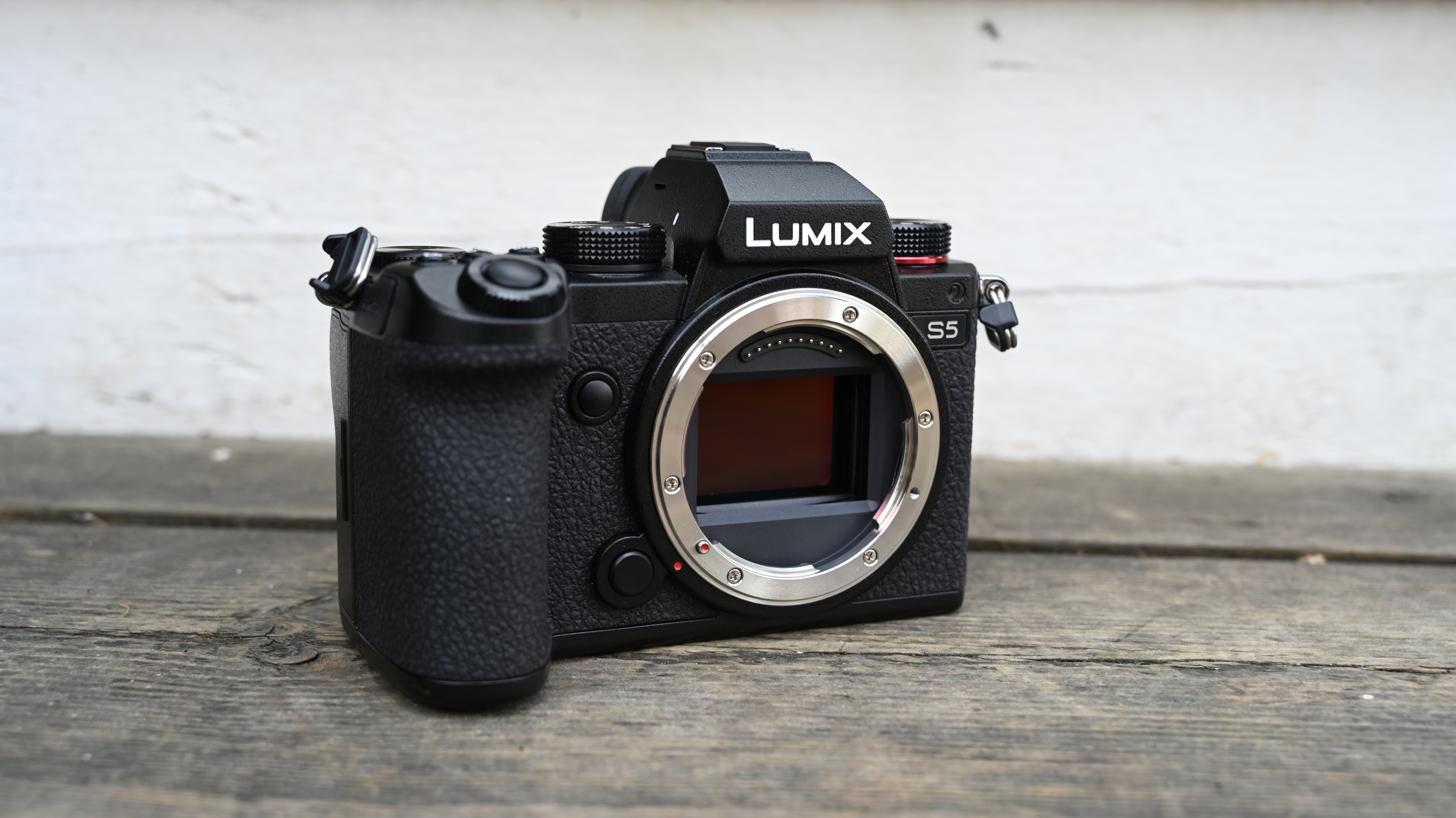
The full-frame Lumix S5 has a similar price tag to the GH6.(Image credit: Future)
Panasonic said during the GH6 launch that it will be aiming for a price point of $2,500 (around £1,770 / AU$3,225), which is in the ballpark that we expected.
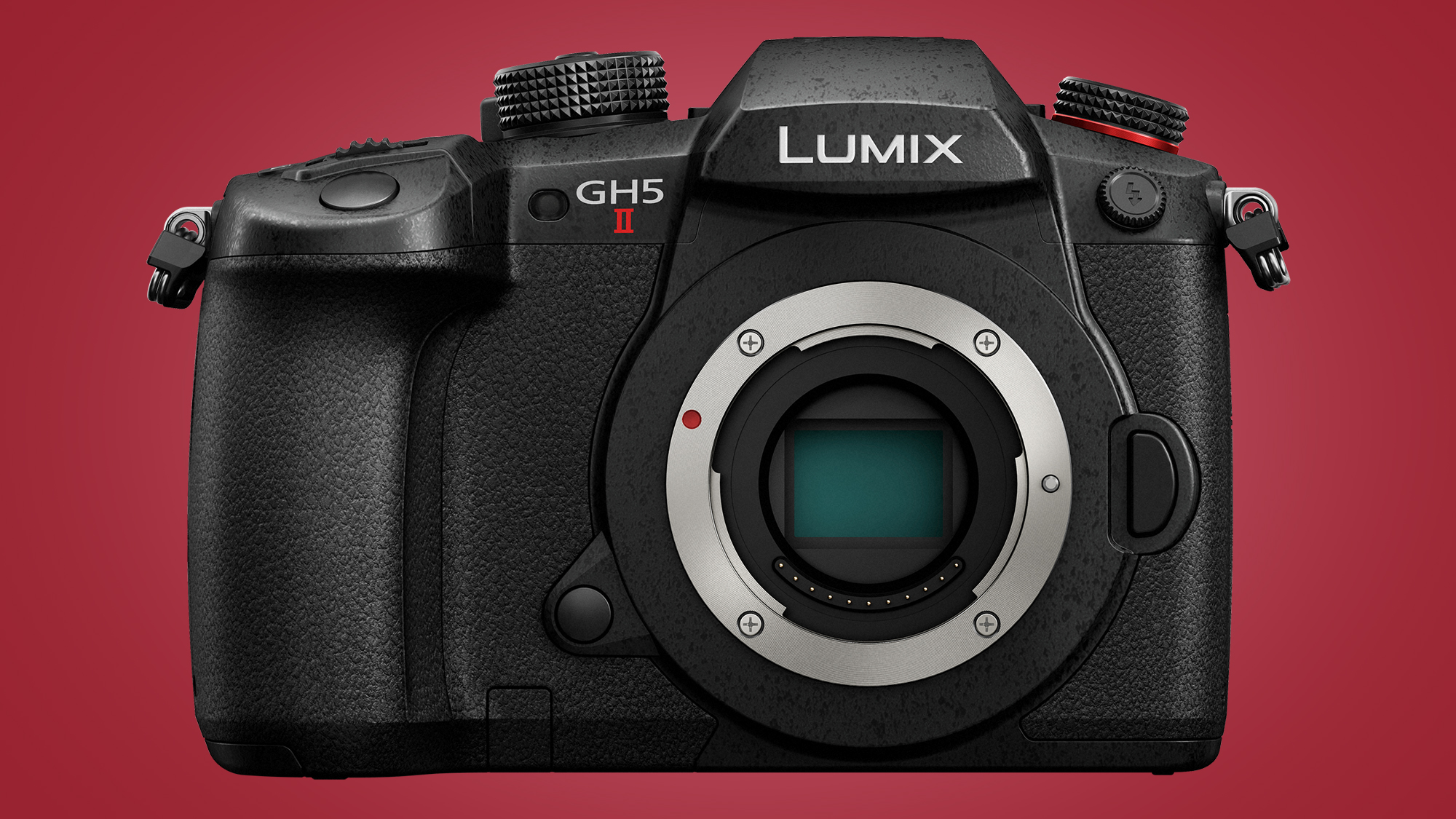
The Panasonic GH5 Mark II, which is a minor upgrade of the Panasonic GH5, will cost $1,699.99 / £1,499 (around AU$2,740). But given we're expecting the Panasonic GH6 to be a significant upgrade on both the GH5 and GH5 Mark II, thanks to that new sensor and processor, the higher price tag makes sense.
That GH6 price will though, make it more expensive than the Blackmagic Pocket Cinema Camera 6K Pro, which you can buy now for $2,495 / £2,254 / AU$3,935, and the full-frame Panasonic Lumix S5, which launched for $1,999 / £1,799 / AU$3,199.
Panasonic GH6 specs and features
Panasonic has been a little cagey so far about the official GH6 specs, but the big news is that the camera will have a new high-speed sensor that’s capable of shooting 5.7K/60p video.
That means it probably won’t have the 8K powers that some were hoping for, but that new sensor should ensure it produces some lovely oversampled 4K video. Panasonic has confirmed that the GH6 will be able to shoot 4:2:2 10-bit Cinema 4K/60p video internally, which could make it a smaller, cheaper alternative to the likes of the Sony A7S III.
(Image credit: Panasonic)
Further good news is that the GH6 will also be able to shoot 10-bit 4K/120p video, another very handy feature that's absent on the Panasonic GH5 Mark II and GH5. This should give you the option of shooting high-quality slo-mo footage with lots of editing leeway, though we don't know if there's a crop in this mode yet.
Aside from that, official specs are scarce, though Panasonic did add that the GH6 will also have a newly developed Venus engine image processor. This means the GH6 will have “truly unlimited recording time”, according to Panasonic, and could help power features like improved autofocus.
That said, we’re expecting Panasonic to stick with its Depth by Defocus (DFD) system, rather than moving to the more common hybrid phase-detect AF setup.
(Image credit: Panasonic)
This wouldn’t necessarily be an issue for those who like to focus manually, but autofocus is one area where Panasonic’s GH series has started to lag behind rivals like Canon and Sony, so we're hoping the GH6 builds on the promising work of the Panasonic GH5 Mark II.
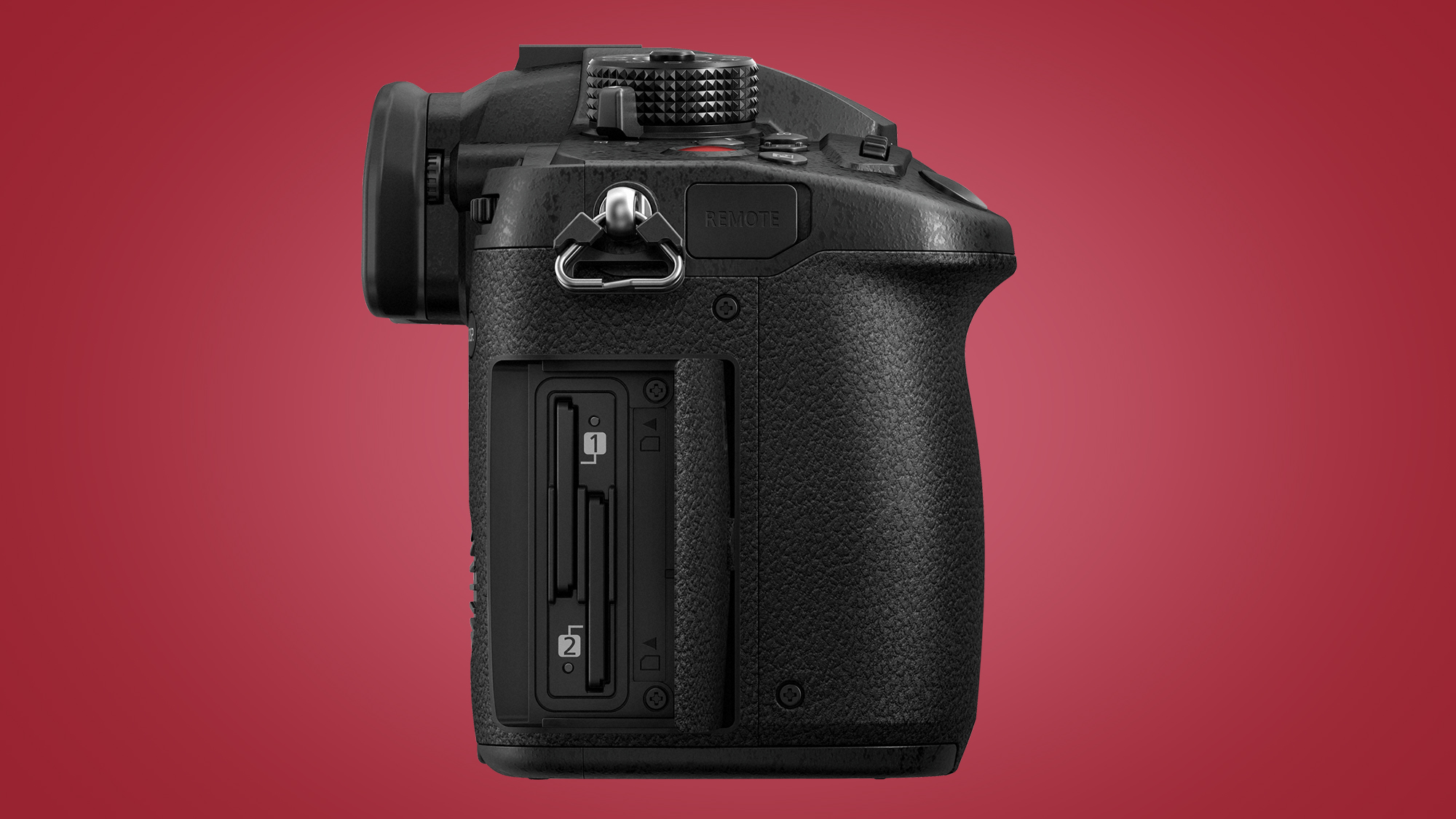
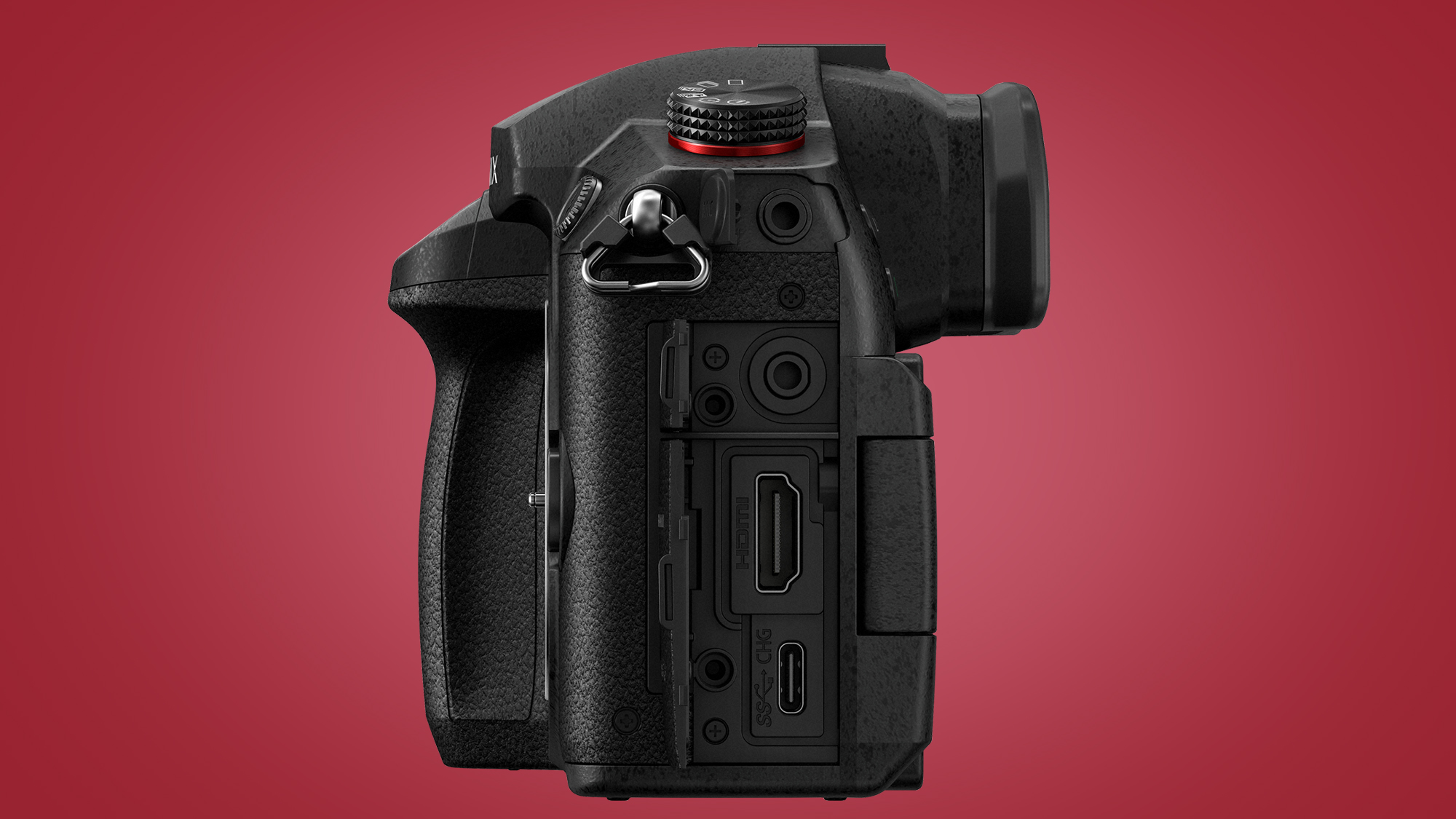
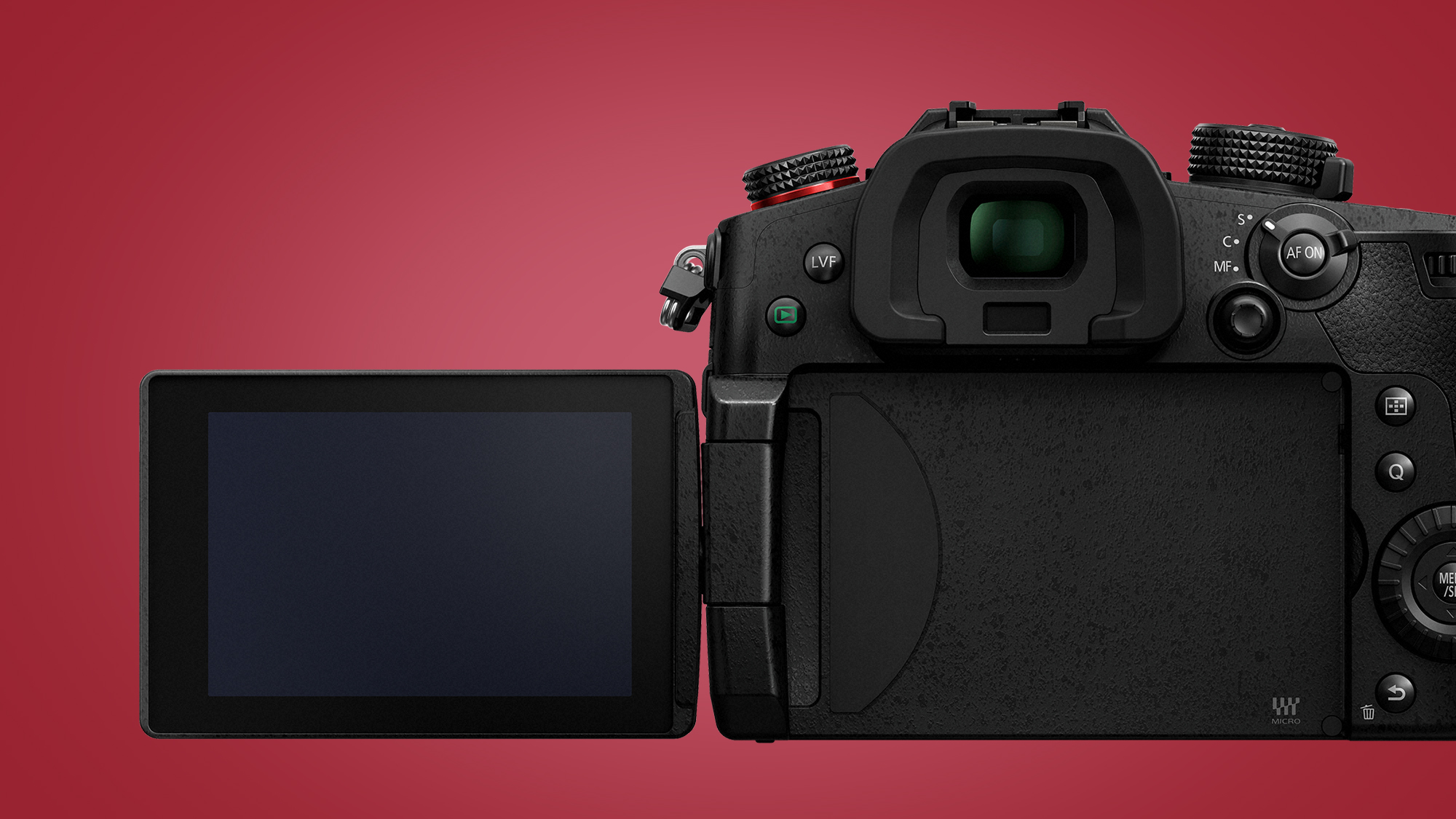
There’s still a lot we don’t know about the Panasonic GH6 – alongside with autofocus details, Panasonic hasn’t revealed anything about its in-body image stabilization (IBIS), screen type, codec support, card slots, or connectivity.
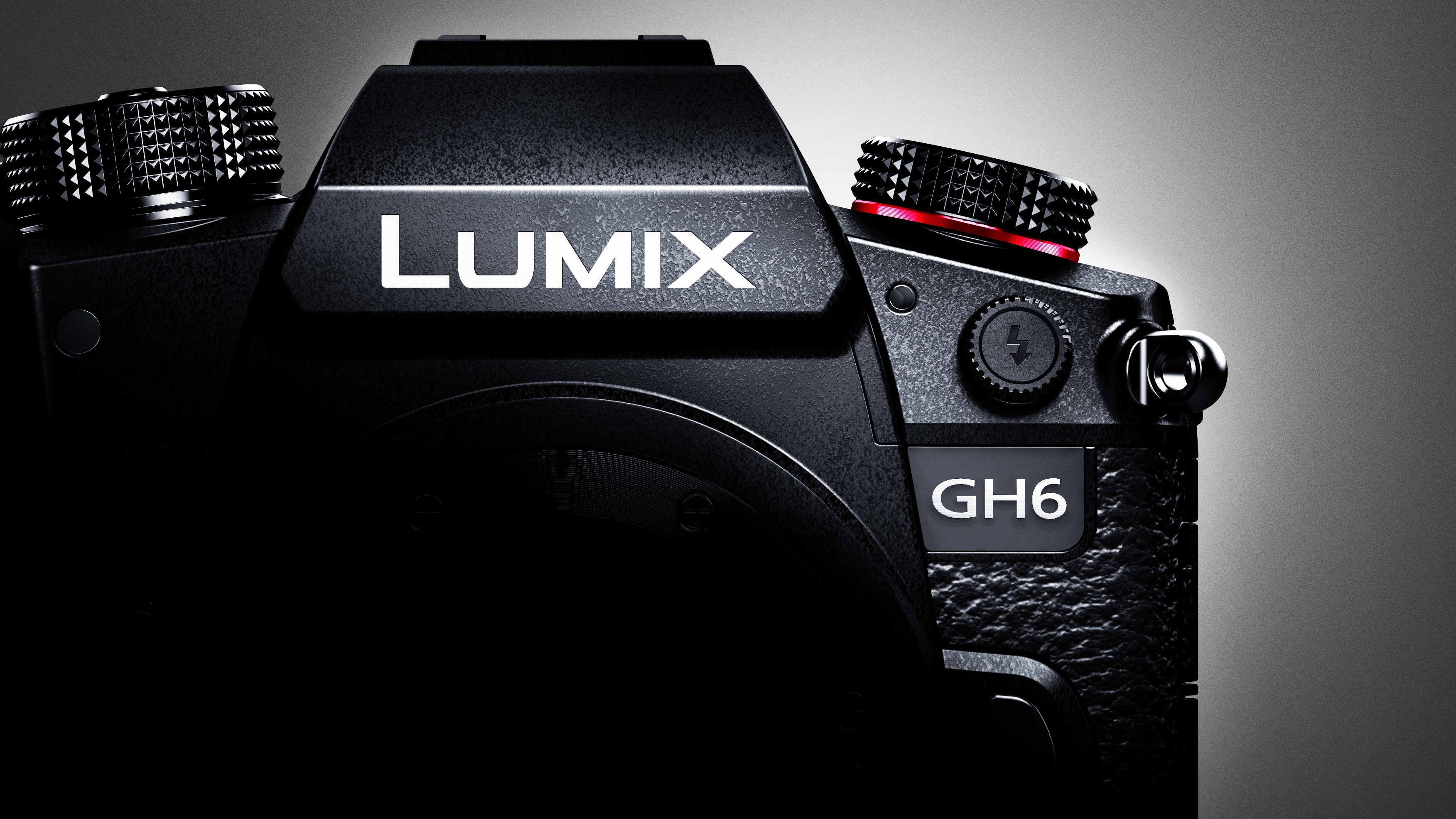
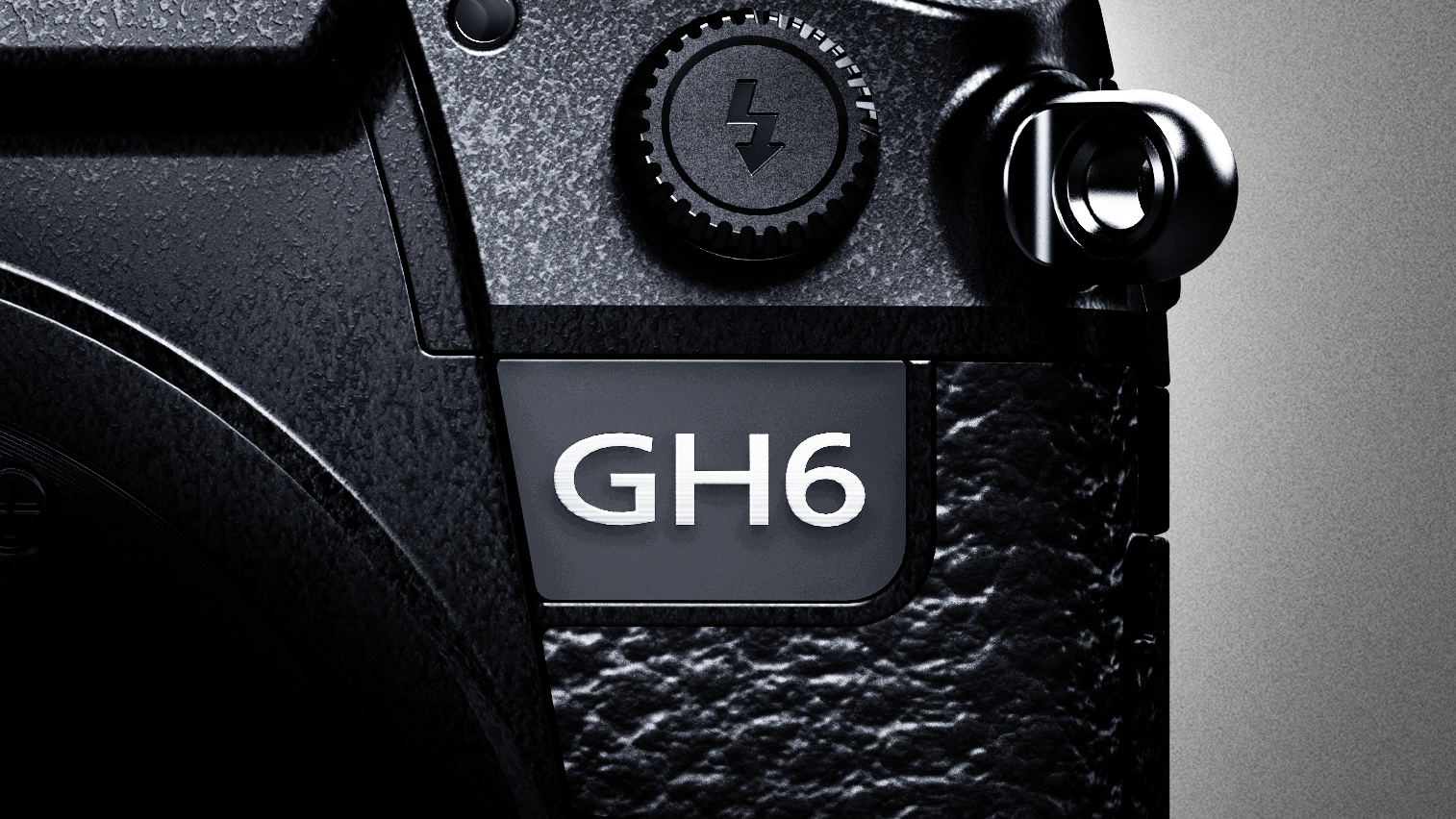
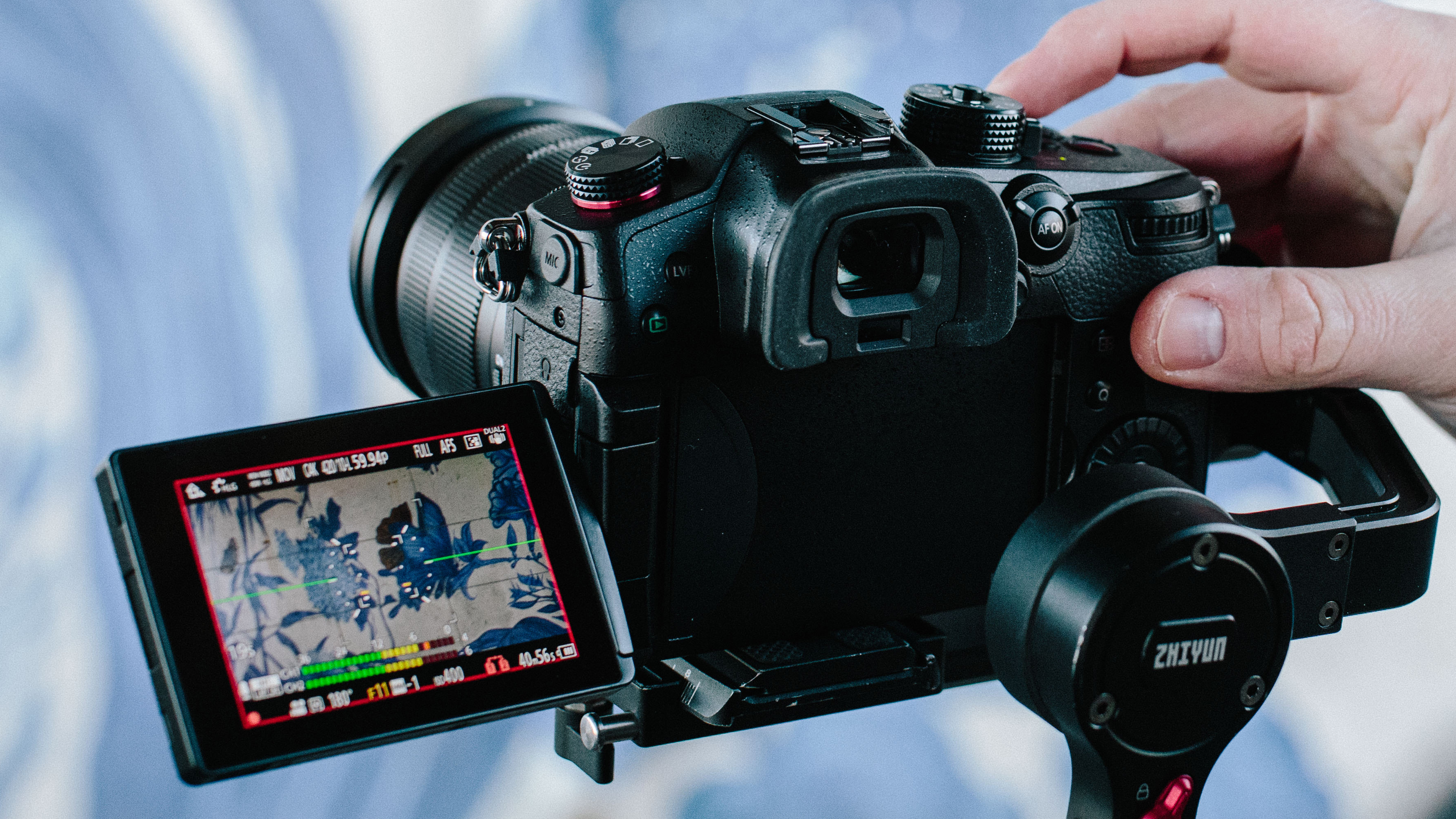
We also only have the one image to go on, which reveals a new badge placement compared to the Panasonic GH5 and GH5 Mark II. But all of these details will apparently be revealed “in the coming months” and closer to when the GH6 becomes "available by the end of 2021".
Panasonic GH6 early verdict
The dual announcement of the Panasonic GH6 and GH5 Mark II was a slightly odd and unexpected one, but there’s no doubt the GH6 is the more exciting camera for filmmakers.
The question is, has Panasonic left it too late? A lot of Micro Four Thirds fans have grown tired of waiting for a new camera body in the vein of the GH5 with improved resolution and frame-rates, and a wait to the end of 2021 could prove too long with so many compelling alternatives around from the likes of Sony, Blackmagic and Canon around.
But we reckon the GH6 will be worth the wait. It might not ultimately be quite as ground-breaking as the GH5, which was the first mirrorless camera that was capable of shooting 4K video with 10-bit color depth and 4:2:2 subsampling, but it should build nicely on the GH5 (and GH5 Mark II's) very solid foundation.
(Image credit: Panasonic)
The reason why the GH5 was so popular is because it combined compact dimensions, class-leading video features, a weather-sealed body and excellent in-body image stabilization (IBIS) in one relatively affordable package. And while the Four Thirds system has been gathering cobwebs a little in recent years, it still offers a huge range of small, affordable lenses. These will soon joined by a new Panasonic Leica DG 25-50mm f/1.7 lens, too.
Not all filmmakers can afford a Sony A7S III, Sony FX3 or Canon EOS R5, so there’s definitely still a space for the Panasonic GH6 to thrive and become a popular option for a new generation of filmmakers. The only problem is that the likes of Blackmagic, Sony (with the Sony A7C) and even Fujifilm (with hybrid cameras like the Fujifilm X-T4) are now all providing stiff competition in that space.
Still, the good news for us is that stiff competition means lots of choice, and it’ll hopefully force Panasonic to really pack some next-gen features into the GH6. We’ll update this page with those treats when we get the GH6 updates that Panasonic has promised “in the coming months”.
What about the Panasonic GH5 Mark II?
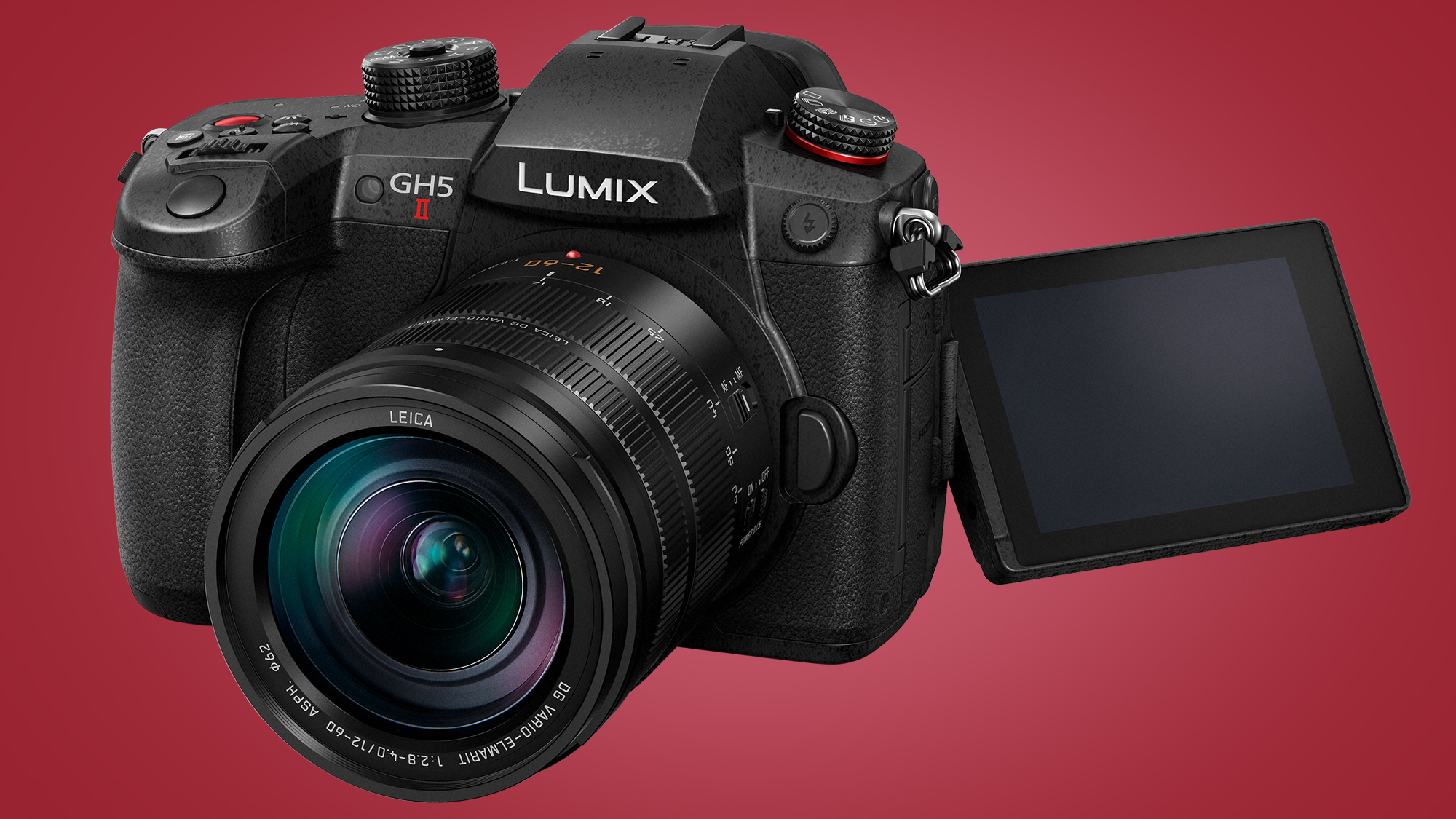
Panasonic was far more revealing about the Panasonic GH5 Mark II during its launch event, a camera that could give us some clues as to the kind of features we'll see in the GH6. So what video skills does it have and how does it differ from the GH5? The Mark II uses the same body and sensor as the GH5, but brings a series of small tweaks including new live-streaming powers.
There are a few different ways to live-stream video from the GH5 Mark II, all of which use the RTMP/S (Real-Time Messaging Protocol) standard and most of which can be setup using the Lumix Sync app. If high image quality is your priority, you can connect the GH5 Mark II to an external capture card via HDMI, then hook that up to a laptop to stream in 4K/60p quality.
(Image credit: Panasonic)
Without a capture card, your alternative streaming options all deliver lower-quality HD video. You can connect the GH5 Mark II directly to your laptop via USB and use a combination of Lumix Tether (Panasonic's beta streaming software for Windows and Mac) and the free OBS (Open Broadcaster Software), which lets you stream in 720/30p quality with remote control functionality.
Panasonic's beta Lumix Webcam software (Windows/Mac) also lets you use the GH5 Mark II as a webcam (again streaming in 720/30p) or you can directly stream to some services over Wi-Fi via your phone in 1080/60p quality.
Image 1 of 2
(Image credit: Panasonic)
Image 2 of 2
(Image credit: Panasonic)
Beyond these live-streaming powers, which Panasonic is pushing as a big selling-point of the GH5 II, the camera is a pretty mild upgrade of the GH5. You get a larger battery, the same 2,200mAh unit as the one in the Panasonic Lumix S5, which promises to last at least an hour when you're shooting 4K/60p video. The USB-C port also supports Power Delivery, which means you can charge the camera with an external battery while using it.
The GH5 Mark II's dual memory card slot now also supports UHS-II U3 V90 SD cards (rather than the GH5's slightly slower V60 card support) and it has some slightly improved autofocus, which now recognizes animals, heads and bodies alongside the existing Face/Eye recognition. The in-body image stabilization (IBIS) will apparently now give you 6.5-stops of compensation, a small boost on the 5-stops on the GH5.
(Image credit: Panasonic)
Strangely, the GH5 Mark II has a slightly smaller rear display than the GH5 (at 3in, rather than 3.2in), but this is slightly higher-resolution at 1.84-million dots. Like on the Panasonic S1H, you also get support for the Cinelike D2 and V2 flat profiles, which gives you a little more highlight info than the standard Cinelike D on the GH5 and GH5S.
Otherwise, the GH5 Mark II is much the same camera as the GH5, with the same 20.3MP Four Thirds sensor, burst shooting powers (12fps, or 9fps with continuous AF) and weather-proof design.
This means existing GH5 owners are more likely to wait for the Panasonic GH6, with the GH5 Mark II a lower-budget option for those who need a streaming camera with a large choice of interchangeable lenses.
Talking of which, Panasonic is bringing a firmware update for 12 different Lumix G and Leica DG lenses that will let you choose between a non-linear or linear setting for their focus rings. The non-linear approach, which means that focus changes according to the speed you turn the focus ring rather than in fixed increments, was a slight frustration for some GH5 owners, so this could be another welcome update.
(Image credit: Panasonic)
Analysis: A confusing but promising fresh start for the GH series
The simultaneous announcement of two Panasonic GH cameras reflects the huge changes that have hit the camera world since the Panasonic GH5 arrived in 2017. But while the new cameras themselves are understandable, their naming is less so.
So far, the Panasonic GH5 Mark II appears to be a slightly new species of GH camera, one with a big live-streaming focus. In this sense, a brand new name may have caused less confusion, seeing as it's not really aimed at existing GH5 owners. Sony did this with the Sony ZV-1, which is a rebranded Sony RX100 V that's been redesigned for vloggers.
The 'development announcement' of the Panasonic GH6 only muddies these waters further, but there's no doubt it's the more exciting camera for a different audience – amateur and pro filmmakers.
(Image credit: Panasonic)
The GH6 probably won't be able to shoot in 8K, which puts it slightly behind the curve set by full-frame cameras like the Canon EOS R5. But that's likely a tricky thing to pull off with a relatively small Four Thirds sensor (as the mysterious disappearance of the Sharp 8K camera appears to show).
The combination of 5.7K/60p and 10-bit 4K/120p video from a small, weather-sealed mirrorless camera is also a promising one that should provide stiff competition to the likes of the Blackmagic Pocket Cinema Camera 6K Pro.
While the dual announcement of the Panasonic GH6 and GH5 Mark II is an unusual one, it does provide a welcome shot in the arm for the Micro Four Thirds (MFT) system. In their early days, MFT cameras were the small, charming flag-bearers for mirrorless tech, offering impressive shooting power in travel-friendly form factors.
But with smartphones decimating small, stills-focused cameras in recent years, a development that prompted Panasonic's Micro Four Thirds partner Olympus to exit the camera business in 2020, the future of the system has been in question.
Whether the Panasonic GH6 and GH5 Mark II are enough to keep Micro Four Thirds fans from jumping ship the compact APS-C and full-frame cameras from the likes of Sony and Canon remains to be seen. But after such a long wait for new GH cameras, it's great to two of them finally arrive together in London bus fashion.
There is hardly any doubt that Google Docs has come a long way to offer stiff competition to the most widely used word processor – MS Word. Not only does it let you create, edit, share and collaborate documents on the go, the fact that it doesn’t cost you a dime, adds icing on the cake.
It is one the most commonly used word processors because of its simple to use interface that is equally helpful for experts to create research documents or students writing essays as their school assignments. While it has improved massively over the last few years, some basic features have been missing, and Google in its official blog post announced that it is fixing one such limitation.
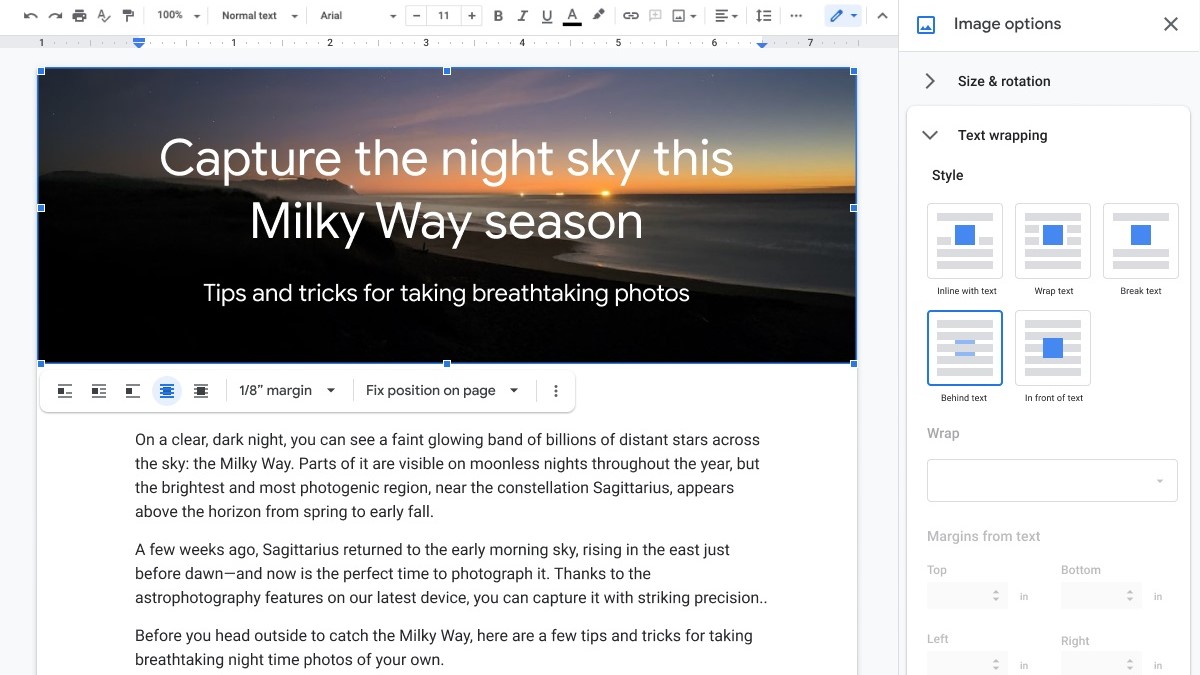
According to the latest update, Google Docs will now allow users to place an image in front of or behind a text – something that even Word 97 allowed us to do. This new option will not only help users better customize their documents but helps Google Docs close the gap in becoming a fully-featured word processor.
Additionally, Google Docs will also retain similar formatting intact in documents imported from MS Word. This ideally means that if a user has an old document created using MS Word that contains a similar image and text formatting, they can import it to Google Docs without the fear of loss of formatting. Similarly, exporting a document from Google Docs also will mean that your formatting will remain intact.
Google feels that with the addition of this feature, “We hope this feature helps you better customize your documents and share them with confidence, no matter the application you use.”
(Image credit: Google)
How to position images behind or in front of text in Google Docs
According to Google, this feature does not need any special admin approval and it will be available to everyone including free and paid Google account users.
To place an image behind text on Google Docs all you need to do is to:
Click directly on the image
Go to the image options sidebar
Locate the new option for positioning an image above or below text
While this option is available for everyone as mentioned above, however, you might not see it immediately in your Google Docs as it is being rolled out in a phased manner starting May 24. Hence, in case you’re not able to spot the additional option, it is just a matter of a few days before it starts appearing in your account.
pTron has launched a new affordable true wireless earbud in India that costs Rs 999. For under Rs 1,000, the pTron Bassbuds Sports comes with up to 32 hours of battery life, Type-C charging, Bluetooth 5.1, and more.
The TWS trend started a few years ago when Apple launched AirPods and ever since we have seen companies with their own TWS in the market. Fast forward, we have TWS in all price bands including Rs 2,000, Rs 5,000, Rs 10,000, and now even Rs 1,000. These TWS also make true wireless audio listening accessible to a wider set of audience. Let’s take a look at what the pTron Bassbuds Sports offers.
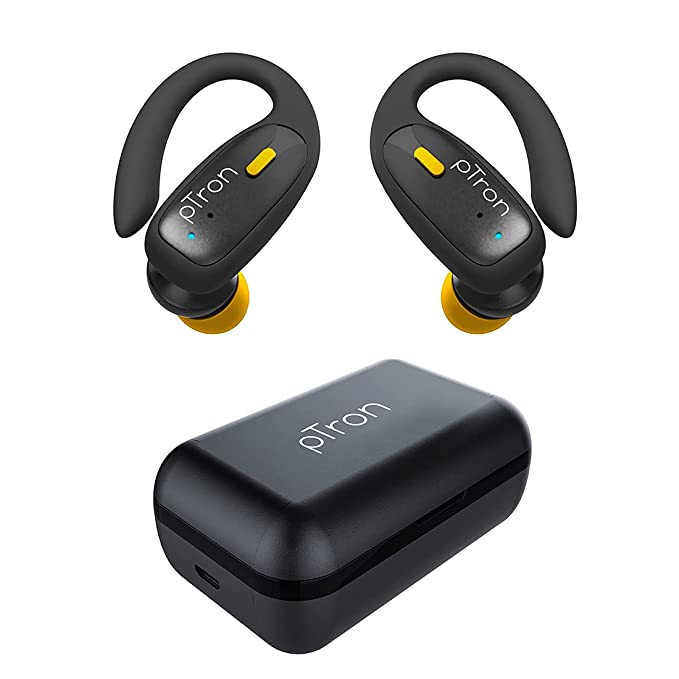
The pTron Bassbuds Sports is priced at Rs 999 and comes in three colour options - Inspiring Yellow, Blooming Blue and the Classic Black. The TWS is already available on Amazon.
pTron Bassbuds Sports features and specs
(Image credit: Amazon)
The pTron Bassbuds Sports true wireless earbuds with an in-ear style design and fin to make sure that the buds won’t fall out from the ear. It harnesses Bluetooth 5.1 - which is quite a rarity in the sub Rs 1,000 price bracket. It has a range of 10 meters and supports auto-connect.
In terms of battery life, the pTron Bassbuds Sports TWS comes with up to 32 hours battery life with eight hours of battery life on a single charge and three additional charge cycles which takes the total tally to 32 hours. The buds can be charged from zero to full in an hour. Each bud is packed with a 50mAh battery unit while the case comes with a big 400mAh battery. The charging case comes with a Type-C case - which is exceptional for a TWS at this price point.
For audio, the pTron Bassbuds Sports comes with a 10mm dynamic driver that is said to deliver punchy bass. These are also IPX4 rated for protection against sweat and water to carry it while you are running, gym, workout, or jogging. The true wireless earbuds also come with a built-in microphone which means you can go wireless and carry on with a call. It also supports voice assistants such as Google Assistant and Siri.
As for the controls, the pTron Bassbuds Sports, you get a multi-function button on each bud. You can access voice assistant, reject and accept calls, and control media playback like play, pause, and skip tracks. Lastly, the earbuds are compatible with Android, Windows and iOS devices.
Delhi police said they visited a Twitter office to serve notice to its country managing director about an investigation into the social media giant's tagging of a post by a ruling party spokesman as "manipulated media."
WhatsApp said that it had told the Indian government that the privacy of users was its highest priority after the country's technology ministry raised questions about the instant messaging app's new privacy policy.
Chinese smartphone maker Oppo is set to launch its new flagship Reno 6 series on May 27 in China. This series comprises multiple devices like the base variant Oppo Reno 6, a Reno 6 Pro, and the fully-loaded Reno 6 Pro Plus smartphones.
Now just days ahead of the official launch, one of these above-mentioned devices has been spotted on a benchmarking platform – GeekBench. Apart from the Geekbench listing, the phones were also listed on a couple of e-commerce platforms back in China, revealing key specifications of the upcoming phone.
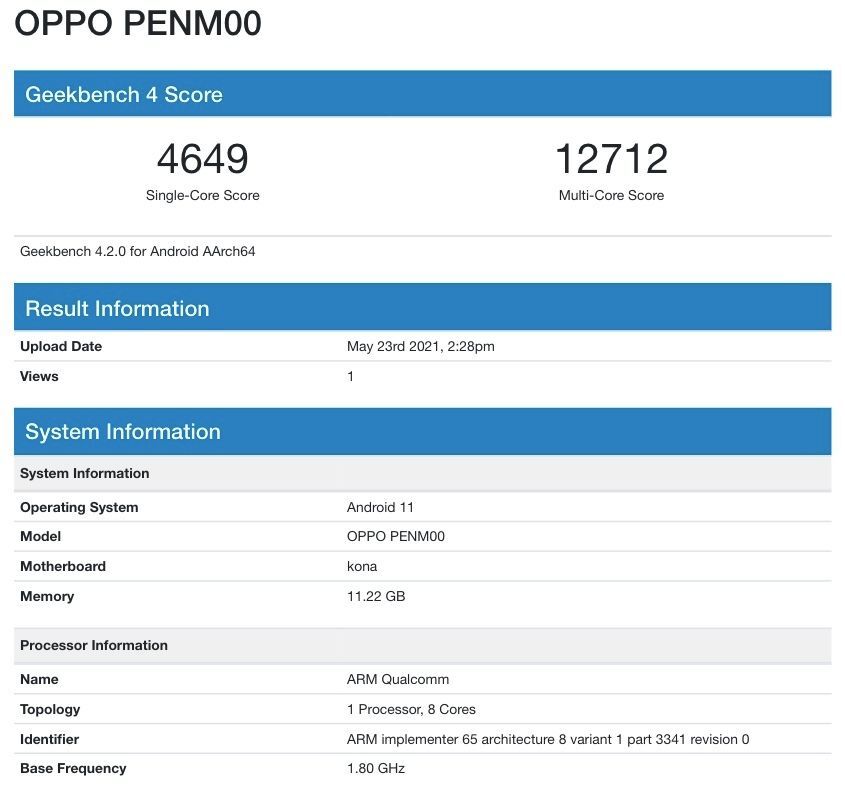
The Oppo Reno Pro Plus was recently spotted on TENAA and 3C certification sites a few days back and carried a model number PENM00. The device spotted on the benchmark site bears the same model number confirming that it’s the Reno 6 Pro Plus.
Going by the benchmark details, the Oppo Reno 6 Pro Plus could come with a Snapdragon 870 chipset. The motherboard in the listing mentions the presence of an Octa-Core processor with a base frequency of 1.8GHz codenamed “Kona” which pertains to the Snapdragon 870 SoC.
Additionally, the phone could have 12GB of RAM and the benchmark scores of 4649 for single-core and 12712 for multi-core also confirms the presence of a powerful chipset at the core. The phone can be spotted running on Android 11 out of the box.
Other leaks are also concurrent of the details mentioned above. Other reports suggest that the phone may come in a couple of variants with a minimum of 8GB of RAM and 28GB of onboard storage. The top-end variant may come with 256GB of storage coupled with 2GB of RAM.
The Oppo Reno Pro Plus may come with a 6.55-inch AMOLED FHD+ panel with an in-screen fingerprint scanner. A 4,500mAh battery is expected to power the device and it may come with 65W fast charging support that is expected to juice up the battery pack within minutes.
Talking about optics, the Reno 6 Pro Plus may come with a quad-camera setup with a 50-megapixel Sony IMX766 primary sensor, a 16-megapixel ultrawide lens, a 13-megapixel telephoto camera apart from a 2-megapixel macro camera. On the front, there could be a 32-megapixel selfie shooter present to do the duties.
It's no secret that Google tracks your activity when you use its hardware and software – whether it be an Android device, smart speaker or even just Google Chrome – but how secure is this activity log?
At present, anyone with access to a logged-in device can view this log, but as discovered by Android Police, Google has recently introduced a way to password protect the 'My Activity' page.
This makes it particularly useful for those that share devices within households or other groups (a shared computer or smart speaker, for instance) to ensure their web, app and location history can't be viewed or deleted by any others.
To enable this extra security measure, simply visit the My Activity page while logged into your Google account, click 'manage my activity verification' and choose the option to 'require extra verification'.
With this enabled, you'll see a lock icon and a button to 'verify' your identity with a password when visiting this page, blocking off the details of the activity-tracking to anyone without it.
Interestingly, the options that allow the enabling or disabling of tracking (web and app activity, location history and YouTube history) is still accessible, even without a password – so Google might still have some fine-tuning to do.