Nvidia’s incoming R470 graphics driver will be the last to support some of the firm’s older graphics cards with performance optimizations, namely the GeForce GTX 600 and 700 range of GPUs, according to a new report.
So, if you’re running one of those cards, you’ll need to bear that in mind (although note that the GTX 750 and its Ti variant are Maxwell, not Kepler). Of course at this point, even the newer GTX 700 series is eight years old now, so it’s going to be a shaky proposition in terms of contemporary gaming at this point anyway.
AMD vs Nvidia: which should be your next graphics card?
Don’t forget that Amazon’s Prime Day 2021 sale is on the horizon
As VideoCardz, which spotted Phoronix flagging this up courtesy of Nvidia’s data center documentation, points out, the R470 driver family will be the last to support graphics cards built with the Kepler architecture. We are currently on the R465 family of drivers, specifically version 466.47 which was released earlier this week, with R470 expected to debut in 2021, likely fairly soon.
Once Nvidia moves to the next driver generation (presumably R475) – perhaps by the end of 2021, or early 2022 – the GTX 600 and 700 cards will no longer be supported in terms of optimization for games, meaning they’ll gradually deliver worse performance as time goes on.
Security fixes
Do note, though, that these GPUs will then be in LTS or long-term support with the R470 driver, so while the driver will no longer cater for optimization needs, it will still provide security fixes for any major vulnerabilities that could pop up in the future.
Nvidia will deliver LTS support through until 2024, keeping Kepler users safe from security holes for another few years yet – meaning that GTX 600 graphics cards will actually be supported for a full 12 years from a security standpoint, a commendable length of time.
Nvidia’s Maxwell GPUs, meaning the GTX 750 and GTX 900 series cards, will be next in line for the driver chopping block of course, but that shouldn’t be for a while yet (likely a couple of years down the line).
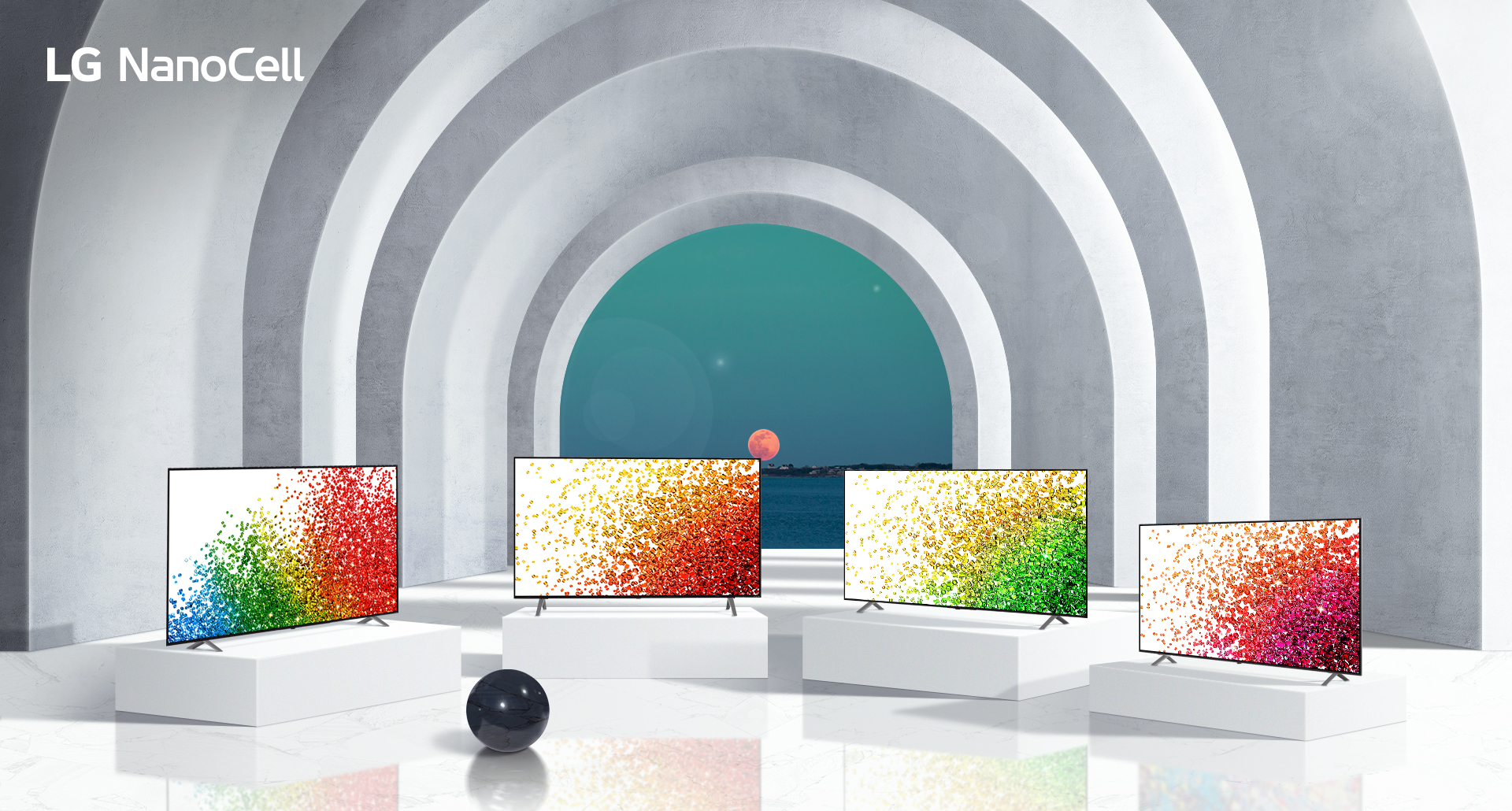
LG NanoCell TVs – what are they? While you may be fairly familiar with LG’s OLED TV range – the LG C1, LG G1, and so on – the NanoCell televisions that sit alongside them often get less headline attention, and we’re here to fix that.
These so-called ‘NanoCell’ screens make up LG’s mid-range and upper entry-level LCD TVs – the best LG TVs that don’t feature OLED panels, basically. The unspoken aim here is to offer an alternative to Samsung’s excellent QLED TVs, while designating the top tier of LG’s LCD panel televisions.
But what is LG NanoCell, actually? How does it compare to Samsung QLED? And should you consider buying an LG NanoCell TV? Read on for everything you need to know below.
NanoCell FAQ
What is NanoCell? A proprietary LG technology, a filtering layer above the TV’s LCD panel.
What does NanoCell do? It improves color depth, for more vivid tones.
How expensive are NanoCell TVs? The range is huge, starting at $600 / £600 and ending up at $4,000 / £4,000 for top models.
Which TVs have NanoCell technology? Most LG TVs with NanoCell have ‘NANO’ in their name, but upcoming QNED sets have it too.
Do other manufacturers have NanoCell? It’s an LG technology that hasn’t been licensed out to other companies (yet), so you’ll only find it in LG TVs at present.
LG NanoCell TV explained: how does it work?
LG has not published any comprehensive documentation on exactly how LG NanoCell works. It’s a bit like the secret herbs and spices recipe behind KFC’s chicken in that sense.
However, we do know roughly what it does. LG NanoCell uses a filter layer that sits in the TV, absorbing specific wavelengths of light. The aim is to purify the color output in order to improve color depth.
One easy way to get your head around this is to think of it in terms of paint. You can’t achieve a pure red paint if there are hints of other colours in the mixture. NanoCell attempts to remove these impurities.
LG NanoCell TVs (and all TVs in fact) paint their pictures using tiny pinpricks of blue, green and red light set at different intensities. So while absorbing light may sound like a removal of color, the end result is an increase in color depth, as wavelengths that would otherwise dull or taint those red, blue and green sub-pixels are eliminated.
NanoCell vs QLED
LG NanoCell 2021 TV range(Image credit: LG)
Palomaki Consulting undertook some research to find out more about NanoCell, and came to the conclusion that “claims that this technology is enabled by 1 nm nanoparticles is misleading” – pouring some cold water on LG’s hyper for NanoCell.
This consultancy is of the view that NanoCell uses a molecular dye. Its particles may measure a nanometer each, a billionth of a meter, but this is different to the Quantum Dot tech seen in Samsung QLED TVs.
Quantum Dot crystals emit light at certain wavelengths when fed UV light. Samsung QLED TVs do not rely entirely on this tech, but they do use a Quantum Dot layer to enhance color performance. NanoCell appears to be a little more conventional in comparison.
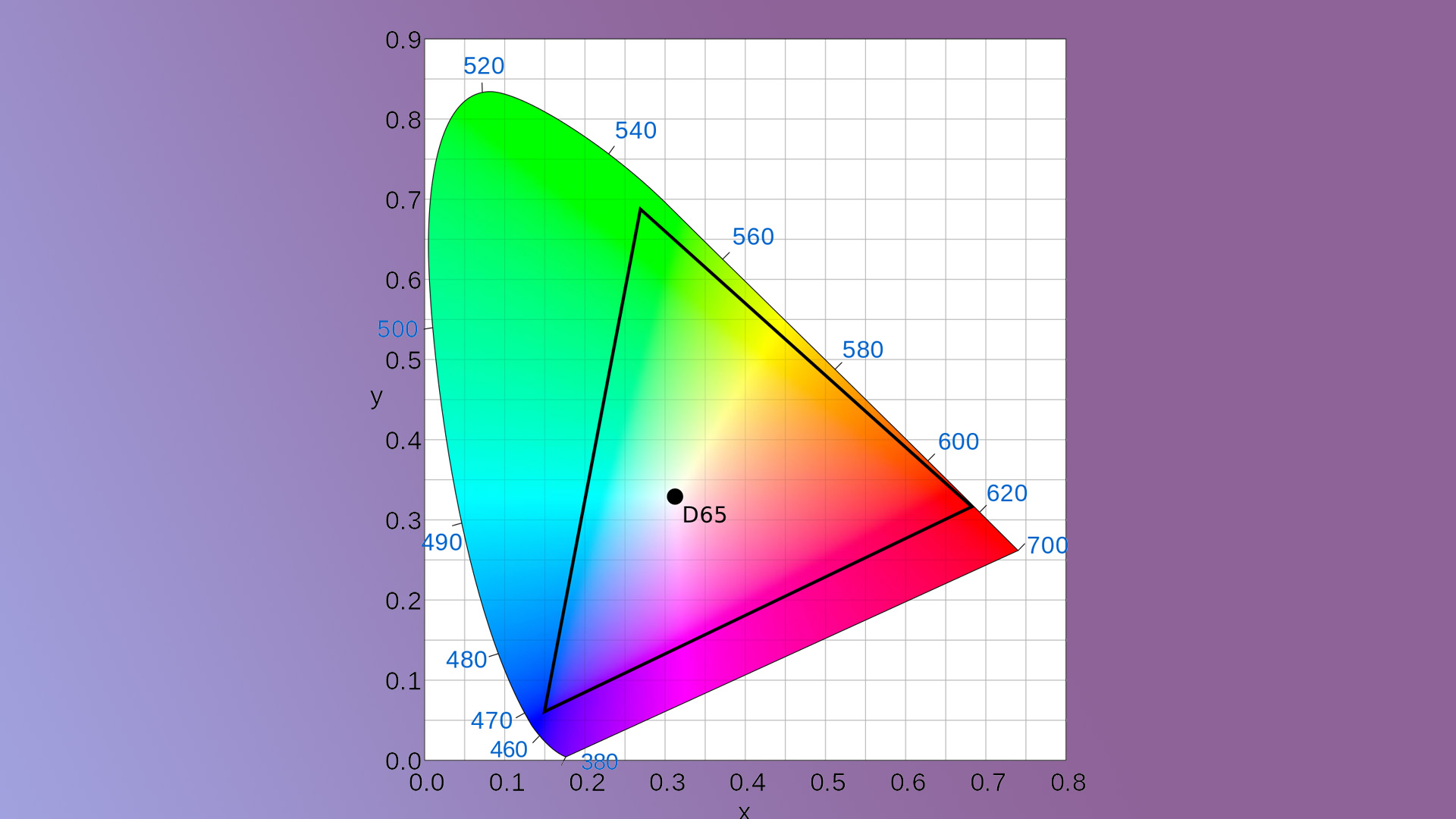
The real-world aim in both cases is the same. Today’s top-quality TVs get close enough to full coverage of the DCI P3 color gamut that most of us couldn’t tell the difference between what we get and 100% coverage.
What’s DCI P3? It’s a standardized array of color tones devised by several leading film production companies. It lets TVs and color graders nail down what a specific color in any movie or image should actually look like. Attain close to 100% DCI P3 coverage and you have a screen with very rich, vibrant colors.
Top NanoCell TVs like the NANO90 have very good color coverage, if not quite at the level of new Samsung TVs with QLED tech (like the Q90T). The NANO90 is significantly cheaper too, though, so slightly lower performance in this area is not a huge issue.
Are LG NanoCell TVs any good?
The DCI P3 color spectrum(Image credit: Andrew Williams)
Other areas of LG NanoCell TV tech are what should make you think twice before buying one of these sets.
All LG NanoCell TVs use IPS display panels. These are great in some respects, as IPS offers very wide viewing angles. You don’t need to sit dead-centre in front of your TV to see a clear picture.
However, IPS displays also have much lower native contrast than the VA panels used in Samsung QLED TVs, or the OLED type seen in top-end LG screens like the LG CX OLED.
In an image of white and black squares shown on an IPS display, the white parts will typically be around 1,000 times brighter than the dark ones. That difference is raised to around 4,000-7,000 times in a VA TV.
The result: LG NanoCell TVs have relatively narrow dynamic range. Blacks will never look that black in a darkened room, and this is exacerbated by a paucity of local dimming zones.
Local dimming is used in most higher-end LCD TVs (that includes NanoCell and QLED, which are still LCDs). It’s where different sections of the backlight can be operated independently, making parts of the panel brighter than others in order to lower the back floor and improve contrast.
The 65-inch LG NANO90 has 32 local dimming zones, fewer than the 50 zones of the 55-inch Samsung Q80T or the 792 Vincent Teoh* identified in the 65-inch Samsung QN90A. And the LG NANO90 arguably needs them more, because its native contrast is lower to start with.
Fewer local dimming zones mean you’ll see blooming around bright objects. It will be particularly noticeable if you watch a film with subtitles, to the extent you’ll probably want to turn the feature off when watching foreign language movies.
These contrast issues are why the most attractive LG TVs with NanoCell are not its ‘NANO’ TVs at all, but its new-for-2021 QNED screens. This range combines a NanoCell layer with a Quantum Dot color enhancer and miniLED panel.
Mini LED panel tech is the most interesting thing to happen to LCD TVs in some time. It sees the LEDs in the backlight shrink, so that many, many more can fit into the display.
LG says the top-end 86-inch QNED set will have around 30,000 backlight LEDs, split into a little under 2500 zones. That’s close to 80 times more zones than the LG NANO90.
However, don’t name your TV fund ‘QNED’ just yet. These sets are likely to use IPS panels still, and we don’t know quite how effective a massively increased number of dimming zones will be at improving this panel technology’s limited contrast.
Should I buy an LG NanoCell?
We’ve levelled some criticisms at LG NanoCell TVs. However, these mostly affect use in a darkened room.
If you like to turn your living room into a micro cinema, these TVs are not the best choice, and you should find one with a VA or OLED panel instead. They simply don’t offer the same level of performance as the best Samsung QLEDs, or LG’s own OLED sets.
Their contrast is significantly lower, and this affects how they perform with HDR content, and how good movies look in a dimly-lit room. However, we may see better results in LG’s QNED sets, which also have NanoCell tech.
They are strong in other areas, though. Wide viewing angles mean no more arguments about who gets the best seat on the couch. Their anti-reflective top screen layer copes with ambient light well. Low input lag is good news for gamers. Upscaling in most NanoCell TVs is very good too, while higher-end models have 120Hz refresh rates and support for features like VRR.
Most of all, LG NanoCell TVs are priced fairly competitively, letting you utilize key PS5 and Xbox Series X features like HDMI 2.1 and VRR without spending a fortune.
The main appeal of NanoCell TVs today, then, is they offer high-end features at a largely affordable prices – with a low cost for entry-level NanoCell models that will no doubt appeal to many with smaller budgets.
What LG NanoCell TVs are there?
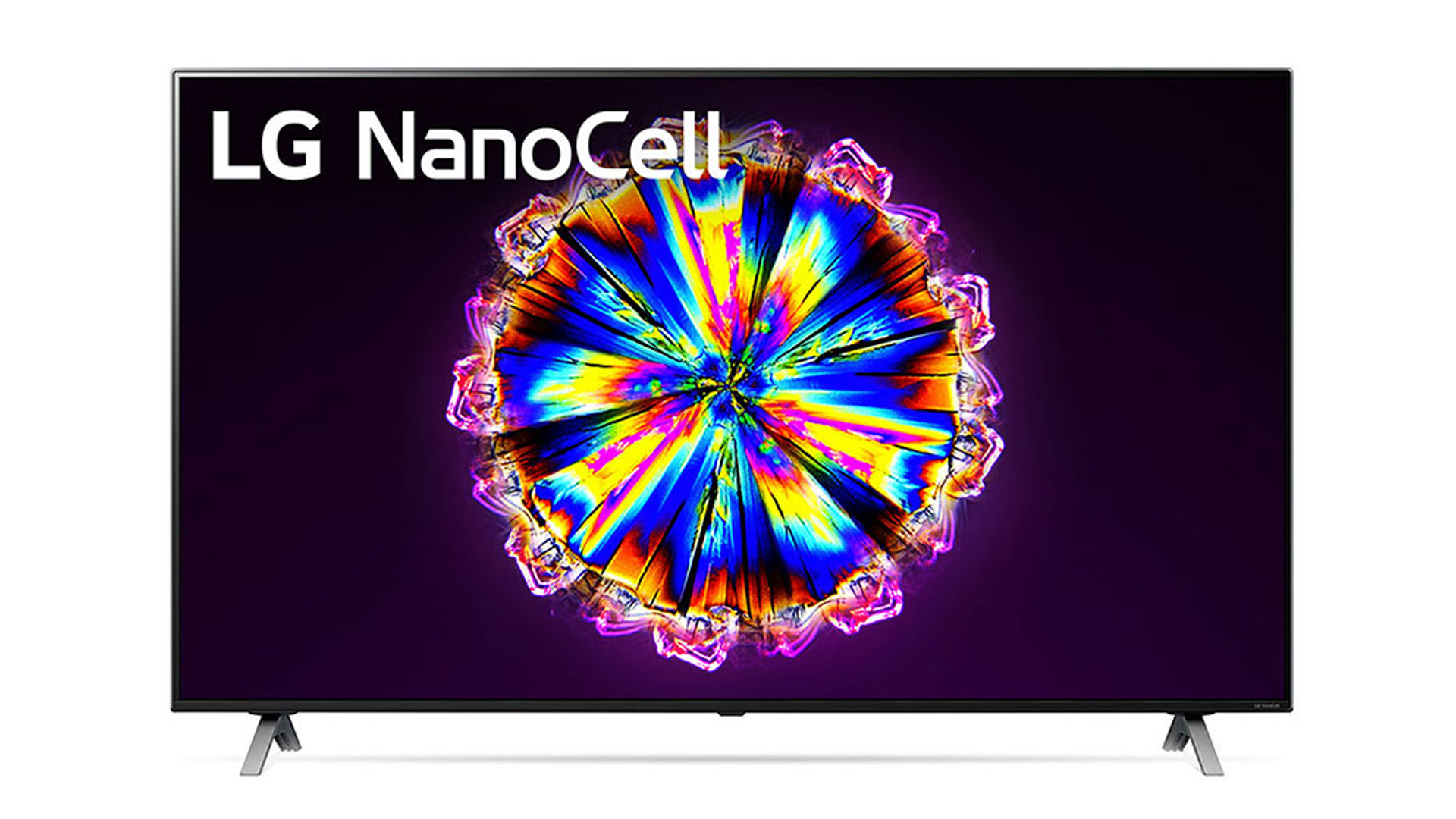
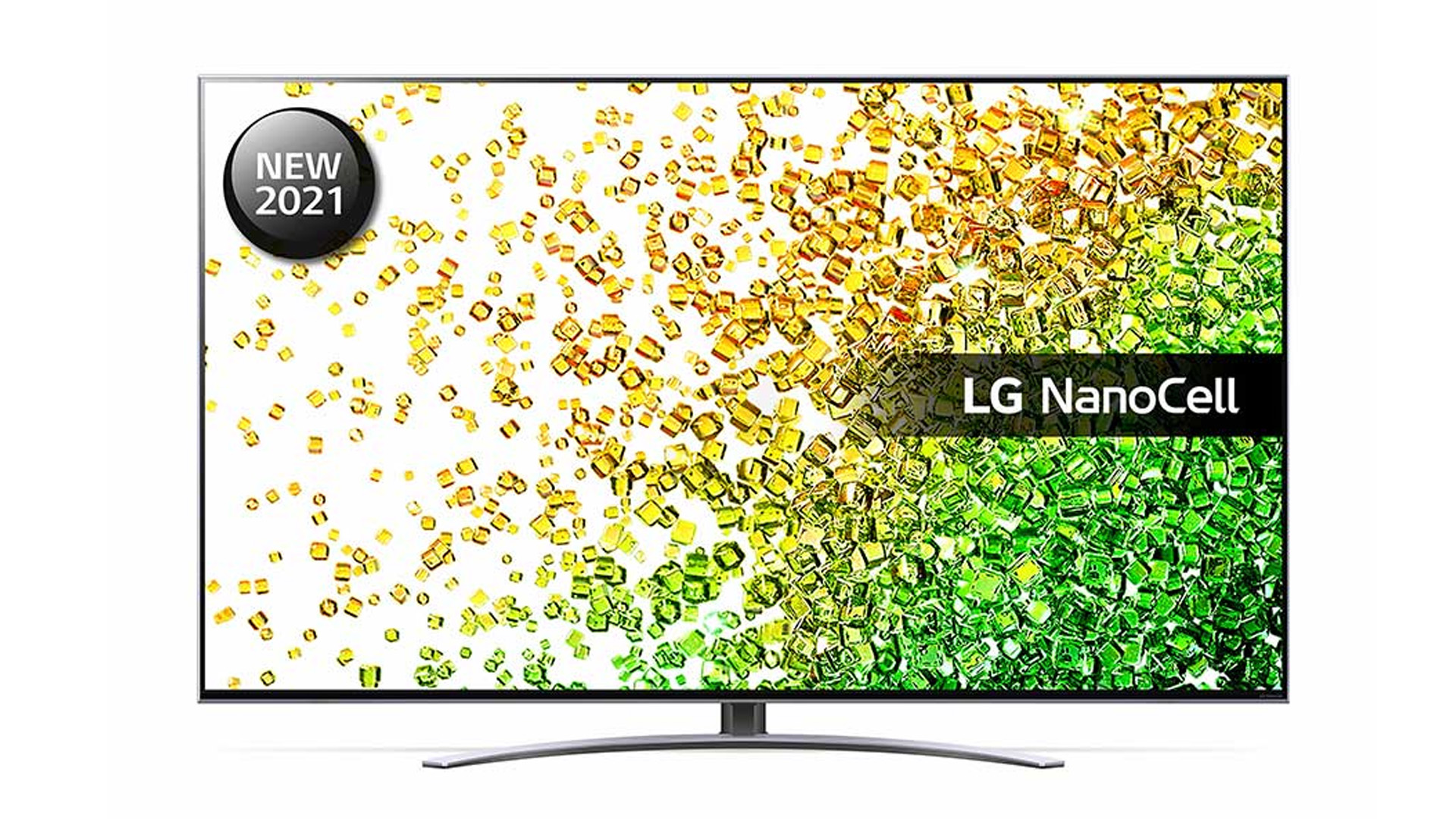
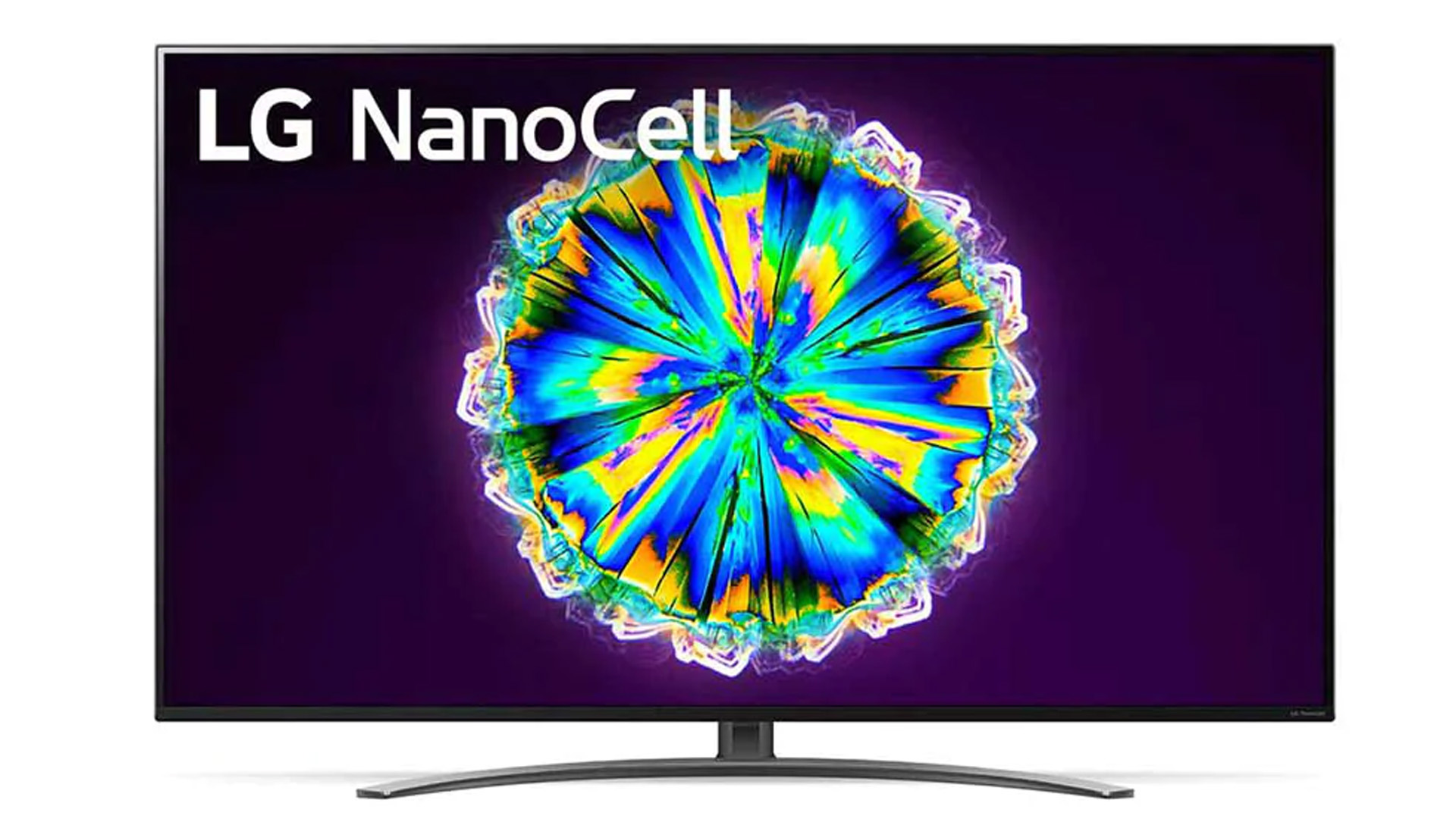
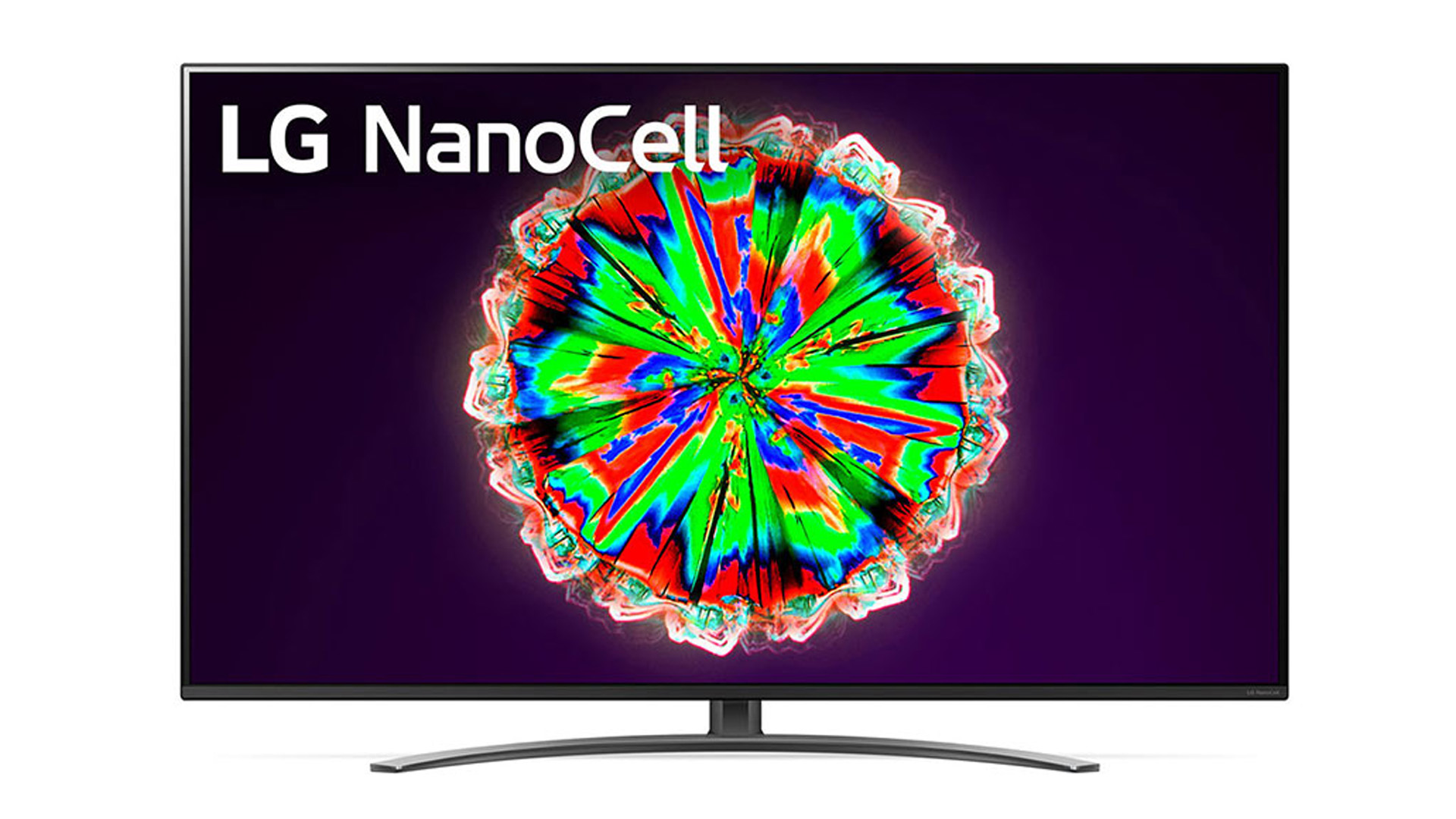
Let’s have a closer look at the various NanoCell ranges you can buy today from LG’s 2020 and 2021 ranges, and their specific features. If you want to find out more about the whole 2021 range, check out our LG TV 2021 guide too.
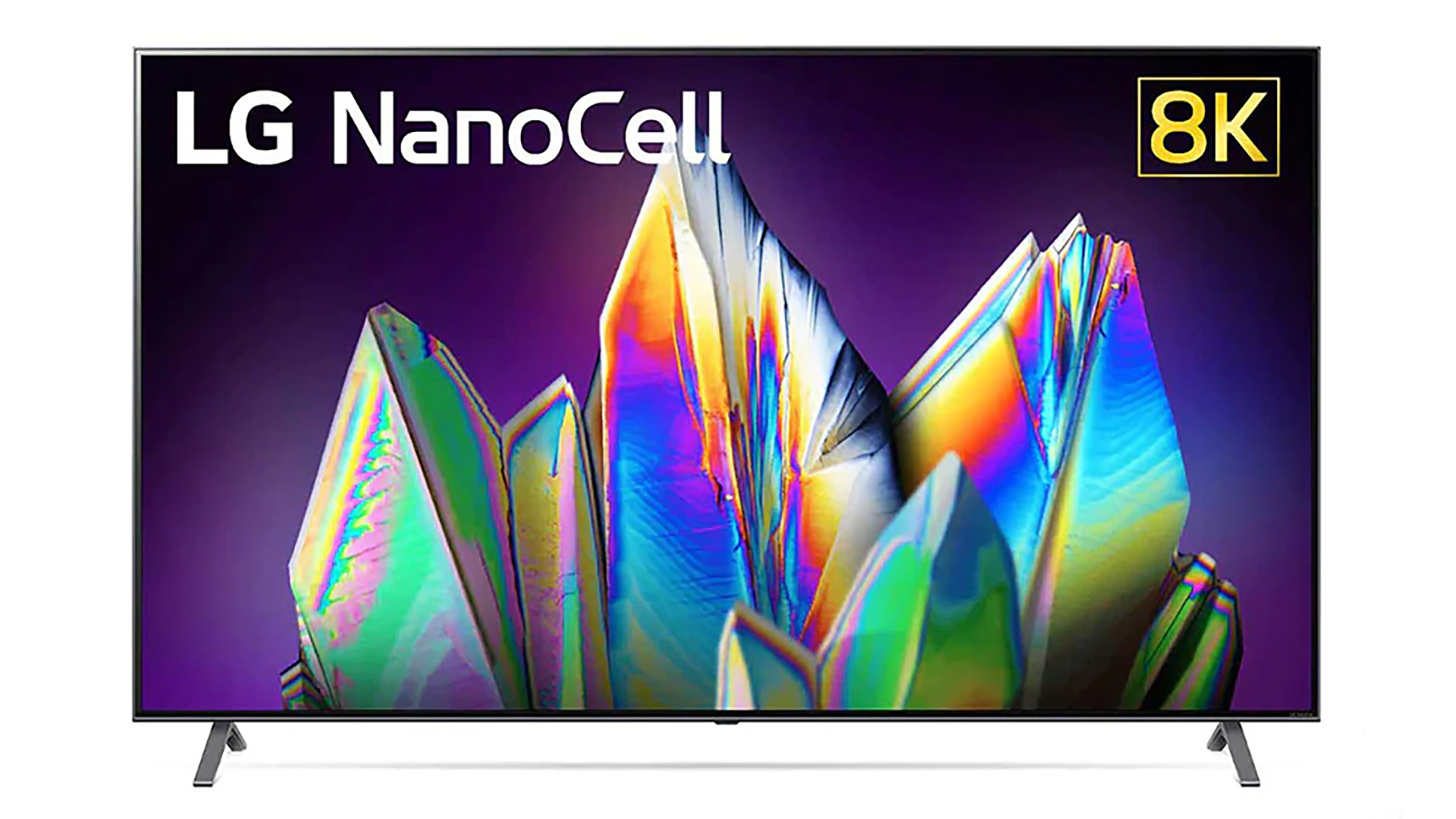
(Image credit: LG)
LG NANO99 (2020)
Available in: 65-inch, 75-inch
8K resolution
4K/120Hz
Local dimming
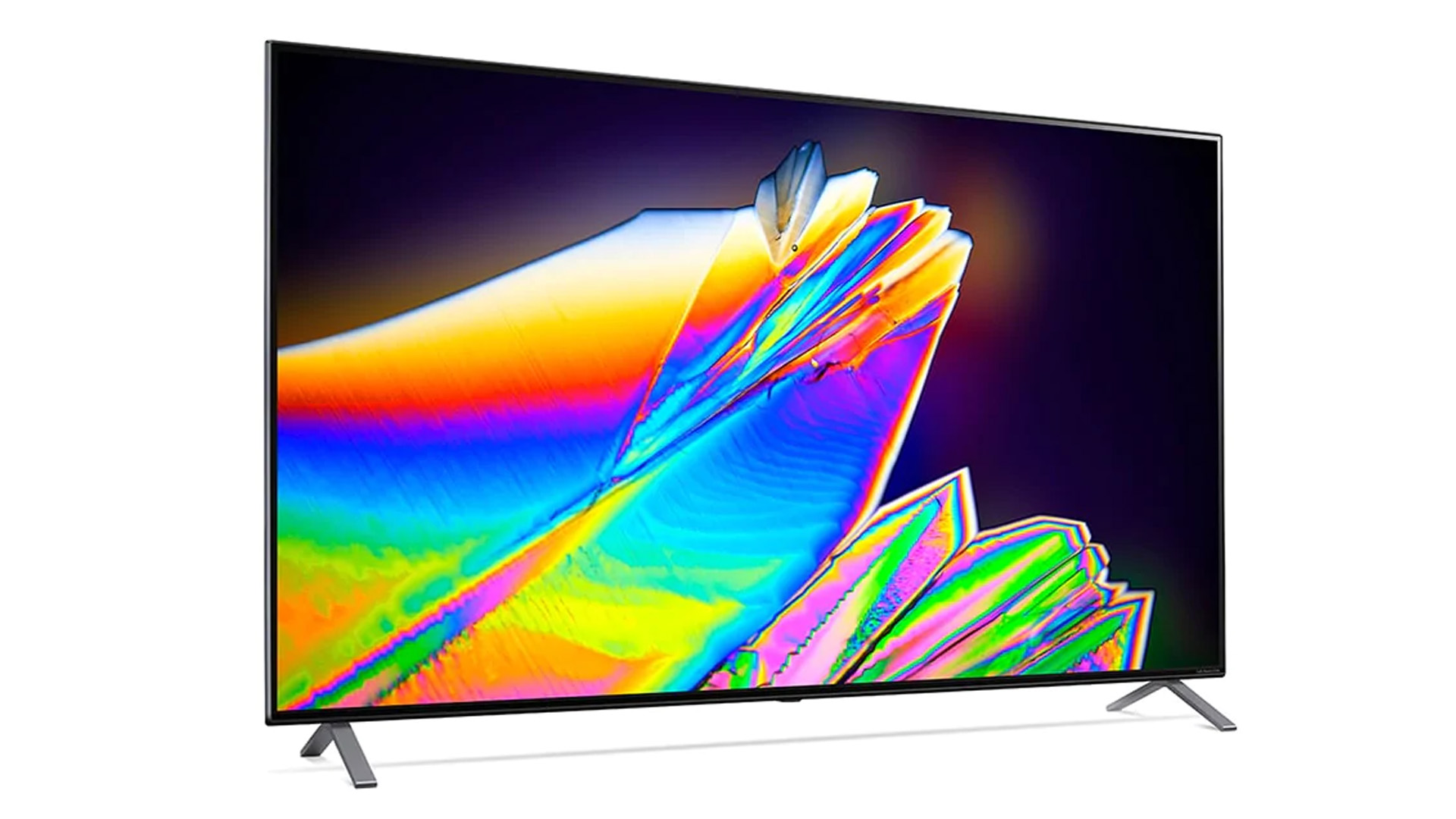
(Image credit: LG)
LG NANO96 / NANO95 (2021)
Available in: 55-inch, 65-inch
8K resolution
Local dimming
60Hz
VRR
(Image credit: LG)
LG NANO90 / LG NANO91 (2020)
Available in: 55-inch, 65-inch, 75-inch , 86-inch (NANO91 only)
When the first iteration of iOS, or iPhoneOS as it was first known, was unveiled in January of 2007 alongside the original iPhone, watchers were amazed in how the user interface looked and ran. From the elasticity of reaching the end of a contact list, to interacting with the Slide to Unlock feature at the beginning of the demo by Steve Jobs.
As the operating system matured and the needs of the user required it to be rebooted with iOS 7 in 2013, we were greeted with a flat-design, with parallax scrolling and chilled-glass backgrounds abound.
But as we approach the next iteration of iOS, I think it’s time for skeuomorphism to return.
From the moment the iPhone was unveiled in 2007, many were enamored with how similar iPhoneOS looked, but it was something that had not been seen before in a smartphone. Everything looked old and new at the same time, it was uncharted territory.
The objective behind skeuomorphism is how it reflects real-world objects, so it would be reminiscent of something that you would see or use in the world around you.
Fast forward to 2010, and the Retina Display would arrive on the iPhone 4, bringing the screen resolution from 480x320 to 960x640. But this would bring the skeuomorphic design to a high-resolution display and suddenly made everything look razor sharp.
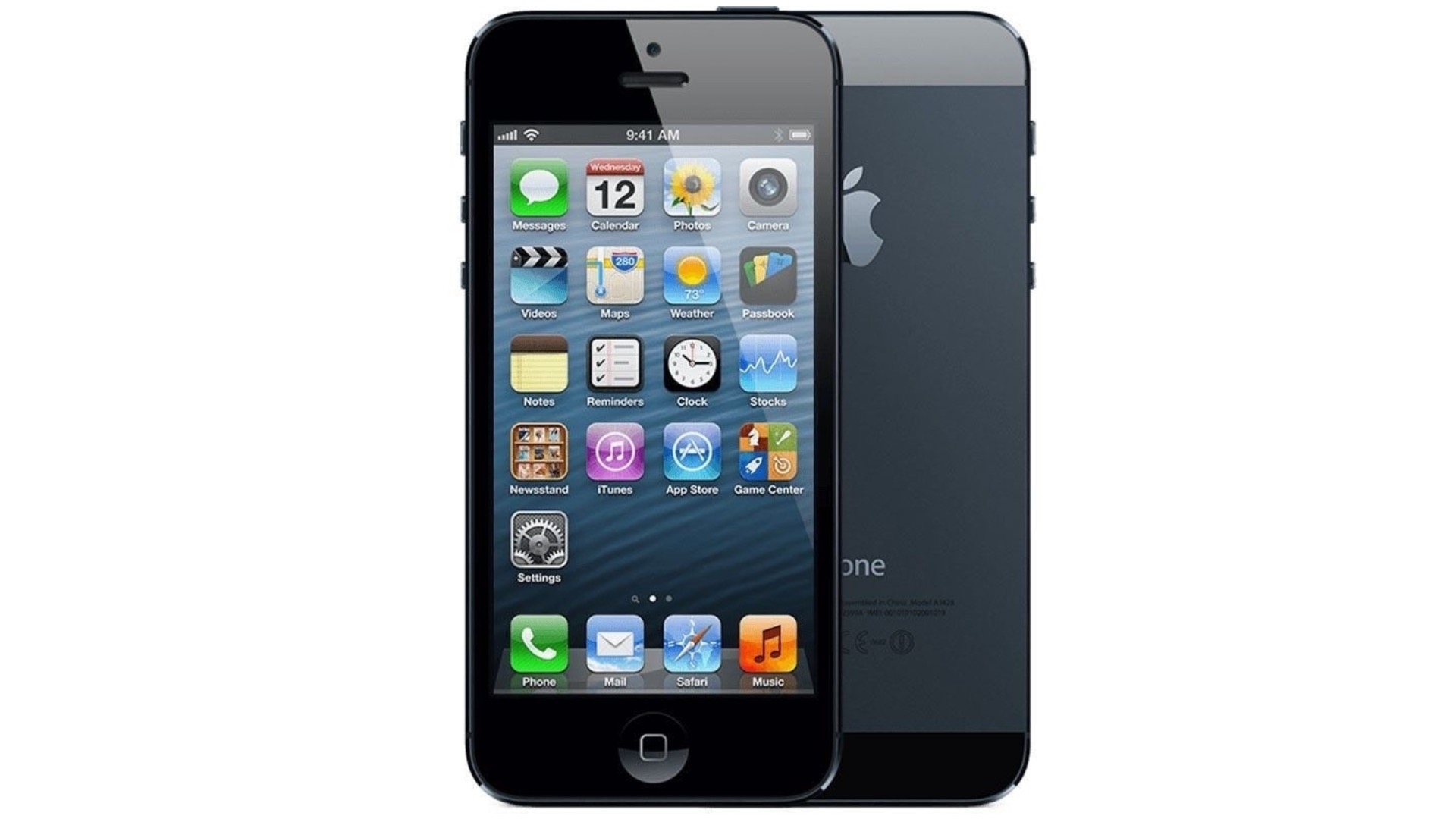
Fast forward to 2012, and iOS 6 was where the UI peaked for me. The iPhone 5 coupled with iOS 6 brought out the best of the OS, with the taller screen showcasing every app at the height of its prowess.
(Image credit: Apple)
The skeuomorphism was abound even in the animations, such as when you would open a folder, and the home-screen would almost split in two. Or when you would double-tap the home button, the whole screen would move up, and you would be greeted with a dock of currently-running applications.
However, this was a time where real-world appearances in operating systems and applications were not the fashionable thing at the time. There was a push, more than ever, for a more brighter, colorful design, which, coupled with the departure of iOS Vice-President Scott Forstall, led to iOS 7.
Gone was skeuomorphism, and focus shifted to bright, flat, blurry designs. Elegant on the eye, but it was clearly an early look at the design - there were glaring omissions in animations and layouts, and the operating system didn’t really feel finished until iOS 8 the following year.
Skeuomorphism and flat-design in harmony
As we approach iOS 15, it seems as though it's time for a return to skeuomorphism, but with an updated approach.
There’s already some of this in macOS 11, namely the icons, where they have much more depth than their iOS brethrens, while toggles and navigation bars look to have much more gradients and textures to them.
Even to the animations, there could be a return of pre-iOS 7 skeuomorphic tropes here. Folders have never looked right after iOS 7, especially on an iPad. They fill the whole screen and it’s one of the few areas where it looks like you’re on an enlarged iPhone.
There’s always a need for nostalgia and the new, and that couldn’t be more prevalent than the latest iMac design. Perhaps we’re seeing a return of the fun that Apple brought to its products, and perhaps we’ll see this train of thought come to iOS 15 as well.
Fashion comes and goes, and the same applies to technology. With Android 12 offering a new Material You methodology with its customisable color scheme and more rounded widgets and menus, perhaps Apple should bring back what made skeuomorphism great to begin with, and how it can look great again in certain areas in the animations and icons that we interact with on their devices every day.
We're very much looking forward to treating our ears to the experience of high fidelity, lossless audio on Apple Music when the streaming music catalog gets its upgrade in June, and Apple has now confirmed that the HomePod and HomePod mini are going to support the superior audio standard.
There had been some uncertainty about whether the speakers would actually be able to play the new lossless formats, but a new Apple support document goes into extra detail about the changes that are on the way, and the devices that will support them.
"HomePod and HomePod mini currently use AAC to ensure excellent audio quality," explains Apple. "Support for lossless is coming in a future software update." So you will be able to stream your tunes at the highest resolution using Apple's own speakers – even if it's not exactly clear when.
The AirPods, AirPods Pro and AirPods Max miss out though, as previously noted: AirPods, AirPods Pro, AirPods Max, and Beats wireless headphones use Apple’s AAC Bluetooth Codec to ensure excellent audio quality," says Apple. "Bluetooth connections don’t support lossless audio."
More details
Apple distinguishes between lossless 24-bit/48 kHz and hi-res lossless 24-bit/192 kHz in its document: not every track in Apple's catalog will be available in that very highest quality, and it's not clear what level the HomePod and HomePod mini will support.
Devices like the iPhone, iPad and Apple TV 4K will natively support the 24-bit/48 KHz tier with their built-in hardware or standard connected headphones, Apple says, but not the 24-bit/192 KHz one – you'll need an external digital-to-analog converter to listen to Apple Music lossless in the very best quality on an iPhone, iPad or Mac.
As for the AirPods Max, the headphones will apparently enable "exceptional audio quality" when using their Lightning to 3.5mm audio cable – however, "given the analog to digital conversion in the cable, the playback will not be completely lossless" according to Apple's latest information.
In addition, you won't be able to redownload your iTunes purchases in an upgraded lossless format – you can replace these tracks with files synced from Apple Music and saved for offline listening, but only if you're a current Apple Music subscriber.
The Black Panther 2 that’ll arrive in theaters is not the sequel anyone would have wanted to make – or see – this time last year. Even though the movie, now titled Wakanda Forever, is one of the most hotly anticipated on the Marvel Cinematic Universe slate, the tragic death of star Chadwick Boseman in August 2020 means that the follow-up will come tinged with sadness.
Even without its leading man, however, Black Panther 2 is certain to be a hit. Of the 23 MCU movie releases to date, only the four Avengers outings have performed better at the worldwide box office than the first Black Panther – in fact, the original movie is the fourth highest grossing movie of all time in the US (according to Box Office Mojo). It was also the first superhero movie nominated for Best Picture at the Oscars.
In other words, the world is eager for a return to the technologically advanced African nation of Wakanda, so it’s no surprise that Marvel has rehired the first film’s writer/director Ryan Coogler to marshal the action.
But what will Black Panther 2 look like without its iconic King T’Challa? When will we see it in cinemas? Who will be in the cast? What can we expect from the story? And how will it fit into the wider MCU continuity? We’ve pulled together all the essential information on what’s sure to be one of 2022’s biggest movies. Wakanda Forever!
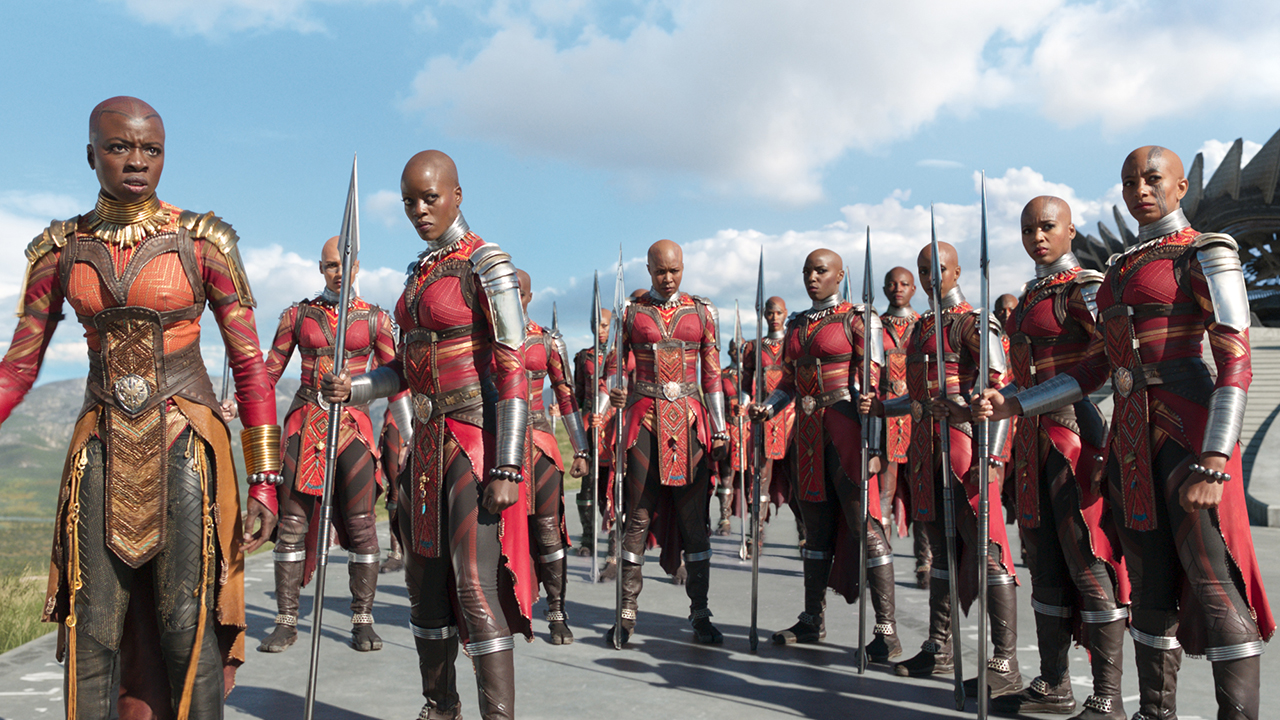
The Dora Milaje in the original Black Panther.(Image credit: Disney)
Within a month of the first Wakanda-set movie’s February 2018 release, Marvel’s chief creative officer and Marvel Studios president Kevin Feige was confirming to Entertainment Weekly that “we absolutely will do [a sequel]”. But despite the colossal success of the original movie, Marvel and Disney never seemed in a rush to bring out the follow-up – even before the sad passing of their star, Chadwick Boseman, following a four-year battle with cancer.
For a long time, the Black Panther 2 release date was scheduled for May 2022. Then, following a major Covid-19 induced reshuffle that saw Black Widow and subsequent MCU movies pushed back, the big Marvel Studios Celebrates the Movies trailer – part of Hollywood’s drive to get people back to theaters – confirmed a new Black Panther 2 release date: July 8, 2022.
While Black Widow will be available on Disney Plus (as part of the premium Premier Access package) at the same time at it debuts in theaters this July 2020, it remains to be seen whether Disney will still be exploring this type of release strategy by the time the Black Panther 2 release date comes around in 2022 – that will be dependent on both the coronavirus situation and the box office performance of Black Widow. Disney has announced that the upcoming Shang-Chi and the Legend of the Ten Rings will remain exclusive to theaters until 45 days after its theatrical debut, so – if things stay as they are – expect Black Panther 2 to follow a similar schedule.
Cut to the chase
What is it? The follow-up to Marvel Studios’ smash hit 2018 movie Black Panther, which introduced the futuristic African kingdom of Wakanda and its eponymous protector, King T’Challa (aka Black Panther).
Where can I see it? Black Panther 2 – aka Wakanda Forever – will debut in cinemas. The movie will also be available on Disney Plus at some point – possibly 45 days after its theatrical release, depending on how Disney handles it.
When can I see it? The Black Panther 2 release date is confirmed for July 8, 2022. We would expect to see it on Disney Plus in late August 2022 at the earliest.
Black Panther 2 cast: who’s in the movie?
This is the Black Panther 2 cast list, based on the intel we have so far:
Lupita Nyong’o as Nakia
Letitia Wright as Shuri
Danai Gurira as Okoye
Winston Duke as M’Baku
Angela Bassett as Ramonda
Martin Freeman as Everett Ross
Tenoch Huerta as TBC
Chadwick Boseman’s death has left an unimaginably large hole in the Black Panther 2 cast. Wakanda Forever won’t be recreating the star digitally, however, as Rogue One did with Peter Cushing.
“There’s only one Chadwick, and he’s not with us,” Marvel Studios executive vice president Victoria Alonso told Argentinian website Clarin (via Digital Spy). “Our king, unfortunately, has died in real life, not just in fiction, and we are taking a little time to see how we return to history and what we do to honor this chapter of what has happened to us that was so unexpected, so painful, so terrible, really.”
Nor will Black Panther 2 cast a new actor to play King T’Challa (aka Black Panther). “I want to acknowledge the devastating loss of a dear friend and a member of our Marvel Studios family,” Feige told Disney’s Investor Day conference in December 2020. “Chadwick Boseman was an immensely talented actor and inspirational individual who affected all of our lives both personally and professionally. His portrayal of T'Challa, the Black Panther, is iconic, and transcends any iteration of the character from any other medium in Marvel's past. It is for that reason that we will not recast the character.”
Even without its hero, however, the Black Panther 2 cast will feature plenty of familiar MCU faces. According to the Hollywood Reporter, Lupita Nyong’o (spy Nakia), Letitia Wright (T’Challa’s sister, Shuri), Winston Duke (Jabari Tribe leader M’Baku) and Angela Bassett (T’Challa’s mother, Ramonda) will all reprise their roles in Wakanda Forever, while CinemaBlend reported that Danai Gurira will be back as Okoye, leader of the elite soldiers of the Dora Milaje.
Elsewhere, Martin Freeman confirmed on The Late Show with James Corden in May that the US operative he plays, Everett Ross, will be back: “I had a Zoom call with Ryan Coogler, the director and co-writer, about seven or eight weeks ago, I suppose, and he sort of meticulously took me through all of my character’s beats in the film.”
It’s yet to be confirmed, however, whether Daniel Kaluuya – who’s just won an Oscar for his performance in Judas and the Black Messiah – will return as W’Kabi, T’Challa’s best friend. Even Kaluuya himself says he has “no idea” if he’s heading back to Wakanda. “[It’s about] whatever the story needs,” he told Jemele Hill (via ScreenRant). “I’m a fan. I’m that kind of person, if the story and the piece is better without me, I’m like, ‘Yo, I’m gonna watch this because I really wanna watch this.’ And if I’m in it and I’m able to serve it, then I’m in it.”
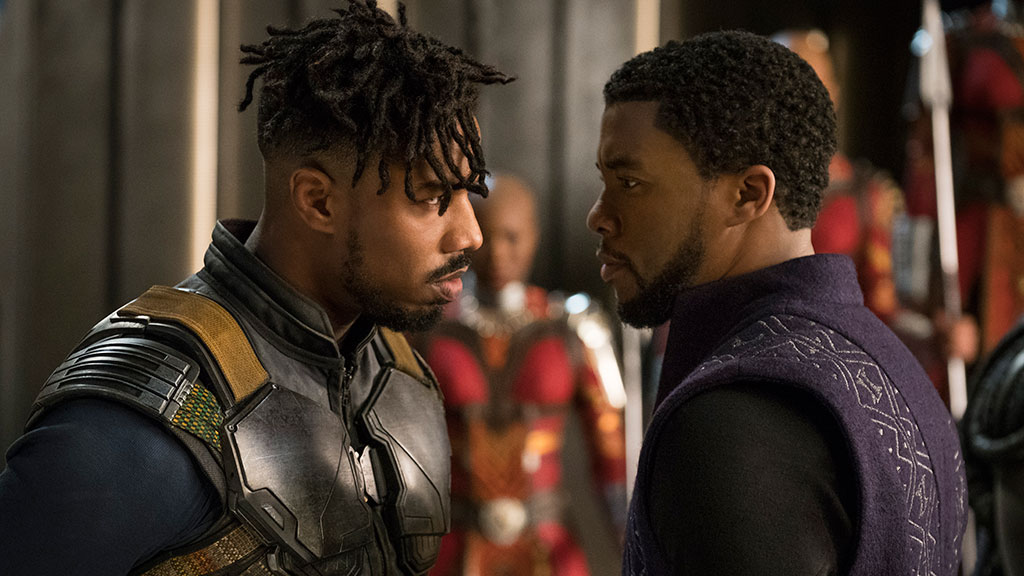
One star of the first movie who probably won’t be back for Black Panther 2 is Michael B Jordan, who played antagonist Erik Killmonger. Aside from the fact that Killmonger died in the first movie – not that that’s ever been a barrier to a character’s return in the MCU – Feige has said (as reported by CinemaBlend) that any reports of Jordan’s return are “pure rumor and speculation”, and that “nothing is set yet in any way”.
When asked by Jess Cagle on Sirius XM about the likelihood of a Killmonger comeback on a scale of one (never) to 10 (definite), Jordan said: “I’m gonna have to go with a solid two. I didn’t want to go zero! Never say never – I can’t predict the future!”
There’s no official confirmation yet on Wakanda Forever’s villain, but a Hollywood Reporter story said in November 2020 that Narcos: Mexico star Tenoch Huerta was in talks to join the Black Panther 2 cast as an antagonist.
Michael B Jordan probably won't be back in Black Panther 2 – but "never say never". (Image credit: Marvel)
Black Panther 2 plot: what do we know about the story?
When it comes to storylines, Marvel tends to operate on a strict need-to-know basis, so little is known for sure about the Black Panther 2 plot. Indeed, with Boseman having kept his cancer diagnosis secret, Coogler had originally worked on a script that would feature the star reprising his role as T’Challa. “I spent the last year preparing, imagining and writing words for him to say, that we weren’t destined to see,” Coogler said (via the Hollywood Reporter). “It leaves me broken knowing that I won’t be able to watch another close-up of him in the monitor again or walk up to him and ask for another take.”
What does all that mean for Wakanda Forever? Marvel’s December 2020 Disney Investor Day presentation said that the sequel “will continue to explore the incomparable world of Wakanda, and all of the rich and varied characters introduced in the first film” – a strategy reiterated by Feige in an interview with Deadline in January 2021.
“So much of the comics and that first movie is the world of Wakanda,” he said. “Wakanda is a place to further explore with characters and different subcultures. This was always and initially the primary focus of the next story. Ryan Coogler is working very hard right now on the script with all the respect and love and genius that he has, which gives us great solace, so it was always about furthering the mythology and the inspiration of Wakanda. There’s also the task of honoring and respecting the ongoing learnings and teachings from Chad as well.”
As far back as March 2018, Feige was aware of the potential of Black Panther’s supporting cast. “It’s a balance between leaving people wanting more and then giving them too much,” he told Entertainment Weekly. “I think Shuri’s astounding, and you’ll see much more of her in our universe. Okoye, I think I’d watch three action films of just Okoye. I’m not saying we’re doing that, but I’m saying that we’re intrigued by them.”
Lupita Nyong’o simply said (in an interview with Good Morning America) that Black Panther 2 will be “different” and that “all of us are dedicated to reimagining or carrying on his legacy in this new Black Panther”. Martin Freeman, meanwhile, teased in his James Corden interview that, “Some of [the script is] very odd, and I think [Ryan Coogler] could see by the reaction on my face some of the things he was saying… He kept on saying, ‘Stay with me, but this is going to work.’”
And although Wakanda Forever won’t feature T’Challa – though it will presumably address the character’s absence in some way – there’s a strong possibility the Black Panther 2 plot will introduce his successor in that iconic vibranium cat suit. In fact, there have been numerous rumors that Shuri – Wakanda’s answer to James Bond’s Q and T’Challa’s sister – will inherit the Black Panther mantle. After all, it’s already happened in the comics...
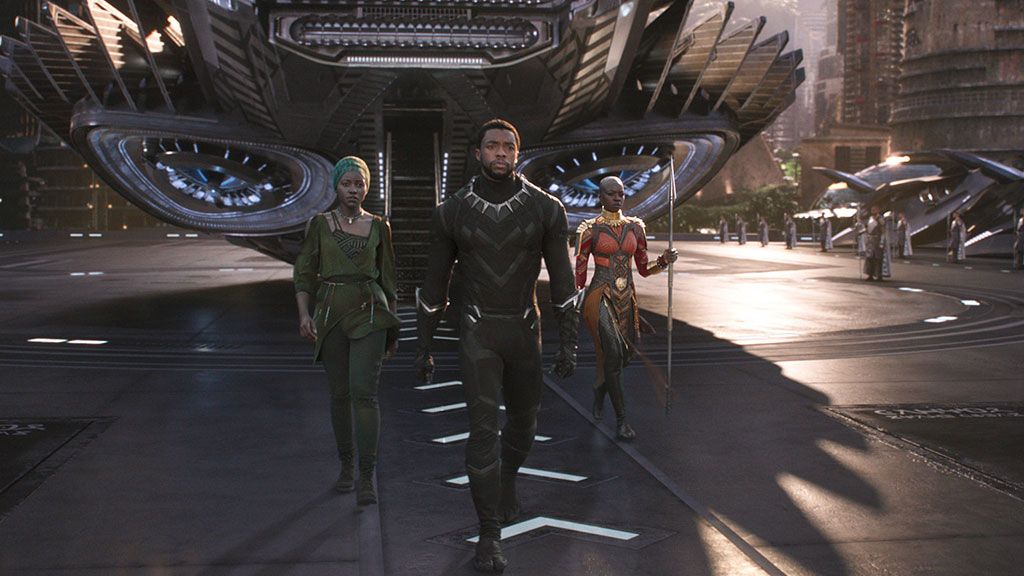
(Image credit: Disney/Marvel)
Black Panther 2 trailer: when will we see it?
With the Hollywood Reporter reporting Black Panther 2’s six-month shoot will get under way in Atlanta, Georgia, in July 2021, it’s still too early to see a Black Panther 2 trailer. In the meantime, however, you can fill that hole with the Stan Lee-narrated Marvel Studios Celebrates the Movies trailer that revealed the Black Panther 2 title: Wakanda Forever.
How will Black Panther 2 fit into the MCU timeline?
This is based on a great big if, but assuming that the Marvel Cinematic Universe release schedule isn’t radically altered again by Covid-19, Black Panther 2 will be the 30th movie in the most successful cinematic franchise of all time. It’ll follow Black Widow (July 2021), Shang-Chi and the Legend of the Ten Rings (September 2021), Eternals (November 2021), Spider-Man: No Way Home (December 2021), Doctor Strange in the Multiverse of Madness (March 2022) and Thor: Love and Thunder (May 2021) into theaters.
As for where Black Panther 2 fits into the MCU timeline, that’s something of a mystery, though we’re guessing it’ll take place somewhere after The Falcon and the Winter Soldier finale. After all, there was a strong Wakandan presence in the Disney Plus TV show, while Sam Wilson’s new Captain America suit features the African nation’s sophisticated technology. There are even rumors that Anthony Mackie might turn up in Black Panther 2 as the new Cap.
Mackie hinted in an interview with The Daily Show’s Trevor Noah that he’s working out to play Wilson again – a training regime that usually takes four months – in April 2021, while the star told Entertainment Tonight that: “I do have a Wakanda visa, so I can go to Wakanda as much as I want. I have a passport and a Wakanda visa and I'm vaccinated, so I can go to Wakanda.” The timelines check out with the Black Panther 2 production schedule, so don’t be surprised to see Mackie in Wakanda Forever.
While we don’t know exactly how Black Panther 2 will fit into the MCU timeline, it’s a good bet it’ll be setting up the new Wakanda TV spin-off Coogler is developing for Disney Plus.
And it’s important to note that we haven’t seen the last of Chadwick Boseman’s Black Panther. Feige confirmed to Emmy magazine (via CBR) that Boseman “came in about four times and recorded numerous episodes” of Disney Plus’s animated alternate reality What If…?. That's expected to debut on the service in the next few months.
Are you constantly missing deliveries because you’re out? Or maybe you’re fed up of being caught out by cold callers, and want a way of checking who’s at the door before you open it? You’ve probably heard that the best video doorbells are a handy solution, letting you converse with anyone on your doorstep from your smartphone.
However, if you’re not entirely sure how these handy smart home gadgets actually work, we’ll explain exactly how video doorbells work, where they store the video they record and how they can be integrated with the best smart home devices to automate your home.
Want to get your hands on a video doorbell now? Check out these great deals for some of the best on the market:
As well as letting you see and speak to whoever’s on your threshold if the doorbell is pressed (thanks to a built-in camera, microphone and speaker) smart doorbells will also act in the same way as the best home security cameras.
They’ll alert you if motion is detected in its field of view, so you’ll know if there’s any unwanted visitors to your property. They’ll even store the footage so you can go back and review it at a later date, providing peace of mind that your home is safe if you’re away for a few days or weeks.
Video doorbells have surged in popularity over the past four years, with one in four homes in the US owning one, according to research firm Strategy Analytics, and it’s not surprising as they really do make life a little easier.
Some are battery powered and can be installed with very little DIY expertise, such as the Ring Video Doorbell 3 Plus, while others, like the Arlo Video Doorbell are designed to replace an existing wired doorbell, and may require professional installation.
Some video doorbells even use artificial intelligence (AI )to identify whether it’s a person, animal or vehicle they’ve detected to prevent you getting notified every time a bush mildly wobbles in the wind.
It’s worth keeping in mind though, that most video doorbells require a monthly subscription to get the most out of them. This enables you to review footage after it’s happened, as well as access the smart features and functions designed to reduce unwanted alerts such as setting activity zones so you’re only alerted about motion in these areas of the camera’s field of view.
Could you bag a video doorbell bargain on Amazon Prime Day 2021? Here’s what we know about the event that’s coming soon
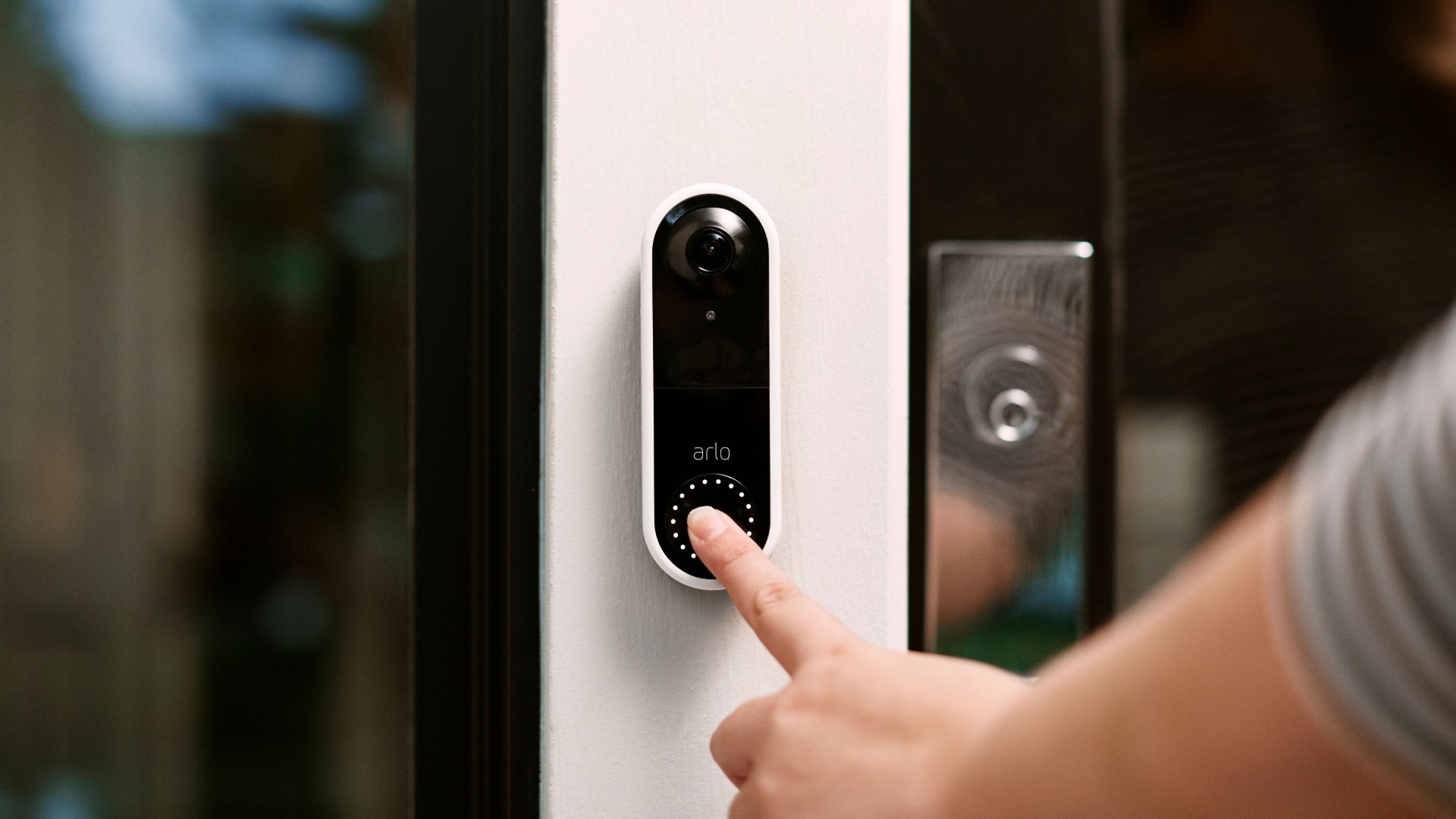
(Image credit: Arlo)
How do video doorbells work?
Video doorbells work in the same way as the best home security cameras; by using Wi-Fi to send a notification to your phone whenever motion is detected in the doorbell’s field of view, or the doorbell itself is pressed.
If you receive a notification, or you just want to see what’s happening at your home, you can use the companion app on your smartphone or table (or get a dedicated smart display) to log in to the doorbell’s camera and see who’s on your doorstep.
The doorbell’s built-in speaker and microphone allow you to converse with anyone in the camera’s field of view too.
Video doorbells also store the footage recorded when motion is detected or the doorbell is pressed so it can be reviewed back at a later date. This is handy if you couldn’t answer the alert at the time it arrived, but want to see who the caller was.
However, as we’ve already mentioned for many video doorbells, this does require a monthly subscription, which starts from $2.99 / £2.49 / AU$4.49 .
The Eufy Video Doorbell 2K is one of the few smart doorbells that doesn’t need a subscription, instead up to 16GB of video - around two week’s worth - can be stored on the bundled base station, so there’s no on-going cost.
Unwanted notifications about motion that turn about to be birds, the wind rustling through trees or pedestrians on the pavement can be frustrating, so many video doorbells also offer handy features to reduce these nuisance alerts; for example activity zones so you’re only alerted when motion is detected in these areas and AI that can identify whether an animal, vehicle or person caused the alert too.
Most video doorbells also offer integration with Amazon Alexa, Google Assistant or HomeKit, so they can be set to work with your smart speakers and smart displays; making a sound when the doorbell is pressed and letting you converse with whoever is on your doorstep.
In the case of smart displays, they can be used to view the doorbell’s feed too. Not all video doorbells work with all voice assistants, however, so make sure you check it will work with your current kit before you buy.
Which are the best video doorbells?
The video doorbell market is a crowded one with big names in home security including Ring, and Arlo competing alongside the likes of Google and Eufy. Some brands even offer a choice of models to choose from. We’ve rounded up out pick from each of the big hitters to help you choose.
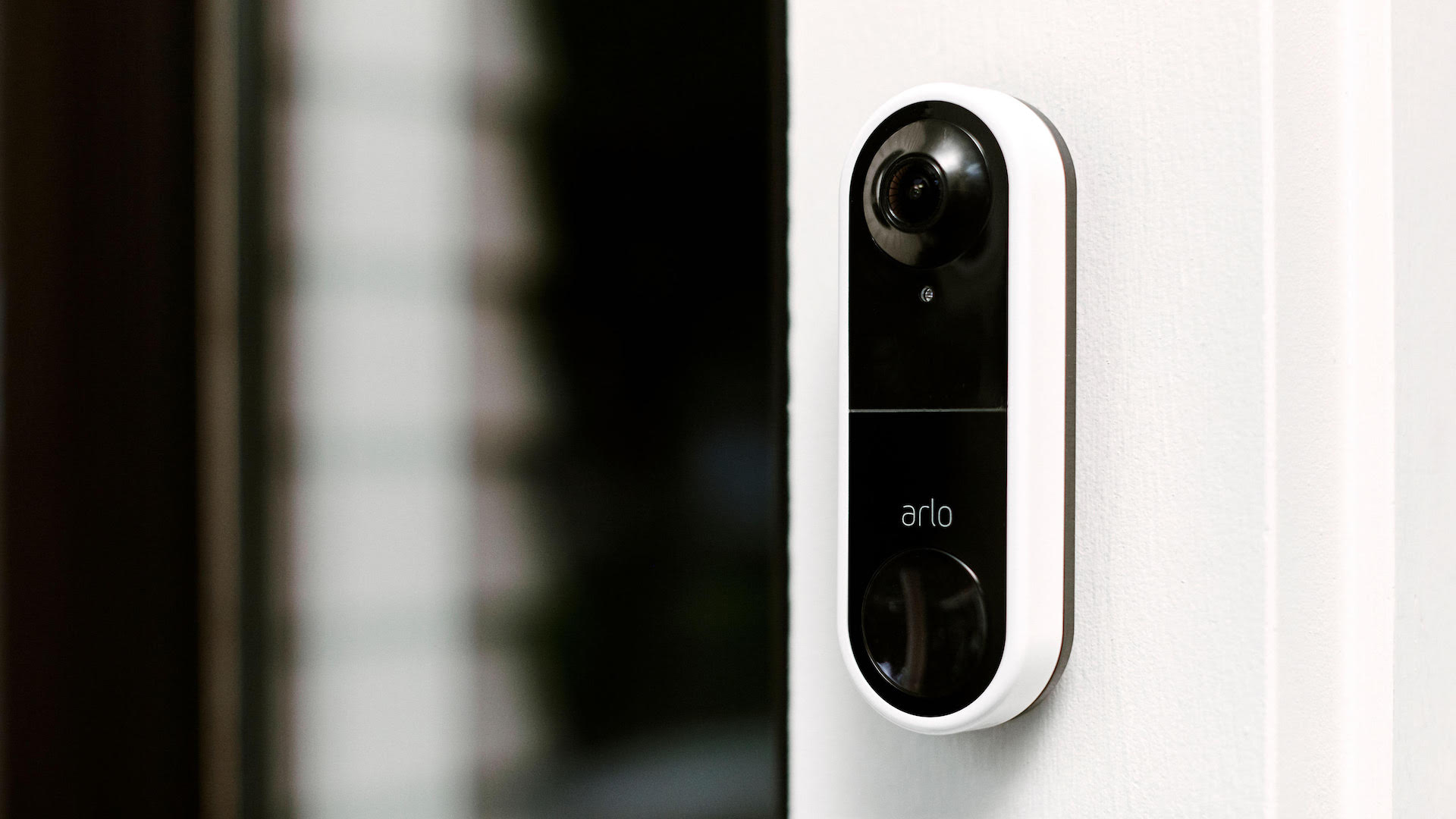
(Image credit: Arlo)
Arlo Video Doorbell Wired
Best wired video doorbell
Resolution: 1536 x 1536 | Footage recording: Unlimited video for up to 30 days with subscription | Audio: Two-way | Power: Mains
Detailed clear video
1:1 aspect ratio s
Support for Alexa, Google Assistant and HomeKit
Limited features without subscription
Complicated installation
In our eyes this is the best video doorbell you can buy, as it offers detailed video that lets you see the full length of anyone on your doorstep, support for all the major smart home platforms and even lets people leave a message for you if you can’t get to the door. However most of the features rely on subscribing to Arlo’s monthly services. Arlo also offers a battery-powered version, although that currently doesn’t have HomeKit support.
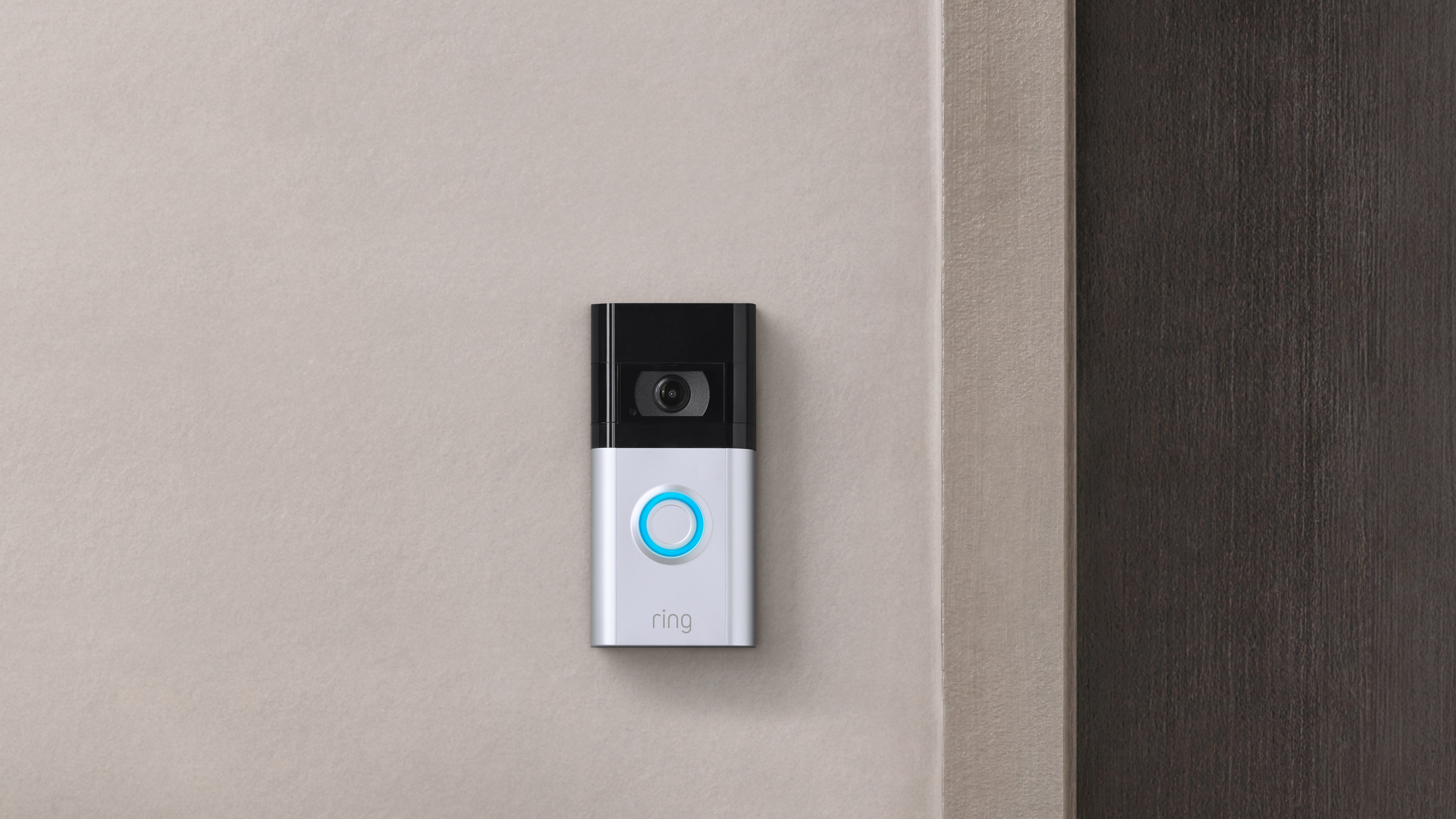
(Image credit: Ring)
Ring Video Doorbell 4
Best battery-powered video doorbell
Resolution: 1920 x 1080 | Footage recording: Unlimited video for up to 30 days with subscription | Audio: Two-way | Power: Battery
Clear video and audio
Can be battery-powered or wired
Pre-roll feature
Limited features without subscription
Lacks Google and HomeKit integration
Video doorbell giant Ring offers a host of different models, some of which are battery-operated while others are mains-powered. All of them make conversing with anyone on your doorstep simple, but it’s newest video doorbell looks set to be the best battery-powered offering yet. It offers detailed footage, including a color pre-roll feature that stores the four seconds of video before motion is detected so you have a clear pic, along with clear audio. On top of that, the battery is removable, so if you purchase additional batteries, it won’t be out of action when the battery runs out.
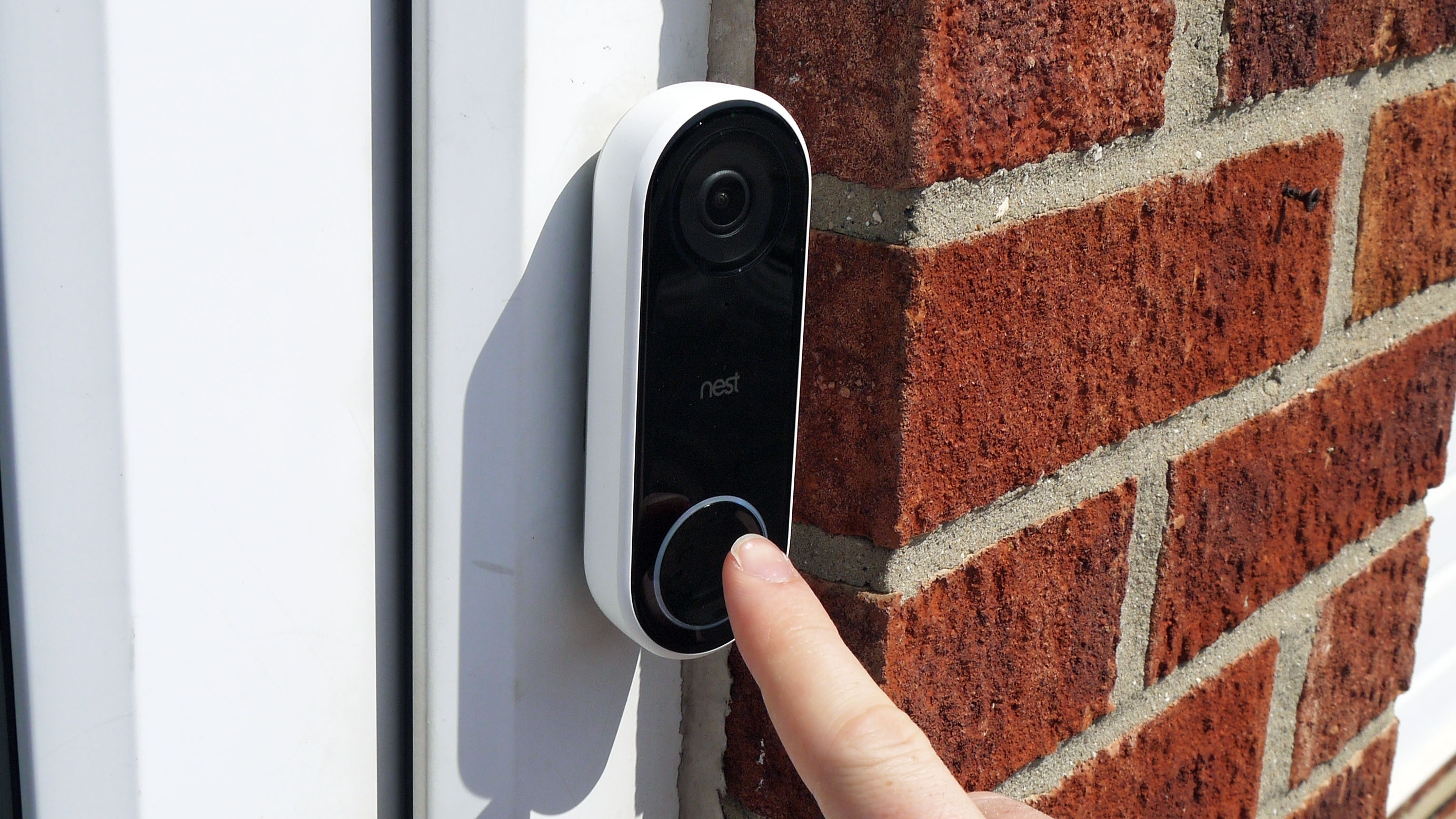
(Image credit: TechRadar)
Nest Hello
Best video doorbell with facial recognition
Resolution: 1600 x 1200 | Footage Recording: Unlimited video for up to 60 days with subscription | Audio: HD two-way | Power: Mains
Useful face recognition
Easy-to-use app
Clear video and audio
Subscription required for full features
Limited Alexa integration and no support from HomeKit
Google only offers one model of video doorbell at the moment, but it’s got something no other smart doorbell on the market has - facial recognition. It’ll captures the face of anyone approach the door and allow you to assign a name in the app. Next time they visit, the app will offer up a notification identifying them. It improves over time too. However, you do need a monthly subscription to get the most out of this doorbell and it only has limited Alexa integration, and no support for HomeKit at all, so is best suited to those that are properly embedded in the Google ecosystem.
(Image credit: Eufy)
Eufy Video Doorbell 2K (wireless)
Best video doorbell without a subscription
Resolution: 2048 ×1080 | Footage recording: 6GB of free local storage on base station | Audio: Two-way | Power: Battery
No monthly subscription required
Detailed 2K video
Simple installation
Delay in voice chat and video
Footage in bright scenes lacks detail
Some downtime to recharge
Eufy also offers a mains powered version of this doorbell, alongside a Full HD battery-operated model, but the Eufy Video Doorbell 2K represents the best value. Unlike other video doorbells we’ve tested, it doesn’t require a subscription as the detailed 2K video is stored on a base station that sits in your home. As it’s battery-powered, it’s best suited to renters or anyone without a wired doorbell. However, the doorbell will be out of action when it needs charging and we did find some delay when conversing with people on our doorstep.
Do video doorbells get stolen?
Like any item on the exterior of your property, there is a small possibility it could be stolen. Most video doorbells require screwing to the exterior of your property, so it certainly won’t be an easy task for them to be removed, but it could happen.
Ring video doorbells come with a security screw, which can only be removed by a unique type of screwdriver (included in the box) that can deter thieves. Ring also promises to replace any of its video doorbells that are stolen providing you contact them within 30 days of theft and provide the police report.
Cheap smart plugs are a major cybersecurity vulnerability and could easily be used by criminals to break into a person’s devices, or even home, experts are saying.
In a blog post, security firm A&O IT Group detailed its security analysis of two cheap and widely available smart plugs - the Sonoff S26 and the Ener-J WiFi.
These smart plugs, which can reportedly easily be obtained on Amazon, eBay and Aliexpress for as little as $10, can be used to obtain login credentials to the target’s WiFi network. This was made possible due to the fact that these devices communicate with the router via port 80, sending unencrypted HTTP traffic, as well as due to weak factory passwords.
Once the attackers obtain WiFi credentials, they’re able to connect to the target network and from there do all kinds of nasties, from receiving video and audio from laptops, controlling vulnerable smart devices, downloading sensitive data or even monitoring traffic from other devices.
They could also use the WiFi to download illegal material from the internet, or launch attacks on other users’ devices, with virtually no chance of being caught.
Setting up a guest SSID
This becomes even more concerning if the victim has things like smart door locks or video surveillance on the same network. In that scenario, an attacker would even know when the residents are out and about, and could even be able to break into the premises.
A&O IT Group says it has notified both Sonoff and Ener-J of the discovered vulnerabilities but is yet to hear back from either manufacturer.
To mitigate the issue, experts from CNX Software, are saying, the quickest way is to set up a guest SSID for the IoT gadgets, so that other important devices don’t share the same network.
Here's our rundown of the best antivirus solutions out there
from TechRadar - All the latest technology news https://ift.tt/3fcvW1T
Back in 2015 I proclaimed that Apple was going to make the world’s best running watch. I theorised that, while it was a mediocre smartwatch in 2015, it would get better and better and the apps would make it a real rival to the likes of Garmin.
“Should runners buy an Apple Watch this year? No way,” I wrote, smugly thinking I was clever and prescient, only for the next sentence to make me look like a fool in 2021. “For the same price you can get something hugely more useful from Garmin, Polar or even Adidas. But don't be surprised if you start seeing Apple Watches on the arms of competitors in 2017… or even on your own.”
Actually… maybe I wasn’t so far off (apart from the 2017 prediction). Sure, most enthusiast runners aren’t using an Apple Watch and are much more likely to slap a Garmin, Polar or Suunto on their wrist.
But not all - I get a lot of questions about whether an Apple Watch will hold up to a marathon (or even ultramarathon) and I’m able to happily say yes - it’ll go far longer than before, and the efficiency of the Apple Watch 6’s chip mean it’s the most efficient out there and a growing number of people are trusting Apple to get them through their burgeoning running career.
Back in 2015, I theorized that Apple would add GPS, elevation tracking, cadence and more - that the likes of Adidas, Nike and Strava would all develop great running apps to make the Watch a useful thing to have on your wrist when smashing the soles of your feet into pavement.
And, apart from cadence, it’s all appeared. Good GPS monitoring, rolling mile average speed, an impressive suite of fitness apps from Strava, MapMyRun, Nike and Adidas are all available on the Watch and are combined with one of the best smartwatch experiences day to day.
Music to my ears
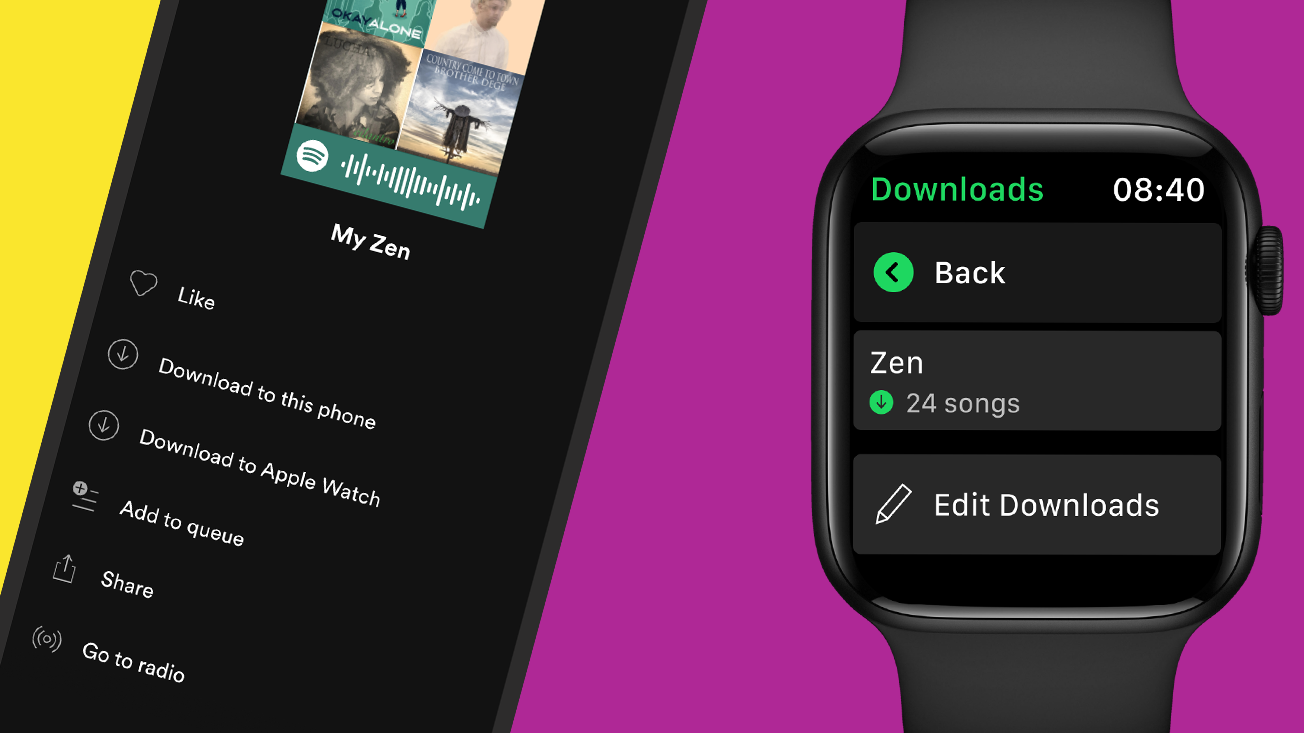
Spotify is finally coming to the Apple Watch(Image credit: Spotify / Apple)
So why was I not strapping the Apple Watch to my wrist every time I popped out for a speed interval session, lung-busting Thursday 10k or a disgustingly never-ending 20 mile trot? Well, there are a few reasons, but one of the massive ones was music playback when running.
I’m not an Apple Music subscriber, and this was the only platform to offer offline music (as in saving the music to your Watch so you didn’t have to take the phone with you on a run) unless you wanted to pay extra just to have a mobile data connection for your Apple Watch.
More popular running watches had grabbed a headstart in the music game. Garmin was already tied in with Spotify, meaning I could get all the music I want on my wrist, while also getting dozens of great fitness features that I use all the time. Apple’s might have the edge as an overall smartwatch, but it’s just too basic as a running watch and forced you to subscribe to its music service to get offline track playback.
But that all changed this week. Spotify offline music support was just added into the mix, so now I can download music to the Apple Watch 6, track my long runs with mile alerts, monitor my VO2 max levels and still get all the extra smartwatch elements (like hand washing monitoring, excellent mindfulness apps) and richer notifications.
Apple Pay is also a really useful feature on the wrist - no biometric authentication means it’s easy to pay for things in this pandemic-infused world. Garmin Pay is woefully under-supported in comparison, and these little misses can add up.
Make no mistake, adding offline Spotify support is going to be a massive lure for a lot of people who are starting to dabble with running and fancy investing in an Apple Watch. It’s been frustrating waiting for Apple to open its doors to offline support for third party apps, but now it’s here (with the likes of Deezer coming too) the Watch has really added another entertainment dimension when working out.
Still a long way to go
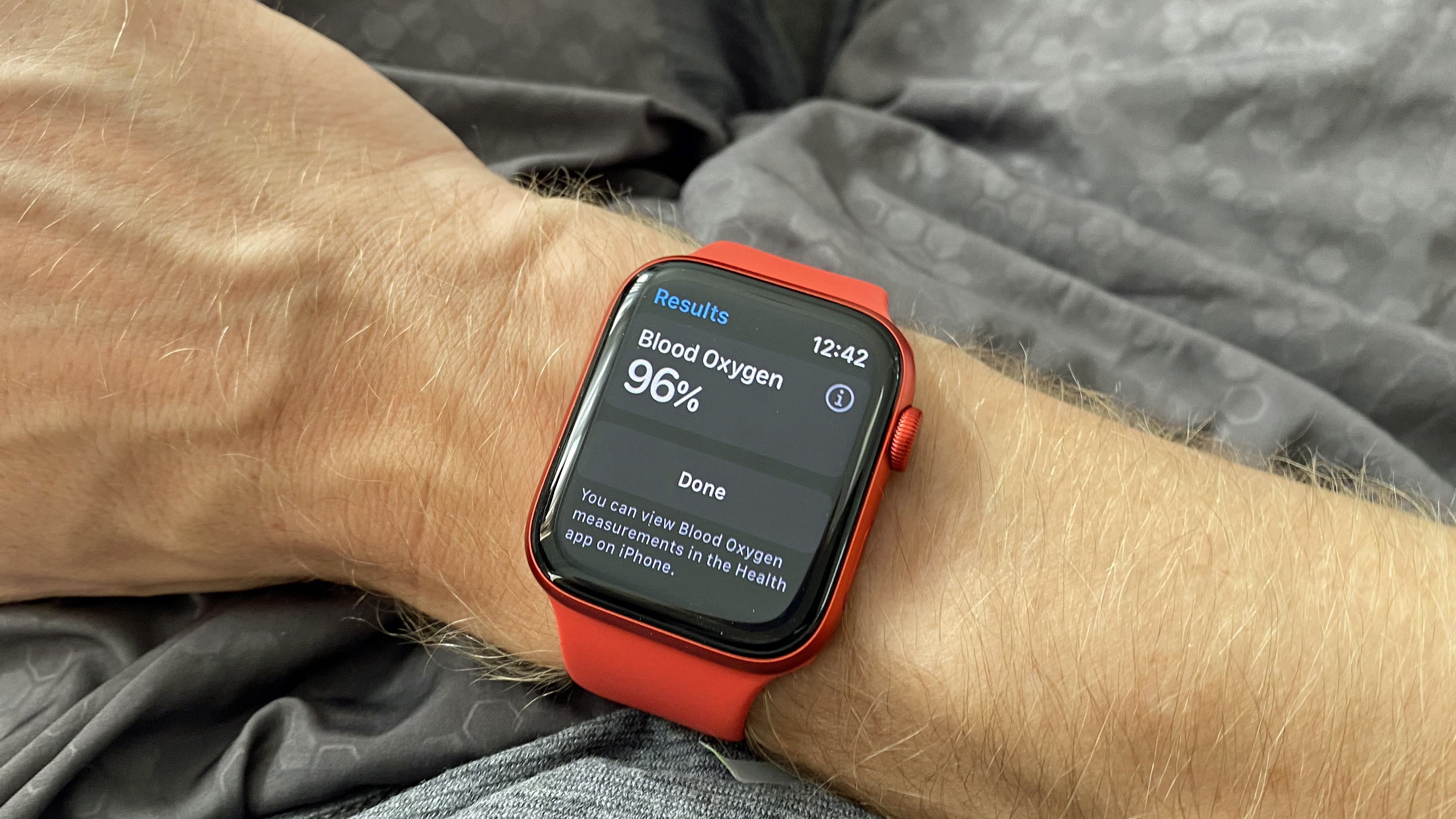
New 'fitness' features like blood oxygen monitoring aren't mind-blowing(Image credit: Future)
Let’s not get too excited though - Apple is still a long, long way from making the best running watch in the world. It firstly needs to get better battery life, add in more sensors and improve the daily stress, fitness and sleep tracking to give you a more holistic picture of your energy state.
And, for the love of all that is good and pure, it needs to bring in training plans to follow to help you get fitter. It would be so easy to do, but yet Apple lags behind so many other fitness watches that let you create your own interval sessions, spot changes to your pace and generally last way longer than a few of your runs.
These things are key if you’re doing more than a couple of runs per week, and it’s inexplicable that Apple hasn’t added in these more advanced features so far.
Suunto, Garmin and others have had this fitness-focused functionality for ages, and are getting pretty nifty with their smartwatch notifications too. Some are even adding in solar glass for longer-lasting battery life, for crying out loud, and I can’t see their position as the choice for ‘proper’ fitness lovers altering any time soon.
But Apple’s broken down a big wall by fully bringing the biggest music service on the planet onto its Watch platform, and while it’s taking years longer than I thought, the Apple Watch is definitely closing the gap to the embedded players in the fitness space.
Will it get to the position of best running watch out there? Perhaps - but maybe we’re just waiting for something like a top-level Apple Watch Pro before the competition with Garmin, Suunto and more will really get interesting.
Gareth Beavis is TechRadar's Running Man of Tech, testing the latest in fitness technology in a never-ending quest to run further and faster and bringing you the results in this column.