A decade after it was first announced and the NBN rollout has been declared complete, so the vast majority of Australians now have access to the National Broadband Network in some form.
Here, we’ll drill down on the best NBN plans currently on offer, whether you’re looking for the most affordable option, the highest speeds or the best overall value. Click the links below to jump ahead to the speed you’re after:
We’ve detailed our plan recommendations below, but before we get into that, we want to highlight some great deals that are currently available on NBN plans:
We’ve compared all NBN plans currently available and picked the best plan for each speed tier below.
There are a couple of caveats you should consider when it comes to the high-speed NBN 250 or NBN 1000 plans. These tiers are only available on two types of NBN connection – fibre-to-the-premises (FTTP) and hybrid fibre coaxial (HFC).
With NBN 1000 plans, while all FTTP connections can sign up for 1000Mbps, that speed will only work with a select subset of HFC installations – estimated to be roughly 7% of the total.
After facing some serious competition from Spintel last month, Tangerine has snatched the 'Best NBN 50 plan' title back with this choice deal. The internet provider is now slashing AU$15 off the plan each month for six months, so you’ll pay AU$54.90 each billing for the first half of the year. Tangerine offers a typical evening speed of 42Mbps on this plan – not bad for the cheapest NBN 50 plan on the market.
Total minimum cost is AU$54.90
Best NBN 100 plan
Our top choice for multi-user households and those who want a bit more speed
Spintel has edged out Tangerine this month with the best (and cheapest) NBN 100 plan we can find. You’ll get a discount on your first six months with the service, so you’ll first pay AU$74 a month before the price reverts back to the standard AU$84.95. Even once the initial discount ends, it’s still one of the cheapest options you’ll find in this tier. For the price, you’ll be getting a solid typical evening speed of 90Mbps.
Total minimum cost is AU$74
Best NBN 250 plan
If you need ludicrous download speeds, this one's a goer
The home-grown ISP Aussie Broadband has cut the cost of its NBN 250 plan down to AU$99 a month, making it the cheapest option available in this speed tier. For the price, you can expect typical evening speeds of 248Mbps, which is close to maxing out the connection. The discounted rate will hold for your first six months, after which you’ll pay the standard price of AU$129 each billing. To redeem this offer, use the code FAST30 at checkout.
Total minimum cost is AU$99
Best NBN 1000 plan
The fastest you can get, but only available in select locations
While this isn’t the cheapest plan in this insanely fast speed tier – that honour goes to MyRepublic – we would argue that it’s one of the best you can get. Aussie Broadband is currently offering its NBN 1000 plan for AU$119 a month, which is a saving of AU$30 each billing. That price is available for your first six months with the telco, after which it bumps up to the regular cost of AU$149 a month – use the code FAST30 to redeem the offer.
Total minimum cost is AU$119
Best NBN plans: major telcos
If you’re looking for an NBN plan from one of Australia’s three major providers, these are our plan recommendations:
This is a rare – though admittedly small – discount on Telstra’s NBN 50 plan. New customers will get a six-month welcome discount, which will save you AU$60 in total on the premium NBN plan. You can expect unlimited data with typical evening speeds of 50Mbps – enough for the average household looking to stream in HD, and enjoy responsive gaming. Sign up online to have your connection fee waived, and stick with the service for 24 months to get the Telstra Smart Modem for free (usually AU$216).
Total minimum cost over 24 months is AU$2,100
Not the right plan for you? Check out our full comparison of all Telstra’s NBN plans.
If you’re looking to go with a trusted telco, but are hoping for a competitive price, then this NBN 50 plan from Optus offers value for money. For AU$75 a month, you’ll get unlimited data and typical speeds of 45Mbps during the busy evening period. Optus Sport is also included as standard, and the telco’s modem comes with 4G backup. You’ll need to pay a AU$99 start-up fee, but if you stick with Optus over 36 months, you won’t have to pay for the modem (usually AU$252).
TPG is a favourite for delivering solid, reliable speeds at a bargain price. The ISP typically ranks well in the Australian Competition and Consumer Commission’s (ACCC) quarterly report, delivering typical evening speeds of 48Mbps. If you sign up for six months, TPG will waive the usual AU$99 setup fee. However, note that a AU$10 modem delivery fee applies. While this plan is much cheaper than what’s on offer from the big telcos, be mindful that you could face a contract payout fee of up to AU$350 if you decide to leave early.
Want to see other broadband options? You can use our broadband plan finder to compare a huge range of Australian NBN, broadband and cable plans!
NBN FAQ
NBN connection types: what you need to know
Australia’s NBN was first proposed as a high-speed network of fibre-optic cable that would reach every home in the country. Following a change in government, that’s not what we've ended up with, with the final rollout combining a mix of old and new technologies.
While the NBN is made up of a multi-technology mix, it’s important to know that you don’t have a choice in what technology is available to you. Different connection types have been built in different areas, so it’s entirely dependent on where you live. Below, we lay out the connection types across the network, and what they mean.
Fibre-to-the-premises (FTTP)
FTTP is a fibre-optic line that runs directly to your home, and therefore is the best type of connection you can have. It requires a device to be installed in your home, and is what was originally intended for every household in Australia when the NBN was first announced.
Fibre-to-the-building (FTTB)
An FTTB connection is most commonly used for connecting apartment blocks and similar buildings to the NBN. In this instance, a fibre-optic line runs to the building’s communications room, and existing technology such as copper wiring is used to connect each apartment from there.
Hybrid fibre coaxial (HFC)
An HFC connection uses existing pay TV (Foxtel) or cable network as the final connection to households. The HFC line will run from your home to the nearest available fibre node.
Fibre-to-the-curb (FTTC)
FTTC is when the fibre-optic cable extends a little closer to your home by connecting to a distribution unit located outside on the street. From there, it uses the copper phone line to run the last leg into your home.
Fibre-to-the-node (FTTN)
The majority of Australian households – around 4.7 million – are using FTTN technology. This connection type uses existing copper phone wire to make the final connection to the home from a central node in your neighbourhood. The distance of your home to the node will affect the average speeds you can reach, so if your home is more than 700m from the node, it’s not advisable to choose an NBN 100 plan.
Fixed Wireless
Fixed Wireless connections are used to reach regional and remote areas. Homes in these areas will access the NBN from a transmission tower through an antenna installed on their roof.
Sky Muster satellite
The NBN’s Sky Muster satellite technology is also used to reach regional and remote communities. It requires a satellite dish to be installed on the premises, to which the NBN is received through satellite.
Other factors to consider
It’s important to note these recommendations do not take into consideration other factors which could make certain deals a better option for you. For instance, do you already have a Telstra or Optus mobile plan and home phone line? If so, sometimes combining them with their respective NBN plans could save you some money.
When applying for a new NBN deal, make sure you’re not already signed up to a contract you can’t get out of – most contracts are on 12 or 18 month terms, so it’s important to contact your current provider before committing to anything else.
Another thing worth noting is some services may not be available in your area. If a particular deal seems good to you, head over to the provider’s website to find out if it’s available at your address.
from TechRadar - All the latest technology news https://ift.tt/3rUNKmx
While they started out as somewhat of a gimmick, Bluetooth earbuds have become all-but ubiquitous for everyday use. To begin with, the audio quality was almost always poor, but thanks to increasing development in Bluetooth standards as well as codecs like aptX, wireless earphones are now some of the best available.
Regardless of whether you're interested in the increased range of motion you can achieve by cutting the cable or are turning to Bluetooth audio because your phone has ditched its 3.5mm audio jack, you're in luck! All the best consumer brands – Jaybird, Plantronics, Apple, Jabra and more – are lending their weight to the cause so we can keep listening to top-notch audio, cable-free.
While the neckband-style wireless earphones have had their popularity cemented, the likes of the Apple AirPods and other truly wireless Bluetooth earbuds have changed the game once more. Don't worry, we'll explain the differences shortly.
It can be tricky to choose a pair with so much variety out there, but thankfully TechRadar has been painstakingly reviewing these earbuds over the years and have a solid idea of what's worth the dosh. On this page, we'll take you through the best wireless, Bluetooth earphones on the market right now so you can find exactly what you want.
Best true wireless earbuds in Australia 2021 at a glance
Sony WF-1000XM3
Sennheiser Momentum True Wireless 2
Beats PowerBeats Pro
Bose QuietComfort Earbuds
Jabra Elite 75t
Jaybird Vista
Lypertek PurePlay Z3 (Tevi)
Apple AirPods Pro
Apple AirPods (2019)
Jabra Elite 85t
Microsoft Surface Earbuds
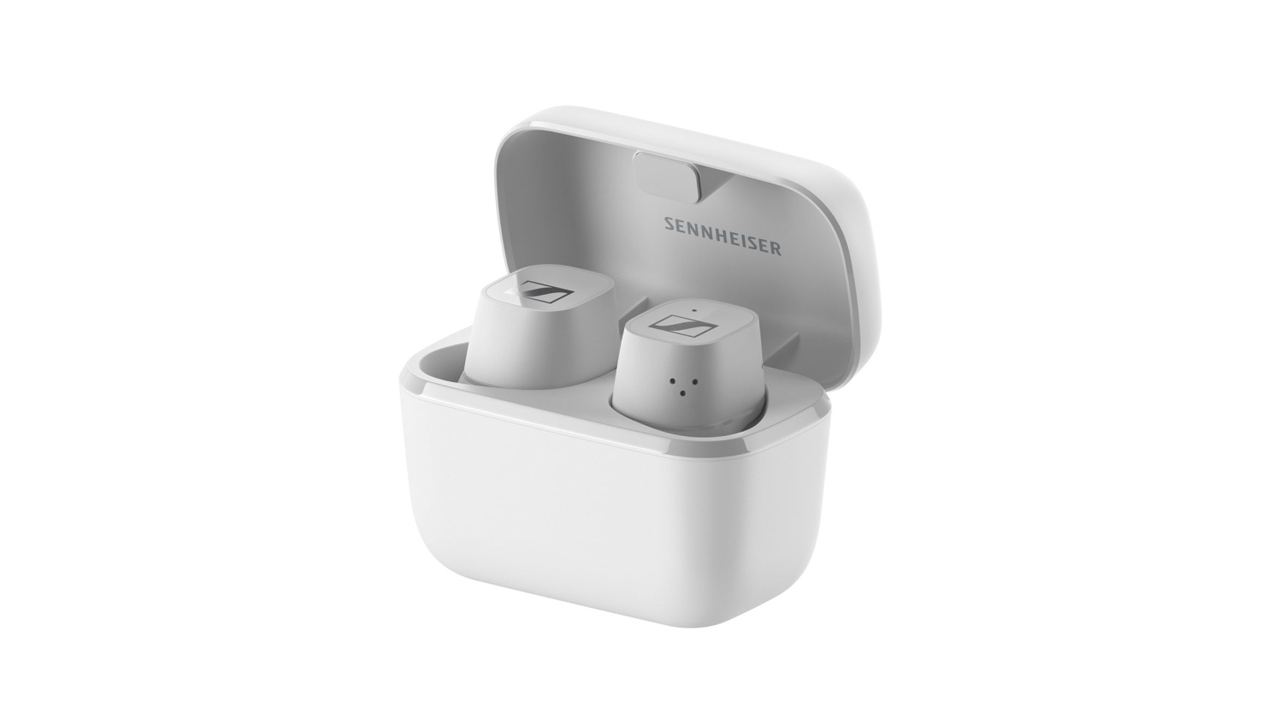
Sennheiser CX 400BT True Wireless
Best Bluetooth earbuds in Australia 2021 at a glance
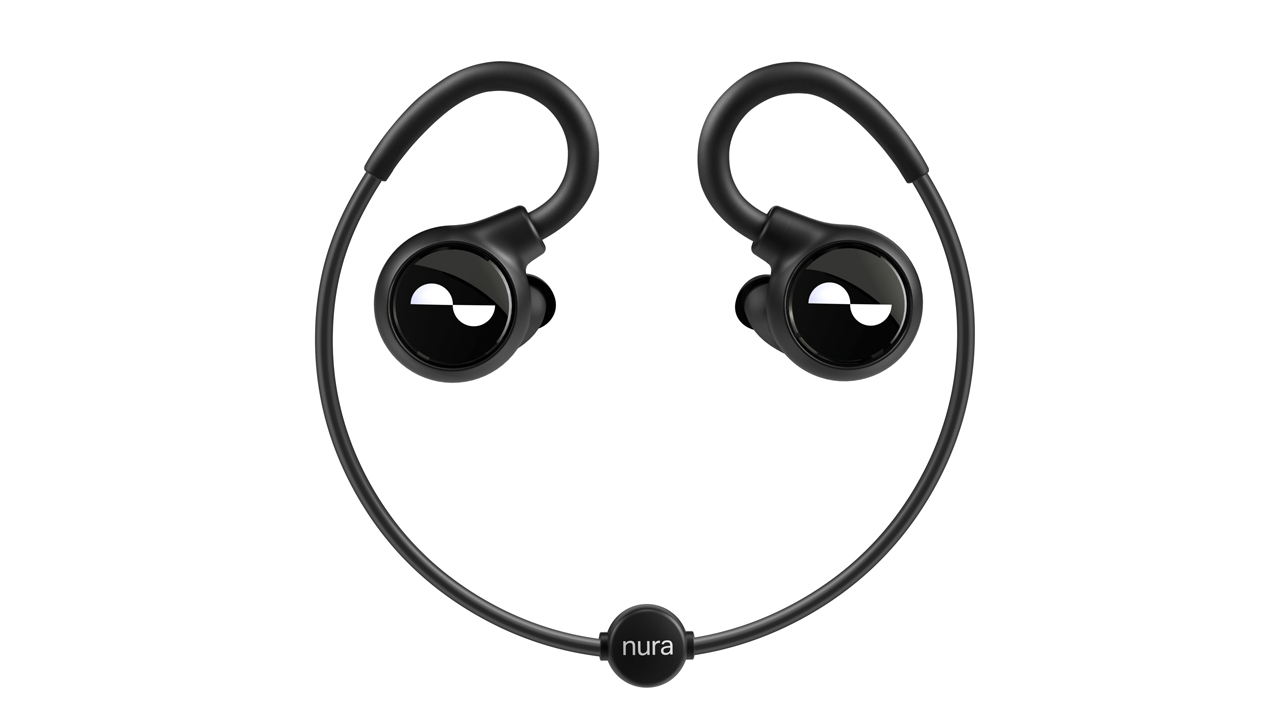
NuraLoop
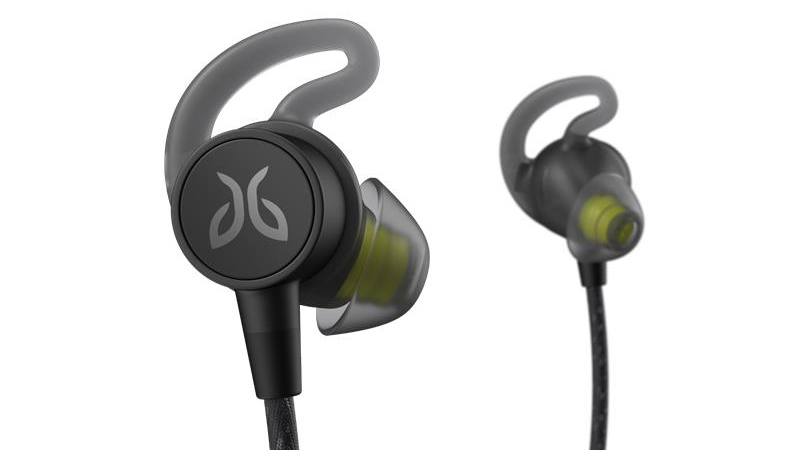
Jaybird Tarah Pro
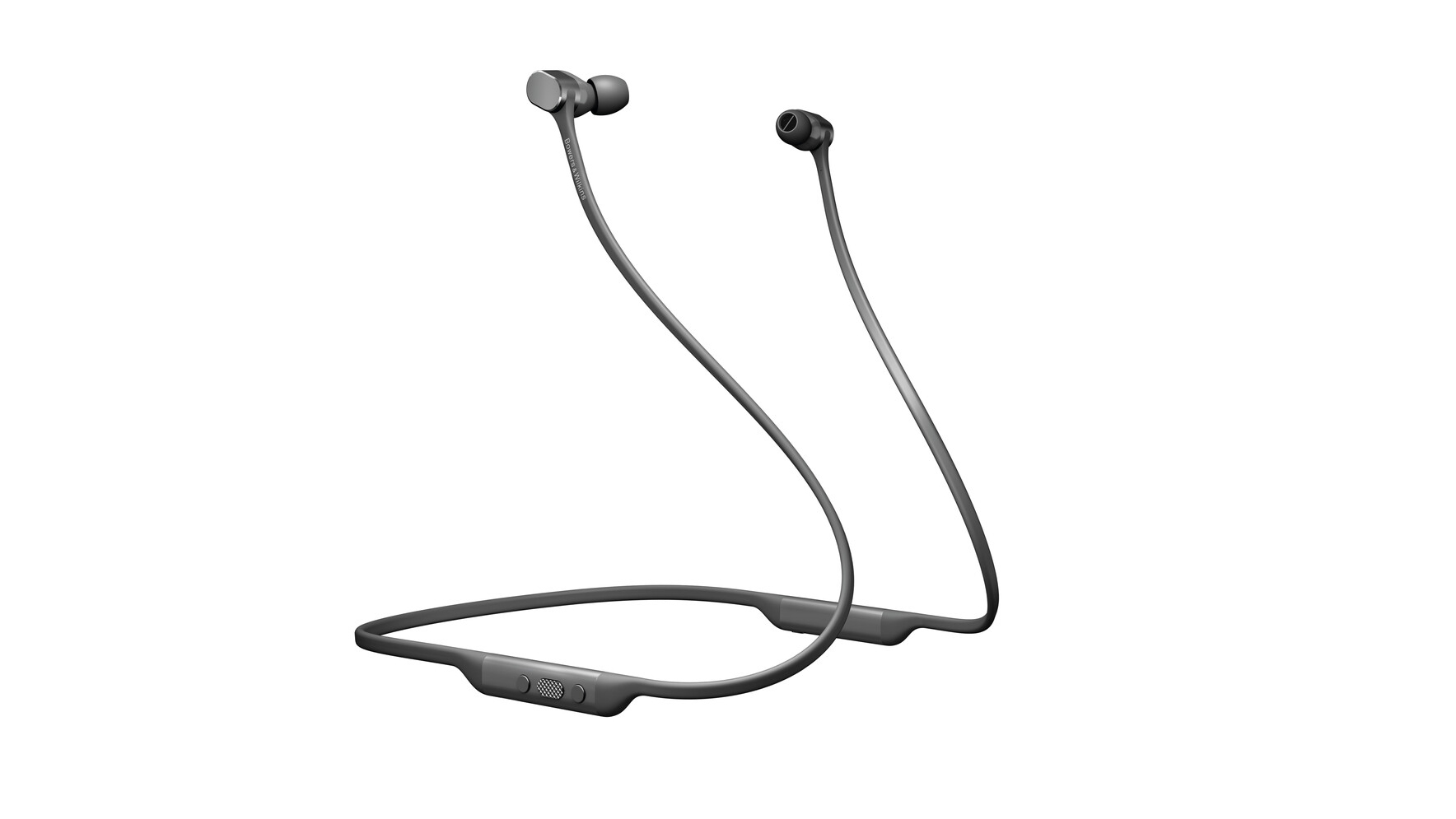
Bowers & Wilkins PI3
Jaybird Tarah
Beats X
Wireless earbuds vs true wireless earbuds
Before we dive too deep down the rabbit hole, we should cover the whole true wireless vs wireless discussion happening in the audio world right now.
Wireless headphones have existed for some time now, basically since Bluetooth as a standard was invented.
For years they went largely unrecognised by the audio community because Bluetooth, despite being ultra-convenient, didn't do the best job transmitting music at a high enough resolution. That changed with the advent of aptX - a codec that allowed for higher bitstreams at lower latency.
While aptX was changing the game for the whole of the audio community, audio manufacturers were working on an entirely new form factor: True Wireless.
True Wireless Headphones have no cord whatsoever. While wireless allows us to wear headphones a few feet away from our music players, True Wireless cuts the cord between the earbuds, giving us true freedom.
This round-up primarily focuses on the former, but, if you're looking to go full wireless, we also have a round-up of the best true wireless headphones to help you live that cord-free lifestyle.
The best true wireless earbuds
Sony WF-1000XM3(Image credit: Steve May)
1. Sony WF-1000XM3
Ace noise-cancelling, stunning audio and compact style
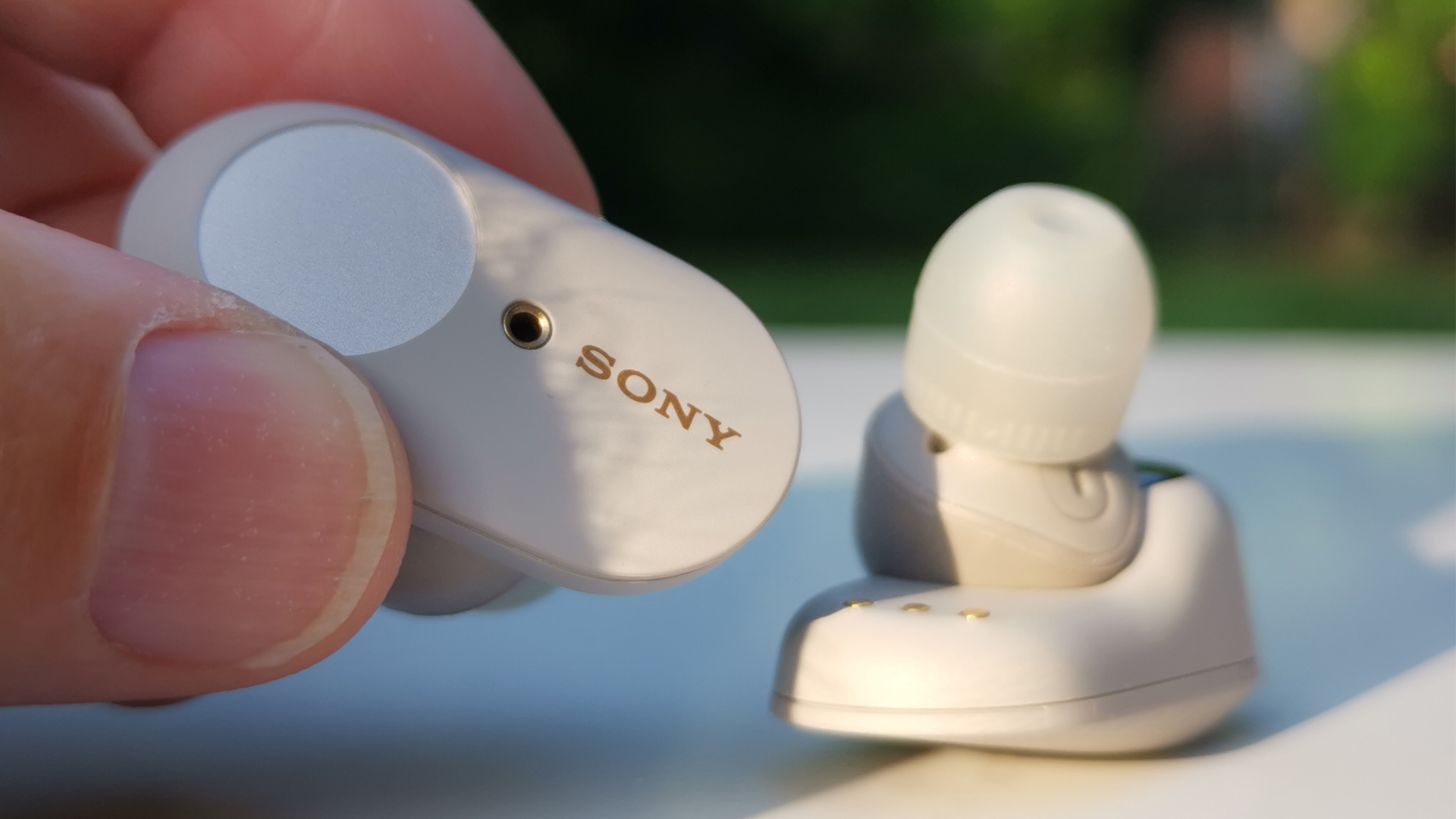
Sony's fabulous WH-1000XM3 noise-cancelling headphones have gotten a true wireless counterpart, and they're every bit as solid as their over-ear siblings.
With state-of-the-art noise-cancelling, a crystal clear yet warm audio signal, and an impressive 24-hour battery life (when using the ANC and recharging with the case), these earbuds are worth every dollar spent on them. They also avoid the foibles of many other non-Apple true wireless buds by establishing a connection between each bud and your device individually, thus dodging the sometimes flaky signals that result from a single primary bud having to connect to both your device and a secondary bud.
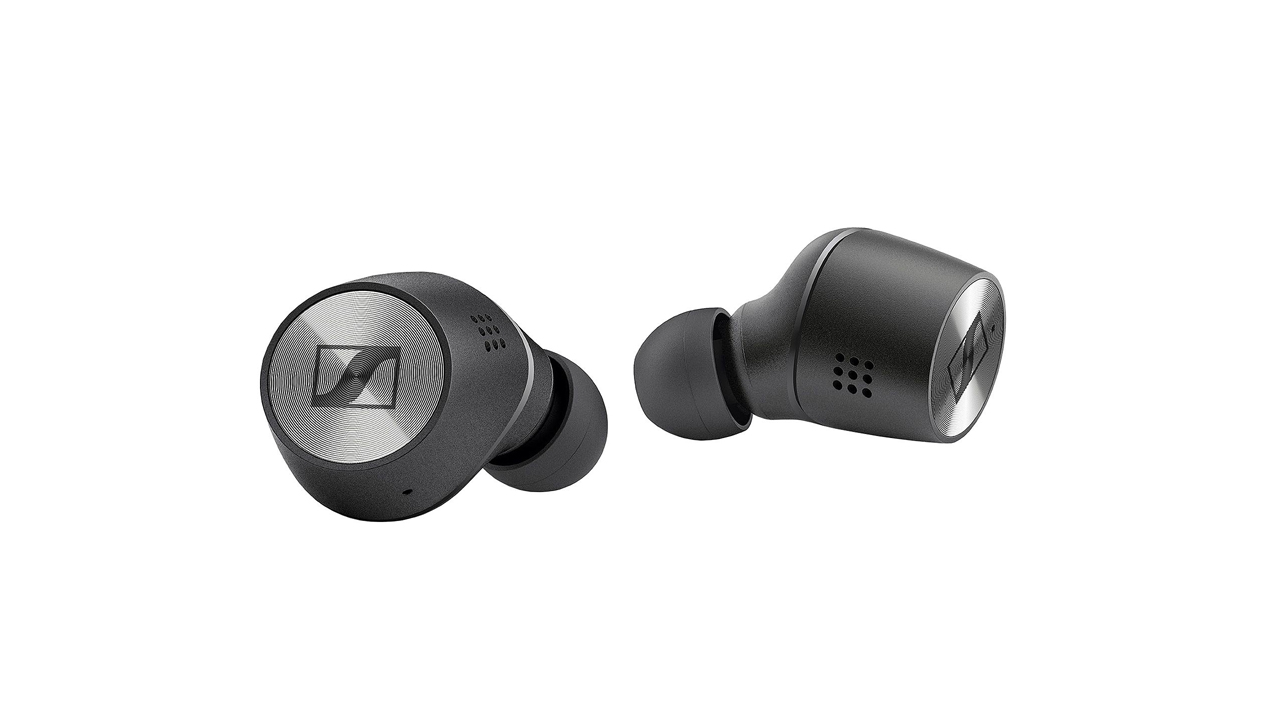
Sennheiser has pretty much knocked it out of the park with these wireless earbuds, offering great noise cancellation alongside smart looks and stunning sound.
The sound quality, battery life, and design of the Sennheiser Momentum True Wireless 2 are truly brilliant – and they're a really good alternative to the Sony WF-1000XM3, particularly if you prefer a more flashy design to adorn your ears.
We did find that those with smaller ears sometimes find them a little uncomfortable, however, and their high price just stops them from beating the Sony WF-1000XM3.
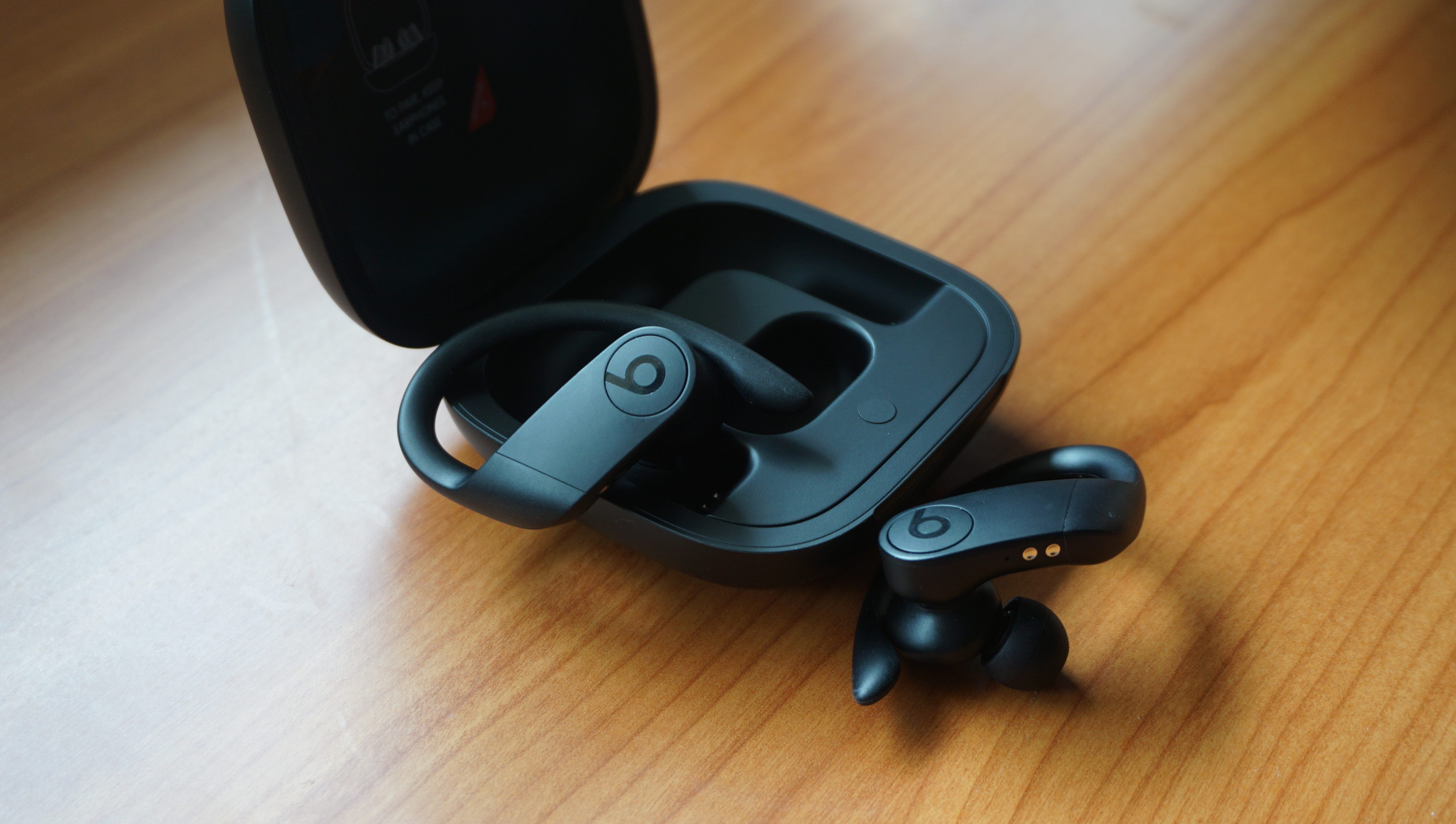
For those rocking an iPhone, the simplicity of pairing with the AirPods was a joy, but now you can have that same ease-of-use but with true wireless earbuds made to be pumped at the gym.
With one of the most secure fits to date, the PowerBeats Pro are sure to stay in your ear when you're sweating it up, and the IPX4 resistance makes sure that sweat won't break your buds. The sound is typically punchy, as is the style of Beats, and very suitable for modern electronic, hip hop and similar genres. In most ways, these are in improvement on the AirPods, and even feature the same smart H1 chip that helps with pairing and allows for on-board Siri communication.
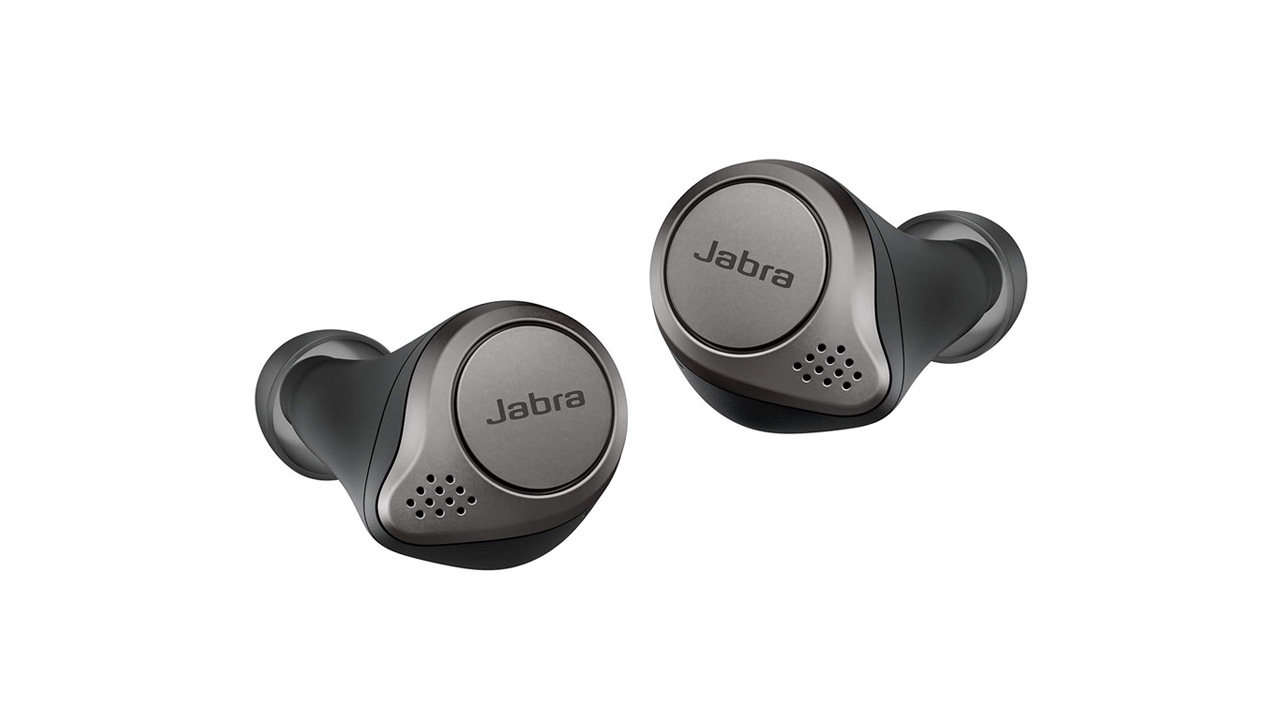
The Jabra Elite 75t improve upon their predecessors, the Jabra Elite 65t, in just about every way – except for tonal balance.
The headphones and charging case are much smaller, battery life makes an immense jump, catching up to the competition, and the customization features we enjoyed in the 65t remain.
While they don't have the best sound quality, they now have noise-cancelling thanks ot an update and can be found significantly cheaper than the more recent Elite 85t (lower on the list). This makes the Jabra Elite 75t a solid pair of true wireless headphones to use, especially if you make frequent calls with your headphones on.
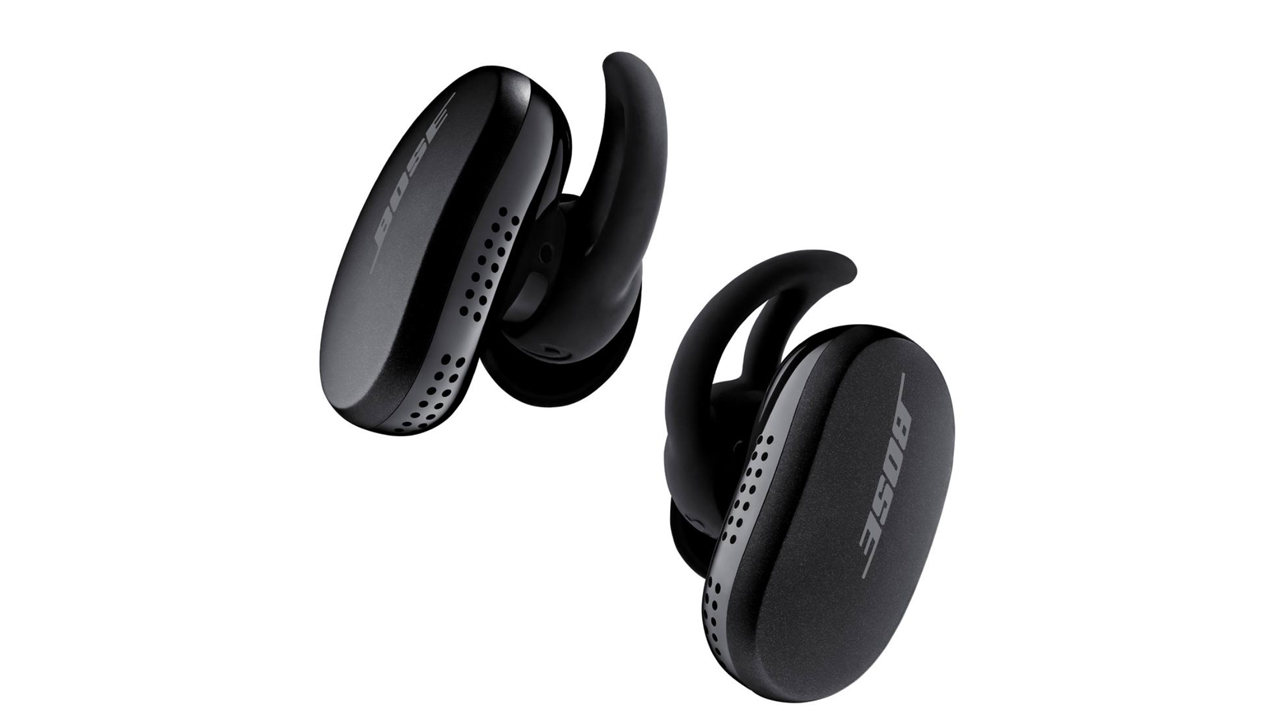
It’s Bose’s second attempt at a set of true wireless headphones, and the QuietComfort Earbuds are leaps and bounds better than the older SoundSport Free. Not only is the design a lot better, but the noise cancellation is also exemplary. Sound quality is also really very good – albeit a touch less bassy as compared to Sony – with superb clarity. They’re incredibly comfortable and well balanced too, despite their bulky form factor.
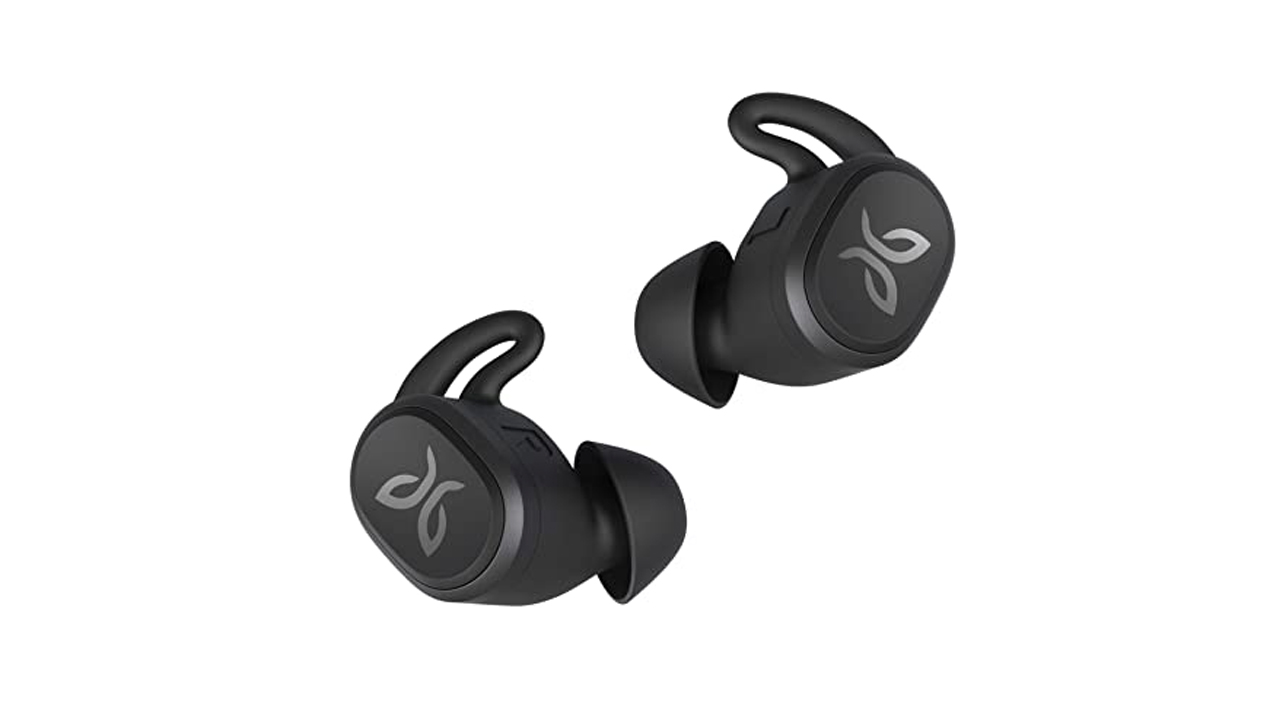
The Jaybird Vista earbuds are some of the best true wireless headphones out there – and it's not hard to see why. With a sleek, compact design, and features squarely aimed at real and budding athletes – with the ability to appeal to the less committed fitness nuts among us too.
Coming off the back of the Jaybird Run True – and waterproof Run XTs – the Jaybird Vista earbuds are highly compact fitness earbuds with the water and sweat resistance to deal with all levels of indoor and outdoor workouts. As true wireless earbuds, too, you won't find any cables getting in your way.
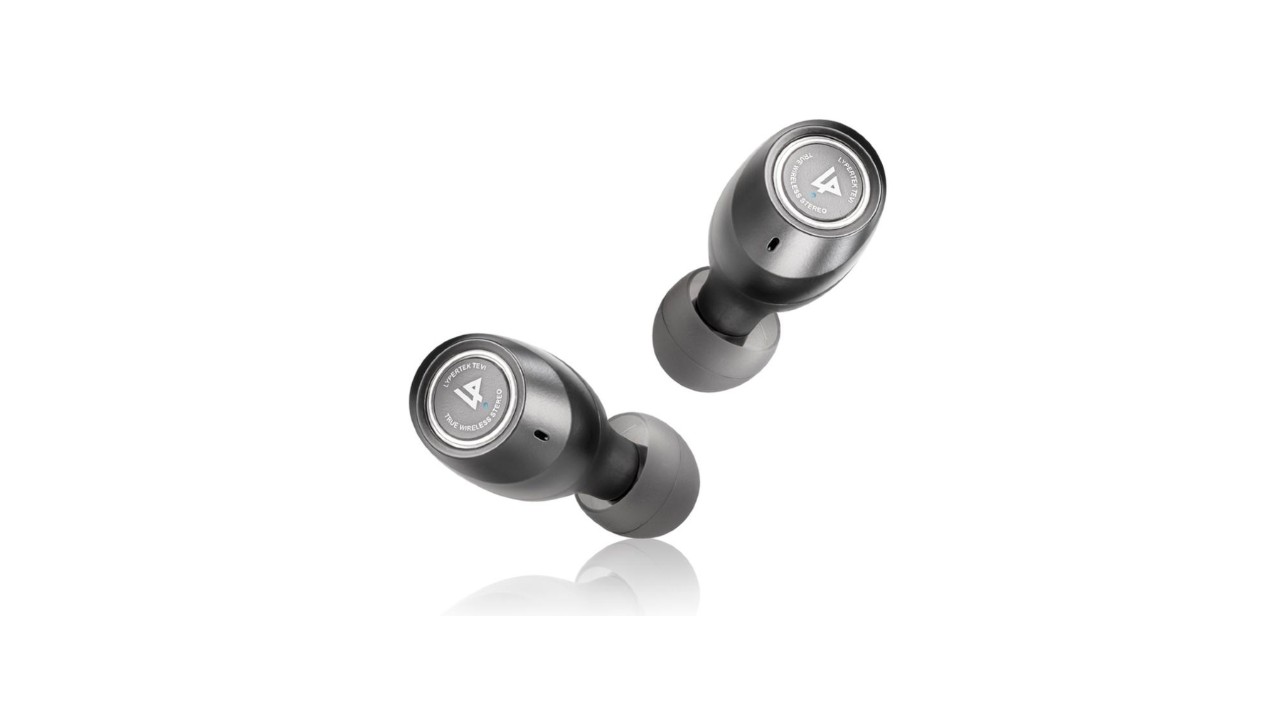
You may not have heard of up-and-coming audio brand Lypertek yet, but expect to hear a lot from it soon – its Lypertek PurePlay Z3 (formerly known as Tevi) true wireless earbuds are among the best we’ve tried, especially given the low price tag.
With USB-C charging, a well-balanced sound, lengthy battery life, and waterproofing, it ticks every box you could ask for, from what are basically a pair of budget wireless earbuds. The Lypertek Pureplay Z3, surprisingly, might just blow you away, punching well above their weight and rivaling the best wireless earbuds from some of the biggest audio brands on the planet.
Acoustic design: Closed | Weight: 5.4g | Frequency response: 20-20,000Hz | Drivers: N/A | Driver type: Dynamic | Sensitivity: N/A | Impedance: N/A | Battery life (on-board): Up to 5 hours | Battery life (charging case): 24 hours | Wireless range: N/A | NFC: Yes
Good noise cancellation
Better fit than AirPods (2019)
Good for tracking hearing health
More expensive than better rivals
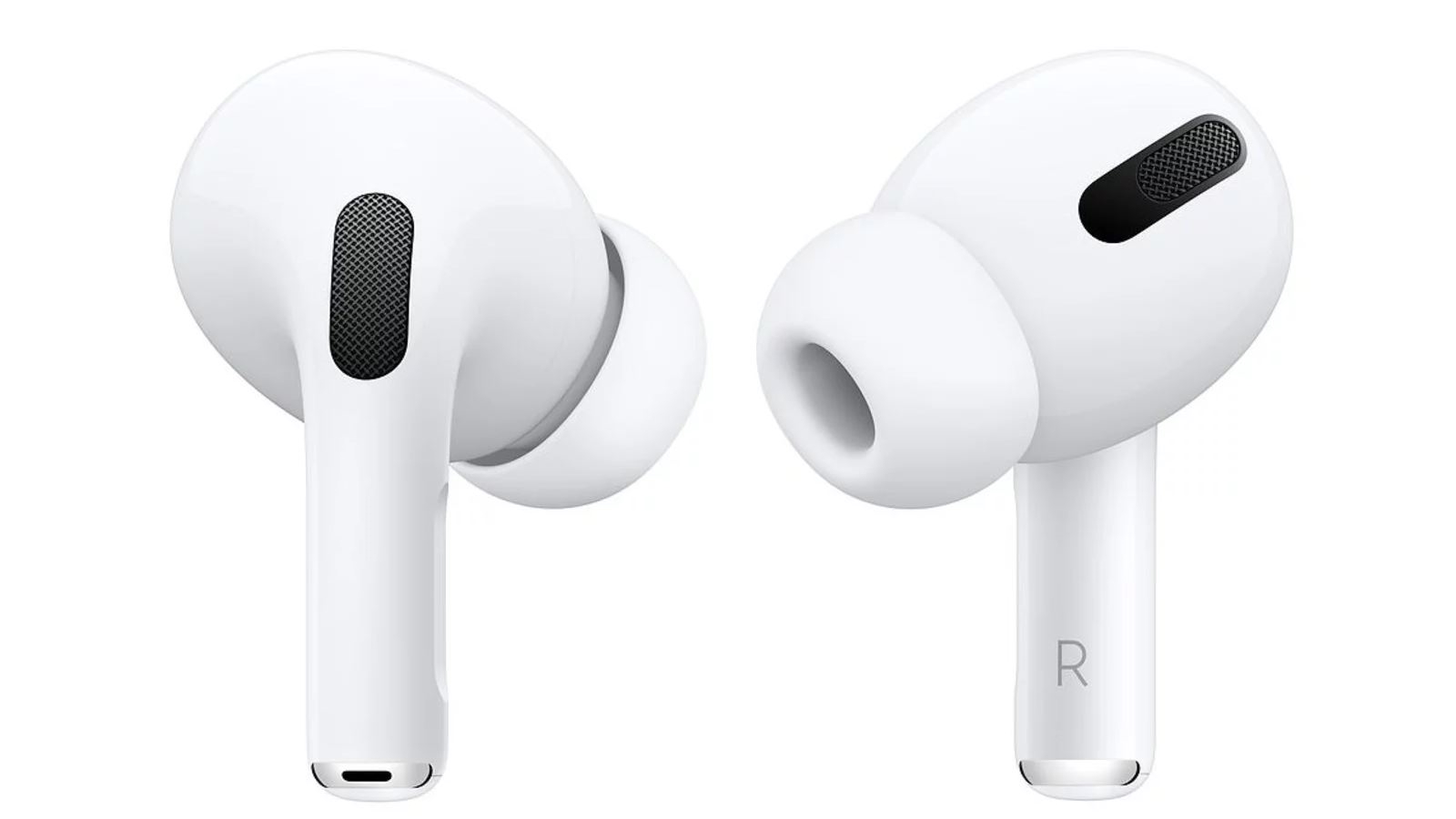
Apple's most recent true wireless earbuds bring active noise cancellation, a (finally) much better fit, and an improved design, in a bid to lure more iPhone users into the true wireless fold.
However, at AU$399, they’re pretty pricey too, and as such can’t be called the very best wireless earbuds out there.
That said, if you’re an iPhone user looking for some well-fitting earbuds with strong sound quality, you could do a lot worse than the new AirPods - the redesign means they’re far less likely to fall out, and the additional microphones provide strong noise-canceling (particularly when commuting), as well as a useful Transparency mode, which really does let the outside world in.
The sound quality of the AirPods Pro has certainly improved since the previous iteration – there’s a notable emphasis on vocals and bass, meaning these earbuds are better for pop fans than those that enjoy a more natural presentation that lends itself to classical music or more orchestral sounds.
There's also a new auto-switching feature means that the AirPods can now "magically switch over between devices", detecting automatically which device you are using.]
Acoustic design: Open-back | Weight: 4g (38g with case) | Driver type: Dynamic **Battery life (on-board):** 5 hours | Battery life (charging case): 20 hours | Wireless range: 10m | NFC: No
Faster pairing
Wireless charging
Hands-free ‘Hey Siri’ functionality
Wireless charging case costs extra
Audio hasn't improved
Identical design to the originals
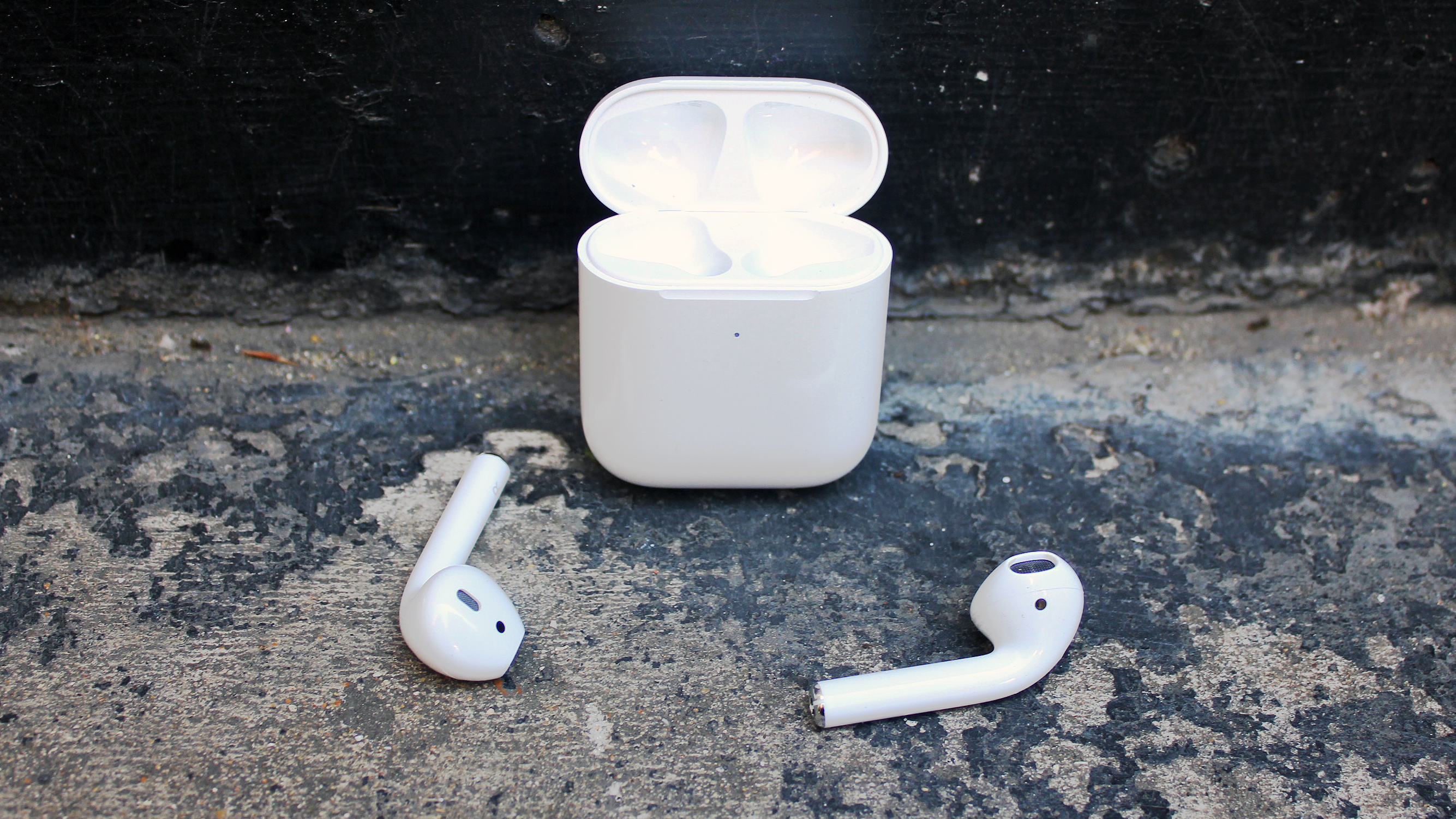
The second generation Apple AirPods, the AirPods (2019), aren't quite the AirPods 2 we were hoping for, but they still boast some cool features.
They still sport the iconic design of the original AirPods (a good or bad thing depending on your point of view), and sound quality hasn't changed at all. The bulk of the upgrade comes from the new H1 headphone chip, which improves connectivity and battery life, and allows for a new ‘Hey Siri’ voice activation feature.
The AirPods (2019) also come with an optional wireless charging case, which means you can use a Qi-compatible charging mat to power the case, rather than sticking a cable into the Lightning charging port in the bottom of the case.
Like their predecessors, they are super easy to pair, but they are very much optimised for using with iPhones and are somewhat pricey.
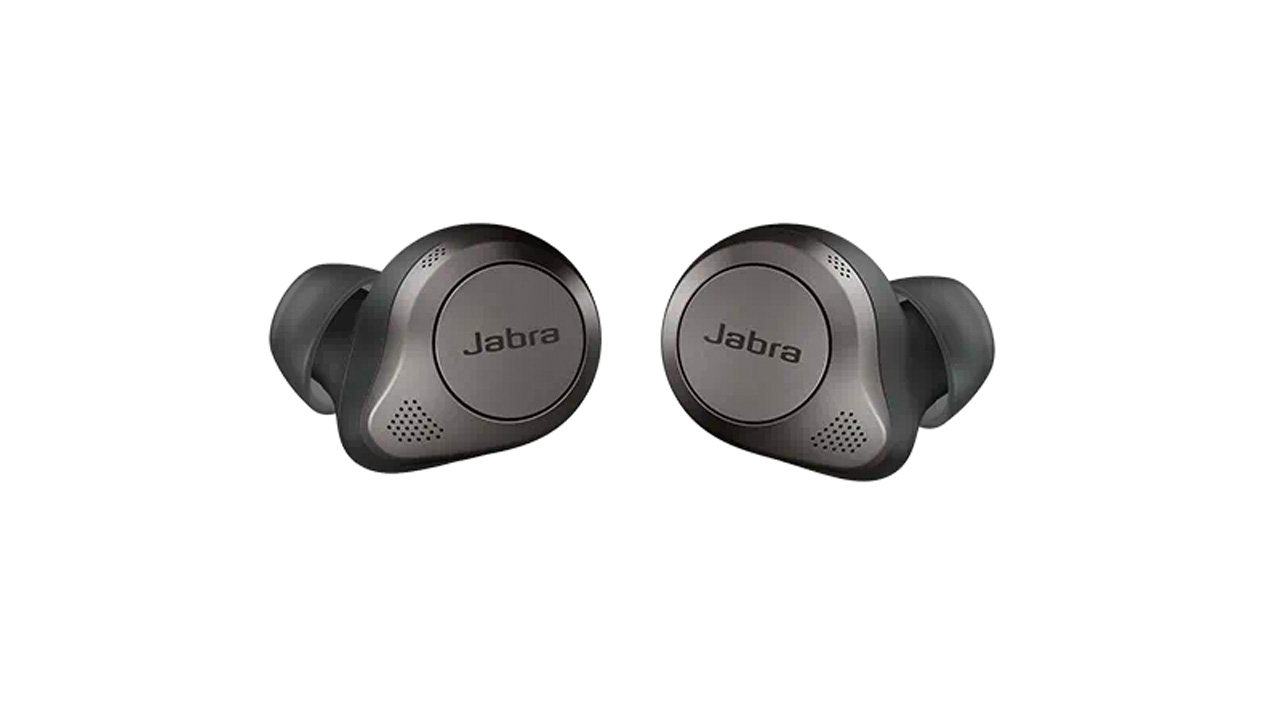
While they don’t quite cut it like their predecessors owing to a slightly bulkier design, the Elite 85t deliver impressive performance thanks to some great audio quality, effective noise cancellation and decent battery life.
Audio has been vastly improved thanks to a new pair of 12mm in-built speakers, which are twice the size of those on the 75t buds and offer a wider and more well-balanced soundstage. This, alongside even deeper bass, adds more depth to your favourite tunes.
With that said, we still think the 75t is currently a better option with its lower price and slimmer design, but if audio fidelity is your main focus the 85t are worth a consideration.
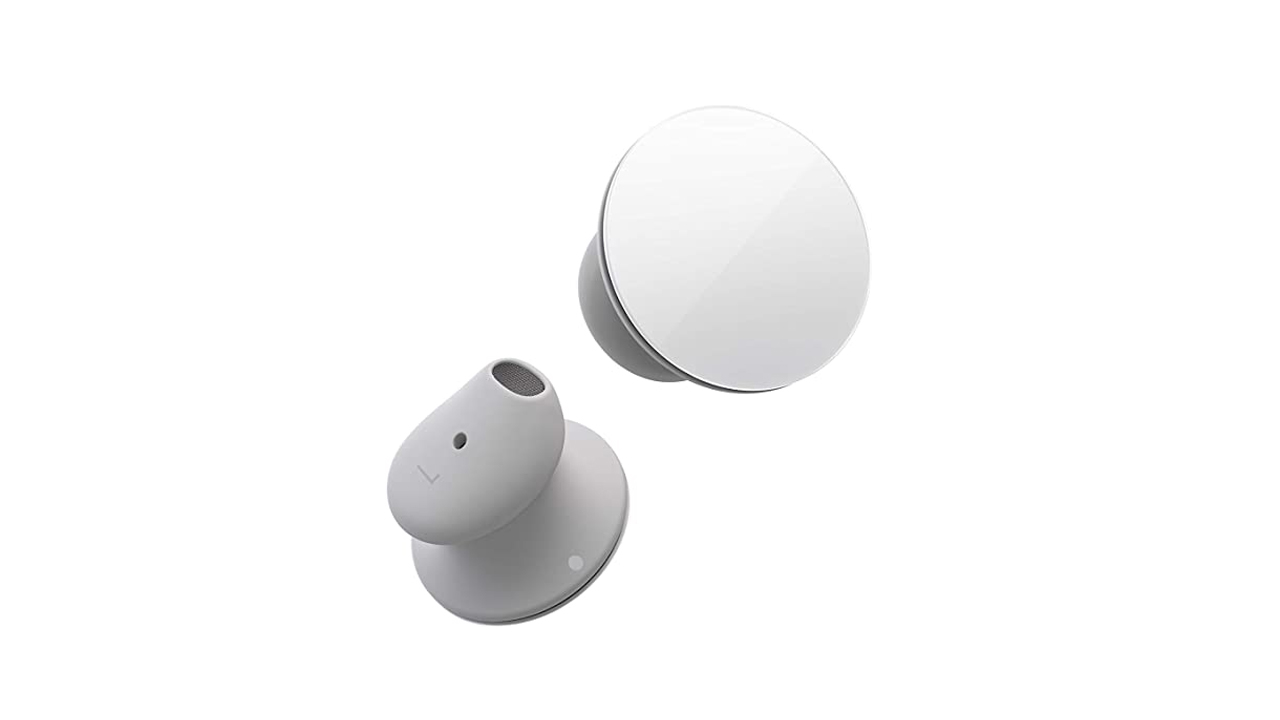
In terms of features, the Surface Earbuds cover off most - but not all - of what we’ve come to expect from a premium pair of true wireless in-ears: they have app-based adjustable EQs, aptX Bluetooth connectivity, and responsive touch controls. Plus they play impeccably nicely with virtually the entirety of Microsoft’s hardware and software ranges. They don’t have active noise-cancellation, though, and the way they fit means they let ambient sound leak in.
Sound is served up by relatively large full-range drivers. Of course, ‘relatively large’ could, in another life, be the Surface Earbuds’ official model name: a 25mm diameter is big by in-ear standards, 7.2g is heavy by in-ear standards and their charging case isn't exactly slim, either.
Despite these big numbers, though, the Surface Earbuds prove comfortable and secure in situ, for hours on end. The ‘twist-to-fit’ arrangement keeps them nicely steady, even during mild exercise.
Overall, the Surface Earbuds are a very welcome addition to the ever-increasing list of worthwhile true wireless in-ears, and while their distinctive looks won’t be for everyone, they deliver in the only two areas that count: functionality and sound quality.
Having established its credentials as a high-end true wireless earbud front-runner with two generations of its Momentum True Wireless, Sennheiser’s now turned its attention to the less rarefied area where Apple, Microsoft, Sony and all the rest duke it out. At £169 / $199 / AU$299, the CX400BT are pitched right into the thick of the action.
Happily, the CX400BT are specified to compete. They have aptX Bluetooth connectivity, with SBC and AAC codecs catered for too; they have app-based EQ adjustment; they have responsive touch-controls (which can be customised in the app); and they can be operated using Google Assistant or Siri.
NuraLoop boils down the essence of the company's first product, the Nuraphone, into a much more compact, rugged, and affordable package, and doesn't lose much in the process.
The star of the show is its adaptive audio technology, which automatically determines a listening profile for the user and feeds them well-balanced, lush sound as a result.
On top of this, features like active noise-cancelling, social mode, an IPX3 rating, Immersion mode, a great battery life, and the ability to attach an analog cable for 3.5mm headphone jacks makes this pair of wireless earbuds truly shine.
While Jaybird has consistently offered some of the best bang-for-your-buck Bluetooth 'buds, the sport-centric company's first foray into 'Pro' territory proves that they're not just for the conscious.
Improving on almost everything that made its predecessors great, the Jaybird Tarah Pro offers excellent sound (tweakable via the simple Jaybird app), great comfort and fitting options, and all the conveniences you'd come to expect in the ultimate pair of wireless in-ears, such as a 14-hour battery life, magnetic driver housings, and a rugged design.
The Bowers & Wilkins PI3 are the first neckband wireless earbuds for the company, and they're a great start. Well-designed, comfy, and simple to use, they sound really good, too.
Thanks to dual drivers, these buds sound fantastic, with crisp highs, lively mids, and plenty of powerful bass. Look past the fairly unremarkable battery life and limited features, and you'll be mostly very impressed by what these offer.
While we've put the Pro version in at first place, the budget alternative offers an equally compelling package for a different reason.
Weighing it at around half the price of the Tarah Pro, these trimmed-down buds offer much the same core experience (excellent and customisable sound with a rugged, sports-centric design) as their more expensive brethren. You will be losing a considerable amount of battery life (down to 6 hours) and some of the niftier features, but if you're conscious then the discount will more than make up for it.
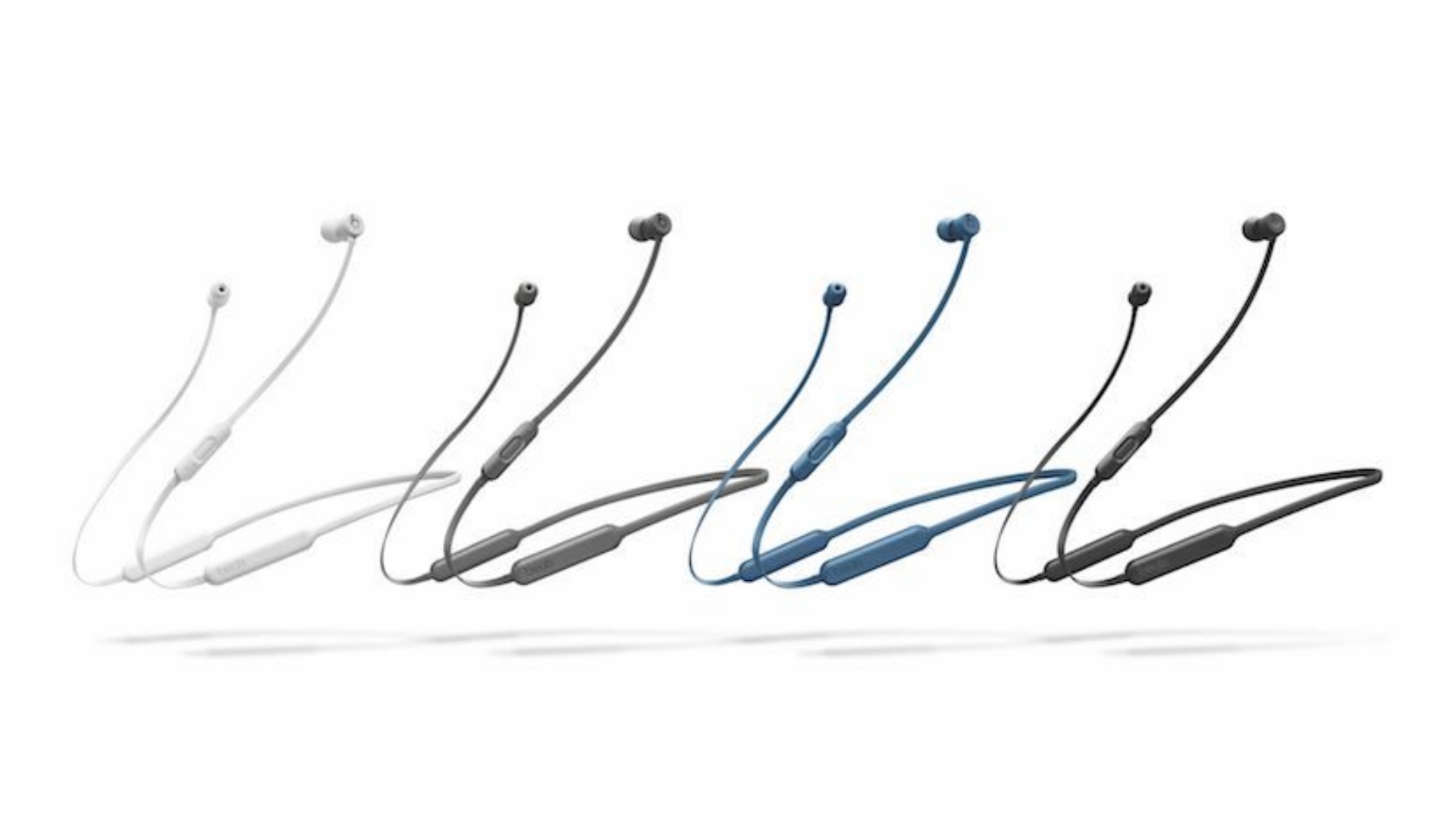
There will always be those who are ready to complain about the sound performance of Beats headphones, but the inclusion of Apple's proprietary W1 chip has been a boon for the strength of their wireless connectivity.
Functionally that makes these wireless earbuds a joy to use (with Apple products, at least), just don't expect the most detailed or broad soundstage. If you’re shopping for a no-fuss pair of earbuds that charge in 5 minutes and don’t mind spending a little extra money on them, the Beats X are for you.
Whether you're a student looking for a new laptop, or a parent looking to kit their kid out with the tech they need for their studies, there are plenty of challenges to overcome in the vast sea of solid options.
One of the major considerations, for both student and parent alike, is to find a laptop that doesn't cost the planet, but simply finding the cheapest available machine isn't likely to be a worthwhile investment either way.
Thankfully, here at TechRadar, we get to review a vast majority of the laptops that hit shelves, and in doing so we get a great idea of the products that are worth their asking price – particularly when it comes to paying for features and specs that actually matter.
With that said, below are our recommendations on the best value laptops for students, no matter your budget and needs, we'll have a laptop to meet the demands of your study (and wallet).
Best student laptops in Australia 2021 at a glance
Apple MacBook Air (M1, 2020)
Dell XPS 13 (Late 2020)
Microsoft Surface Go 2
Lenovo IdeaPad Duet Chromebook
Microsoft Surface Laptop Go
HP Chromebook 14
Microsoft Surface Laptop 3
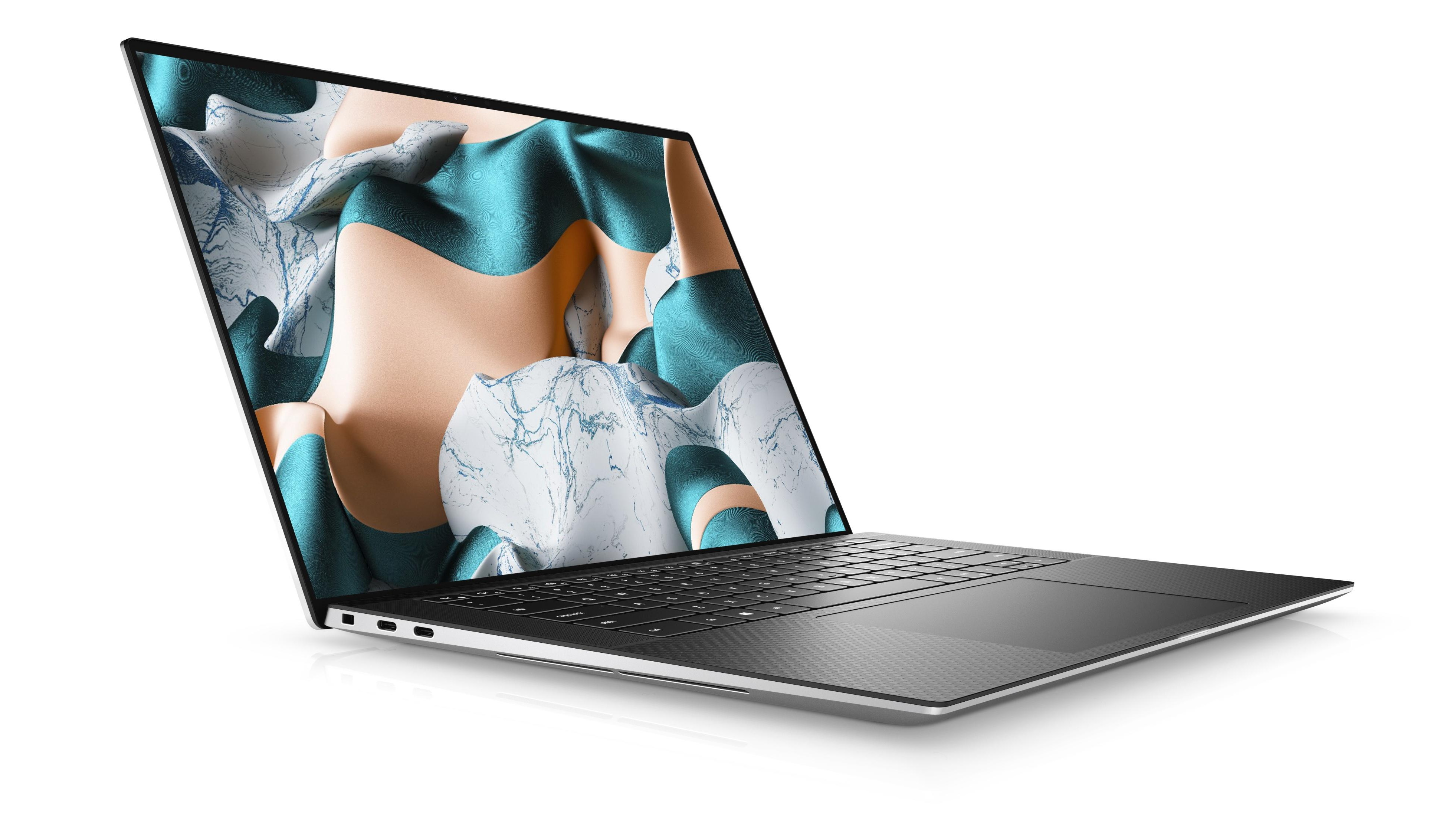
Dell XPS 15 (2020)
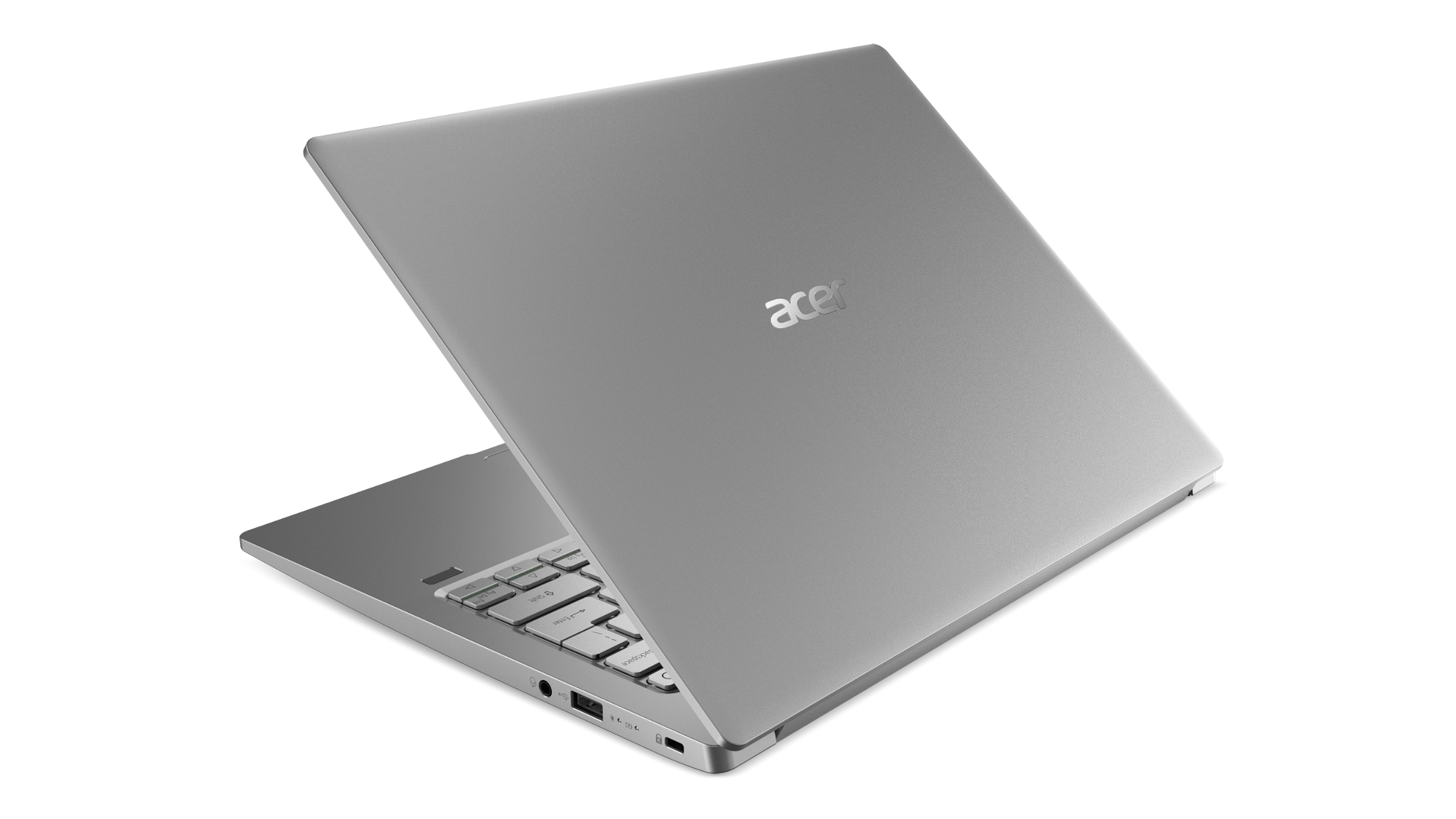
Acer Swift 3 (2020)
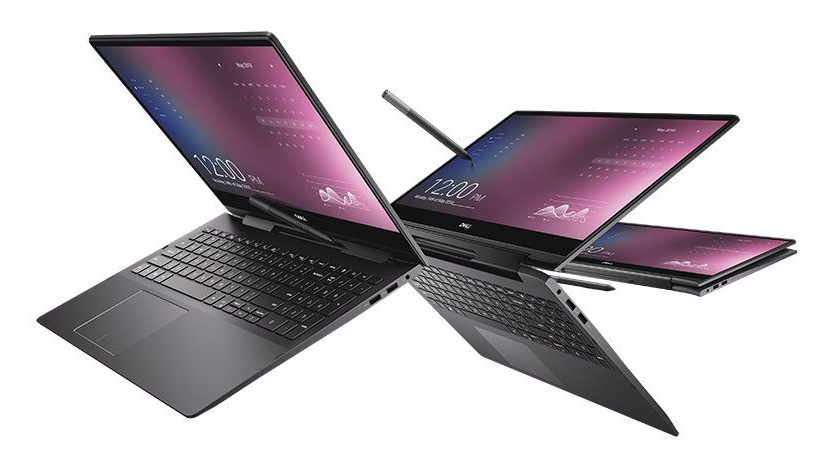
Dell Inspiron 13 7000 2-in-1
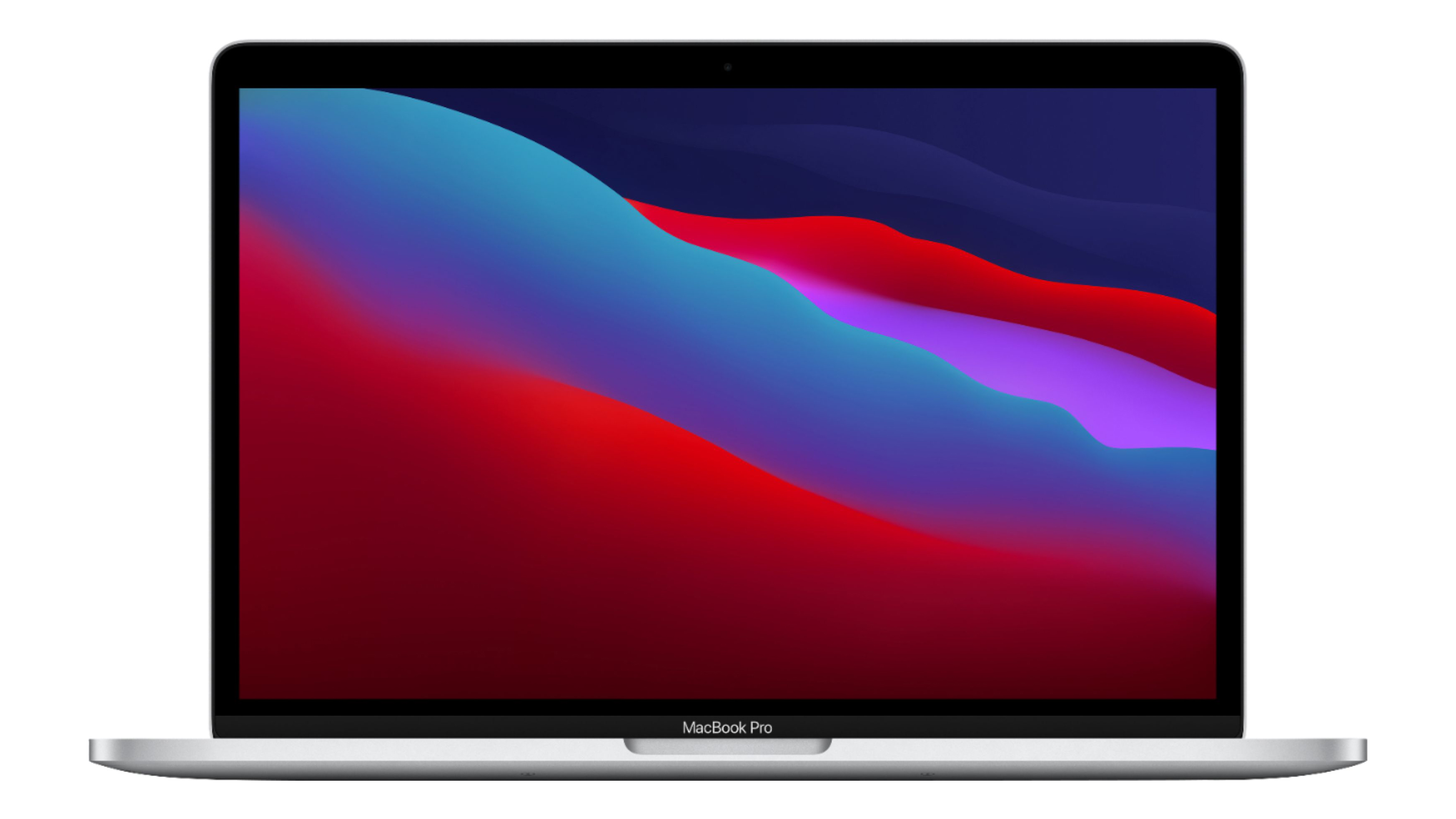
MacBook Pro 13-inch (M1, 2020)
Best student laptops in Australia 2021
(Image credit: Apple)
1. Apple MacBook Air (M1, 2020)
Best laptop for students with a flexible budget
CPU: Apple M1 chip with 8‑core CPU | Graphics: Integrated 7-core – 8-core GPU | RAM: 8GB – 16GB unified memory | Screen: 13.3-inch 2560 x 1600 Retina display | Storage: 256GB – 2TB SSD
macOS Big Sur is fast and responsive
Battery life is great
Silent in use
Fanless design could impact performance
UPDATE:If you're an eligible student and youbuy this laptop from Apple direct, you'll score a discount on the laptop, get a free pair of AirPods, and you can also save 20% on AppleCare+ for extended warranty and repairs.
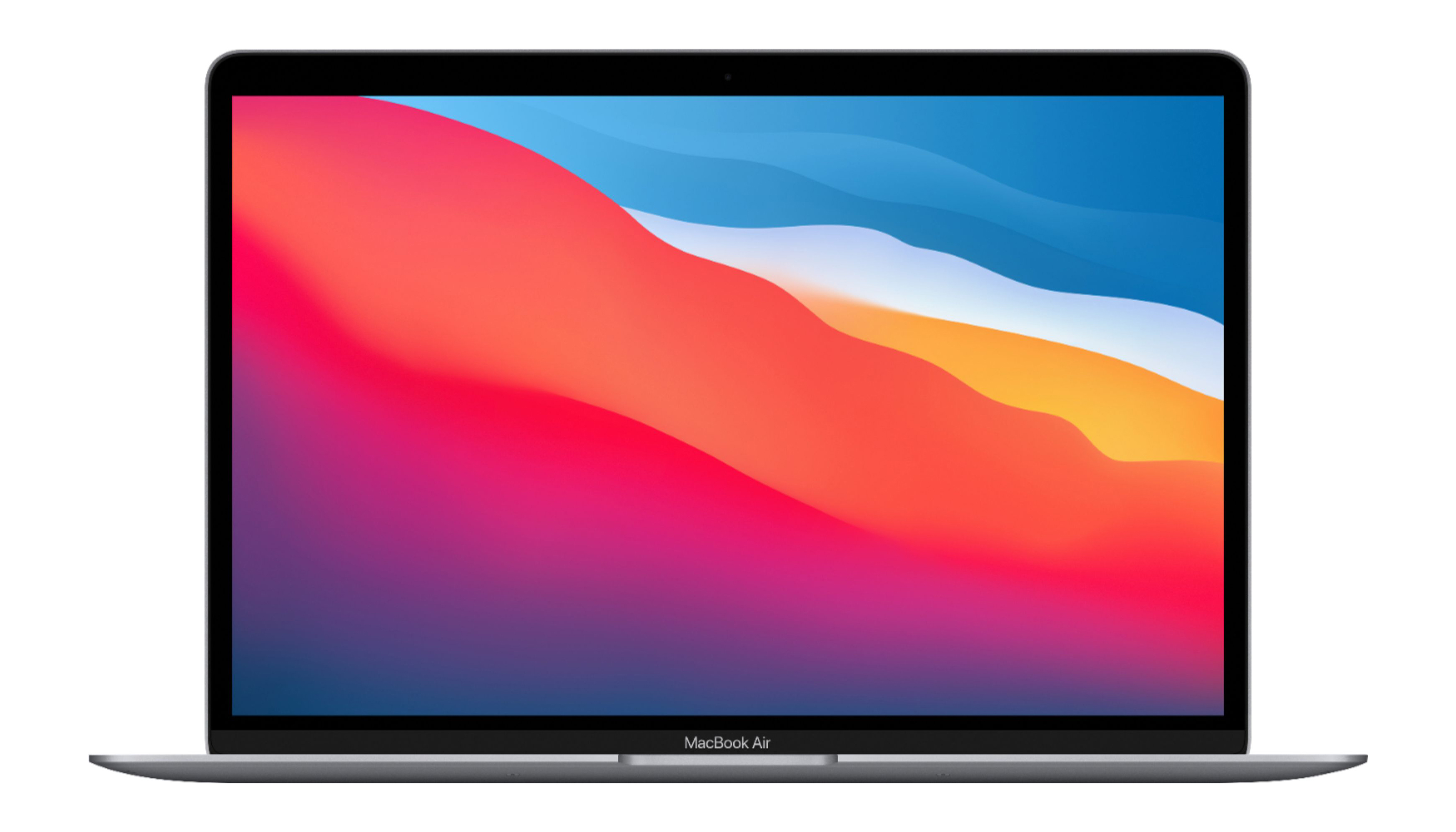
Apple topped 2020 off with a bang, rolling out their much-talked about M1 silicon chip that’s so far been a real game-changer. And, the first laptop to receive it is the company’s thinnest and lightest, putting it on the list of the most exciting Apple laptops of recent years. With this new chip, the MacBook Air is better than ever, touting excellent performance alongside its brilliant battery life – without raising the price to keep it (fairly) affordable still. It’s not going to be the cheapest option for students, but it is by far the best value and worth the extra investment on a unit that will stay relevant for years to come.
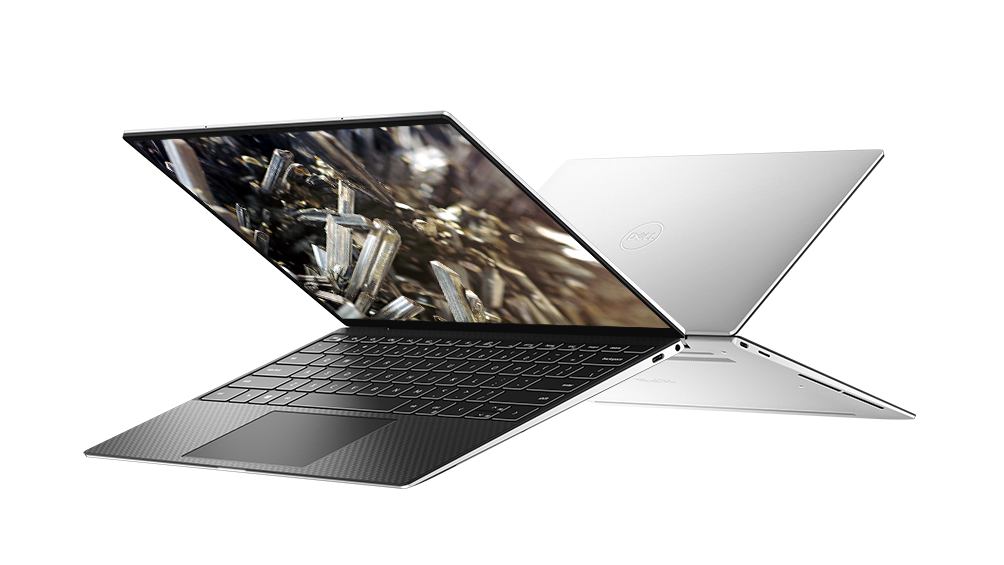
This is the second XPS 13 that Dell has released this year (also known as the 9310, being more recent than the 9300 launched earlier in 2020), and thankfully it does a lot more to offer excellent value for Aussies than its predecessor. This 'New XPS 13' packs in the 11th-gen Intel Core processors as well as as the superbly impressive Iris Xe integrated GPU – an upgrade that almost doubles its graphical prowess. This means that, not only is the XPS 13 9310 a great option for study and everyday use with its gorgeous, sleek design and powerful innards, but it's now viable for casual gamers. It's also sporting the upgraded 'Infinity Edge' display which dramatically reduces bezels and the overall size of the unit. There's no doubt this is the best Windows laptop on the market, and while (like the MacBook Air above) it isn't the most affordable machine on offer, its a worthwhile investment for students looking to game as well. With that said, stay savvy and keep an eye out for sales, as you can get the base model as low as AU$1,400 if you're fine with the i5/8GB/256GB configuration.
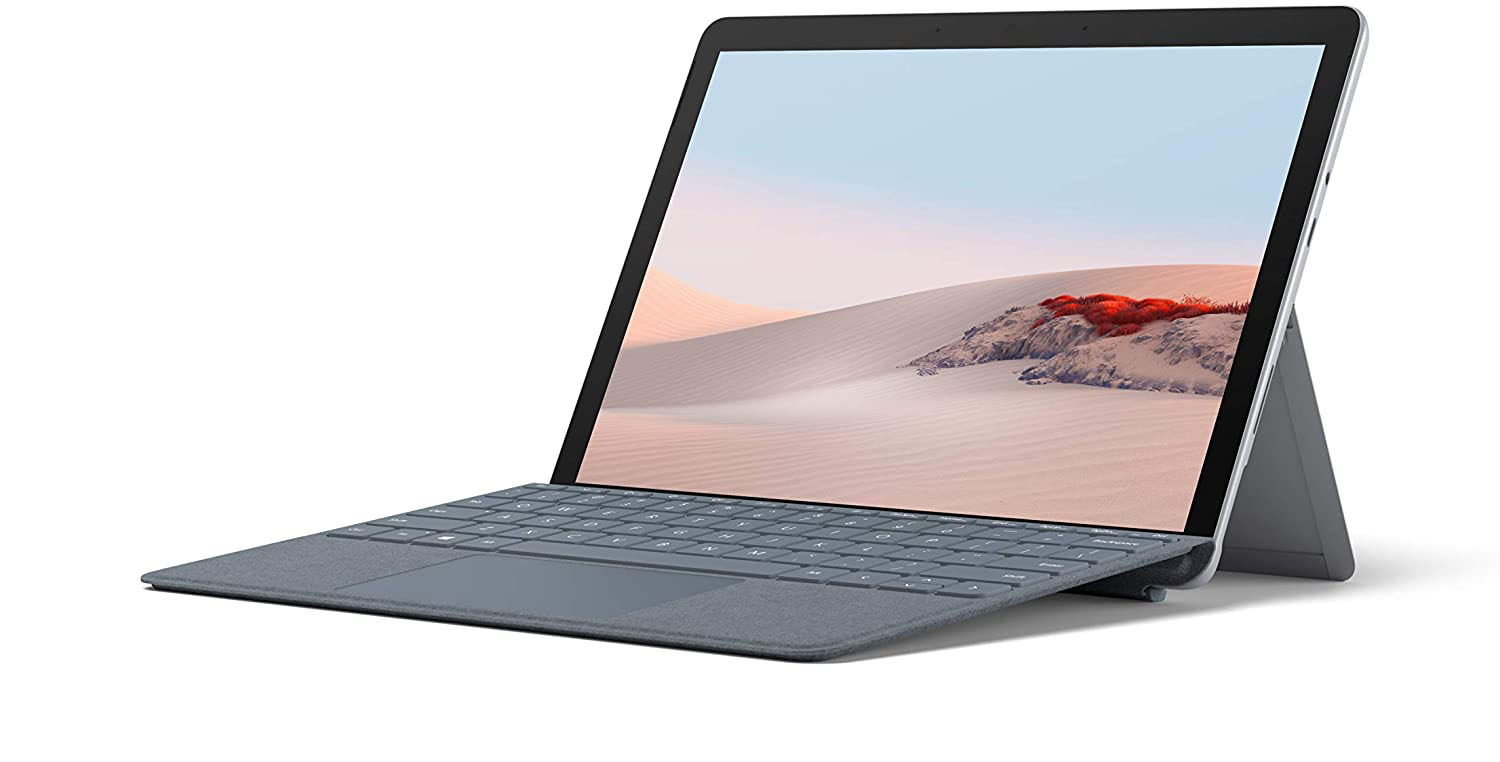
Microsoft’s devices are known for their higher price tags, which is why the Surface Go line proves popular with the more budget-conscious crowd. It’s Microsoft’s best affordable premium tablet, and the follow up, Surface Go 2, continues that tradition with its reasonable price and premium design. It even runs the full Windows 10 operating system, so it’s even more capable than other tablets out there as far as what applications it can run. Unfortunately, as with the original, it suffers from the same curse of being underpowered, especially at the base configuration. However, it does offer a slight bump in performance over its predecessor. If you’re looking for the best student laptops and the above two options are way out of your price bracket, then this is one of the best affordable options.
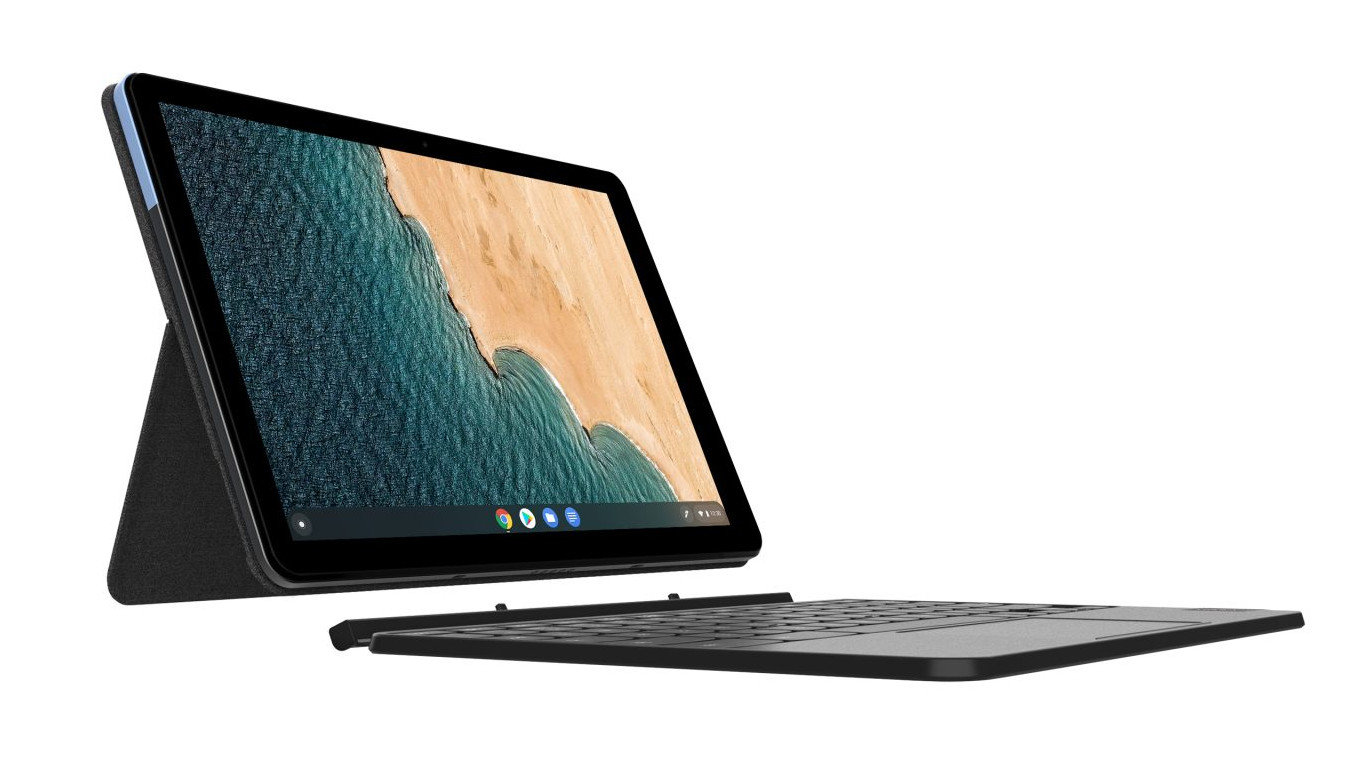
While the hardware is not quite as suave as Microsoft's competing affordable products, Lenovo's IdeaPad Duet Chromebook is even more affordable and includes a whole lot of value in its tiny cost. Chief among them is Chrome OS, which we find to be a richer experience when using a lightweight 2-in-1 (particularly compared with Windows 10S), especially if you're already in on G Suite apps like Gmail and co.
The Duet's 10.1-inch display has a 1920x1200 resolution and looks decently vibrant and bright, while the keypad isn't quite as nice as the likes of the Surface Go 2, it's fine to type on and is particularly decent for the price. Internally, it's certainly not the most powerful unit on the market, but with a battery that lasts almost 8 hours in straight 1080p movie playback, this is a perfect portable machine for those that aren't looking to put the unit through its paces and are happy with mostly browsing and the like.
UPDATE:Be sure to check Microsoft's student sale for savings on theSurface Laptop Go.
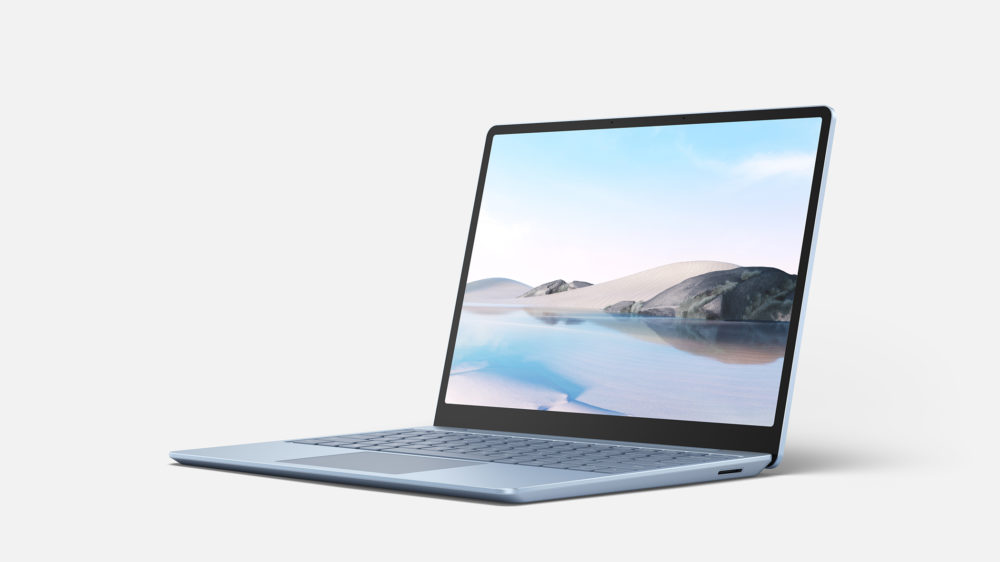
In launching the Surface Laptop Go, Microsoft is making sure every gap in its market of laptops is full, and we're truly glad that this particularly hole is plugged. It hits that sweet spot between affordability, svelte and premium design, and performance.
Its 12.4-inch touchscreen display is gorgeous, the unit itself is super compact at 1.11kg, and while all models ship with the streamlined Windows 10S operating system, they're all capable of handling the full Windows 10 Home if you'd like to upgrade. If you're not sold on the 2-in-1 design of the Suface Go 2 above that leans a little heavier towards the realm of tablets, the Laptop Go is the best Microsoft solution on a budget.
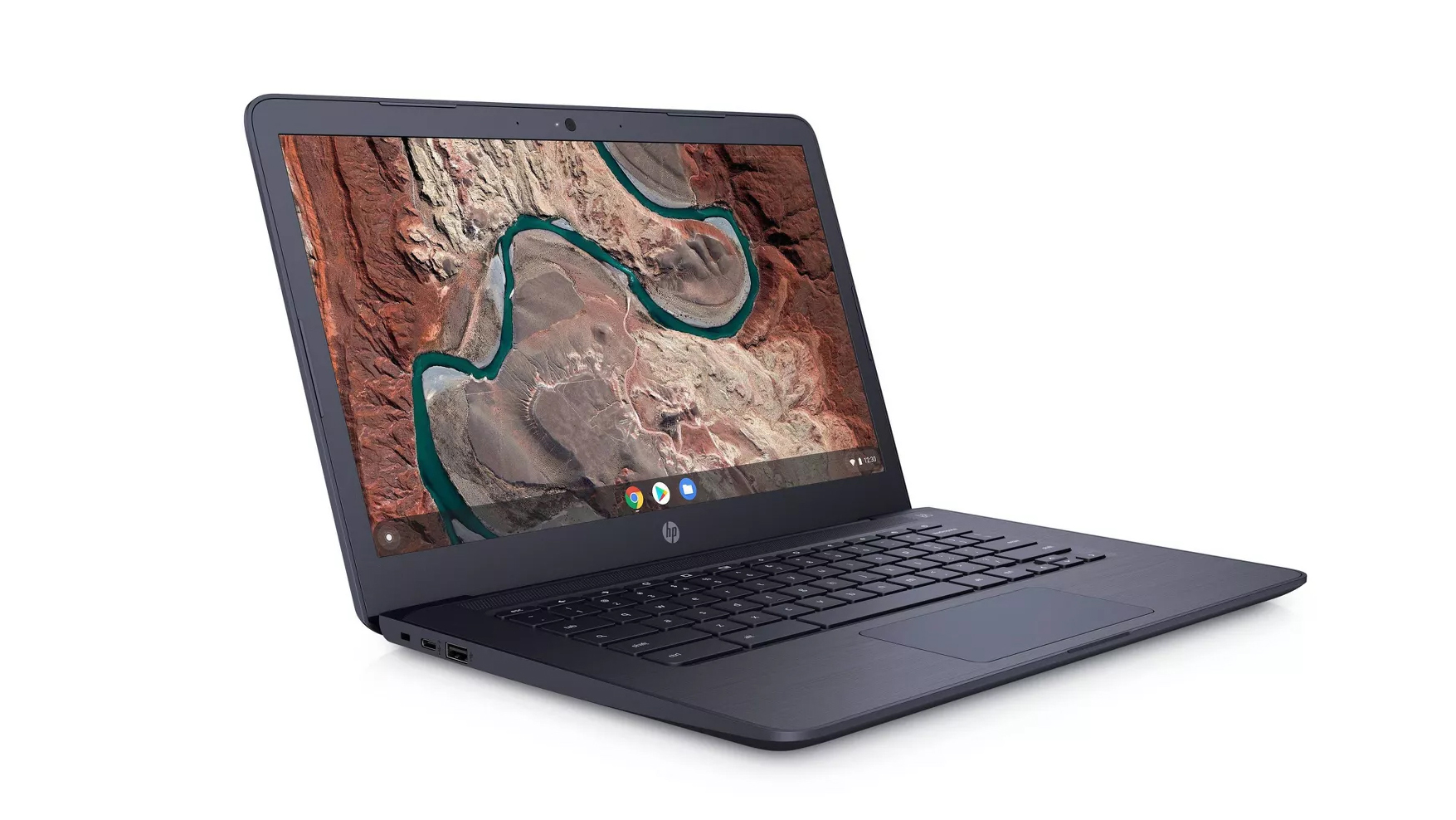
The HP Chromebook 14 may not be as powerful as other Chromebooks, but this tiny laptop has a few aces up its sleeves, helping it secure a well-deserved spot on our best laptops for students list. Those aces include striking a good balance between ample screen space and portability, as well as a surprisingly excellent keyboard, a decent trackpad, a vivid display, and of course a very low price.
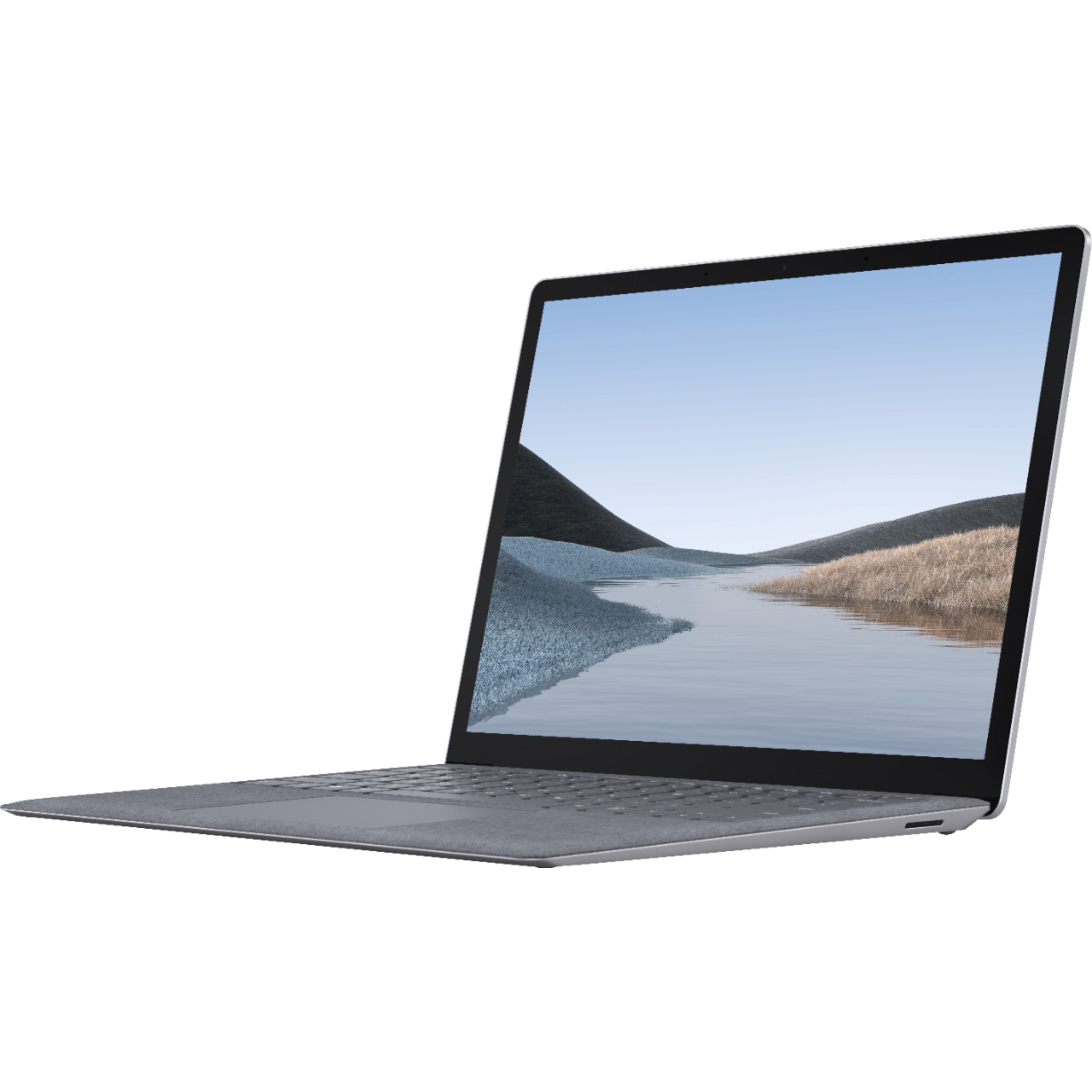
With the third version of the Surface Laptop 3, Microsoft has made its best laptop yet. While it's not a huge leap over its predecessor, the Surface Laptop 3 does improve on almost every aspect.
Best of all, with the 15-inch version you now get a choice of either Intel or AMD hardware. Previously, only Intel tech was included. Elsewhere, the Surface Laptop 3 continues the Surface Laptop's reputation for being a stunningly designed laptop.
These are some of the most desirable laptops in the world that don't have a logo of an apple on them, with a new aluminum body that gives it a premium feel, while protecting it from knocks and drops. There are still a few niggles, like the continued lack of ports, but in general this is one of the best laptops in the world right now.
The Dell XPS 15 might be a bit pricey for regular students, but it’s easily one of the best laptops for students in the creative field. Combining staggering power in a stylish thin and light chassis, this laptop doesn’t hold back when it comes to internals and features that improve your computing experience overall, whether you’re a film student or a graphic design one. Among those amazing features are a gorgeous bright display with 500 nits of brightness, an extremely comfortable keyboard, impressive speakers, and a terrific trackpad. We’re not saying that this laptop is perfect, but our coveted 5 out of 5 rating should speak for itself.
CPU: AMD Ryzen 5 3500 – 10th Gen Intel Core i5-1035G4 | GPU: AMD Radeon shared memory – Intel Iris Plus Graphics | RAM: 8GB | Storage: 128GB – 512GB SSD | Display: 14" Full HD (1920 x 1080) 16:9 – 13.5" (2256 x 1504) 3:2, IPS
Highly portable
Excellent multitasker
Very affordable for an Ultrabook
Speakers are "meh"
Not great for gaming
The most popular Ultrabooks out there can cost a fortune – you have to pay for that thin and light form factor, after all. Not with the Acer Swift 3 (2020). This is the Ultrabook for the masses, thanks to its low asking price for that lightweight design, decent battery life and brand new specs that deliver when it comes to multitasking. It’s definitely got all the makings of the best student laptop – including that smart design one could mistake for a MacBook Pro.
CPU: 10th Generation Intel Core i5 – i7 | Graphics: Intel UHD Graphics | RAM: 8GB – 16GB | Screen: 13.3-inch FHD (1920 x 1080) – 15.6-inch UHD (3840 x 2160) Truelife Touch Narrow Border WVA Display with Active Pen support | Storage: Intel Optane Memory H10 32 GB with 512 GB Solid-State Storage – 1TB M.2 PCIe NVMe SSD
Competent performance
Highly versatile
Premium design
Quirky display
4K battery drain
Bunk speakers
The Dell Inspiron 13 7000 2-in-1 is a versatile 2-in-1 with a lot going for it under the hood. This premium laptop is more than just about its premium design; it also has high-end internals to compete with the likes of the more powerful Dell XPS 13. Rounding that out is a 4K display, and a clever stylus slot that makes us wonder whether they actually beat Microsoft to the idea. Granted, the display is a bit of a battery drain, and the speakers impressive, but this is still among the best laptops for students out there.
CPU: Apple M1 chip with 8‑core CPU | Graphics: Integrated 8-core GPU | RAM: 8GB – 16GB unified memory | Screen: 13.3-inch 2560 x 1600 LED-backlit Retina display | Storage: 256GB – 2TB SSD | Dimensions (H x W x D): 30.41 x 21.24 x 1.56 cm
Huge battery life
Great performance
Can run iOS apps
Still lacks ports
Expensive for students
UPDATE:If you're an eligible student and youbuy this laptop from Apple direct, you'll score a discount on the laptop, get a free pair of AirPods, and you can also save 20% on AppleCare+ for extended warranty and repairs.Or check out The Good Guys' 10% off Mac deal!
The MacBook Pro 13-inch (M1, 2020) may not have gotten a massive design overhaul, but what it lacks in that department, it makes up for big time in performance and battery life. Thanks to Apple’s groundbreaking M1 chip, the new MacBook Pro 13-inch delivers excellent performance and exceptional battery life. Its performance is so impressive, in fact, that it can easily handle 4K - and even 8K - videos, which is great news for film students. If you’re looking for a powerful laptop that keeps things small and lightweight, this is one of the best student laptops money can buy, but it's a fair bit of money.
Congress is working on a third stimulus check for $1,400. But with this payment, things could be very different. We'll explain what it means for you and your family.