The upcoming OnePlus Watch was supposed to mark the company’s entry into the wearable segment. A new development suggests that we will see a budget fitness tracker launch before the smartwatch, in the form of the OnePlus Band.
In 2020, OnePlus expanded to many new product categories such as mid-range smartphones, affordable smart TVs, true wireless earphones and more. Reports from Android Central state that the connected device ecosystem will continue to grow in 2021. Budget fitness trackers have seen a lot of interest in recent months, and it looks like OnePlus wants a piece of the pie.
Some other OnePlus Band specs and features were leaked by Mukul Sharma in a video, which once again suggests that OnePlus is going after the segment that the Xiaomi Mi Band series pioneered in India. It remains to be seen if it will be a region-exclusive product or not.
Cut to the chase
What is it? OnePlus’s first fitness tracker
When is it out? Early 2021
How much will it cost? Likely under Rs 3,000/$40
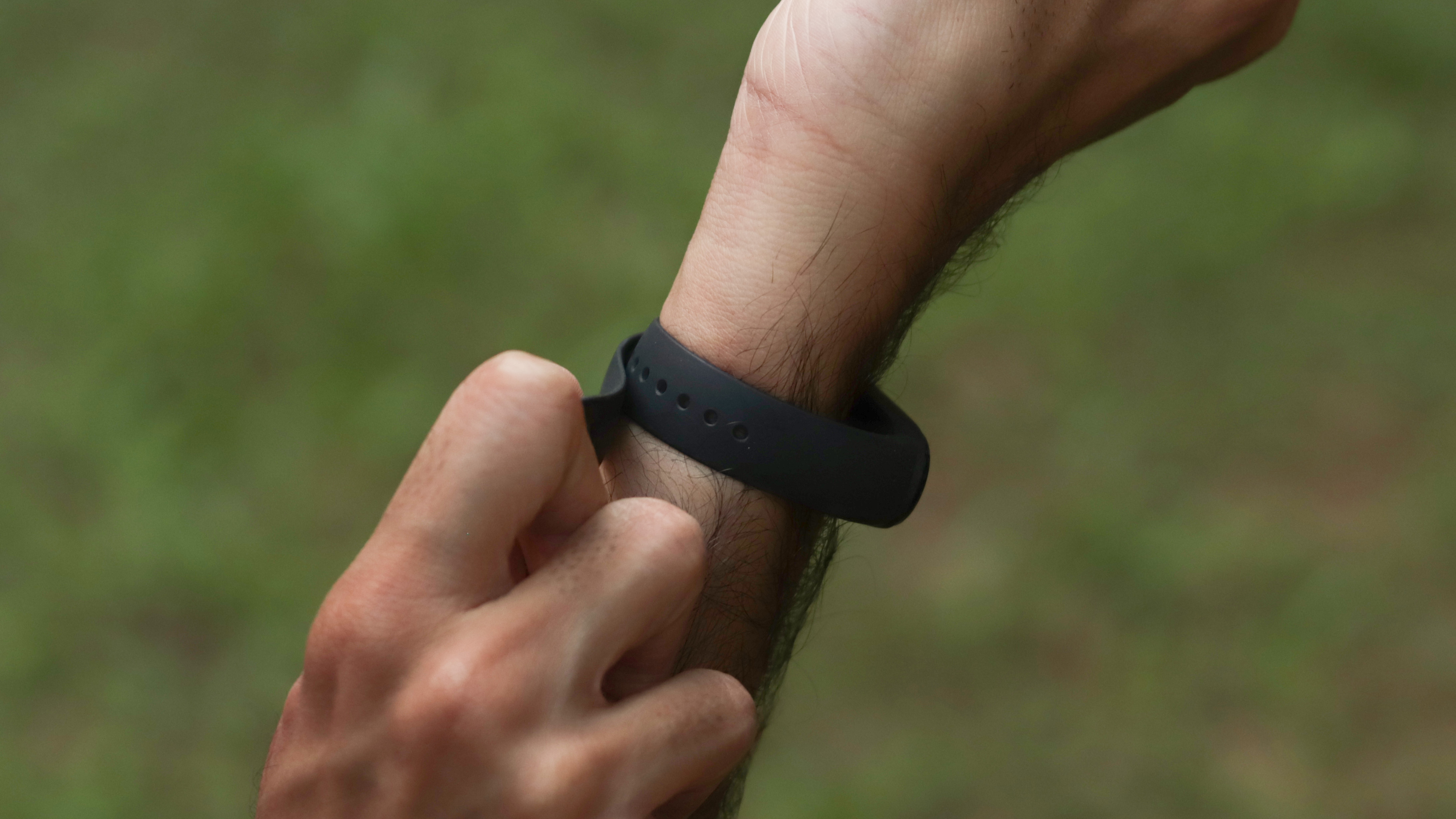
OnePlus Band price in India
(Image credit: Aakash Jhaveri)
According to the source, the OnePlus Band will be available only in India at launch, but could be available in other countries later. This is similar to the strategy it adopted for its affordable TVs and TWS as well, so it isn’t particularly surprising.
With a suggested price of around $40, it is likely to cost under Rs 3,000 in India. For context, the Mi Band 5 is priced at Rs 2,499. Other notable competitors include the Redmi Smart Band, the Realme Band as well as some offerings from Honor and Samsung. OnePlus must be betting on the segment to explode in 2021.
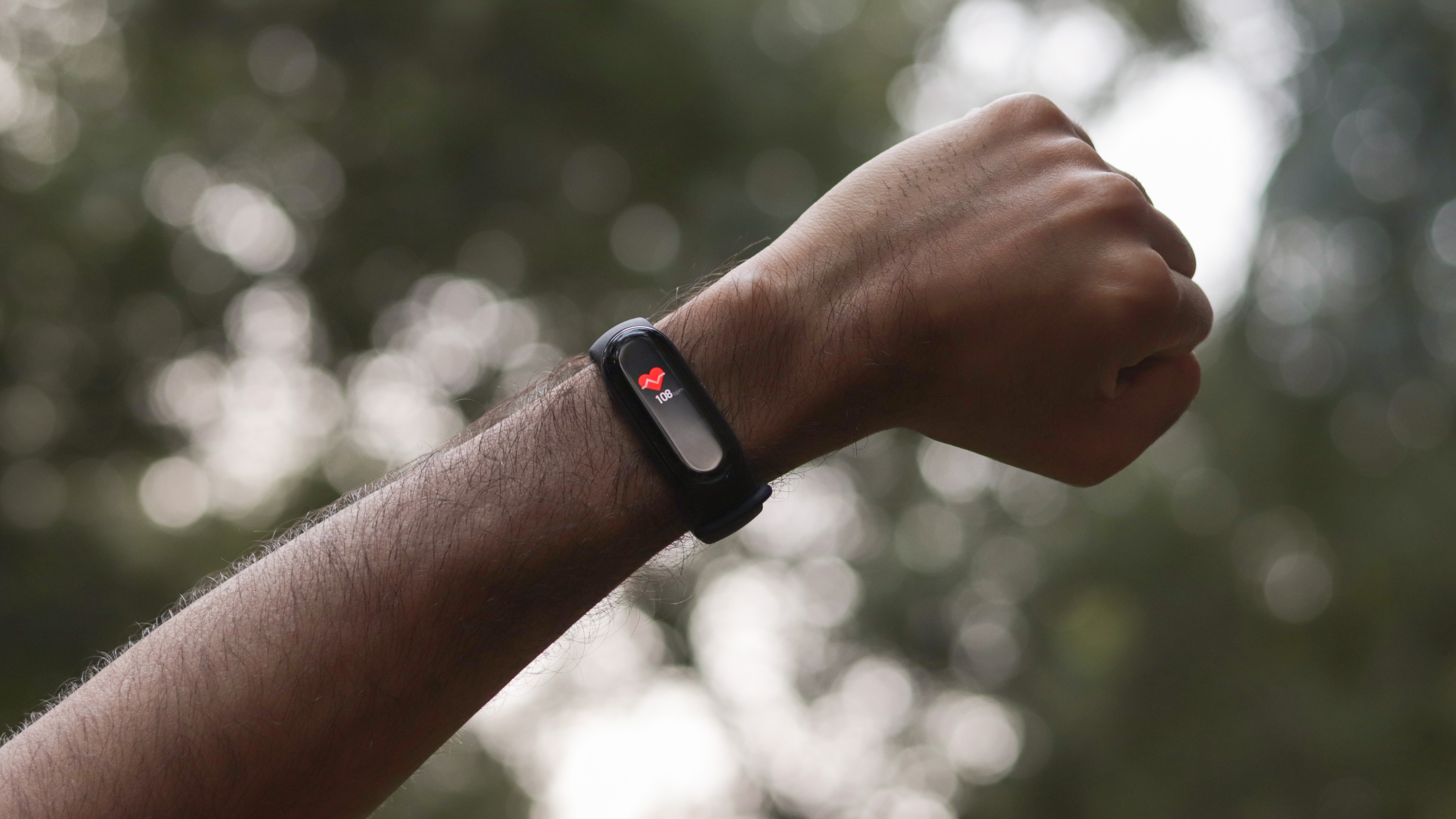
OnePlus Band launch date
(Image credit: Aakash Jhaveri)
Based on the multiple reports, we know that OnePlus has quite a few product launches lined up for the first quarter of 2021, with the flagship OnePlus 9 series, an upgraded OnePlus Nord and most interestingly, the OnePlus smartwatch that will run full-fledged Wear OS. However, all of these are slated for a March unveiling.
The OnePlus Band, on the other hand, looks more likely to have its separate smaller event much earlier. Perhaps we will hear more about it at CES 2021, which is scheduled to kick off on January 11 in an online format.
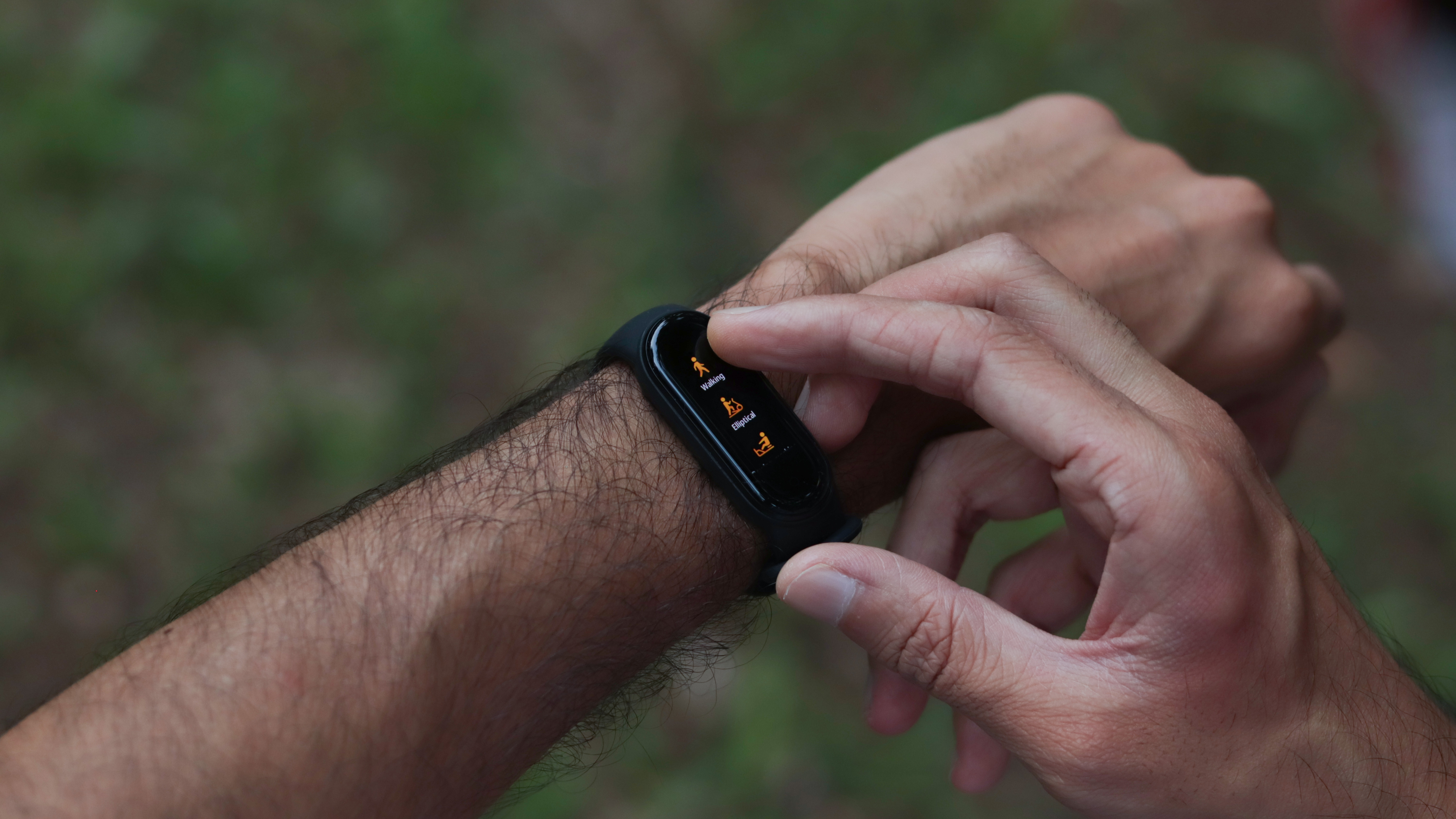
Specs and features
(Image credit: Aakash Jhaveri)
Information is a little scarce around this point, but just like other affordable fitness trackers, the OnePlus Band is tipped to sport a small rectangular AMOLED touchscreen, proper water resistance with IP rating and multiple days of battery life.
The design is likely to be pretty minimalistic with a user-replaceable strap without being too bulky. Along with the heart-rate sensor, there are also rumours of the OnePlus Band sporting an SpO2 sensor for measuring blood oxygen saturation levels, making it one of the cheapest wearables to do so.
As for features, there should be quite a few fitness tracking modes, along with the usual slew of notification mirroring, call alerts and music playback control. A companion app will help in the initial setup process and also act as a hub for all the tracked data. Like its other IoT products, we could also see some Oxygen OS-specific features on the wearable.
Many people have already started receiving their stimulus payments via direct deposit in their bank accounts. Paper checks started going out Wednesday.
T-Mobile has revealed that it suffered a data breach in which customers' proprietary network information (CPNI), including their phone numbers and call records, was exposed online.
Earlier this week, the US telecom began informing its customers via text message that a security incident had occurred that may have impacted some of their account information.
However, T-Mobile provided further details in a notice of security incident on its website and explained that its security team recently discovered “malicious, unauthorized access” to its systems.
Following this discovery, an investigation was launched with assistance from leading cybersecurity forensic experts to determine what happened and exactly what customer information was exposed.
Customer proprietary network information
According to T-Mobile, the CPNI accessed by hackers may have included customers' phone numbers, the number of lines on their accounts and in some cases, call-related information.
Thankfully though, the data accessed did not include customers' names, addresses, email addresses, financial data, credit card information, social security numbers, tax IDs, passwords or PINs.
Affected customers have already received text messages from T-Mobile informing them of the situation but they should remain on the lookout for any suspicious texts claiming to be from the company or messages containing links to third-party websites as cybercriminals often use the news of a data breach or security incident to launch phishing attacks to try and steal user credentials.
Although T-Mobile has suffered another data breach, this attack appears to be less severe than the one that occurred in March in which hackers were able to gain access to both customer and employee data.
Who the IRS defines as a dependent on your taxes can change how much money your family might receive in the second stimulus payment. Here's how it works.
If there’s one thing that 2020 proved, it was that our reliance on technology is only going to get higher. In a matter of days, our smartphones became our hub for entertainment, documenting, payments, contact tracing and more, making them even more indispensable from our lives.
Amid a global slowdown, India actually defied odds by registering all-time high shipments as well as a higher average selling price, highlighting the untapped potential our country has to offer. Cheaper data rates, a strong push towards digitalization, immense competition across segments and an increase in the demand made smartphones a particularly interesting segment that took strides in the right direction. Even with a lot more options in the market, there were far fewer terrible devices that we couldn’t recommend.
To keep the momentum going, we’d like to delve deeper into the space and look at ways on how to improve the journey can be better for a consumer — from better products to more effective communications. Here are the top ten smartphone trends we’d like to see more of in 2021.
Simpler product lines
Starting off with one that most brands were guilty of this year, manufacturers should really reconsider smartphone naming schemes and positioning to make it easier for consumers to know what they’re looking for. Suffixes such as pro, plus, max, i, lite, ultra, etc. have become far too common for anyone’s understanding. It gets even more confusing when a brand has multiple offerings in the same price segment, leaving consumers with more questions than answers.
The solution? Follow a nomenclature that clearly demarcates what a phone’s spiel is, and add a suffix that actually suggests what the phone’s specialty is, such as Power for battery, SuperZoom for camera, etc. A great example of this is Nokia, where a 2.3 will be followed by a 2.4, and a 3.3 will be the next step on the price ladder.
Having easier-to-understand products can also save companies communication efforts and marketing expenditure.
Compact phones
(Image credit: TechRadar)
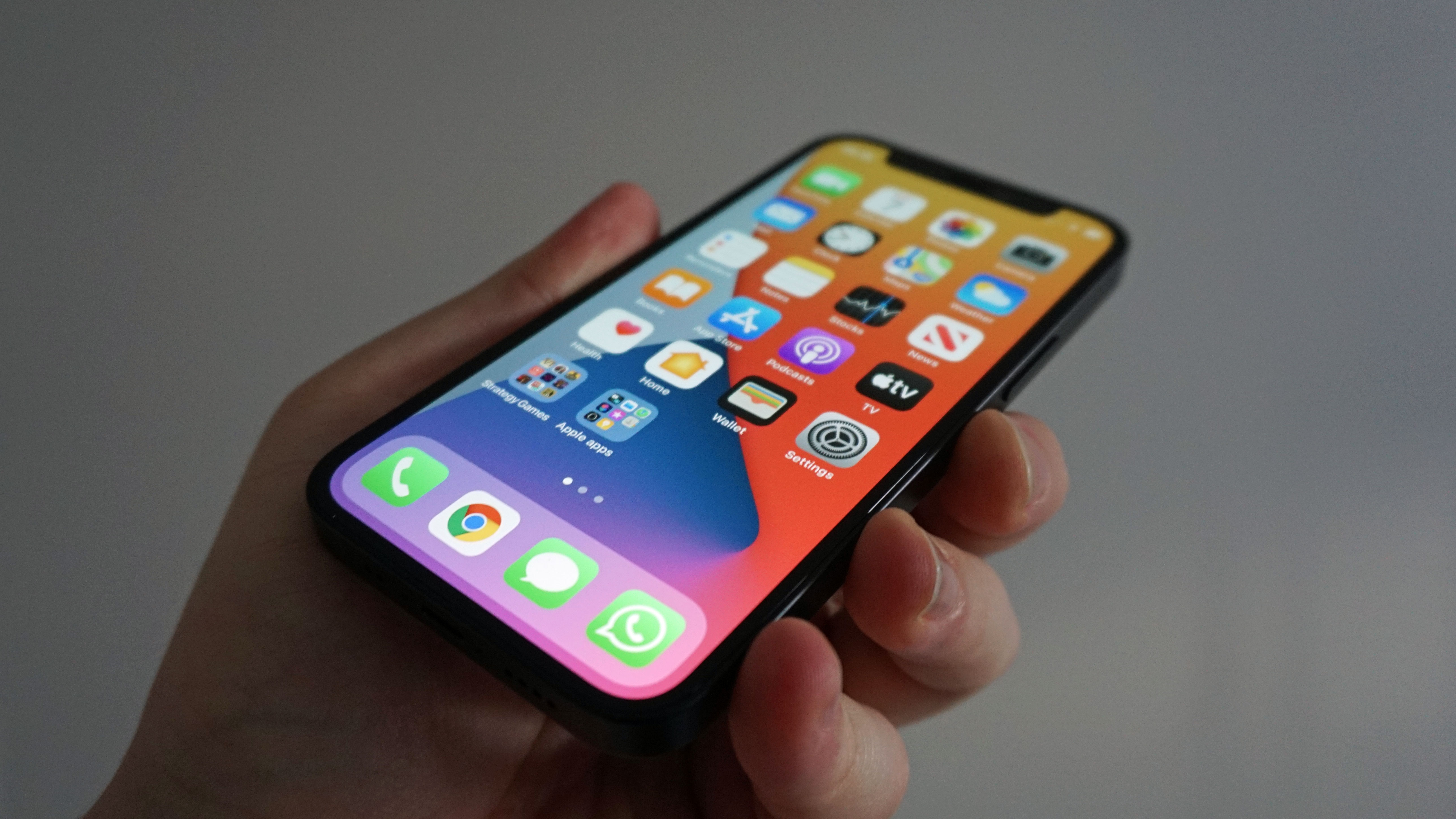
Remember the time when a phone with a 5.5-inch display was considered a phablet and anything over 6-inches was a tablet? Today, even the tiniest of Androids are in the same ballpark. While there are obvious advantages of a bigger phone, there is still a small market for small phones.
Though, we do understand why it is so difficult to pull that off: a smaller phone will mean a smaller battery, worse thermal management, smaller camera sensors and poor loudspeaker performance. The iPhone 12 Mini is the only phone that is somewhat invincible to these shortcomings, but it too is far from perfect. Perhaps this is a case of the customer not knowing what they want? Compact phones are perhaps the least likely to materialise from this list. Thin and light phones are what we might have to make do with.
Curved displays
(Image credit: Future)
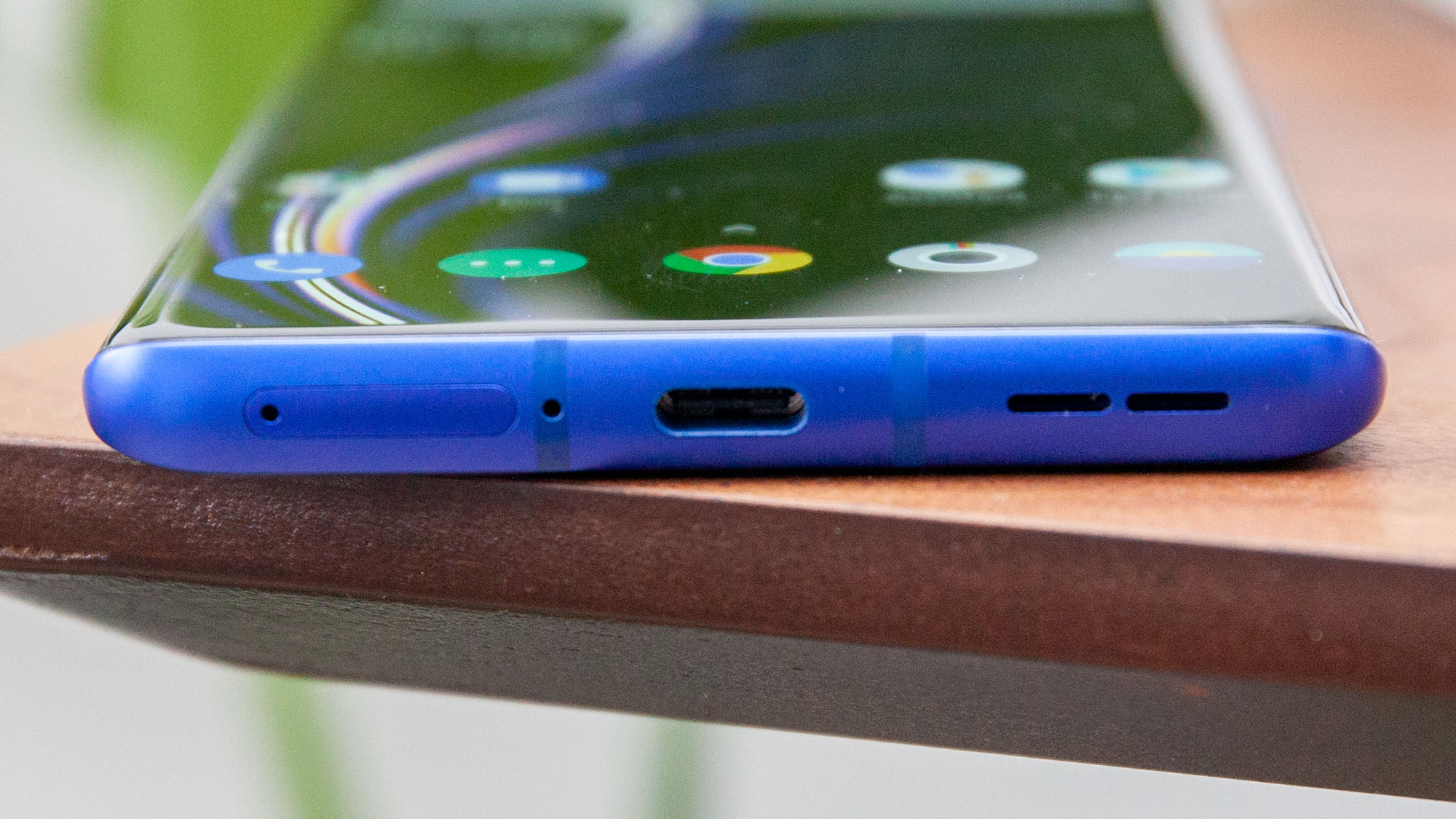
Curved displays continue to be a debated topic in the world of smartphones, as fans struggle to come to a consensus, as do brands. On one hand, they offer a far more premium feel, along with a better viewing experience and a higher screen-to-body ratio, providing a bigger display in a smaller body. On the other hand, they are more susceptible to damage, take up more internal space and can be held back by poor palm rejection.
Some of these cons are being addressed by brands but the progress seems rather stagnant. We feel the issue here is that the more popular phones with curved displays, such as the flagships from Samsung and OnePlus, offer the worse experience in terms of functionality and accidental touches. Interestingly, “smaller” brands such as Huawei, Oppo and Vivo do not face the same issues, making us believe in the future of flexible displays. If more consumers get to experience curved screens done right, there could be a change in their preferences.
Foldables
(Image credit: AakashJhaveri)
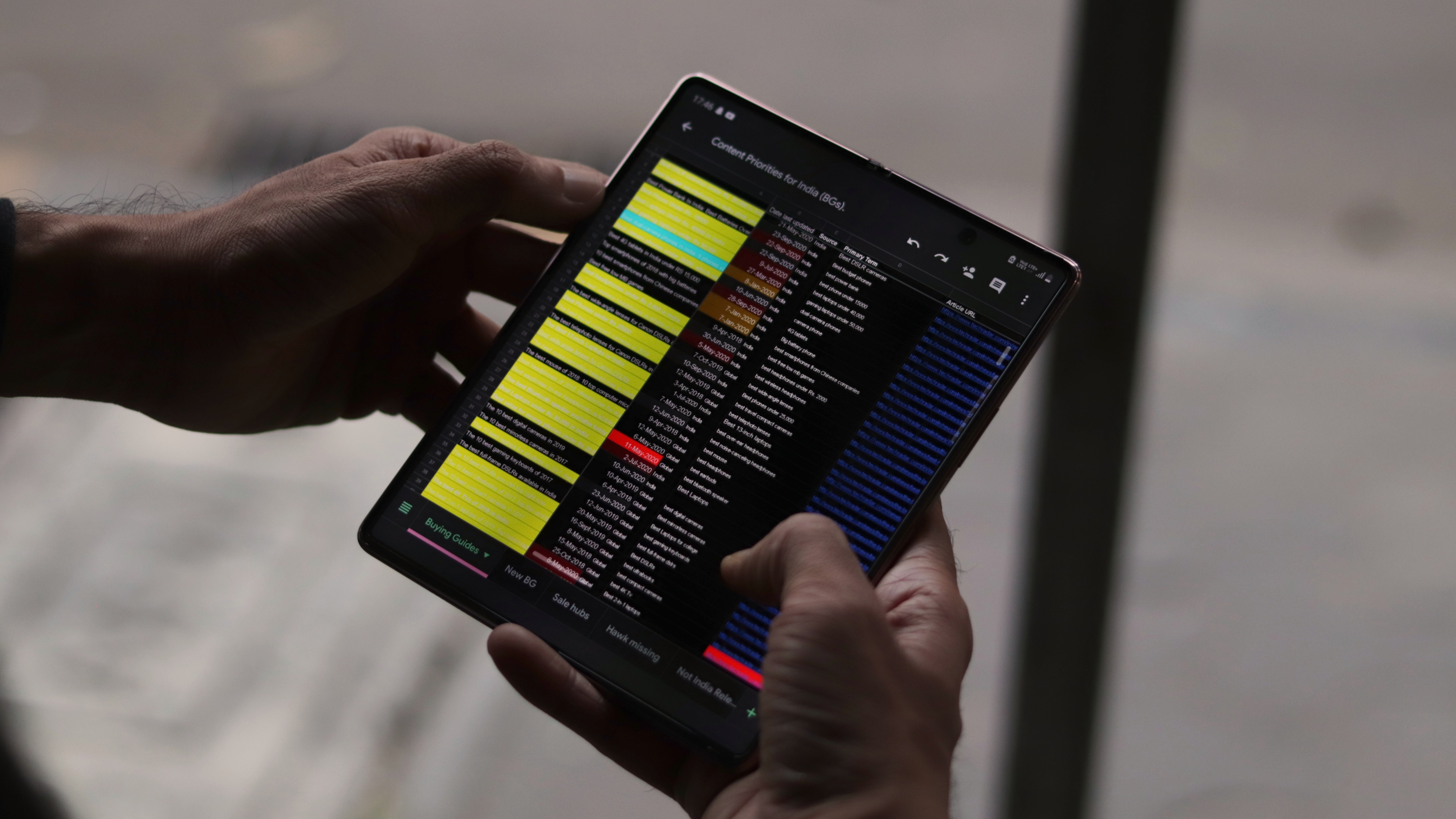
Foldable smartphones are a very exciting category that is still very nascent. Till now, it has been a one-horse race in the form of whatever Samsung has offered. The alternatives have been nowhere as competitive nor widely available.
If foldables are indeed the future, we think that brands are wasting precious time in perfecting their craft while the market is young. Yes, the first couple of generations are unlikely to be great, but you got to start somewhere. It might not be that evident right now, but Samsung’s lead in the present will be instrumental in its future. We hope that the reports of upcoming foldables from Xiaomi and Oppo are true.
High refresh rate displays
(Image credit: Aakash Jhaveri)
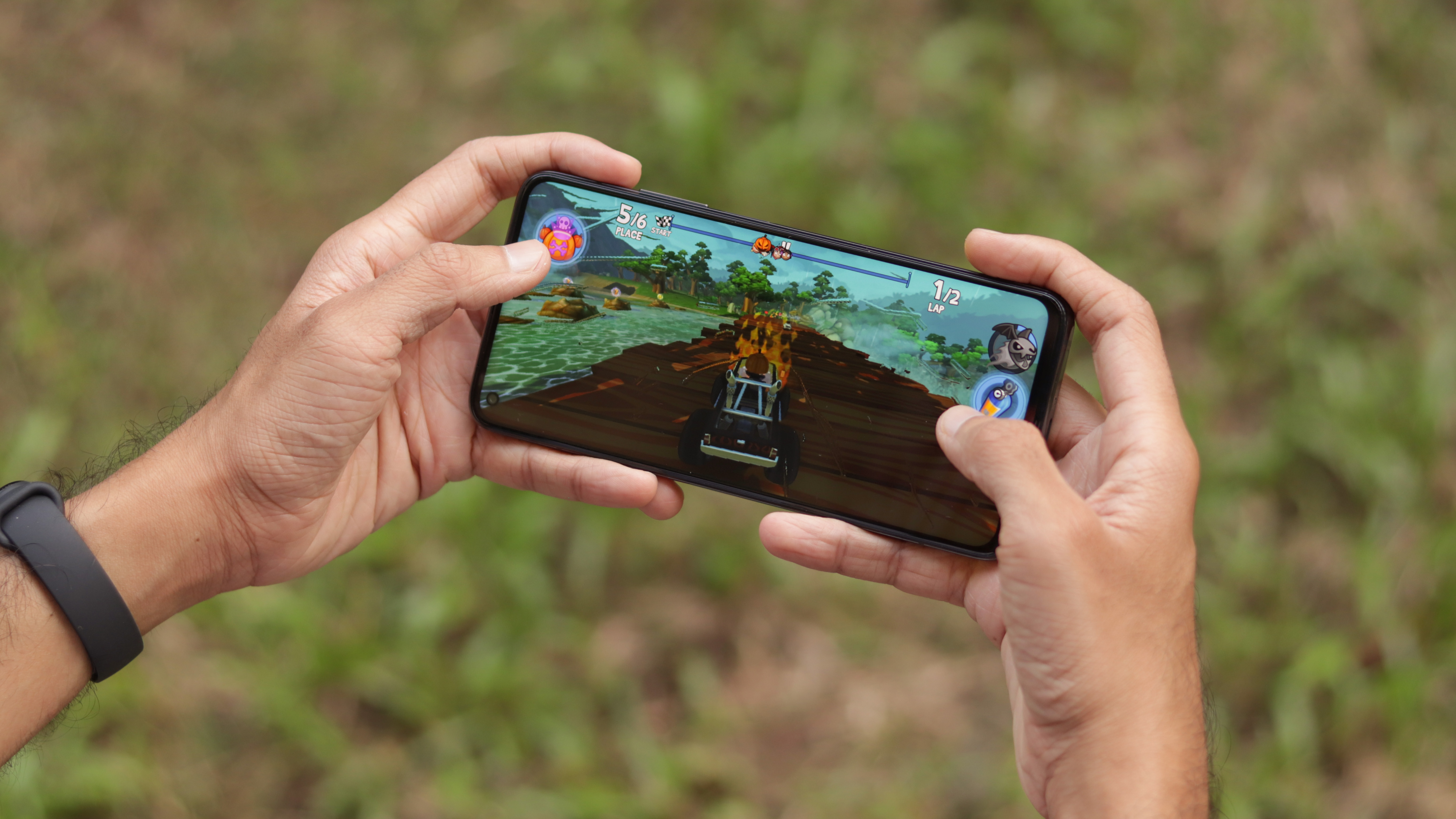
In 2020, we saw high refresh rate displays become a necessity from a luxury. Not only did almost every brand offer some, we also saw the tech trickle down to the lower segments. For 2021, we hope that the momentum continues and 90 and 120Hz screens get democratized by budget smartphones. Do you think we will see it happen in the sub Rs 10,000 segment too?
Fast charging standards
(Image credit: Aakash Jhaveri)
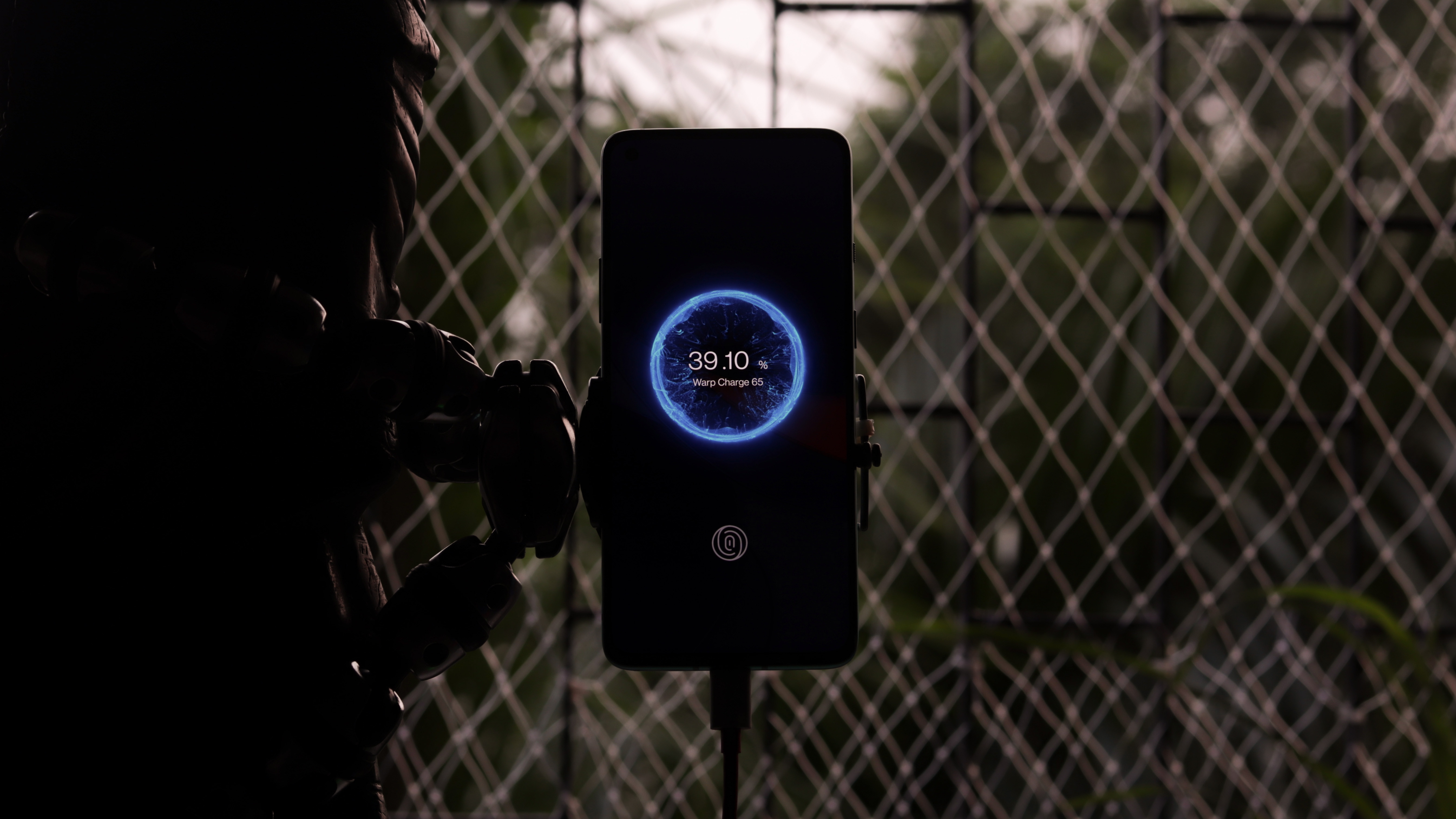
Fast charging on smartphones reached new heights (and speeds) in 2020. We even saw many budget phones offer incredible charging speeds of under one hour for a full tank. In some ways, it makes up for the limited battery capacity that petite phones suffer from. However, there’s one major hurdle which doesn’t seem to be going anywhere anytime soon - interoperability.
Every company has seemingly opted for a different approach with its fast-charging implementation. Some have gone with higher voltage, some increased the current while others used multiple inflow points. This fragmentation has led to an odd problem where USB Type-C is everywhere but your preferred charging standard isn’t. We’d like to see brands work on this and add support for at least one common standard such as UDB PD or Qualcomm Quick Charge, so users can truly leave behind the worries of not carrying a charger. With Android OEMs looking to exclude chargers from the packaging, fast charging might just become a luxury once again.
Computational photography
(Image credit: Aakash Jhaveri)
AI for photography gets a bit of a bad reputation from those who don’t really understand it. But if there’s one feature that will continue taking smartphone imaging to new heights, even beyond the hardware limitations, it’s computational photography. By the end of 2020, nearly every phone across every segment offered some level of intelligence to help users get better images, be it in the form of night mode or portraits, or something a lot more complex such as day-time light painting or sky replacement, increasing the odds of getting a great shot. Since hardware can be difficult to optimize and expensive to upgrade, we hope more companies adopt the software-driven photography approach.
Better software experience
(Image credit: OnePlus)
Soon after Android 11 went official, we saw a surprising number of OEMs offer day-one updates for the beta builds: OnePlus, Oppo, Realme, Xiaomi and many more were ready when Google was. Fragmentation has always held Android phones back from getting timely updates, but this year was different. We also saw brands fix their skins by reducing the amount of bloat, making the interface simpler while retaining customizability. Overall, we saw things move in the right direction.
On the same topic, we feel that budget smartphones don’t get the same amount of love, be it Android version updates or optimizations. When we think about it, it’s these weaker devices that need to be tuned better to ensure they run smoother. For 2021, we hope that budget phones offer better software experience too.
Slowing down the specs race
Due to the inherent nature of Android, brands invariably chase crazier specs each year to try and win hearts and wallets. But oftentimes, high specs don’t translate into a better overall experience, leading us to question the very things that companies tout at launch events. We’ve all seen how proudly vanity metrics and comparisons are boasted about without significant impact on how the phone actually runs. Quad-cameras, benchmark scores, battery sizes, etc. are cool to look at but not always useful. There either needs to be better communication to explain the decision to offer the specifications or lesser faff in the marketing material.
Bolder designs
(Image credit: Aakash Jhaveri)
Remember when all phones had a gradient blue back? Thankfully, those days are behind us. While most phones did have a somewhat similar design with a bunch of cameras in a rectangular housing along the corner, brands also tried to create unique design languages that exhibited cohesion. With the basic forms set, we’d like to see brands be a little more adventurous with their designs, be it via colours, materials, finish, shape or something that hasn’t been done yet. For a device that we interact with for hours each day, an unpleasant form factor can amount to a bad user experience.
Upgrade your infotainment system with an Android Auto head unit. We've found the best single DIN, big screen, wireless and affordable Android car stereo options available.