Reliable camera leaker Nokishita has done it again – after revealing some of the specs of the upcoming Panasonic Lumix S5 full-frame mirrorless camera, the Japanese source has now revealed a teaser image of the snapper on Twitter.
It's not the best image, given the low resolution and dark background, but it does give us an idea of what to expect.
From this one angle, the S5 seems to have a similar design and colour scheme to its older Lumix S1 and Lumix S1R siblings, but we found out just a couple of days ago that it's significantly smaller and lighter than either of the earlier Panasonic full-framers – 33% smaller and 38% lighter to be precise.
If true, this significant reduction in size is good news for Panasonic fans as the S1 and S1R were quite hefty for mirrorless cameras, being bigger and heavier than rivals from Canon, Nikon and Sony.
Unsurprisingly, the teaser image doesn't reveal any surprises, but if what Nokishita revealed last time is true, there won't be much difference between the S5 and the S1.
We're expecting a 24MP sensor and 4K anamorphic support like the video-centric S1, along with in-body image stabilization and Panasonic's DFD (depth from defocus) contrast-based autofocus.
The one thing the S5 is rumored to be stealing from the pro-video Lumix S1H camera is Dual Native ISO when the sensitivity jumps from 100 and 640 to 640 and 4000 when recording video in Hybrid Log Gamma (HLG) mode – a huge advantage for low-light conditions.
We don't have a definite date of launch for the S5, but the camera has already been registered with retailers, meaning it could be arriving very soon indeed. Good thing, because we can't wait to get our hands on it.
Whispers of a brand new entry-level Sony full-frame mirrorless camera have been doing the rounds for a while now, although very little is known about its specs and features.
We'd previously heard that the Sony A5 would have a very different design as compared to the current crop of Sony full-frame mirrorless cameras, and the latest report from Polish publication Optyczne seems to second that.
According to the new leak, the A5 will have a similar body to the A5xxx and A6xxx series APS-C snappers – meaning a more compact body and a tilting rear LCD touchscreen (rumored to be similar to the one used in the new Sony A7S III).
Optyczne claims that the grip will be "big" and that the A5 will feature a "retractable" viewfinder. Previously it was rumored that the A5 wouldn't feature an EVF – possibly to keep costs down – but actually having one puts it more in line with other traditional full-frame mirrorless cameras. How the retraction mechanism will work is as yet unclear, but this is definitely interesting.
The EVF will supposedly have a resolution of 2.3 million dots, putting it on par with the Sony A7 III – the company's most affordable full-frame camera right now.
We still have no idea what resolution to expect from the A5, although previous rumors have suggested we'll likely get a 24MP full-frame sensor. While we're not expecting there to be sensor-based image stabilization on the A5, Optyczne is suggesting there will be "matrix stabilization" – a different system to the traditional optical IBIS mechanisms we see in most stabilized cameras. How this will work remains to be seen.
Other rumored specs include a 5fps burst speed (which isn't too bad for an entry-level snapper) and 4K video with a top frame rate of 60fps. The latter, however, will be cropped, so if you'd like to use the full width of the sensor you'll likely need to drop down to 24fps or 30fps.
Seconding the previously rumored price tag, Optyczne reiterates that the A5 will likely be quite affordable at about the $1,000 mark (roughly £750 / AU$1,379 at current conversion rates), making it a very enticing camera indeed.
The A5 is rumored to arrive in September, so we may not have long to wait to see what this beginner mirrorless camera has to offer that makes it stand apart from the crowd.
The Realme C11 is priced at Rs. 7,499 for the single is powered by the MediaTek Helio G35 SoC . The device was launched last month in India and has been available through flash sales ever since. It will go on sale at 12pm (noon) through Flipkart and Realme India website.
Talks on a new stimulus package are still on hold, as are the final parameters to qualify for a second payment. Here's the situation today, and who may be able to get another $1,200.
MediaTek has added yet another 5G capable chipset under its Dimensity series. The company has announced the Dimensity 800U chipset for mid-range devices.
Qualcomm’s Snapdragon 7 series and 6 series performed so well in the last couple of years, MediaTek almost went under the radar. But, with the Dimensity series, MediaTek made a strong comeback and currently they have Dimensity 1000, 1000 Plus, 800, 820, 720, and 600 mobile processors with 5G modems integrated.
The latest addition to the Dimesity 5G family, the 800U is an octa-core chipset built on 7nm fabrication process. It has an eight-core CPU with two Arm Cortex-A76 processors with a clock speed of 2.4GHz and six Arm Cortex-A55 processors with a clock speed of 2GHz. Graphics will be taken care of by the integrated Arm Mali-G57 GPU and there is an independent AI processing unit (APU) and support for LPDDR4x RAM.
It is also a 5G capable chipset with dual 5G SIM, Dual Standby technology. With this chipset MediaTek chipset, the company aims to bring 5G to mid-range phones. The integrated 5G modem in MediaTek’s Dimensity 800U supports sub-6Ghz SA and NSA networks, dual Voice over New Radio (VoNR), and 5G two carrier aggregation (2CC 5G-CA), which should technically bring faster and more stable 5G connections. It also comes with MediaTek’s UltraSave technology that will extend the battery life.
Furthermore, the processor also supports a high refresh rate of up to 120Hz Full HD+ display. It also supports HDR10+ content along with MediaTek MiraVision PQ engine with HDR optimization for several kinds of videos. On to the optics, the chipset supports up to 64MP single camera and quad camera stack. The camera capabilities include integrated APU and ISP to provide a series of AI camera-enhancing functions. It also supports voice on wakeup (VoW) and dual-mic noise reduction technology which lowers the standby power consumption of voice assistant.
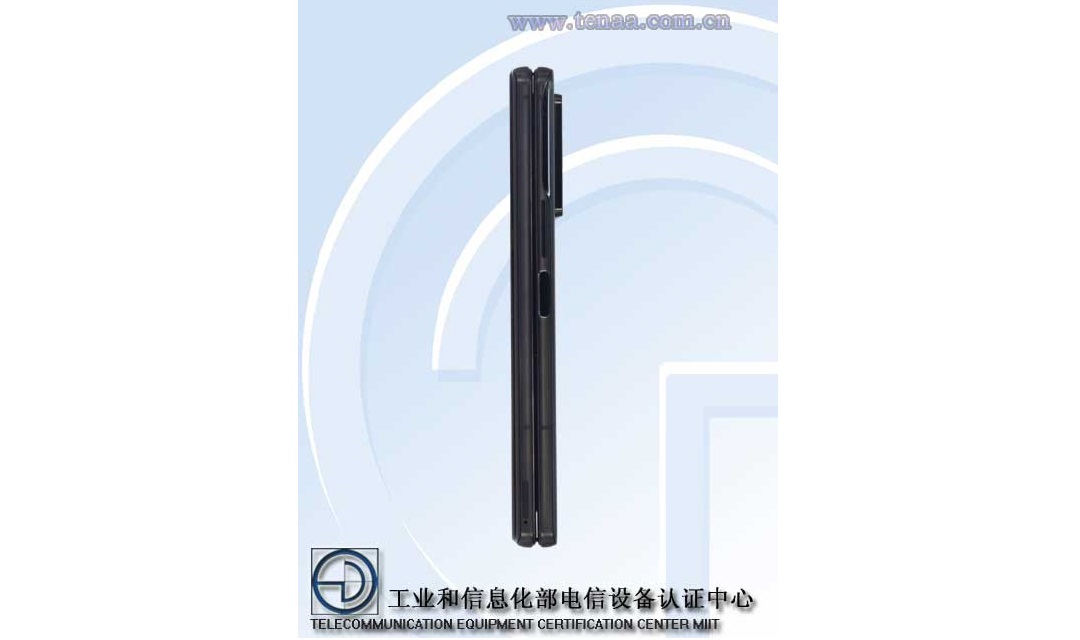
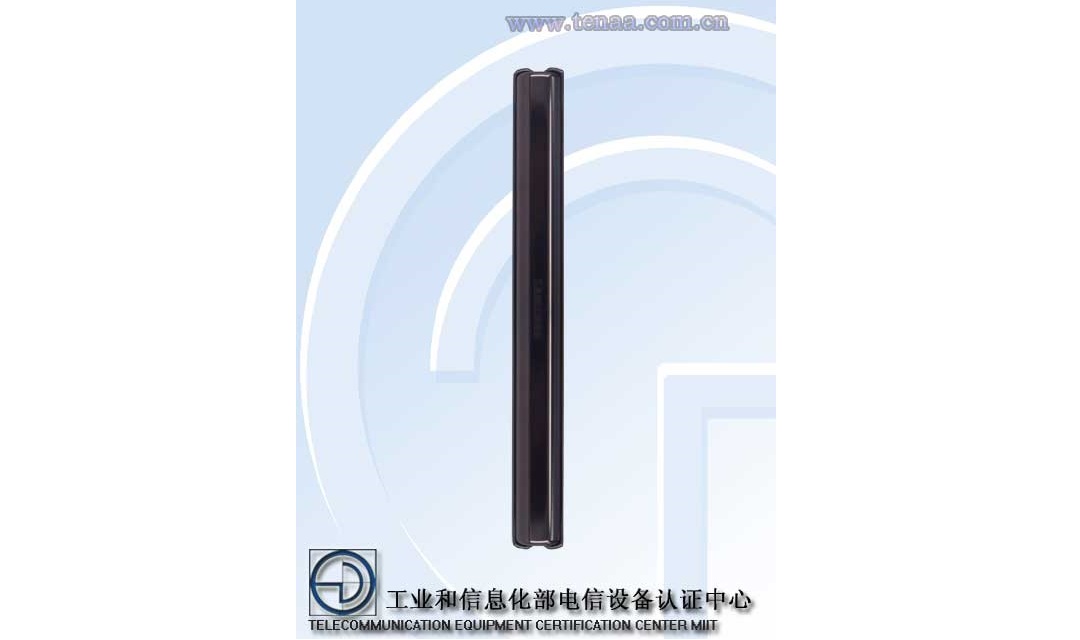
We’ve gotten another look at the Samsung Galaxy Z Fold 2 thanks to a new listing on the Chinese telecom regulation authority's (TENAA) website, which clearly show off the side and front views of the next foldable.
True, the phone is turned off in the photos, so we aren’t getting any new ideas about how it’ll look in-use, like we did at the Z Fold 2’s unveiling in early August. But the images in the TENAA filing offer a few perspectives we didn’t see before – for instance, the foldable’s camera block is chunky, protruding out more than most phones we’ve seen. Good luck resting it on a flat surface.
Image 1 of 3
(Image credit: TENAA)
Image 2 of 3
(Image credit: TENAA)
Image 3 of 3
(Image credit: TENAA)
The photos also reaffirm that the rear cameras looks identical to the one on the Samsung Galaxy Note 20, but without the vertical oval below the flash on the Samsung Galaxy Note 20 Ultra’s camera block, which holds the new laser focus. That’s an unfortunate omission from a foldable phone that’s expected to cost as much as or more than the original Samsung Galaxy Fold (whose launch price was $1,980 / £1,900 / AU$2,900).
The TENAA listing didn’t come with a full specs sheet, sadly, but did include a model number of SM-F9160, as first spotted by GizmoChina. The publication is also asserting that US preorders for the device will be open on September 2 and go on sale on September 18, affirming a recent claim made by leaker Evan Blass.
iPhone Flip: all we've heard about the rumored Apple foldable phone
Foldable to the future?
Despite the foldable being shown off in the TENAA listing’s photos, we can’t see our most eagerly-anticipated feature: the 6.2-inch front screen spans nearly the full length of the Galaxy Z Fold 2’s outer side, which is far more than the 4.6-inch front display of the original Galaxy Fold.
At Samsung Unpacked, we saw the new foldable in teaser footage, and learned Samsung redesigned the hinge with vacuum cleaner-like bristles to flush out dirt and dust every time you unfold the device. Pack on a 4,500mAh battery and 5G compatibility in all regions, and the Fold 2 seems like it improves on some (though not all) shortcomings in the original device.
We’ll know more when Samsung holds an event on September 1 that we expect will include a far more robust unveiling of the device.
How good is theCanon EOS R5for wildlife photography? We handed one to wildlife snapper Dave Stevenson and sent him to a bird hide to find out – here's his verdict.
Sitting in a great wildlife hide is my idea of heaven. You can watch the wildlife, snack all day, listen to podcasts – and if you don’t come away with any decent pictures, you can always blame an imaginary sparrowhawk for scaring away the birds.
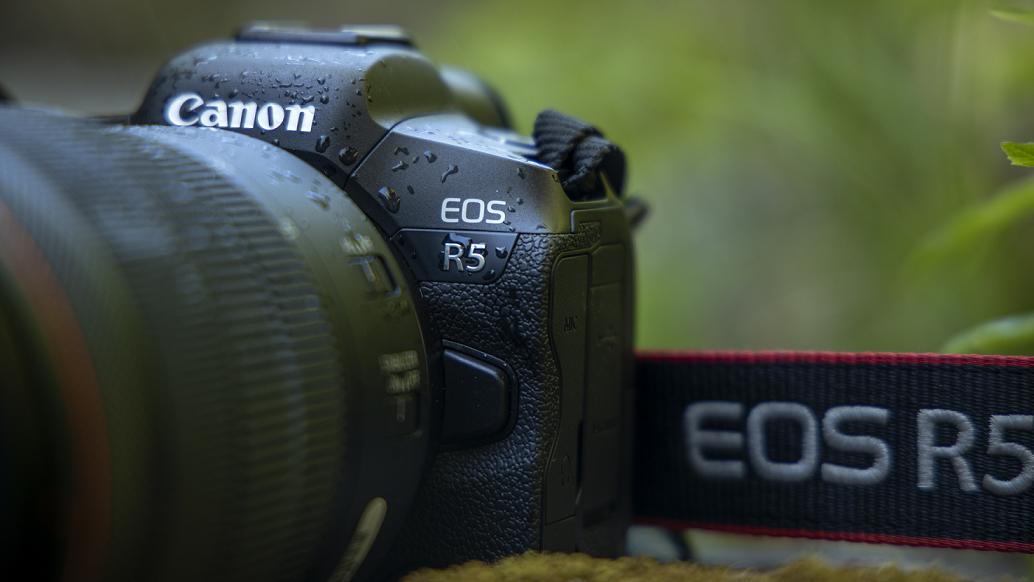
Last Friday was a particularly good day because rigged in my hide, along with my usual pile of lenses and cables, was the Canon EOS R5; a supercomputer in a tiny-but-somehow-still-full-frame mirrorless body.
The headline stats are amazing: 12fps at 45.1 megapixels; 20fps if you go with the completely silent electronic shutter. Autofocus has been taken from the mad Canon EOS 1DX Mark III. Plus you get 10-bit 4K LOG video, albeit with some heat-related restrictions.
But building a camera with dream specifications is easy; making one that works properly while being punished by a professional is something else. It has to handle big lenses – like the EF 500mm f/4L IS II USM used for all of the pictures in this article – with heavy autofocus elements straining the battery.
Long periods of holding a composition with the image stabilization running as you wait for the perfect frame take their toll, too. Camera buffers get smashed as you shoot high frame-rates in anticipation of a great piece of behavior. A camera that does a great job with wildlife will be capable at more or less anything else – it’s arguably the litmus test for a piece of kit. Don’t come at me, wedding photographers.
So how good is that new Animal Eye AF on the Canon EOS R5? Is the EVF really as good as an optical one? And how does the battery life fair after a day of intensive stills shooting plus (cue alarm bells) a little video? Let's find out.
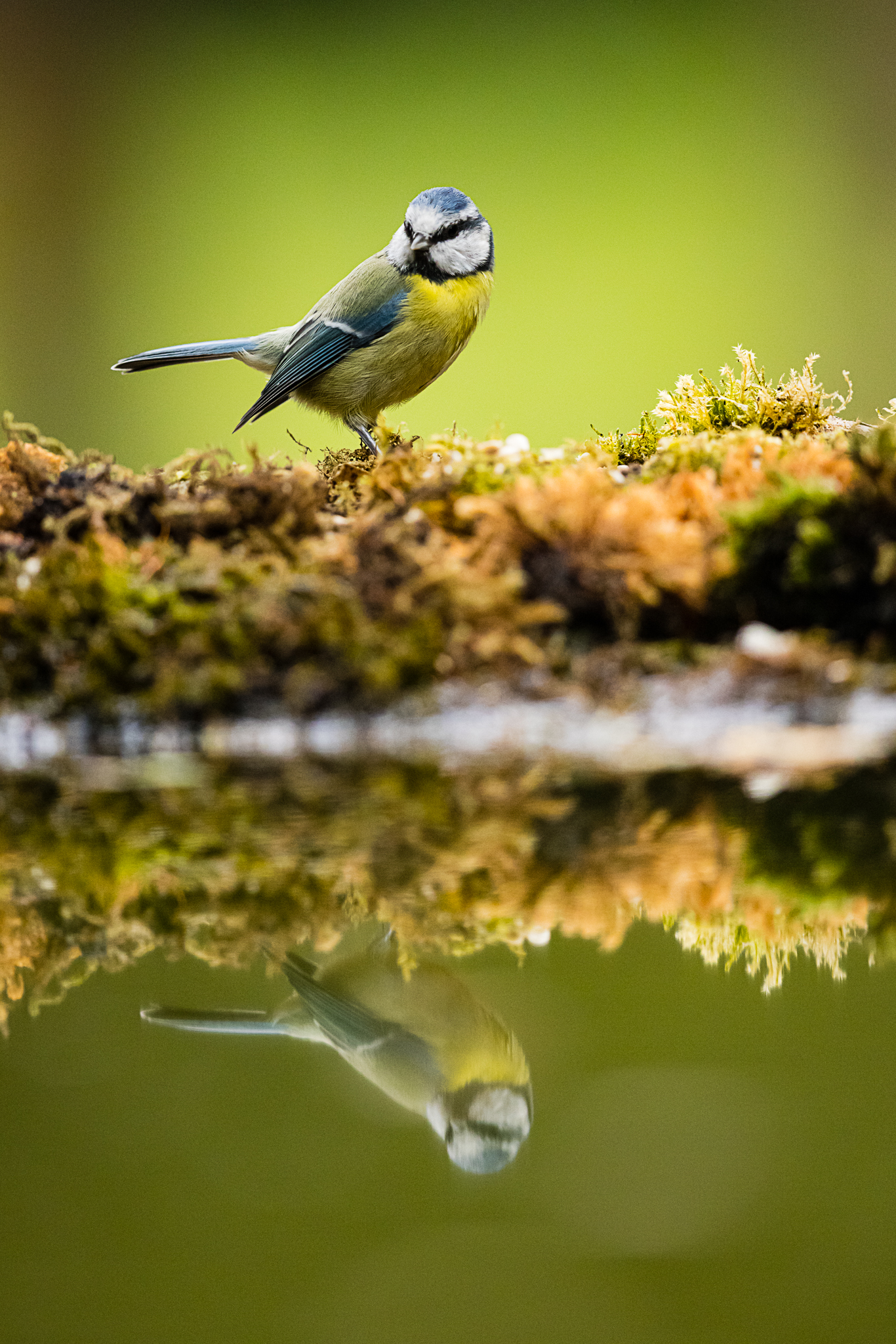
Canon EOS R5. Shot at 1/3,200s at f/5.6, ISO 4000. With a 1.4x teleconverter.(Image credit: Future)
Laser focus
Just picking up the Canon EOS R5 lets you know you’ve well and truly arrived in the future.
Ten years ago I was shooting with the Canon 1D Mark III plus Canon’s 500mm f/4, and it was a rig that called for a chiropractor after every trip. A combined weight of 5.6kg meant it was only just usable handheld.
The Canon EOS R5 and the Mark II version of the 500mm f/4 knock nearly a kilo and a half off that, resulting in a rig that is eminently carry-able and easier to hold steady without a tripod.
Hands down, far and away the absolute best autofocus system I have ever used.
Apart from weight, we have to start with autofocus. In the same way you’ll never forget the first time you used your first 10fps+ camera, you’ll never forget the first time you realized just how otherworldly, how indecently tenacious, the R5’s autofocus is.
It’s not just that it tracks – though it does – it’s how eerily accurate its subject detection is. I shot all day with autofocus set to track across the whole frame, with eye detection on and “Subject to detect” set to “Animals” and the results were just stupid. Absolutely stonking. Hands down, far and away the absolute best autofocus system I have ever used.
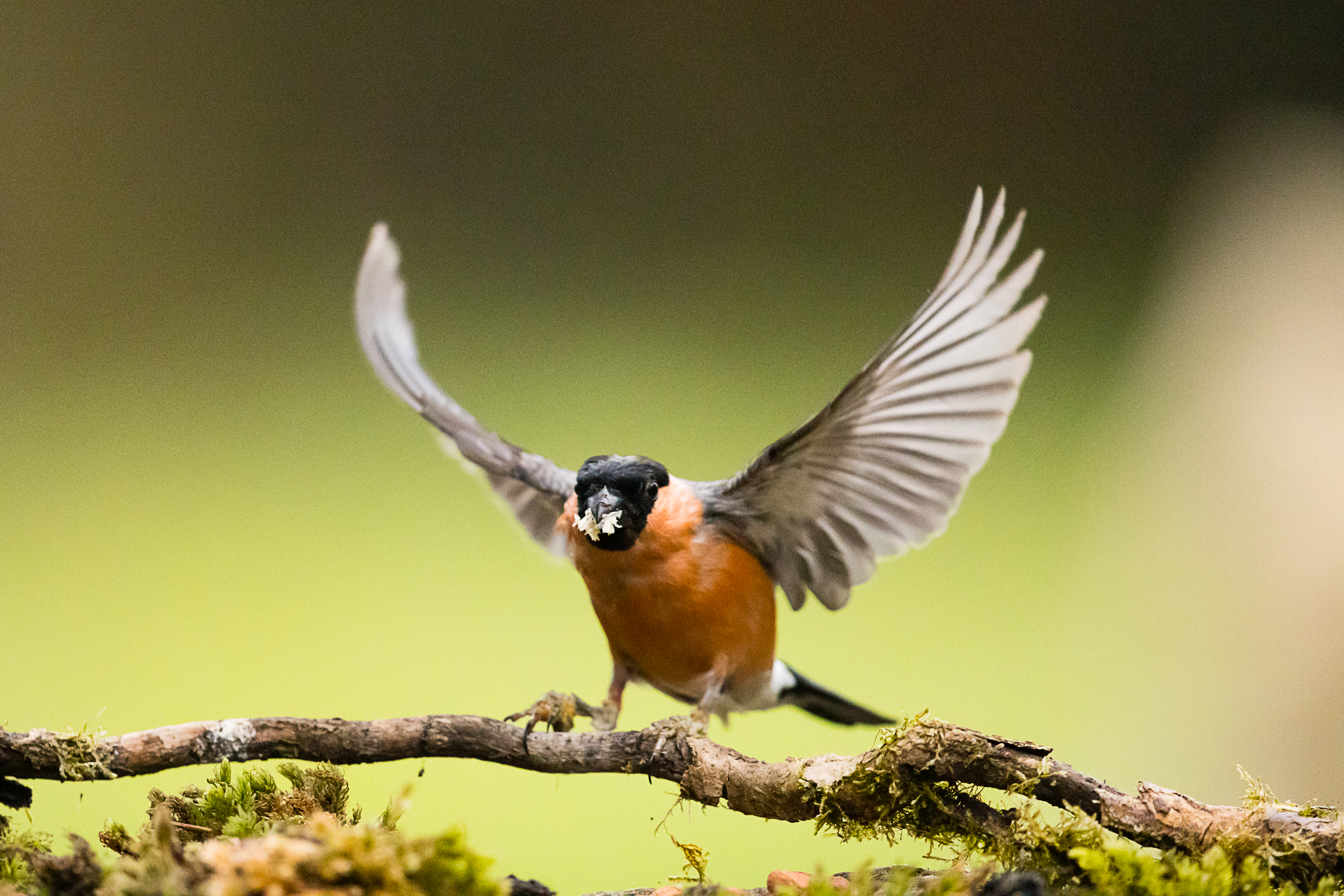
Have you ever seen the eyes of a bullfinch? They’re black, on black feathers. There is no real contrast there to speak of, and yet the R5 placed its little blue square of sharpness precisely over them with uncanny precision every time.
When the EOS R5 couldn’t do that, it apologetically enlarged its autofocus zone and simply tracked the whole subject instead.
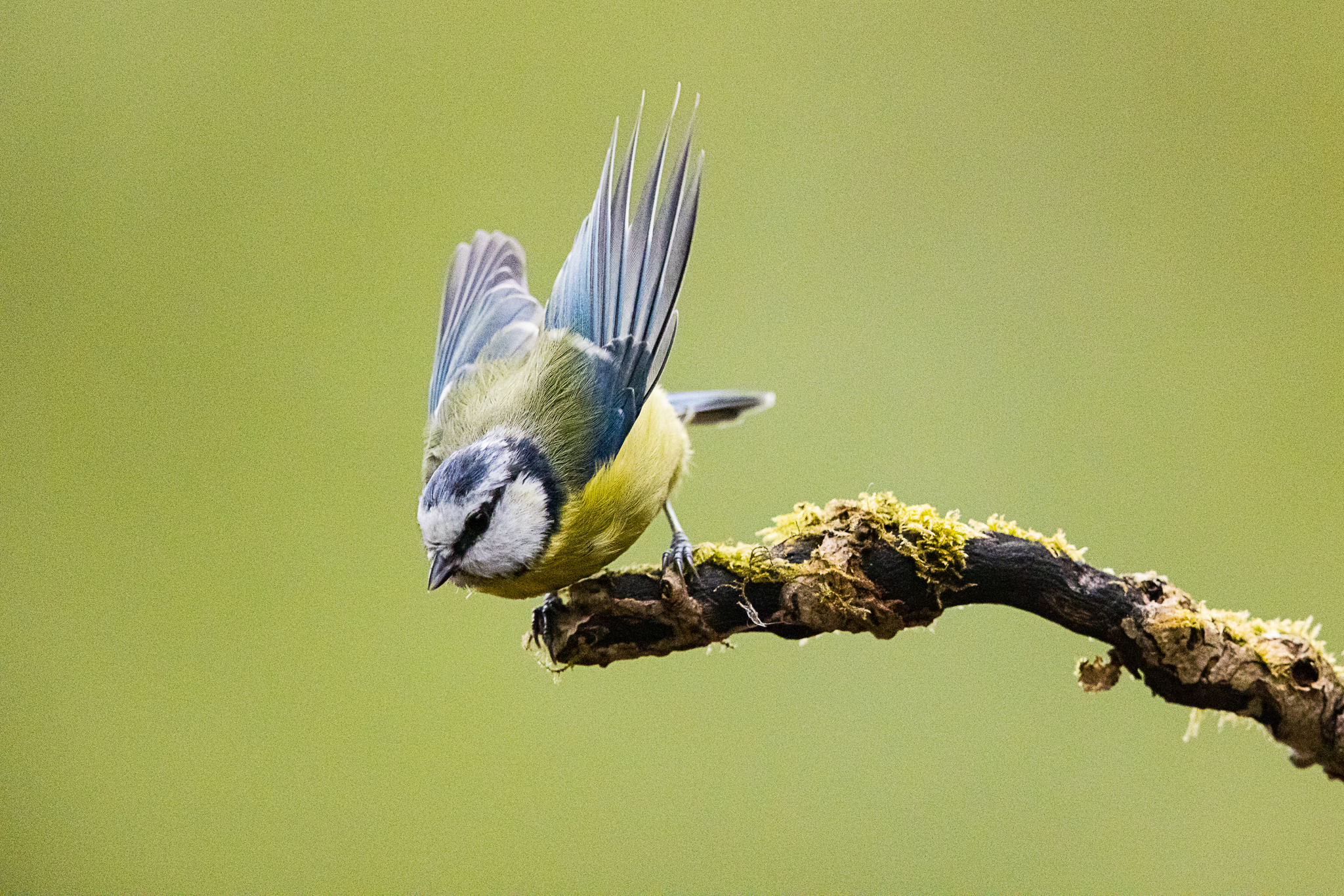
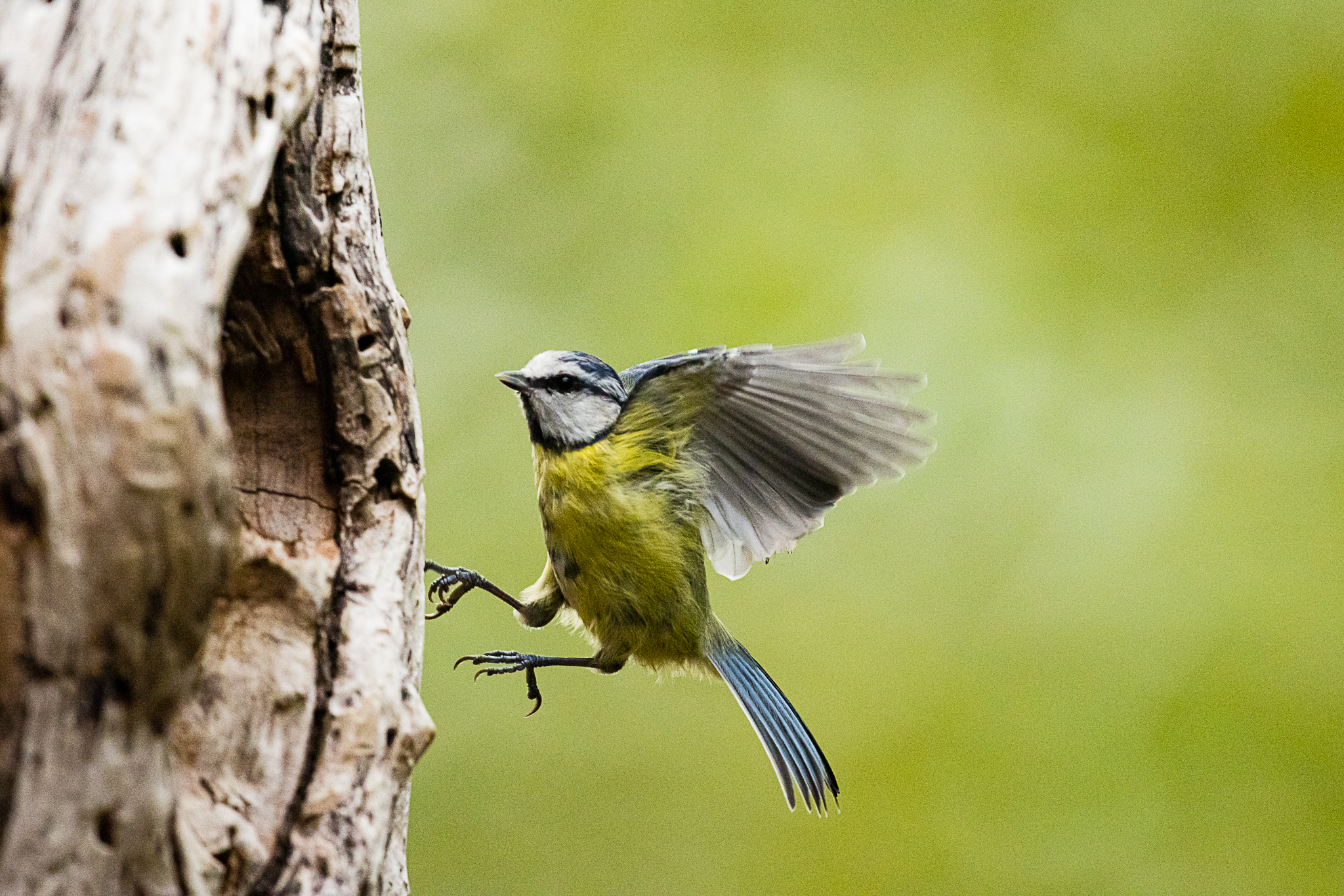
It occasionally needed a bit of help – winding the lens to roughly the right distance so the frame wasn’t just a muzzed-up smear gave it something to look for, and I still pre-focussed on expected perches to avoid needing, for instance, to track blue tits in mid-air. But for subjects hopping around, autofocus was frequently instantaneous.
Sufficiently advanced technology is all-but indistinguishable from magic, and all that. The days of pre-selecting an autofocus point aren’t quite gone yet, but the R5’s autofocus is an incredible tool to be able to reach for.
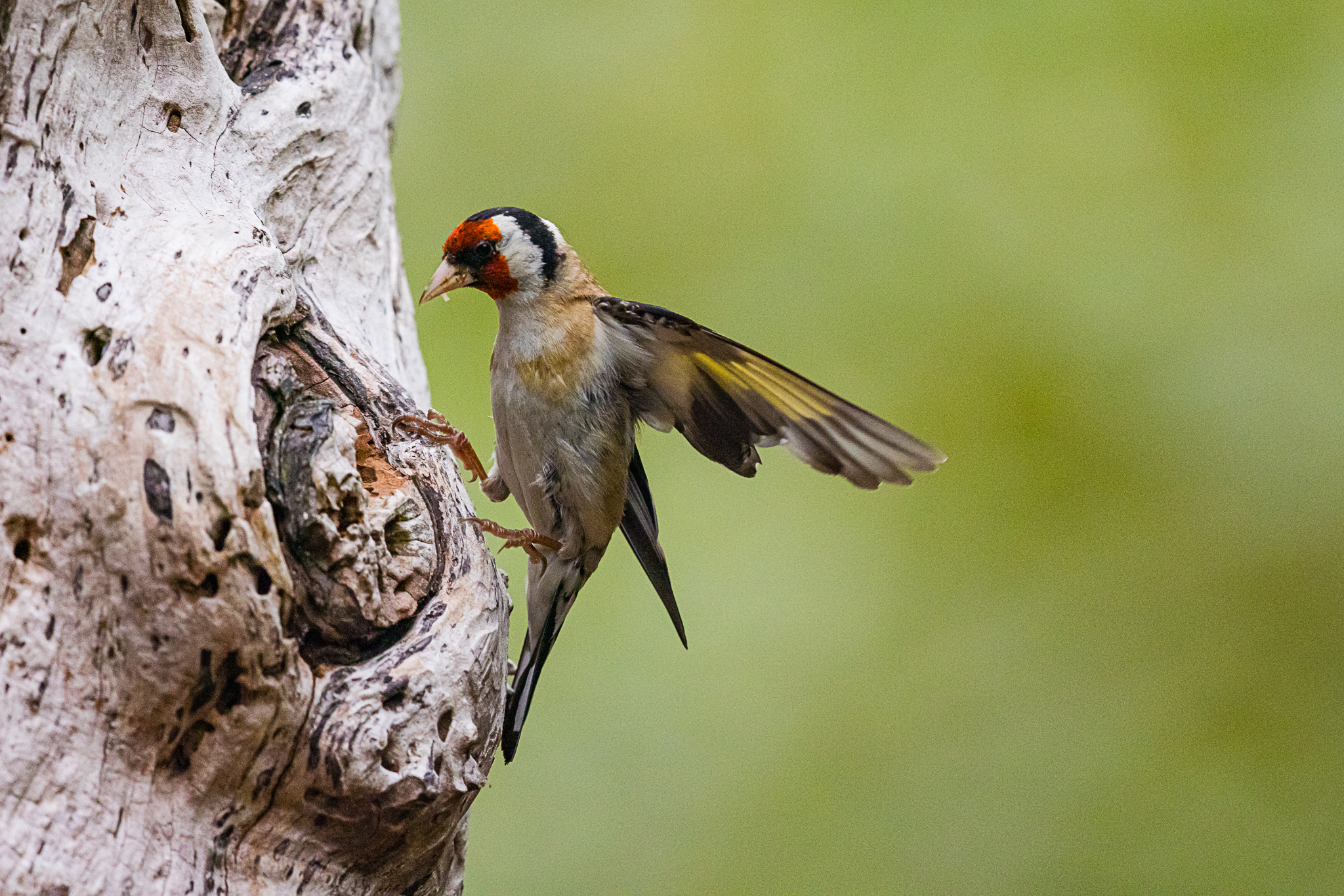
Canon EOS R5. Shot at 1/2,000s at f/6.3, ISO 3,200.(Image credit: Future)
Data deluge
Straightforward frame-rate on the EOS R5 is either good, at 12fps, or amazing, at 20fps with the electronic shutter. Electronic shutters are treated with care by most photographers as they can roll, giving your shots a wobbly jelly effect as the sensor scans from top to bottom.
Examining a string of 20fps sequences revealed this effect to be ever so slight, and only really visible when examining elements in a frame that were stationary from image to image, so I started using it for everything with some pretty good results.
Canon EOS R5. Shot at 1/3,200th at f/5.6, ISO 2,500.(Image credit: Future)
The consequent deluge of data was a sight to behold: the R5 creates raw files averaging roughly 60MB each, so you’re shooting 1.2GB per second.
Its throughput is incredible, though: at 12fps, in raw, with a fast 512GB SanDisk Extreme Pro CFexpress card, I was unable to make a dent in the camera’s buffer; at 20fps the buffer depleted faster, but cleared at almost the same rate it was shooting at, leaving the camera shootable for multiple extended bursts. If you can’t get the shot with this camera, it’s your timing.
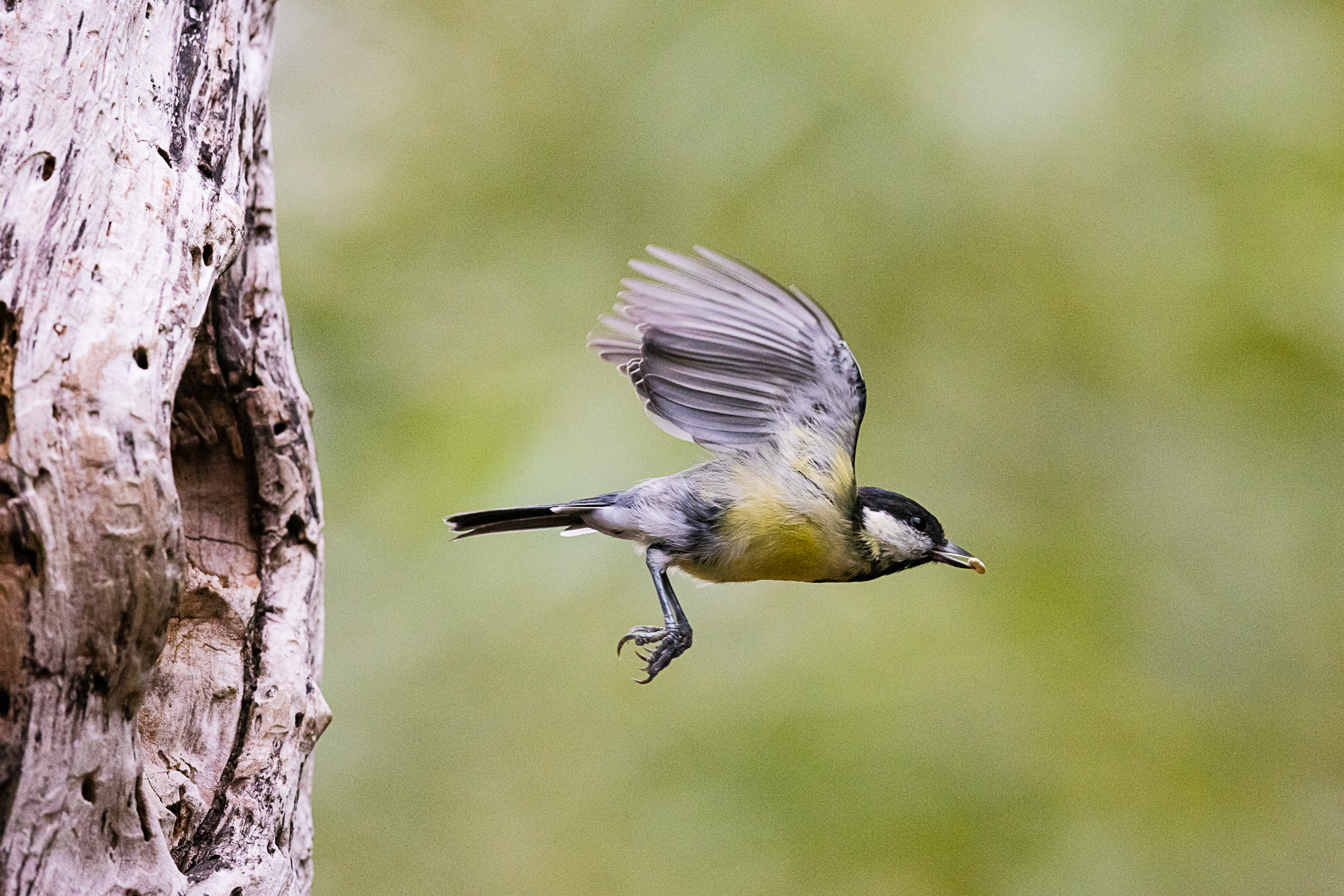
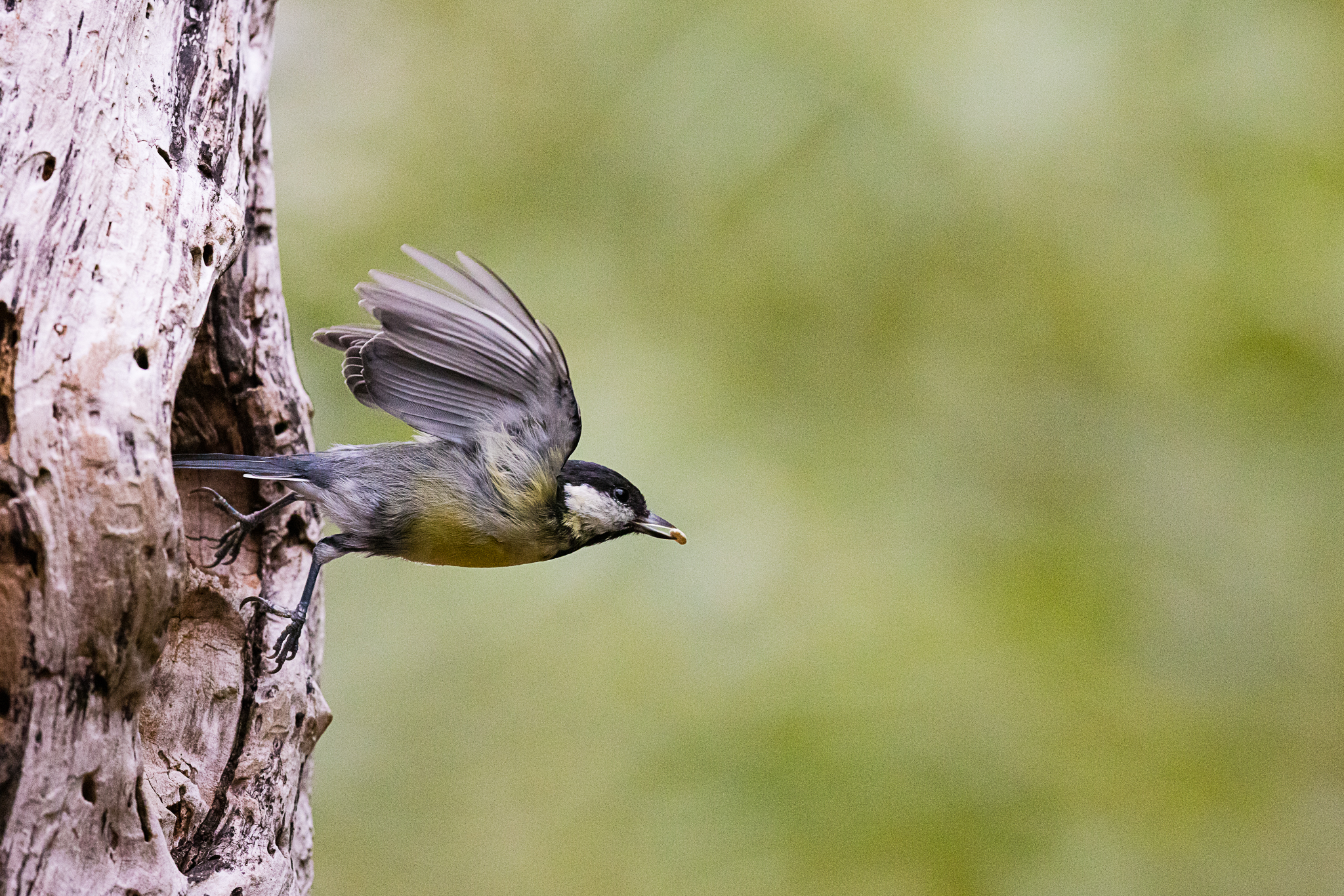
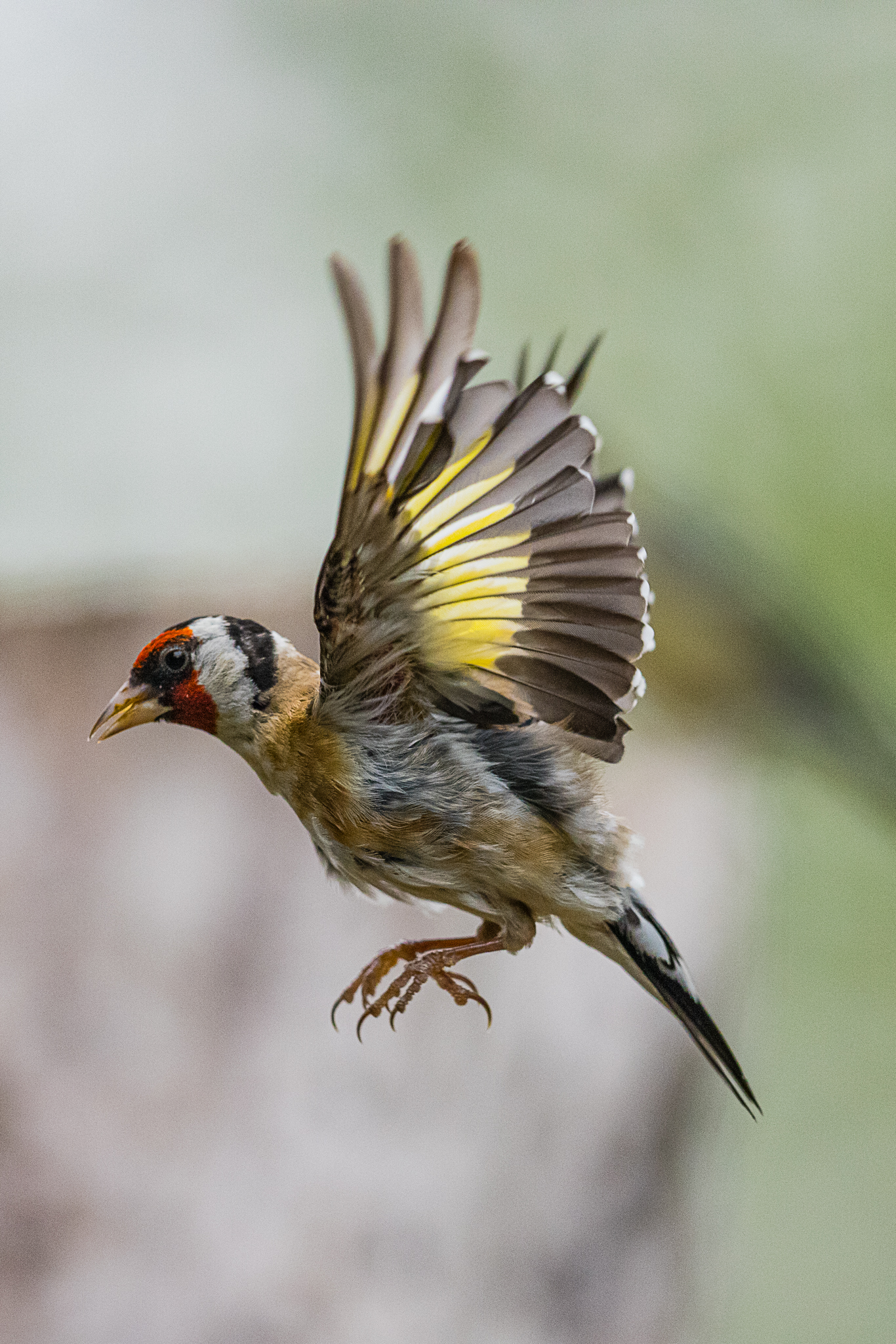
Image quality is worth a mention too, of course. If you want birds in flight, particularly small ones, you’ll be shooting fast exposures. For example. 1/1,000th of a second is too slow, 1/2,000 marginal for many species. The frame below was shot at 1/5,000th and I think it’s pretty sharp.
Canon EOS R5. Shot at 1/5,000th at f/6.3, ISO 6,400.(Image credit: Future)
I stopped the lens down a little for the photo above, shooting f/6.3 rather than f/4 to give me a little more latitude in terms of depth of field. That obviously cuts down the light that reaches the sensor, with a concomitant ISO 6,400 for this frame.
Noise-free it isn’t, but what you’ve got here looks like film grain rather than anything terribly disruptive, and unlike some cameras at such a high ISO, there isn’t a color shift to contend with. With a little more work in post you could reduce the noise – particularly in the defocussed background – even more.
You can go significantly sillier, too – guess the ISO in this shot below.
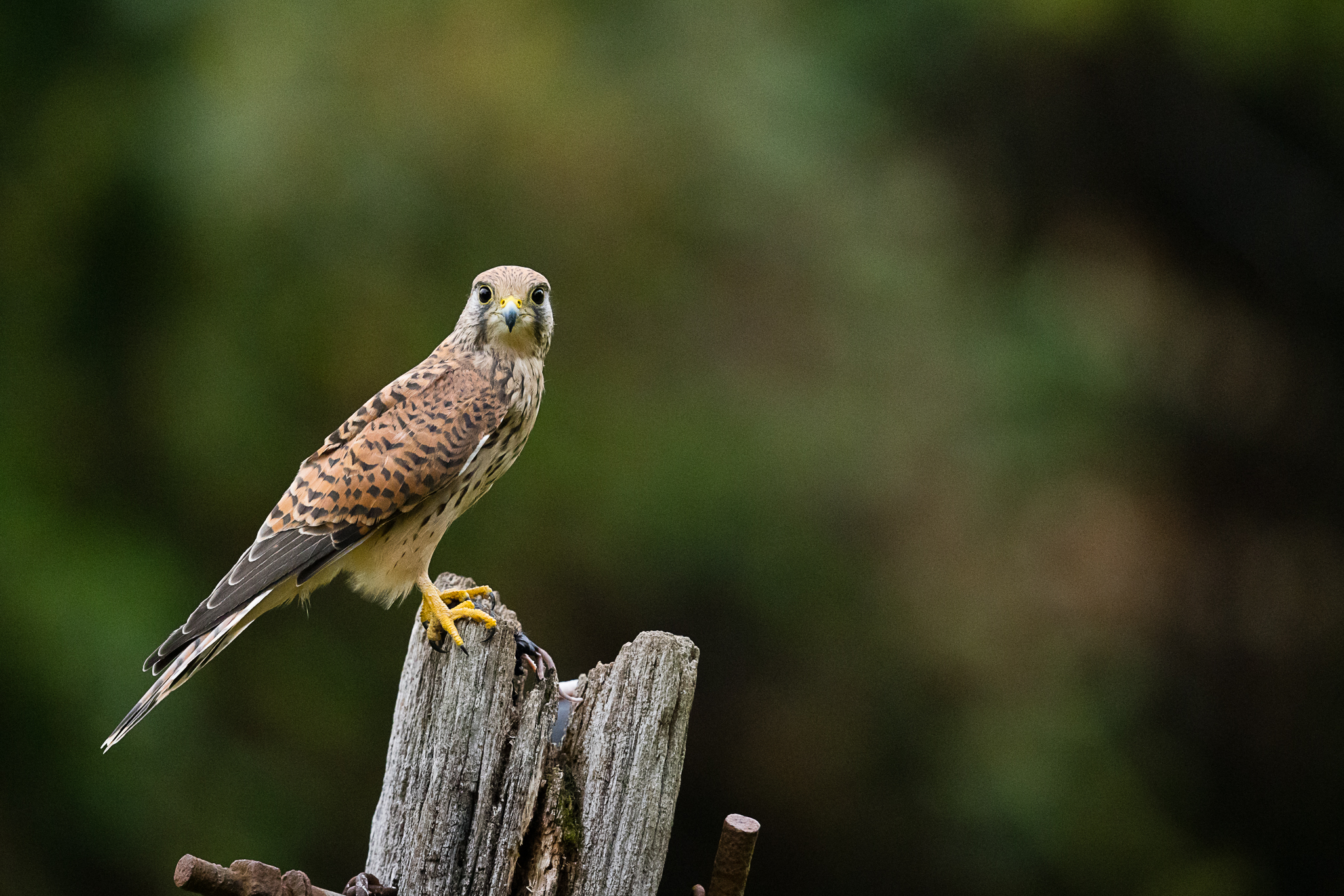
Canon EOS R5. Shot at 1/4,000th at f/4, ISO 10,000.(Image credit: Future)
This one's at ISO 10,000. Again, it’s grainy, noticeably so in the background, but the areas of fine detail look really sharp and I’d be optimistic that this image would print nicely at large scales.
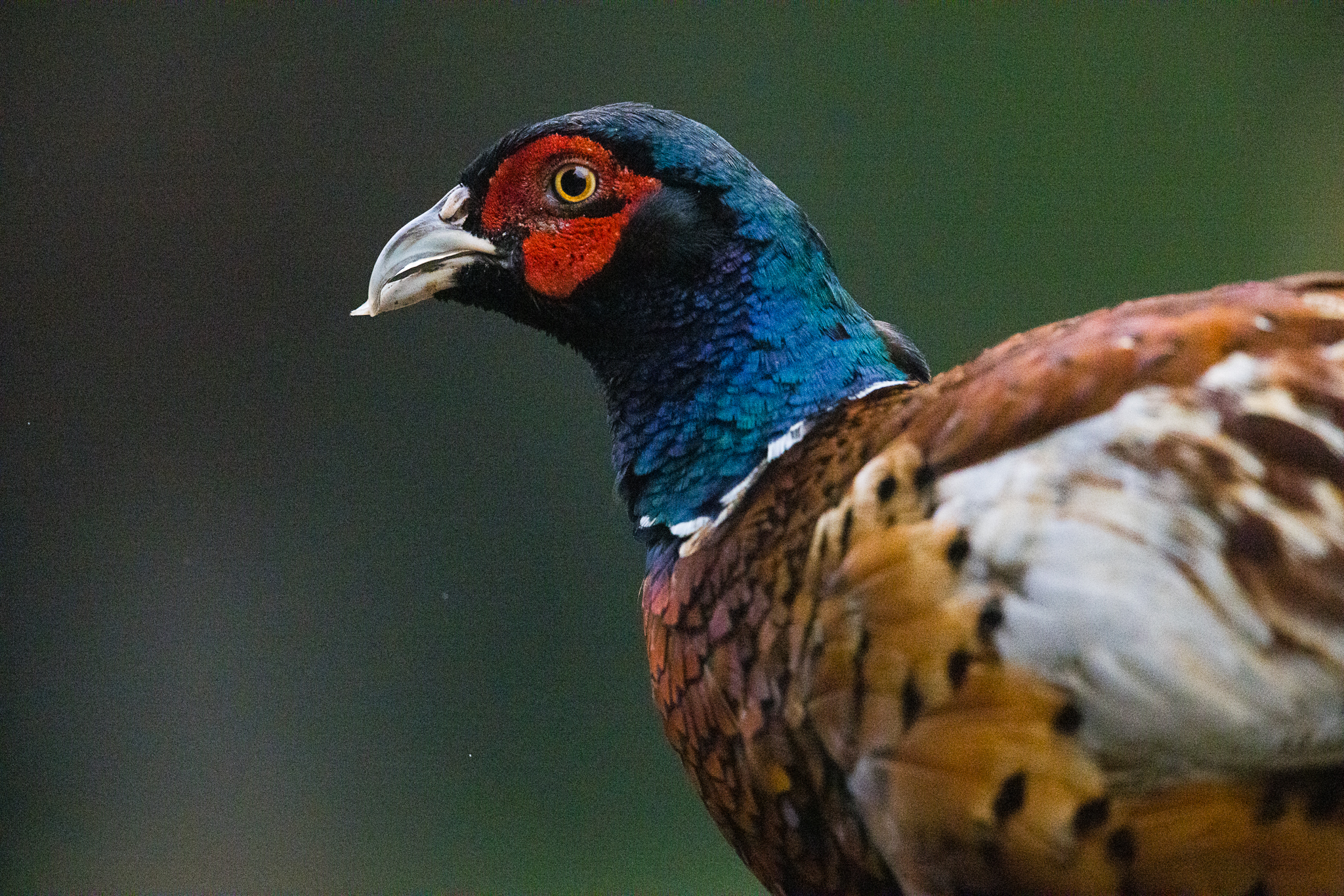
Let's go sillier again: here's a pheasant at ISO 51,200.
Shot at 1/2,000th at f/6.3, ISO 51,200. With a 1.4x teleconverter.(Image credit: Future)
Noisy? Yes. There’s a bit of a color shift and with so much plain background, the extra grain is very noticeable. But still, ISO 51,200! Usable in an absolute pinch if something once-in-a-lifetime unfurls in front of you.
The hall of fame continues: ISO 12,800.
(Image credit: Future)
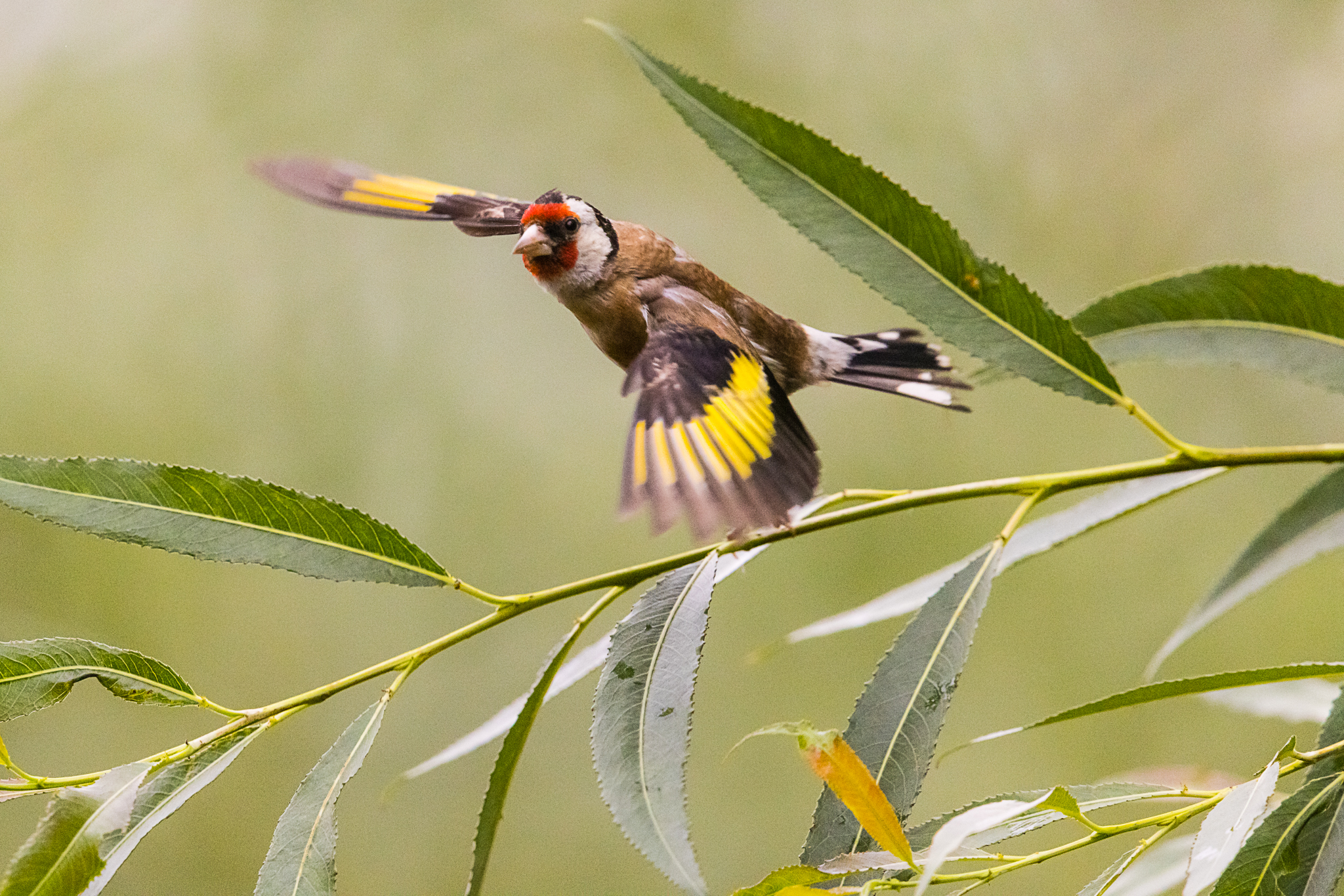
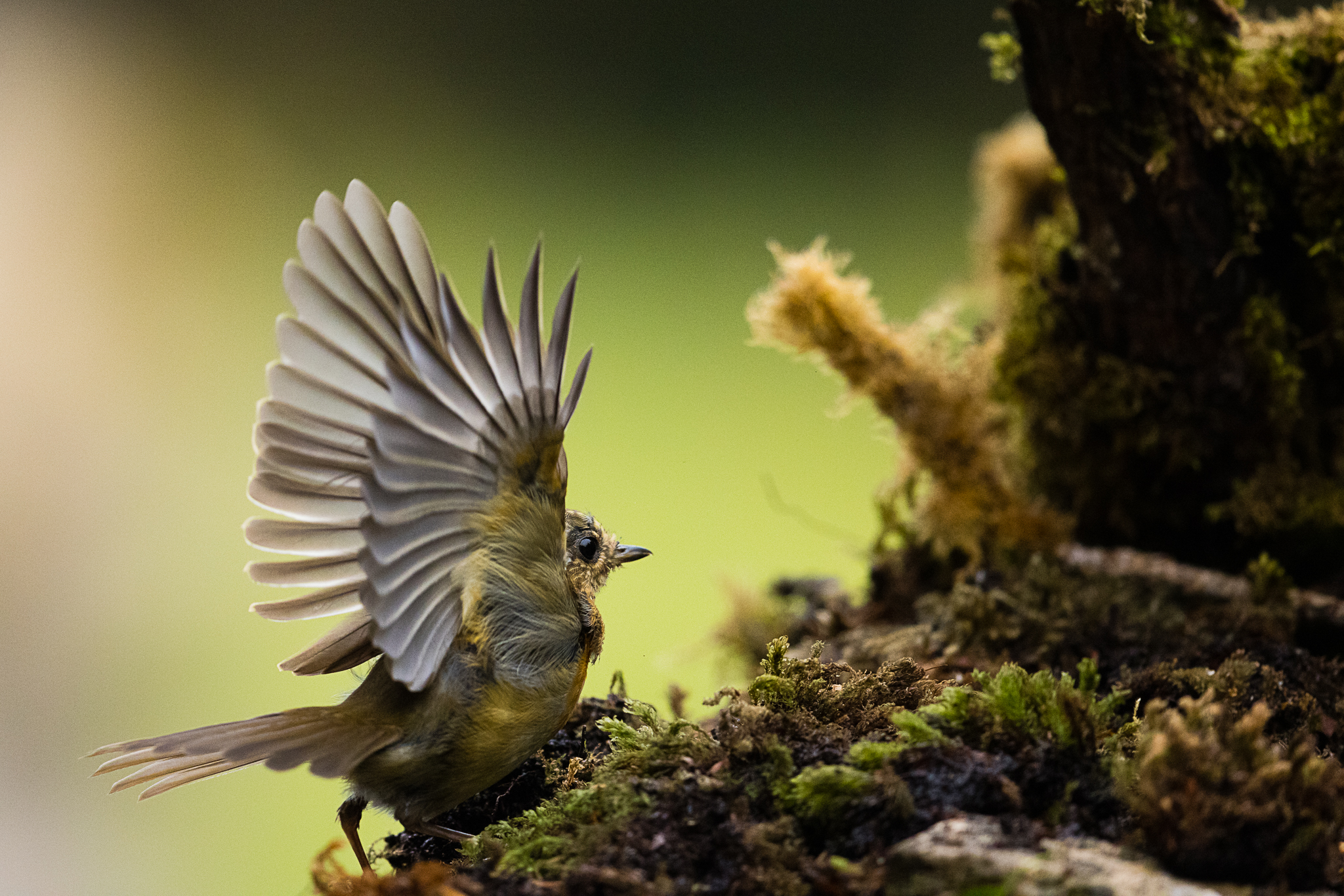
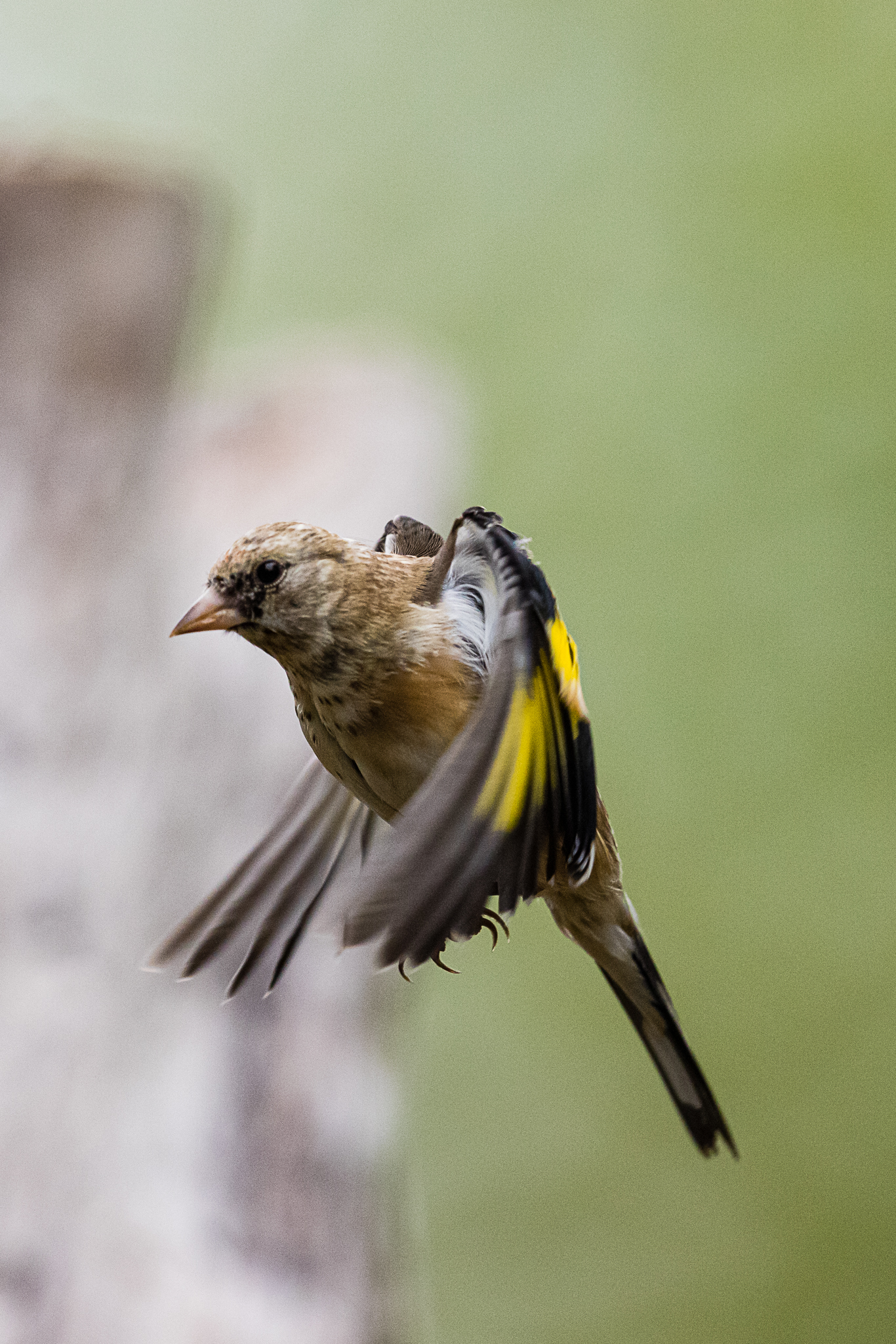
In my pursuit of sharp flight shots – in rather dull, overcast light – I practically lived at ISO 3,200 and 4,000 and the results are amazing. The combination of the R5’s ability to grab and track a subject, and shoot a workable frame of it at a fast shutter speed and very high ISO makes it an incredible wildlife photography tool.
Mirrorless vs DSLR
We’re going to have to talk about the EVF as well. The 500mm f/4 shoots quite a narrow depth of field, so you need to get focus absolutely right – and often I use manual focus if I’m expecting something particular to happen.
Gauging sharpness on a lot of EVFs is like trying to thread a needle in a thunderstorm, but the EOS R5’s 5.76MP EVF is just gorgeous. Sharp, smooth, bright – to me it felt indistinguishable from using a traditional optical viewfinder, with the obvious and wonderful upside of being able to have a live histogram on screen while you dial in your settings, or the ability to turn on focus peaking to make sure you are getting things just-so.
Image 1 of 6
(Image credit: Future)
Image 2 of 6
(Image credit: Future)
Image 3 of 6
(Image credit: Future)
Image 4 of 6
(Image credit: Future)
Image 5 of 6
(Image credit: Future)
Image 6 of 6
(Image credit: Future)
So far, so wonderful. So where are the downsides? For one thing, you’ll need to prepare yourself for the camera version of the range anxiety suffered by EV drivers, because the new world of mirrorless battery life takes some getting used to. I was horrified to see the CIPA claim of 220 frames’ battery life when using the EVF – that’s about ten seconds of using the R5 at full chat.
In the real world, CIPA’s claim is thankfully about as accurate as an amateur darts player on a rollercoaster. By the time the battery had depleted to 34% I had shot 1,378 images.
And by the time it reached 9% and the camera helpfully started blinking a warning at me, I’d over shot ten times the CIPA estimate – 2,328 images, all with the EVF, all while driving one of Canon’s biggest and heaviest lenses. Mind you, that was only about four hours after I’d started – on my 1D or 5D (gripped, with a pair of batteries) I’d expect at least a day’s really intensive use.
Image 1 of 4
(Image credit: Future)
Image 2 of 4
(Image credit: Future)
Image 3 of 4
(Image credit: Future)
Image 4 of 4
(Image credit: Future)
Thankfully, with a consideration rare by today’s standards, the R5 doesn’t just take its latest generation, 2,130mAh LP-E6NH battery. It’s also compatible with the older LP-E6 battery, which Canon has been supplying with its higher-end consumer and pro cameras since the Canon 5D Mark II.
So I popped in one of my 5D batteries and went on my way. By the end of the day I was halfway through my third battery, having shot a little over 5,000 images. That’s pretty good considering the R5 is working fairly hard even when you’re just framing up (traditional DSLRs are just sipping power until you run the autofocus or take a picture), but it does means photographers who shoot a lot of images are going to want at least one spare battery; very wise souls won’t go to work without two.
Photographers who shoot a lot of images are going to want at least one spare battery; very wise souls won’t go to work without two.
The question of heat dissipation reared its feverish head as well. Switching from stills mode to video mode in the hope of shooting a few 100fps slow motion clips produced an overheating warning and a refusal to film.
This wasn’t a total refusal – 4K/25fps filming was available whenever I tried, but both 50fps and 100fps were unavailable. Bear in mind I’d been shooting very intensively for hours at this point, and after a short break the camera recovered and allowed me to shoot the clips I was looking for, which sadly ended up being this irritatingly-soft slow-mo of a blue tit coming and going.
It’s difficult to draw much of a conclusion from this – Lord knows there are enough YouTubers posting more scientific tests of the R5’s heat-resisting capabilities – but suffice it to say if you’re extremely demanding when it comes to shooting both a lot of stills and high-speed video, it might be worth thinking about bringing two cameras.
(Image credit: Canon)
Canon EOS R5: a wildlife winner?
So, conclusions. The Canon EOS R5 has amazing autofocus, an apparently un-fillable buffer and incredible image quality at very high ISOs. I don’t want to be too reductive, but for a wildlife photographer, not much else matters.
Battery life could be better, although that’s a question of organization as much as anything. To be honest, battery life could be halved again and if the EOS R5's autofocus performance stayed the same I’d be almost as positive – it really is completely amazing and it’s a shame it’s been lost in the furore over heat dissipation.
Using it for the first time, watching it track a small, unpredictable subject dart around the frame, really was a “wow” moment. It’s a tool that will help create a lot of amazing photographs – although it could mean that imaginary sparrowhawk is the only excuse you’re left with.