TikTok has been getting a lot of coverage since the last few days. The Chinese social media app that is already facing a potential ban in the United States, is now found tracking user data on Android phones via means that are against Google’s policies.
It has been reported that TikTok had been tracking users via the MAC address of their Android phones for over 15 months. It has been accused of using a security loophole to bypass the policies, access user data and conceal it via an unusual layer of encryption, as reported by the Wall Street Journal.
According to the report, TikTok bundled MAC address details of the devices with the advertising id during the sign-up, to track the usage. MAC address, unlike advertising ID, cannot be changed or reset. While this practice ended in November last year, TikTok did not inform users about the data collection nor did it provide users with an option to opt-out.
While there is no clarity if TikTok was following this practice on iOS devices as well, however, both Google and Apple do not allow applications to track devices with their MAC addresses.
While TikTok is not the only application that is following this process to track users, AppCensus reports that over 1.4% of Android apps exploit this loophole. Interestingly, a bug report filed by AppCensus in June 2019 had informed Google about this vulnerability. However, the fact that TikTok had been encrypting this data, makes its actions more suspicious.
Though Microsoft and Twitter are reportedly in talks to buy out TikTok’s US operations, a section of the US political leaders are calling out for a ban on TikTok. Hence, this news couldn’t have broken out on a worse time than this and a lot of questions will be asked from both TikTok and Google.
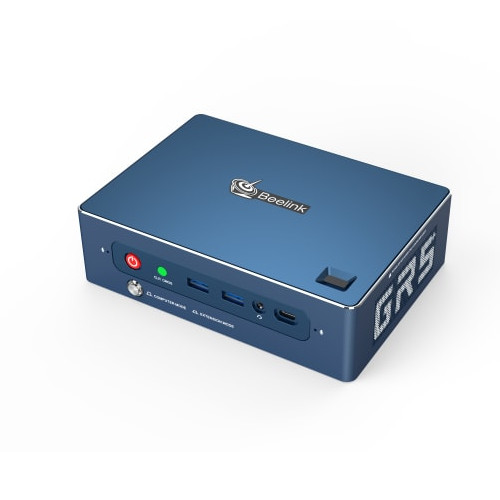
Beelink GTR Pro mini PC -$348/£267 from IndieGogo
(roughly AU$485) We're regularly impressed with the work of up-and-coming manufacturer Beelink, but this mini PC is next level. Built around the AMD Ryzen 330H and featuring a few interesting innovations, this device could be a real winner.View Deal
Beelink is a known quantity to our readers; we've reviewed quite a few of its devices over the past few years - including the T4, M1, L55 and A1 - all of which show this up-and-coming challenger is not afraid to innovate.
The Beelink GTR Pro, a mini PC built around the AMD Ryzen 3550H CPU, may well be its most ambitious piece of kit to date.
There are a few of very good reasons Beelink chose this particular processor. It has a high base frequency (2.1GHz), a relatively low TDP (35W) and an 8-core Radeon Vega 8 GPU with Freesync support.
Despite its relatively small volume (168 x 120 x 47mm) and entry-level price tag (less than $350), the GTR Pro packs two exciting features that all PC manufacturers should copy.
First, there’s a standalone fingerprint reader - an excellent feature for anyone after a business PC. Second, Beelink engineers have managed to embed Samsung’s Dex functionality, which allows a compatible smartphone to connect to the display and be controlled by the input peripherals. It's essentially an embedded KVM and could potentially be used to control other computers too (although we haven’t yet checked).
The rest of the spec list shows that the Beelink GTR Pro really is…the bee’s knees. It supports Wi-Fi 6 and has two GbE connectors, two 4K-capable HDMI ports, one DisplayPort, one USB Type-C with DP Alt Mode connectivity, two M2 SSD slots, a pair of microphones, and two DDR4 memory slots. All in all, that's a total of almost 20 ports.
There’s even a CLR CMOS button that allows you to revert to default settings, just because.
While global delivery is available, if the Beelink GTR Pro is shipped from the Chinese warehouse, it may take a month to arrive in either the UK or US (and potentially more). You may be levied a tax either directly or through the courier.
If you've managed to get hold of a cheaper product with equivalent specifications, in stock and brand new, let us know and we'll tip our hat to you.
from TechRadar - All the latest technology news https://ift.tt/2XYgjCp
Realme 6i is set to go on sale in India once again. The phone was launched last month and has been made available through flash sales ever since. It will be available via Flipkart and Realme.com. The sale will begin at 12pm (noon).
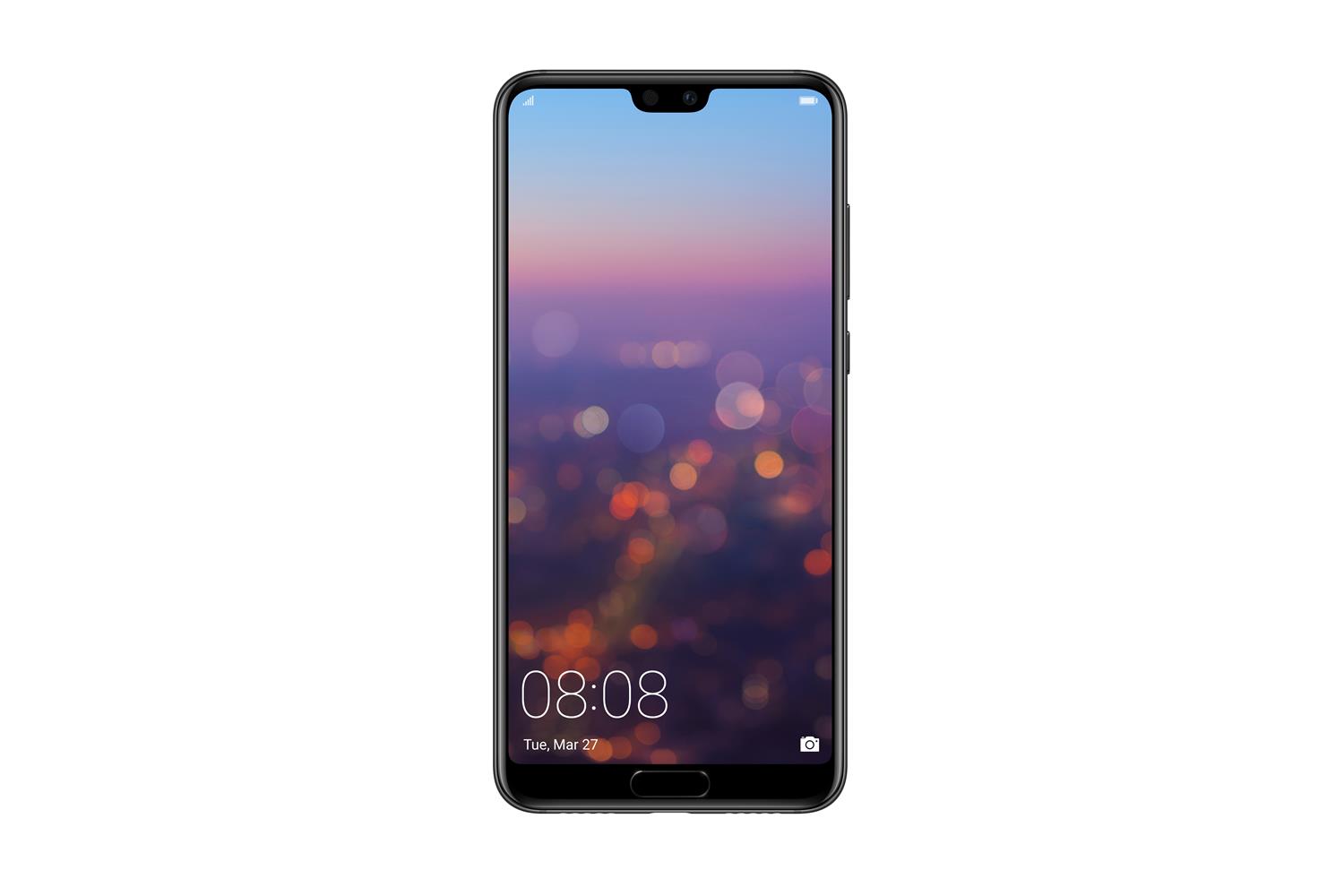
Until 2018, Huawei phones were not that well-known outside of their native China. But after the storming rise of the company thanks to its excellent P20 Pro with a premium design and amazingly good triple cameras, suddenly Huawei was a smartphone maker to contend with on a global scale.
But a recent US trade ban means that Huawei cannot work with Google, so all its new phones - including the premium P40 Pro and Mate Xs - can’t ship with Google apps and services.
That holds them back, but they still have superb hardware, so are worth considering if you can get by without Google.
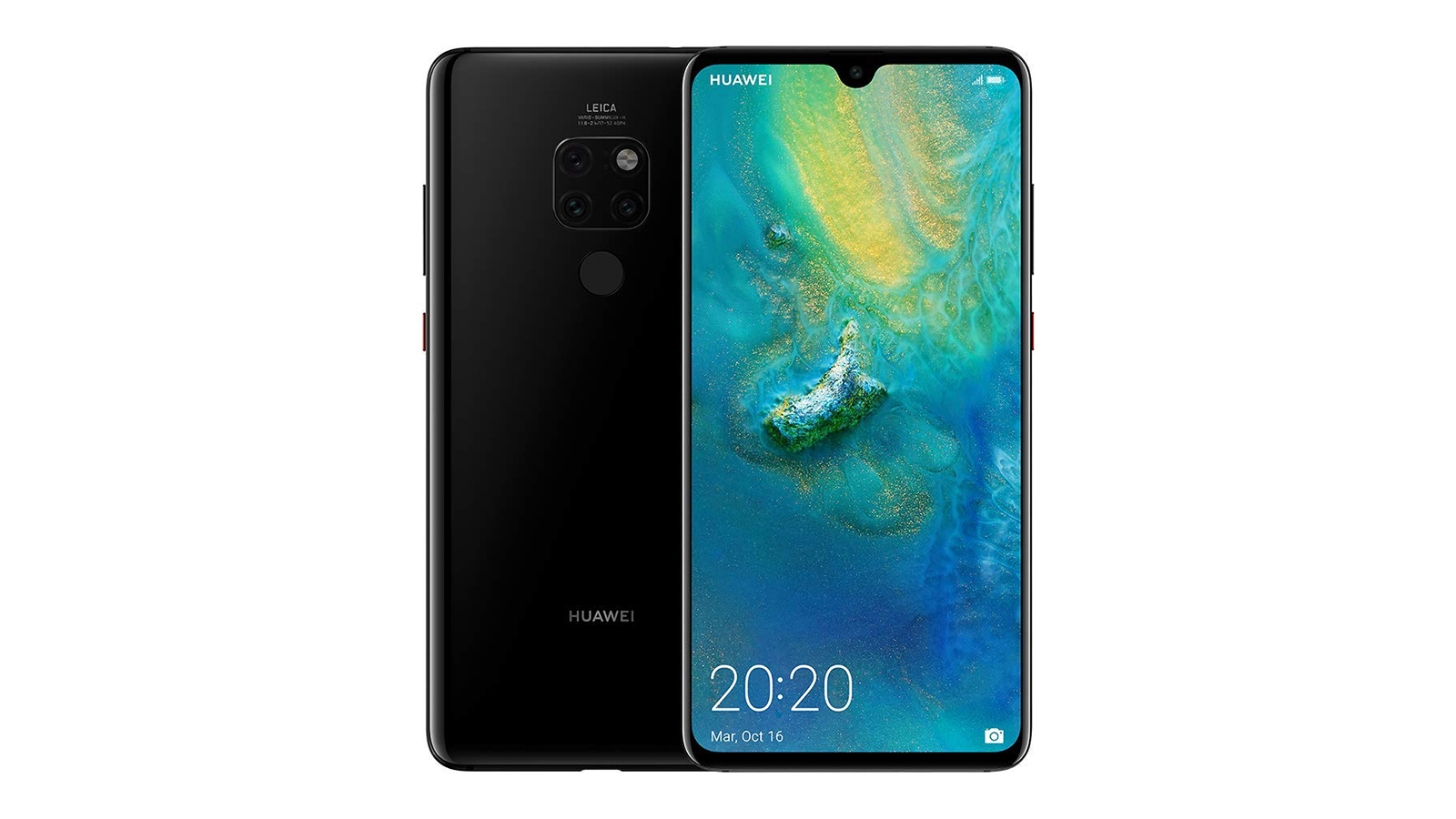
As such they still make our list, but you’ll also find a number of mostly older Huawei handsets that do still sport Google apps and the Play Store, none of which are more notable than the Huawei P30 Pro.
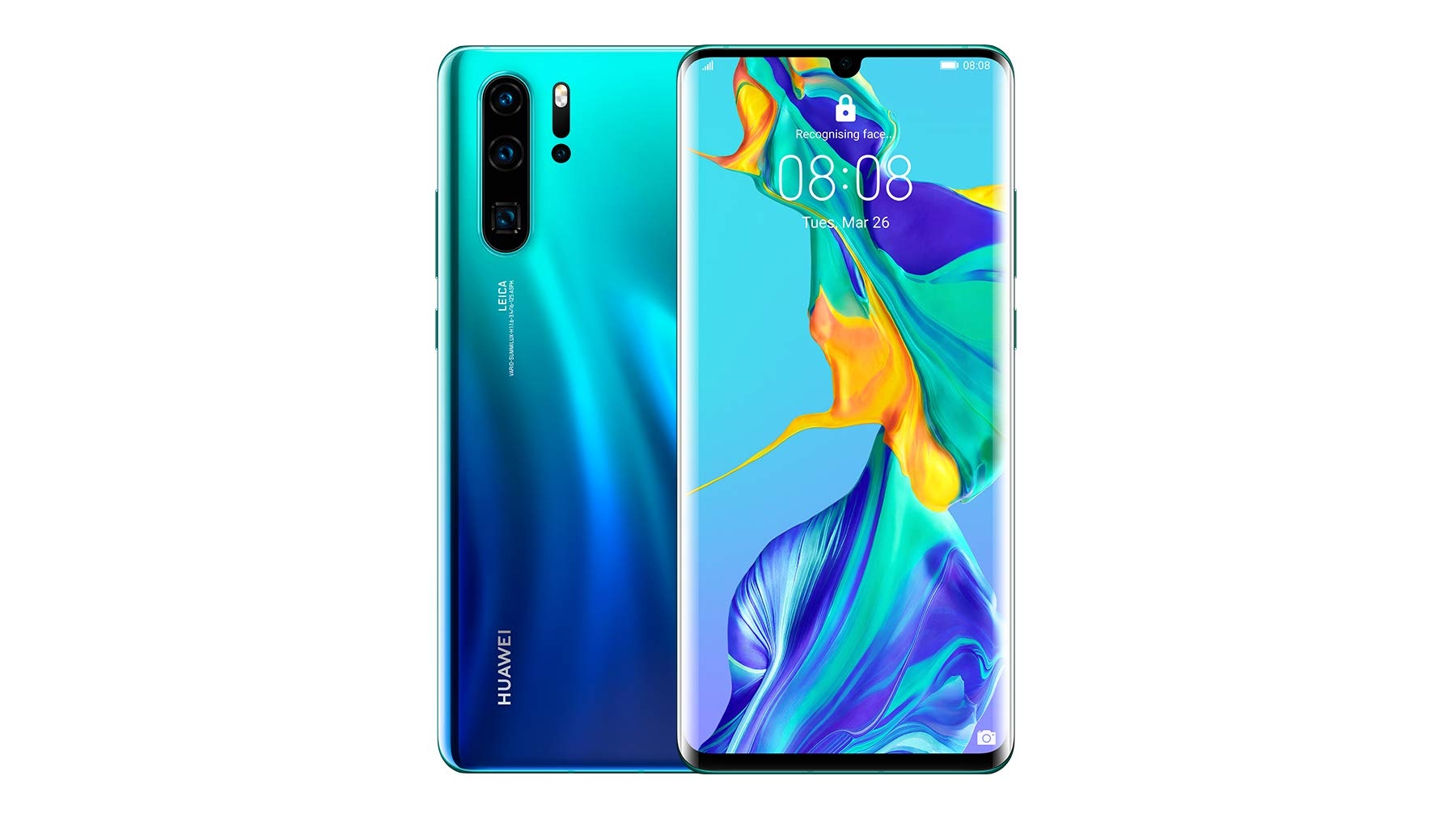
Despite this phone being over a year old it’s still an incredible handset with an amazing zoom camera, great display and class-leading battery life. You can even get most of the features for less in the P30, too. 2018’s Mate 20 Pro is still a very good option too, and Huawei’s mid-range phones like the P Smart (2019) offer slick design in an affordable package.
The P30 Pro is the best Huawei phone you can buy right now
Release date: March 2019 | Weight: 192g | Dimensions: 158 x 73.4 x 8.4mm | OS: Android 9 | Screen size: 6.47-inch | CPU: Kirin 980 | RAM: 8GB | Storage: 128/256/512GB | Battery: 4,200mAh | Rear camera: 40MP + 20MP + 8MP + ToF | Front camera: 32MP
Fantastic cameras
Eye-catching design
Display 'only' Full HD
EMUI lacks polish
The Huawei P30 Pro is the best Huawei phone you can buy right now. It's also one of the best phone we've used when it comes to photography, with the cameras being the P30 Pro's real party piece, providing staggeringly good 5x and 10x zoom, and a digital 50x zoom with gets you insanely close to objects far off in the distance. Its low-light capabilities are also top-notch.
The large 6.47-inch screen on the P30 Pro may 'only' have a Full HD+ resolution, but it's bright, clear and colorful providing an excellent canvas for your apps and games.
There's no worry when it comes to the P30 Pro potentially running out of juice, the battery life here is excellent. We regularly got to the end of the day with 30% or more left in the tank.
The P30 Pro not only sets a new standard for Huawei, it sets a new standard for the entire mobile industry. Its cameras are quite simply astonishing, the design is eye-catching and the power plentiful. It’s a true flagship smartphone.
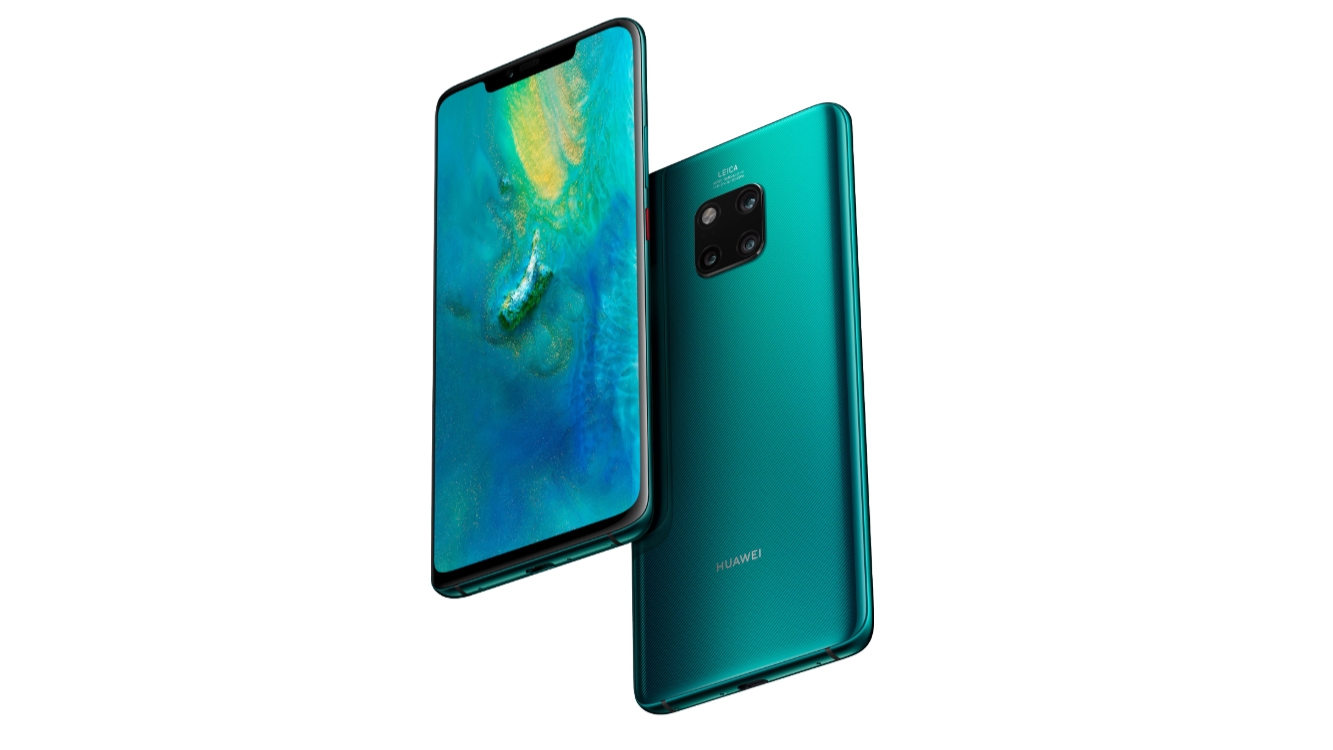
Release date: November 2018 | Weight: 189g | Dimensions: 157.8 x 72.3 x 8.6mm | OS: Android 9 | Screen size: 6.39-inch | Resolution: 1440 x 3120 | CPU: Kirin 980 | RAM: 8GB | Storage: 256GB | Battery: 4200mAh | Rear camera: 40MP + 20MP + 8MP | Front camera: 24MP
In-screen fingerprint scanner
Great triple cameras
The UI needs refinement
High price
The Huawei Mate 20 Pro is a brilliant all-round phone, offering up a heady mix of design, power and performance with a few party pieces thrown in too.
It builds on the excellent P20 and P20 Pro offering up even more screen, enhanced triple rear cameras and an in-display fingerprint scanner.
The Mate 20 Pro packs a huge 6.39-inch display giving you a large amount of space for gaming and movies, and its QHD resolution and HDR10 support ensures everything looks great. There is a wide notch at the top of the display though.
It also boasts three cameras on the rear, nabbing the excellent 40MP wide-angle and 8MP telephoto lenses from the P20 Pro - but the third sensor is new. It's an ultra-wide 16MP snapper allowing you to cram even more of your surroundings into each shot.
The Mate 20 Pro is a full-featured phone for a full-featured price - it even has a few tricks you won’t see elsewhere, and more powerful specs than most of its competitors.
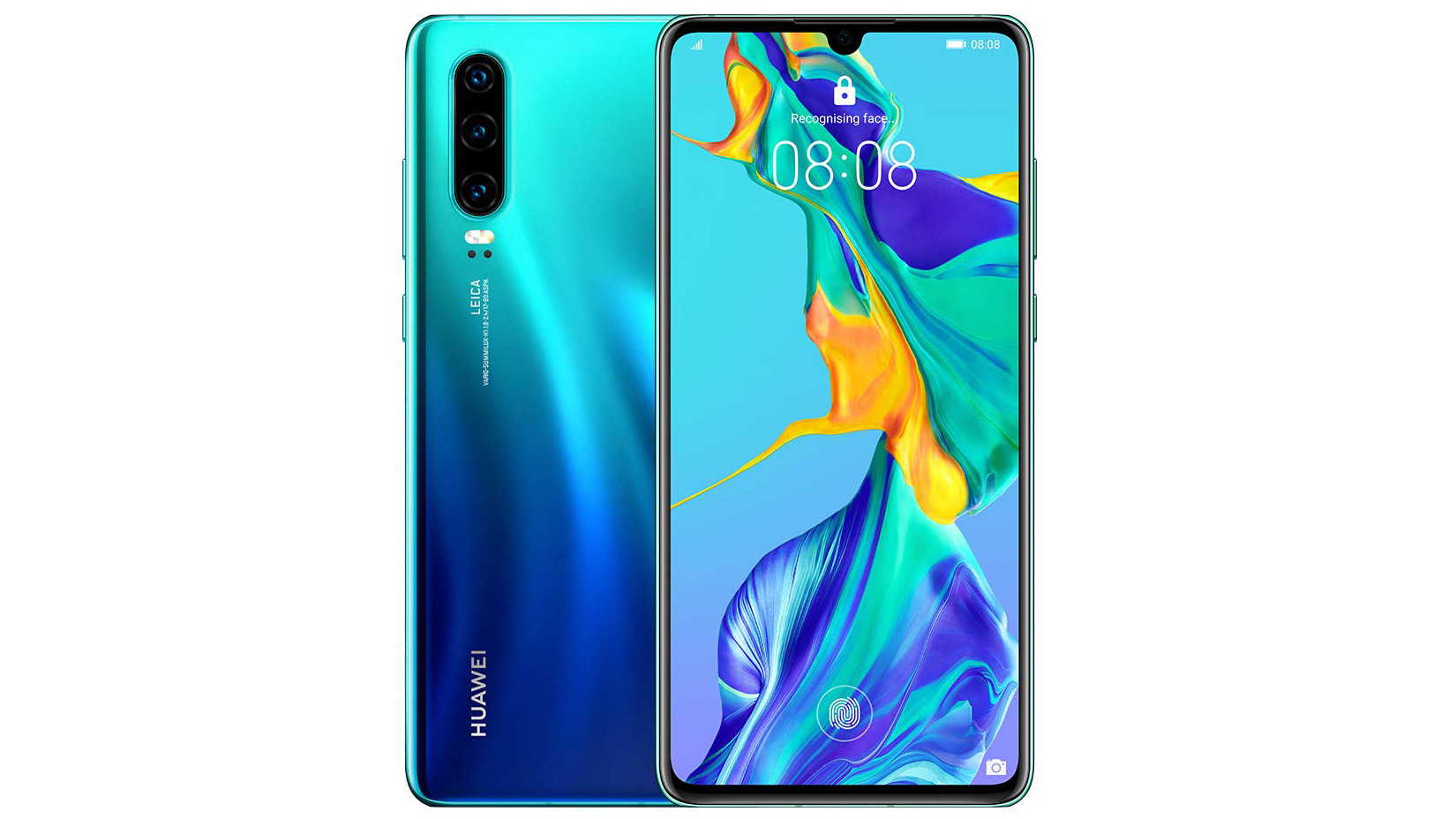
Release date: March 2019 | Weight: 165g | Dimensions: 149.1 x 71.4 x 7.6mm | OS: Android 9 | Screen size: 6.1-inch | Resolution: 1080 x 2340 | CPU: Kirin 980 | RAM: 8GB | Storage: 64/128/512GB | Battery: 3,650mAh | Rear camera: 40MP + 16MP + 8MP | Front camera: 32MP
Great camera
Powerful processor
No wireless charging
P30 Pro is superior
The Huawei P30 has a smaller screen than the P30 Pro, and makes do with just the three rear cameras and a maximum zoom of 30x, but it's still one of the best Huawei phones around.
With a 6.1-inch display the P30 is a little easier to manage in the hand than its larger sibling, and with a Full HD+ and plenty of colour it's a top smartphone screen. You can expect to get excellent battery life from the Huawei P30, with the phone often lasting a day and a half on a single charge without issue.
While the three cameras on the rear aren't quite as good as the four on the P30 Pro, they still offer up an impressive shooting experience with 5x, 10x and 30x zoom and great low-light abilities.
There's heaps of power, a handy headphone jack (something the Pro can't boast) and a more manageable form factor for one-handed use. And of course, it's a little cheaper too.
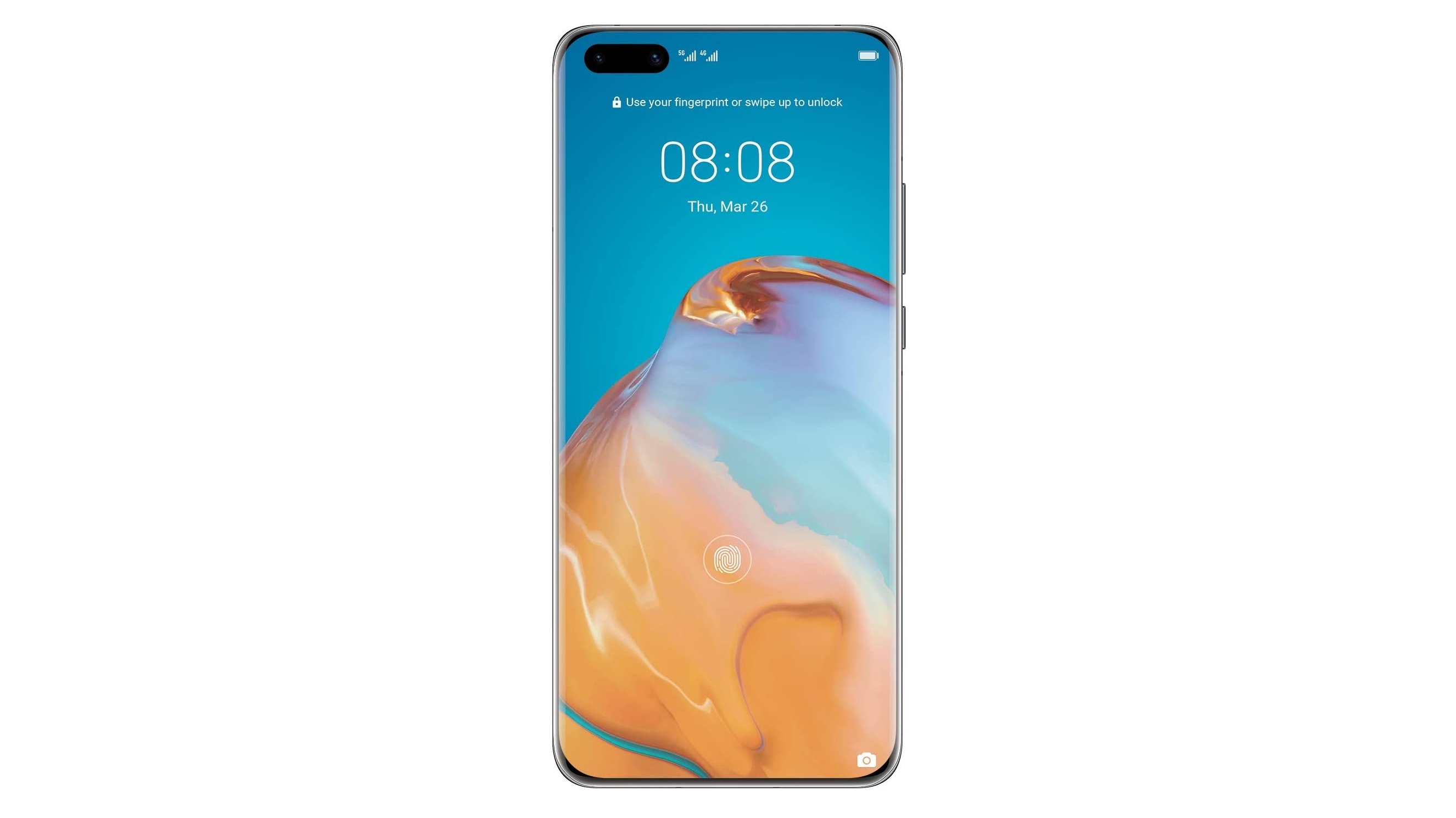
The P40 Pro has superb cameras, but it’s hampered by its software
Release date: March 2020 | Weight: 209g | Dimensions: 158.2 x 72.6 x 9mm | OS: Android 10 | Screen size: 6.58-inch | CPU: Kirin 990 | RAM: 8GB | Storage: 128/256/512GB | Battery: 4,200mAh | Rear camera: 50MP + 40MP + 12MP + ToF | Front camera: 32MP
Phenomenal battery life
Brilliant cameras
Frustratingly limited software
Big camera bump
The Huawei P40 Pro should be the best handset Huawei has ever made. After all, it’s an upgrade on the Huawei P30 Pro in most ways, with a superb quad-lens camera, phenomenal life from its 4,200mAh battery, and a stylish design, with curved glass on all four front edges.
You also get flagship power from the P40 Pro’s Kirin 990 chipset, plus a great screen with a high 90Hz refresh rate.
So why isn’t this Huawei’s best phone? Because like other recent Huawei handsets it lacks Google Mobile Services, meaning no Google apps (such as Maps) and more importantly no access to the Google Play Store. So you have to get your apps elsewhere, and the selection is more restrictive.
As such, the Huawei P40 Pro finds itself in the awkward position of being a lesser handset than its predecessor. But the hardware is great, so if you can live without Google on your phone then it’s still well worth considering.
Release date: June 2020 | Weight: 175g | Dimensions: 148.9 x 71.1 x 8.5 mm | OS: Android 10 | Screen size: 6.1-inch | CPU: Kirin 990 5G | RAM: 6/8GB | Storage: 128/256GB | Battery: 3,800mAh | Rear camera: 50MP + 8MP + 8MP | Front camera: 32MP
Top battery life
Great set of cameras
Severely limited software
No wireless charging
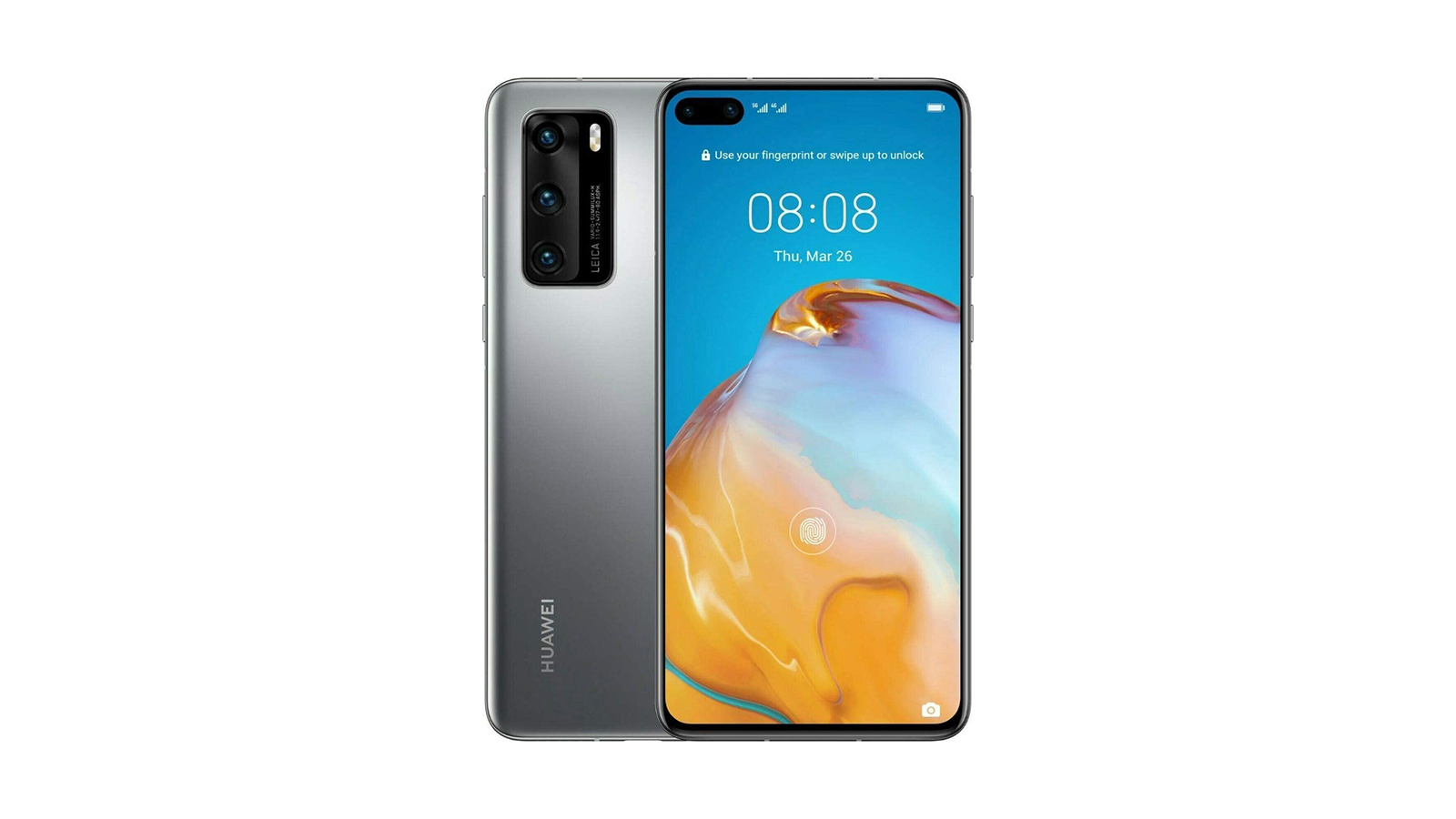
If you want in on the hardware design and solid cameras of the P40 series but are still cautious that they don't support Google Mobile services, you might want to go for this regular P40 considering it's cheaper than the Pro and Pro Plus.
There's no wireless charging or high refresh rate display but the design is among the best in the market and the triple camera set up takes stunning photos and videos. The Kirin 990 chipset is 5G ready, and the battery life is incredible.
But with no access to the Google Play Store or Google services it remains limited for the Western market.
Release date: September 2019 | Weight: 198g | Dimensions: 158.1 x 73.1 x 8.8mm | OS: Android 10 | Screen size: 6.53-inch | CPU: Kirin 990 | RAM: 8GB | Storage: 128/256GB | Battery: 4,500mAh | Rear camera: 40MP + 40MP + 8MP + ToF | Front camera: 32MP
Stunning edge-to-edge display
Excellent battery life
No Play Store
Screen curve creates vignetting
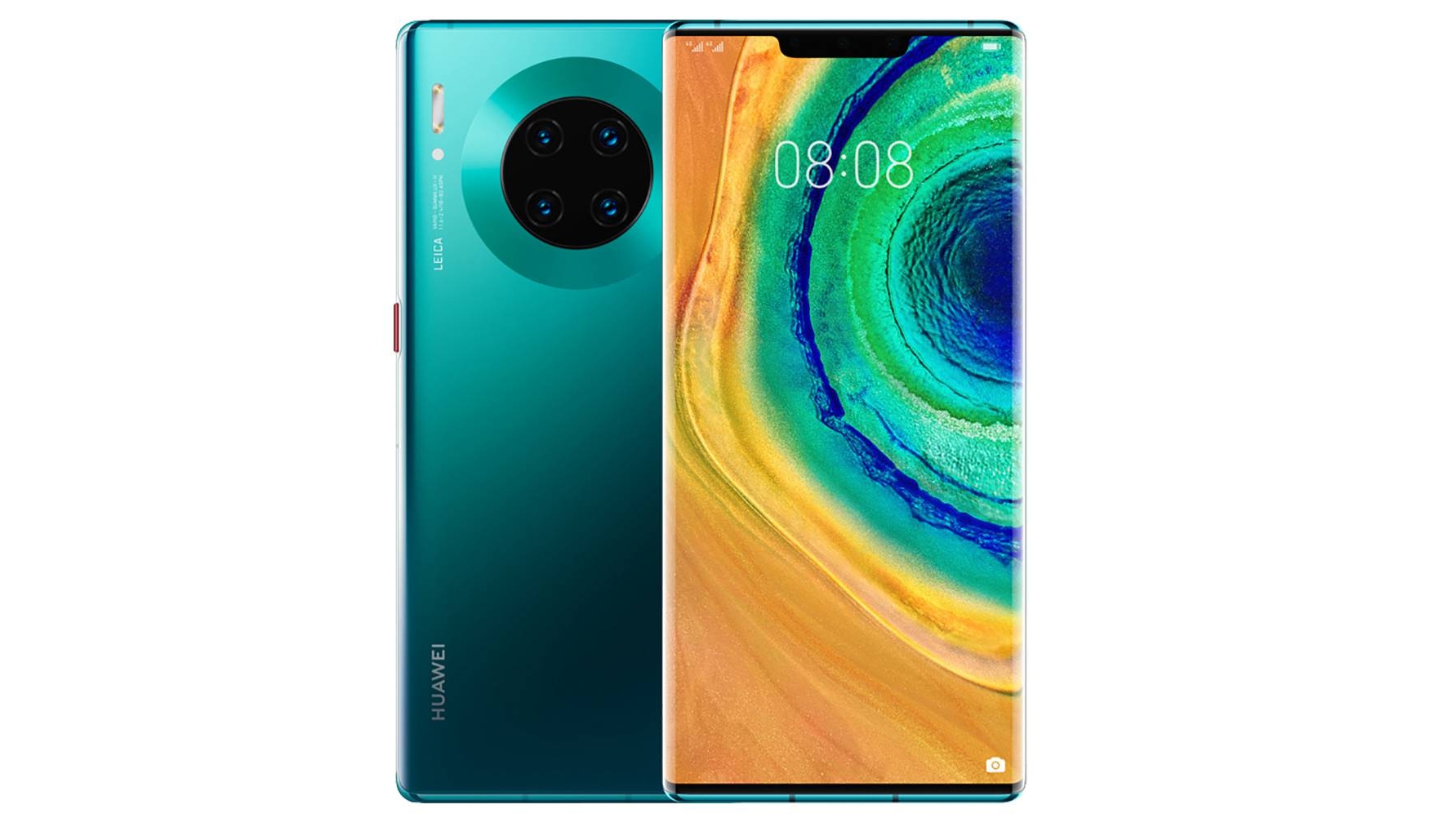
The Huawei Mate 30 Pro was one of the earliest casualties of the Huawei ban – so there are no Google apps on this phone, and there’s no access to the Google Play Store.
If you can get past the restricted software though, there’s some very good hardware here, including a stunning edge-to-edge waterfall display, great battery life from its 4,500mAh battery, and an excellent quad-lens camera, which outperforms most rivals in low light situations.
The Huawei Mate 30 Pro also has the same chipset as the Huawei P40 Pro, so performance is similar, and it packs most other flagship features, such as water resistance and wireless charging.
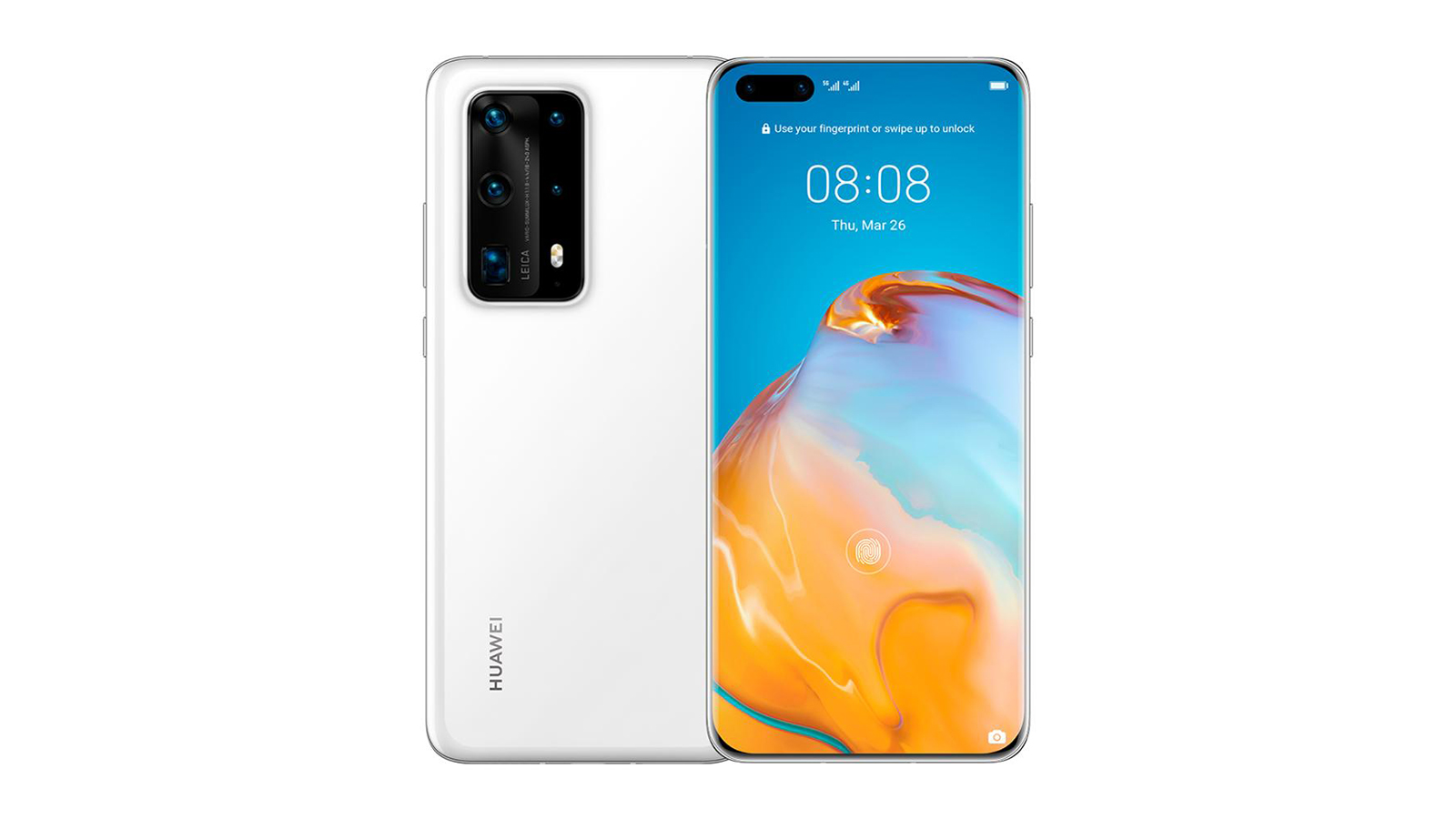
This phone is every bit as good as the P40 Pro and then goes the extra mile with even better cameras. We think it has the best camera system on any smartphone in 2020, with some breathtaking capabilities that put it ahead of many standalone compact cameras on the market.
It can shoot optically stabilised stills at 10x zoom and is a photographer’s dream. But without access to the Google Play Store and Google apps and services, it’s considerably hampered for daily use for all but the most tech-savvy or patient.
It means the phone won’t play nice with your Gmail account, won’t work with third party apps like Uber that use Google Maps and won’t link up to any Wear OS wearables. Even though it packs the best cameras around, 5G and great battery life, the P40 Pro Plus remains a tough sell, particularly at the asking price.
Weight: 188g | Dimensions: 158.2 x 77.2 x 8.3mm | OS: Android 9 | Screen size: 6.53-inch | Resolution: 1080 x 2244 | CPU: Kirin 980 | RAM: 4/6GB | Storage: 128GB | Battery: 4,000mAh | Rear camera: 12MP+16MP+8MP | Front camera: 24MP
Excellent battery life
Incredible power for the price
Full HD+ screen resolution is low
No IP68 water and dust resistance
The standard Huawei Mate 20 may be worse than the Huawei Mate 20 Pro, but it’s still a strong phone in its own right and it’s cheaper too.
Other than the lower – though still high – price, highlights include a 4,000mAh battery which in our tests delivered excellent life, and top-end power, thanks to the use of an octa-core Kirin 980 chipset and up to 6GB of RAM.
The Huawei Mate 20 also has a triple-lens camera on the back. This isn’t the same selection of lenses as its Pro-level sibling, but still makes for a versatile setup.
And in some ways the Mate 20 actually has the Mate 20 Pro beat, as its 6.53-inch screen is larger, and it has a headphone port, which the fancier phone doesn’t.
Weight: 180g | Dimensions: 155 x 73.9 x 7.8mm | OS: Android 9 | Screen size: 6.1-inch | Resolution: 1080 x 2240 | CPU: Kirin 970 | RAM: 6GB | Storage: 128GB | Battery: 4,000mAh | Rear camera: 40MP+20MP+8MP | Front camera: 24MP
Great battery life
Ultra-flexible camera
No wireless charging
Minor fizz to the OLED screen
The Huawei P20 Pro may not be Huawei's latest flagship any more, but it still has a lot going for it, with the highlight being its exceedingly impressive and versatile triple-lens rear camera.
That camera allows for 3x optical zoom and proves surprisingly adept at night shots, which is usually a setting that phone cameras really struggle with.
Other highlights of the Huawei P20 Pro include a big, long-lasting battery, and an even bigger AMOLED screen that delivers vivid colors on a large scale.
The Huawei P20 Pro also has a striking design, with a metal frame and a glass back, that optionally comes in a gradient color scheme that sees the colors shift from purple at the top to a turquoise shade at the bottom.
Like any good flagship the Huawei P20 Pro also has facial recognition, a fingerprint scanner and lots of RAM.
There’s no wireless charging and the chipset isn’t quite a match for some flagships, but it’s not far off, and as a complete package the Huawei P20 Pro can compete with any other handset, as its strong ranking in our best smartphones list attests.
Huawei's mid-ranger is a notch or two below its brothers
Weight: 159g | Dimensions: 152.9 x 72.7 x 7.4mm | OS: Android 9 | Screen size: 6.15-inch | Resolution: 1080 x 2312 | CPU: Kirin 710 | RAM: 4/6GB | Storage: 128GB | Battery: 3,340mAh | Rear camera: 48MP + 8MP + 2MP | Front camera: 24MP
Attractive design
Competent camera
Middling power
Mediocre battery life
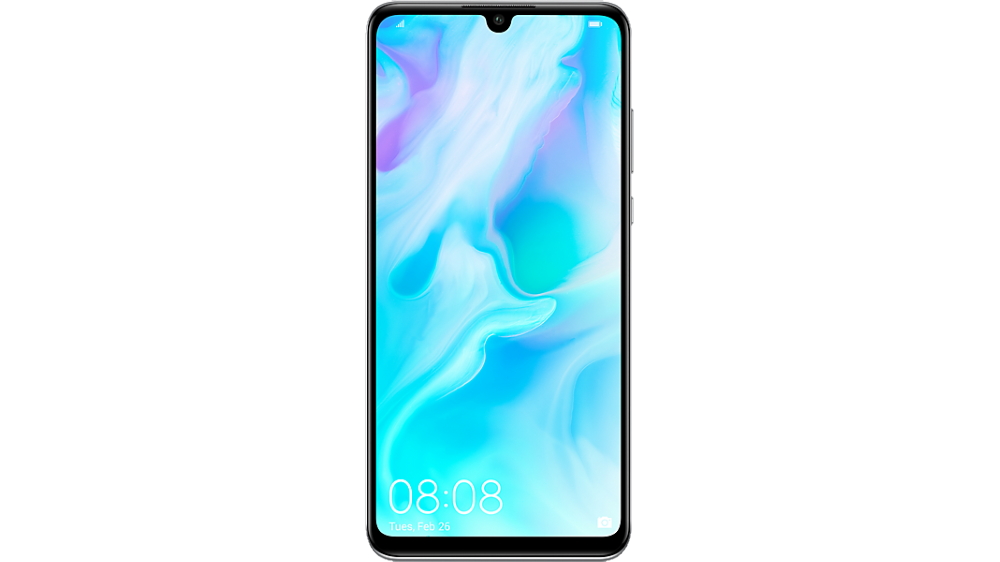
Despite having P30 in its name, the Huawei P30 Lite is no match for the rest of the range and nor is it a flagship. Instead it’s a mid-ranger, but it’s quite a good one.
For one thing, it looks good, with a glass-backed design that’s similar to the Huawei P30, down to the notch on the front.
It also has a similarly good screen to its pricier sibling, as it has a 6.15-inch 1080 x 2312 display with a pixel density of around 415 pixels per inch.
Plus it has face unlock, a triple-lens rear camera, an octa-core chipset and 4/6GB of RAM. However, this is a mid-range chipset and not as good as the ones some similarly priced alternatives have.
Overall, it's a solid mid-range handset, but attempting to say it belongs in the same family as the other two P30 devices feels like a little bit of a stretch.
Release date: March 2020 | Weight: 300g | Dimensions: 161.3 x 78.5 x 11mm (folded) / 161.3 x 146.2 x 5.4mm (unfolded) | OS: Android 10 | Screen size: 6.6-inch (folded) / 8.0-inch (unfolded) | CPU: Kirin 990 | RAM: 8GB | Storage: 512GB | Battery: 4,500mAh | Rear camera: 40MP + 16MP + 8MP + ToF | Front camera: N/A
The best foldable phone design
Flagship level performance
No access to Google Apps
Very expensive
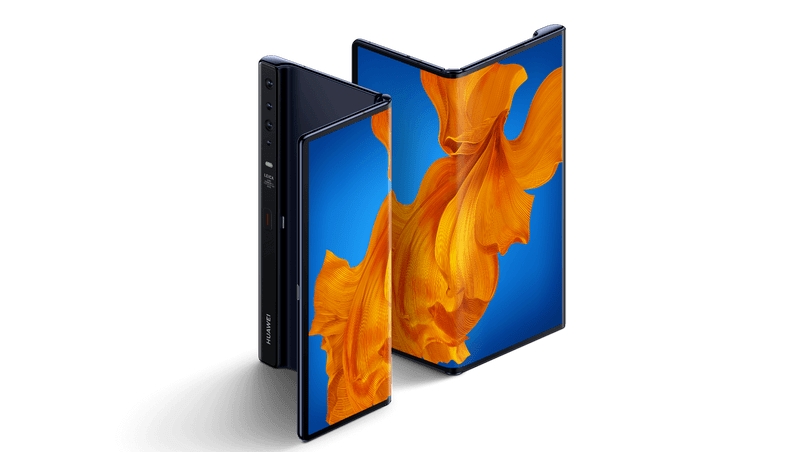
The Huawei Mate Xs has arguably the best foldable phone design we’ve seen so far, achieved by placing the foldable screen on the outside so it’s always visible.
This allows the Huawei Mate Xs to work effectively as both a 6.6-inch smartphone and an 8.0-inch tablet, and it’s got the specs to carry out both roles, with a high-end Kirin 990 chipset, 8GB of RAM, a 4,500mAh battery, and a great quad-lens camera.
Other than its inevitably high price the main thing that holds the Huawei Mate Xs back is the same issue most recent Huawei phones have – the lack of Google Mobile Services. So while the hardware’s great, the software is at a disadvantage.
The best Sony phones are media monsters, designed for people who love playing games, watching movies, and listening to music on their smartphones. This is a list of the Sony Xperia handsets you should consider if you're looking to buy a new phone.
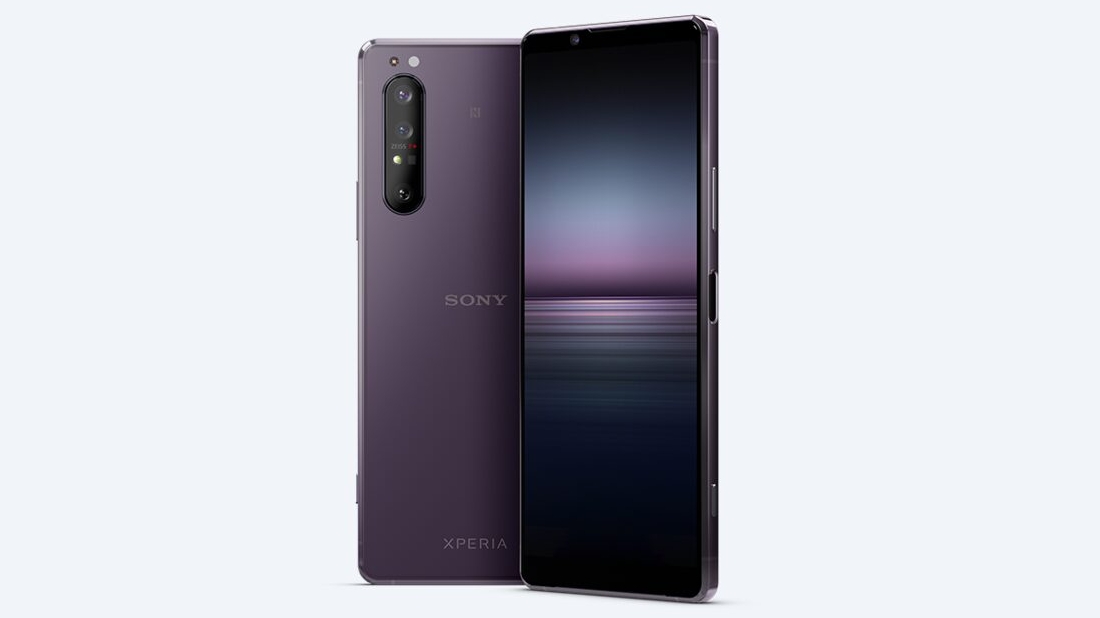
This list was last updated with the release of the mighty Sony Xperia 1 II, which rocketed into first place in our rankings thanks to the way it fixes its predecessor's niggles and adds new features too. It's the best, but also the priciest of the bunch.
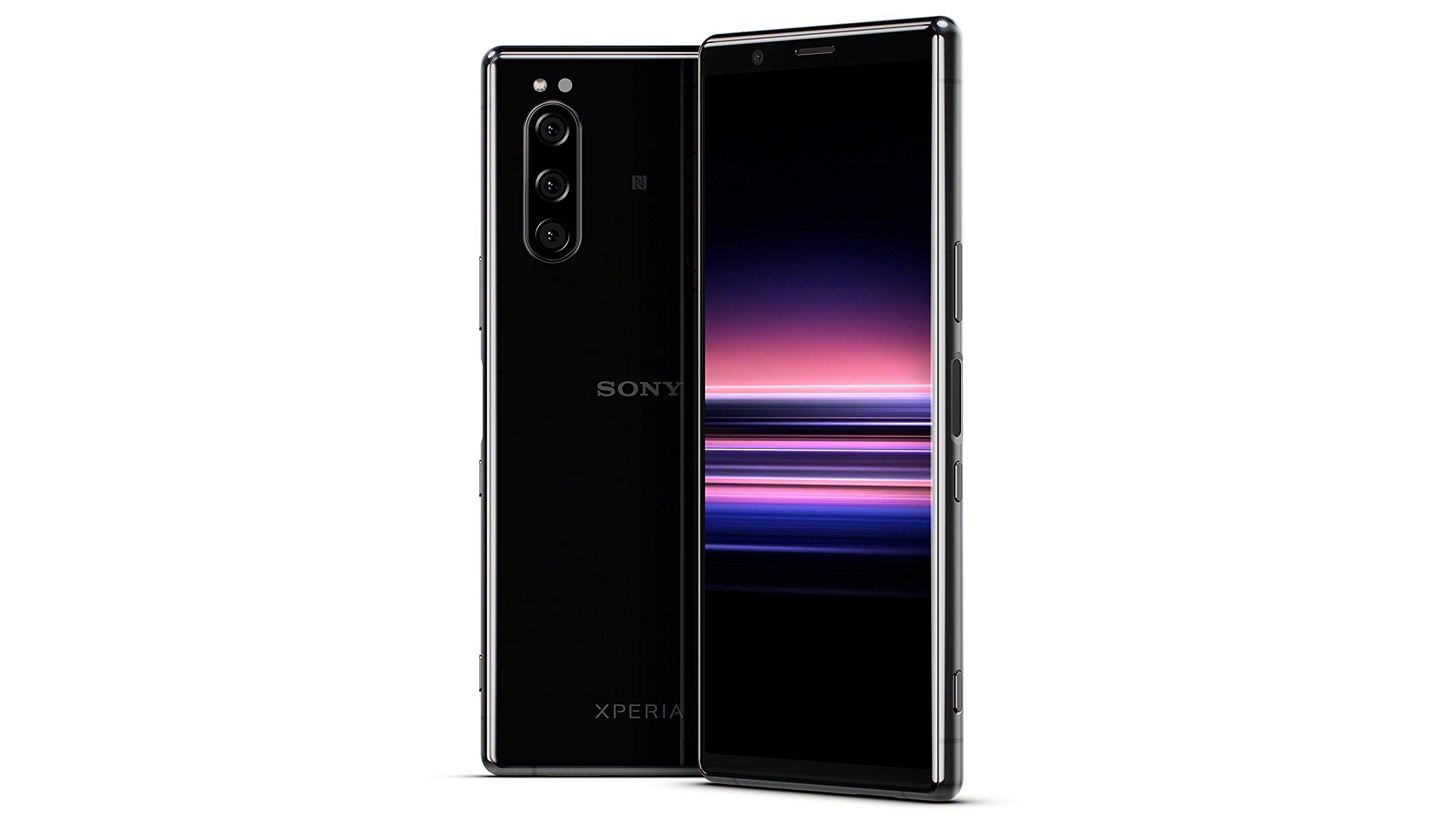
The Sony phones from 2019 aren't worth ignoring though, as the Xperia 5 and Xperia 1 previously topped this list in their time too and should be available cheaper now. We’ve got our fingers crossed for a Xperia 5 II seeing as the Xperia 1 got the 2020 update treatment.
We’ve included handsets across a range of budgets and sizes, from the big Sony Xperia 10 Plus to the small Sony Xperia XZ2 Compact to the affordable Sony Xperia XA2, among a number of others, so there should be something for almost everyone.
You’ll find them all ranked below, complete with specs lists and a clear overview of why they’re great. So if you’re in the market for a Sony phone, this is the place to start. Make sure to dive into the full reviews of the phones that catch your eye to see if they’re right for you.
Release date: May 2020 | Weight: 181.4g | Dimensions: 165.1 x 71.1 x 7.6 mm | OS: Android 10 | Screen size: 6.5-inch | Resolution: 1644 x 3840 | CPU: Snapdragon 865 | RAM: 8GB | Storage: 256GB | Battery: 4,000mAh | Rear camera: 12MP + 12MP + 12MP | Front camera: 8MP
Stunning display
Return of the 3.5mm jack
Difficult to hold
Very high price
The Sony Xperia 1 II shows the company listens to feedback, as it fixes some of the biggest issues of its predecessors while bringing a lot more to the table, and that's why it tops our list of the best Sony phones.
The Xperia 1 II - that's 'One Mark Two', as Sony seems to have taken naming inspiration from its Alpha range of cameras - has an impressive 4K display in a 21:9 resolution, three rear cameras that take great photographs, and a long-lasting battery that fixes one of the biggest problems with older Xperia phones.
Sure, the price is definitely on the high side, and the phone is too big for people with small hands (an issue the potential Xperia 5 II might fix), but if these aren't problems you'll mind, the Sony Xperia 1 II is the best Sony phone for you.
Release date: October 2019 | Weight: 164g | Dimensions: 158 x 68 x 8.2mm | OS: Android 9 | Screen size: 6.1-inch | Resolution: 1080 x 2520 | CPU: Snapdragon 855 | RAM: 6GB | Storage: 128GB | Battery: 3,140mAh | Rear camera: 12MP, 12MP, 12MP | Front camera: 8MP
Hand-friendly size
Impressive processor performance
Unreliable fingerprint sensor
Screen is rather dim
The Xperia 1 might be Sony’s true flagship, but the Sony Xperia 5 is newer and arguably slightly better.
Sure, its screen is smaller and not quite as sharp, but it’s actually a more manageable size for many people, and still fairly large at 6.1 inches. The loss of pixels meanwhile is unlikely to be noticed unless you have the phone pressed against your eyeballs, as at 1080 x 2520 you still get 449 pixels per inch.
And in most other ways the Sony Xperia 5 matches the Xperia 1 – it has the same 21:9 aspect ratio that makes it great for movies, the same high-end Snapdragon 855 chipset paired with 6GB of RAM, the same amount of storage, and the same triple-lens rear camera.
Plus, the battery lasts slightly longer and the price is slightly lower. So if you want a high-end Sony handset and don’t fancy waiting for the Sony Xperia 2 (or Xperia 3 as it might be called), then the Sony Xperia 5 is the best choice for most buyers.
The Xperia 1 is one of the best Sony phones from 2019
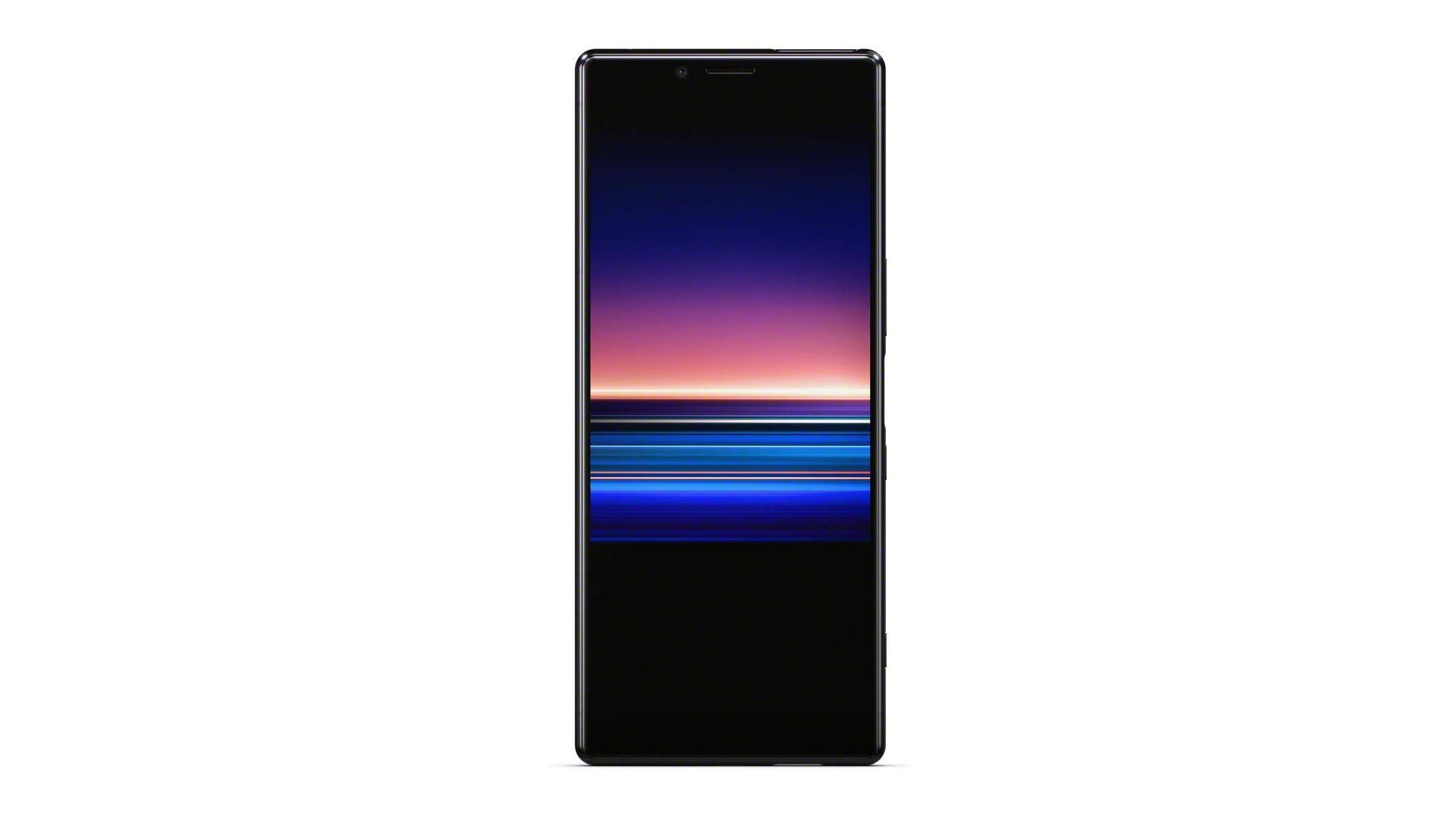
Release date: June 2019 | Weight: 178g | Dimensions: 167 x 72 x 8.2mm | OS: Android 9 | Screen size: 6.5-inch | Resolution: 1644 x 3840 | CPU: Snapdragon 855 | RAM: 6GB | Storage: 64/128GB | Battery: 3,330mAh | Rear camera: 12MP, 12MP, 12MP | Front camera: 8MP
Useful 21:9 aspect ratio
Impressive chipset
Display max brightness is too dim
Battery life on the short side
It didn't look like 2019 was going to be Sony's year after the poorly-received Xperia 10 and 10 Plus, but the company knocked it out the park with the Xperia 1. It's a true premium smartphone, that utilizes the best parts of previous phones and charges it up with improved specs in loads of areas.
The Xperia 1 has a 21:9 screen, and now there's content to match. It's also got a dedicated film-making app for budding directors, that recreates the experience of using a Sony Alpha camera.
On top of that you've got three powerful cameras, a cutting-edge Snapdragon 855 chipset, and 4K screen. Although it is definitely on the expensive side, it's close to being the best Sony smartphone you can get right now.
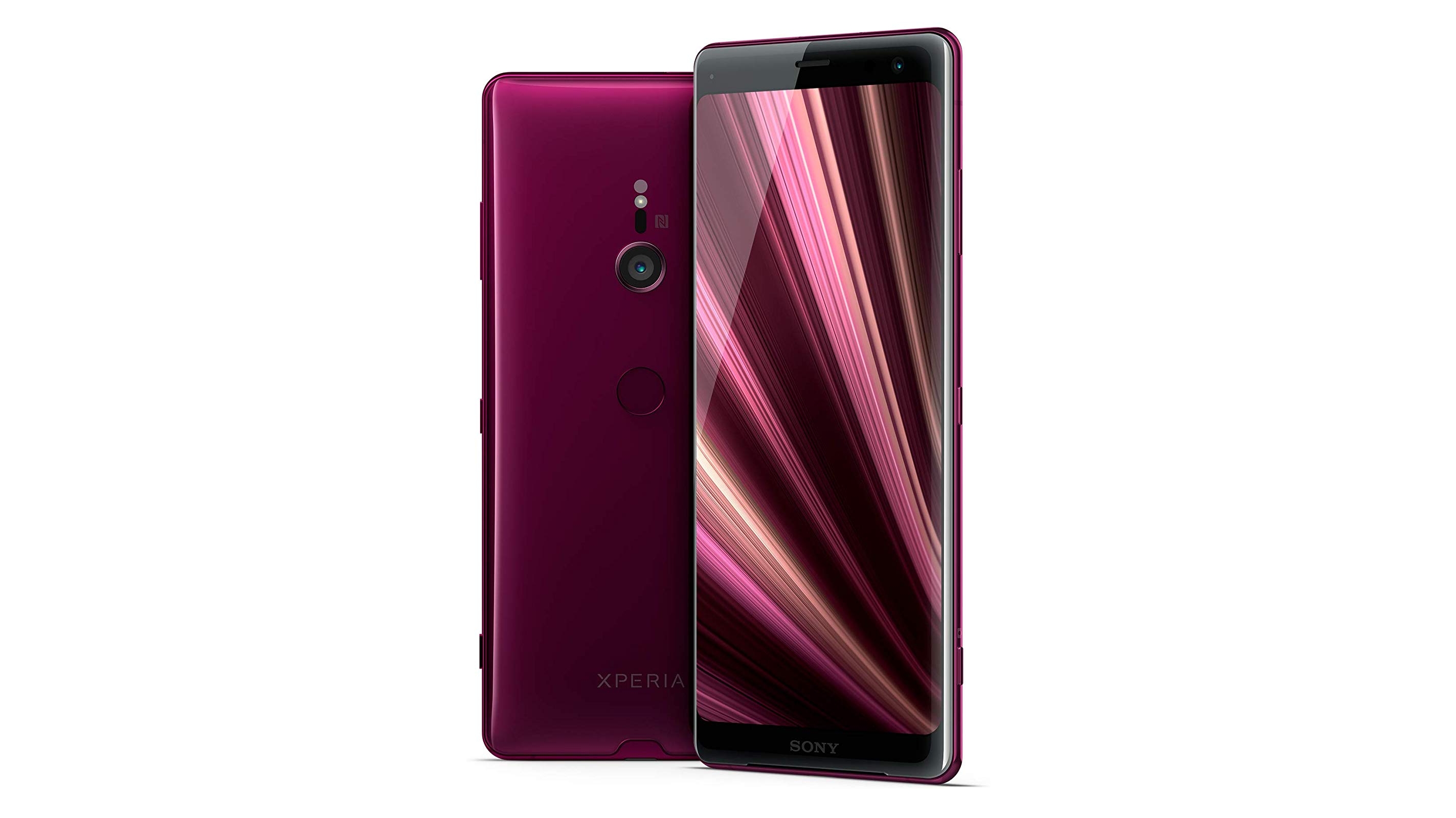
Release date: October 2018 | Weight: 193g | Dimensions: 158 x 73 x 9.9mm | OS: Android 9 | Screen size: 6-inch | Resolution: 1440 x 2880 | CPU: Snapdragon 845 | RAM: 4GB | Storage: 64GB | Battery: 3,300mAh | Rear camera: 19MP | Front camera: 13MP
Incredibly good screen
4K HDR video is excellent
Awkward fingerprint scanner
The camera is good, not great
The Sony Xperia XZ3 is getting on a bit but it's still a great Sony phone, offering up a great mix of features that are particularly handy if you're addicted to movies, TV shows and gaming on your phone.
The main feature on the XZ3 is its 6-inch HDR OLED display, with a QHD+ resolution, ensuring video looks great. If you have a Netflix or Amazon Prime subscription, the HDR content offered by these services really shines.
There's enough power under the hood, and the camera on the back is a solid snapper, although it won't blow you away. On top of that it's no-where near as pricey as the Xperia 1, so if you're a Sony fan who doesn't want to blow the bank, this is a more viable option.
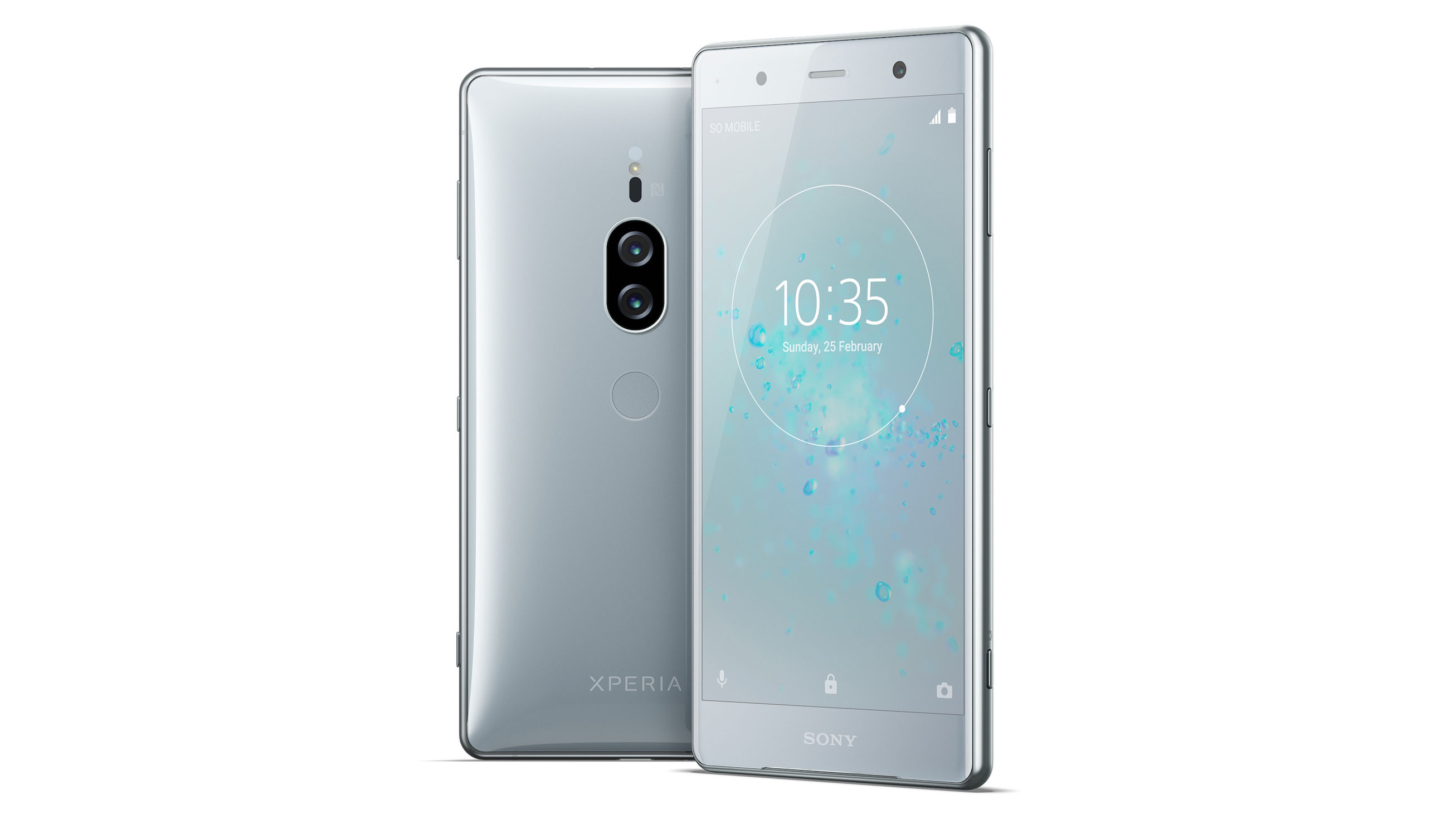
Release date: July 2018 | Weight: 236g | Dimensions: 158 x 80 x 11.9mm | OS: Android 9 | Screen size: 5.8-inch | Resolution: 2160 x 3840 | CPU: Snapdragon 845 | RAM: 6GB | Storage: 64GB | Battery: 3,540mAh | Rear camera: 19MP + 12MP | Front camera: 13MP
Bold, sharp screen
Good low light photos and video
Awkward fingerprint scanner
Big and heavy
There's just one spec you really need to know about the Sony Xperia XZ2 Premium: it has a 4K display.
This isn't the first Sony phone to pack a 4K screen (it's actually the third), but it's the newest generation and the one that you can actually easily buy. If you have a bank of 4K video, or have the right subscription on streaming services, no other smartphone can offer you the clarity and detail on screen.
However if 4K content isn't your priority there are probably better Sony phones to suit your needs, so keep on reading!
Release date: April 2018 | Weight: 198g | Dimensions: 153 x 72 x 11.1mm | OS: Android 9 | Screen size: 5.7-inch | Resolution: 1080 x 2160 | CPU: Snapdragon 845 | RAM: 4/6GB | Storage: 64GB | Battery: 3,180mAh | Rear camera: 19MP | Front camera: 5MP
Great sound quality
Feature-packed camera
Design not as desirable
'Only' Full HD display
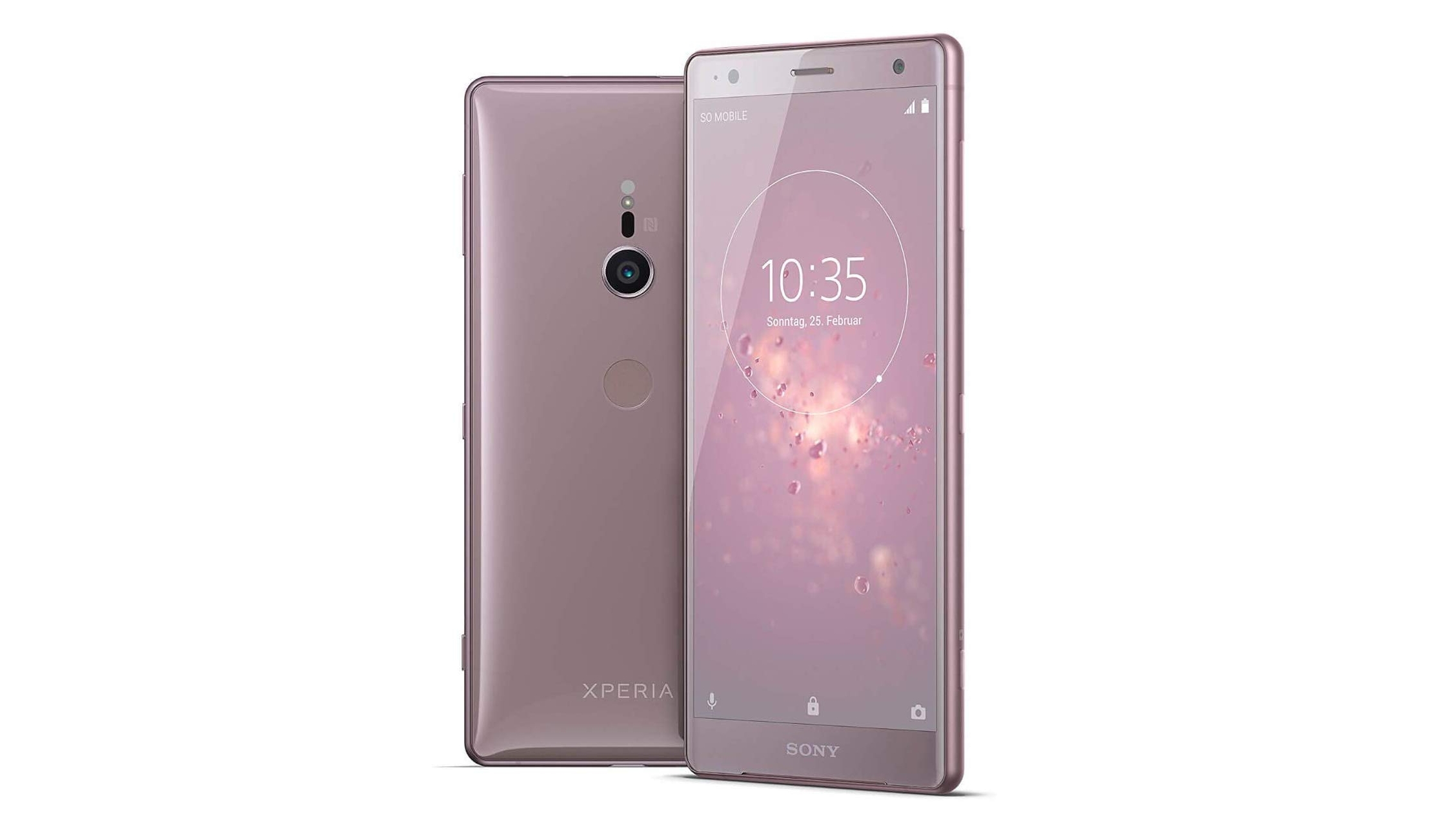
The Xperia XZ2 is technically two flagship generations old (having been superseded by the Xperia XZ3 and then more recently by the Xperia 1), but it's only 18 months old itself and still has plenty to offer.
There's the HDR-supported QHD display, feature-packed camera, 4K HDR video recording and you can even capture super slow motion footage at 960fps in Full HD.
What's more, it's now more affordable than ever with several price drops since launch. The design isn't going to wow you, but at this price it's a reasonable compromise.
Release date: April 2018 | Weight: 168g | Dimensions: 135 x 65 x 12.1mm | OS: Android 9 | Screen size: 5-inch | Resolution: 1080 x 2160 | CPU: Snapdragon 845 | RAM: 4GB | Storage: 64GB | Battery: 2,870mAh | Rear camera: 19MP | Front camera: 5MP
Solid camera
Great performance
Feels cheaper than it is
No headphone jack
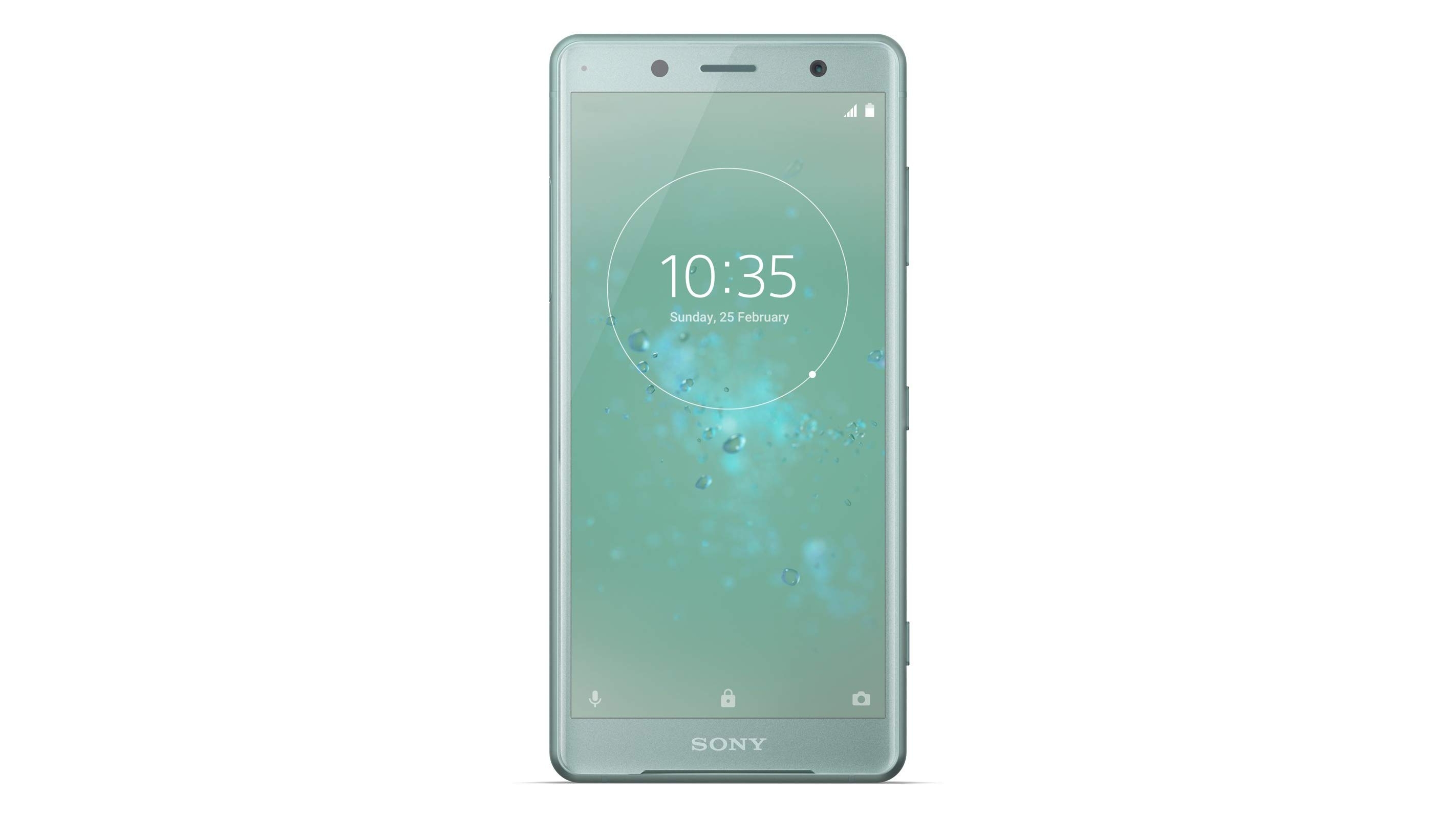
Smartphones are getting bigger and bigger each year, and Sony phones are no exception - well, apart from the Xperia XZ2 Compact.
This dinkier device comes with a 5-inch display, which is small by today's standard, and it means the XZ2 Compact nestles nicely in the palm.
Don't be put off by its diminutive proportions though, as this handset packs the same power and camera as the larger, former-flagship Xperia XZ2 - ensuring it can still cope with most apps and games you throw at it.
If you need great battery life, this is the best Sony phone for you
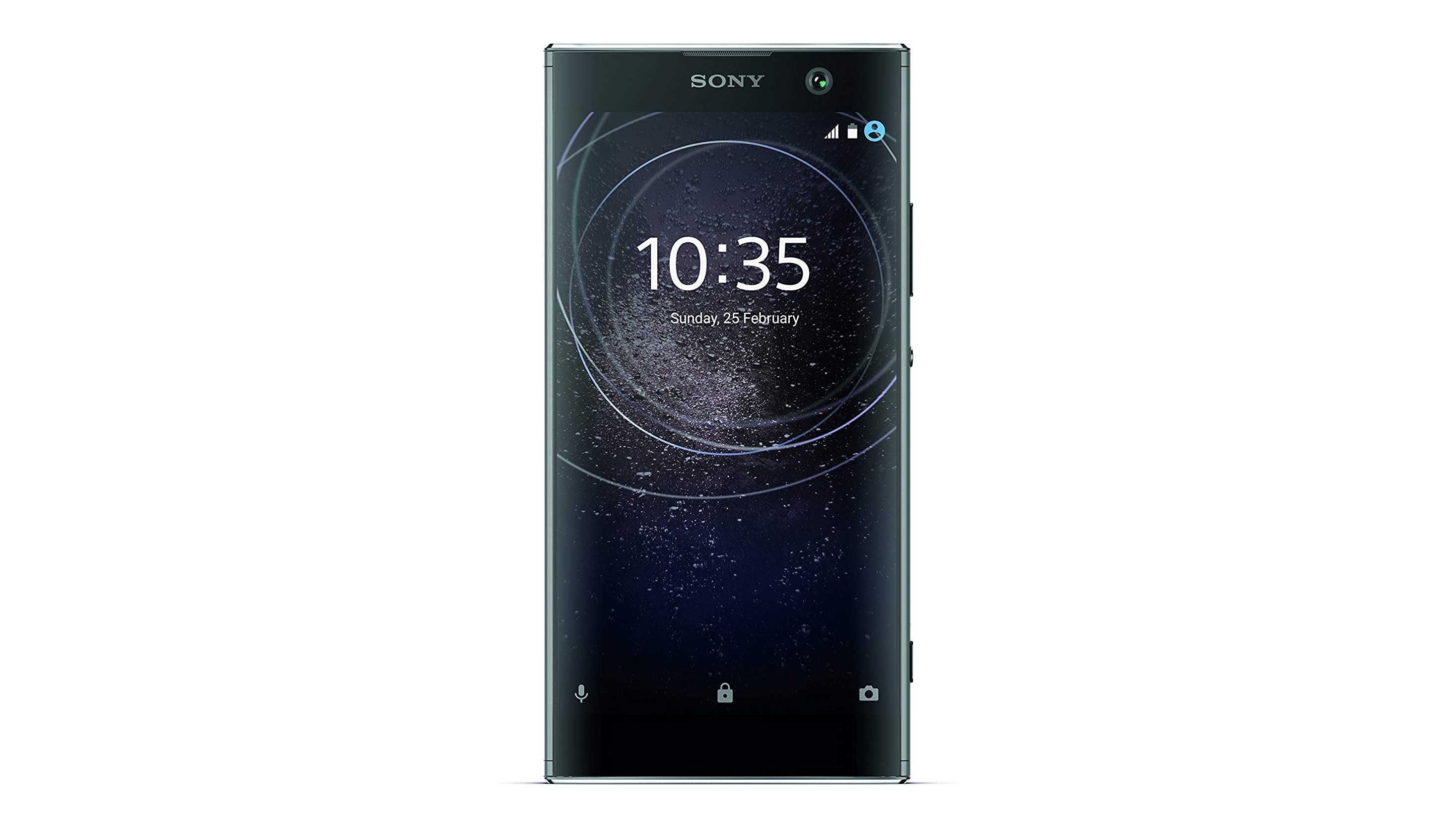
Release date: February 2018 | Weight: 221g | Dimensions: 163 x 80 x 9.5mm | OS: Android 8 | Screen size: 6-inch | Resolution: 1080 x 1920 | CPU: Snapdragon 630 | RAM: 4GB | Storage: 32/64GB | Battery: 3,580mAh | Rear camera: 23MP | Front camera: 16MP + 8MP
Excellent battery life
Dual front cameras
Boxy design is bulky
Performance can be patchy
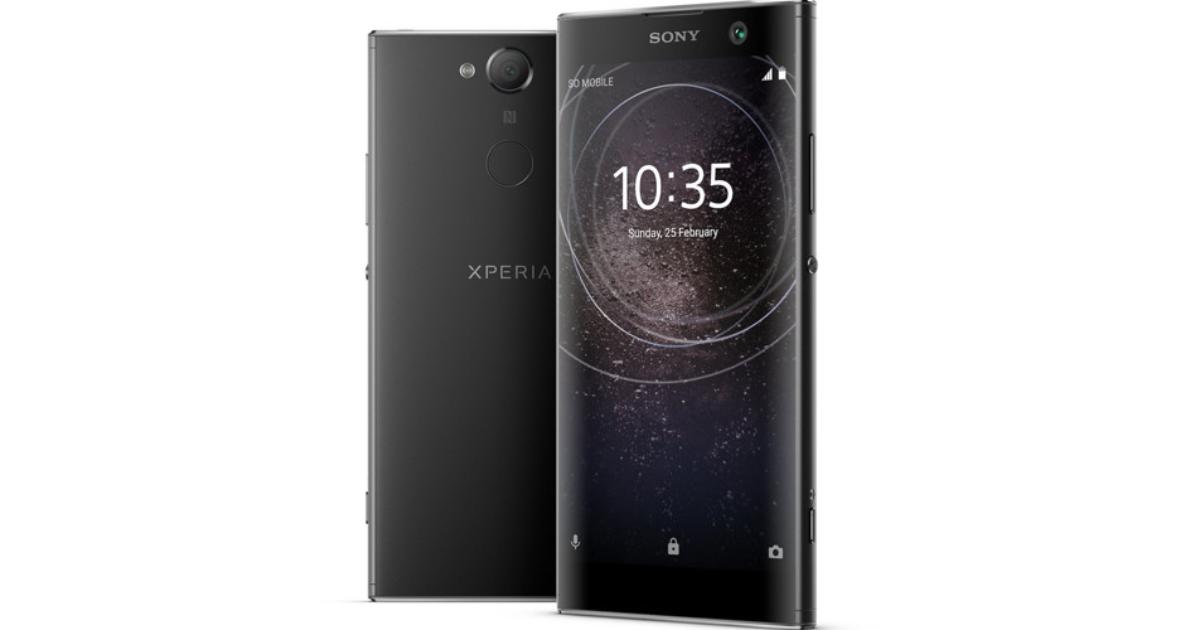
If money is a little tighter, but a big screen smartphone is a must, this could be the Sony phone for you.
The Sony Xperia XA2 Ultra boasts an affordable price tag and a large 6-inch display, giving your games, videos and apps plenty of space. What's more, the XA2 Ultra offers great battery life. You can easily get a day and a half from a single charge.
The camera feels like it should be better, the design isn't the most attractive or modern, and the Android overlay won’t be to everyone’s taste, but these are compromises you should be able to live with.
Release date: February 2018 | Weight: 171g | Dimensions: 142 x 70 x 9.7mm | OS: Android 8 | Screen size: 5.2-inch | Resolution: 1080 x 1920 | CPU: Snapdragon 630 | RAM: 3GB | Storage: 32GB | Battery: 3,300mAh | Rear camera: 23MP | Front camera: 8MP
Good performance
Punchy screen
Ordinary battery life
Quirky camera operation
This is the cheapest Sony phone in our round-up, and the Xperia XA2 represents great value for money if you opt to get it on contract.
It's a no-frills phone, but its performance is rock-solid and despite being thicker than most it's easy to handle and scores fairly high on the plain likability factor.
If a Sony phone is a must but your finances don't allow for much wiggle room, this is the handset for you.
Love movies? This Sony phone boasts a 21:9 display
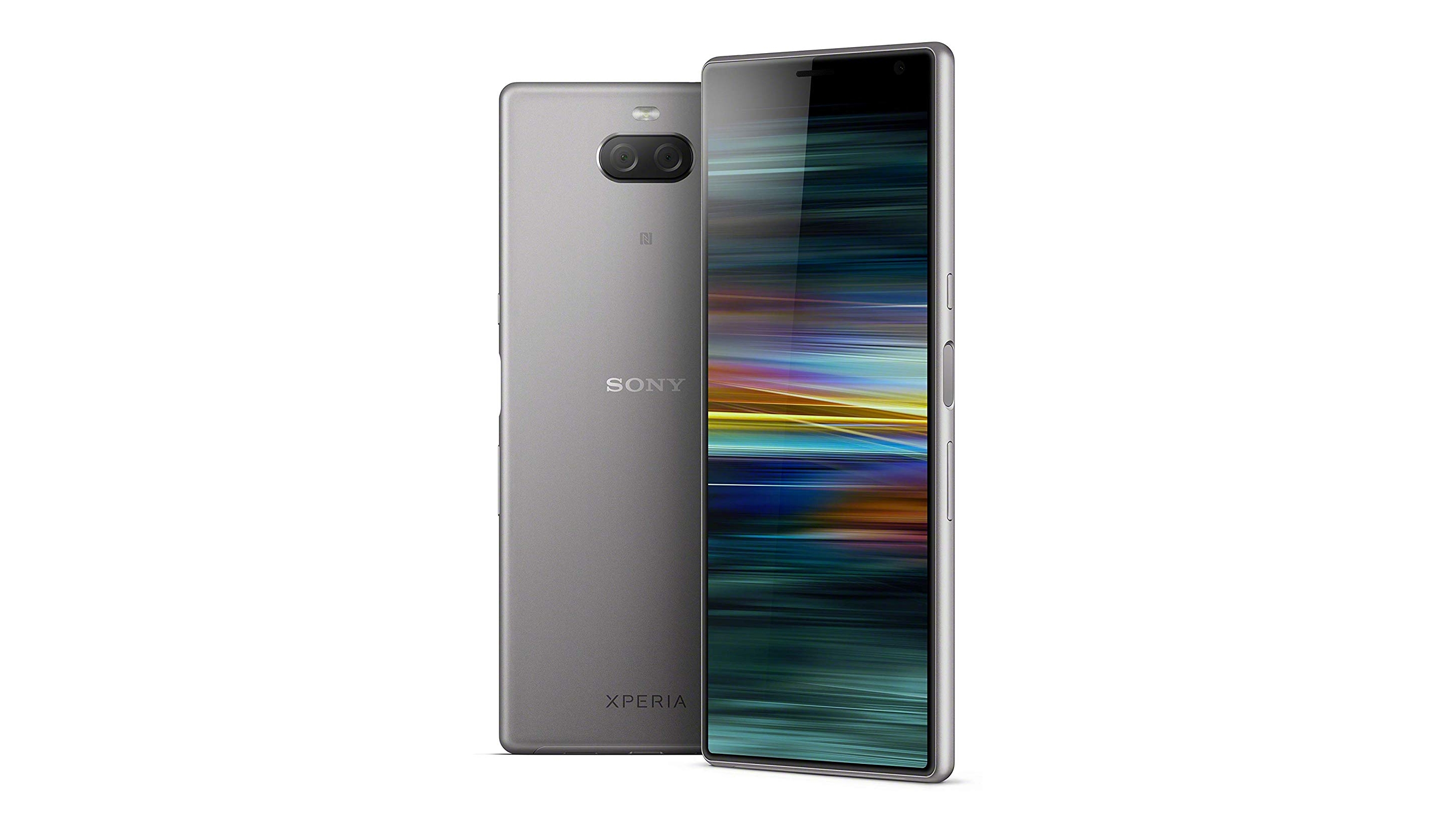
Release date: February 2019 | Weight: 180g | Dimensions: 167 x 73 x 8.3mm | OS: Android 9 | Screen size: 6.5-inch | Resolution: 1080 x 2520 | CPU: Snapdragon 636 | RAM: 4GB | Storage: 64GB | Battery: 3,000mAh | Rear camera: 12MP + 8MP | Front camera: 8MP
Extra screen space is useful
Good low-light photography
Short battery life
Uncomfortably big
Want something a little different? Something to spark conversations with friends, family and maybe even strangers? Say hello to the very, very tall Sony Xperia 10 Plus.
This Sony phone boasts a skyscraper of a screen with the 6.5-inch display packing a 21:9 aspect ratio, making it perfect for movie playback.
It's not always easy to find movies at 21:9 on the popular streaming services, but when you do find one the experience is great. It's rather unwieldy in the hand though, and the battery could be better.
The best Honor phone you can buy in 2020 depends on your reliance on Google apps and services. Much like parent company Huawei, new Honor phones cannot run the Google Play Store and won’t fully work with Google services like your Google account.
But thanks to the Huawei App Gallery and new devices’ Petal Search that lets you download Android apps from other sources, you should be able to get all of the apps you need. Older Honor phones like the Honor View 20 at the top of this list still have the Play Store, so there’s no issue there.
Honor has a range of often blue phones at various price points, so there’s something for everyone and they often have the same specs and features as Huawei devices but at a cheaper cost. They also pack in decent camera features that are often aimed at a slightly younger audience, but like any Android phone they’ll work well in anyone’s pocket.
To make things easier here is our definitive ranking of the best Honor phones right now. Make sure to check out our full reviews of each one to see if they will be the right phone for you.
Best Honor phones 2020 at a glance
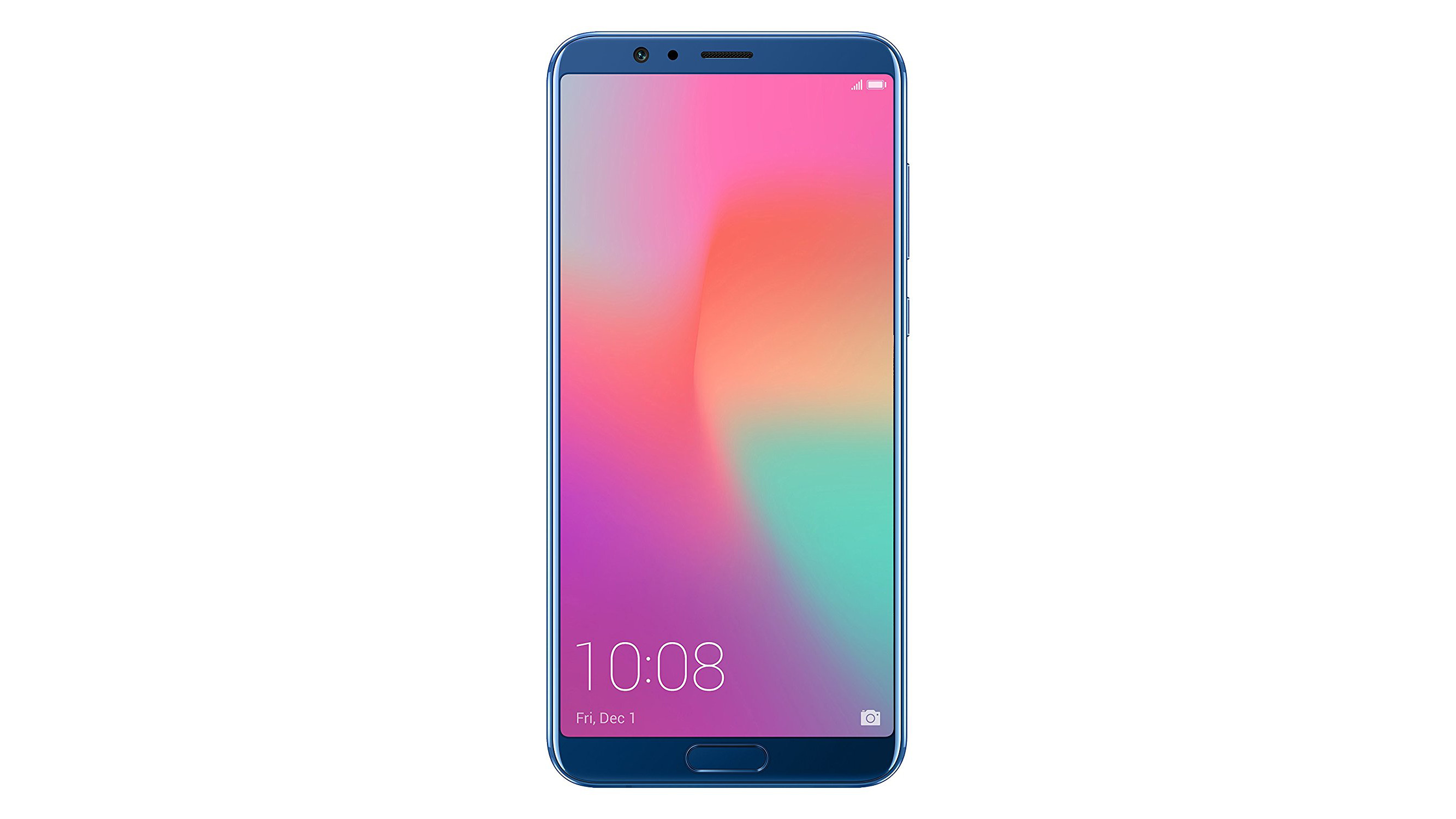
Honor View 20
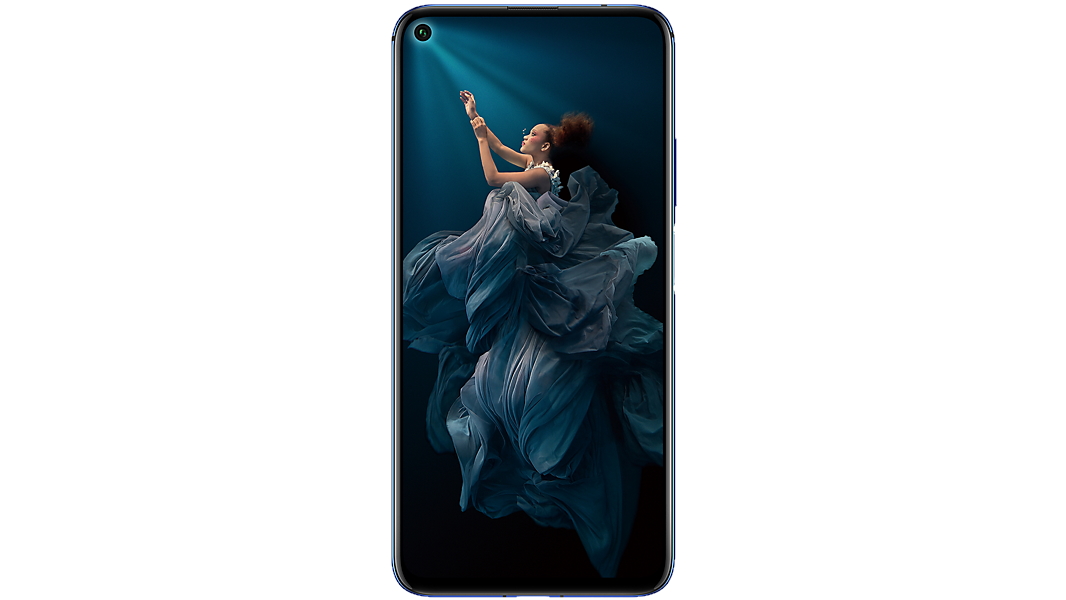
Honor 20 Pro
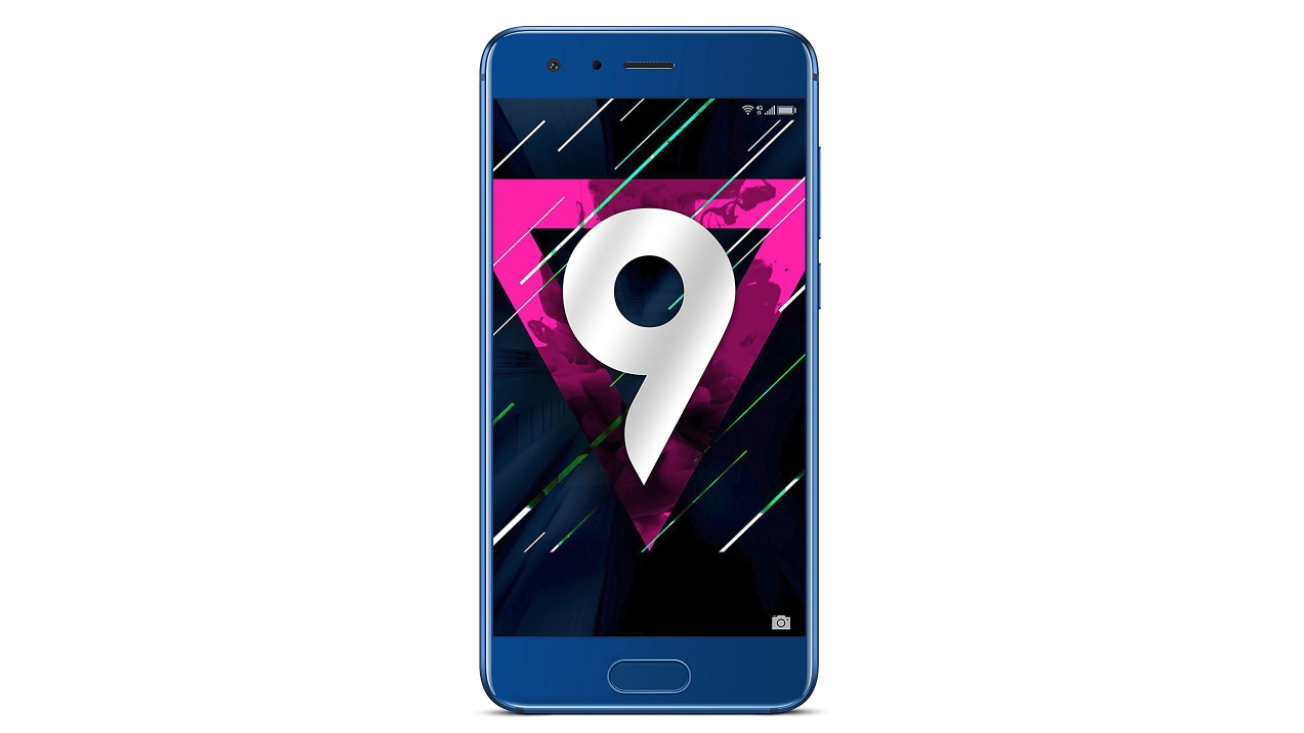
Honor 9
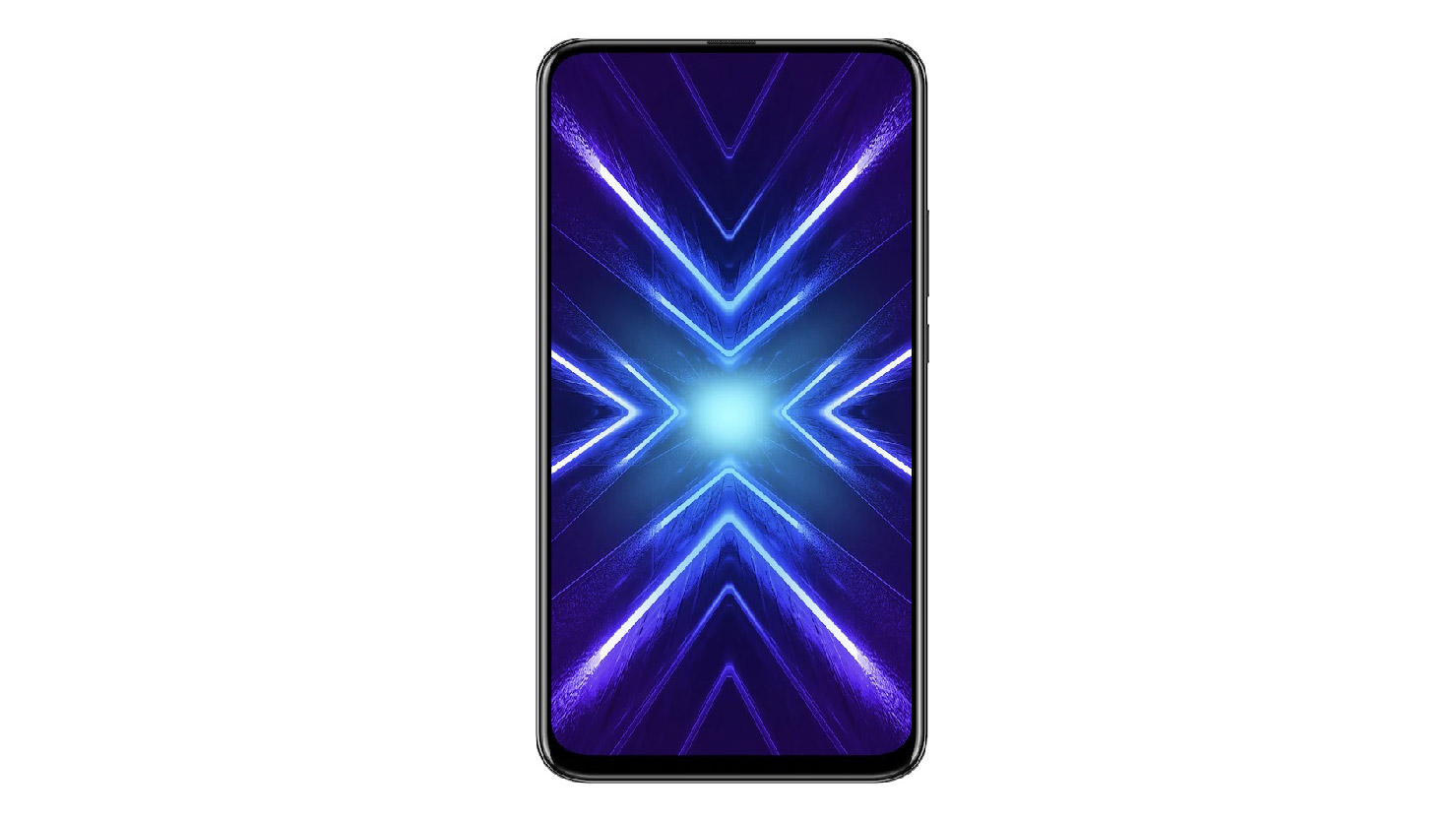
Honor 9X
Honor 20
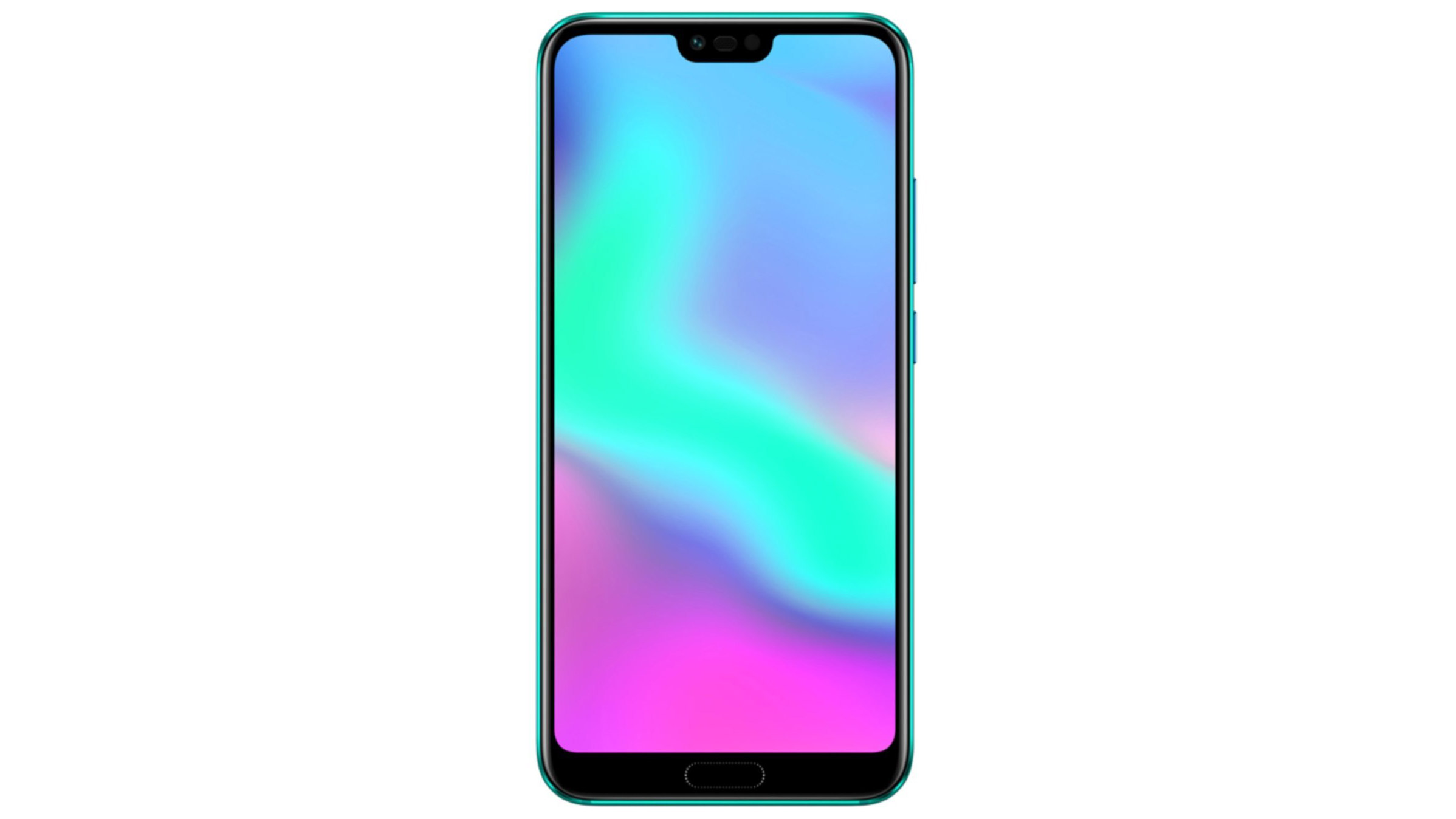
Honor 10
Honor View 10
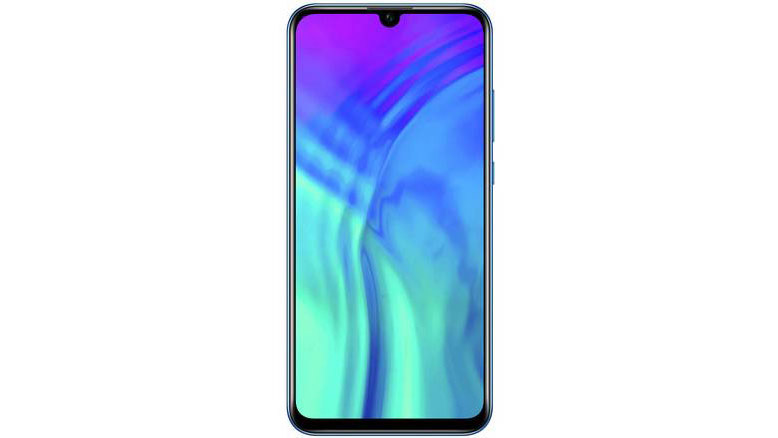
Honor 20 Lite
Honor 10 Lite
Honor Play
Best Honor phones 2020
Honor View 20(Image credit: Future)
1. Honor View 20
The best Honor phone you can buy right now
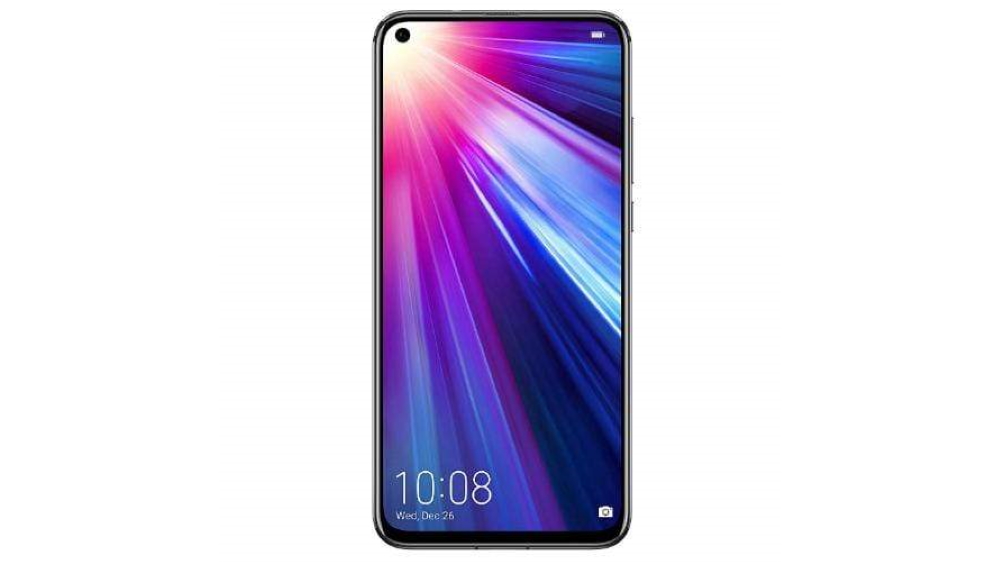
Release date: December 2018 | Weight: 180g | Dimensions: 156.9 x 75.4 x 8.1mm | OS: Android 9 | Screen size: 6.4-inch | CPU: Kirin 980 | RAM: 6 / 8GB | Storage: 128 / 256GB | Battery: 4,000mAh | Rear camera: 48MP + ToF | Front camera: 25MP
Great battery life
Intriguing, smart camera
No wide or zoom rear lenses
That finish is an audience-divider
The Honor phone that tops our list right now is the Honor View 20, technically released first in China in late 2018 and then globally in early 2019.
This was one of the first smartphones with a punch-hole front camera cut-out, and also one of the first handsets with a 48MP rear camera, so its certainly a piece of history. But it's also a decent phone in its own right too.
Sure, some may call the phone's back ugly, but others might not mind - and even like it. At the end of the day, it's not like you're going to be looking at it that much anyway.
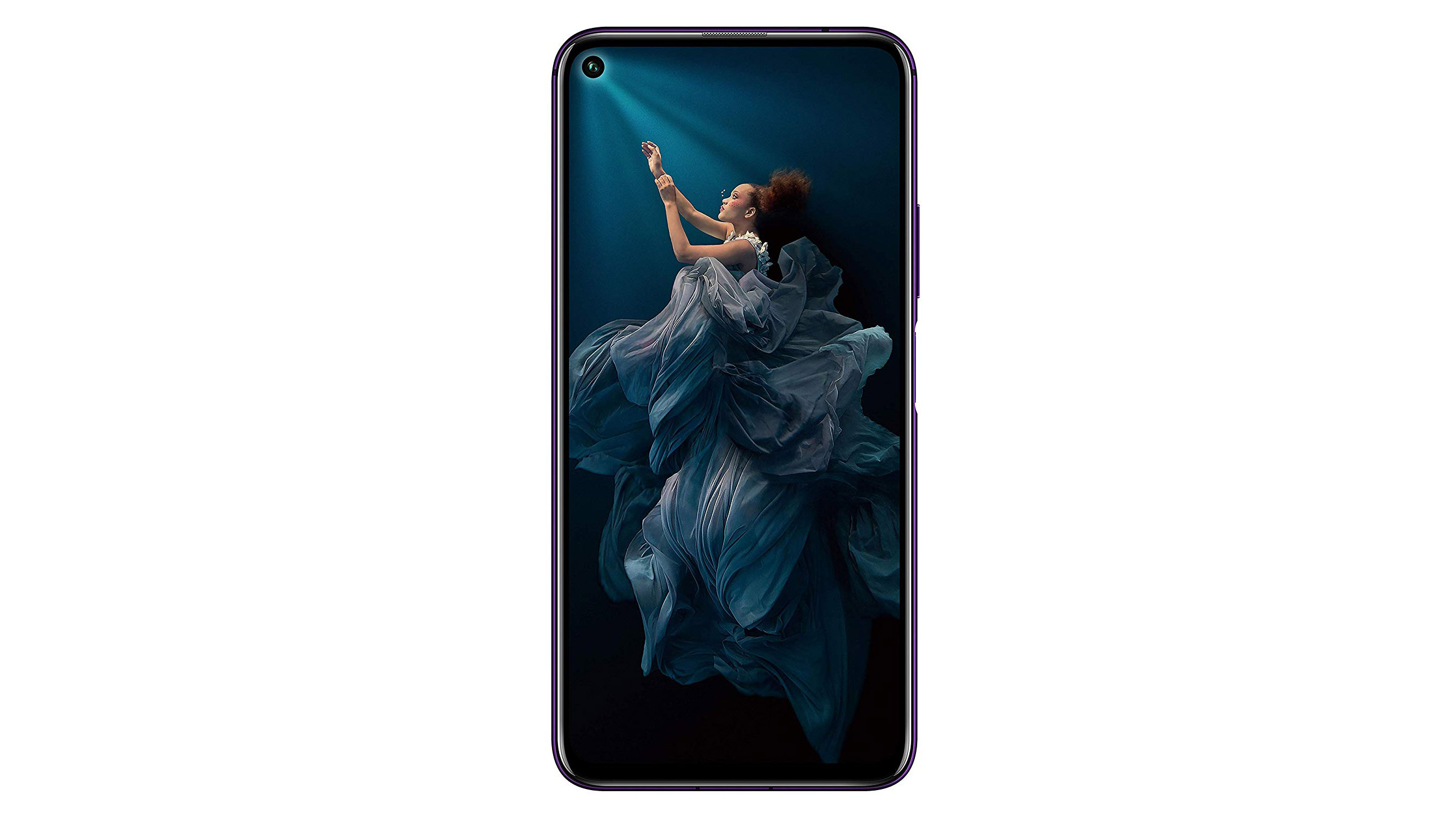
Arguably Honor's most 'premium' phone on this list is the Honor 20 Pro, which is certainly at least the top-end version of the 20 line (which, confusingly, the Honor View 20 isn't part of).
The phone has four high-quality cameras on the rear including one of the first macro lenses on a smartphone, and its front-facing snapper is great, too. it's also a good-looking phone with decent specs and features.
Sure, it might be a little harder to get a hold of than its non-Pro version (featured lower on this list), but it's definitely worth looking into if you want a great Honor phone.
Release date: July 2017 | Weight: 155g | Dimensions: 147.3 x 70.9 x 8.4mm | OS: Android 7 | Screen size: 5.15-inch | CPU: Kirin 960 | RAM: 4 / 6GB | Storage: 64 / 128GB | Battery: 3,200mAh | Rear camera: 12MP + 20MP | Front camera: 8MP
Attractive design
Affordable price
One speaker driver
Heavy bezel
The Honor 9 isn't exactly a new phone, but it's still an impressive all-rounder, and it's now decidedly affordable thanks to being a little older. The phone has two decent cameras, and is more compact than other devices on this list, so if you want a smaller phone this might be the one for you.
Sure, it's not the most premium phone in a lot of ways, as it's got a lot more bezel than you'll find on most other Honor and other modern phones. That doesn't matter to everyone, though, so if you don't want to break the bank but want an Honor phone, this is a decent contender.
The Honor 9X is part of the company's X-series of affordable handsets (and is not, in fact, related to the Honor 9 from several years prior).
The phone has a pop-up camera and a large, all-screen display, with a camera array topped by a 48MP snapper and also a fairly large battery. In general, there's a few decent features, but it's really the price that should appeal to prospective buyers, as this is a fairly cheap handset.
If you don't need the extra storage or better cameras of the Honor 20 Pro, you might find the Honor 20 is a good enough phone for you.
The device has the same design build and many of the same features as its Pro sibling, and you're not getting a significantly worse phone despite the lower pricetag.
Saying that, our main pain points from the bigger device are still present in the Honor 20, so if that phone doesn't look right for you, this one might not either.
Release date: May 2018 | Weight: 153g | Dimensions: 149.6 x 71.2 x 7.7mm | OS: Android 8.1 | Screen size: 5.84-inch | CPU: Kirin 970 | RAM: 4 - 8GB | Storage: 64 / 128GB | Battery: 3,400mAh | Rear camera: 16MP + 24MP | Front camera: 24MP
Bold reflective back
Great integrated fingerprint scanner
No microSD support
Average battery life
The 2018 Honor flagship was the Honor 10, which was a decent smartphone (although its ranking below the Honor 9 from the year before should tell you something).
In many ways it's an average Android smartphone, but we liked its fingerprint scanner and found the cameras pretty decent, too. It's also more stylish than most other handsets, even from its heyday.
Release date: January 2018 | Weight: 172g | Dimensions: 157 x 75 x 7mm | OS: Android 8 | Screen size: 5.84-inch | CPU: Kirin 970 | RAM: 4 - 8GB | Storage: 64 / 128GB | Battery: 3,400mAh | Rear camera: 16MP + 24MP | Front camera: 24MP
Good screen
Long battery life
Loose camera exposure metering
No water resistance
We were big fans of the Honor View 10 when it was released, and though it's slightly older now, that doesn't mean it's any worse a device – just that its successors are better.
There are some strengths, and some weaknesses to the phone, but overall it's decent for people looking for an all-rounder phone that'll see them through normal use. It's worth pointing out, though, that the price of the Honor View 10 hasn't sunk as low as its contemporaries since release.
Release date: April 2018 | Weight: 164g | Dimensions: 154.8 x 73.6 x 8mm | OS: Android 9 | Screen size: 6.21-inch | CPU: Kirin 710 | RAM: 6GB | Storage: 128GB | Battery: 3,400mAh | Rear camera: 24MP + 8MP + 2MP | Front camera: 32MP
Strong screen for price
Camera capable of quality pictures
Wide-angle camera isn't great
EMUI continues to underwhelm
Honor's Lite phones haven't always been the most impressive devices, but they're good enough for people on a budget who don't need all the smarts and specs of the mid-range devices.
The Honor 20 Lite was seemingly just an iterative upgrade on its predecessor, the Honor 10 Lite, but there are a few improvements - enough so to make the phone worth considering over the 10 Lite at the very least.
"Where's the iPhone 12?" That's what everyone is going to be asking us on Tuesday, September 8 when new iPads and the Apple Watch 6 arrive without a new iPhone.
That's at least our analysis of the world's collective reaction if sometimes-right Apple leaker, Jon Prosser, has nailed the timeline. He tweeted a list of the weeks Apple is expected to announce and release new hardware.
It's not good news if you're eager to get your hands on the rumored iPhone 12 Pro 5G. That version will come last in the scheme of things.
If true, the Apple Watch 6 and new iPads will come first – the week of September 7 –and arrive with considerably less than normal fanfare due to Covid-19, potentially as stealthy reveals via press release, like we saw with the iPhone SE 2020 in March.
Now, assuming Prosser's release window is accurate, we're fully expecting the date to be Tuesday, September 8, because September 7 is a Monday and holiday in the US (Labor Day). It's also the timeframe that Apple usually has with a big launch event. But no new iPhone is mentioned for this first release date.
(Image credit: The Apple Post)
Usher in the iPhone 12 delay
The iPhone 12 launch date is said to be five weeks later, the week of October 12 (it could be Tuesday, October 13). This isn't a big surprise, as Apple, in its earnings call last month, made the rare move of announcing the iPhone 12 delay.
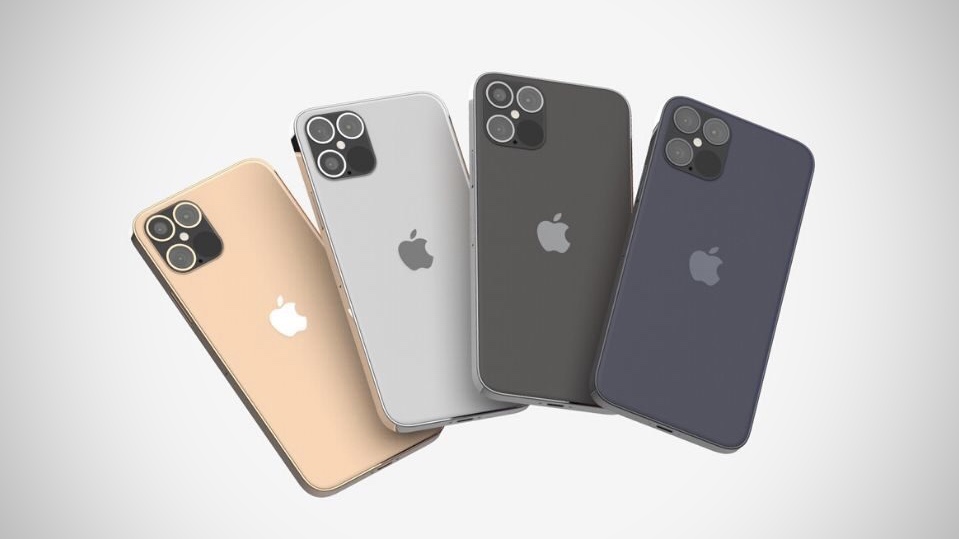
The iPhone 12 reveal is said to be coming at an 'event'. Whether that's in-person launch event or another 'Apple live stream' video like we saw with WWDC 2020 remains to be seen. We're expecting four versions of the new iPhone to show up.
Some Pre-orders launch the same week – we're predicting October 16. Apple has a history of putting up pre-orders the Friday immediately after a launch event. And the iPhone 12 is said to go on sale the next week – so Friday, September 23.
But, according to Prosser, the high-end iPhone 12 Pro won't be available in October whatsoever. Instead, this version will get a November pre-order and release date, with the leaker saying "no exact date yet" is "in the system."
November is very late for a new iPhone, especially the versions (we're expecting two sizes) that early adopters want. The Pro is rumored to have the fastest 5G speeds and the biggest screens. But this isn't the first time Apple's latest and greatest iPhone has slipped into November. The iPhone X launched on Friday, November 3, 2017.
Prosser nailed the iPhone SE 2020 release date and had the iMac 27-inch (2020) announcement ahead of time, but he did get many Apple WWDC leaks incorrect, and notes that the dates could always change on Apple's end.
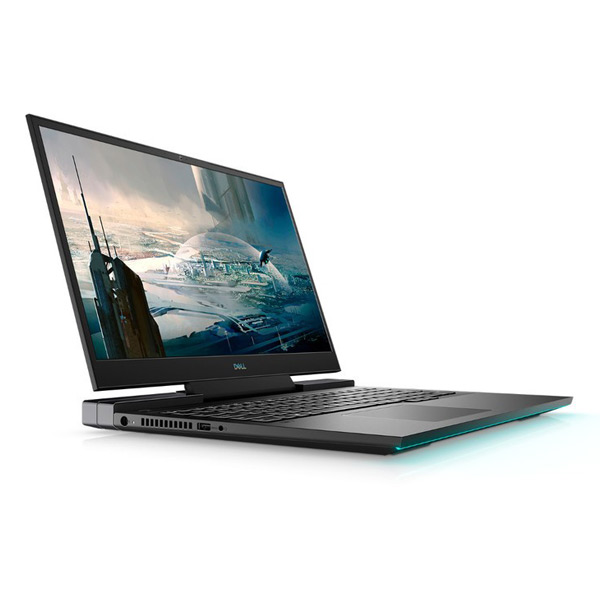
Gamers rejoice! Dell has currently slashed the price on its G7 17 gaming laptop by a whopping 28% on its eBay store.
This 17-inch stunner offers excellent performance thanks to the combination of a i7 CPU paired with a robust Nvidia GeForce RTX 2070 graphics card. Its 1080p screen runs at a gaming-grade refresh rate of 144Hz, while its RTX 2070 GPU has enough power to deliver silky smooth frame rates along with the ability to enable ray tracing effects.
Additionally, Dell’s G7 17 laptop is also great for casual everyday use as well as productivity, boasting 16GB RAM, 512GB SSD and a 10th-generation six-core Intel Core i7 processor.
Currently discounted by 28% on Dell’s eBay store, this is a very tempting deal on a fierce gaming laptop.
An impressively sleek and slim laptop with 16GB RAM, 512GB SSD and a 10th-generation six-core Intel Core i7 processor, Dell’s G7 17 Gaming Laptop also packs in Nvidia’s GeForce RTX 2070 graphics card for immersive 1080p gaming. It's only AU$2,499 when you purchase through Dell’s eBay store, saving you an impressive AU$1,000 at checkout. View Deal
from TechRadar - All the latest technology news https://ift.tt/31LCZXx