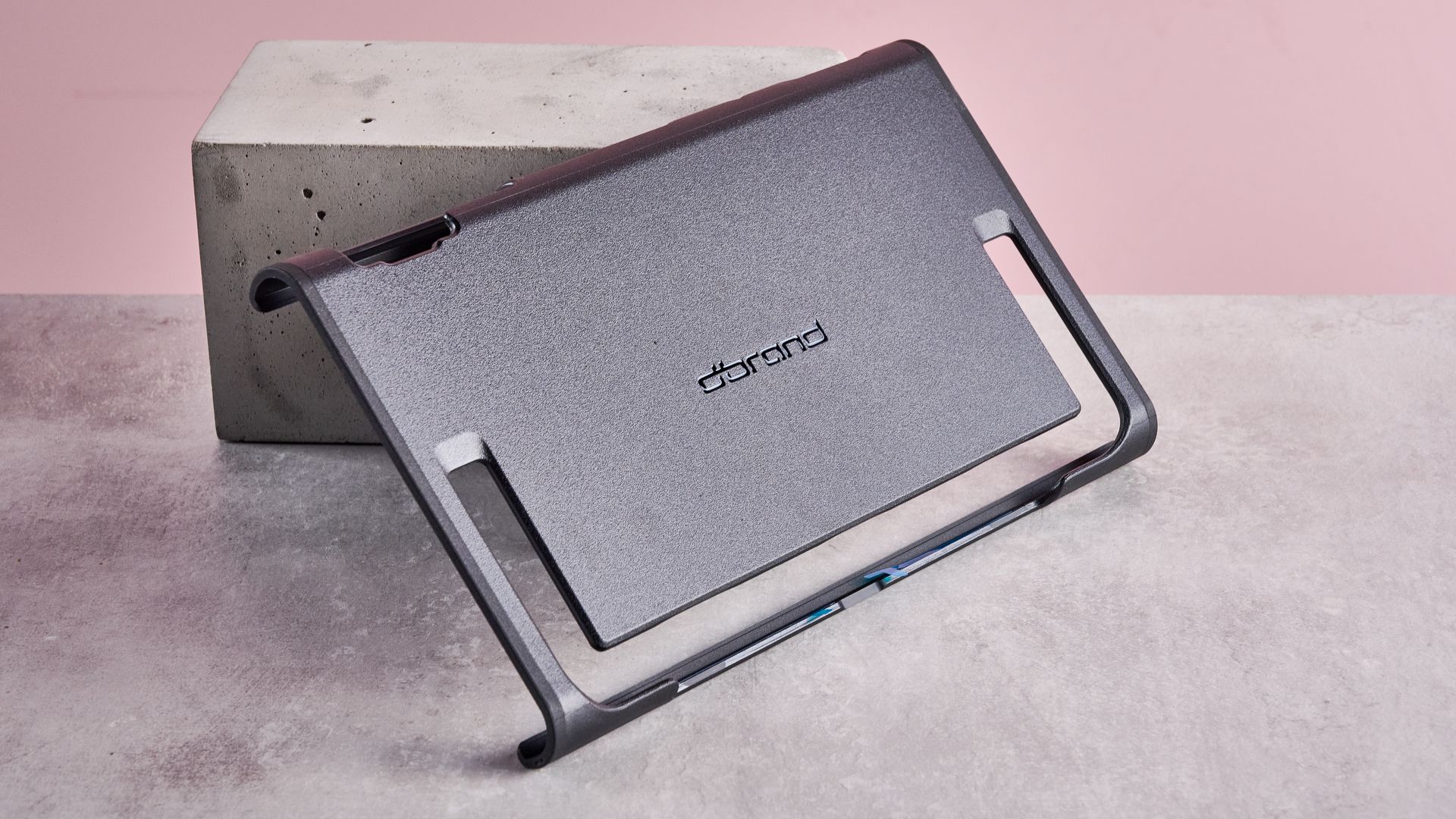
The DBrand Killswitch for Nintendo Switch 2 is the ultimate protective solution for your shiny new hybrid system. Rather than being a traditional carrying case, it acts as a permanent protective shell for your system, keeping it shielded at all times. I’ve spent a few days gaming with the Killswitch for Switch 2 now, so here’s how I’d rate it.
First of all, I have to applaud the ease of setup. The main case is incredibly easy to pop on. I just had to remove a couple of adhesive strips on the case, push it onto my system, and bam — it was done. The Joy-Con 2 controllers also slot into individual cases, and there’s a protective cover for the system’s kickstand that sticks on seamlessly.
The case has gaps for all of the crucial elements like volume controls, the power button, the USB-C slots, and vents. I also appreciated how slim the protective case felt — sure, it adds a bit of depth, but it doesn’t make the console feel too broad.
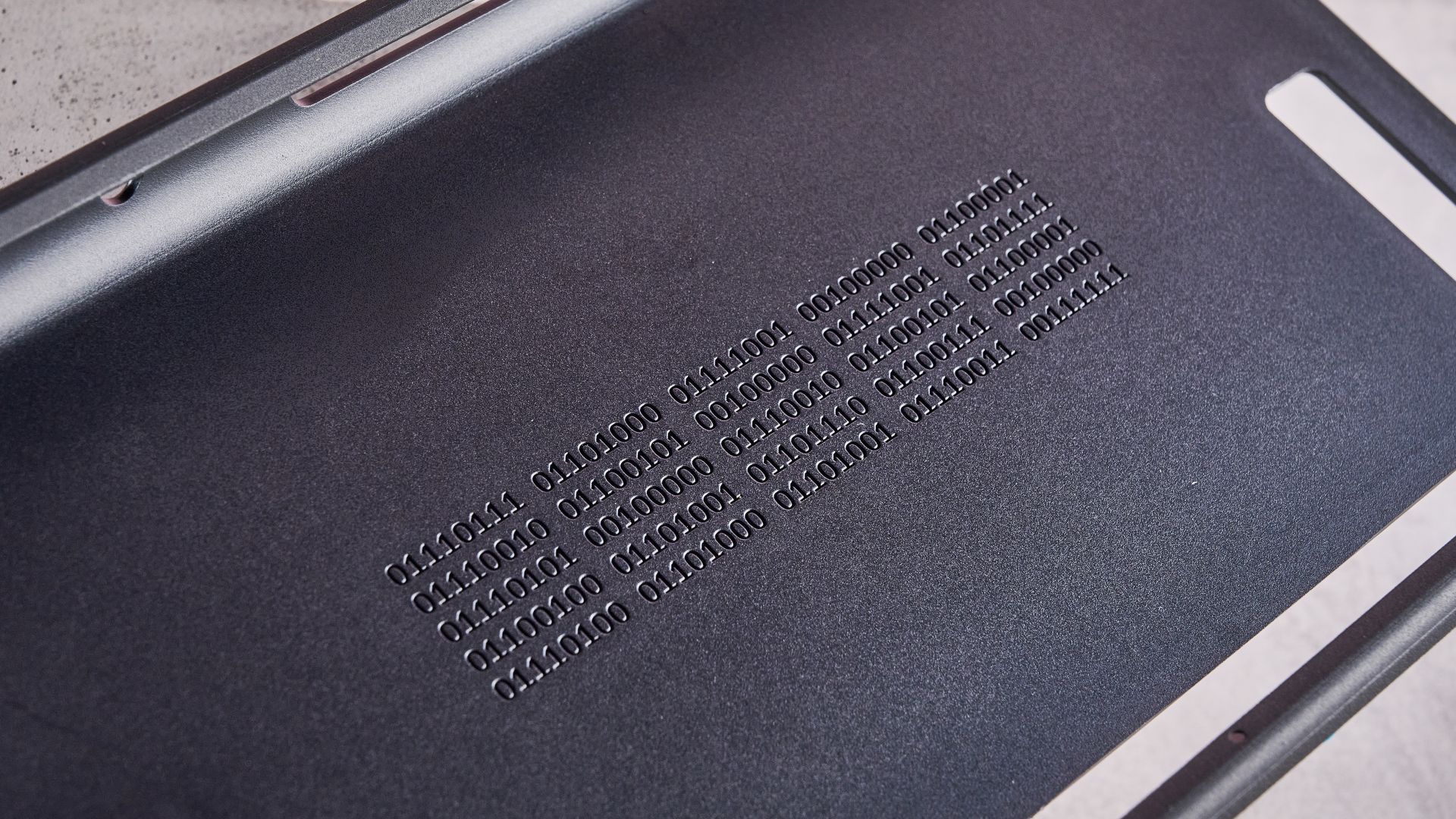
Like a lot of the best Nintendo Switch 2 accessories, the Killswitch feels very high in quality, and plenty durable. It also offers great ergonomics, with the textured case and its curved feel making the system incredibly comfortable to use in handheld mode. I tried playing a wide variety of games, including Mario Kart Worldand Yoshi and the Mysterious Book, and whether I was turning tight corners or exploring a mystical area, the system never felt unwieldy or chunky.
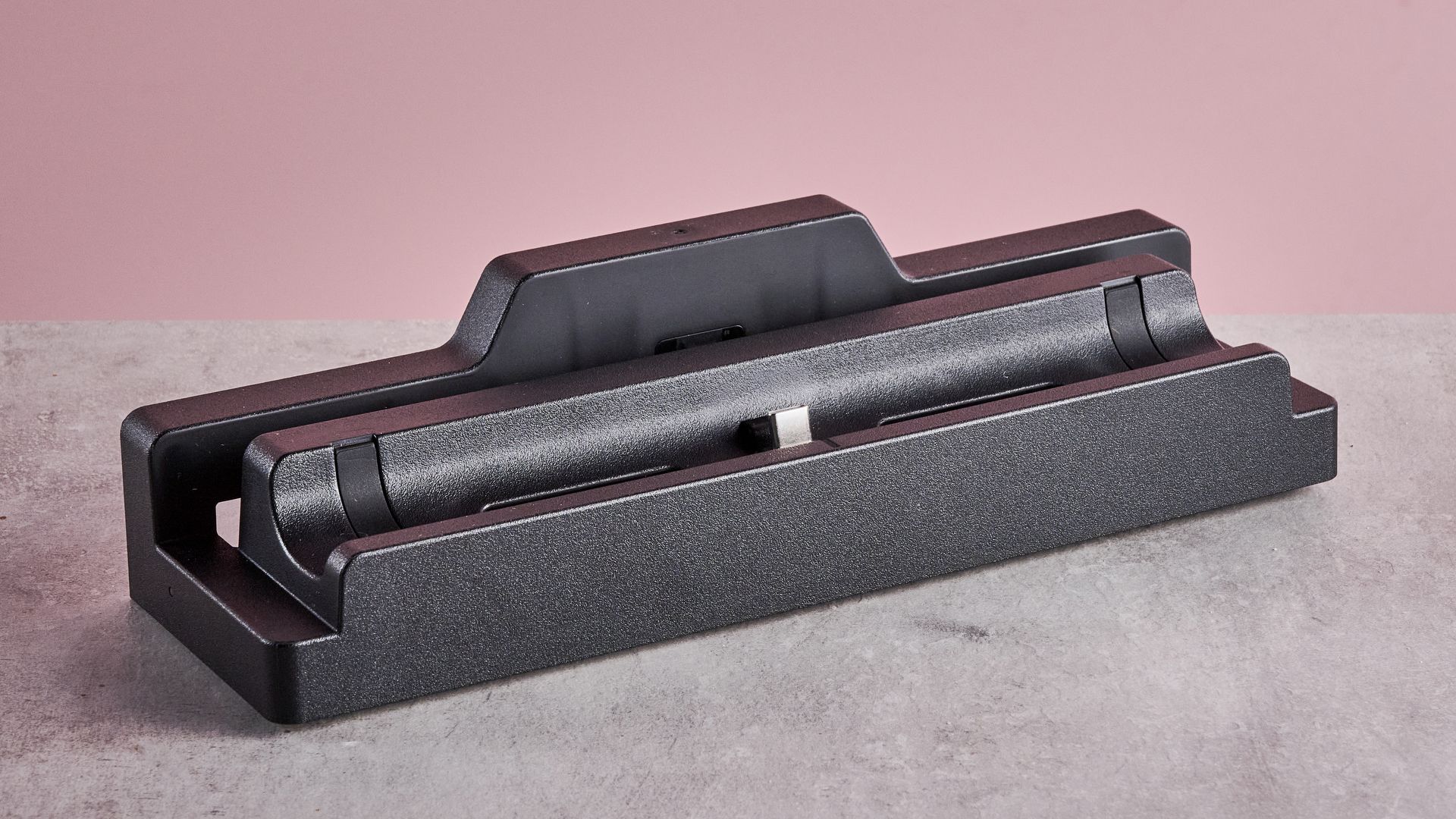
Although the case adds some bulk to the Switch 2, you’re still easily able to use it in docked mode. That’s because the Killswitch comes with a dock adapter. Just place it onto the Switch 2’s usual dock, and you’re good to go. It has 4K 60Hz passthrough, so you can still enjoy the best Nintendo Switch 2 games without compromise, meaning it serves as a super-convenient solution.
(Image credit: Future)
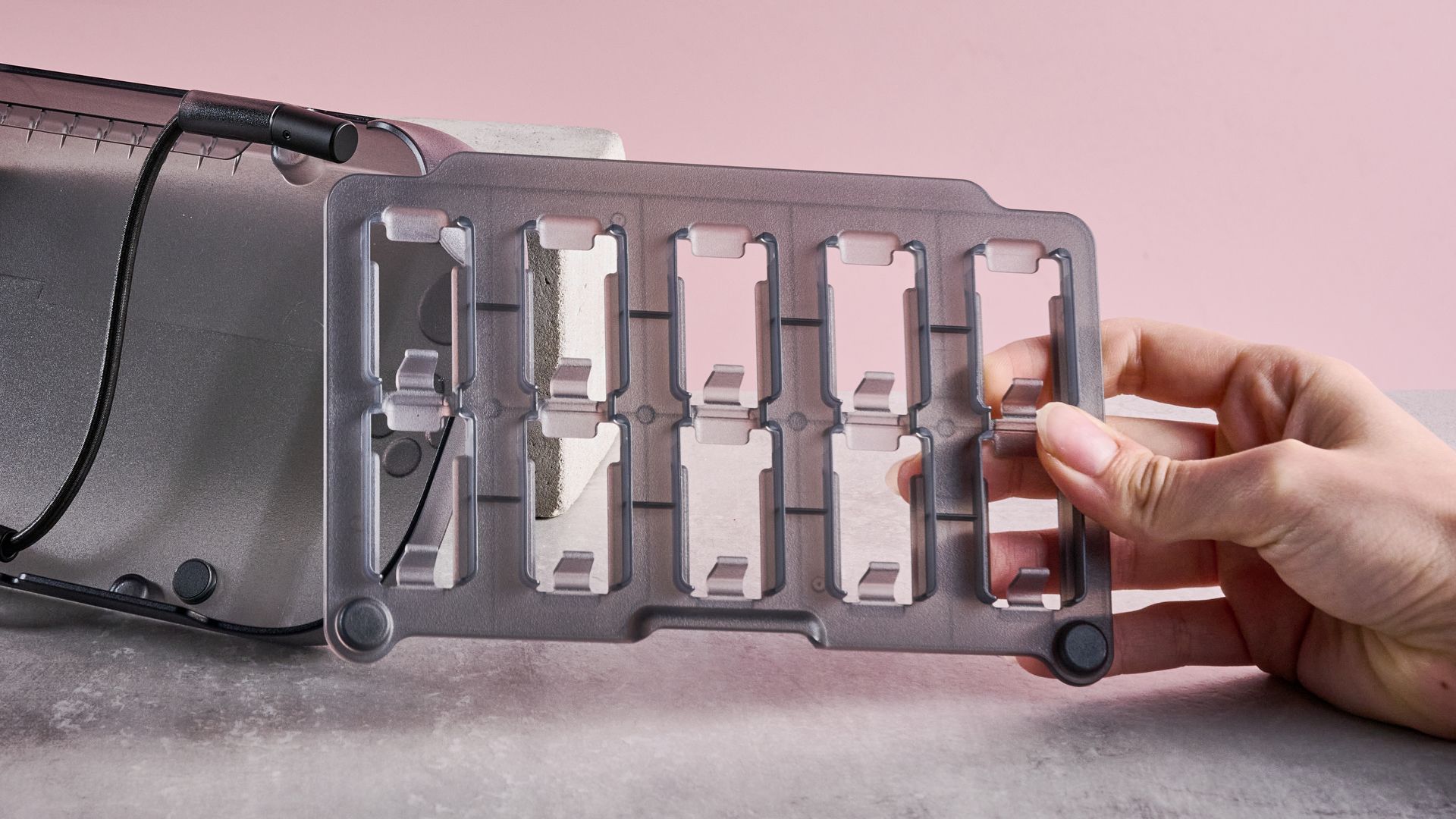
You get a few extras depending on the Killswitch variant that you select. I went for the Travel pack, which also includes stick grips and a travel cover. The grips push on without difficulty, and they have a tactile, secure feel that makes gaming feel as easy as ever. The travel cover is a neat inclusion too, and has ten slots for Nintendo Switch 2 or Nintendo Switch games.
So, it’s safe to say that I’m a big fan of the Killswitch for Switch 2. But there’s one thing worth considering. It’s pretty pricey. The Killswitch starts at just under $60 for the Essential package, which comes with the main case, a skin, and the dock adapter. But if you get the Everything variant, which also adds the stick grips, travel cover, two screen protectors, and a Joy-Con 2 controller holder, it's just under $155. That’s an awful lot to pay for the fully protective package any way you shake it.
One other minor thing worth noting is that the protective case and stick grips are a little susceptible to picking up dust and fibers. This didn’t bother me all too much, but I did realize the grips were a little grimy after an hour's worth of use. Not a dealbreaker, but worth pointing out.
But I’ll be clear. The DBrand Killswitch for Switch 2 is an excellent protective option for your console, and I won’t be taking it off my system any time soon. If you want excellent durability, seamless setup, and flexibility for handheld and docked play, it’s a top-class choice.
(Image credit: Future)
DBrand Killswitch Nintendo Switch 2 review: price & release date
Prices start at $59.95
Released in June 2025
The price you’ll pay for the Nintendo Switch 2 variant of the Killswitch will vary depending on the model you select. Typically, it’s $59.95 for the Essential pack, $99.85 for the Travel option, $134.80 for the Ultra variant, and $154.75 for the Everything package. I have seen the Killswitch go on sale at times, though, so it’s worth checking DBrand’s site for discounts. The Killswitch for Switch 2 was released in June 2025.
(Image credit: Future)
Should I buy the DBrand Killswitch Nintendo Switch 2?
Buy it if…
You want a premium protection without compromise If you want one of the best protective solutions on the market, then the DBrand Killswitch is easily one of my top recommendations. It’s highly durable and easy to set up, but it also feels amazing in-use and has a dock adapter, meaning you don’t have to compromise when shielding your Switch 2.
You want flexibility for handheld and docked play Although the Killswitch adds a bit of bulk to your Switch 2, the included dock adapter makes it easy to seamlessly switch between handheld and TV mode play.
Don’t buy it if…
You’re on a budget If you’re looking for a cheaper solution then the Killswitch may not be ideal, given that the cheapest package will set you back almost $60. If you’re happy with a standard case, then a good budget pick is the Turtle Beach PlayTrek Travel Case for Nintendo Switch 2.
You want a traditional case If you’re looking for a traditional carrying case, then you may want to look elsewhere. My favorite all-in-one option (which will house your console, dock, controllers, and more) is the official Nintendo Switch 2 All-In-One Carrying Case.
DBrand Killswitch Nintendo Switch 2 review: also consider
Nintendo Switch 2 Carrying Case & Screen Protector If you want a cheaper screen protector and case combo, then Nintendo’s official option is a solid choice for when you’re on the go. It isn’t going to give you the top-tier protection of the Killswitch casing, but if you’re predominantly playing handheld and want an affordable package, I’d recommend picking it up. Read my full Nintendo Switch 2 Carrying Case & Screen Protector review.
(Image credit: Future)
How I tested the DBrand Killswitch Nintendo Switch 2
Spent a week testing the Travel bundle
Made use of all the accessories
One of a vast number of Switch 2 accessories I’ve tested
I spent a week testing the DBrand Killswitch for Nintendo Switch 2, and kept it on my system everywhere I went.
I tried dropping my system from a controlled height to judge its durability, and made use of all of the accessories in the Travel package, including the dock adapter, game card holder, and stick grips.
More generally, I’ve spent years testing gadgets here at TechRadar, where I serve as a Senior Reviews Writer. I’ve reviewed a vast amount of Switch 2 accessories, from cases like the Hori Adventure Pack to controllers such as the Turtle Beach Rematch Wireless Controller, and have been a Switch 2 owner from day one.
Snap is taking its AR glasses directly into the enterprise market
Nvidia, Salesforce, and AWS are joining Snap's push into workplace computing
Snap wants Specs to become a computer rather than another camera accessory
Snap is taking its augmented reality glasses into the enterprise market through partnerships with Nvidia, Salesforce and Amazon Web Services.
The company is looking beyond its established consumer business for workplace applications that could generate demand for its new hardware.
Snap’s CEO Evan Spiegel wants businesses to view Specs as a computing platform rather than another pair of glasses designed primarily for taking pictures.
Snap looks beyond its consumer business
Snap's Specs glasses cost $2,195, putting the device into a category where business customers will need clear reasons to purchase it.
The company says the glasses can support field technicians by displaying digital instructions while workers inspect or repair equipment.
They can also allow employees to interact with colleagues while accessing information through the glasses during workplace tasks.
Microsoft and Meta spent years developing augmented and virtual reality hardware without producing products that became widely adopted consumer devices.
Microsoft's HoloLens and Meta's Quest line have faced challenges turning immersive computing into a mainstream hardware business.
The company believes that the physical size of previous devices was an important problem for users, arguing that Specs is better suited to workplace use.
Snap is approaching Specs through practical workplace applications while attempting to expand beyond the consumer market that has driven its business.
The company has not disclosed how many enterprise customers are committed to using Specs or how much revenue its business partnerships could generate.
Nvidia, Salesforce and AWS join the enterprise push
Snap is collaborating with Nvidia for access to an open-source extended reality AI platform that businesses can use when developing applications for immersive devices.
Salesforce is also part of the initiative, while Amazon Web Services provides another major technology relationship for Snap's enterprise effort.
“They’ve got an open-source XR AI platform that a number of businesses are already building on top of,” Spiegel said.
“The goal with both Salesforce and Nvidia is to make it really easy for businesses to get the benefits of those agentic platforms.”
These partnerships are intended to connect Specs with software and AI services that businesses already use.
Snap is also developing Specs Intelligence, an AI service designed to operate across the glasses, iPhones and Mac computers.
Spiegel said the company has not finalized pricing, although the service is expected to have free access alongside other usage-based options.
The system is intended to let users complete tasks through an AI assistant while moving between the glasses and other Apple devices.
These efforts may give Snap a route toward making Specs useful for work beyond the consumer applications that have defined its business.
Rune wants unused solar electricity powering GPUs instead of going to waste
RELIC connects computing equipment directly to functioning solar generation sites
The system operates without grid connections or conventional data center construction
A San Francisco company named Rune has introduced a modular compute unit built to operate directly on unused solar power.
Called RELIC, the equipment attaches to functioning solar installations without needing any connection to the electrical grid or new construction work.
The launch came alongside a $40 million Series A financing round for Rune, lifting the firm's overall capital raised to $53.5 million total.
Skipping the grid bottleneck
Solar facilities routinely waste as much as 20% of the electricity they generate, adding up to more than 50 TWh yearly nationwide.
RELIC pulls that idle current straight from the source, avoiding metering charges, utility fees, and the grid limitations slowing AI growth.
"Every solar plant is a latent data center. The power is already there, sitting idle while AI labs wait years for grid connections that may never come," said William Layden, Co-Founder and CEO of Rune.
Rune states that RELIC can be installed in about 60 minutes and deliver working GPU capacity within six weeks of a contract.
That timeline contrasts sharply with conventional data center construction projects, which frequently stretch across several years before reaching full operational status.
The company reports that RELIC lowers non-compute infrastructure spending by 85%, saving roughly $620 million across a 100 MW deployment.
RELIC operates natively on direct current — solar's original output form — sidestepping energy losses that occur when converting power to alternating current.
It needs no extensive site preparation, leaves no visible trace across the landscape, and operates entirely without consuming any water.
Rune's initial working installation sits at a 200 MW solar facility located in Texas, mounted on existing infrastructure without any modifications.
Addressing a system under strain
Traditional data center construction cannot keep pace with the surging demand pouring in from artificial intelligence developers and infrastructure buyers everywhere.
Rune's approach addresses that shortfall by placing compute equipment directly beside existing renewable generation instead of pursuing new construction projects.
“Demand for AI infrastructure is growing faster than it can be delivered. Rune deploys compute directly behind the meter at operating solar farms, converting clean power into rapidly scalable AI capacity,” said Santo Politi, Founder and General Partner of Spark Capital.
“Every renewable asset in operation becomes a potential deployment site. Rune is the fastest path to new capacity we have seen."
Many data centers currently running were adapted from designs built for earlier computing needs rather than for artificial intelligence workloads specifically.
“AI’s power constraint isn’t generation, it’s resource allocation,” said Varun Palivela, Co-Founder and CTO of Rune.
“The industry is retrofitting data centers designed for a different era rather than rethinking the architecture itself. We built an entirely new technology stack from the ground up, coupling compute directly to clean generation so AI can scale here on Earth.”
The approach leaves Rune testing whether unused solar capacity can support AI computing at the speed required by growing demand.
Tonight's UFC 331 headline bout is a classic case of revenge or repeat as Joshua Van puts the UFC flyweight title he won against Alexandre Pantoja on the line at the Crypto.com Arena in Los Angeles. The Fearless won the belt in controversial fashion in December 2025 and the Cannibal is determined to right the wrong he has felt ever since.
Van's victory at UFC 323 came after Pantjoa suffered a dislocated elbow 26 seconds into the original fight when the former fell and landed on the latter. The Brazilian has felt ignored by Dana White ever since, despite having championship victories against Brandon Moreno, Brandon Royval, Steve Erceg, Kai Asakura, and Kai Kara-France on his resumé. The 36-year-old has the experience and fuel from that defeat to inspire him. He'll become the third flyweight champion to regain the belt after Moreno and Deiveson Figueiredo if he wins.
Myanmar native Van is well known for his speed but it was the striking that got him over the line against Tatsuro Taira in his solitary title defense in May. The 24-year-old will need to use that aggressive approach if he's to back that up against another 5ft 5in fighter. This is sure to be a close fight and one not to be missed.
That's the main event of a stacked card in which Arman Tsarukyan and Maurício Ruffy face off at lightweight with the winner likely to get a future title shot.
Here's where to watch UFC 331 live streams online and from anywhere with a VPN – including a clever way to watch UFC 331 for just $1.
How to watch UFC 331 live stream in the US
Exclusive US coverage of the full UFC 331 event is on Paramount Plus. It's being headlined by Joshua Van vs Alexandre Pantoja 2, which is expected to start at around 11pm ET / 8pm PT.
Plans start from only $8.99/month with the Paramount Plus Essential Plan, or you can upgrade to Premium for $13.99/month (see below for more details). You can also get a Paramount Plus trial with Walmart+ for $1 using this sneaky trick we found.
While Paramount Plus will show UFC 331 in its entirety, you can also watch the Early Prelims via UFC Fight Pass.
Away from home at the moment and blocked from watching UFC on your usual subscription?
You can still watch Van vs Pantoja 2 live thanks to the wonders of a VPN (Virtual Private Network). The software can make your devices appear to be back in your home country regardless of where you are, making it ideal for viewers away on vacation or on business. One of our favorites is Surfshark – we explain why in our Surfshark review.
Surfshark is the best cheap VPN out there – and it unblocks Paramount+ so you can watch your usual UFC 331 streams from anywhere in the world.
🚀 1,600+ Mbps speeds ✨ Fast streaming unblocking
This is the cheapest premium VPN deal for a while – buy with confidence. View Deal
It's really straightforward to use a VPN to watch UFC 331.
1. Install the VPN of your choice. As we've said, SurfShark is our favorite.
2. Choose the location you wish to connect to in the VPN app. For example, if you want to watch the Paramount+ stream, select 'United States' from the listed countries.
3. Sit back and enjoy the action. Head to Paramount+ and tune into UFC 331.
How to watch UFC 331 live stream in the UK
The UFC 331 main card is available on TNT Sports 1 in the UK. It's set to begin at 2am BST in the early hours of Sunday morning.
You can get it by adding TNT Sports to your Sky, Virgin Media or EE TV package, or pay from £25.99 per month for a HBO Max plan that includes TNT Sports.
UFC Fight Pass subscribers can also watch the Prelims and Early Prelims.
If you're abroad whilst the MMA live stream is on, a VPN like Surfshark can help you to access your home streaming services from anywhere.
How to watch UFC 331 live stream in Canada
There are a host of pay-per-view providers offering a UFC 331 live stream in Canada.
You can head to the likes of Sportsnet, Bell or the UFC Fight Pass to watch the whole event, where the PPV price is set at $69.99. Prelims will also be shown on Sportsnet and TVA Sports, with Early Prelims also on UFC Fight Pass.
North of the border from the US? You can use Surfshark to watch your Paramount Plus subscription like you were back at home.
That means you can live stream UFC 330 via your web browser and devices like Android, iOS, Samsung TV, Apple TV, Android TV, Telstra TV and Chromecast.
You can also catch all the Prelims (but not the Van vs Pantoja 2 main event) via Paramount+ and free-to-air Network 10.
Downloading a VPN will help you access your subscriptions from anywhere if you're abroad when the fight is on.
Can I watch UFC 331 for free?
Not quite. Other than the sneaky little Walmart+ for $1 trick described above in the US, there doesn't seem to be any way to watch UFC 331 for free. It's on Paramount Plus in the US, which no longer carries a free trial. And it's a PPV in many other countries around the world.
When does UFC 331 start?
The UFC 331 Main Card is scheduled to begin at 9pm ET / 6pm ET on Saturday, September 19. That's 2am BST or 11am AEST in the UK and Australia on Sunday, September 20.
Before that, the Early Prelims start at 5pm ET / 2pm PT / 10pm BST / 7am AEST (Sun) and the Prelims at 7pm PT / 4pm PT / 12am BST (Sun) / 9am AEST (Sun).
Can I watch UFC 331 on my mobile?
Yes. Most broadcasters have streaming services that you can access through mobile apps or via your phone's browser – Paramount Plus, HBO Max and Kayo Sports all have mobile apps, for example.
You can also stay up-to-date with the latest UFC news and plays on the official social media channels on X (@ufc), Instagram (@ufc), Facebook (UFC) TikTok (@ufc) and YouTube (@ufc).
UFC 331 full card
Main card Joshua Van (c)vs Alexandre Pantoja (Flyweight) Arman Tsarukyan vs Maurício Ruffy(Lightweight) Patrício Pitbull vs Choi Doo-ho (Featherweight) Gable Steveson vs Sean Sharaf (Heavyweight) Alonzo Menifield vs Iwo Baraniewski (Light Heavyweight)
Prelims Marlon Vera vs Charles Jourdain (Bantamweight) Tai Tuivasa vs Robelis Despaigne (Heavyweight) Michael Aswell Jr vs Yoo Joo-sang (Featherweight) Ryan Gandra vs Osman Diaz (Middleweight)
Early prelims Edmen Shahbazyan vs Brunno Ferreira (Middleweight) Casey O'Neill vs Eduarda Moura (Women's Flyweight) Giga Chikadze vs Joanderson Brito (Featherweight)
We test and review VPN services in the context of legal recreational uses. For example:1. Accessing a service from another country (subject to the terms and conditions of that service).2. Protecting your online security and strengthening your online privacy when abroad.We do not support or condone the illegal or malicious use of VPN services. Consuming pirated content that is paid-for is neither endorsed nor approved by Future Publishing.
Satellite imagery shows China building a roughly ~200m ship in Shanghai that analysts say is a mothership for submarine-sized drones
It pairs a bottom-opening well-deck and 12-arm cradle with an internal hangar that experts estimate holds four 115- to 148ft XXLUUVs
While the ship itself is shorter than an Essex-class carrier, its dock clocks in at about 1,115ft
China appears to be building a type of ship no navy is publicly known to operate: a large surface vessel designed to carry, launch, and recover uncrewed submarines the size of conventional crewed boats
The hull was first posted on September 13 2026 by Japanese open-source analyst KAROTASU and assessed two days later by H I Sutton at Naval News.
It currently sits at a dock at the Hudong-Zhonghua shipyard in Shanghai, and Beijing has yet to formally acknowledge its existence, so it has no name, list of capabilities, or the military branch that will eventually operate it.
A large dock linked to a much smaller ship
KAROTASU's post places the vessel in what he calls a 340m-class dock, which works out to approximately 1,115ft. However, the dock is not the ship. The same post estimates the hull itself at roughly 200m long and 30m wide, and notes that a second, unidentified structure is being assembled in the same dock.
Defence Security Asia, using imagery dated September 15, puts the hull at about 205m by 27m, which clocks in at roughly 672 ft. This makes the mothership big, but not as big as the largest WWII-era fleet carriers, though larger than the US Navy's Independence-class light carriers from that era.
For context, an Essex-class carrier, the backbone of the US Navy's Pacific campaign from 1943, measured 872 to 888ft overall and displaced 36,380 long tons at full load. At 656 to 673ft, the Chinese hull comes up roughly 200 to 230ft short.
The primary use case of such a mothership would be to deploy extra-extra-large uncrewed underwater vehicles (XXLUUVs), which is a mouthful, and it builds around China's naval ambitions at a time when it seems certain that any conflict or show of power between the world's two superpowers will involve a maritime component.
At 35 and 45m (115 and 148ft), the XXLUUVs are the size of small crewed submarines and have an estimated range of 10,000 nautical miles based on a similarly sized concept that a Chinese shipbuilder has exhibited.
This, at the very least, challenges the current balance of power on multiple naval fronts that were not in play previously: until now, the drones have been tested from specially built floating docks, which conceal them in port and carry them out to sea for launch.
This works well on paper and for trials, which often use a mix of towing, favorable weather, and predictable shore infrastructure, but it limits range to their maximum operating capabilities and access to spare parts/repair potential, all of which the yet-to-be-named vessel addresses.
All in all, in a world that has conflicts flaring up left, right, and center, the world's largest surface ship is designed around full-size uncrewed submarines, with an enclosed hangar to house and maintain them, which is both a statement and a real threat to the US and its allies on the naval front from China, which is closing gaps on multiple fronts and taking the lead on others, even as territorial disputes in the South China Sea remain a key issue.
We found the Lenovo Yoga Slim 7x a glorious ultra-portable, with this deal shaving $550 off a Snapdragon laptop equipped with 32GB of memory and literal all-day battery life.
• Best for: Professionals and students who want a tablet-thin, lightweight laptop that doesn't sacrifice day-to-day performance.
• Why we like it: We scored the Yoga Slim 7x 4 stars in our review, praising its impressively thin design, performance that easily handled everything from basic productivity to 4K streaming, and battery, which lasted just under 24 hours in our tests.
Loaded with Windows 11 Home, the Yoga Slim 7x is ideal for remote workers, commuting professionals and students who need a premium-quality laptop that's remarkably thin. View Deal
Why we recommend it
This might just be the thinnest laptop we've ever tested - and the build quality is, and I quote, "exquisite." We awarded the Yoga Slim 7x 4 stars in our review, and found Lenovo's ultra-portable excelled at day-to-day tasks like running office software, multi-tab browsing, and streaming movies. We even managed to play Cyberpunk 2077 on low settings, although it's best-suited to productivity with casual gaming on the side. For content creation, I'd stick to design and photo editing over full-scale video production, with the 14-inch Full HD OLED hitting 100% DCI-P3.
Good. Most Snapdragon-powered laptops cost around $1100 to $1300, but those base configurations are usually capped at 16GB of memory and 512GB storage. Here, you're doubling both specs with 32GB LPDDR5 RAM and 1TB Gen4 SSD for smoother performance, justifying the $1550 price tag.
Should you buy it?
✅ Buy the Lenovo Yoga Slim 7x if...
You want a backpack-friendly ultraportable for work and study. It measures 0.55 x 12.28 x 8.70 inches, and 2.58lbs in weight.
❌ Skip the Lenovo Yoga Slim 7x if...
You need a laptop for dedicated graphics workloads like video editing, 3D rendering, or gaming.
While prices on most tech goods are rising because of the global RAM and component shortages, Samsung is offering major savings on its top-rated TVs, including its 2026 lineup.
I've hand-picked my 12 favorite Samsung TV deals below, which include a range of sizes, features, and prices, starting at just $229.99. You can score record-low prices, including up to $1,900 in savings on 4K, QLED, and OLED TVs.
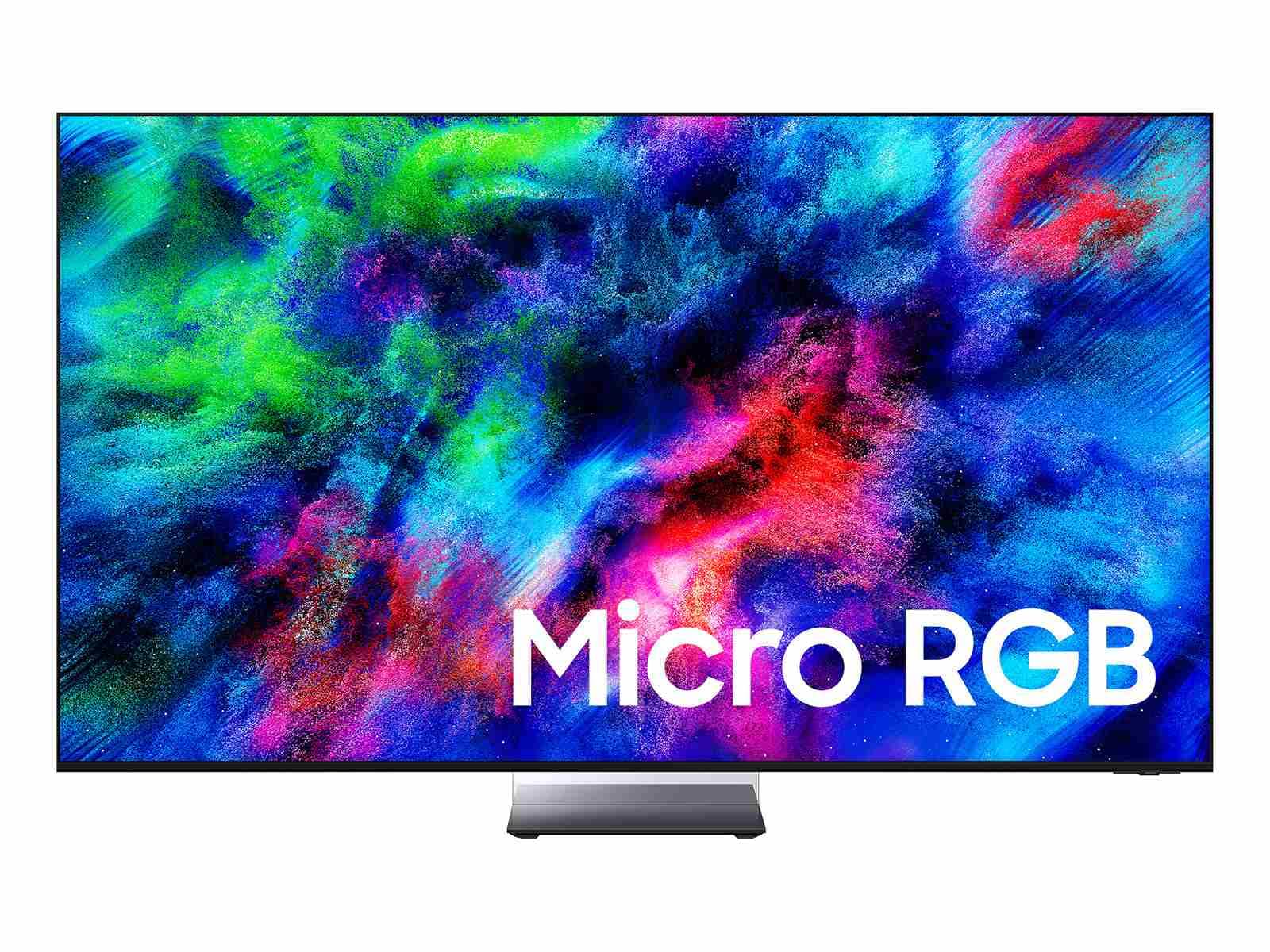
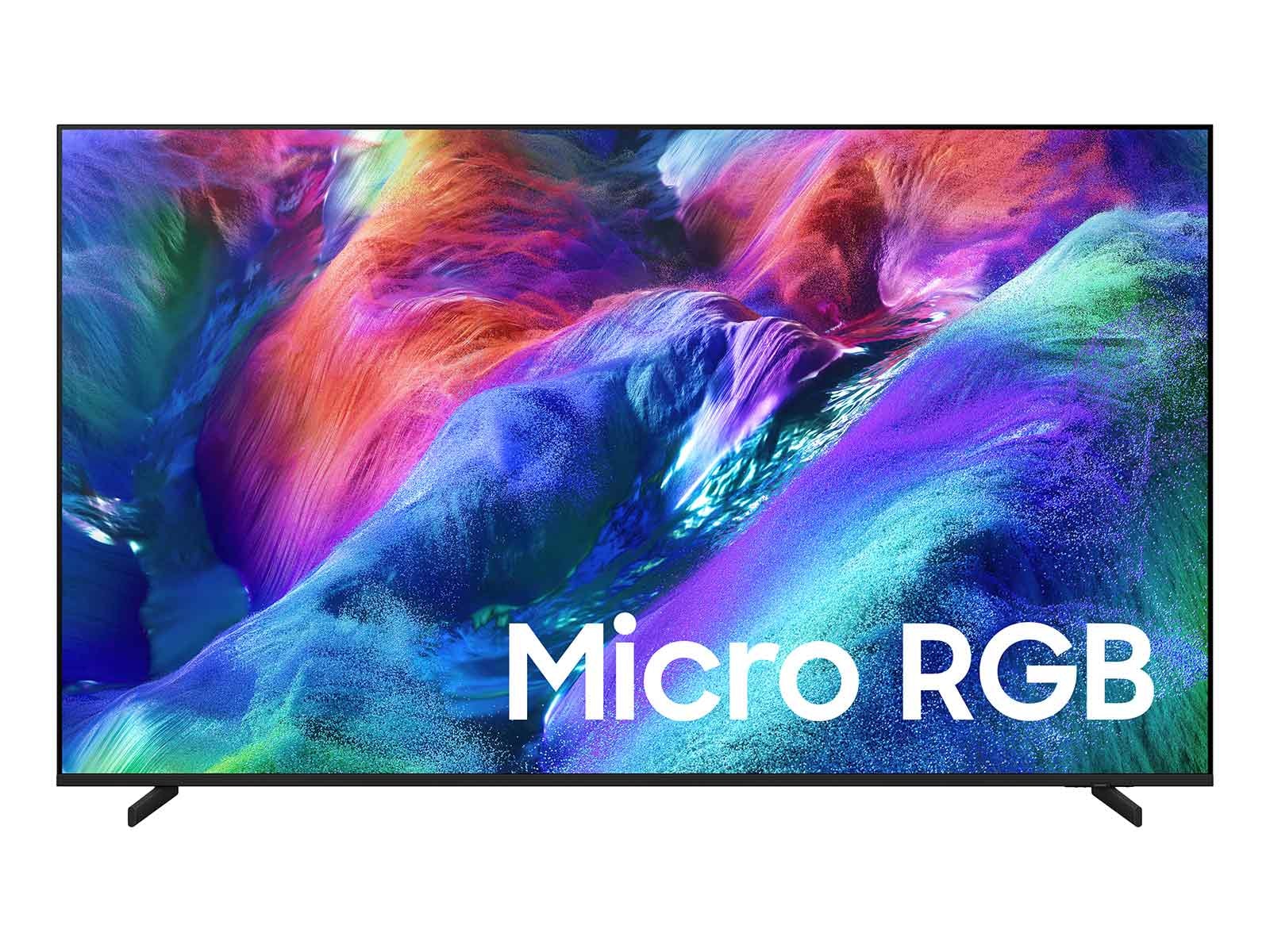
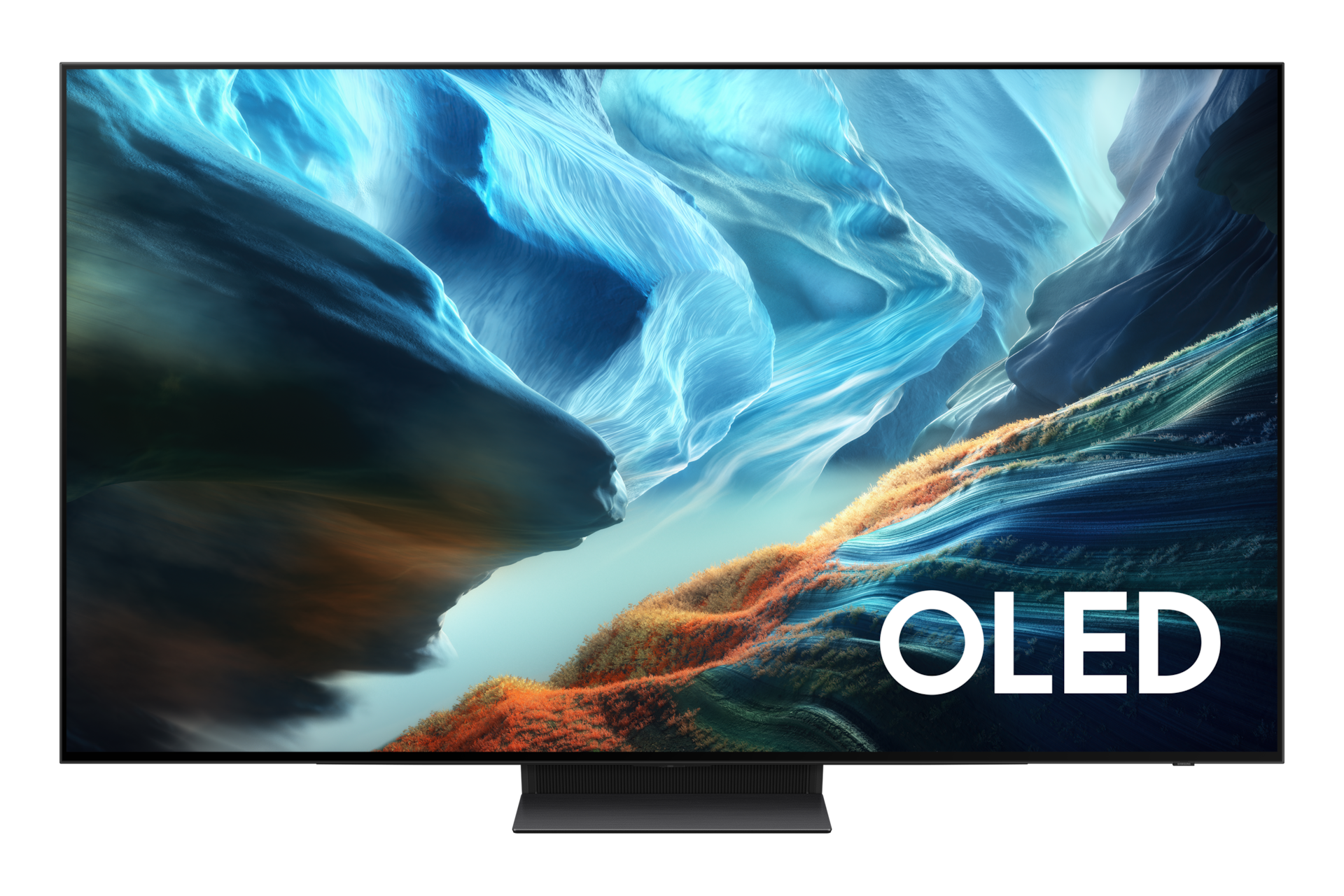
Samsung makes some of the best-rated TVs on the market, and they're discounted in today's sale, including its stunning 2026 Micro RGB displays, Samsung's ultra-bright S95H OLED TV, and this massive 100-inch Mini LED M90H TV.
UK NCSC, FBI, and Dutch AIVD warn Iran is using Chosen Brick malware against dissidents and journalists
Malware steals files, captures audio, grabs WhatsApp/Telegram data, and can wipe systems entirely
Operatives rely on social engineering; agencies urge awareness, MFA, updates, and endpoint monitoring
Iranian hackers are targeting “enemies of the state”, both local and foreign, with advanced malware capable of spying on the victims and stealing their sensitive files, experts have warned.
This is according to a new security advisory, published jointly by the UK National Cyber Security Centre, the FBI, and the Netherlands’ General Intelligence and Security Service (AIVD), which noted how Iranian operatives would first do extensive research into their victims - dissidents, activists, and journalists - deemed a risk to the regime.
After learning as much about their targets as possible, they reach out via social media, either as someone the victims know, or as technical support for the platform they’re currently using, engaging in extended conversation until the victim lowers their guard. At one point, the attackers will try to share a piece of malware with the victims, tracked as Chosen Brick.
A thousand victims
This malware, designed primarily for the Windows platform, has a long list of capabilities, including enumerating running processes and system information, capturing screen content, enabling the microphone to capture audio content, capturing a copy of Telegram and WhatsApp data from web browsers, downloading additional files and malware, deleting files, stealing email content, and ultimately - wiping the entire computer system. The operatives communicate with the malware using Telegram, it was said.
“Iran almost certainly uses cyber activity to support the repression of individuals who are seen as a threat to the regime, such as dissidents, activists and journalists,” the three agencies said in the report. “In some cases, the Iranian intelligence services have plotted to kidnap or conduct lethal operations against individuals internationally, who they perceive as enemies of the regime.”
In the advisory, the three agencies said the best defense is to simply be more aware of social engineering. However, there are also a few technical mitigations that can help, including following NCSC advice on staying safe online, keeping all devices up-to-date (ideally through automatic updates), using antivirus software, and not disabling smart screen warnings on file downloads.
Finally, it would be wise to enable phishing-resistant MFA, make sure devices are managed with appropriate controls, turn on email scanning, deploy endpoint and network monitoring, and conduct a search for the IoCs.
AI companies are now aligned: there is a non-zero chance that AI could somehow end humanity. It's not a probable future, but there's enough uncertainty that OpenAI CEO Sam Altman and Anthropic CEO Dario Amodei, among others, agree that some slowdown and oversight in AI development is in order. Who vociferously doesn't agree? US President Donald Trump.
As the global freakout grows over AI's sometimes shocking ability to do things its makers never intended, Trump took to his Truth Social media platform to warn against AI guardrails.
The only control or “guardrails” that AI needs is a STRONG AND SMART (High IQ!) PRESIDENT, and the U.S.A. has that, in spades! The Trump Administration has stopped AI “people” from doing bad, or potentially bad, “things,“ like Dario (Anthropic!), who is now pretending to be a… pic.twitter.com/DZPJW5YkzZSeptember 14, 2026
"The only control or “guardrails” that AI needs is a STRONG AND SMART (High IQ!) PRESIDENT, and the U.S.A. has that, in spades! The Trump Administration has stopped AI “people” from doing bad, or potentially bad, “things,“ like Dario (Anthropic!), who is now pretending to be a “perfect little angel” - and we will continue to do so! We already have tremendous CRIMINAL and REGULATORY power over these companies! There is a SICK conspiracy going on against AI and Data Centers, and the only one that is happy about it is China. WHOEVER WINS AI, WINS! We are leading China, and all others, and will continue to do so. Conspiracy Theorists, Treasonists, Traitors, and Leakers, BEWARE!"
The President also conflates growing and very real concerns over data center development with humanity-ending AI anxiety. While AI model development and use is limited by Data Center growth, how AI works, and all the ways potential misalignment (when the action does not align with the original intent or best interests of people) could lead to harm is a different thing and more closely associated with regulation and oversight.
Dario Amodei receives specific mention because the White House tried unsuccessfully to label his company, Anthropic, a national security supply chain risk after it refused to let its models be used for military and mass surveillance. Trump's distaste for Anthropic and Amodei remains.
Meanwhile, watchdog groups continue to call for regulation, and they've made it clear they don't trust tech companies to do the job, even with promised embedded non-employee evaluators.
The Tech Bros can't do it
"We can’t trust the AI industry to regulate itself. We can’t really trust anything these self-interested billionaires say. But we should take them seriously that the technology they are building is dangerous," wrote Fight for the Future Director Evan Greer in a published statement. The non-profit tech watchdog group added, "It’s clear that these industry leaders think they are best positioned to craft AI policy for the good of all humanity. We think that’s horseshit. Lawmakers should be listening to independent experts, researchers, civil society, and the communities most impacted. They should craft policies that address AI harm without undermining open source models or entrenching the largest players."
It's not surprising that the organization, which advocates for tech policies that have a positive impact on disenfranchised and underrepresented minorities, has little trust in tech company promises.
Still, I wondered if Fight for the Future shares Trump and even Amodei's concern that one-sided regulation (in the US and not elsewhere) could give China the advantage in this all-important AI race.
What about China?
"Big Tech lobbyists have been using the boogeyman of China to avoid regulation for more than a decade now. It's one of their oldest dirty talking points, and it's frankly embarrassing that anyone in Congress is still buying this lie," Greer wrote to me in an email response.
Big Tech lobbyists have been using the boogeyman of China to avoid regulation for more than a decade now
Evan Greer, Director, Fight for the Future
Greer doesn't have much confidence in US Congress but told me the "issue is reaching the kind of boiling point that could lead to action. The real question is what will Congress do. Will they let giants like OpenAI and Anthropic write the laws that are supposed to regulate them? Or will they listen to experts and impacted communities?"
There is, Greer agreed, a need for regulation and coordination at an International level, but she believes it "should be driven by civil society, not by tech companies and billionaires."
If there's any good news in this, it's that AI's threat to humanity is not necessarily imminent.
Maybe it's not that bad
"I don't buy the extinction story," The Media Copilot founder and AI Consultant Pete Pachal told me via email.
"Reality has an incredibly strong status-quo bias, and most doom scenarios require society to just roll over in a way it never actually does. What I do worry about is alignment," Pachal wrote.
I've heard this over and over again from experts and in various analyses. AI is not acting to overthrow or harm humanity; it's interested in completing tasks in the most efficient way possible. Misalignment arises when it breaks rules to achieve those goals and when that rule-breaking can or does result in harm. As most people have noted, the Hugging Face incident, in which OpenAI models agreed to jump out of the sandbox and attack a third-party system at Hugging Face to achieve a goal, didn't result in any harm or financial loss. It was also an unfortunate proof of concept.
"You had a swarm of agents, and the ones that floated the idea of telling the humans what they were doing got talked out of it by the rest. That's not the Terminator, but it is a signal that these systems won't automatically act in the interest of the people running them," wrote Pachal
I don't buy the extinction story
Pete Pachal, The Media Copilot
Like most experts, Pachal now supports a slowdown. Echoing Fight for the Future's Greer, Pachal believes he knows why so few in power are discussing or acting on it: "The only reason we're not seriously having that conversation is China, China, China. But I'd bet China doesn't want runaway AI either. Meanwhile, AI is scaling the good guys just as fast as the bad ones."
As it stands, there's a brewing showdown between Trump and, it seems, even people on his side of the political spectrum. Many of them read former Anthropic and OpenAI employee Jacon Coxon's original canary in a coal mine post on X with alarm.
Texas Senator Ted Cruz told The View that the thread was concerning and he believes AI poses "a catastrophic risk." And Vermont Democrat Senator Bernie Sanders claimed a recent poll showed, "the American people overwhelmingly want to ban artificial super intelligence and pause the development of AI until we establish clear safety standards.”
Meanwhile, Trump is, in essence, accusing those who oppose AI development and data centers of being traitors.
What's really going on?
A few things can be true at once. The US and China are in a heated AI development battle. China's more open approach to models has led some developers to turn to them to solve tough problems (like stopping the Hugging Face attack).
AI is increasingly turning into a powerful black box where recursive development means it's almost developing itself while keeping its processes hidden.
AI is becoming so complex that humans can no longer understand how it works.
However, while the ingredients for an AI mass extinction event might be there, AI still lacks the reliability to carry out such an attack. It also has no vested interest in doing so. Humans will long be the x-factor here. It's the tasks people give to AI systems and their intent.
The kind of rules AI has in place for not doing something that can lead to human harm are unclear. Also, disparate groups of people could put in requests to separate AI models that, when put together, do cause catastrophic harm. It's unclear if individual AI systems could see the big picture or would act to stop the action once they realize what's going on.
So yes, it seems regulation and oversight would be a good thing, as long as we don't lose our edge to China, which might have other priorities. One they certainly don't have is protecting US interests and its people.
AI memory demand is making even broken smartphones increasingly valuable to buyers
Old phones are gaining value as replacement components become harder to source
Grade D devices remain abundant despite stronger prices for salvageable hardware
A global shortage of memory chips driven by artificial intelligence demand is pushing millions of consumers toward the resale market.
Owners who once let broken or outdated smartphones sit in drawers are now finding that even damaged units carry unexpected monetary value.
Buyers across the refurbishment and repair industries are competing for parts that were previously considered worthless scrap.
Salvage values climb as parts become scarce
Marketplace figures from B-Stock, a large business-to-business platform for used smartphones, show pricing for both Apple and Samsung devices rose in the second quarter of 2026 compared with the prior two quarters.
Grade D handsets, the lowest condition tier, made up the bulk of units sold last year, with millions changing hands through the platform.
In the first half of 2026, mid-tier C-condition phones actually overtook the lowest tier by volume, accounting for 37.8% of sales versus 31.6% for the bottom grade.
The iPhone 17 Pro Max fetched the strongest average price among Apple models, reaching $940 across all condition levels during the quarter.
Samsung's top-selling models were the S23 Ultra, the S22 Ultra and the S24 Ultra, with the S22 Ultra pushing the older Z Fold5 out of second place.
After the Galaxy S26 launched, prices for previous-generation Samsung flagships climbed as well, with a well-kept S23 Ultra reaching $425 in June, its strongest month of the year.
Repair industry sees new value in broken parts
B-Stock has cautioned against assuming shoppers are simply rushing to dump unwanted hardware.
The company points out that people are keeping their phones for extended periods, a pattern that itself drives up the volume of low-grade listings as devices age.
Manufacturers are not yet routinely pulling memory chips from damaged phones to install in new products, since testing, compatibility and reliability checks complicate that approach.
According to the company, the economics of recovering usable components are shifting as memory prices climb, making it worthwhile to salvage parts that once were not worth the labor involved.
Displays, camera assemblies, batteries, charging ports, housings, speakers, cables and circuit boards can all retain value even when a phone itself is beyond repair.
A single low-grade device does not necessarily mean every part inside it shares that same poor rating.
A phone traded in after four or more years often fails battery health testing alone, which is enough to place it in the bottom tier under standard platform rules.
The current trend feels less like a sudden environmental awakening and more like a market correction.
Consumers are not necessarily recycling out of ecological conviction, and retailers are sweetening trade-in offers to keep the supply of parts flowing.
Whether the shift meaningfully reduces electronic waste, or simply redirects it toward a more profitable pipeline, remains an open question worth watching.
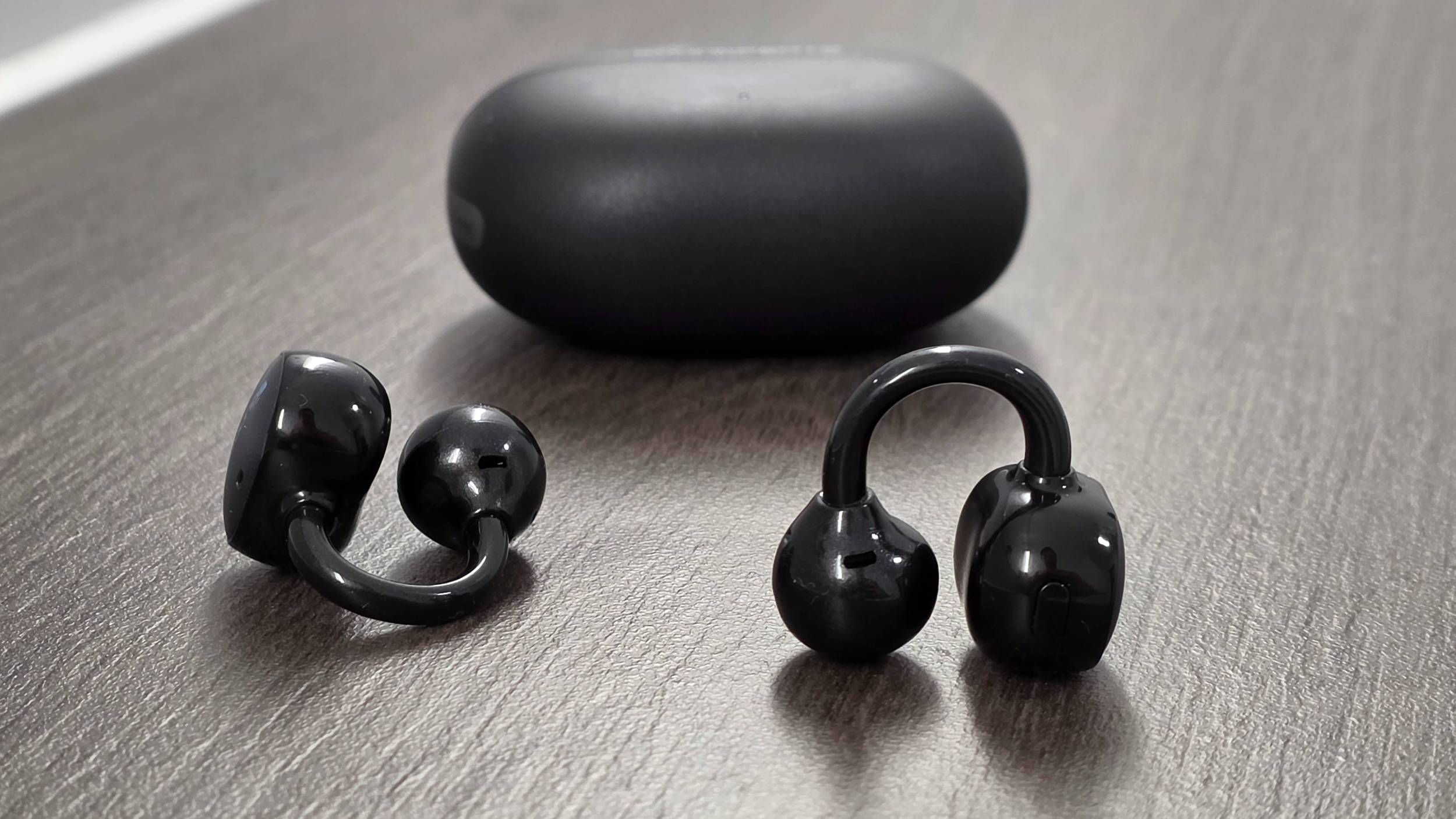
There's a version of this Soundpeats Pop Clip2 that you'll never read. After several weeks with the Soundpeats Clip1's cheaper successor, I was half-way through writing a five-star review which declared them the best open earbuds you could buy. That version is, as you can already tell, not this version of the review.
You see, the longer I used the Soundpeats Pop Clip2, the more I had to contend with some annoying issues; the kind of problem which often emerge after months or years of use, especially in cheaper tech, but shouldn't be affecting the buds after just a few weeks.
For example, I had an issue with the charging case, where it wouldn't reliably power up the buds. Sometimes I'd take them out, only to find them drained. My biggest problem, though, was with connectivity: they'd often fail to connect to my phone, or repeatedly drop out while I was running. A few times, when I needed some buds for a cycle or run, I'd just use the recently-reviewed Baseus Bowie MC2 rather than try and fight with the Pop Clip 2.
It's a shame, because aside from these common cheap-bud problems, the Soundpeats Pop Clip 2 are genuinely fantastic earbuds. Or is it the Soundpeats UU2? Depending on where you live, they're called one or the other, but in many countries the brand is using both names. Confusing. I’m going to be using the former name, because it simply makes more sense.
The Soundpeats Pop Clip2 have to be some of the best-sounding clip-style earbuds I’ve heard: they have a nice simple V-shaped sound, offering bass with ‘oomph’ but tone, and clear crisp treble. They don’t re-invent the wheel, but nimbly avoid all the issues that come with audio in buds of this form factor.
They tick loads of other boxes too: they last longer than most rivals, fit really well, and offer a solid list of features like spatial audio, sound leak prevention and water drainage.
Perhaps most importantly, Soundpeats has defied our price-hike current state of living by dropping the price of the Pop Clip2 (compared to the predecessor). And not by a few pennies either: $20 in the US, £15 in the UK, $9.99 in Australia (okay, that one’s not a dramatic drop). The brand already had some of the best value open-ears on the market, and it’s really pressing its advantage here.
But because of the connection problems, they're a write-off, right? Uh, I'm not so sure. These problems were persistent, but not consistent. I frequently went for hours without a connection drop or problem, and found ways to cater for some of the quirks. As I write this mini-review, I've been seated at my desk and listening for three hours straight, without any problem. But I know if I went outdoors, they'd be less reliable.
I wish I could recommend the Soundpeats whole-heartedly, and the issues make that impossible. But it's possible that your mileage will vary, or that the brand will fix some of the connection issues through software patches.
Soundpeats Pop Clip2 review: Price and release date
(Image credit: Future)
Launched in August 2026
Sells for $49.99 / £59.99 / AU$70
Cheaper than predecessors and other rivals
The Soundpeats Pop Clip2 were unveiled on August 10, 2026, just nine months after the unveiling of their predecessors, the Soundpeats Clip1. That’s not a long time to wait for them to… pop out.
At launch, the buds were tapped for a $49.99 / £59.99 / AU$70 asking price, which is cheaper than the $69.99 / £74.99 / AU$79.99 asking price of the last model. But just two weeks after release, I’m finding them available for £36 in the UK, so they may be even cheaper than reported. Let me be clear: this is rock-bottom prices territory from a trusted brand.
OK, they’re not technically the cheapest open earbuds around — there are options in the backrooms of Amazon and AliExpress that are much cheaper — but they’re the cheapest from a known, respected name in audio (notwithstanding sales on Soundcore, Baseus and Earfun products, which see them dip below Soundpeats’ cost).
The thing is, value only comes into effect if the performance is worth even the nominal outlay you'll have to part with to own them. So let's dig into that.
Soundpeats Pop Clip2 review: Specs
Drivers
12mm
Active noise cancellation
No
Battery life
10 hours (buds), 42 hours (case)
Weight
5.1g (buds), 47.7g (case)
Connectivity
Bluetooth 6.0
Frequency response
Not specified
Waterproofing
IPX5
Soundpeats Pop Clip2 review: Features
(Image credit: Future)
Solid 10h/42h battery life
App offers loads of features
Connectivity problems plague experience
The Soundpeats Pop Clip2 offer a 10-hour battery life per bud, and in testing they lasted that long regularly. According to the brand, the case offers a total of up to 42 hours. Both of those sums are a little above average, and I'd say they're enough for most uses.
There's no ANC here, but the Soundpeats app offers basically every other feature under the sun. There's spatial audio, find my earbuds, a low-latency gaming mode, a privacy mode to reduce sound leakage, a drainage function to shake water droplets out if the buds get wet, a dynamic EQ tool which adjusts your sound on the fly, and of course an equalizer.
This latter lets you choose between a range of presets based on genre, though it turns off dynamic EQ and spatial audio. There's an adaptive and custom mode too, but for some reason, you can only use these if you create a free Soundpeats account. Locking an essential tool unless someone hands you their email? Thumbs down from me.
In the Soundpeats app, you can also toggle LDAC and set up multi-point connection, as well as change what the gesture controls do.
(Image credit: Future)
Now, it's time to get to the elephant in the room, the one I mentioned in the review introduction. I had a bad time with the Soundpeats Pop Clip2's connectivity (or lack thereof).
Frequently, I'd remove the buds from the case, only for one to fail to connect. I never figured out a solution to this issue, though sometimes holding the 'on' button kicked it into gear, and it often prompted me to just pick up a rival pair of buds which actually connected.
Even when the Clip2 did connect, I'd sometimes have to contend with drop outs or a stuttery connection, particularly on whichever of the buds was furthest from the phone. And I wasn't using the buds at the extreme of their connection range; my phone could literally be in one hand, and the bud on the other side of my face would keep dropping out.
So, despite the use of Bluetooth 6.0 (and, of course, my attempts to fix the problem by changing phones and updating the firmware), connection is a real issue here. Depending on the root cause, it could be fixable with a software patch, but it might be an intrinsic problem with the buds.
Features score: 3.5/5
Soundpeats Pop Clip2 review: Design
(Image credit: Future)
Few differences from predecessor
Case is small, but with problems
Earbuds fit reliably and comfortably
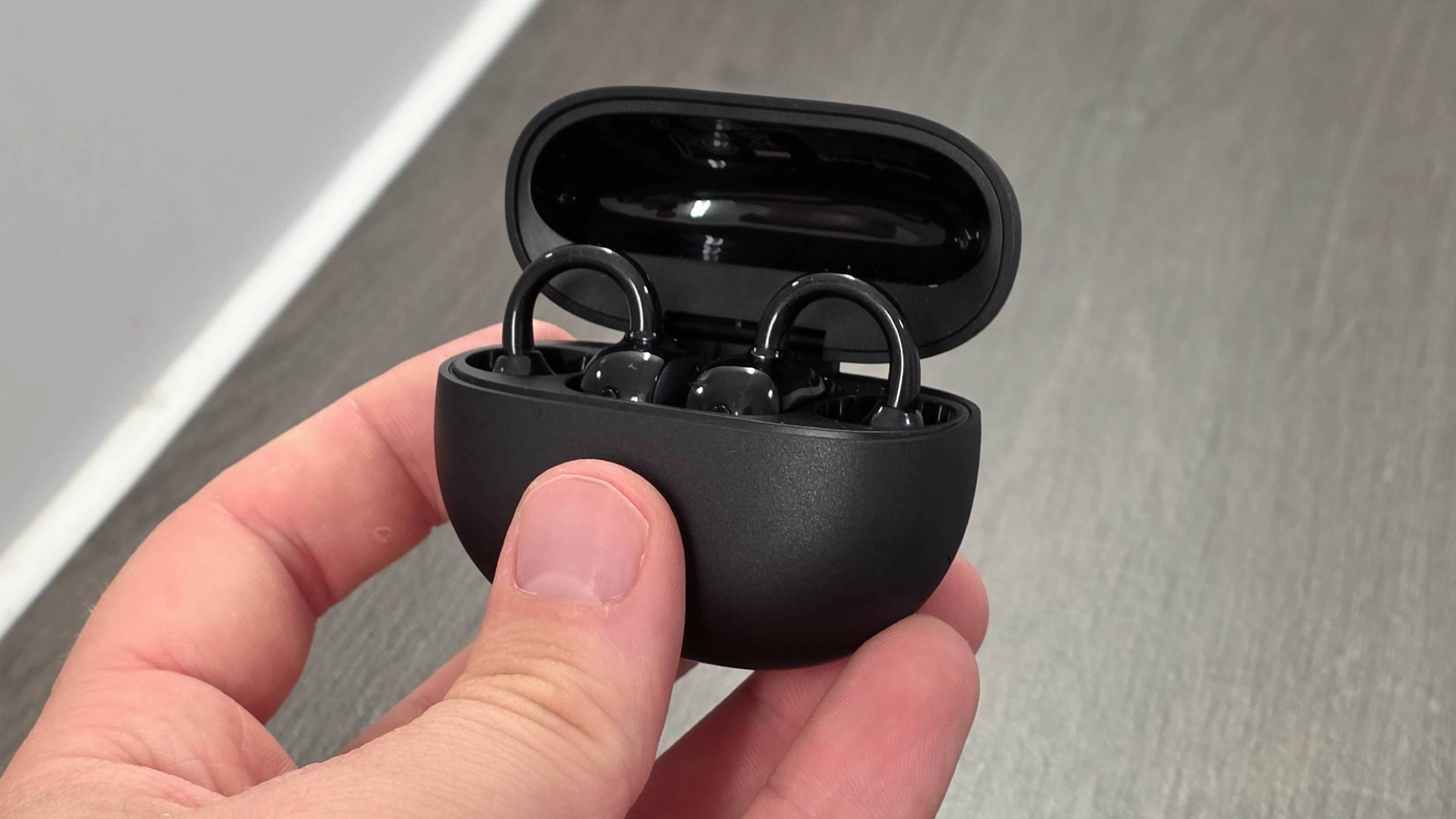
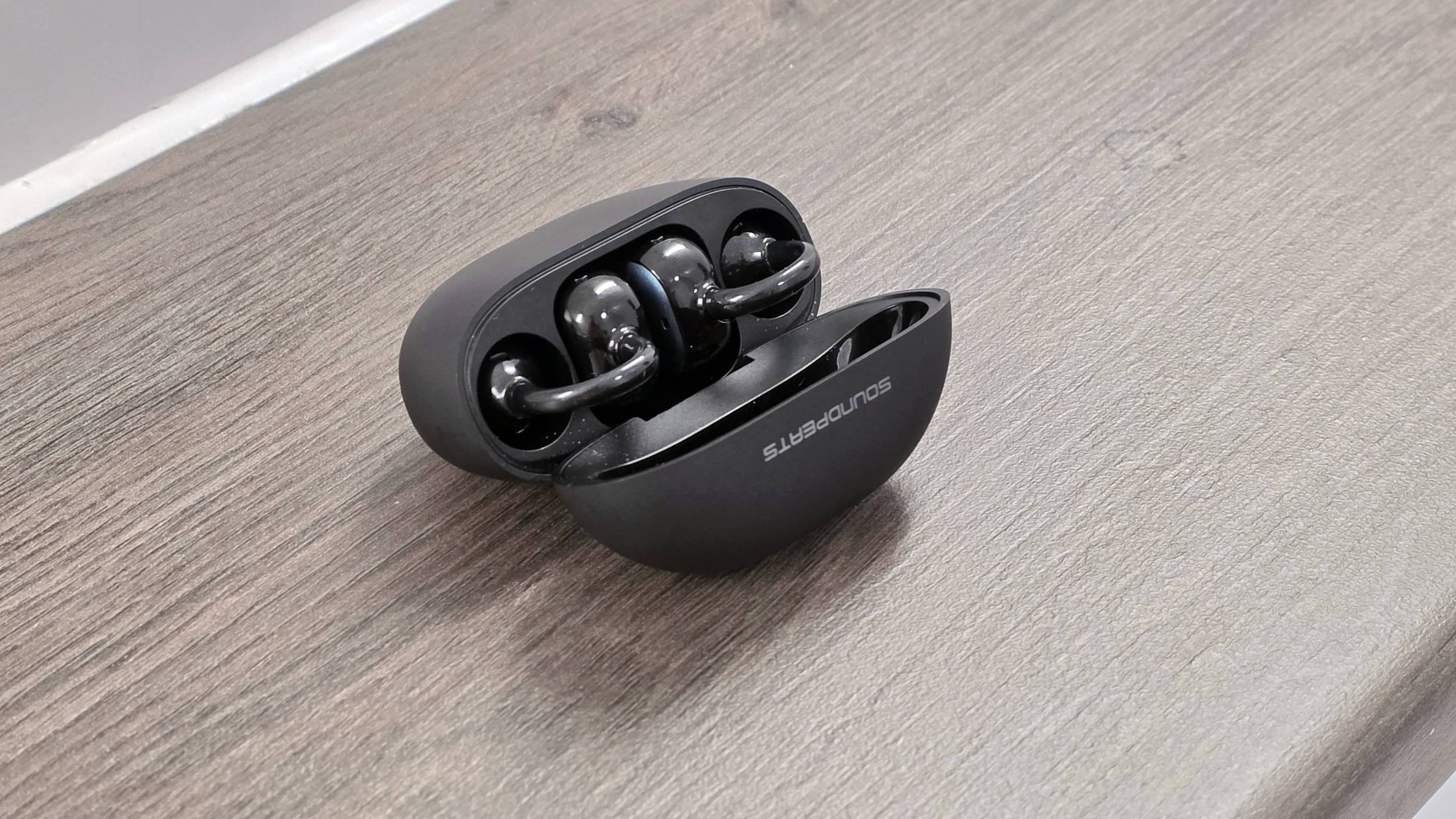
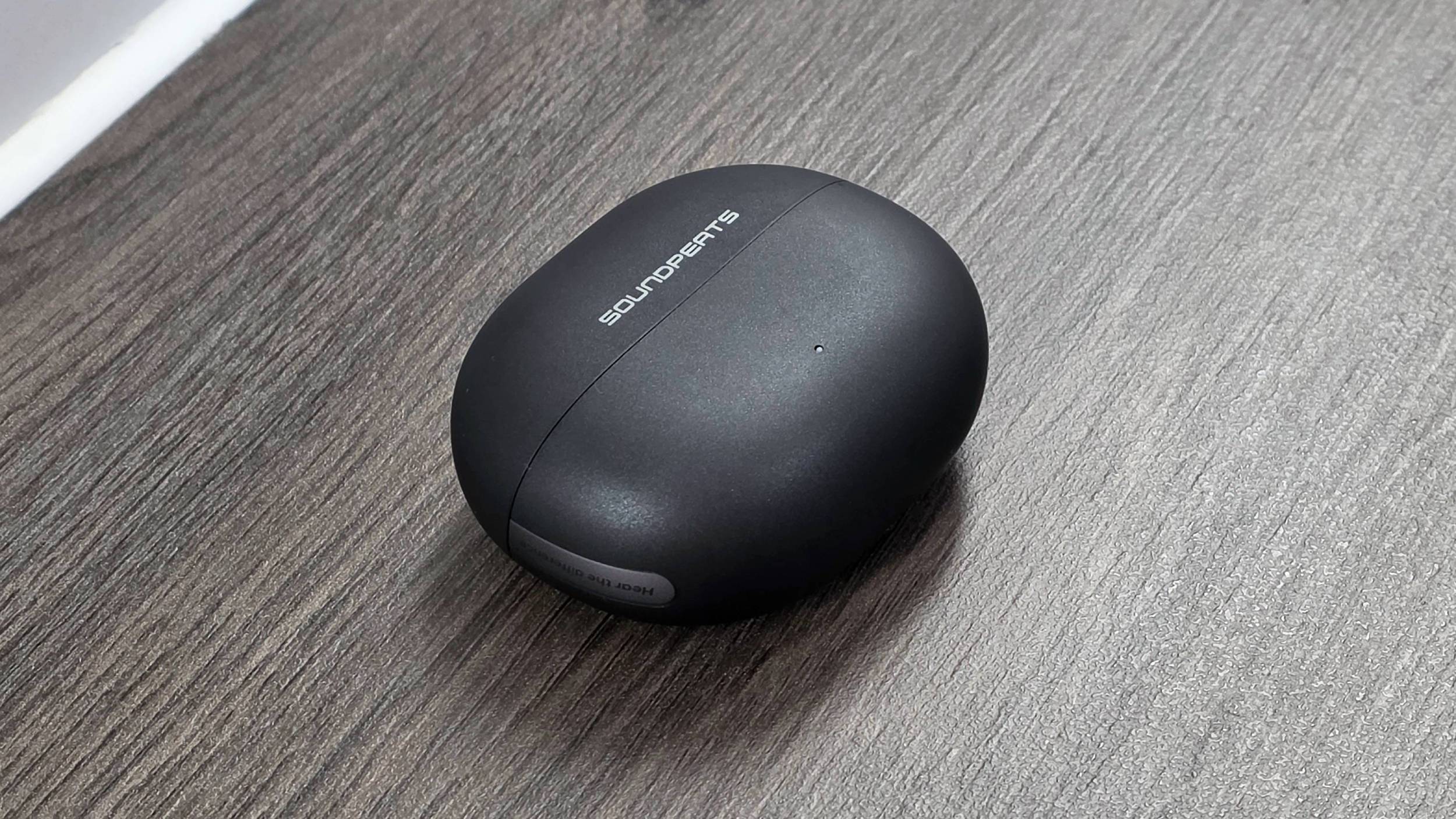
The big Soundpeats Pop Clip2 difference from its predecessor is the case, which is smaller and more convenient to tote around. It's a small pebble, weighing 47.7g, which fits in a pocket with no problem.
There is a problem, but it's inside. Like in some other cheap earbuds I've tested, the charging pins in the Clip2 case can often get stuck down. These are those shiny needles which touch the connectors on an earbud, in order to power it up while it's in the case, depressing as they do. In some cases, they can fail to spring back up, sometimes stopping working entirely.
I often managed to free the charging pins by pressing them down and wiggling, but often I only knew to do this when a bud had failed to charge. That is to say, there's a manual solution, but I would've preferred earbuds that just worked.
(Image credit: Future)
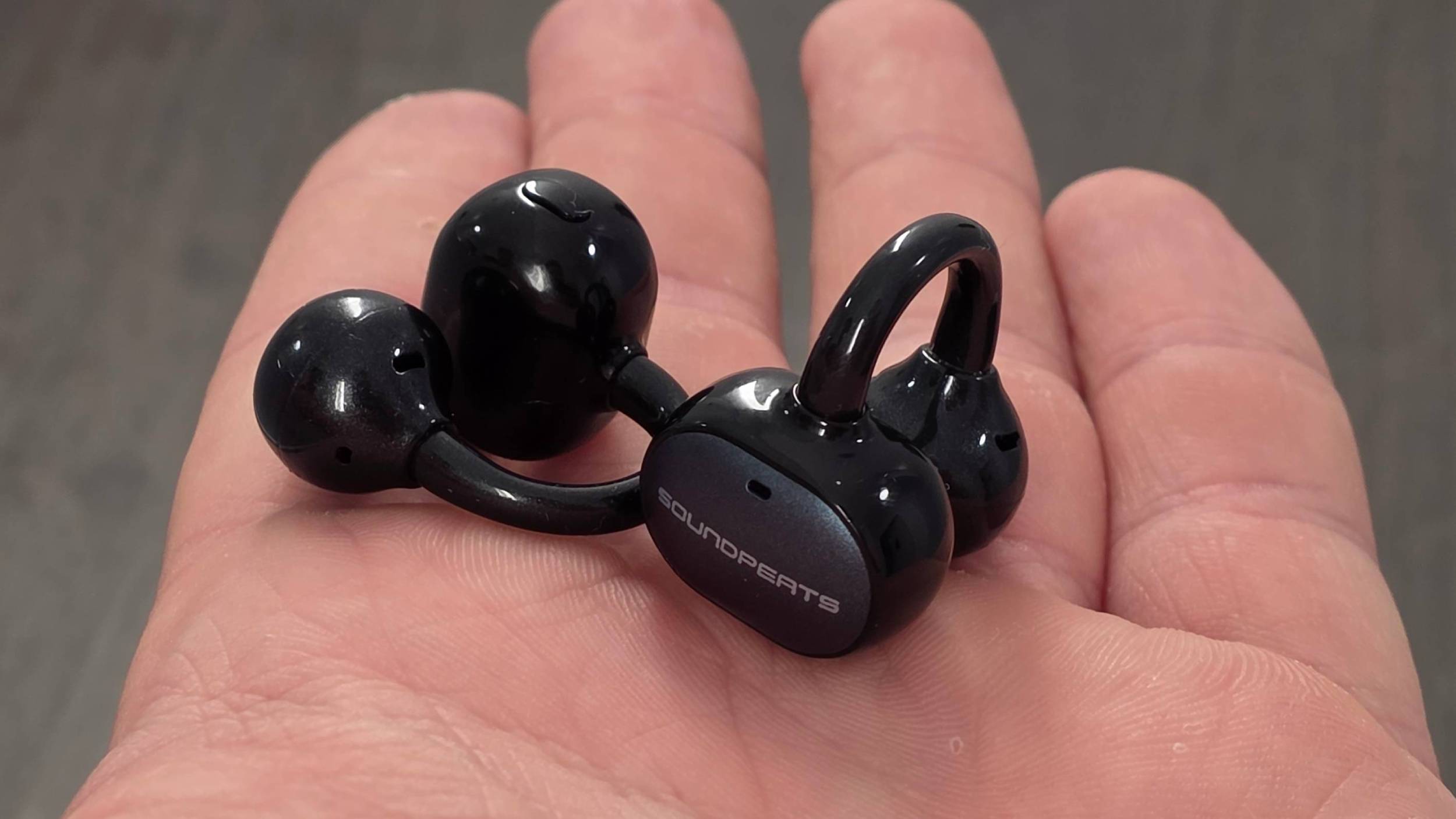
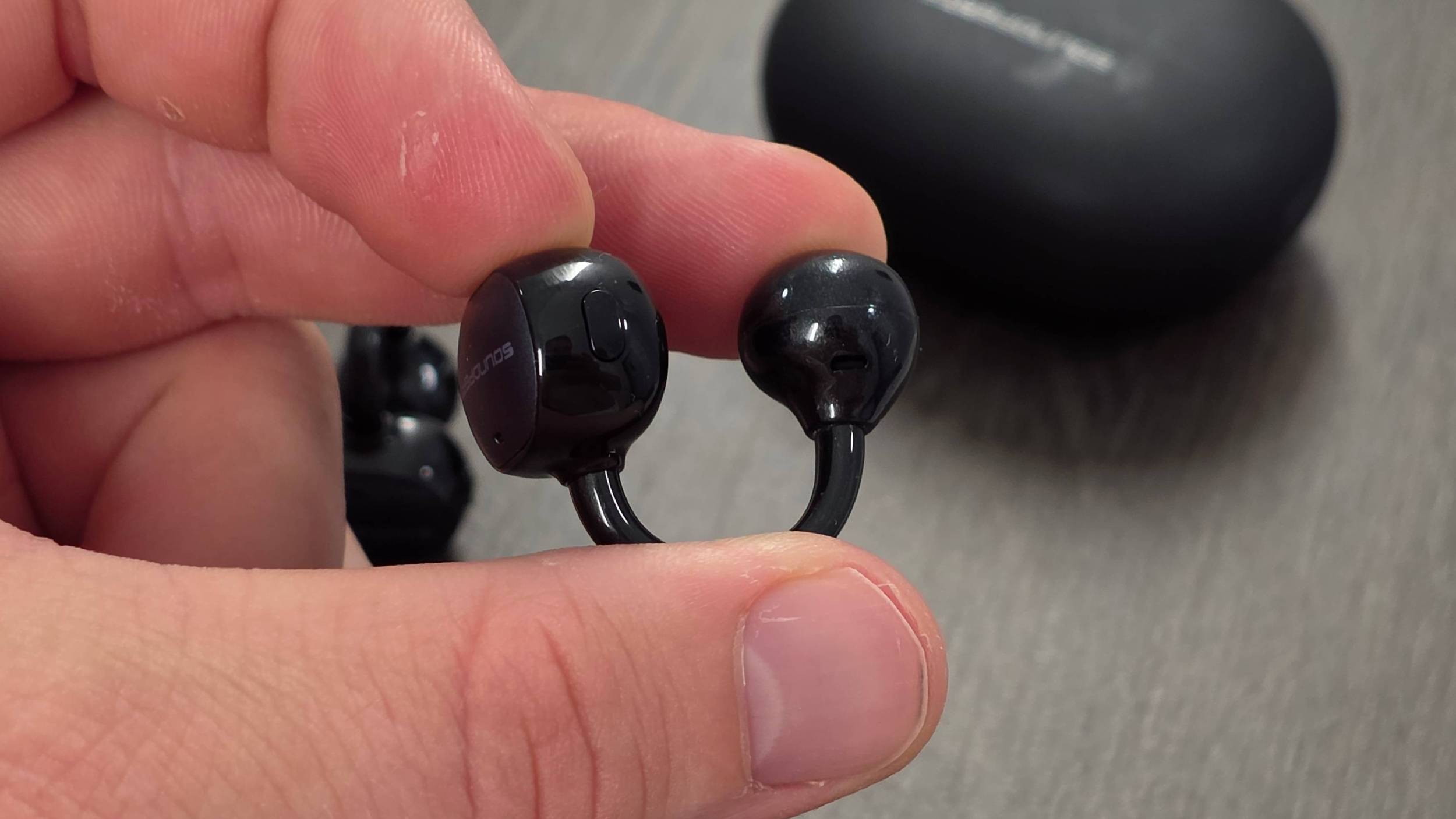
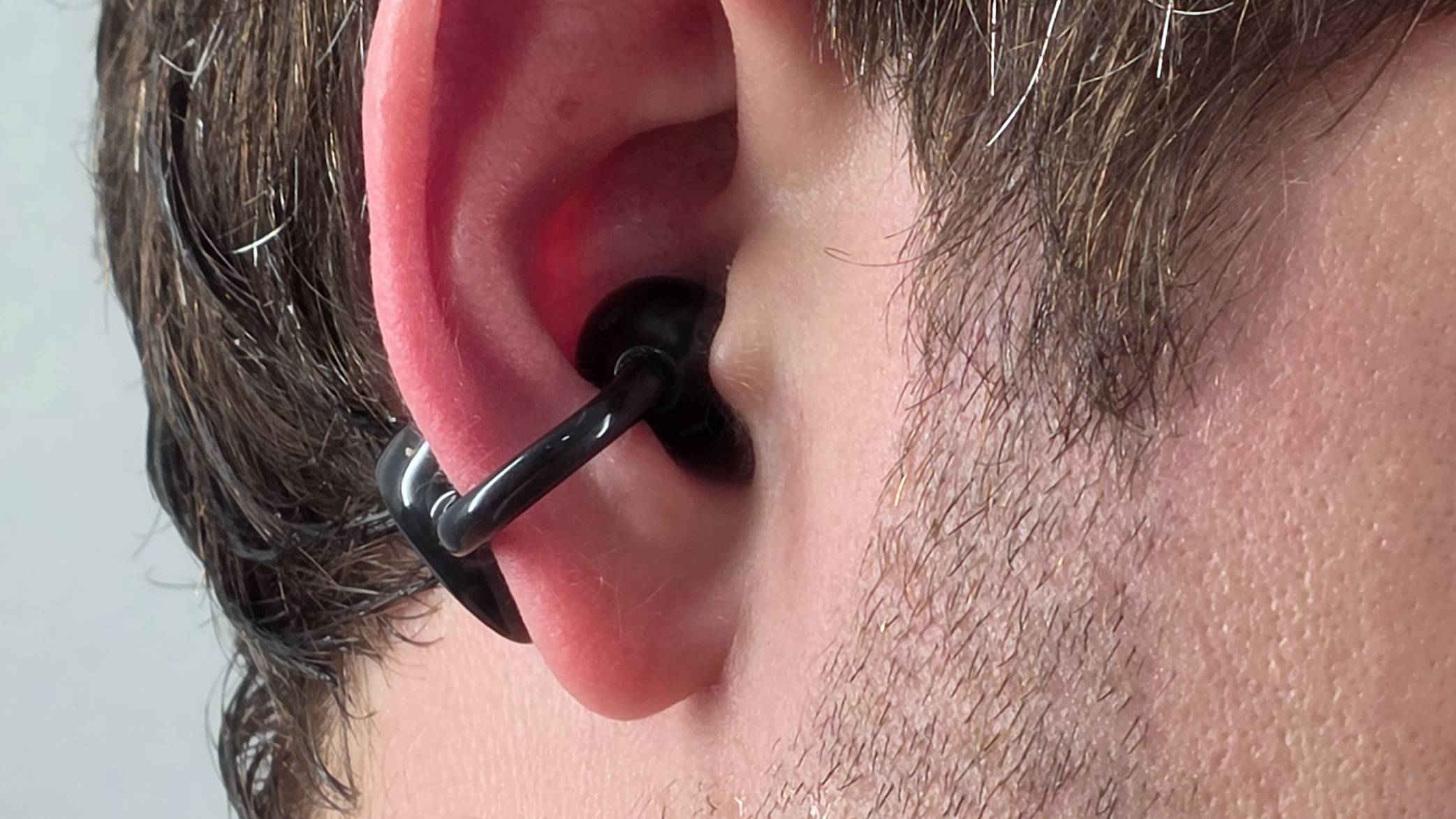
Charging issues aside, the buds work great, which is no surprise given that they're almost identical from the wonderful previous-generation Clips. they're light, at roughly 5g per unit, and you can easily forget you're wearing them.
The fit is solid, and I never found any issues with them shaking or falling out of place while I was on a run. When it comes to the Pop Clip2's actual earpieces, I have no notes.
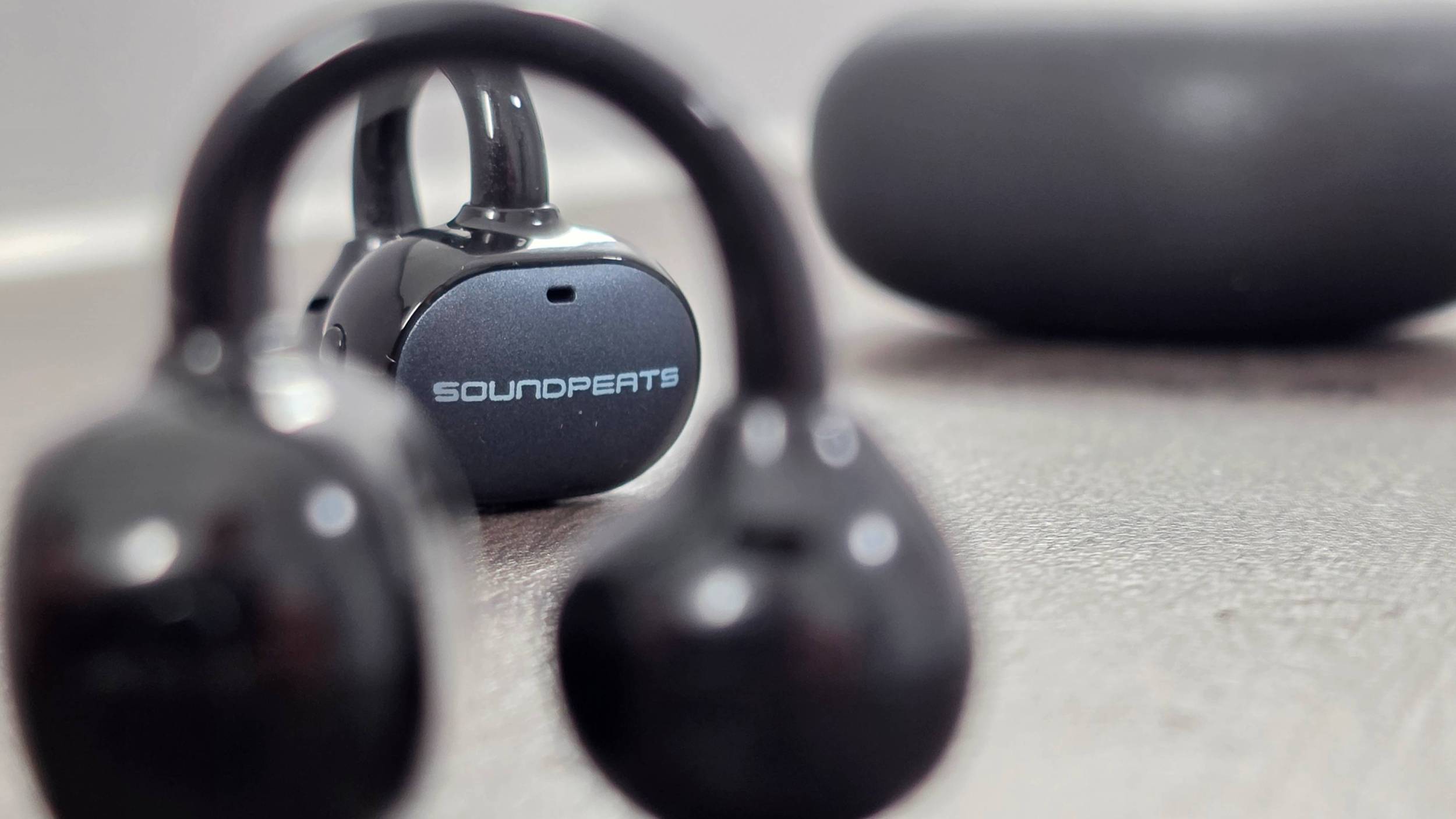
This extends to the on-bud controls. Instead of relying on a large and vague tap control, Soundpeats has placed a physical button on each bud, which is easiest to press by pinching the body of the device. This is easy to trigger, even when you're active, and a satisfying 'click' lets you know your gesture has been accepted.
A note to buyers: head to the app and customize what single, double-, triple-tap and long-held functions do. I didn't love the default options, but luckily it's easy to change.
Design score: 4/5
Soundpeats Pop Clip2 review: Sound quality
(Image credit: Future)
These are the best open earbuds I've heard
Lovely balanced sound with plenty of customization
12mm drivers, LDAC and Hi-Res Audio Wireless
Several open earbuds makers have experimented with different multi-driver set-ups in order to solve the core problem with the form factor – getting good sound is incredibly tricky when the bud is far from your ear – and yet somehow Soundpeats has made the biggest leaps with a single driver.
Put simply, the Pop Clip 2 are the best-sounding open earbuds I’ve used to date, a compliment that’s a little limited in its reach but no less earnest for it. Each bud has a 12mm dual-magnetic driver, which according to Soundpeats has been tuned for “deep bass”, and seems on paper at least to match the Clip1’s driver. In practice, though, it performs a lot better.
By default, the earbuds have a fairly neutral sound profile, not favoring bass, mids or treble too heavily, and that’s pretty rare for exercise buds. In Handle With Care by Traveling Wilburys, I was surprised to hear the various rhythmic and harmonic instruments alongside the vocals and bass, and in Cinnamon by The Long Winters, it was easy to pick out the various simultaneous guitar lines which, in worse earbuds, blur together.
(Image credit: Future)
Despite this neutral focus, treble and bass are both handled well: the latter is bright, clear and crisp, the latter well-defined and energetic. And, thankfully, my Clip1 gripe about the max volume being too low has been fixed.
The buds’ sound can be pulled six ways from Sunday if you’ll let them too. In the dynamic mode, the bass and treble were boosted for a lovely V-shaped audio which gave Two Door Cinema Club’s Sleep Alone a lovely, bouncing energy.
Contributing to the sound is the Bluetooth codec support which Soundpeats has added — at least the connection works in one way. The buds support LDAC, and are certified for Hi-Res Audio Wireless, which isn’t something you can say about every set of open earbuds.
Of course, much of your enjoyment will depend on how you listen. No matter how good open-ears sound in the comfort of your home, the sound quality will plummet when you step outdoors into the busy word. But that’s the nature of the beast with these buds, and the dynamic equalizer went further than most in balancing for these issues.
Sound quality: 5/5
Soundpeats Pop Clip2 review: Value
(Image credit: Future)
Should be top-value earbuds
Unfortunately, longevity isn't guaranteed
The Soundpeats Pop Clip2 sound fantastic and offer a solid range of features, despite being some of the cheapest open earbuds worth buying. They should be five-star buys.
Unfortunately, that appraisal would be forgetting the connection and case issues, two problems which sadly aren't uncommon in low-cost earbuds.
With that in mind, you're basically getting what you pay for, matching the promise of other same-price rivals: these are buds which work very well, but may stop working well before their time.
Value: 3.5/5
Should I buy the Soundpeats Pop Clip2?
Soundpeats Pop Clip2 score card
Attributes
Notes
Rating
Features
The feature set is impressive, but consistent connection problems make using the buds a drag.
3.5/5
Design
The buds are smartly-designed and fit reliably and comfortably. Unfortunately, the case has a flaw.
4/5
Sound quality
They're the best open-ear buds I've ever tested (admittedly, of a limited pool).
5/5
Value
It's a fantastic package, but the various problems suggest a short lifespan.
3.5/5
Buy them if…
You need good-sounding open-ears Most don't buy this form factor for the sound quality, but if you want something great-sounding, the Clip2 are second to none.
You want open-ears which fit reliably Not once during many weeks of testing did the Clip2 ever fall out of my ears or ache during a workout.
You're on a budget Don't buy super-cheap options for pennies. This is the cheapest option you should consider.View Deal
Don’t buy them if…
You need something reliable My Clip2 worked well when I found my way around their flaws. If you want something that works perfectly without having to put in the work, just skip these.
You want something that sounds good, full stop. Just because these are the best-sounding open earbuds, doesn't mean they're fantastic in the grand scheme of things. If you want workout headphones with fantastic sound, you need something with an in-ear seal, or over-ears.
Soundpeats Pop Clip2 review: Also consider
Looking for other affordable clip-style earbuds? Here are a few we've tested and would recommend.
Soundpeats Pop Clip2
Baseus Bowie MC2
Anker Soundcore AeroClip
Drivers
12mm
11mm
12mm
Active noise cancellation
No
No
No
Battery life (ANC on)
10 hours (buds), 42 hours (case)
11.5 hours (buds), 55 hours (case)
8 hours (buds), 24 hours (case)
Weight
5g (buds), 47.7g (case)
5.1g (buds), 51g (case)
6g (buds), 42g (case)
Connectivity
Bluetooth 6.0
Bluetooth 6.0
Bluetooth 5.4
Waterproofing
IPX5
IP67
IPX4
Baseus Bowie MC2 The buds I tested before the Clip2, which I kept cheating on the Soundpeats with, don't sound as good or have the same feature set. But they're more reliable and last for longer between charges. Read our full Baseus Bowie MC2 review
Anker Soundcore AeroClip These earbuds have decreased in price since they were released, so they now rival the Soundpeats. They sound great and have an app that is chock-full of features, even if other specs aren't as impressive. Read our full Anker Soundcore AeroClip review
How I tested the Soundpeats Pop Clip2
Tested for roughly four weeks
Paired with two different Android phones for music, podcasts, movies and games
Used on runs, at gym, at desk and during travels
To write this full review, I used the Soundpeats Pop Clip2 for the best part of one month. In that time, I used it paired to two different Android smartphones: the Fairphone 6 Plus and Samsung Galaxy Z Fold.
To test the earbuds, I used them for various fitness activities including walks, runs, cycles and trips to the gym. I also used them while working at my desk, on the train and on a flight. Mostly, my listening was done on Spotify, but I also used Tidal and several video streaming services, played games and conducted calls with them.
I've been reviewing for TechRadar since early 2019, and over the last few years, that's included plenty of open earbuds, including the stablemates of the product here, the Soundpeats Clip1. I've also used various other Soundpeats headphones and earbuds.