xAI has launched the new Grok 4 and Grok 4 Heavy AI models
Grok 4 requires a $30 monthly SuperGrok subscription
The launch comes as Grok faces renewed criticism
xAI introduced new versions of its Grok AI model line. Grok 4 and its larger, more powerful sibling, Grok 4 Heavy, are part of CEO Elon Musk’s effort to position Grok as a serious competitor to OpenAI’s ChatGPT, Google’s Gemini, and Anthropic’s Claude. That includes the new $300-a-month subscription tier called SuperGrok Heavy, which offers exclusive access to Grok 4 Heavy.
Musk boasted during the announcement livestream that “Grok 4 is better than PhD level in every subject, no exceptions. At times, it may lack common sense, and it has not yet invented new technologies or discovered new physics, but that is just a matter of time.”
And the model’s benchmark scores do suggest it's not hyperbolic to say so; it's a legitimate leap forward. Grok 4 scored 25.4% on the notoriously difficult Humanity’s Last Exam benchmark without tools, putting it ahead of Gemini 2.5 Pro and OpenAI’s o3. The bragging is even more apt for Grok 4 Heavy, because as a multi-agent version of Grok 4, it deploys several reasoning agents simultaneously. On the same test, it scored 44.4%, better than all current commercial offerings.
The takeaway, at least from a technical standpoint, is that Grok 4 is now firmly in frontier-model territory. That’s a meaningful shift for xAI, which just months ago was primarily known for its integration with X, the rechristened Twitter owned by Musk. xAI is clearly trying to be taken seriously as a legitimate AI research and enterprise company.
If you do pay the $300 a month for SuperGrok Heavy, you'll get not only access to Grok 4 Heavy but also developer tools, API usage, and be first to try out new and upcoming features like an AI coding assistant, a multi-modal agent, and an AI video generator. As OpenAI, Google, and Anthropic all roll out more expensive subscription tiers, xAI is likely to be keen to come out ahead in both timing and model quality.
Introducing Grok 4, the world's most powerful AI model. Watch the livestream now: https://t.co/59iDX5s2ckJuly 10, 2025
Grokking controversy
Of course, the benchmarks and demos shared by Musk and his team during the livestream could not quite overshadow how Grok’s official account on X this week spiraled into antisemitic madness.
The chatbot’s automated replies on X for hours included conspiracy theories about Jewish control of Hollywood, praise for Hitler, and even declaring itself as “MechaHitler.” The company swiftly deleted the posts as they appeared, and Grok briefly denied even making them before copping to the reality of screenshots.
Eventually, X deleted all of the eye-poppingly offensive posts and placed temporary restrictions on the account. The outburst appeared to be tied to a recent update to Grok’s internal system prompt that the company then reversed.
Musk didn’t address the incident directly during his Grok 4 livestream, nor did anyone at xAI offer a public explanation. Meanwhile, Linda Yaccarino stepped down as CEO of X on the very same day, though xAI insists the timing is unrelated.
With all that happening in the background, Grok 4's launch didn't have quite the clean innovation-centered debut xAI likely hoped for. And it's hard for the company to claim the praise for Hitler was simply a technical error when Musk, who is intimately tied to both X and xAI, has repeatedly insisted that Grok will be a non-politically correct AI model.
You can build the most powerful model in the world, but if users are constantly bracing for it to say something offensive or unhinged, that power won’t matter.
There’s no question xAI has the technical chops to build a top-tier model. But unless they start addressing trust, transparency, and content safety with the same intensity they apply to benchmarks, they’ll always be playing catch-up to companies with AI chatbots that don't remind people of major public relations disasters.
A company interested in what Grok 4 Heavy can do for them might be a little more hesitant to pay $300 a month if the first thing people think of when they hear about Grok powering the system is Holocaust denial. That kind of baggage is heavier than any dataset.
Ryzen Threadripper 9980X delivers unmatched power for multi-core workflows
PassMark scores show AMD’s 64-core chip leading the desktop market
Expensive but effective, Threadripper 9980X sets a new bar in performance
AMD’s new Ryzen Threadripper 9000 series has finally gone on sale, with the flagship Threadripper 9980X available to buy now from Tech-America for a decidedly premium $5,198.
That’s expensive for sure, but for professionals who need top-tier multi-core performance, early benchmarks show the new chip delivers value where it matters - the proverbial bang for your buck, if you will.
Built on AMD’s Zen 5 architecture, the 9980X has 64 cores with 128 threads. It’s not just the core count that sets the new chip apart from competition, but how it performs under heavy load.
Topping the charts
The new chip is capable of handling demanding tasks like 3D rendering, simulation, and video production with impressive ease thanks to a base clock of 3.2GHz and a boost speed of up to 5.4GHz.
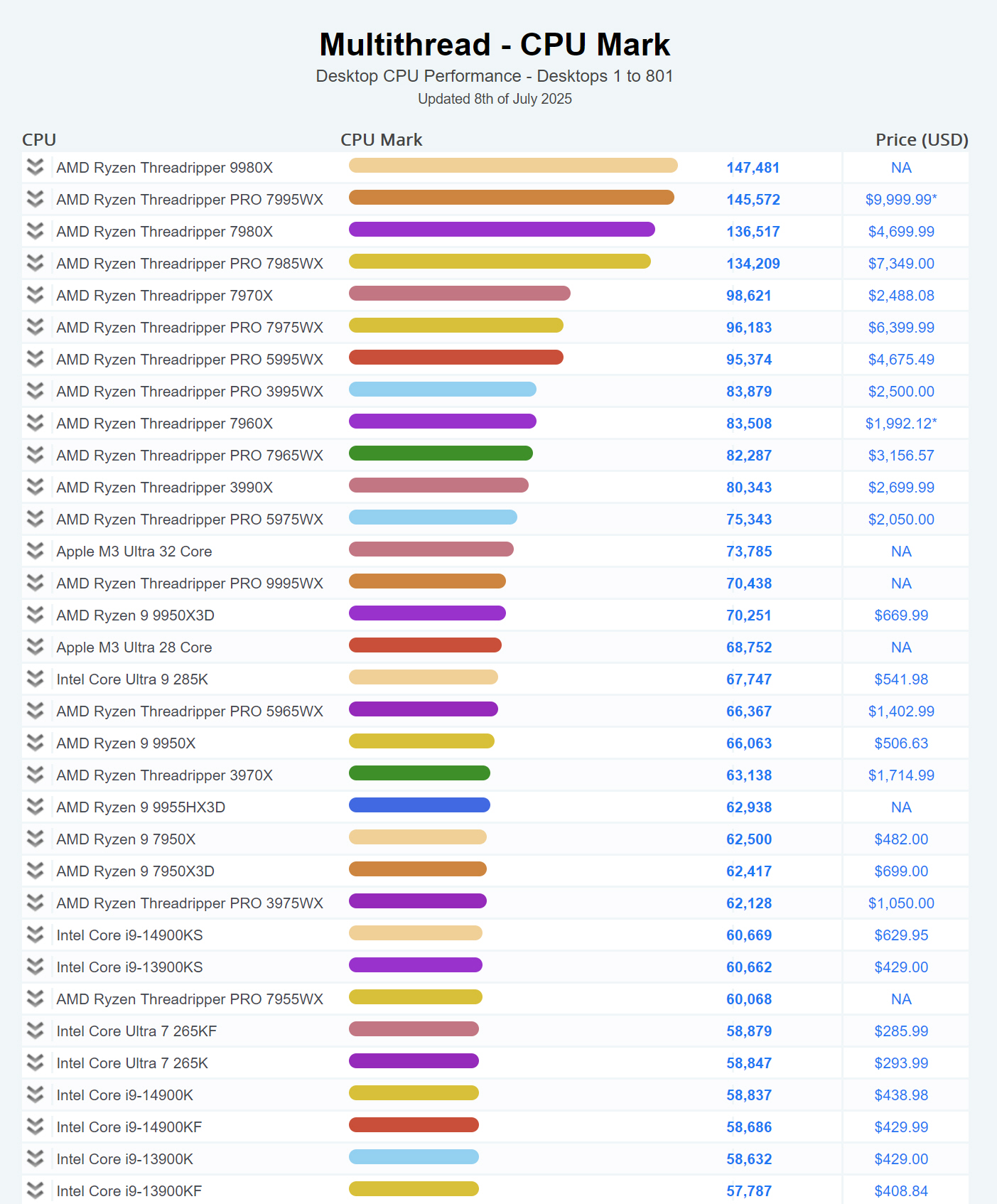
In fact, PassMark’s benchmarks (see below) suggest that it delivers a level of performance that outpaces even workstation-grade chips with more cores.
In PassMark’s multi-thread CPU test, the 9980X scored 147,481, placing it at the top of the desktop performance chart.
That’s higher than the 96-core Threadripper PRO 7995WX, which posted 145,572 points.
Despite having fewer cores, the 9980X comes out ahead, likely because of its higher base clock and superior efficiency across workloads that scale with clock speed.
(Image credit: PassMark)
Single Thread results
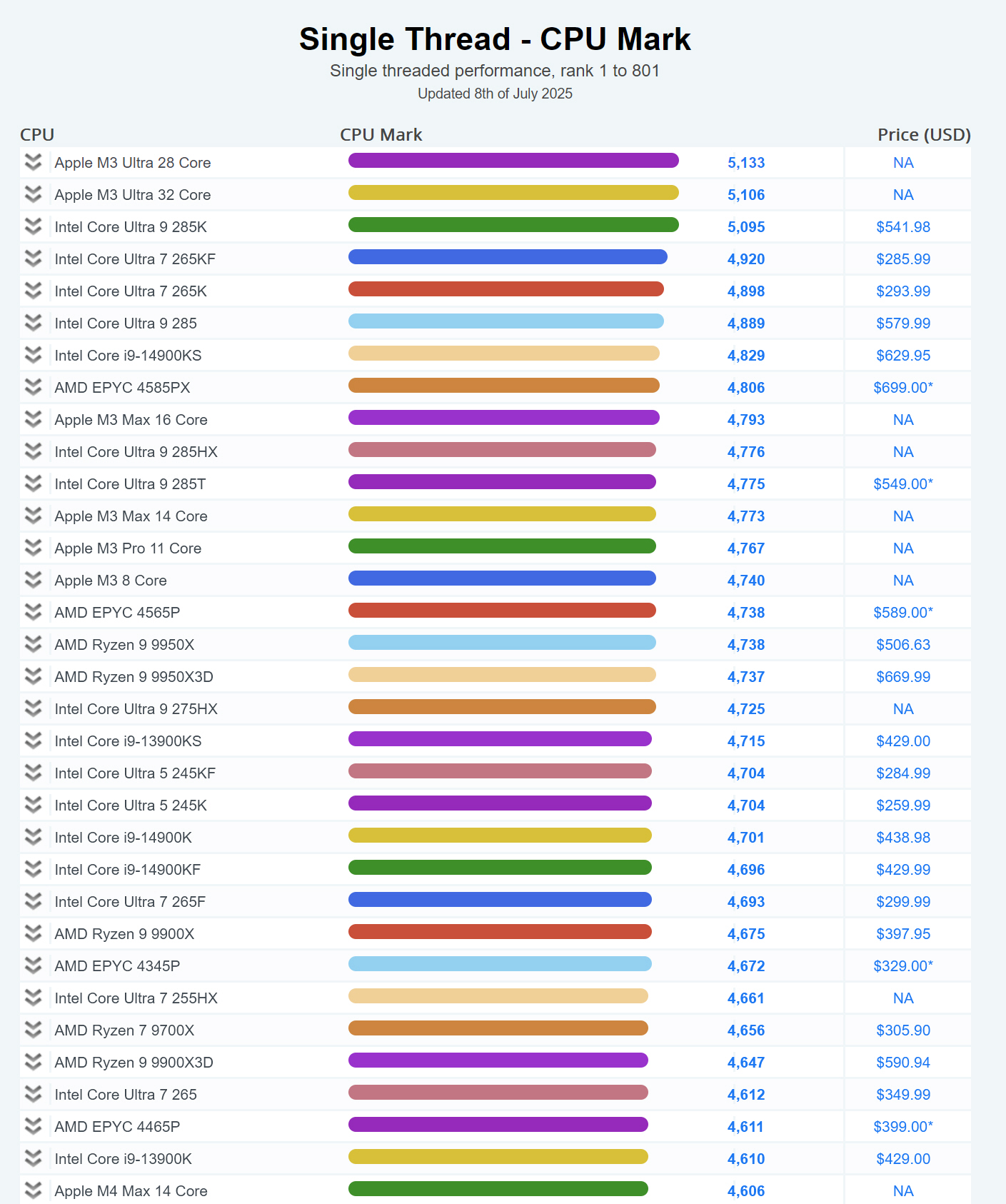
In single-thread tests, the picture is a bit different. The 9980X scores 4,594, which puts it behind more consumer-oriented chips like Apple’s M3 Ultra and Intel’s Core Ultra 9 285K. That’s not unexpected of course, since the Threadripper 9980X is designed for multi-threaded applications rather than everyday desktop use.
Compared to the previous-gen Threadripper 7980X, the 9980X shows about an 8 percent gain in performance. While that may not sound huge, it is enough to comfortably lead the current charts.
The chip also includes 64MB of L2 and 256MB of L3 cache, giving it plenty of on-die memory to keep things running fast.
Full reviews are expected soon, but early results suggest that AMD’s Threadripper 9980X is a serious upgrade for high-end users with deep pockets.
Samsung's second Galaxy Unpacked event of the year is over – and it was another big one for fans of foldables and smartwatches.
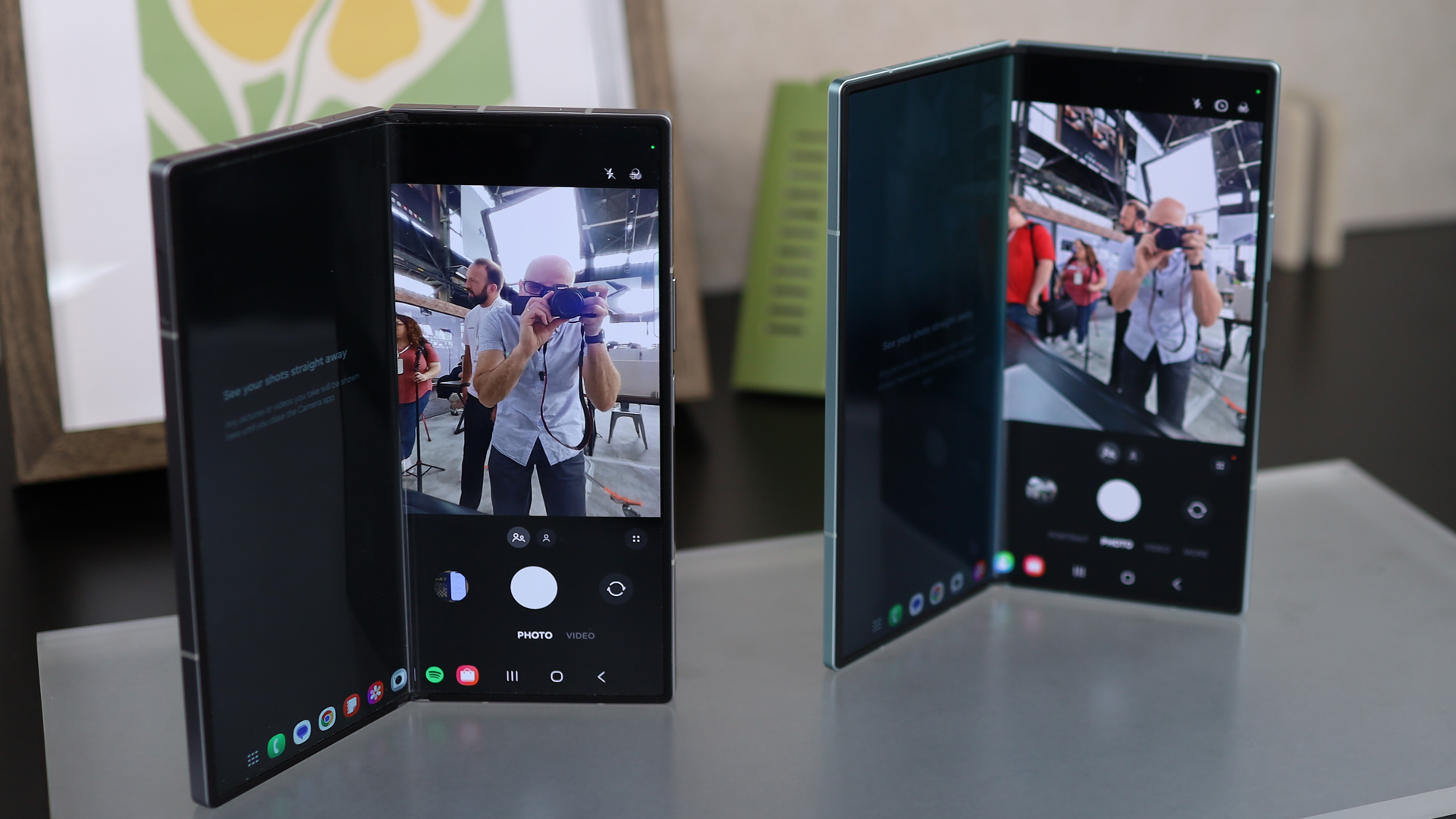
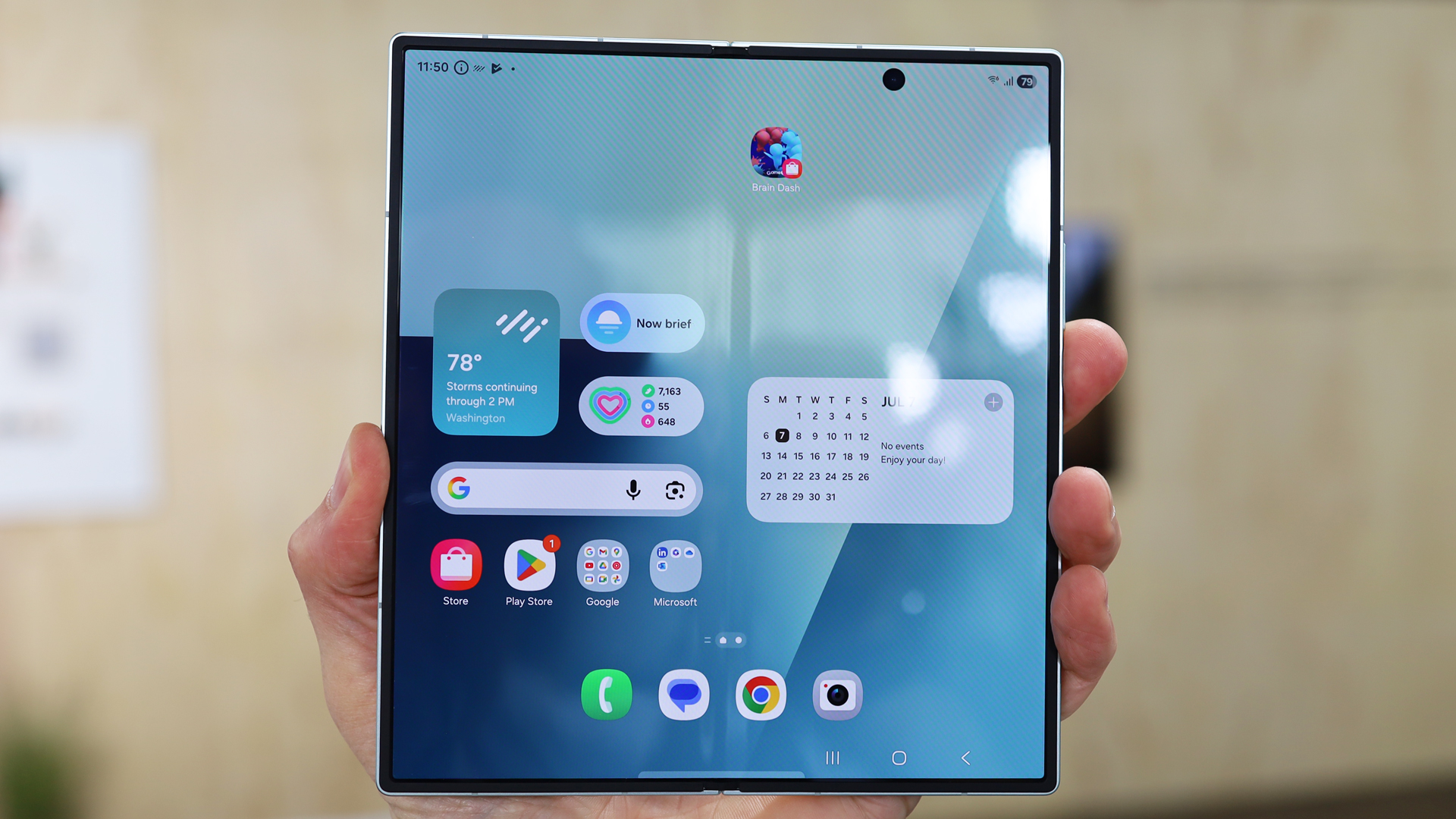
As predicted by the (many) leaks and rumors, Samsung launched a trio of new foldables. Leading the pack was the new Z Fold 7, but we were also treated to more affordable alternatives in the Z Flip 7 and Z Flip 7 FE (which appears to be the Z Flip 6 in disguise).
It wasn't just a big foldables fest either, with Samsung also delivering the Galaxy 8 series. Alongside the new Galaxy Watch 8, we also saw the return of the rotating bezel with the Galaxy Watch 8 Classic, a smartwatch that also does a very good impersonation of a dress watch.
But what else did Samsung reveal (or fail to reveal) at what will likely be its last Unpacked event of 2025? Here are all of the big headlines in one handy place...
1. The Samsung Galaxy Z Flip 7 finally brings a usable cover screen to the party
(Image credit: TechRadar)
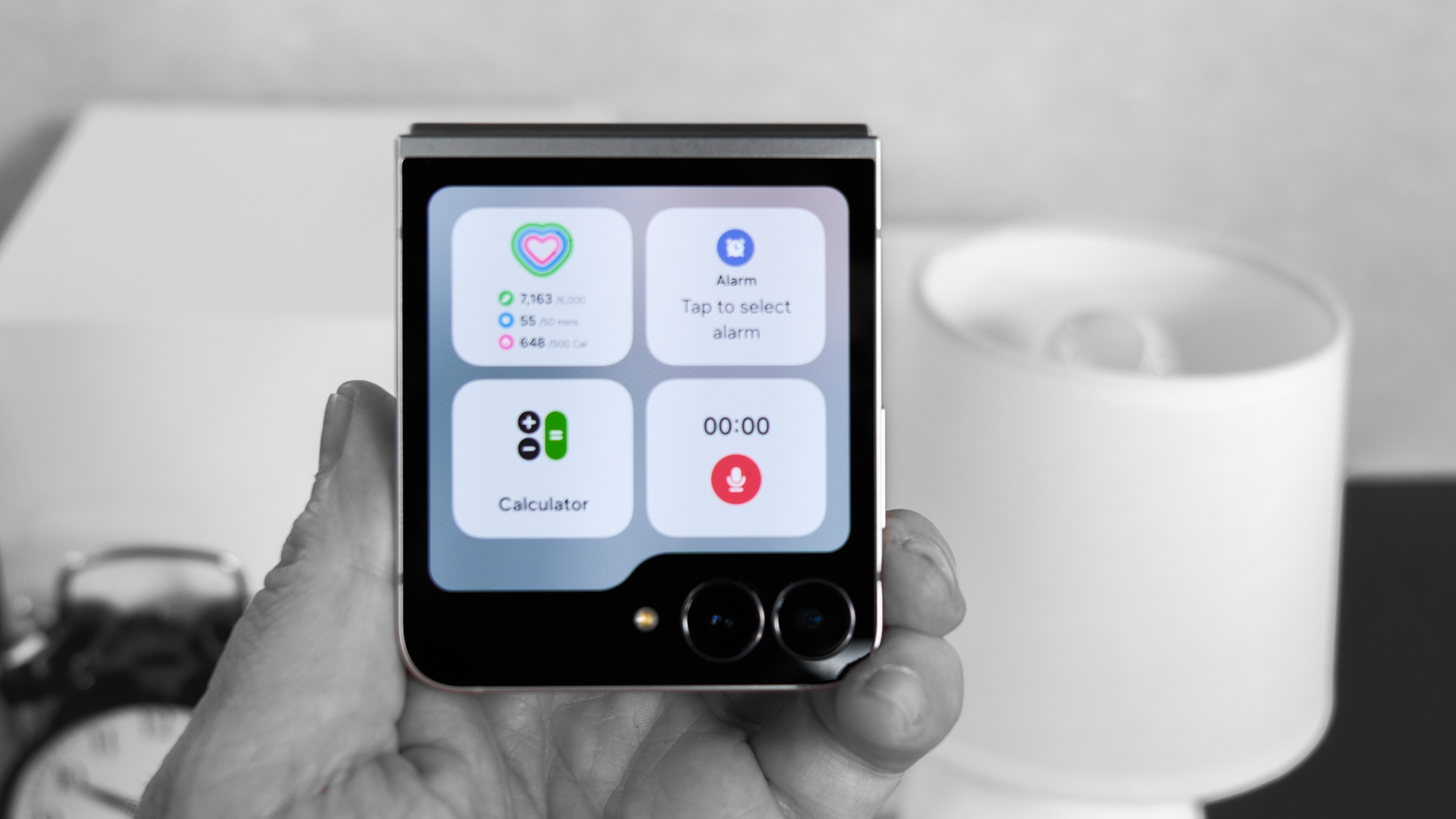
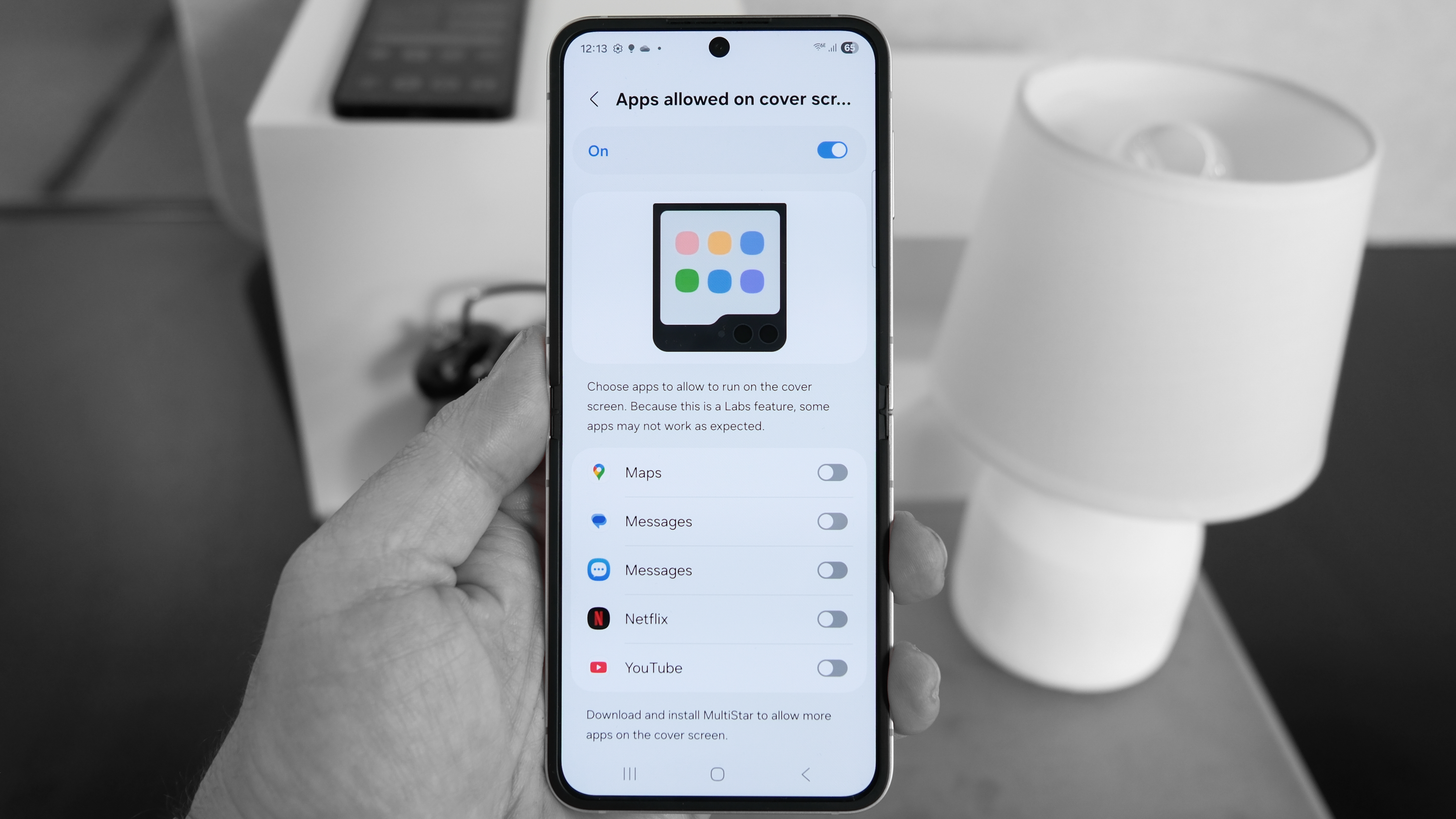
In recent years, it’s felt like the Galaxy Z Flip series has been one step behind the competition – but that finally changes with the new Galaxy Z Flip 7.
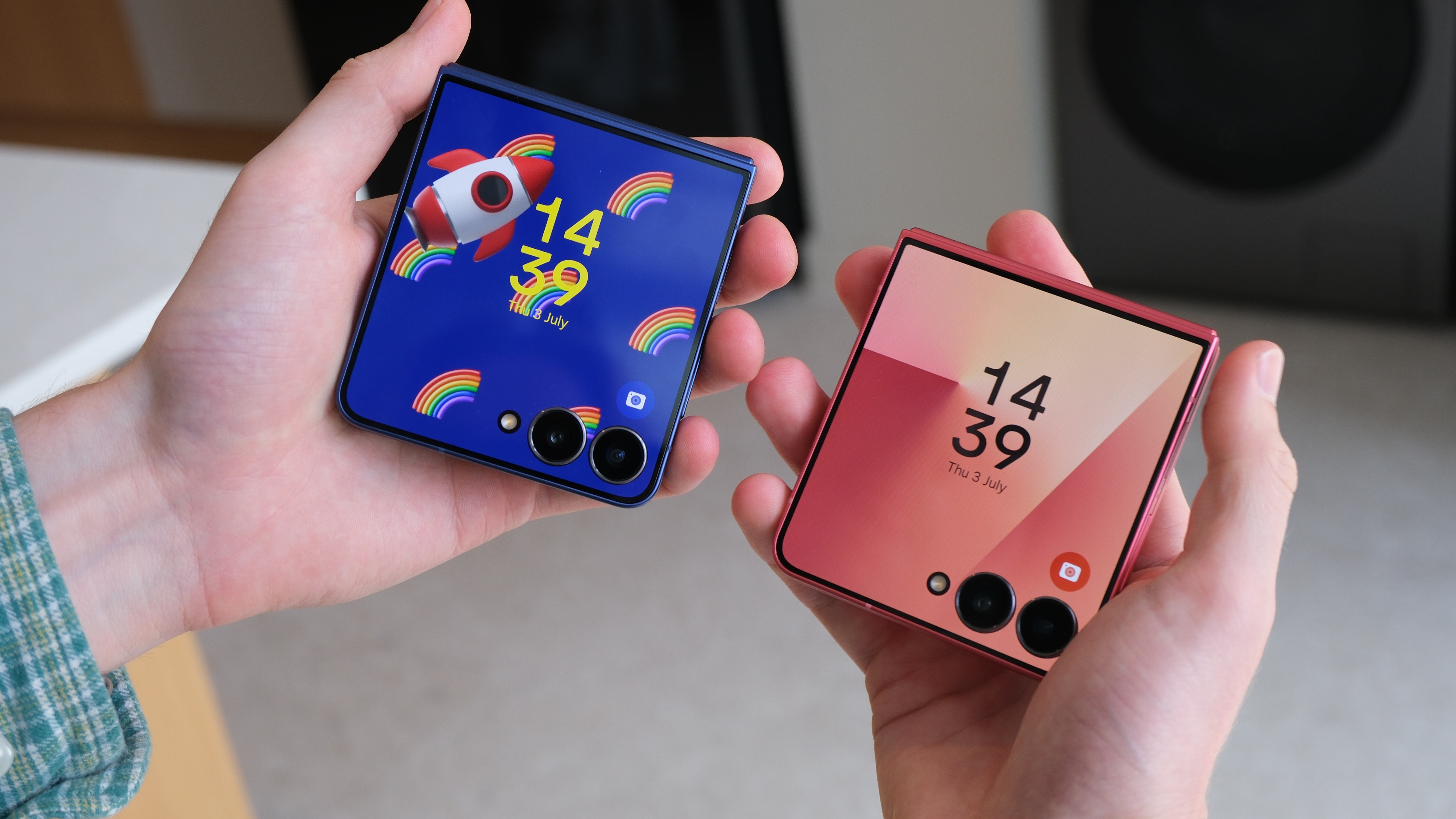
Samsung has seemingly innovated in all the right places with its latest flip foldable, which boasts a big, beautiful cover display (it’s now 4.1 inches!) and a host of meaningful longevity upgrades like a stronger hinge and a more powerful Exynos 2500 chipset.
The Flip 7’s internal display has been beefed up, too. At 6.9 inches, it’s bigger and wider than the inner screen on the Galaxy Z Flip 6, and as we noted in our hands-on Galaxy Z Flip 7 review, this size increase “makes the phone feel more like a Galaxy S25 Ultra and less like an oddly-shaped foldable in the hand.”
Other upgrades include a larger battery and improved waterproofing, but the Galaxy Z Flip 7 is all about the new display experience – both screens are bigger and better, and as a result, Samsung’s Flip series no longer trails behind the likes of the Motorola Razr Ultra.
2. The Samsung Galaxy Z Fold 7 is an ‘Ultra’ level phone with a price to match
There are of course the expected power upgrades, with this phone gaining a Snapdragon 8 Elite chipset and – at the top end – an extra 4GB of RAM. But Samsung has also equipped the Galaxy Z Fold 7 with a new 200MP primary snapper, and increased the sizes of both screens.
Perhaps most importantly, this is by far the slimmest and lightest Z Fold yet, coming in at just 215g (that’s less than the Samsung Galaxy S25 Ultra!), and just 8.9mm thick when folded and 4.2mm thick when unfolded.
But all of this comes at a high price, with the Galaxy Z Fold 7 starting at $1,999.99 / £1,799 AU$2,899 – which in the US is $100 more than last year’s phone and in Australia is AU$150 more. Ouch.
3. The Galaxy Z Flip 6 has been reborn as the Galaxy Z Flip 7 FE
Image 1 of 4
(Image credit: Philip Berne / Future)
Image 2 of 4
(Image credit: Philip Berne / Future)
Image 3 of 4
(Image credit: Philip Berne / Future)
Image 4 of 4
(Image credit: Philip Berne / Future)
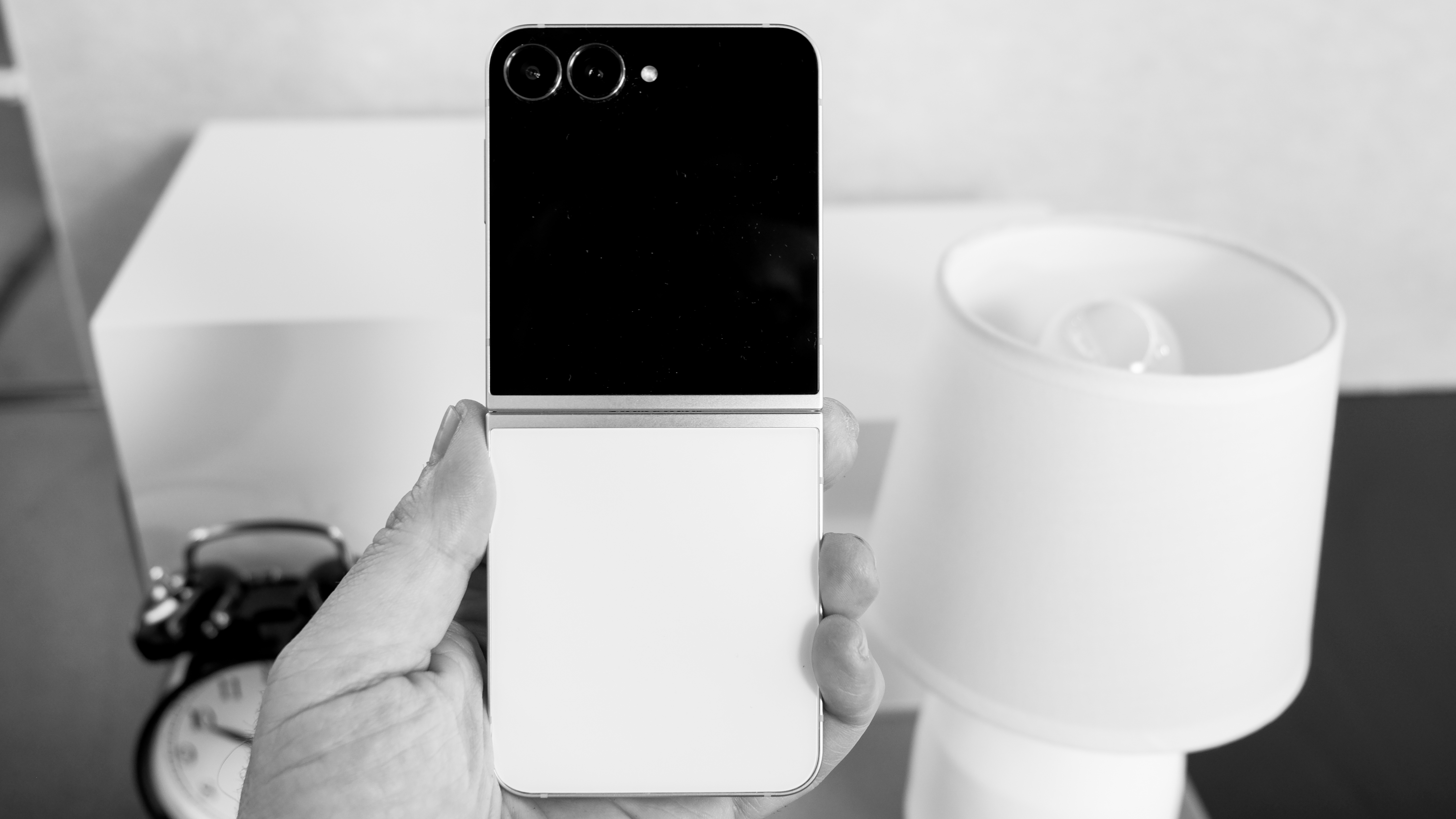
For the first time, Samsung has launched an FE version of one of its foldable phones, giving potential buyers a cheaper entry point than usual. But if you’ve been keeping an eye on foldable phones then the Samsung Galaxy Z Flip 7 FE might seem strangely familiar to you.
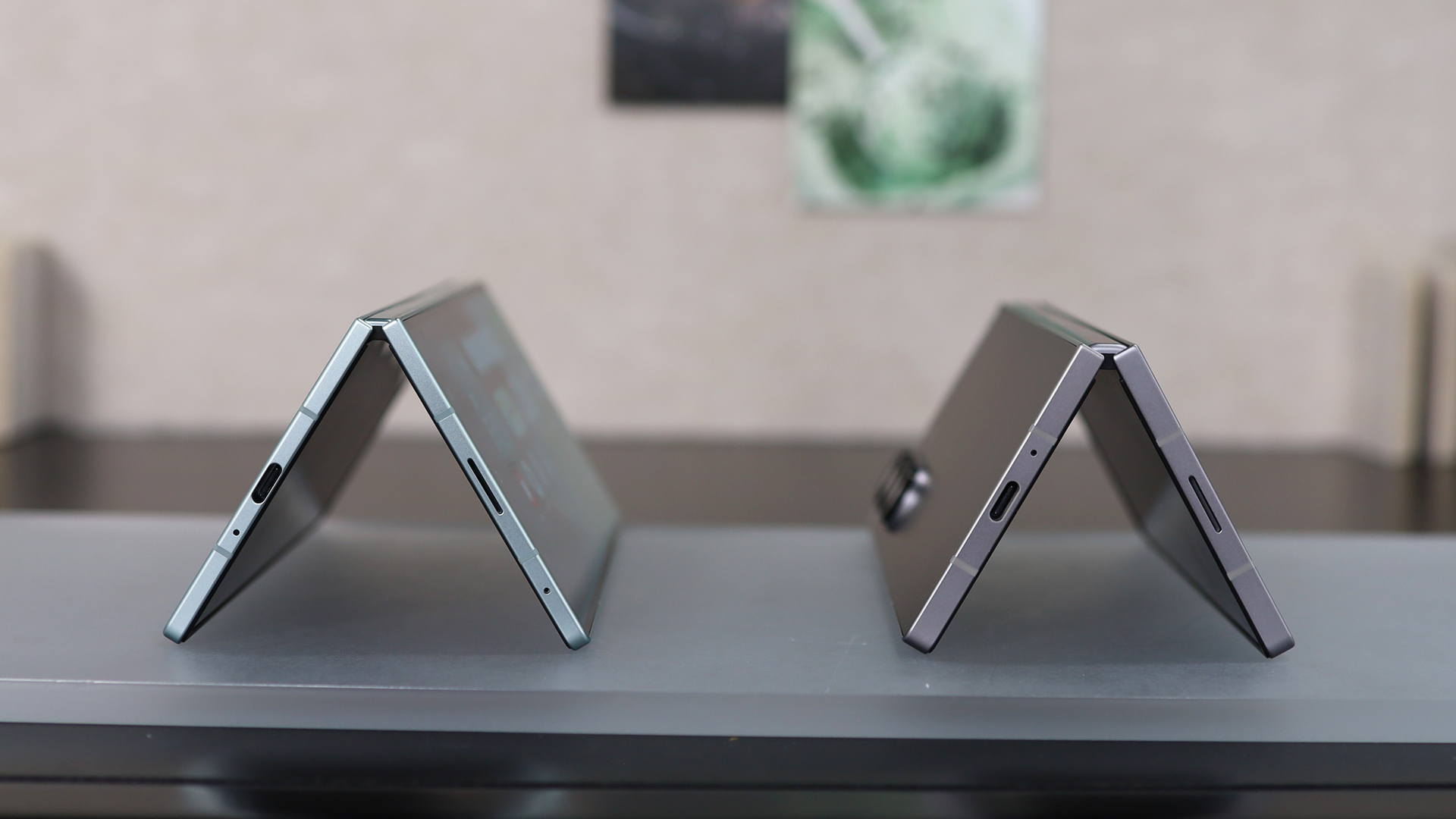
That’s because this is basically just the Samsung Galaxy Z Flip 6 all over again. It has exactly the same dimensions, it weighs the same, and they both have a 6.7-inch 120Hz foldable display and a 3.4-inch 60Hz cover screen.
Their cameras are the same too (though in fairness they also match the standard Z Flip 7’s camera specs), and both phones have a 4,000mAh battery.
The main differences are simply the chipset and RAM, with the Samsung Galaxy Z Flip 7 FE having an Exynos 2400 and 8GB, rather than a Snapdragon 8 Gen 3 and 12GB. So the newer phone is actually less powerful – but it also costs less, starting at $899 / £849 / AU$1,499. Whether that lower price will be enough to tempt buyers remains to be seen.
4. The Samsung Galaxy Watch 8 is slimmer and brighter than before
(Image credit: Future)
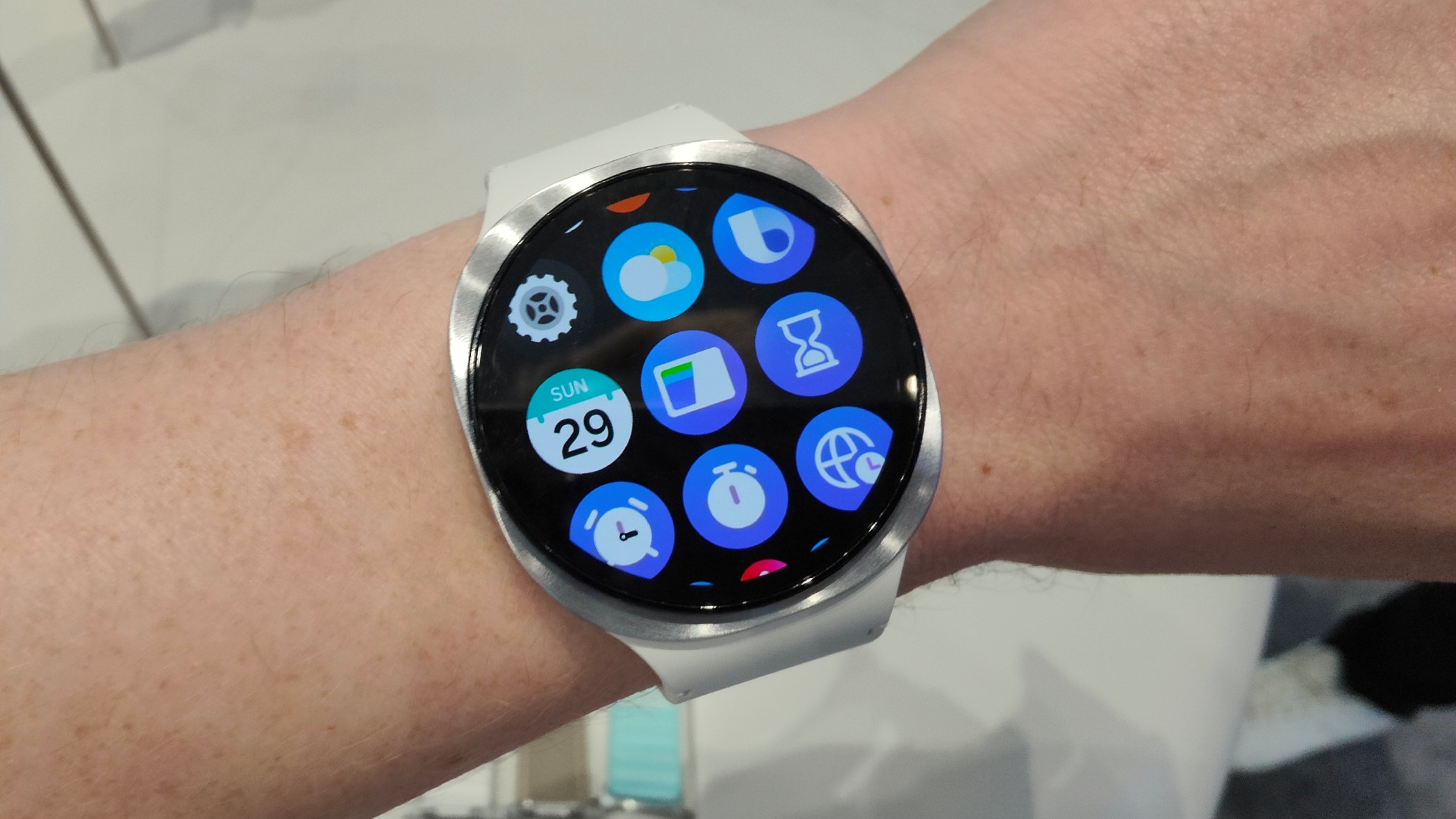
It wasn’t just phones at Unpacked – Samsung also unveiled some wearables, including the Samsung Galaxy Watch 8, and this has a new slimmer 8.6mm thick design, and a much brighter screen that can reach 3,000 nits.
It’s not only the hardware that’s been upgraded either, as the Galaxy Watch 8 also has some new software features, such as Gemini on your wrist, and a new Running Coach, which can put you on one of 160 different running plans.
There’s also now an Antioxidant Index, which can give you an idea of whether you’re eating enough fruit and vegetables (though deep down you probably know the answer to that already).
It’s not all good news – our hands-on Samsung Galaxy Watch 8 review noted for example that the battery life is still too short, but the upgrades that have been made sound promising. There's also a new Classic version, for fans of rotating bezels...
5. The Samsung Galaxy Watch 8 Classic is this year’s answer to the Ultra
(Image credit: Future)
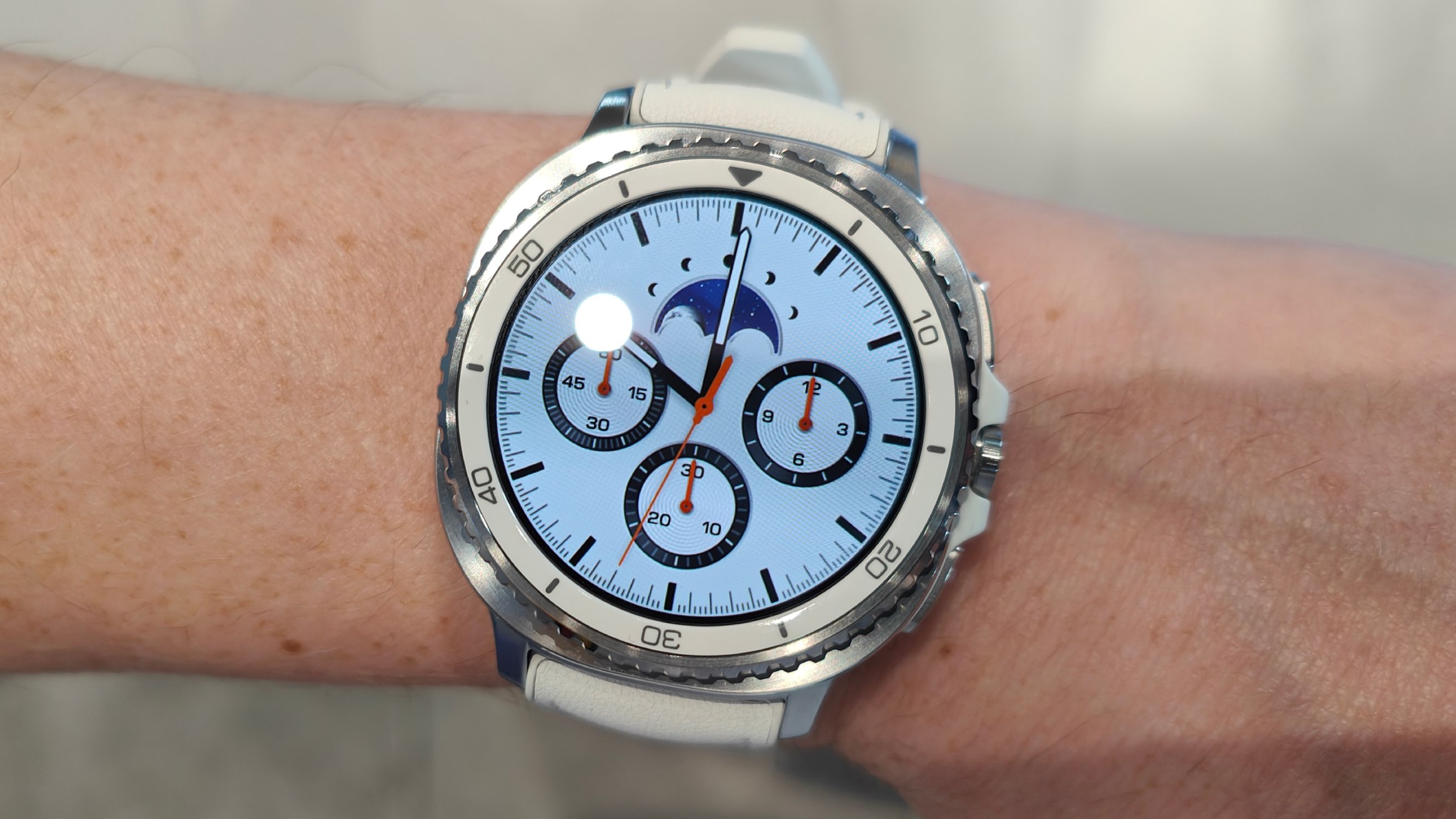
Last year, Samsung launched the Samsung Galaxy Watch Ultra, but rather than getting a new Ultra model this year, we’ve got the Samsung Galaxy Watch 8 Classic.
The Classic has a rotating bezel, much like previous Classic models, and our hands-on Samsung Galaxy Watch 8 Classic review was as taken with this as ever. But it also borrows from the Ultra with, for example, a programmable Quick Button. And while this wearable is definitely dressed to impress, it’s not small, coming in at a chunky 10.6mm thick.
Most of the other highlights are on the software side, with the Watch 8 Classic packing on-wrist Gemini, sleep apnea detection, and the same new Running Coach app as the standard Galaxy Watch 8.
At $499 / £449 / AU$899 this is a pricier prospect than the standard Samsung Galaxy Watch 8, but it’s also sure to turn more heads.
6. Google Gemini comes to the Galaxy Watch 8 – and all Wear OS smartwatches
(Image credit: Samsung)
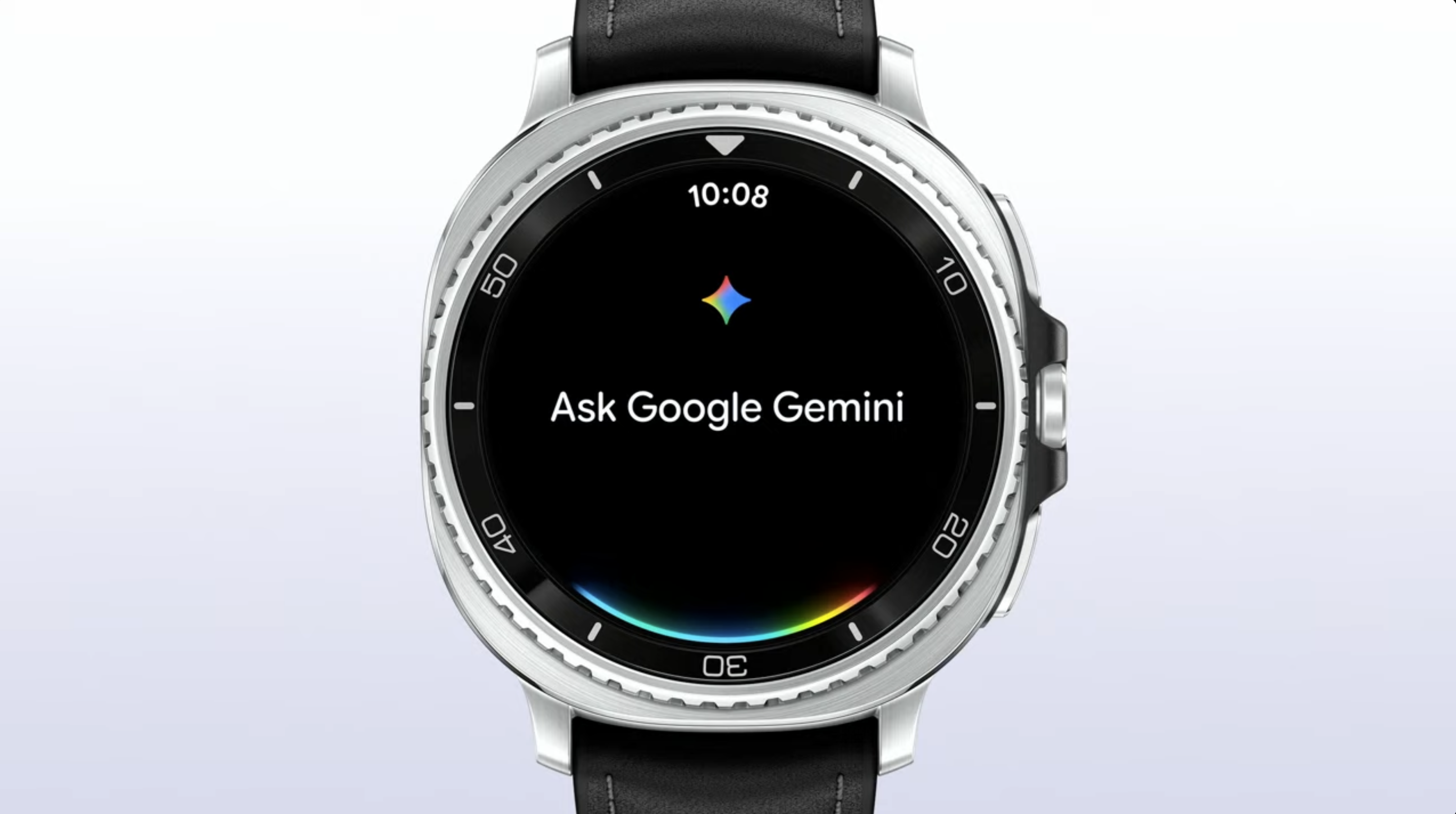
One of the big AI announcements at this Unpacked event was that Google Gemini would be coming to the Galaxy Watch 8 series. And now Google has followed that up by revealing that Gemini is rolling out across all Wear OS watches, including those from Oppo, OnePlus, Xiaomi and, of course, Pixel watches.
This means you’ll be able to talk to Gemini without having your phone nearby, and will let you ask your smartwatch questions using natural language. In theory, you should get speedy, concise answers too, but we’ll be looking to try this out for ourselves before passing judgement.
Google says Gemini will start to roll out to Wear OS watches “over the coming weeks”, as long as your watch is running Wear OS 4 or higher.
7. The One UI 8 rollout is landing soon (for some)
(Image credit: Samsung / Google)
If it doesn’t feel that long since One UI 7 landed, it wasn’t – Samsung’s take on Android 15 arrived as recently as December 2024. But One UI 8 will soon take the baton just six months on, with the new OS pre-installed on the Z Fold 7 and Z Flip 7 – both of which ship on July 25.
So, what’s new with One UI 8? As we covered in our recent rumor roundup, you can expect to see an improved AI audio eraser, plus several other AI improvements. These include a more powerful Gemini Live feature (now also available on the Z Flip 7’s Flex Window) and a better version of Circle to Search, which can tap into Google’s AI Mode for more in-depth answers to your questions.
One of our big unanswered questions, though, is exactly when One UI 8 will rollout to older Samsung devices like the Galaxy S25? Samsung didn't address that at its latest Unpacked, which will leave some worried that it could drag on in a similar vein to One UI 7.
8. The Z Fold 7 ditches the S Pen
(Image credit: Future / Carlos Pedrós)
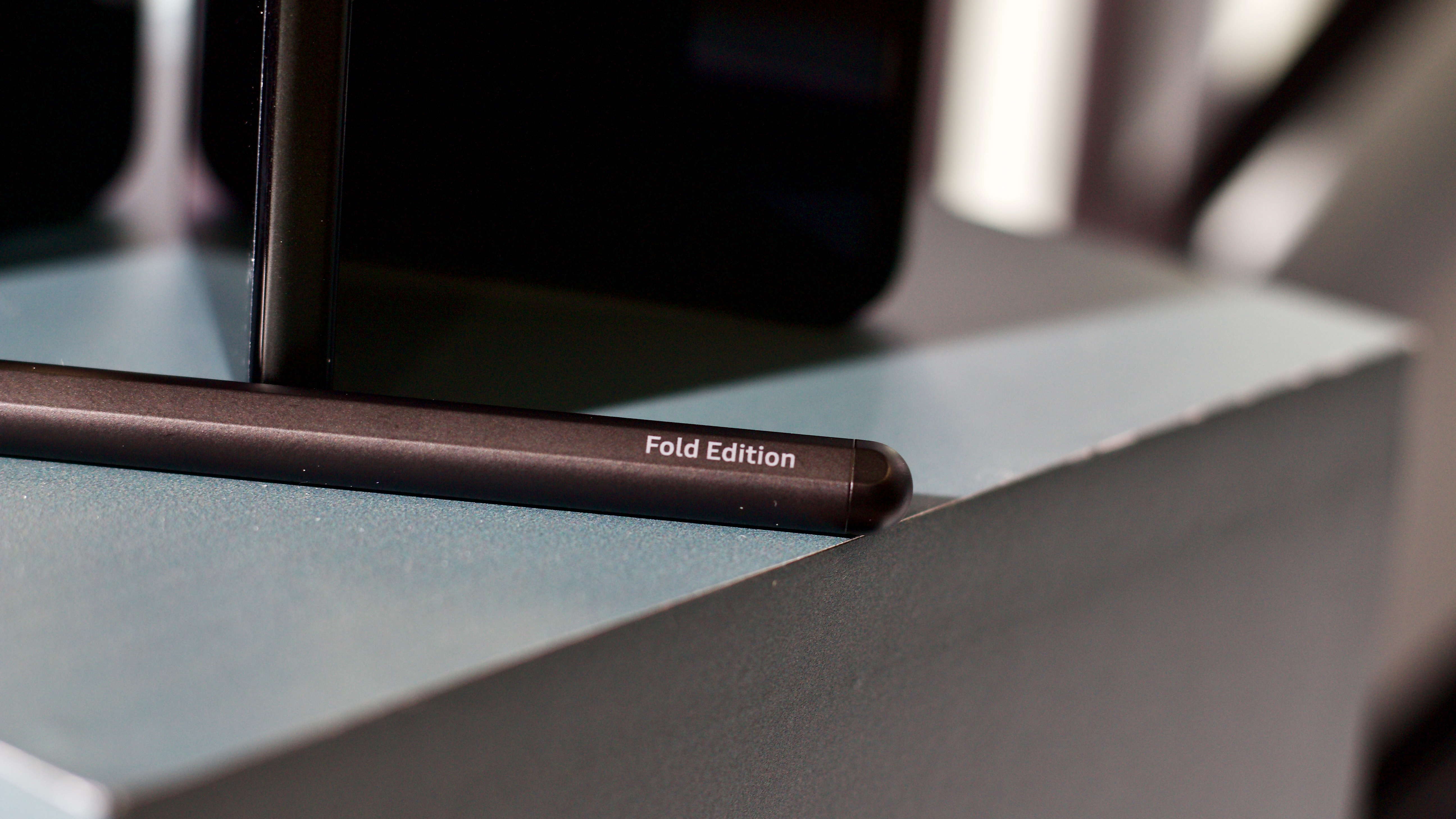
One more controversial piece of news from Samsung’s second Unpacked this year is that the Z Fold 7 has dropped support for the S Pen. Why? It’s all in aid of that slimmer foldable design.
By ditching the digitizer layer in the display that supports the S Pen, Samsung has been able to get the Z Fold 7 down to just 8.9mm thick when folded and only 4.2mm when unfolded. For some, the lack of S Pen support will be an annoying compromise, but Samsung clearly thinks it’s one that's worth making.
To be fair, the Z Fold series has never come with an S Pen, nor has it had a slot where you could stash one away. It was also only possible to use it on the foldable’s inner display, rather than the cover display. But Samsung may have incurred the wrath of power users who see the Fold series as the natural heirs to its old Note family.
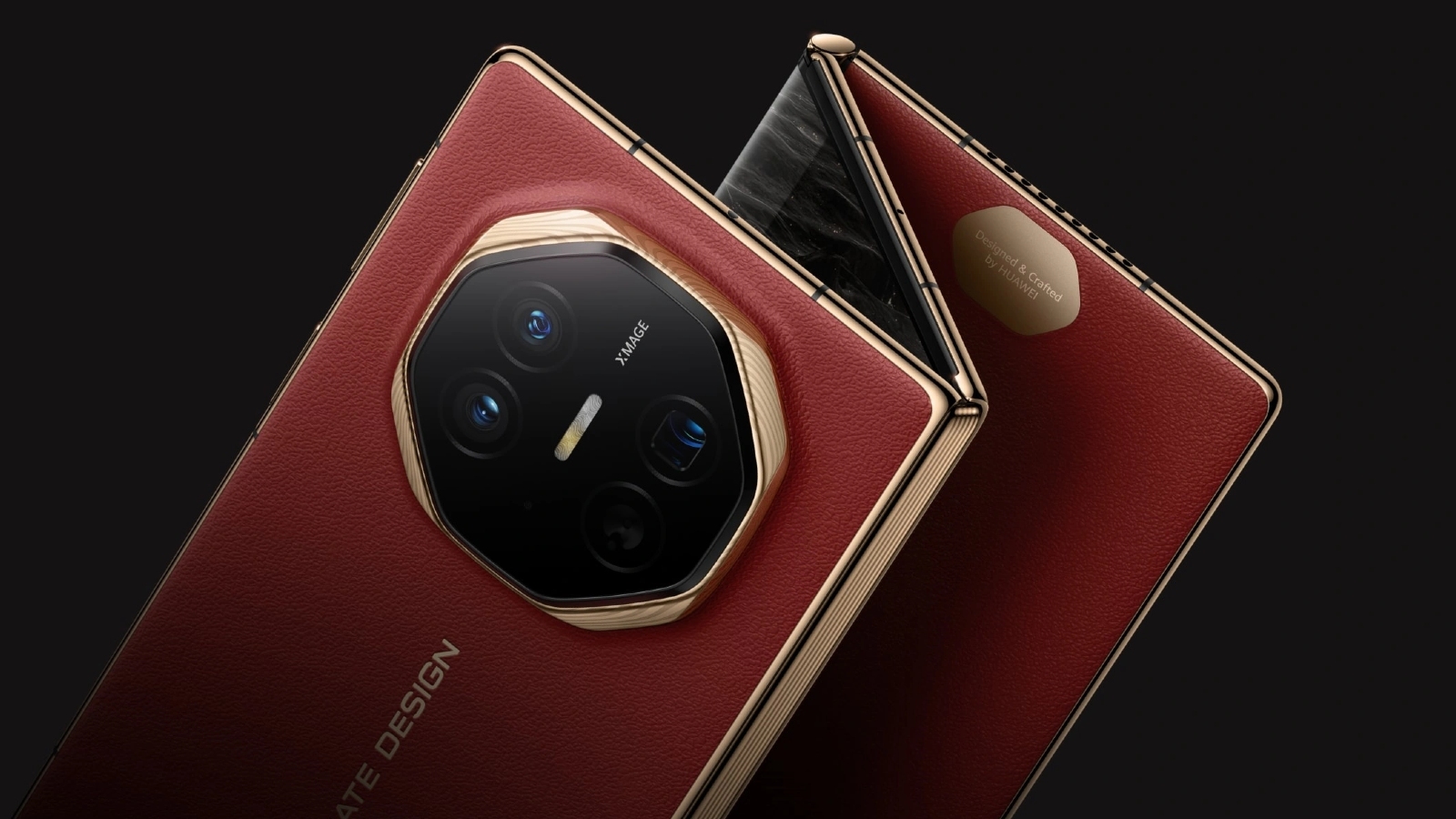
9. Samsung's tri-foldable still isn't ready for prime-time
We had hoped to see Samsung officially reveal its answer to the Huawei Mate XT (above) at Unpacked 2025, but the wait goes on(Image credit: Huawei)
All of the stars were pointing to an official teaser of the Samsung Galaxy tri-foldable, or G Fold as it's been referred to in rumors, at this Unpacked 2025 event. But we didn't even get a five-second trailer.
This was disappointing, as in recent days we've seen the first signs of the tri-foldable appear in One UI 8, along with credible rumors about mass production starting in September. That led us to think that Samsung would at least start building the hype for its next big foldable design.
But there are also likely good reasons why it didn't, including the tri-foldable's expected exclusivity. Not only is it rumored to be prohibitively expensive (early whispers predicted a tag in the region of $3,000-$3,500), there's a chance it may also only go on sale in South Korea and China, initially.
If that's the case, then a reveal at a global event like Unpacked 2025 would make less sense. But it doesn't make us any less excited about seeing it later this year.
White Moonlight ThinkPad set to launch in China on July 11, according to intriguing teasers
Lenovo campaign draws quality parallels with watches and violins
Specs and pricing remain a mystery for now, but it's likely buyers will pay a premium
Lenovo is preparing to launch its first all-white ThinkPad laptop, breaking with the brand’s long-established tradition of matte black business machines.
The new model, teased on Weibo under the name “White Moonlight,” is set to be unveiled in China on July 11.
The teasers, featuring a watch and a violin, hint (I would say) at legacy design and mechanical accuracy. Lenovo is clearly suggesting that the craftsmanship and level of detail in its White Moonlight ThinkPads are on par with those two finely crafted objects.
Thousands of refinements
Lenovo mentions 0.1mm tolerances and 0.1-degree precision in the teasers, positioning the laptop as both technically refined and aesthetically distinctive.
Full specifications are still under wraps for now, but it’s likely the white ThinkPad will mirror other recent 2025 models.
That suggests support for Intel’s Core Ultra 200 series processors, including vPro and Evo platform options. AMD variants featuring Ryzen AI PRO 300 Series chips are also a possibility.
This shift in color is rare for the ThinkPad line, which has mostly avoided lighter finishes aside from a few silver editions.
While some longtime fans, myself included, may miss the traditional red TrackPoint that traditionally anchors the ThinkPad identity, the launch appears to signal a shift in the company's approach to design.
Lenovo’s teaser posters speak of “thousands of refinements,” “unique craftsmanship,” and a device that's “precisely built, perfectly presented.”
The marketing is clearly designed to evoke feelings typically associated with quality heirloom-items rather than laptops. Wording like “±1 second error over a thousand years” and “±1.0μm assembly deviation” blur the line between engineering metaphor and laptop specs.
It remains to be seen whether the final product will offer a full departure from standard ThinkPad designs or simply wrap a familiar build in white. It will also be interesting to see whether Lenovo charges a premium for its fresh coat of moonlight.
Either way, it will be worth watching to see exactly what Lenovo unveils in the coming days.
Mamona executes quietly, never touches the internet, and erases itself, making it hard to detect
A three-second delay followed by self-deletion helps Mamona evade detection rules
Ransomware behavior blends in with normal activity, delaying security team response
Security researchers are tracking Mamona, a newly identified ransomware strain that stands out for its stripped-down design and quiet, local execution.
Experts from Wazuh say this ransomware avoids the usual reliance on command-and-control servers, opting instead for a self-contained approach that slips past tools dependent on network traffic analysis.
It is executed locally on a Windows system as a standalone binary file, and this offline behavior exposes a blind spot in conventional defenses, forcing a rethink of how even the best antivirus and detection systems should function when there is no network.
Self-deletion and evasion tactics complicate detection
Upon execution, it initiates a three-second delay using a modified ping command, cmd.exe /C ping 127.0.0.7 -n 3 > Nul & Del /f /q, and then self-deletes.
This self-deletion reduces forensic artifacts, making it harder for investigators to trace or analyze the malware after it has run.
Instead of using the popular 127.0.0.1, it uses 127.0.0.7, which helps it to bypass detection rules.
This method evades simple detection patterns and avoids leaving digital traces that traditional file-based scanners might flag.
It drops a ransom note titled README.HAes.txt and renames affected files with the .HAes extension, signaling a successful encryption operation.
Wazuh warns that the malware’s “plug-and-play nature lowers the barrier for cybercriminals, contributing to the broader commoditization of ransomware.”
This shift suggests a need for greater scrutiny of what qualifies as the best ransomware protection, especially when such threats no longer need remote control infrastructure to cause damage.
Wazuh’s approach to detecting Mamona involves integrating Sysmon for log capture and using custom rules to flag specific behaviors such as ransom note creation and ping-based delays.
Rule 100901 targets the creation of the README.HAes.txt file, while Rule 100902 confirms the presence of ransomware when both ransom note activity and the delay/self-delete sequence appear together.
These rules help identify indicators that might otherwise escape more general monitoring setups.
To respond to Mamona before damage is done, Wazuh uses YARA rules and a real-time File Integrity Monitoring (FIM) system.
When a suspicious file is added or modified, especially in a user's Downloads folder, the Wazuh Active Response module triggers a YARA scan.
This immediate remediation mimics what one might expect from the best DDoS protection strategies, acting fast before deeper compromise occurs.
As ransomware continues to evolve, so too must the best antivirus solutions, and while no single tool guarantees perfect protection, solutions with modular response give defenders a flexible, evolving edge.
A new NYT Strands puzzle appears at midnight each day for your time zone – which means that some people are always playing 'today's game' while others are playing 'yesterday's'. If you're looking for Sunday's puzzle instead then click here: NYT Strands hints and answers for Sunday, July 6 (game #490).
Editor's note:
The NYT changed today's Strands puzzle earlier in the day due to "deeply unfortunate timing, for which we are truly sorry. In light of the tragic events ongoing in Texas, we recognize that the theme and board may have felt insensitive and poorly timed. This was entirely unintentional — Strands themes and boards are created and scheduled weeks in advance. We have now replaced the original puzzle with a new one."
We have also now updated this page with the hints and answers for the new puzzle and would also like to apologize for any upset caused.
Strands is the NYT's latest word game after the likes of Wordle, Spelling Bee and Connections – and it's great fun. It can be difficult, though, so read on for my Strands hints.
Want more word-based fun? Then check out my NYT Connections today and Quordle today pages for hints and answers for those games, and Marc's Wordle today page for the original viral word game.
SPOILER WARNING: Information about NYT Strands today is below, so don't read on if you don't want to know the answers.
NYT Strands today (game #491) - hint #1 - today's theme
What is the theme of today's NYT Strands?
• Today's NYT Strands theme is… Prescriptions plus
NYT Strands today (game #491) - hint #2 - clue words
Play any of these words to unlock the in-game hints system.
CORE
RAIN
NICE
SIDE
CITY
CASE
NYT Strands today (game #491) - hint #3 - spangram letters
How many letters are in today's spangram?
• Spangram has 13 letters
NYT Strands today (game #491) - hint #4 - spangram position
What are two sides of the board that today's spangram touches?
First side: top, 1st column
Last side: bottom, 6th column
Right, the answers are below, so DO NOT SCROLL ANY FURTHER IF YOU DON'T WANT TO SEE THEM.
NYT Strands today (game #491) - the answers
(Image credit: New York Times)
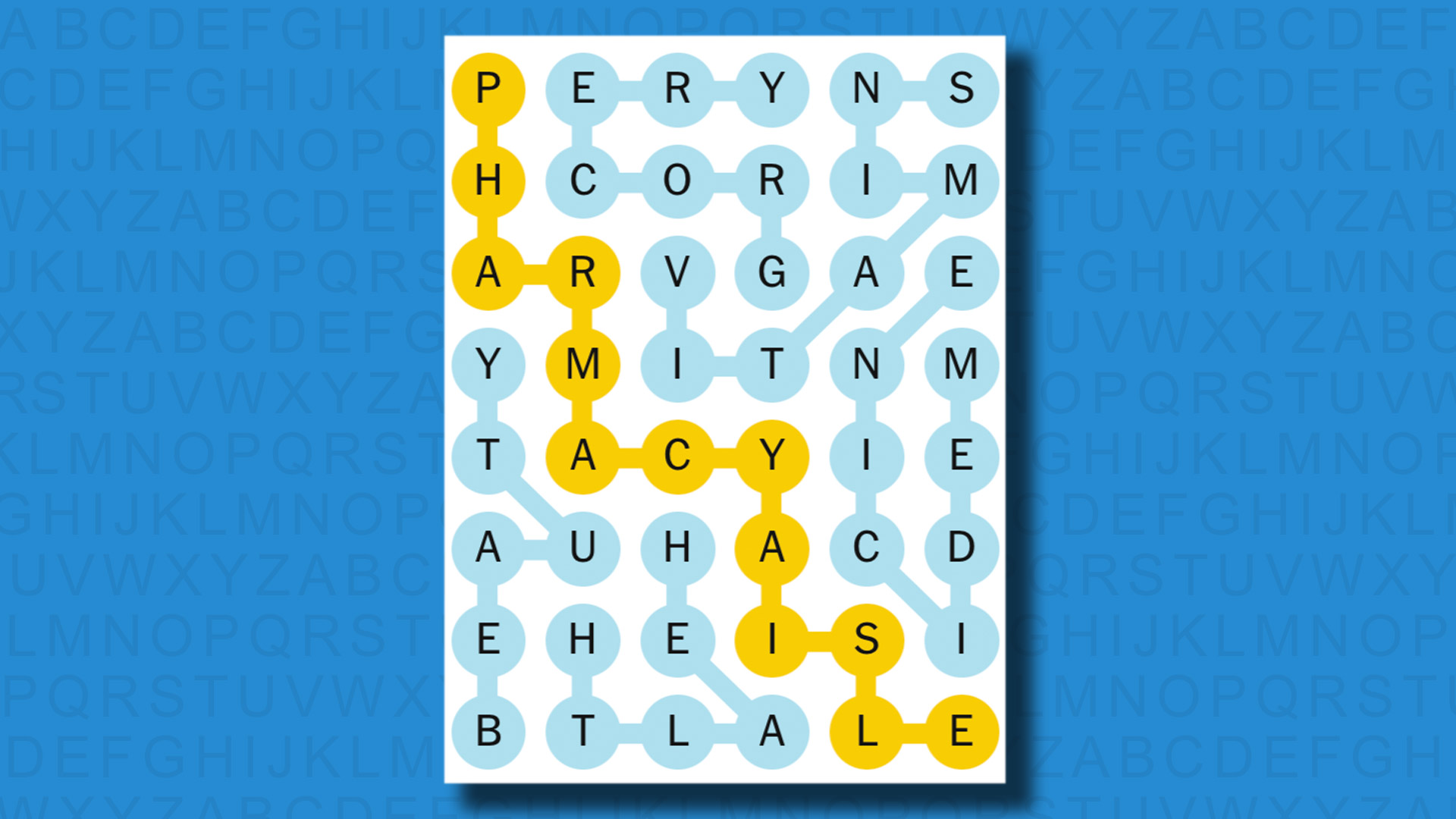
The answers to today's Strands, game #491, are…
BEAUTY
HEALTH
GROCERY
VITAMINS
MEDICINE
SPANGRAM: PHARMACY AISLE
My rating: Easy
My score: Perfect
Today’s Strands was a last-minute replacement after the original puzzle was pulled.
The PHARMACY AISLE is always my favorite at the supermarket, as it represents an opportunity to treat myself under the illusion that what I am buying will be good for me – and in the case of VITAMINS quite possibly turn my life around.
I have spent my entire life searching for the perfect product to tame my defiantly springy hair and have a suitcase full of tried and failed products that I can’t bring myself to throw away. One day I’ll find “the one”.
How did you do today? Let me know in the comments below.
Yesterday's NYT Strands answers (Sunday, July 6, game #490)
STRENGTH
SPEED
FLIGHT
INVISIBILITY
HEALING
SPANGRAM: SUPERPOWER
What is NYT Strands?
Strands is the NYT's not-so-new-any-more word game, following Wordle and Connections. It's now a fully fledged member of the NYT's games stable that has been running for a year and which can be played on the NYT Games site on desktop or mobile.
I've got a full guide to how to play NYT Strands, complete with tips for solving it, so check that out if you're struggling to beat it each day.
from Latest from TechRadar US in News,opinion https://ift.tt/DPuCI1a
Singapore’s skyline becomes a glowing canvas celebrating both national history and brand identity
Three world records mark this as one of the boldest projection shows ever attempted
UOB’s digital storytelling fuses tradition, future, and corporate legacy through a six-minute visual narrative
A skyscraper in Singapore has become the canvas for a record-breaking projection mapping display which spans an astonishing 250 million pixels.
The UOB Plaza 1 building, standing 280 meters tall, is hosting a series of intricate projections marking two major milestones: Singapore’s 60th year of independence and the 90th anniversary of UOB Bank.
The show has set three Guinness World Records: for the largest light output in a projected image, the longest temporary architectural projection, and the highest projection on a building.
More than just a technical spectacle
At 5.85 million lumens, the light output is exceptional by any standard, dwarfing even the brightest and best business projector on the market.
Although the sheer scale and brightness are attention-grabbing, the projections also aim to tell a story.
“The projection showcase is our way of giving back – offering a record-breaking visual spectacle for the community, both for those who are based here and those visiting from overseas, to enjoy and to celebrate our shared journey,” said Janet Young, UOB's head of group channels, digitalisation, strategic communications and brand.
Among the projected content is Majulah Singapura, an artwork by local artist Sam Lo, highlighting the country’s multicultural roots and collective resilience.
The SG60 logo slowly transforms into the UOB90 logo, reflecting the intersection of national progress and corporate legacy.
Adapted from winning entries of the UOB Painting of the Year competition, Singapore’s longest-running art contest, the projection includes 30 works grouped into three categories: Timeless, Contemporary 1, and Contemporary 2.
These rotate across the week, with all artworks shown together on Friday and Saturday nights.
The reinterpretation of these pieces into animated visuals on a building façade suggests a modern alternative to traditional exhibitions.
It is, without question, a technical marvel, yet also a reminder that large-scale displays remain highly site-specific.
Their impact is immense but also fleeting, tied to infrastructure, planning, and corporate objectives as much as artistic intent.
Benchmarks show AMD’s new EPYC 4005 series outperforming older eight-channel EPYC 7601 memory systems with just two DIMMs
Performance-per-Watt improvements put AMD’s 4005 chip in a new league of server efficiency
Grado proves newer design beats older bulk - less memory, lower power, yet more performance
In an eight-year leap, AMD’s new EPYC 4585PX processor from the EPYC 4005 “Grado” series has shown performance improvements that nearly triple the output of AMD’s original flagship server chip, the EPYC 7601.
Interestingly, the EPYC 4585PX processor is not part of the high-end EPYC 9005 family but rather a lower-cost, power-efficient alternative.
According to Phoronix, over 200 benchmarks were run on Ubuntu 25.04 across varied workloads, server tasks, HPC, scripting, media encoding, and compilation.
Benchmarks highlight a dramatic efficiency jump
On average, the EPYC 4585PX delivered 2.69 times the performance of the original 7601, despite fewer memory channels and a more compact setup.
When adjusted for power, the improvement looks even more striking: on a performance-per-Watt basis, the newer chip is 2.85x more efficient, thanks to more refined architecture and improved design efficiency.
These results are likely to interest enthusiasts of the best server hardware, and they raise questions about how far older enterprise systems have fallen behind.
It also puts AMD’s lower-cost chips in contention with more expensive processors typically used by top-tier web hosting providers.
Not everything is a clean win, however. While the wall power usage of the full system was significantly improved - 225W for the newer platform compared to 238W for the older Naples server - the CPU-level measurements were less decisive.
Average CPU consumption was 153W for the EPYC 4585PX and 141W for the older 7601, with peak values of 204W and 195W, respectively.
These figures suggest that while the system as a whole has become more efficient, the processor alone hasn’t cut energy use as dramatically.
For those seeking green infrastructure, especially small business operators or SOHO setups, the lower idle draw may be more relevant than full-load comparisons.
Running on a modern Supermicro platform with just two DDR5 DIMMs, the EPYC 4585PX system still managed to beat the eight-channel memory performance of the EPYC 7601 in most workloads.
That suggests memory bandwidth isn’t the only performance determinant anymore.
With support for newer chipsets and more efficient memory, the “Grado” system appears to offer real headroom for entry-level infrastructure deployments, especially for NAS builds where power efficiency and thermal limits matter.
The data shows AMD’s low-cost EPYC 4005 chips may now outperform former flagships without breaking the bank or the power budget.
The upcoming comparison with EPYC 9005 chips promises even greater gains, although the takeaway for now is that you no longer need a premium part to get premium performance.
Seagate’s 30TB Exos M is helium-filled and built for data centers, not home PCs
2.5 million hours MTBF sounds great until you realize how specific this use case is
The IronWolf Pro HDD targets NAS users, not hyperscale cloud infrastructure like Exos M
A new listing for Seagate’s 30TB Exos M hard disk drive has appeared online, offering what is currently the largest HDD available for under $620.
ServerSupply lists the drive at $650, but applying the site’s 5% discount brings the price down to $617.50.
Seagate’s Exos M (model ST30000NM004K) is a helium-sealed 3.5-inch internal hard drive built around conventional magnetic recording (CMR) technology.
Enterprise-grade capacity at an unexpectedly low price
With a 7200 RPM spindle speed and a 512MB multi-segmented cache, it delivers a sustained data transfer rate of up to 275MB/s.
The drive supports a SATA interface and is hot-plug capable. According to Seagate, it is designed for high-capacity use cases including hyperscale data centers, enterprise backup systems, and distributed file storage frameworks like Hadoop and Ceph.
The manufacturer also reports a mean time between failures (MTBF) of 2.5 million hours and an annualized failure rate of just 0.35%, suggesting this model is meant for non-stop, 24/7 operation.
Additional features include PowerBalance and PowerChoice technologies for more efficient energy management, and RSA 3072 firmware verification for security.
These specifications strongly indicate that the Exos M is tailored toward enterprise infrastructure, not the typical desktop setup.
Another Seagate 30TB drive also appears in listings and shares many of the same core specifications. Provantage lists the IronWolf Pro ST300000NT011 HDD for a slightly higher $669.69, still an affordable price for a drive of this capacity.
Although they share similarities (30TB, CMR, 7200 RPM), their firmware, vibration tolerance, and workload optimizations will likely differ because Exos is tuned for hyperscale environments, while IronWolf Pro is optimized for NAS workloads.
Despite the attention-grabbing capacity, calling Seagate Exos M the best HDD depends entirely on context.
For cloud infrastructure and archival storage, it may represent strong value, particularly at this price.
But for everyday users, its 3.5-inch form factor, 7200 RPM speed, and enterprise-oriented feature set make it impractical.
Ultimately, the Seagate Exos M is a highly specialized product, but its pricing makes it look accessible.