A newly-discovered, Microsoft-branded SSD suggests the tech giant may be – or has been at least - exploring new ways to optimize its data center storage.
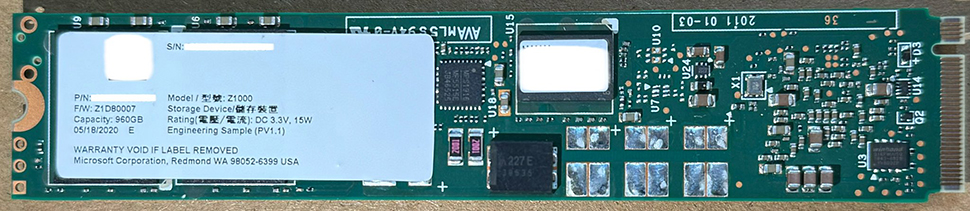
The leaked images of a Microsoft Z1000 SSD show a 1TB NVMe M.2 drive, apparently boasting sequential read speeds of up to 2,400MB/s and write speeds of 1,800MB/s.
The Z1000 SSD, originally revealed by @yuuki_ans on X, is made up of a mix of components from various companies, including Toshiba NAND flash chips, Micron's DDR4 RAM cache, and a controller from CNEX Labs, a company best known for its work with data center hyperscalers.
(Image credit: @yuuki_ans on X)
Up to 4TB capacity
Back in 2018, CNEX Labs closed a $23 million Series D funding round led by Dell Technologies Capital which also included Microsoft’s venture fund M12. This money was partially used to fund a proprietary, advanced CNX-2670 controller that delivered 550,000 IOPS, a 25% performance increase over previously available M.2 form-factor SSDs at the time. The CNEX Labs controller in the leaked photos is CNX-2670AA-0821.
The SSD has a capacity of 960GB made up of four 256GB Toshiba BiCS4 96-layer eTLC chips and features a 1GB DDR4 RAM cache made by Micron to boost performance.
The leaked "engineering sample", produced on May 18, 2020 when much of the world was in Covid lockdowns, suggests the drive is part of a broader portfolio of SSD models. Its design allows for the addition of more DRAM and capacitors, hinting at larger versions.
As Tom’s Hardware notes "several unused solder pads are on both sides of the PCB, presumably for additional capacitors. This implies that there may be larger versions of the Z1000 with 2TB and perhaps even 4TB of room, given that more capacity would require more DRAM and capacitors to ensure data protection."
This isn't the first time Microsoft has experimented with hardware design for its data centers, having recently revealed its own-brand silicon hardware in order to help further the development and use of AI in businesses.
Default installations of Kubernetes were vulnerable to a high-severity flaw, which allowed threat actors to remotely execute code with elevated privileges.
Researchers from Akamai discovered the flaw, which has since been patched, uncovering what’s now known as “insufficient input sanitization in in-tree storage plugin”, a flaw that’s tracked as CVE-2023-5588.
It carries a severity score of 7.2, and impacts all versions of kubelet, including 1.8.0 and newer.
Multiple vulnerabilities
"The vulnerability allows remote code execution with SYSTEM privileges on all Windows endpoints within a Kubernetes cluster," Akamai explained. "To exploit this vulnerability, the attacker needs to apply malicious YAML files on the cluster.
A user, with the ability to create pods and persistent volumes on Windows nodes, could elevate their privileges to admin status on those nodes, Kubernetes explained on GitHub. As a result, they might be able to completely take over all Windows nodes in a cluster.
The vulnerability was patched in mid-November last year, so make sure you bring your kubelet to one of these versions:
v1.28.4 v1.27.8 v1.26.11 v1.25.16
In September 2023, Akamai’s researchers found a similar flaw - a command injection vulnerability that could be exploited with a malicious YAML file in the cluster. That flaw, now tracked as CVE-2023-3676, and with a severity score of 8.8, was the one that paved the way for today’s findings, the researchers explained.
“The lack of sanitization of the subPath parameter in YAML files that creates pods with volumes opens up an opportunity for a malicious injection,” they said. “This was the original finding, but at the tail end of that research, we noticed a potential place in the code that looked like it could lead to another command injection vulnerability. After several tries, we managed to achieve a similar outcome.”
For businesses, verifying Kubernetes configuration YAMLs is “crucial”, as input sanitization is “lacking in several code areas in Kubernetes itself”.
Nab this subscription offer from StackSocial and get lifetime access to over 10,000 hours of language learning content at a deep discount before the deal is gone.
If you buy one of next year’s best Android phones, then chances are it will be equipped with a Snapdragon 8 Gen 4 chipset.
This chipset hasn’t been unveiled yet, but Qualcomm’s Snapdragon chipsets power most of the top Android handsets, and in 2024 we’ve seen the Snapdragon 8 Gen 3 in the likes of the Samsung Galaxy S24 Ultra (along with the other Samsung Galaxy S24 models in some regions), the OnePlus 12, the Xiaomi 14 Ultra, and more, with numerous other phones expected to use it too.
So the next generation of this chipset is a big deal, and it’s sure to be extremely powerful. If you want an idea of just how powerful, what that might mean for 2025’s phones, and which handsets are likely to use it, read on.
Cut to the chase
What is it? Qualcomm's next flagship mobile chipset
When is it out? Sometime in October
How much will it cost? It will be found in flagship phones
Snapdragon 8 Gen 4: potential release date
The Snapdragon 8 Gen 4 will be announced at the Snapdragon Summit in October, as confirmed by the company itself in a post on X (formerly Twitter).
We don’t know the exact date of the Snapdragon Summit yet, but for reference, last year’s was held from October 24 to October 26.
Of course, you’ll probably be waiting a while after that before any phones ship with the Snapdragon 8 Gen 4. But there’s a good chance that at least a couple of phones will launch with it before the end of the year – though possibly initially only in China, much like the Xiaomi 14 and OnePlus 12 landed in China last year with the Snapdragon 8 Gen 3, before going global early this year.
Snapdragon 8 Gen 4: news and leaks
Qualcomm itself has revealed in a video on X that the Snapdragon 8 Gen 4 will have a “supercharged” Oryon CPU, and that it will have an improved neural processing unit (NPU), the latter of which should boost its AI capabilities.
The Oryon CPU isn’t a new thing, having previously appeared in the Snapdragon X Elite chipset. But this chipset was designed for laptops, so bringing that sort of power to mobile sounds impressive.
Leaks certainly suggest the performance might impress, with one source claiming that the Snapdragon 8 Gen 4 might be clocked at up to 4.0GHz. For reference, the Snapdragon 8 Gen 3’s fastest core is clocked at 3.30GHz (or 3.39GHz in the Snapdragon 8 Gen 3 for Galaxy variant), so this would make for a huge increase.
In fact, it might be an even bigger increase, as another leaker claims that the Snapdragon 8 Gen 4 will be clocked at up to 4.3GHz, and that it can achieve a single-core score of around 3,500 on Geekbench. The same source claims this is a higher score than the A18 Pro expected to power the iPhone 16 Pro Max can achieve.
(Image credit: Qualcomm)
However, we’d take this clock speed, and the resulting scores, with a pinch of salt, as the power draw for a 4.3GHz clock speed would likely be too high to be viable for a smartphone.
Indeed, another benchmark leak provides more conservative results, with a post on a Vietnamese forum (spotted by 91Mobiles) pointing to a 2,845 single-core score and a 10,628 multi-core result.
For comparison, the Snapdragon 8 Gen 3-powered Samsung Galaxy S24 Ultra tends to score in the region of 2,200-2,300 for single-core and 6,500-7,000 for multi-core. So even if the more conservative leak above is accurate, that should make the Snapdragon 8 Gen 4 significantly more powerful than the Gen 3.
But it’s not just the clock speed that might be high here, we’ve also heard that there’s a chance the Snapdragon 8 Gen 4 will support LPDDR6 (Low-Power Double Data Rate 6) RAM, which is expected to debut later this year, and is faster than the RAM currently used in phones. If it does support this, then that should particularly aid on-device AI capabilities.
Finally, the Snapdragon 8 Gen 4 will probably be paired with a Snapdragon X80 5G modem. This has already been announced and it’s the successor to the X75 used by the Snapdragon 8 Gen 3.
The X80 has a dedicated 5G AI processor, which essentially makes it smarter – letting it figure out the best masts and 5G bands to connect to at any given time for example. It should also be capable of higher data speeds than the X75, while being more power efficient.
Snapdragon 8 Gen 4: supported phones
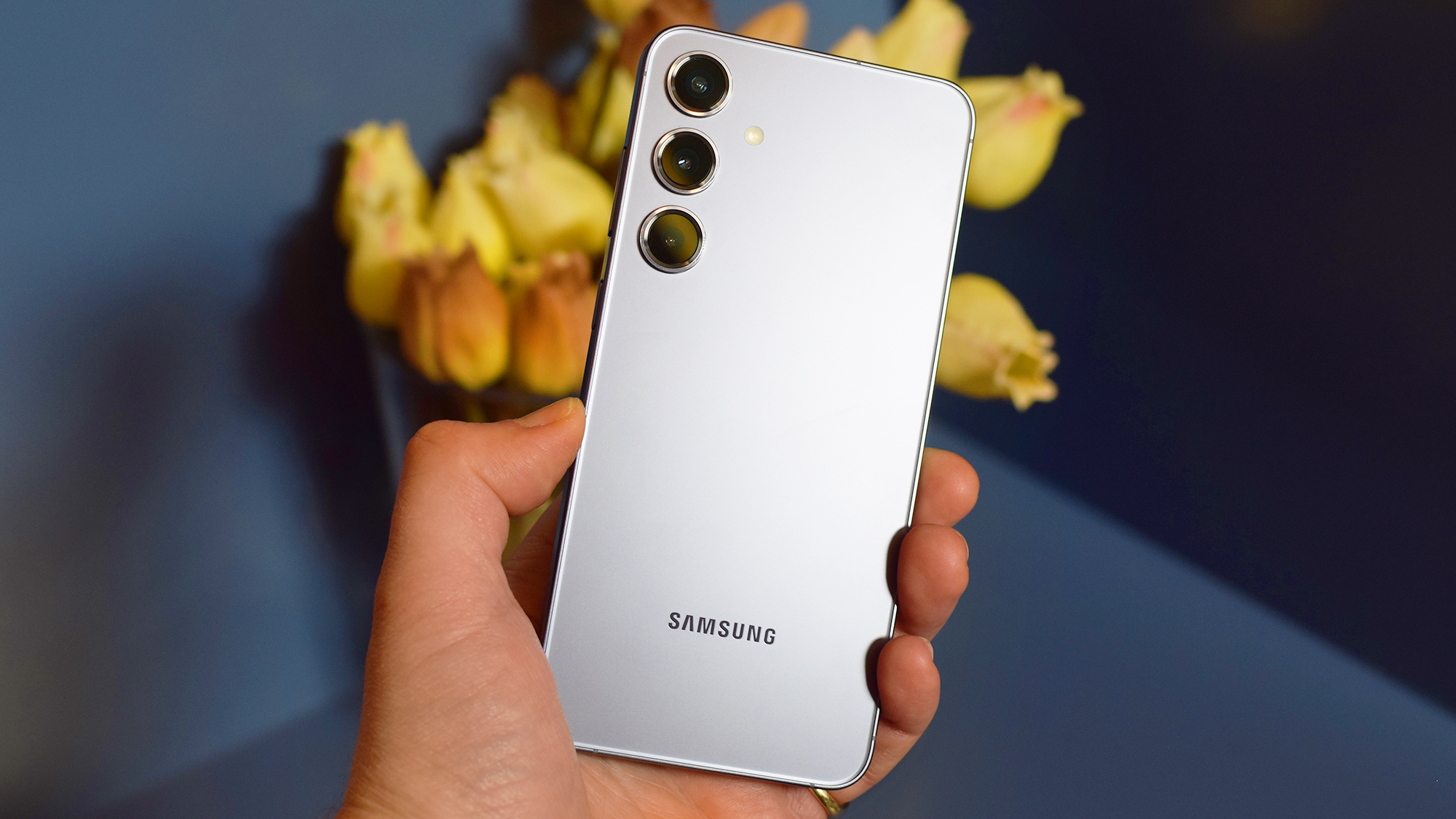
The Samsung Galaxy S24's successor might have a Gen 4 chip(Image credit: Future | Roland Moore-Colyer)
We don’t know for sure what phones will use the Snapdragon 8 Gen 4, but based on past form we can take some good guesses. The following handsets are all expected successors to phones that use, or are likely to use, the Snapdragon 8 Gen 3, so there’s a good chance they will use the Gen 4:
The Samsung Galaxy S25 series, Samsung Galaxy Z Fold 7, Samsung Galaxy Z Flip 7, OnePlus 13, Xiaomi 15 line, Sony Xperia 1 VII, and Sony Xperia 5 VII. That’s not a complete list, but it includes the most high-profile handsets we’re expecting to use the Snapdragon 8 Gen 4. But really, the majority of high-end Android phones released in 2025 probably will.
There are some exceptions though. While we mentioned the Galaxy S25 line here, the standard Samsung Galaxy S24 and the Samsung Galaxy S24 Plus only use a Snapdragon chipset in some parts of the world (primarily the US), with other regions getting an Exynos chipset, so the same might happen with the S25.
We also don’t expect any Google Pixel phones to use the Snapdragon 8 Gen 4, since Google equips these phones with Tensor chipsets. And of course, you won’t find an iPhone using it either, as Apple develops its own A-series chipsets.
Instagram is currently testing out a new feature called Spins, which could give its Reels a unique and timely enhancement if the proposed US TikTok ban becomes law.
Spins would allow other Instagram users to take an existing Reel and replace the audio or text, as confirmed by the company to TechCrunch. This is unlike Instagram’s existing Remix feature, which is a clone of TikTok’s own feature that lets you appear in a video next to an original one side by side to offer commentary or reactions. Spins would be an Instagram original that would let users take a trending template, or meme, and swap the meaning of it.
On its own, it sounds like a fun feature that would enable users to create fun and distinct content that could easily go viral. And while it’s something that Instagram might look to introduce in normal circumstances, right now could be even more of a market boon thanks to current events.
What could this mean for Instagram?
If the US does implement a nationwide ban on TikTok, that would leave a massive hole in the social media landscape – a massive hole that Instagram could easily take advantage of. And what better way to do so than by introducing new features and tools that not only set it apart from TikTok, but make it the superior option in the eyes of many users?
TikTok has taken the online social media world by storm, with billions of users visiting every month and nearly just as much content being posted on the app. Getting a small portion of that pie would be ideal for Instagram even if TikTok was still around but being able to steal away even more of that user base would make Instagram the undisputed king of social media video-sharing.
Of course, the timing for the internal testing of Spins could simply be a coincidence – it’s possible that the potential new feature has been in the works for a while, and just happened to surface at the same time as the TikTok controversy. But even if it wasn’t planned, the timing is still exemplary and, if Instagram is smart, something that it will take advantage of.
In fact, Instagram should go further, by adding more new features to its platform. Even if TikTok survives this attack by the US government – as it survived previous attempts at a countrywide ban – Instagram should want to up its game to compete with its video-first rival, and the constant threat to its existence is a weak point that Instagram could exploit.
Instagram could and should continue to sell itself as a superior and more stable version of TikTok that’s more than capable of keeping up with the constant demand from users for new features, and therefore better at selling itself to the younger market that TikTok currently seems to have a lock on. This opportunity may have been coincidental, but that doesn’t mean Instagram can’t harness it to put itself in a far better market position – and Spins could be the catalyst for that.
OpenAI’s Chief Technology Officer Mira Murati recently sat down with The Wall Street Journal to reveal interesting details about their upcoming text-to-video generator Sora.
The interview covers a wide array of topics from the type of content the AI engine will produce to the security measures being put into place. Combating misinformation is a sticking point for the company. Murati states Sora will have multiple safety guardrails to ensure the technology isn’t misused. She says the team wouldn’t feel comfortable releasing something that “might affect global elections”. According to the article, Sora will follow the same prompt policies as Dall-E meaning it’ll refuse to create “images of public figures” such as the President of the United States.
Watermarks are going to be added too. A transparent OpenAI logo can be found in the lower right-hand corner indicating that it's AI footage. Murati adds that they may also adopt content provenance as another indicator. This uses metadata to give information on the origins of digital media. That's all well and good, but it may not be enough. Last year, a group of researchers managed to break "current image watermarking protections", including those belonging to OpenAI. Hopefully, they come up with something tougher.
Generative features
Things get interesting when they begin to talk about Sora's future. First off, the developers have plans to “eventually” add sound to videos to make them more realistic. Editing tools are on the itinerary as well, giving online creators a way to fix the AI’s many mistakes.
As advanced as Sora is, it makes a lot of errors. One of the prominent examples in the piece revolves around a video prompt asking the engine to generate a video where a robot steals a woman’s camera. Instead, the clip shows the woman partially becoming a robot. Murati admits there is room for improvement stating the AI is “quite good at continuity, [but] it’s not perfect”.
Nudity is not off the table. Murati says OpenAI is working with “artists… to figure out” what kind of nude content will be allowed. It seems the team would be okay with allowing “artistic” nudity while banning things like non-consensual deep fakes. Naturally, OpenAI would like to avoid being the center of a potential controversy although they want their product to be seen as a platform fostering creativity.
Ongoing tests
When asked about the data used to train Sora, Murati was a little evasive.
She started off by claiming she didn’t know what was used to teach the AI other than it was either “publically available or license data”. What’s more, Murati wasn’t sure if videos from YouTube, Facebook, or Instagram were a part of the training. However she later admitted that media from Shutterstock was indeed used. The two companies, if you’re not aware, have a partnership which could explain why Murati was willing to confirm it as a source.
Murati states Sora will “definitely” launch by the end of the year. She didn’t give an exact date although it could happen within the coming months. For now, the developers are safety testing the engine looking for any “vulnerabilities, biases, and other harmful results".
If you're thinking of one day trying out Sora, we suggest learning how to use editing software. Remember, it makes many errors and might continue to do so at launch. For recommendations, check out TechRadar's best video editing software for 2024.
The Tor Project has released a new bridge called WebTunnel, aimed at those trying to access the internet in regions with heavy censorship.
In its blog post, the organization says, "the development of different types of bridges are crucial for making Tor more resilient against censorship and stay ahead of adversaries in the highly dynamic and ever-changing censorship landscape."
The announcement comes at a crucial time, as many elections will be taking place around the world this year, which means that many countries will look to restrict access to the public internet in an attempt to silence any dissenting voices.
WebTunnel
The Tor Project describes WebTunnel as a "censorship-resistant pluggable transport designed to mimic encrypted web traffic (HTTPS)." This means that to observers, it looks like an ordinary HTTPS connection, so that it seems as if the user in question is merely browsing in an ordinary way.
The similarities are so strong that Tor claims that "WebTunnel... can coexist with a website on the same network endpoint, meaning the same domain, IP address, and port."
It also says that unlike obfs4 bridges, WebTunnel's ability to mimic regular web traffic means it is "more effective in scenarios where there is a protocol allow list and a deny-by-default network environment."
Tor compares network censorship methods to a coin sorting machine, with the coins themselves representing the flow of web traffic. The machine checks to see if the coins are the right shape to fit through the slot, and lets them through if they are. In the case of fully encrypted web traffic, the coins don't fit, so they are blocked.
Tor explains that since obfs4 traffic matches no recognizable shape for censorship authorities, it gets blocked. But because WebTunnel traffic looks like HTTPS traffic, it gets passed.
WebTunnel bridges can be found on the Tor bridges website, under the Advanced Options section. They require the latest versions of the Tor Browser to work, which are available for desktop and Android devices.
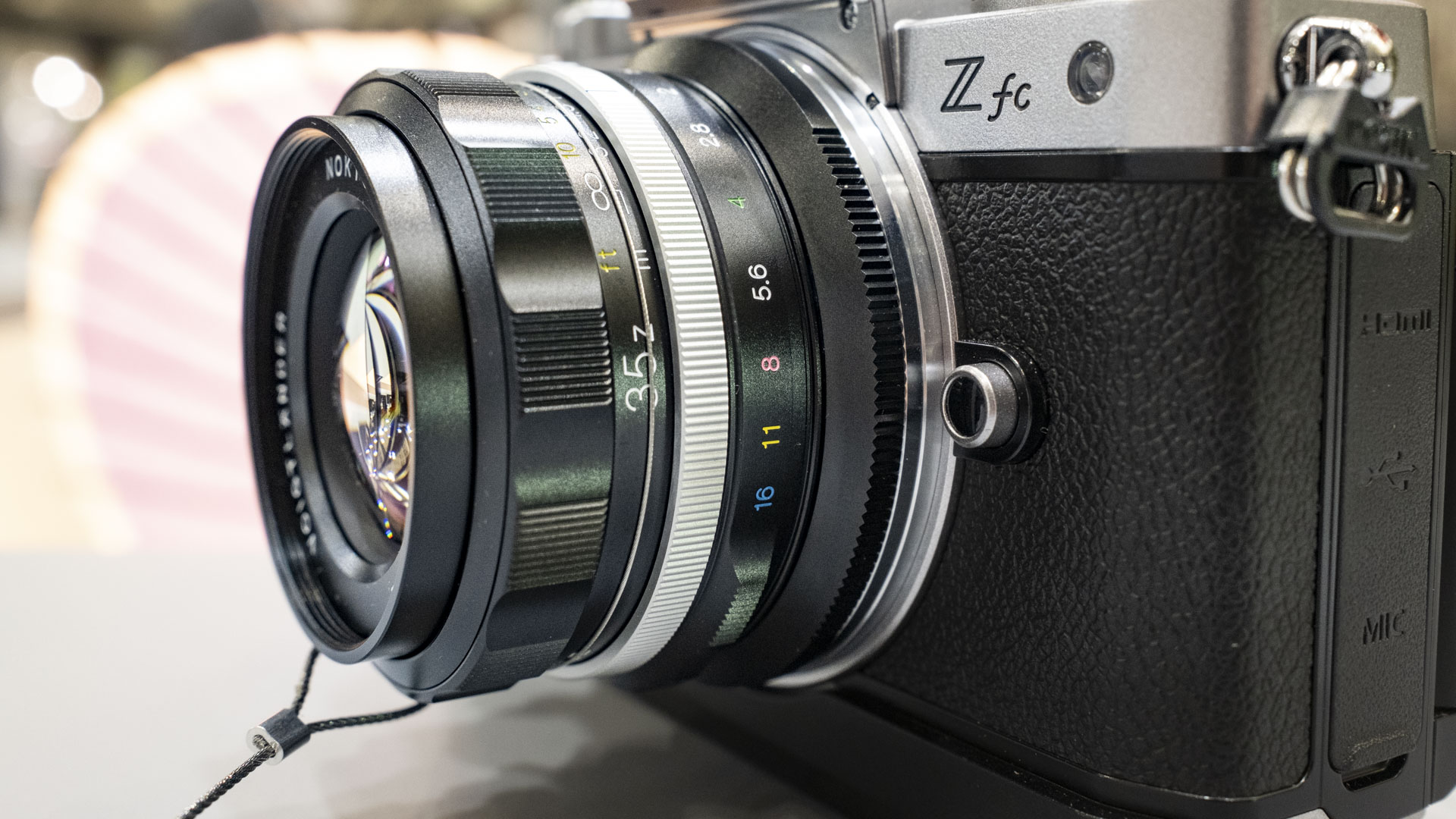
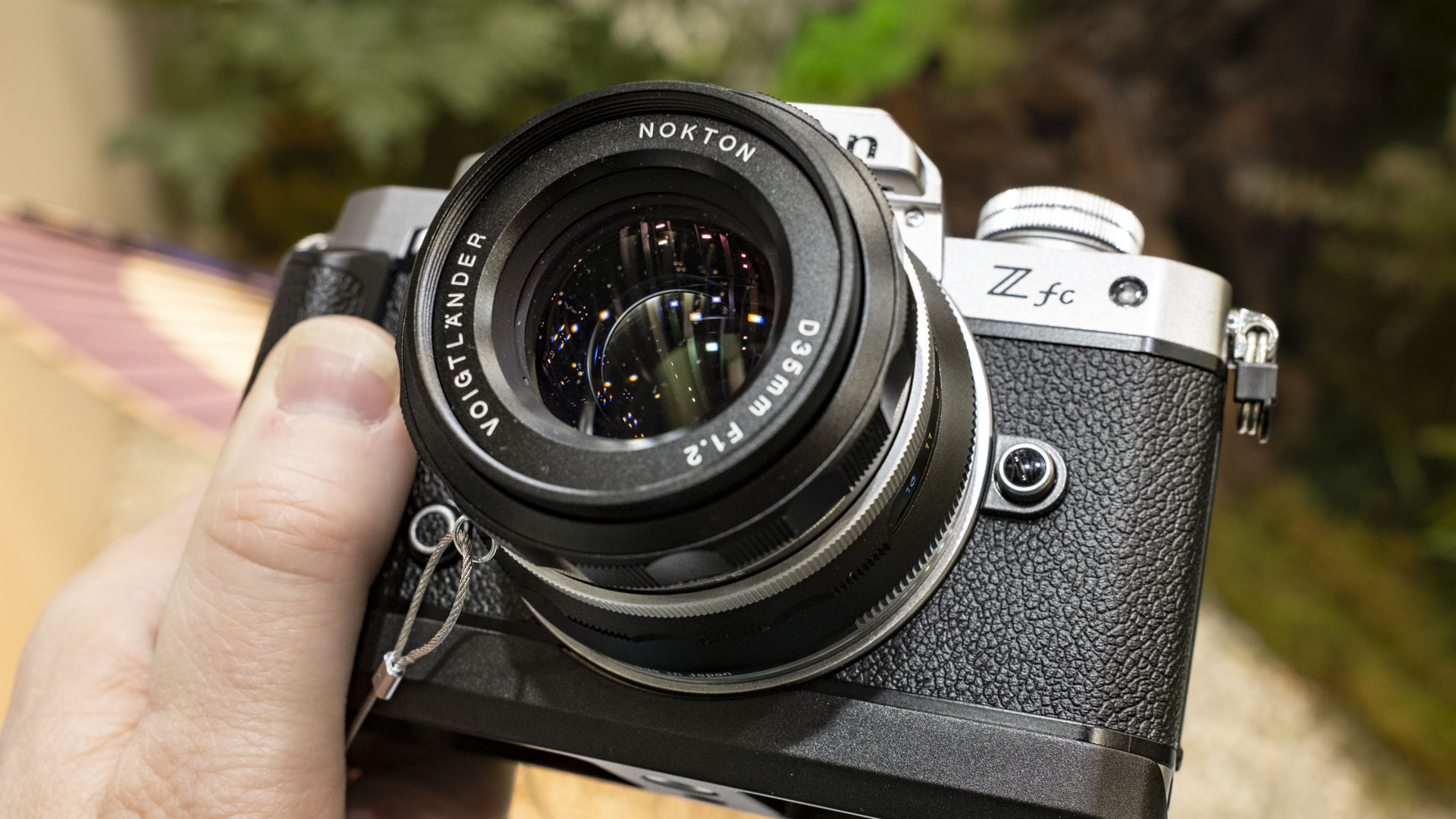
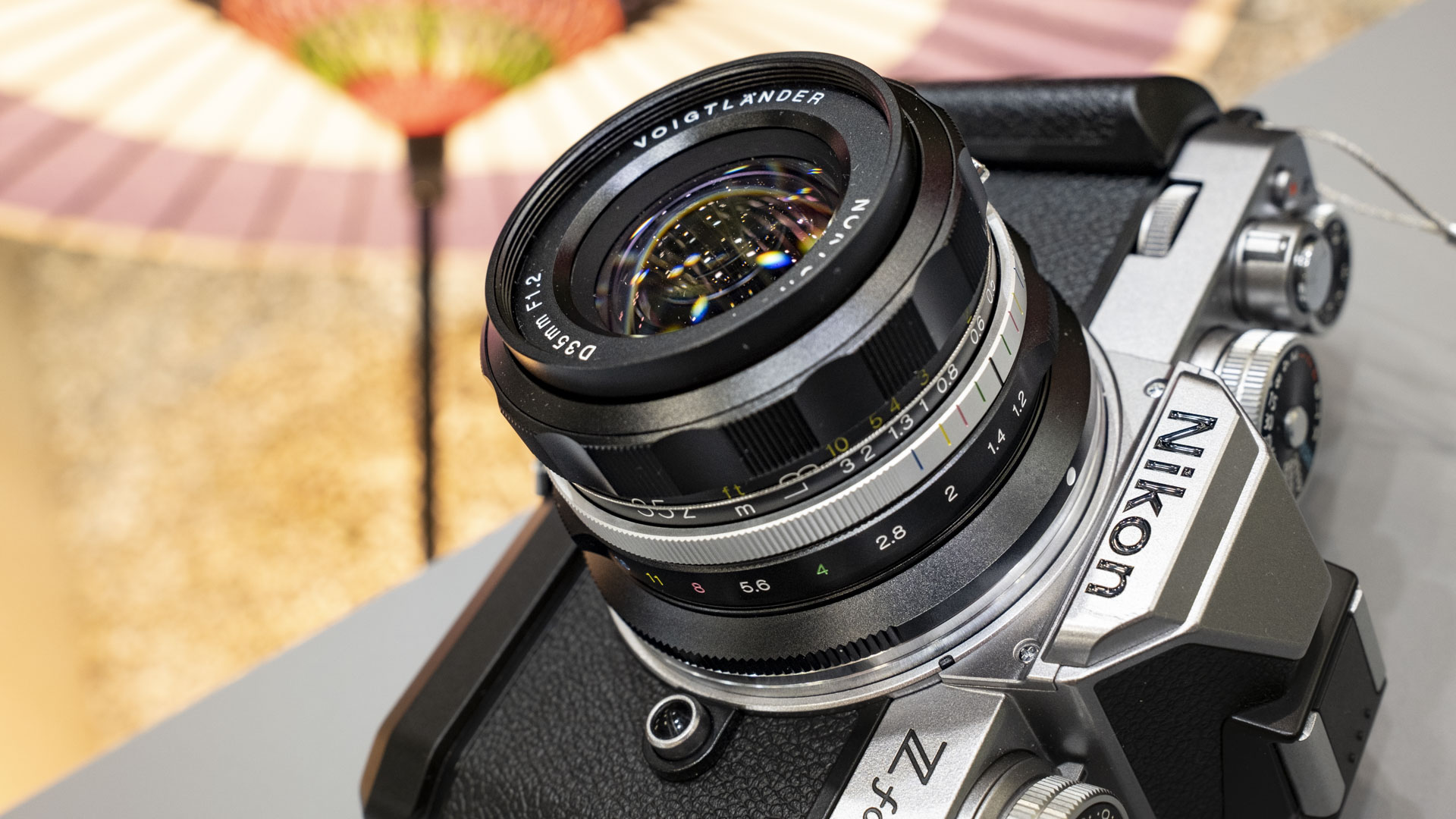
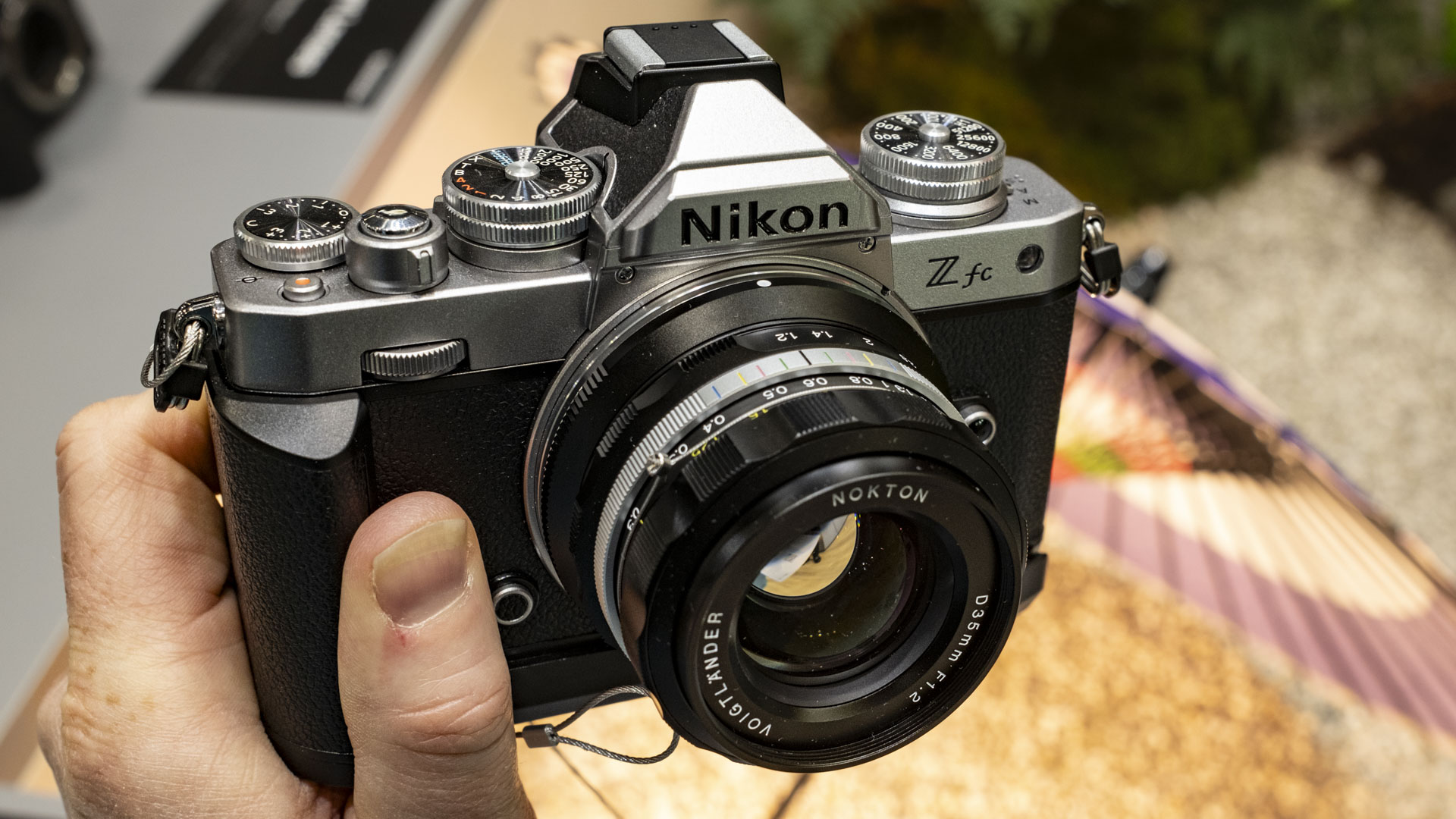
Ambling through the packed CP+ 2024 Camera and Photo Imaging Show halls in Yokohama Japan, I was drawn to the Voigtlander stand decked with various lenses alongside compatible cameras. Then I saw it – a gorgeous lens attached to the retro Nikon Z fc. I had to look twice: was this a manual-focus SLR lens from 30 years back, or was it in fact something new?
As it turns out, the Voigtlander Nokton D35mm f/1.2 I was gawping at has been around for almost two years, so it's hardly new by today's standards; but this was my first time seeing such a lens in the flesh, and it was love at first sight.
The old-time German lens maker is now owned by Cosina, and under Japanese ownership it has become increasingly active, producing compelling optics for today's leading mirrorless camera companies such as Fujifilm and Nikon, including full-frame models like the Nokton 50mm f/1.0.
I was able to handle the lens – a 35mm f/1.2 for APS-C cameras (with an approximate 53mm full-frame equivalent focal length) – and I immediately knew that it was what the Nikon Zf and Z fc cameras desperately needed.
Image 1 of 4
(Image credit: Future)
Image 2 of 4
(Image credit: Future)
Image 3 of 4
(Image credit: Future)
Image 4 of 4
(Image credit: Future)
Nikon is arguably the only camera company to come close to Fujifilm's dominance of the retro digital camera market, a run that began with the Finepix X100 in 2010, and which right now includes sold-out models like the new Fujifilm X100VI. Yet for all the gorgeous Nikon FM2-inspired retro design of the Zf and Z fc, the cameras lack lenses to compliment their aesthetic.
The Zf and Z fc perform as well as if not better than their counterparts, and are packing cutting-edge digital tech, but most photographers buy them primarily because of how they look. Years after launch, however, they're still missing a crucial component – complimentary lenses. It's all very well getting a Nikon mirrorless camera that packs today's tech and looks decades old, but pairing it with one of Nikon's modern Z-mount lenses somewhat spoils the effect.
Alongside the Z fc, Nikon launched the Nikkor Z 28mm f/2.8 SE lens – it's the lens pictured in our Nikon Z fc review – which does look the part, but why haven't we seen other Nikon-made lenses to compliment its line of retro cameras? And for me that Nikon lens lacks a crucial component to complete the old-school user experience; a dedicated aperture ring. Besides adapting old lenses for Nikon's retro mirrorless cameras, it turns out we have to look elsewhere – to Voigtlander.
Voigtlander's manual-focus-only lens has a ridged focus ring with smooth rotation, manual focus distance markings, and – drum roll – an aperture control ring. There's not a single Nikon Z lens with an aperture ring, and it's the kind of feature you'd expect to see on old-school lenses. Heck, you can find one on many Fujifilm XF lenses (and Sony's modern mirrorless lenses like the FE 24-50mm f/2.8, too).
Image 1 of 3
Out of focus light at f/1.2(Image credit: Future)
Image 2 of 3
Out of focus light at f/5.6(Image credit: Future)
Image 3 of 3
A quick portrait at f/1.2(Image credit: Future)
I was able to try Voigtlander's classic-looking lens mounted to a Z fc, and purely on a visual level it's a dream match.
I put a memory card in the camera and, rooted to the spot (I wasn't able to move from the stand), shot some quick frames, cycling through the lens's aperture range to check bokeh, and took a portrait of the person next to me to check sharpness (see above).
From those quick image checks I don't think the lens will win any awards for optical quality, but shots look decent enough. Bokeh is at its creamiest at either f/1.2 or f/1.4, while true sharpness kicks in a f/2, so you have to choose between a softer and dreamier look or pin-sharp detail.
It's a manual-focus-only lens, too, so you can't enjoy the latest subject detection autofocus, though the Nikon Zf also has some of the best manual focus aids around. (note that if you're using the APS-C lens with the full-frame Nikon Zf, the image area is cropped to avoid vignetting.)
There are electronic contacts in the metal lens mount, and so all metadata is logged in your files for easy reference. Yes it's manual-focus only, and has the old-school looks, but with electronic contacts it's also a modern lens built for today's mirrorless cameras (also available in the Fujifilm X-mount, albeit with a different look to match Fujifilm's style).
Those who have bitten the bullet and bought a Nikon Zf or Z fc should definitely check out the Voigtlander Nokton D35mm f/1.2. However, I was a bit surprised by the price of the lens. It's around $600 / £550 for a manual-focus, fixed-focal-length standard lens that's relatively easy to manufacture, and is lacking in terms of outright image quality when pushed to its limits.
That said, the Voigtlander more than makes up for those shortcomings in the user experience, and – yes – looks, departments. Looks matter in photography, but that's more often the case when we're talking about images, rather than the gear used to capture them.
We’re only a few months into 2024 but it has already been a busy year for phones, with the highlights being the Samsung Galaxy S24 family, including the incredibly powerful Samsung Galaxy S24 Ultra, which currently sits at the top of our list of the best phones.
But there’s a lot still to come, including more Samsung devices, phones from Google and OnePlus, and of course the iPhone 16 line.
Below then, you’ll find five of the phones we’re most anticipating throughout the rest of 2024, along with our best guesses as to when we’ll see them.
iPhone 16 Pro Max
iPhone 16 Pro and Pro Max mockups(Image credit: MacRumors)
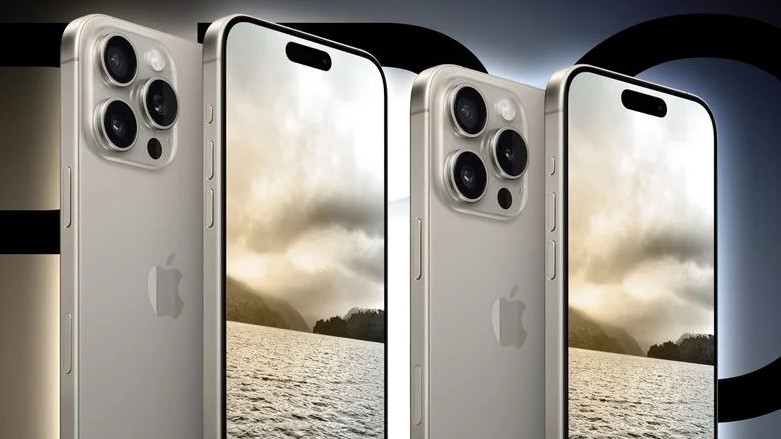
The iPhone 16 line is undoubtedly the most highly anticipated series of smartphones this year, and we could populate this list with all four expected models (namely the iPhone 16, iPhone 16 Plus, iPhone 16 Pro, and iPhone 16 Pro Max), but of those it’s the iPhone 16 Pro Max that gets us really excited.
We’re almost certain this will land in September, given Apple’s usual release patterns, and leaks suggest it could be a big upgrade on the iPhone 15 Pro Max – which is currently one of the best phones you can buy.
Apparently the iPhone 16 Pro Max will have a slightly larger 6.9-inch screen, a more powerful A18 Pro chipset, and a new ‘Capture’ button, designed for snapping photos and shooting videos.
It might also have a ‘super telephoto’ camera, which can zoom far further than the 5x offered on the iPhone 15 Pro Max, and it could have an upgraded 48MP ultra-wide camera, in place of the 12MP one on the current model.
With these upgrades, coupled with all the great elements already found in the iPhone 15 Pro Max, the iPhone 16 Pro Max could be the phone to beat in late 2024.
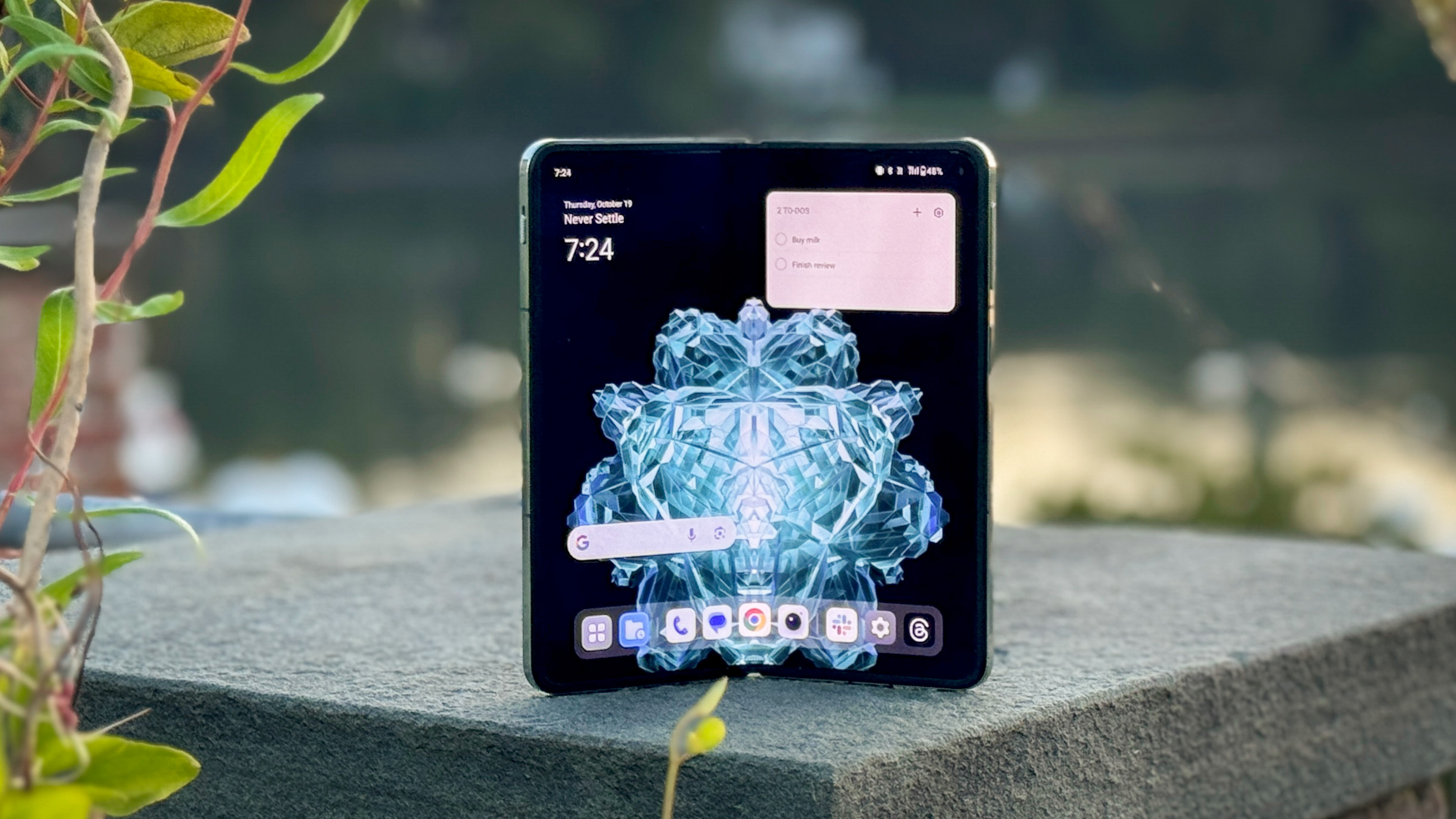
The OnePlus Open(Image credit: Future / Philip Berne)
OnePlus isn’t the biggest name in foldable phones. In fact it has so far only released one. But impressively the OnePlus Open is one of the absolute best foldable phones you can buy, so we’re highly anticipating the OnePlus Open 2.
We know very little about the OnePlus Open 2 so far, but the original has big screens, a brilliant design, and the best cameras you’ll find on a foldable phone. So there’s a good chance the OnePlus Open 2 will retain or improve on those features.
It’s sure to be a more powerful phone too, and we’re hopeful for better battery life. We’ll probably find out exactly what it has to offer in or around October, as the OnePlus Open launched in October of last year.
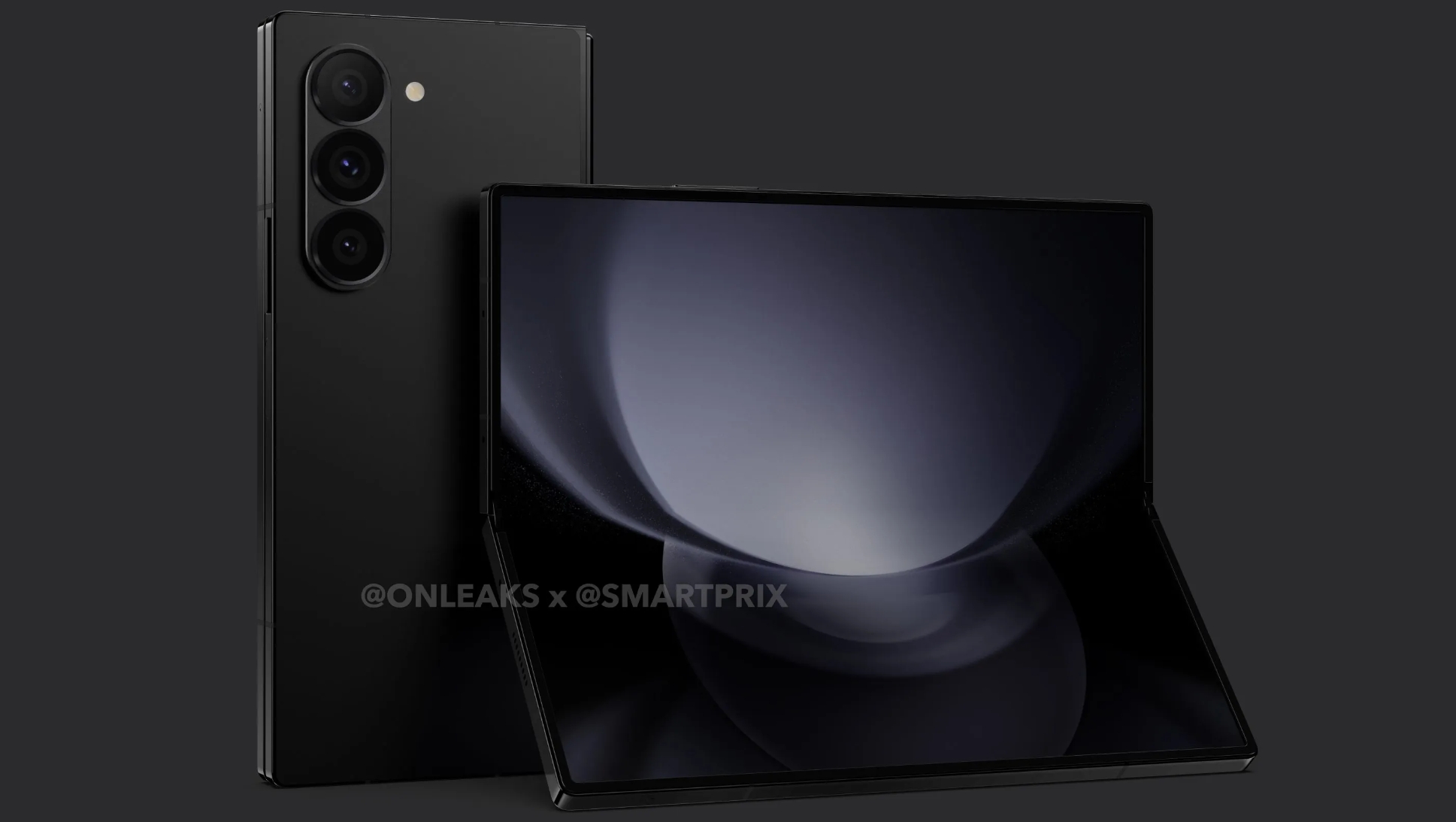
A leaked render of the Samsung Galaxy Z Fold 6(Image credit: @OnLeaks / SmartPrix)
The Samsung Galaxy Z Fold 6 will probably be the most popular book-style foldable phone of 2024, even if it’s not the best. But there’s a chance it will be the best, or at least that the rumored Samsung Galaxy Z Fold 6 Ultra will be.
That said, we’re not at all sure that an Ultra model is really in the works, and there’s little information on it. So for now we’re more anticipating the standard Samsung Galaxy Z Fold 6, which is sure to launch.
Leaks suggest this may have a titanium frame, a larger cover screen than its predecessor, a higher 2,600-nit peak brightness on the foldable display, and of course a more powerful chipset.
Sadly, most leaks suggest the cameras will be unchanged from those on the Samsung Galaxy Z Fold 5, so we hope if there is an Ultra model too, the cameras are at least upgraded there.
There might not be too long to wait for this one, at least compared to some phones on this list, with a July launch rumored.
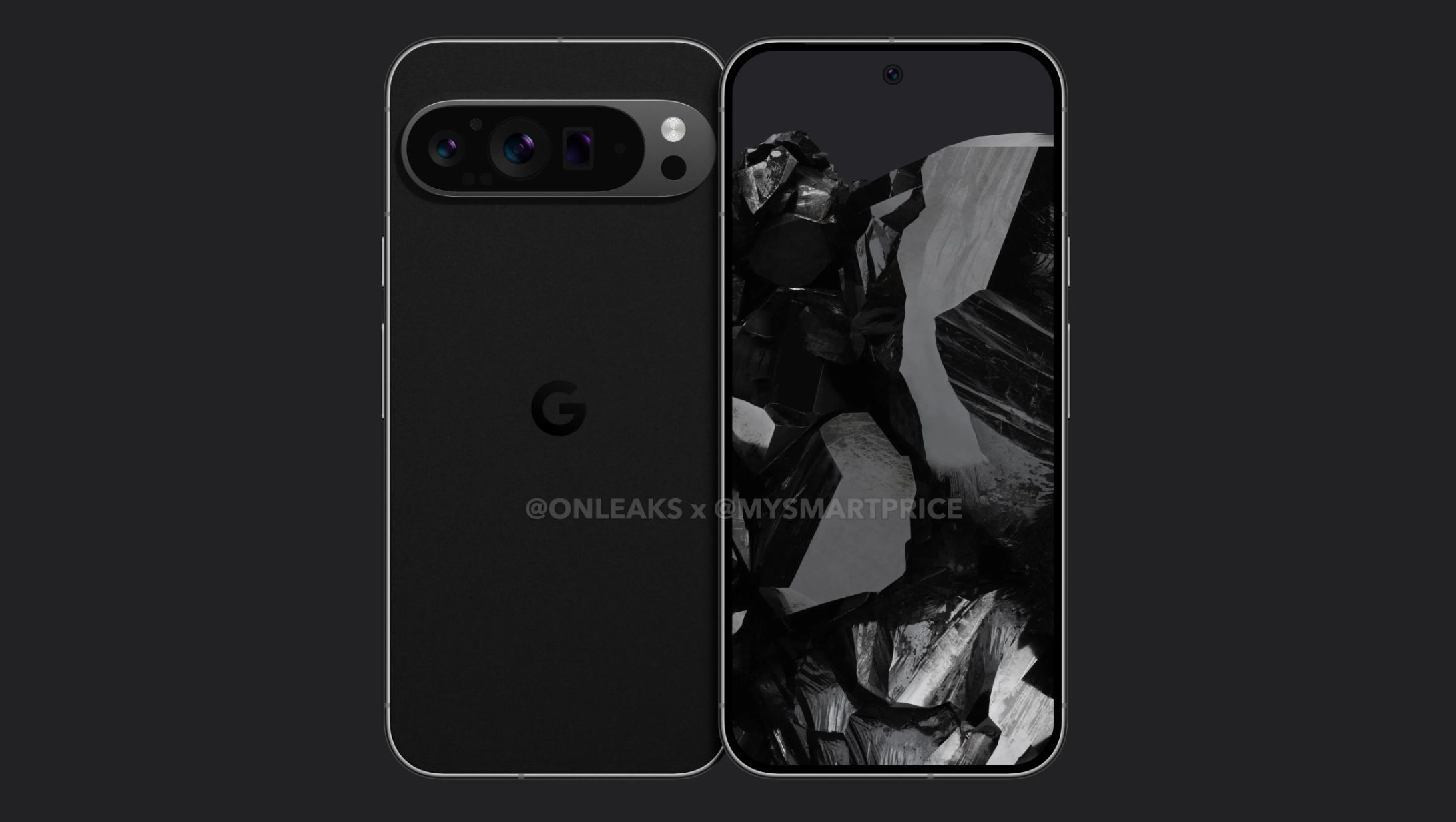
A leaked render of the Pixel 9 Pro(Image credit: MySmartPrice / OnLeaks)
Our most highly anticipated non-foldable, non-Apple phone of the remainder of the year is the Google Pixel 9 Pro.
This will probably land alongside the standard Google Pixel 9 in October, and based on past form it’s likely to be bigger and better than the standard model.
Leaks suggest the Pixel 9 line will have a new design, with flat sides and a different camera block. The Pixel 9 Pro will reportedly also have a triple-lens camera, a new Tensor G4 chipset, and possibly a new AI assistant, which might be exclusive to the Pixel line.
Indeed, AI is likely to be a big focus on this phone, and based on previous Pixels the Pixel 9 Pro may well also rank among the best camera phones.
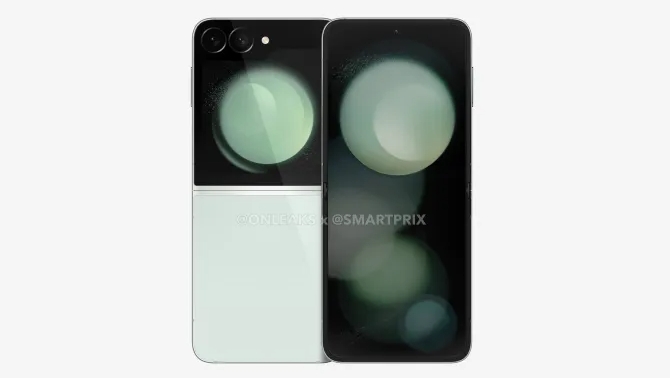
A leaked render of the Samsung Galaxy Z Flip 6(Image credit: @OnLeaks / SmartPrix)
While the Samsung Galaxy Z Fold 6 will be bigger and more expensive than the Samsung Galaxy Z Flip 6, it’s the Flip line that tends to be more successful, so the Z Flip 6 may well end up being the most popular foldable phone of the year.
Leaks suggest this phone – which could land as soon as July – will have a larger cover screen than the Samsung Galaxy Z Flip 5, along with a bigger battery, and a smaller crease in the foldable screen.
It might also have an upgraded 50MP main camera, in place of its predecessor’s 12MP one. Though not all leaks agree on that.
And the Samsung Galaxy Z Flip 6 is sure to get a power boost, as it will almost certainly be equipped with a Snapdragon 8 Gen 3 chipset, which we’ve already seen used in the Samsung Galaxy S24 line.
Spartan UltraScale+ is the latest addition to AMD's extensive portfolio of cost-optimized Field Programmable Gate Arrays (FPGAs) and adaptive SoCs. It has been introduced to replace the Xilinx Spartan 6 and Spartan 7 lines.
The new Spartan UltraScale+ devices are designed for a wide range of I/O-intensive applications at the edge. AMD says its latest FPGAs can deliver up to 30 percent lower total power consumption compared to the previous generation - energy efficiency is a hot topic right now - while boasting the most robust set of security features in the AMD's cost-optimized portfolio.
“For over 25 years the Spartan FPGA family has helped power some of humanity’s finest achievements, from lifesaving automated defibrillators to the CERN particle accelerator advancing the boundaries of human knowledge,” said Kirk Saban, corporate vice president, Adaptive and Embedded Computing Group, AMD. “Building on proven 16nm technology, the Spartan UltraScale+ family’s enhanced security and features, common design tools, and long product lifecycles further strengthen our market-leading FPGA portfolio and underscore our commitment to delivering cost-optimized products for customers.”
Into the 2040s... and beyond!
The Spartan UltraScale+ FPGAs offer a number of state-of-the-art security features, including support for Post-Quantum Cryptography with NIST-approved algorithms to provide robust IP protection against ever-evolving threats. They also include a physical unclonable function, providing each device with a unique fingerprint for added security.
The Spartan UltraScale+ FPGA family sampling and evaluation kits are expected to be available in the first half of 2025, with tools support- starting with the AMD Vivado Design Suite - in the fourth quarter of 2024.
What about that super-long lifecycle being promised? AMD says the Spartan UltraScale+ FPGA will be supported into the 2040s, and this is just the standard lifecycle. AMD will likely offer an extended lifecycle on top of that (as it has with past FPGAs), which will take the chip’s support well into the future.
That might seem like some serious generosity on AMD’s behalf, but as Serve The Home explains, "Spartan FPGAs are often in products that take years to design and then are sold and used for decades in the future."