Microsoft just unveiled its latest surface product, the Surface Laptop SE, a K-8 educational laptop that takes direct aim at Google Chromebooks' dominance of the education technology market.
The new Surface Laptop, which will be released sometime early next year, will sell for $249 and will only be available through education sales channels, so it won't be something you can buy at a retailer like a Chromebook.
To save cost, the new Surface laptop will have less powerful specs than the main line, featuring a 1366x768p 11.6-inch display with a 720p front-facing webcam, lower-powered Intel Celeron processors, and either 4GB or 8GB RAM.
At the heart of the new Surface Laptop SE is Windows 11 SE, a more simplified Windows 11 OS environment for young students. Apps run in Windows 11 SE will automatically open in full-screen mode and students can snap two apps side-by-side so they can work on an assignment while keeping a website open for reference purposes.
Windows 11 SE will also let school administrators push out apps to the OS, which will help ensure that all students have the tools that they need for their classes. Microsoft Office apps will also work on Windows 11 SE without needing an internet connection.
And while Microsoft will offer its Surface Laptop SE, Windows 11 SE will not be limited to just Microsoft products. Other manufacturers can and are already working on new laptops powered by the new OS for the education market, so we can expect a lot more innovation on this front in the years ahead.
Analysis: things are about to get interesting in the education market
One of the things that makes Chromebooks so ubiquitous in educational settings is their low cost and practicality. It does what you need it to do and not a whole lot else.
What makes Windows 11 SE so interesting though is that it will feature a lot of the same apps like Microsoft Office that students will rely on as they move onto high school, college and university courses, and into the workforce after graduation.
That is a pretty huge differentiator from the Chrome OS experience, which offers apps through the Google Play store, but these are more lightweight Android OS apps, not the full-fledged productivity software in Microsoft Office or the Microsoft Visual Studio IDE which are widely used in software development.
While Chromebooks will always have a place in the education market, it's great news for students and educators that they now have choices beyond just Chrome OS, and the resulting competition should make both Chrome OS and Windows 11 SE better products as a result.
If you've been putting off updating Chrome, you'll want to do so soon as Google has revealed that it will end support for Chrome sync for those still running version 48 of its browser or below.
For those unfamiliar, Chrome sync is a feature in the software giant's browser that stores a user's bookmarks, passwords, history, open tabs and settings preferences on the company's servers so they can be accessed from any device running Chrome. Chrome Sync also automatically signs you into Gmail, YouTube, Google Search and other Google services so you can start working on a project on your Chromebook and finish it on your Android smartphone or other devices running Chrome.
In a new post on the Google Chrome Community page, product support manager at Google, Craig Tumblison provided further details on the upcoming change, saying:
“As previously shared in the Chrome Enterprise release notes for M94, we'd like to inform anyone using Chrome Browser version M48 or lower that Chrome sync will be deprecated on these versions, and will no longer work once M96 launches on the stable channel. In order to continue to use Chrome sync please update your browser to Chrome version M49 or higher.”
Time for an upgrade
Users that want to continue using Chrome sync will need to update their browser to Chrome version 49 or higher by clicking on the “More” menu at the top right of the browser and clicking “Update Google Chrome”. However, it's worth noting that if this option doesn't appear, you're already running the latest version of Chrome.
At the same time, if a Chrome update is pending the icon will be colored green if it was released less than two days ago, orange if the update was released about four days ago and red if an update was released at least a week ago. After updating Chrome, you'll need to restart your browser for the update to take effect.
Although Google has said that users will need to update to at least Chrome 49 to continue using Chrome sync, the company's browser is currently on version 95 though version 96 is scheduled to reach its stable channel soon.
In addition to having access to all of the latest features, running the most current version of Chrome will help protect you from attacks exploiting vulnerabilities that have already been patched in Google's browser.
The RTX 3080 Ti is one of the hardest PC components you can get today thanks to it being one of the best graphics cards on the market. Normally, if you're able to find an RTX 3080 Ti online right now, you'll pay a hefty premium for it. So whether you're looking to upgrade an existing system or to start fresh with a new build, this is an unbeatable deal.
(Not in theUS? Scroll down for deals in your region).
Today's best iBuyPower Black Friday deals
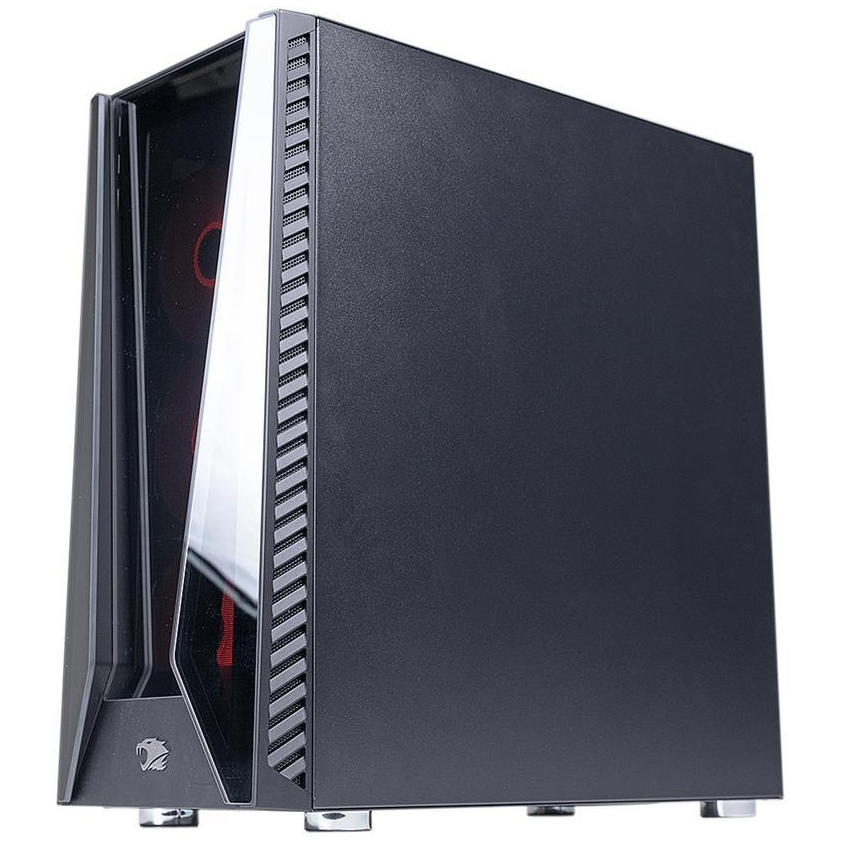
iBuyPower gaming PC |$3,449$2,699 at Newegg
Save $750 - This iBuyPower desktop gaming PC comes loaded with an Intel Core i7-11700KF, RTX 3080 Ti, 16GB RAM, and 1TB PCIe SSD, making it a powerhouse gaming PC, now with a huge price cut from Newegg.
This iBuyPower desktop gaming PC is packed full of power with an Intel Core i7-11700KF processor, an Nvidia RTX 3080 Ti graphics card, 16GB DDR4 RAM, and a 1TB PCIe SSD.
These are nearly as top-of-the-line as gaming PC specs can get, so snagging an early Black Friday PC gaming deal on this system is a major get. Given the price inflation on graphics cards right now, this entire PC is almost what you'd pay for the graphics card on its own.
And while we definitely wouldn't recommend buying an entire gaming PC just to get the graphics card in it for another build, this iBuyPower gaming PC deal is definitely the kind of PC that you can use as a base system to build on.
More gaming PC deals
No matter where you live, you'll find all the lowest prices for gaming PCs from around the web right here, with offers available in your region.
How many times can a brand say it’s launching a new TV technology before actually doing so? Samsung first unveiled ‘The Wall’ Micro LED television in Las Vegas at the CES tech event in 2018, while Sony has been promising Micro LED tech in its TVs for some time now.
2021 could be the year Micro LED comes to our homes – or at least some homes with the right amount of space and the big budgets to match. At the Unbox & Discover March 2021 event, Samsung announced that Micro LED televisions will be launching in their largest 110-inch and 99-inch sizes "globally beginning at the end of March", with an 88-inch size coming in late 2021. Those large versions of The Wall are available to companies and via custom installers.
Samsung also announced a step-down 76-inch size. It might still be in big-screen territory, but this is the smallest for the Micro LED tech, which is famously difficult to condense to smaller sizes. And Samsung might be backing away from those sizes, according to fresh reports.
Does this mean Micro LED is becoming more and more viable every day? Below we outline all the things that make Micro LED such a compelling idea, and why your next TV might well be packing Micro LED technology.
What is Micro LED?
Micro LED is a method of getting brighter, higher-contrast images from a TV than is otherwise currently possible.
What are Micro LED's advantages?
Increased brightness, long life-span, and a low power-consumption are among the many advantages manufacturers tout for the new Micro LED panel format.
Are Micro LED TVs expensive?
Expensive? A new TV? Right now, the answer is: yes, and ruinously so. But that has been true of the infancy of every new TV technology...
Will I be able to see the difference with Micro LED?
Most certainly. Even when screens get down to manageable sizes, the contrast ratio and brightness of a typical Micro LED TV is obvious.
(Image credit: Samsung)
What is Micro LED?
At the moment, LEDs are used to deliver backlighting to LCD screens – every current TV that isn’t an OLED uses this methodology of shining light through its pixels. And every TV that isn’t an OLED uses one LED to backlight dozens, maybe hundreds, of pixels at a time.
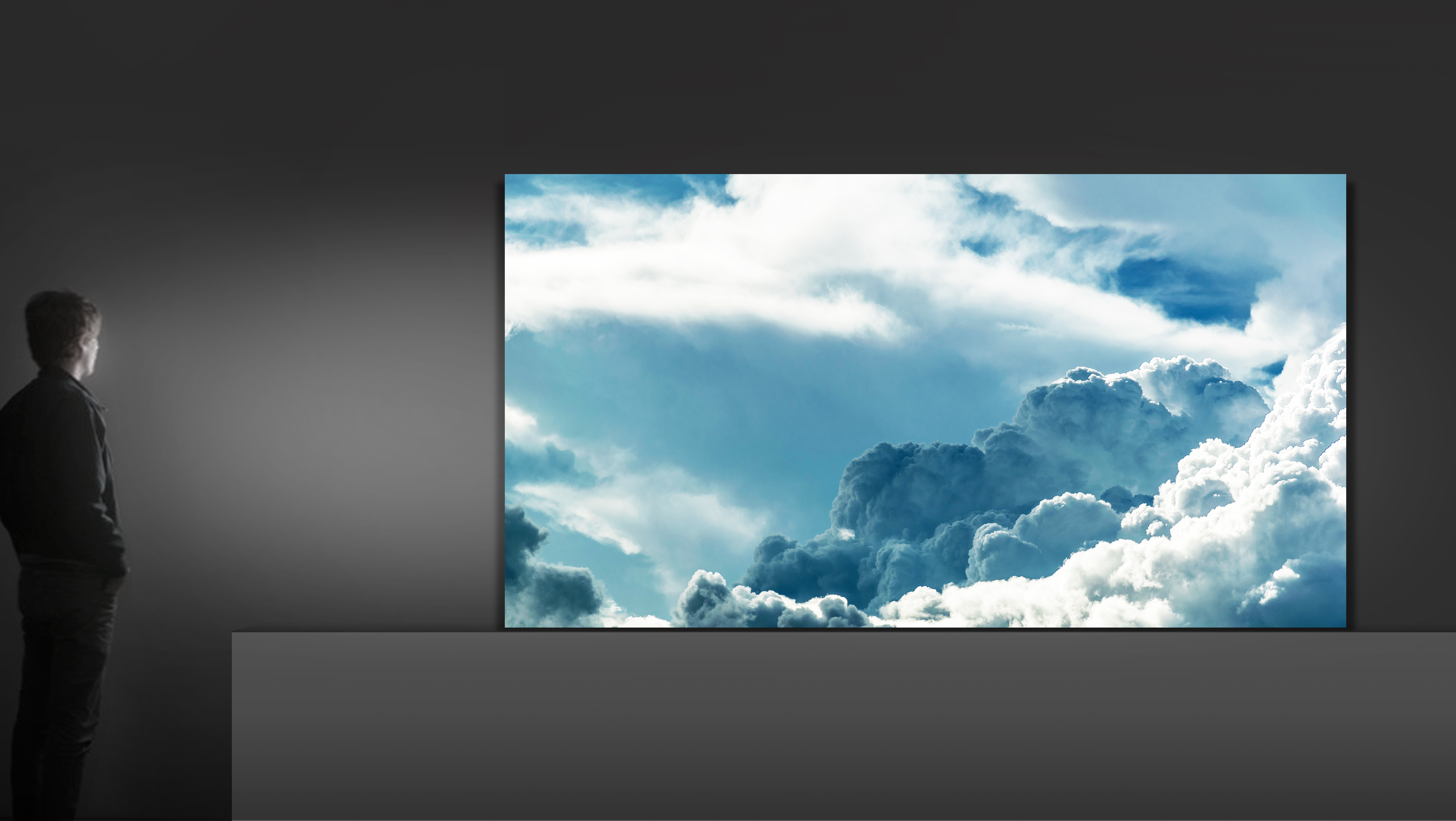
But Micro LED uses LEDs so small that they are able to function as individual pixels. And a pixel that is its own light-source doesn’t require any backlighting. This means screens are slimmer (due to the lack of backlighting) and images are better controlled across the board. Greater color fidelity, wider contrasts and increased brightness are suddenly all available.
Of course, self-emitting pixels are exactly what makes OLED TVs so compelling. But Micro LED doesn’t use any organic components, so the inevitable deterioration of performance that afflicts OLED screens won’t become an issue for Micro LED for hundreds of thousands of hours of use. Neither is the rare-but-dreaded ‘screen burn’ an issue with Micro LED.
And Micro LED has the potential to deliver far, far brighter images than OLED – and with HDR picture technology becoming ubiquitous, that’s a big advantage. The brightest OLED TVs peak at around 1,000 nits – but Samsung has already achieved 4,000 nits from its Micro LED screens, and is confident that 10,000 nits is achievable.
Couple this frankly astonishing level of brightness with the pure black tones that self-emissive screens are capable of, and Micro LED’s potential for enormous contrast ratios is obvious. All this brightness shouldn’t come with any kind of power-consumption cost, either; because there’s no color filter for the LEDs to shine through, they shouldn’t need as much oomph.
That brightness also promises big colour volumes – and because there’s no ‘cross-talk’ of colour or light even between neighbouring pixels, lighting ought to be utterly precise. Viewing angles ought to be at least as good as those of OLED screens, too.
(Image credit: Samsung)
How does Micro LED work?
Basically, Micro LED gets the job done thanks to its no-holds-barred implementation. Compared to regular LED/LCD or even OLED screens, Micro LED is a technological tour de force.
Of course, because LEDs are functioning as individual pixels here, there are an awful lot of them. A 4K resolution screen needs around 8.3m LEDs to deliver a 3840 x 2160 resolution image – or so you’d think. But in fact, because Micro LED needs a red LED, a blue LED and a green LED for each pixel, a 4K Micro LED screen is made up of roughly 25m individual LEDs.
So is it any wonder that Micro LED screens are currently somewhere between ‘really, really big’ and ‘absolutely huge’? Or that, as it stands, they’re prohibitively expensive?
Why does Micro LED matter?
Micro LED is important because it promises hitherto-unavailable brightness levels, contrast ratios and color volumes. It promises super-wide viewing angles. It’s able to serve up all the good picture quality stuff while consuming less power than OLED technology, and it has a lifespan way in excess of OLED too.
And because it’s possible to group thousands of LED pixels into ‘modules’ that can be taken apart and fitted together, Micro LED screens can (in theory, at least) be any size and any shape. No more being tied to a plain old 16:9 aspect ratio if you fancy a bit of modular Micro LED action.
Micro LED TVs: where can you get one?
Samsung and Sony are both happy to part you from not-inconsiderable sums of money in exchange for a Micro LED TV. But beyond whether you can afford one, the next big question is: do you have room for a Micro LED TV?
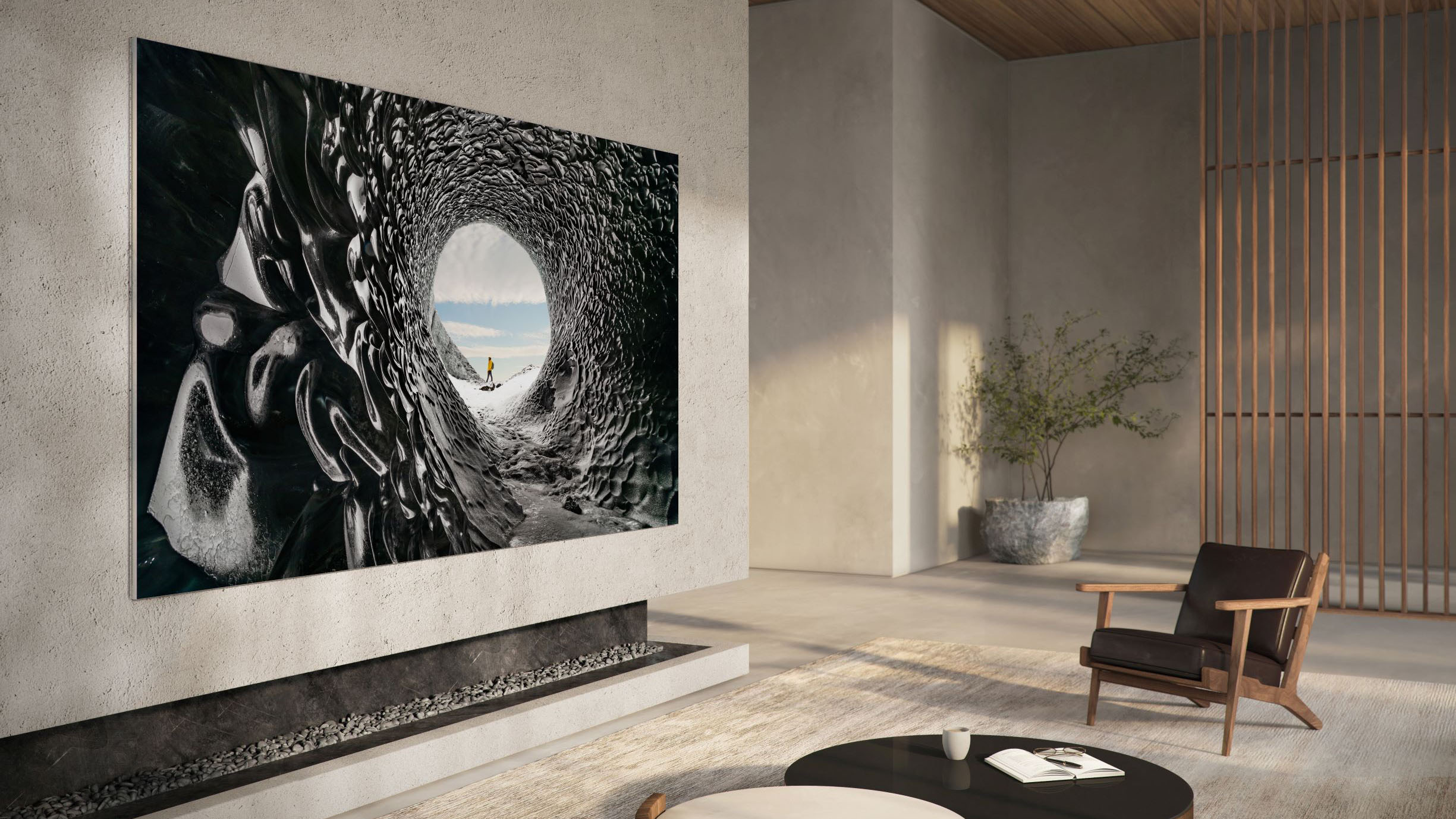
Until recently, the smallest ‘domestic’ Micro LED Samsung has available is a whopping 110-inch display, which is the sort of screen-size more usually associated with projectors.
However, as of March 2021, Samsung announced that its Micro LED TV would first be shipping in the massive 110-inch size, as well as slightly more manageable 99-inch and 88-inch sizes expected later in 2021.
The good news is there is a 75-inch Samsung Micro LED on the cars, but there's no release window confirmed for this size beyond "the future roadmap".
At least Samsung’s large Micro LED TVs arrives, like any other massive TV, as a single unit, though. The equivalent Sony Micro LED (which for some reason the company is calling ‘Crystal LED’) ships in 16 ‘modules’ and has to be assembled on site.
(Image credit: Samsung)
Should you buy a Micro LED TV?
Good heavens, no! Not unless you’ve money to burn as well as a great big wall to hang it on. For a 110-inch Samsung Micro LED you’re looking at something in the region of $150,000 (around £100,000 / AU$190,000) and Sony doesn’t even want to utter the price of its Micro LED screens out loud.
Obviously the processes involved in manufacturing Micro LED panels makes them horribly expensive, and the complexity of the process also means they’re not of as high a resolution as you might be expecting. Samsung’s 110-inch screen is 4K, while Sony’s is merely Full HD: if you wanted a Sony screen of 4K resolution and 16:9 aspect ratio, it would be 220in on the diagonal and would cost… well, we shudder to think.
As we said, all television technologies start off costing more than people are prepared to pay. But the advantages of Micro LED are so obvious, and so numerous, we wouldn’t bet against it becoming a mainstream technology before very much longer.
AMD could be set to introduce its 3D V-Cache technology to its Infinity Cache architecture in the next-gen RDNA 3 GPUs expected sometime next year, and it could give Nvidia some serious heartburn.
First unveiled during AMD's Computex 2021 keynote back in June, 3D chiplet technology is AMD's latest architecture innovation, which utilizes vertical space on a silicon die to fit more component electronics into the same horizontal dimensions.
3D V-Cache, or vertical cache, is the company's first known application of the tech, which it has already implemented on a Ryzen 9 5950X processor prototype to improve gameplay performance (which is demonstrated during the June keynote).
By stacking cache vertically, as TweakTown notes, a processor can have access to significantly more cache memory which can dramatically improve performance, so it would be an obvious step to implement it in the company's next-generation GPU architecture, RDNA 3.
That appears to be the plan, according to Twitter leaker Greymon55, who cryptically tweeted out "3D IFC" in the early morning hours of November 8. Granted, a two-word tweet isn't gospel, but it's almost certainly on point. AMD's Big Navi GPUs help power some of the best graphics cards on the market right now, but adding 3D V-Cache to mix would be a very big deal.
Analysis: of course 3D Infinity Cache is coming to RDNA 3. Why wouldn't it?
Infinity Cache made a bit of a splash when AMD introduced it with Big Navi, since it allows for improved memory bandwidth without having to rely on a more power-hungry memory 512-bit bus, which would be double the existing 256-bit bus.
Infinity cache is capable of boosting effective memory bandwidth to be somewhat competitive with Nvidia's larger bus capacity with its higher-end RTX cards like the 320-bit bus in the RTX 3080 and the 384-bit bus in the RTX 3090.
Combining this technology with a 3D V-Cache architecture could make a much more dramatic difference. Having a dramatically expanded cache for the GPU could do more than neutralize the wider bus in an Nvidia card.
If an expanded 3D V-Cache utilized the same performance enhancements of AMD's Infinity Cache, then you would be talking about substantially faster data access with fewer page faults and far fewer fetch cycles to VRAM.
Having a thinner bus isn't a problem if you never really need to use it, and if an RDNA 3 GPU can keep fetching from a significantly expanded V-Cache while an Nvidia card has to fetch from VRAM much more often, it could be a game changing performance boost for AMD's next-gen graphics processors.
Well, thanks to Nintendo, we know now exactly what to expect… but not everyone will be happy.
These deals begin on November 21 and end on November 27, which means we wouldn't wait until Cyber Monday 2021 if you're looking to save on these Switch titles and console bundles.
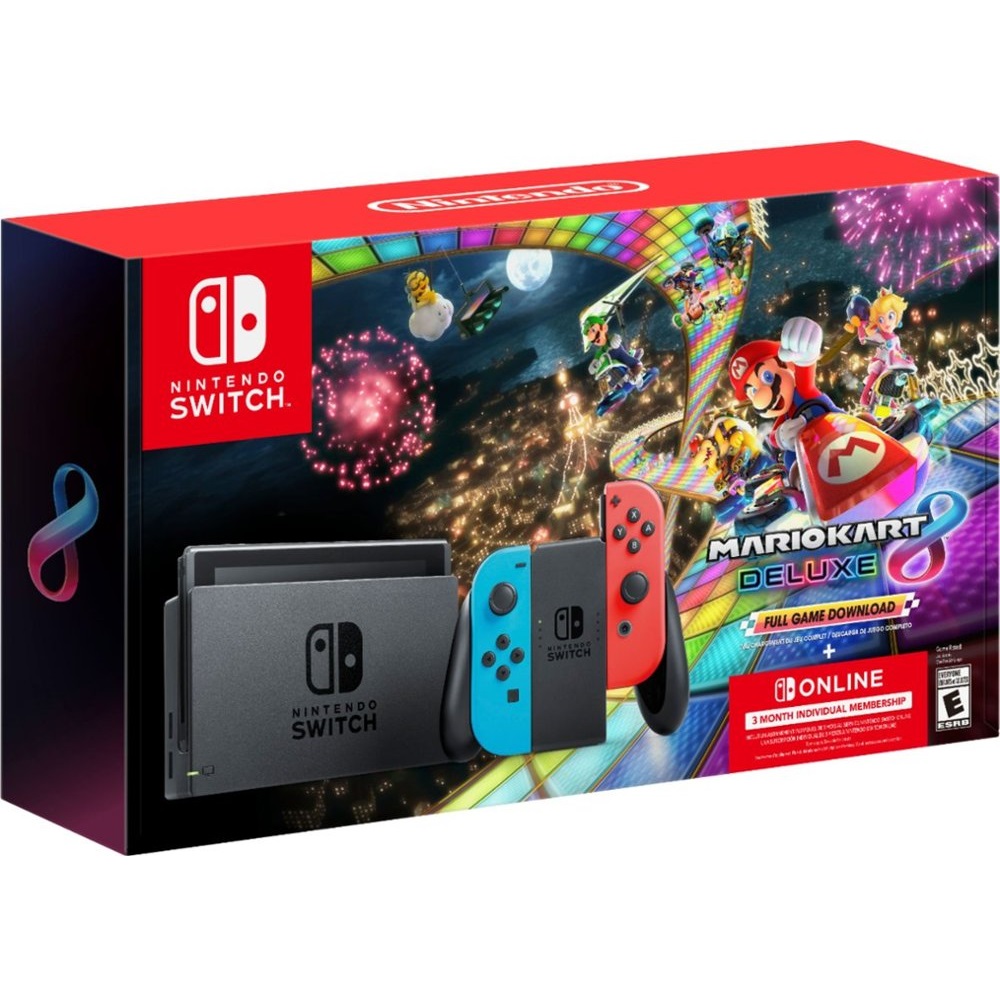
First up, Nintendo will be offering a Black Friday Nintendo Switch bundle that includes Mario Kart 8 Deluxe and a three-month membership to Nintendo Switch Online for $299.99 – that’s a saving of $70.
(Not in the US? Scroll down for deals in your region)
Best Black Friday Nintendo Switch deals:
This is the same console bundle we saw last year, and it sold out fast. Sadly, the Nintendo Switch OLED model won’t be on sale, so expect to pay the full asking price if you’re after the Switch OLED. This offer begins on November 21 and likely won't last until Black Friday officially begins. Nintendo has also warned that it might not be able to meet Switch demand this holiday season.
Nintendo Switch + Mario Kart 8 Deluxe + 3 month Nintendo Switch Online membership:$299.99
Save $70 - Nintendo will be offering the same Nintendo Switch bundle that proved extremely popular during Black Friday 2020. With a saving of $70 and one of the best Switch games included plus online access, there's no doubt this deal will be sought-after again.
Best Black Friday Nintendo Switch game deals:
When it comes to Nintendo Switch games, Nintendo is knocking $20 off select titles, but not all of the best-selling Switch games make the cut. You can expect to see all the games below available for $39.99 from November 21 until November 27:
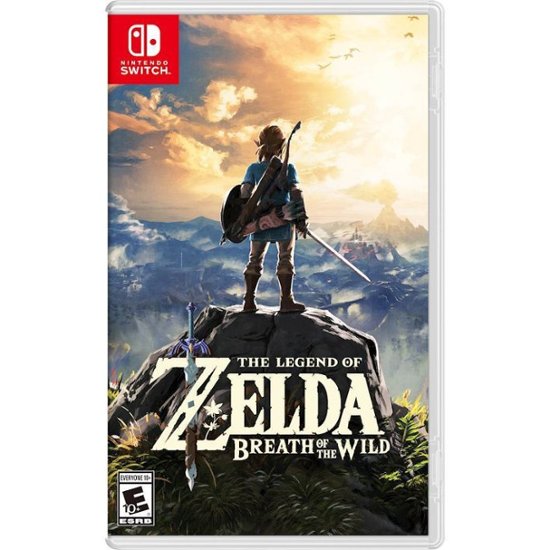
The Legend of Zelda: Breath of the Wild:$63 at Amazon Unsurprisingly, we haven't seen a price drop for Breath of the Wild just yet, but we now know the game will be available for $39.99 from November 21. It's worth waiting, then, before you pick it up.
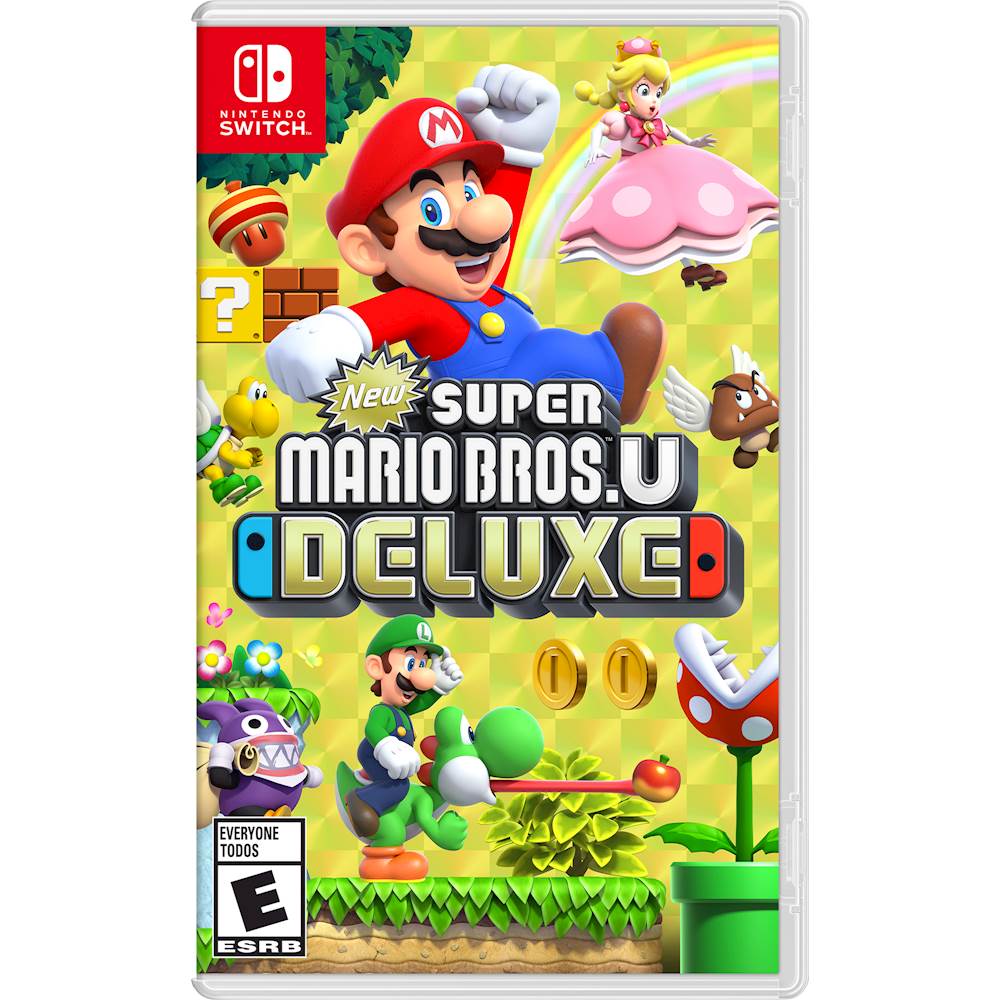
New Super Mario Bros. U Deluxe:$59.99$54.99 at Amazon
Save $5 - Though you can save $5 right now on New Super Mario Bros. U Deluxe, there's no doubt that it's worth waiting until November 21 when the game drops to $39.99. We'd only advise buying this now if you're concerned stock may run out.
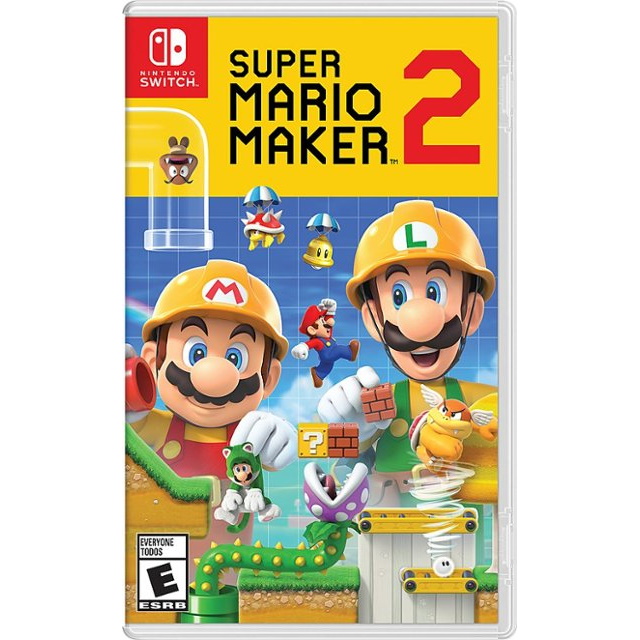
Super Mario Maker 2:$59.99 at Amazon If you've ever wanted to create and try out your own Mario levels, Super Mario Maker 2 lets you bring your course designing dreams to life. You can also try out the courses of thousands of other players if you have online.
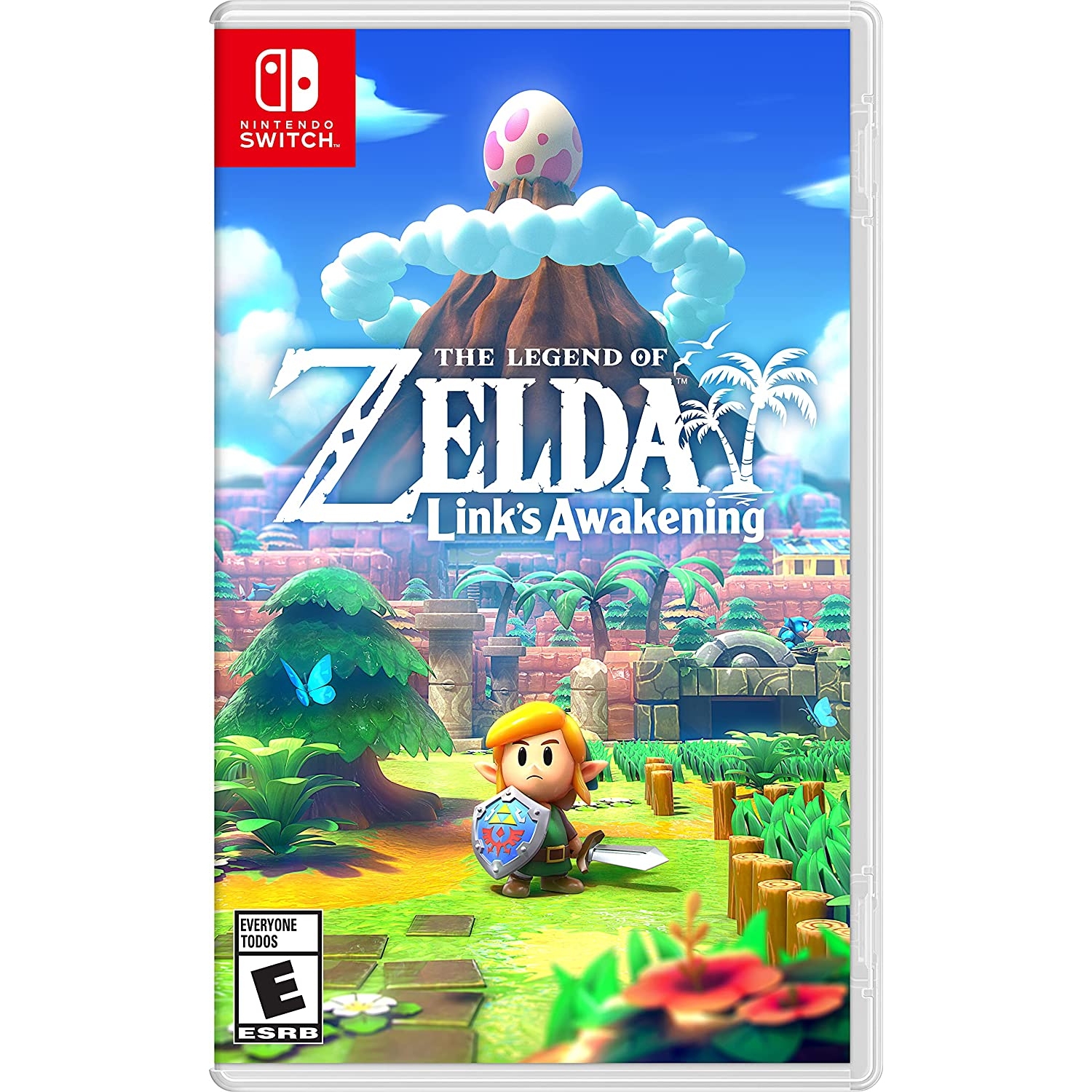
The Legend of Zelda: Link's Awakening:$60 at Amazon This remake of the classic Game Boy title breathes new life into a series favorite. While there's not much in the way of brand new content, the aesthetic overhaul is gorgeous enough to warrant a revisit for veteran players and is a fine Zelda adventure for newcomers, too.
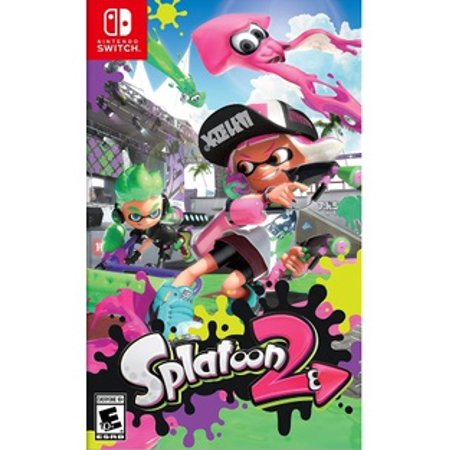
Splatoon 2:$59.99$49.99 at Amazon
Save $10 - It's not much of a discount, but Amazon's offer on Splatoon 2 still beats the likes of Best Buy. If you're not prepared to wait until November 21 when you can get the game for $39.99, this deal may be worth considering. Remember, you'll need a Nintendo Switch Online account to get the most out of this one.
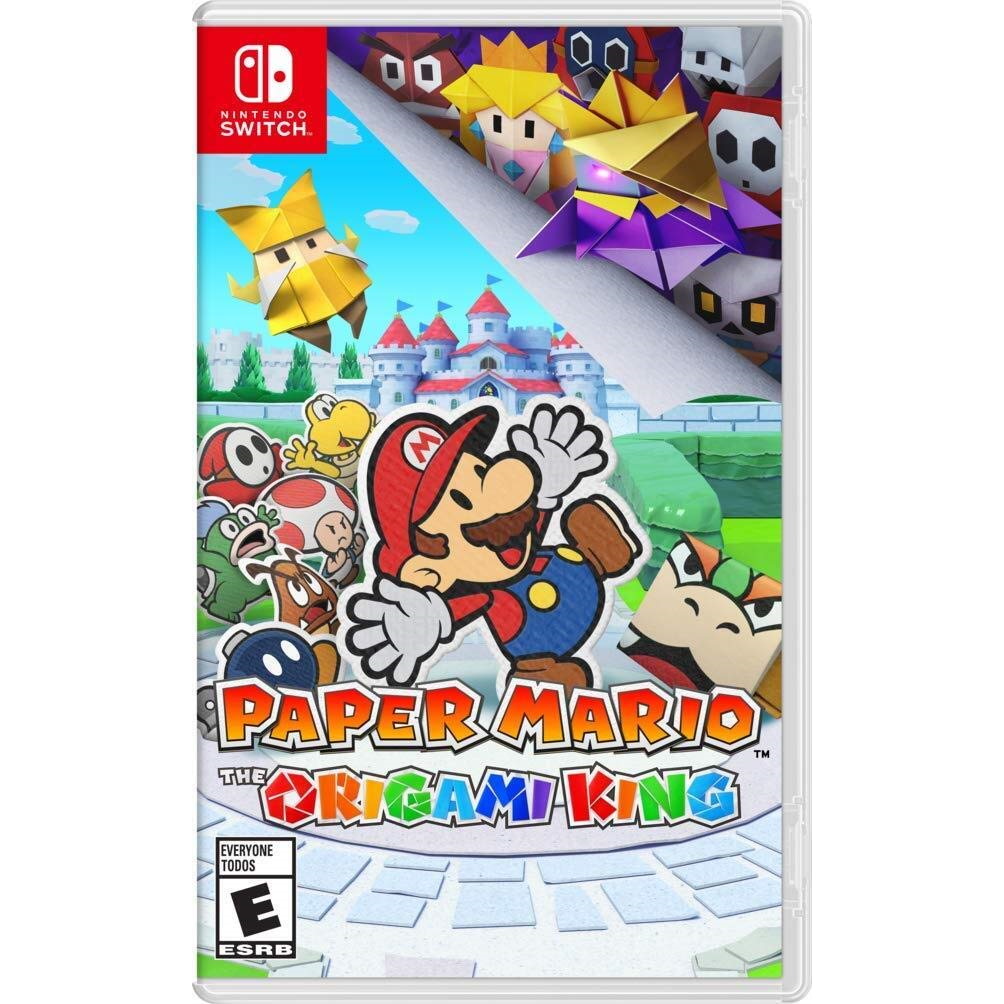
Paper Mario and the Origami King:$34.99 at Amazon This is one of the few Switch games on this list which is worth grabbing today as it's going for cheaper than Nintendo's Black Friday discount.
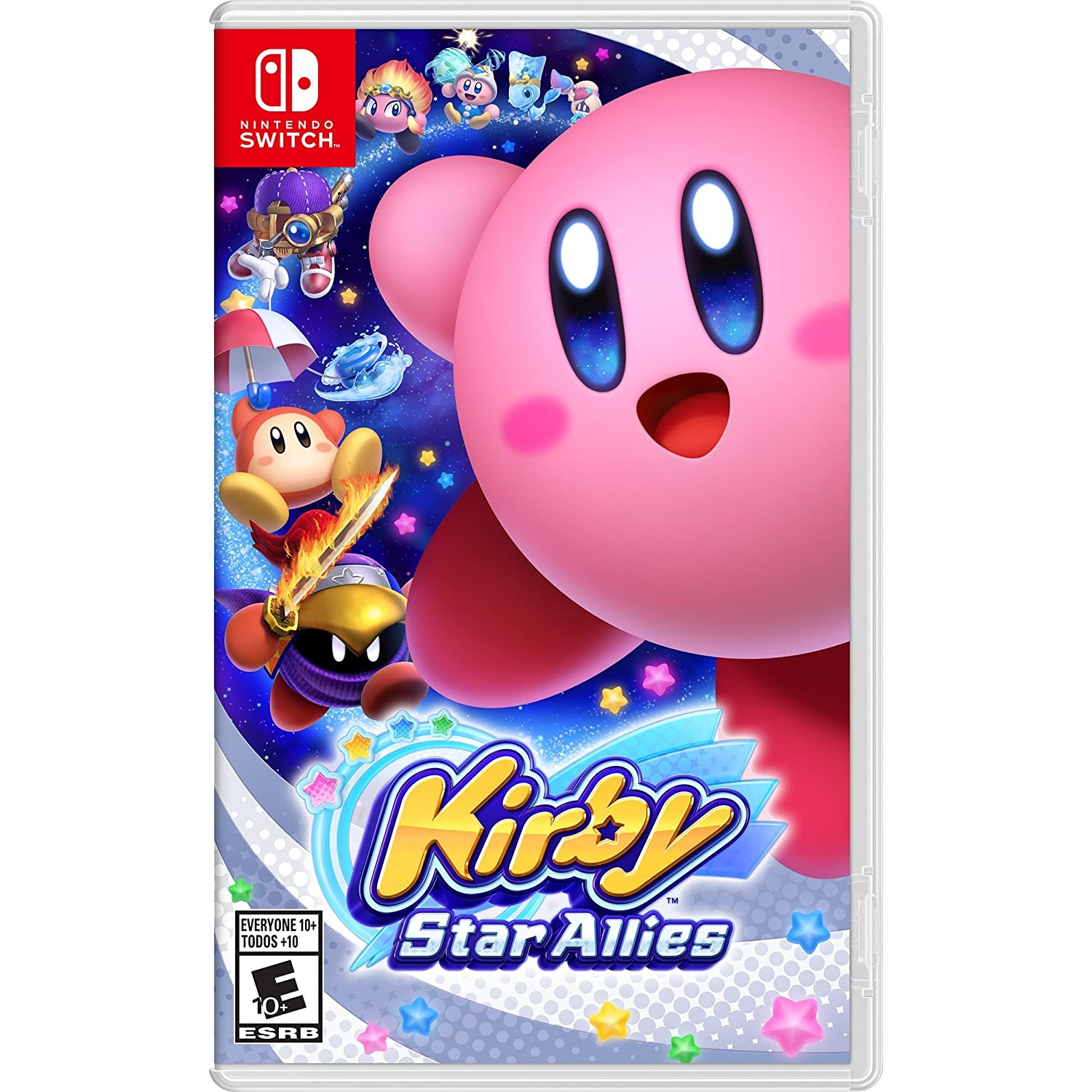
Kirby Star Allies:$59.99 at Best Buy Kirby's first big Switch outing is a simple game with a ton of heart. In classic Kirby fashion, inhale your enemies and turn them into "copy abilities" for Kirby to make use of. With charming, colorful visuals and simple gameplay it's a great gift for kids this Holiday season.
Fire Emblem Three Houses:$60$53 at Amazon
Save $7 - Fire Emblem Three Houses is arguably one of the best games you can buy on Switch. A turn-based strategy game set in a fantasy world, you're tasked with raising a group of students to become warriors in an upcoming war of succession. With superb gameplay and a stunning soundtrack, Three Houses is a must-play for Switch owners.
Astral Chain:$59.99 at Amazon It's rare to see any discounts on Astral Chain, so seeing the game drop to $39.99 will certainly mean more people pick up this hidden gem. Developed by PlatinumGames, this third-person action game oozes style and is a genuine looker on Switch.
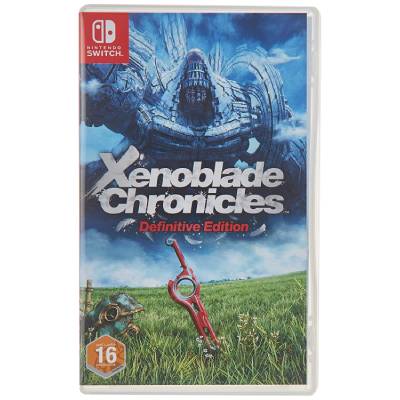
Xenoblade Chronicles Definite Edition:$59.99 at Amazon A loving remaster of the Wii JRPG classic, like Astral Chain, Xenoblade Chronicles Definite Edition is rare to find on sale. It's likely that stock will run out quickly come November 21, so once you see that price drop, act fast.
It’s a shame there aren’t any discounts on Mario Kart 8 Deluxe, Super Smash Bros. Ultimate, Luigi’s Mansion 3, or Pokemon Sword and Shield, but it’s nice to see the likes of Astral Chain in that list.
Best Black Friday Ring Fit Adventure deals:
Nintendo is also slashing the price of Ring Fit Adventure by $25, which means you can pick up the at-home exercise game for $54.99 while stocks last.
Ring Fit Adventure:$79.99 at Best Buy You can pick up Ring Fit Adventure for its usual price at Best Buy right now, but you're best waiting until November 21 when the game will drop to $54.99. If you're worried about stock issues, though, we'd recommend buying it now.
Best Black Friday Mario Kart Live: Home Circuit deals:
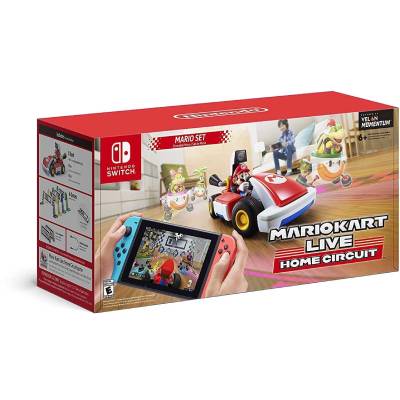
Nintendo’s Mario Kart Live: Home Circuit packs are also being discounted. You can get both the Luigi and Mario sets for $59.99, which is a saving of $40.
Mario Kart Live: Home Circuit:$99.99 at Best Buy If you're prepared to wait, Mario Kart Live: Home Circuit will drop to $59.99 on November 21, which is a saving of $40. This is a great price for an item which is sure to brighten up any Christmas day.
More Nintendo Switch deals
No matter where you live, you'll find all the lowest prices for the Nintendo Switch from around the web right here, with offers available in your region.