This purchase (which cost the telecommunications giant a cool AU$250 million) is part of a two-pronged approach at bolstering its status in Australia against its major competitor, Telstra.
The other prong of this strategy is the introduction of new virtual telco Gomo – a budget mobile provider that Optus' parent company, Singtel, has been running in Singapore since 2019 and is also available in the Philippines, Indonesia and Thailand.
The good news, for both new and existing Amaysim customers, is that it will remain a standalone brand and "customers will continue to benefit from Optus’ premium, nationwide network".
Given the extra power behind Amaysim now, we can likely expect it to present a more affordable alternative to Optus' more premium plans, much the same way Virgin Mobile did previously.
While this means we're unlikely to see 5G connectivity with Amaysim in the immediate future, we expect it to continue offering affordable SIM-only options with decent data inclusions, no lock-in contracts, and the occasional promotion for new and existing customers.
As mentioned, the other element in Optus' new mobile strategy is the launch of Gomo in Australia, and although the telco presently only has one available prepaid plan, it offers a solid balance of data and cost with a great introductory offer. Here's more details on exactly what's included:
This prepaid subscription plan from Gomo nets you 18GB of data and unlimited international calls (to 15 select destinations) for just AU$25 per 30 days. You'll be able to roll over unused data each month, up to a massive total of 200GB, and you can purchase a 5GB data booster for AU$5 via the app. Until Feb 21, new customers can get the first month for just AU$10, and if you purchase three months you'll get the next three for free.View Deal
What is VRR? It’s one of many acronyms floating around TV functionality these days, but you’ll want to get your head around it to make sure you’re fully informed when buying a new TV – especially if you’re going to be using it to play on an Xbox Series X / Xbox Series S or PS5.
VRR, or ‘variable refresh rate’, as it’s known, is a key feature for getting a smooth, artefact-free picture when gaming – ensuring a clean image for both offline and competitive games.
But how does it work, and how much does it actually make a difference? You’ll find all the answers in the guide below.
What is VRR?
The main job of VRR is to eliminate screen tearing when playing games. Tearing is a kind of visual glitch, where the image on your TV shudders mid-frame before carrying on as before. But what is actually going on here?
Screen tearing happens when your TV’s refresh of its image is out-of-sync with the rate at which your console or PC graphics card delivers frames. You end up with an on-screen image that sees, for example, the top half of the screen display one frame and the bottom the next.
This happens because TVs don’t refresh their entire screen image instantly. The driver of a display rapidly scans down the screen, usually from top to bottom, updating the state of each pixel. It just happens too fast for our eyes and brains to notice, until it causes a visual aberration.
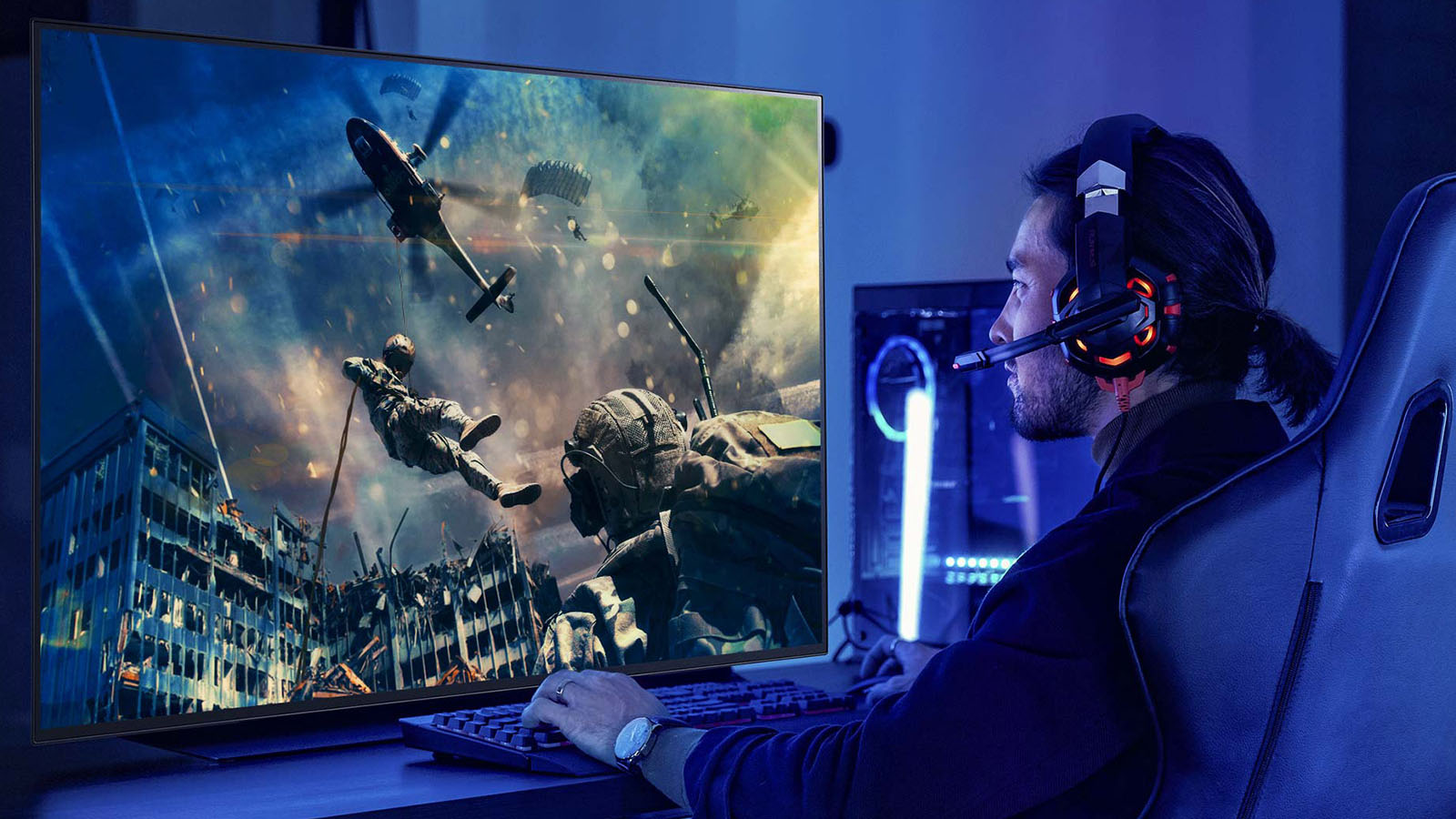
Tearing becomes noticeable when, for example, you use a 60Hz TV and the game’s framerate vacillates between 45fps and 60fps. It’s particularly obvious in fast-motion games like first-person shooters. Turn around quickly in-game and the difference in on-screen information can be hugely different from one frame to the next.
It’s a jarring look.
VRR eliminates this by syncing the refresh rate of the display to that of the console’s output. You get no more tearing, with no performance hit because the console or PC is the pace-setter, not the display.
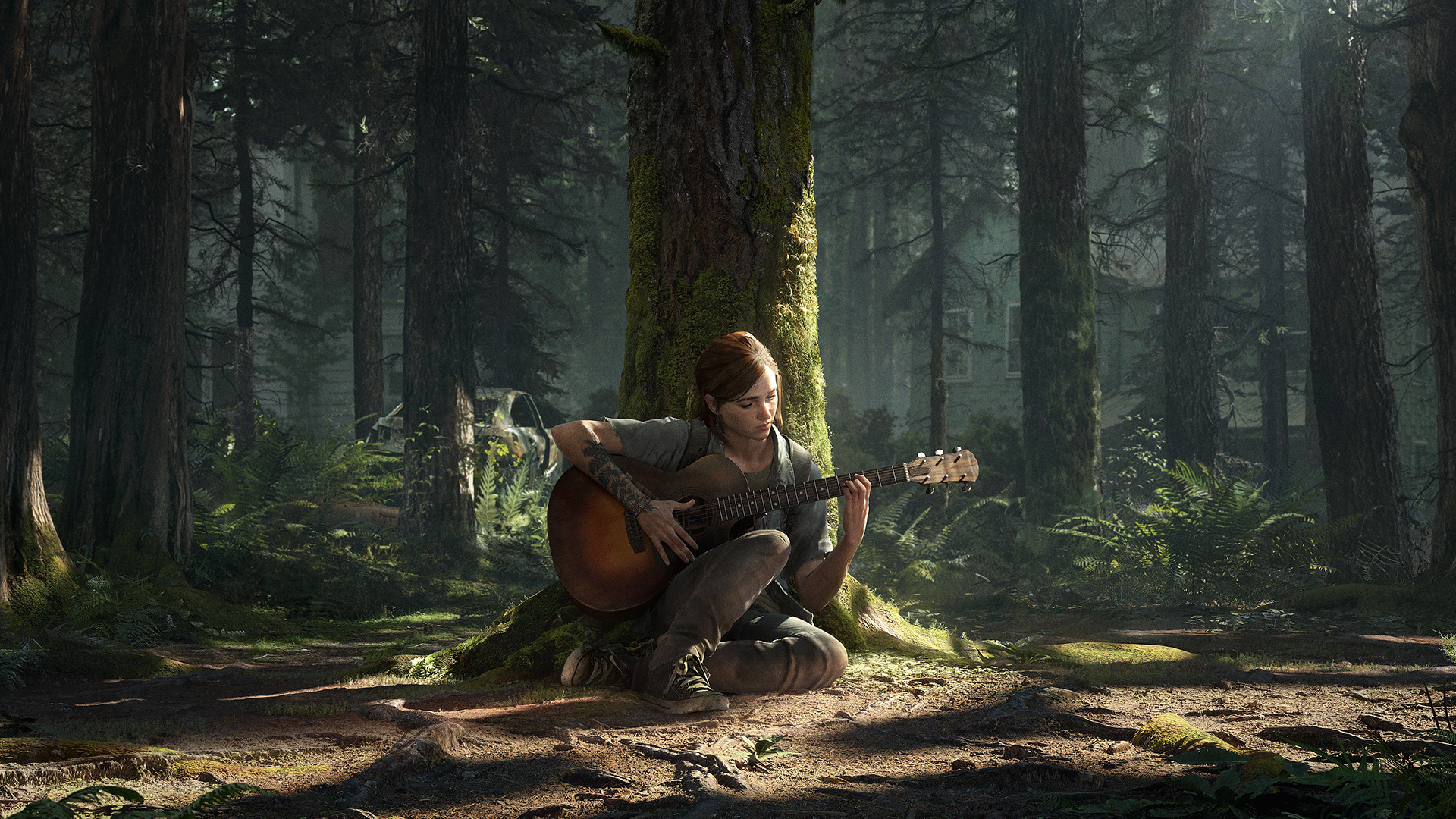
The Last of Us Part II (PS4)(Image credit: Sony/Naughty Dog)
VRR over HDMI 2.1
This concept of matching display refresh to rendered frames in nothing new, but the tech levelled up recently and became far more accessible.
VRR is now part of the HDMI 2.1 standard – that also supports eARC – and is a feature of the next-gen Xbox Series X, Series S and PS5 consoles.
Frame sync is no longer just for PC gaming nerds – and VRR supports resolutions up to 4K and frame rates up to 120fps, which is the current ceiling of what these consoles and the most popular TVs can output.
VRR via HDMI 2.1 is an important standardization of the process, because before this we had to rely on G-Sync and FreeSync instead. They are the proprietary techniques from Nvidia and AMD, and arrived long before HDMI 2.1. While you do get G-Sync on LG OLED TVs, for example, it’s not as widespread across smart TVs as VRR.
VRR support: which TVs, graphics cards and consoles have it?
OK, so we already know the latest Sony and Microsoft consoles support VRR. But what else does?
Perhaps surprisingly, the Xbox One S and Xbox One X do too. They use AMD FreeSync, because they have AMD graphics processors, but have also been updated to support VRR over HDMI.
The most tech savvy among you may wonder how that’s possible when the Xbox One X and One S are not HDMI 2.1 consoles.
Here’s where things get a little more confusing. HDMI 2.1 is not a single standard, but a collection of technologies. It’s a little like 5G in that respect. Some HDMI 2.0 devices support VRR over HDMI, but the lower bandwidth of HDMI 2.0 means it works at up to 60Hz rather than 120Hz in the Xbox One X.
This HDMI fragmentation is also why some of the latest HDMI 2.1 TVs don’t support VRR: it is not a given just because you have an HDMI 2.1 socket. It will be less of a headache by the end of 2021, when VRR over HDMI will likely become a standard feature of mid-range TVs and higher.
But as it’s a patchwork of support right now, here’s an overview of which of the most popular high-end TV and console/GPU series support VRR.
LG OLED CX/GX range: HDMI / FreeSync Premium / G-Sync
LG OLED BX range: HDMI / FreeSync Premium / G-Sync
Sony OLED A8: N/A
Panasonic HZ2000: N/A
Panasonic HZ1000: N/A
Samsung Q90T/Q95T: HDMI / FreeSync Premium
Samsung Q80T: HDMI / FreeSync
What does this tell us? Top-end Samsung and LG TVs are easily the best around in terms of catering for the features of the next-gen consoles.
However, there are some other complicating factors.
LG CX OLED (2020)(Image credit: LG)
Problem one: refresh rate range
Each VRR-capable TV or monitor has a working range, the variety of refresh rates at which it can operate while using VRR. This is typically something like 40-120Hz, as in the wonderful LG CX OLED.
This means it will not work for games that massively prioritize visual quality over frame rate, and aim for 30fps performance. However, there is a solution.
Some VRR displays have a feature called LFC (low framerate compensation). This makes the screen refresh at double the rate of the rendered frames. So they remain synced, but the TV works twice as hard.
It’s important because while the Xbox Series X and PS5 are marketed as ‘120fps’ consoles, 30fps games will likely live on. Why? By aiming for a lower frame rate, and perhaps even sub-4K resolution, developers can use more of a console’s power for advanced ray tracing lighting, texture or shadow effects. They will likely improve immersion more than a high frame rate in slower-paced adventure games.
Problem two: AV receivers
We have bad news. You may also need to upgrade your home cinema receiver if you have a traditional surround sound setup, as it needs to support VRR as well. And unless you have a brand new receiver, it almost certainly doesn’t right now.
Thankfully, there’s a workaround.
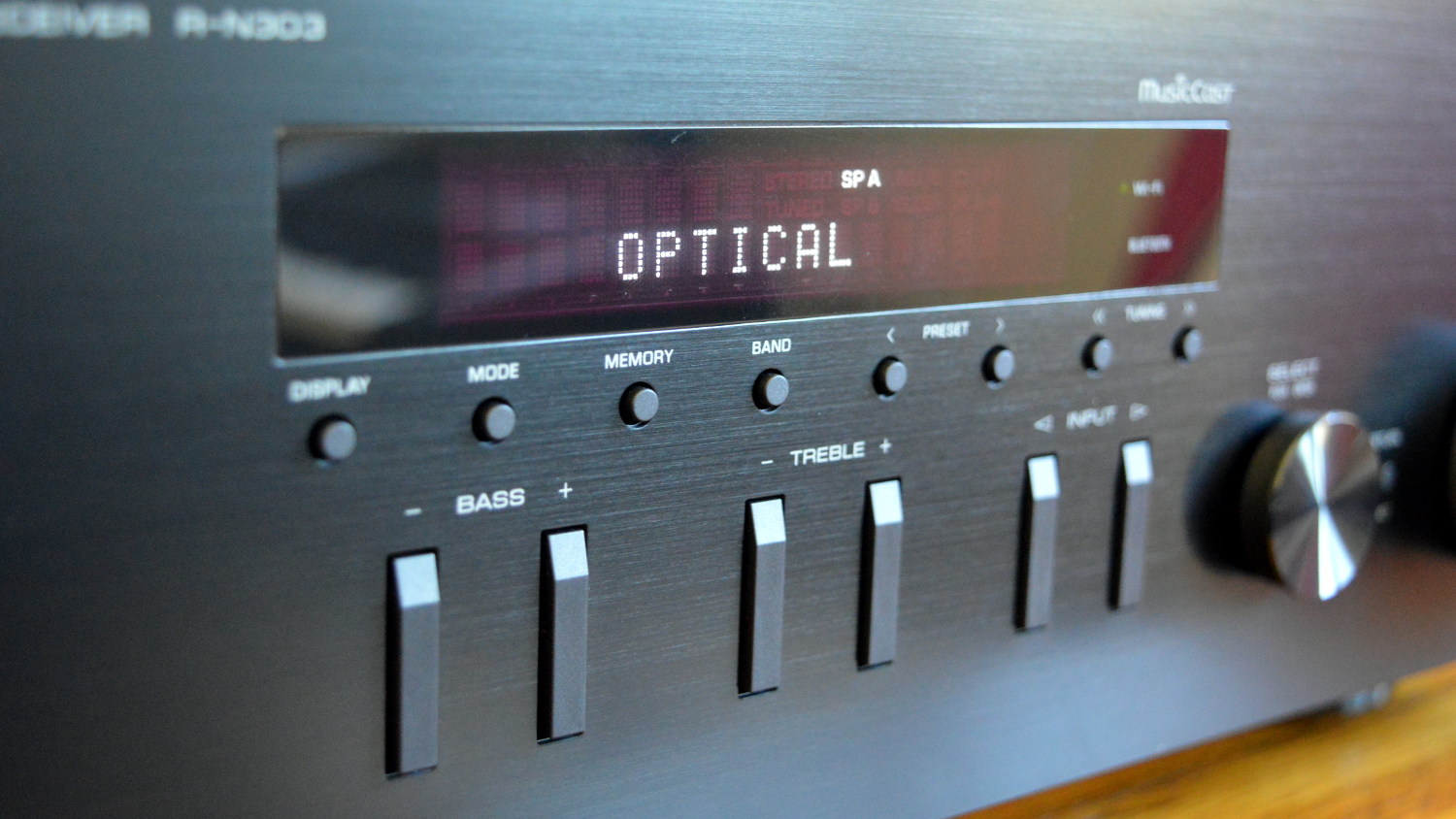
You can connect your PC or game console directly to your TV, and use either the TV’s optical audio output or an ARC or eARC-enabled HDMI socket to send the audio to your receiver.
ARC and eARC then turn one of your TV’s HDMI inputs into an audio output.
eARC (enhanced audio return channel) is the better of the two. Its higher bandwidth connection allows for pass-through of very high bit-rate formats like Dolby TrueHD and DTS-HD.
(Image credit: TechRadar)
Wait, what about FreeSync, V-Sync and G-Sync?
To fully understand why VRR over HDMI 2.1 is special, it’s a good idea to look back to the precursors of this technology. Let’s start with V-Sync, the original solution to the image tearing problem.
V-Sync flips things around by making the graphics processor work at the speed of the display’s refresh rate, which would traditionally have been 60Hz. The graphics processor times its delivery of frames to match the display’s ability to draw them.
Tearing is solved, but similarly jarring visual issues pop up if the renderer speed can’t match the pace of the display refresh. You’ll see points where the same frame is displayed twice or more in a row, resulting in judder caused by what is an intermittent halving (or quartering) of the frame rate.
This was addressed with Adaptive V-Sync, introduced by Nvidia in 2012. It simply switches off V-sync when your frames-per-second count dips below the refresh rate of the monitor.
Neither of method was ideal, leading to the introduction of Nvidia G-Sync in 2013 and AMD FreeSync in 2015. These are very similar to the VRR implementation in HDMI 2.1, making the screen alter its behaviour rather than the PC.
VRR's OLED problem
Now we’ve given you some idea of the history of this tech, we need to pull back to get you a more technical view on what’s happening behind the scenes. In some senses VRR, G-Sync and FreeSync don’t actually change how much the screen behaves as much as you'd imagine.
Much of the display’s behaviour is still determined by its maximum refresh rate. Let's take a 120Hz TV as an example.
It can refresh its screen image 120 times a second, or once roughly every 8.3 milliseconds. Each interval is a window of time in which the TV can draw an image, and these remain the same regardless of the refresh rate VRR seeks to emulate.
The display simply waits for the frame to be finished and then slots it into one of these 8.3ms windows.
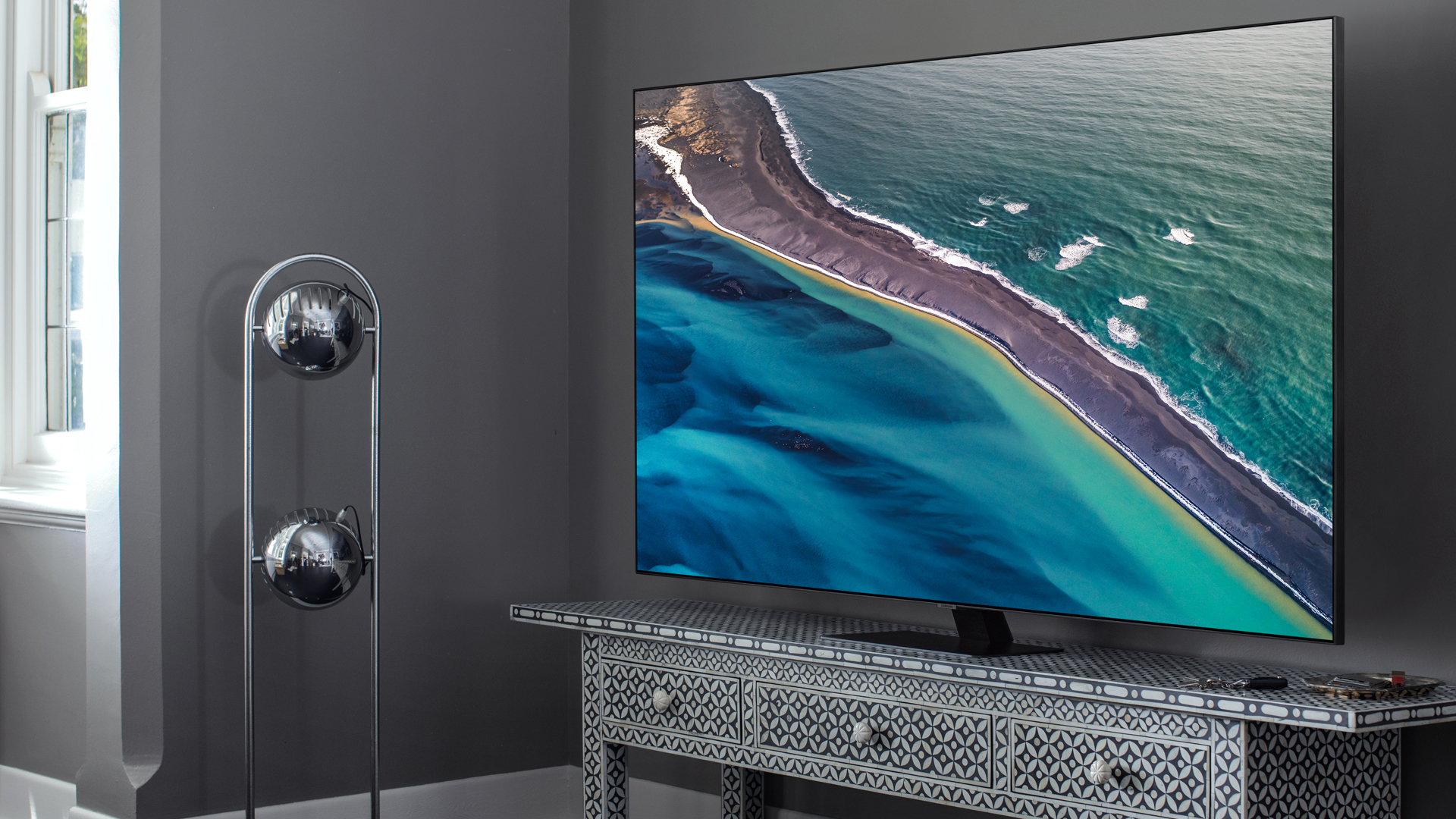
Samsung Q80T QLED TV (2020)(Image credit: Samsung)
There’s no major problem here for LCD TVs, because of how they work. An LCD’s display pixels’ state and the light that illuminates them are somewhat independent. LCDs, including Samsung QLEDs, have LED backlight arrays that sit either behind the pixels or at the sides of the screen.
OLED TVs have light emissive pixels and this seems to affect their performance when using VRR. Here are some impressions from oft-TechRadar writer John Archer, over at Forbes:
“The biggest issue, and one that affects both 2019 and 2020 LG OLED sets, is that when VRR is activated, the image undergoes a brightness/gamma shift that makes dark areas in games look greyer and more washed out than they do with VRR turned off. I’ve seen this for myself recently on an LG OLED48CX.”
Altering the gamma curve could be a technique used to moderate display brightness and avoid the flickering VRR can cause in some panel types. Oh, and some LG OLED owners have complained about VRR-related flickering too.
What does this mean? The perfect OLED TV for VRR gaming hasn’t been made yet. But you can be sure it’s in the works.
Fintech app users may be getting into more trouble than they expected by using free services that sell on their data, a new report has revealed.
Research from security firm ESET found that fintech apps were more likely to sell on user information than services from other sectors, with 50% of consumers saying they did not know what the app did with their data.
This is despite nearly half (42%) of 10,000 global consumers surveyed by ESET saying they used a free fintech application or platform.
The report also found a worrying lack of oversight from consumers when using such apps, with only 31% of people say they read the terms and conditions of a fintech application before downloading it, and only 29% reading the privacy policy.
ESET notes that this is symptomatic of the wider fintech app user base, as it found almost half (48%) of all consumers do not use a VPN, and 42% of consumers said they would log in to their financial applications using a public Wi-Fi network.
Even the users who claimed to be adept at such services (so-called "Fintech adopters" - those who were use four or more FinTech applications) showed a number of shocking security lapses, with 7% not having any security software installed on their devices.
“Protecting consumers’ sensitive and financial data has never been more important," noted Ignacio Sbampato, chief business officer at ESET.
"Financial technology has a role to play on the journey to personal and societal economic recovery, and it is vital that FinTech solutions and their users are adequately protected. Our findings about consumers and their attitudes to data security reveal that many people may be vulnerable to cyber risks, and it is our mission to ensure that technology users’ most valuable information is protected with cutting-edge security software.”
The next big update coming to iPhones around the world will almost certainly be called iOS 15, and we expect to hear all about it at the company's WWDC 2021 conference expected to take place in June this year.
Little is known about iOS 15, but a number of rumors have given us a suggestion of whether your iPhone will be able to download the latest software when it lands - and it differs to iOS 14 compatibility.
Every phone that was capable of downloading iOS 13 was also compatible with the latest iOS 14 software that landed in 2020 before the iPhone 12 series was unveiled. iOS 14.4 is the latest upgrade, and that was made available before the end of January 2021.
But what's the latest we know about iOS 15? We've taken a look at the biggest rumors so far to give you our best knowledge on whether your phone will be upgraded.
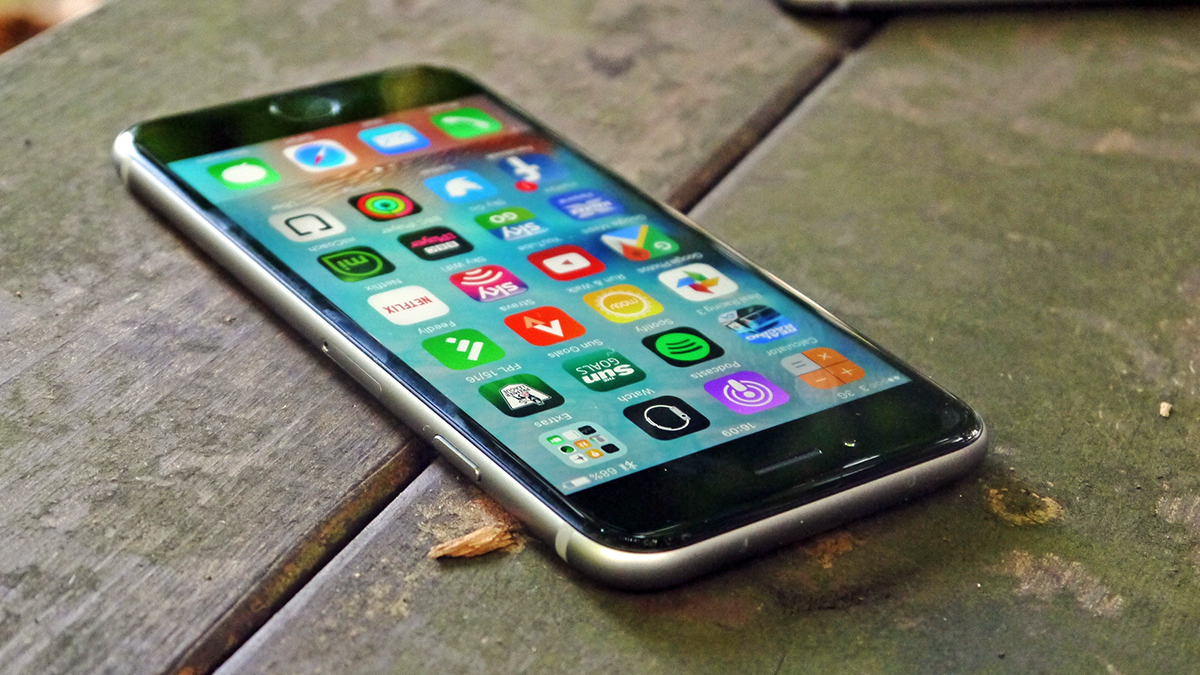
iPhone 6S, iPhone 6S Plus and iPhone SE (2016)
(Image credit: Future)
If you own the iPhone 6S, iPhone 6S Plus or original iPhone SE, you're unlikely to be able to upgrade to iOS 15. That's the harsh truth, and while it isn't yet confirmed we've heard this from at least twosources now.
The iOS 14 upgrade was available on these three devices, but that in itself wasn't expected as many had anticipated Apple would drop support for those devices in its 2020 upgrade.
While this isn't confirmed, it would make sense for Apple to drop support for these older devices as they'll all be over five years old by the time iOS 15 lands and some are even older than that.
The switch to iOS 15 won't mean your phone is useless, but if you're looking for the latest features and security updates you'll want to switch to a more modern smartphone from Apple or an alternative.
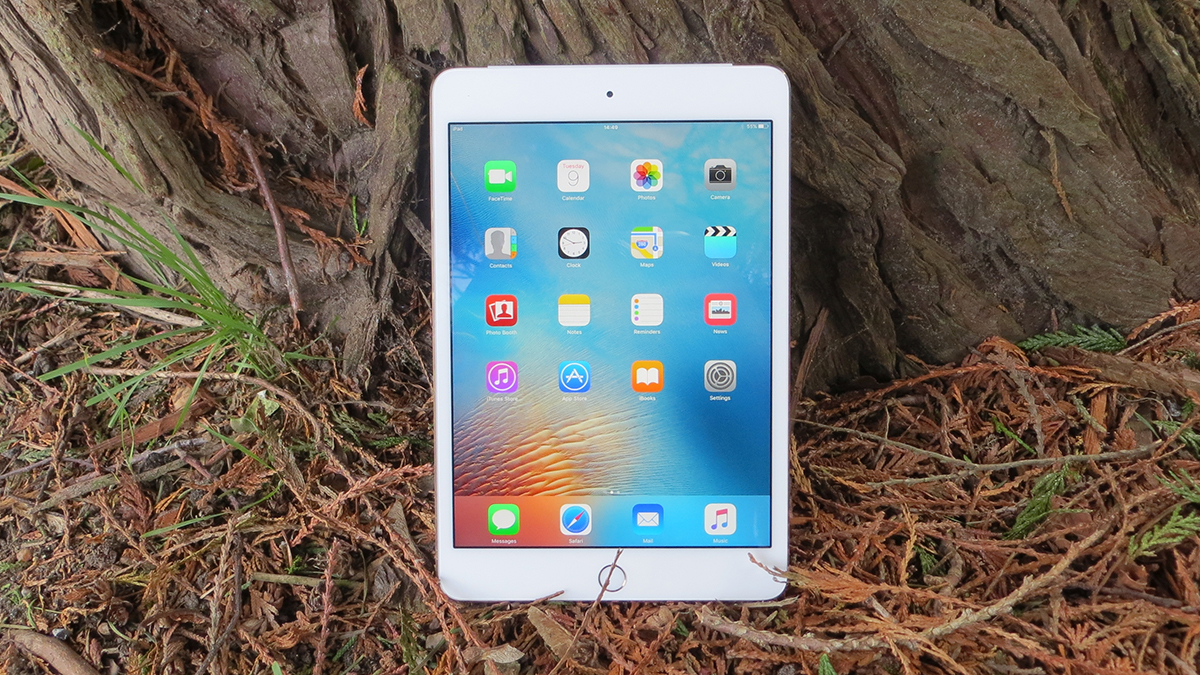
iPad Air 2, iPad (2017) and iPad mini 4
The iPad mini 4(Image credit: TechRadar)
It's also likely these three iPad models won't be able to download iOS 15, or more accurately the company's offshoot software that's likely to be called iPadOS 15, when it lands.
We've yet to hear this specifically from any key sources, but it would make sense for the company to drop the next-gen of its devices from the iOS 15 update so keep an eye out when the iOS 15 details land.
iPhone 7 and beyond
Own an iPhone 7 or a smartphone from Apple released after 2017? It's likely you'll still be supported by iOS 15. There's no gurantee of that at the moment, and we'll have to wait for official confirmation from Apple before we know that for certain.
All of the leaks so far have suggested iOS 15 will be coming to all devices that are older than the iPhone 7 series though so we're inclined to agree with those sources and hopefully it'll be positive news for you.
The recent success of Bridgerton, Night Stalker and Outside the Wire proves that Netflix can more than compete with the likes of Apple TV Plus, Amazon Prime Video and Disney Plus when it comes to original content. Clearly, Netflix's 200 million subscribers worldwide seem to agree.
And there’s plenty more where those came from over the next 12 months. From raucous comedies to reimagined fairytales, here’s a look at 10 of our most eagerly-awaited new shows and films confirmed to be hitting the streaming giant in 2021, including both movies and TV shows.
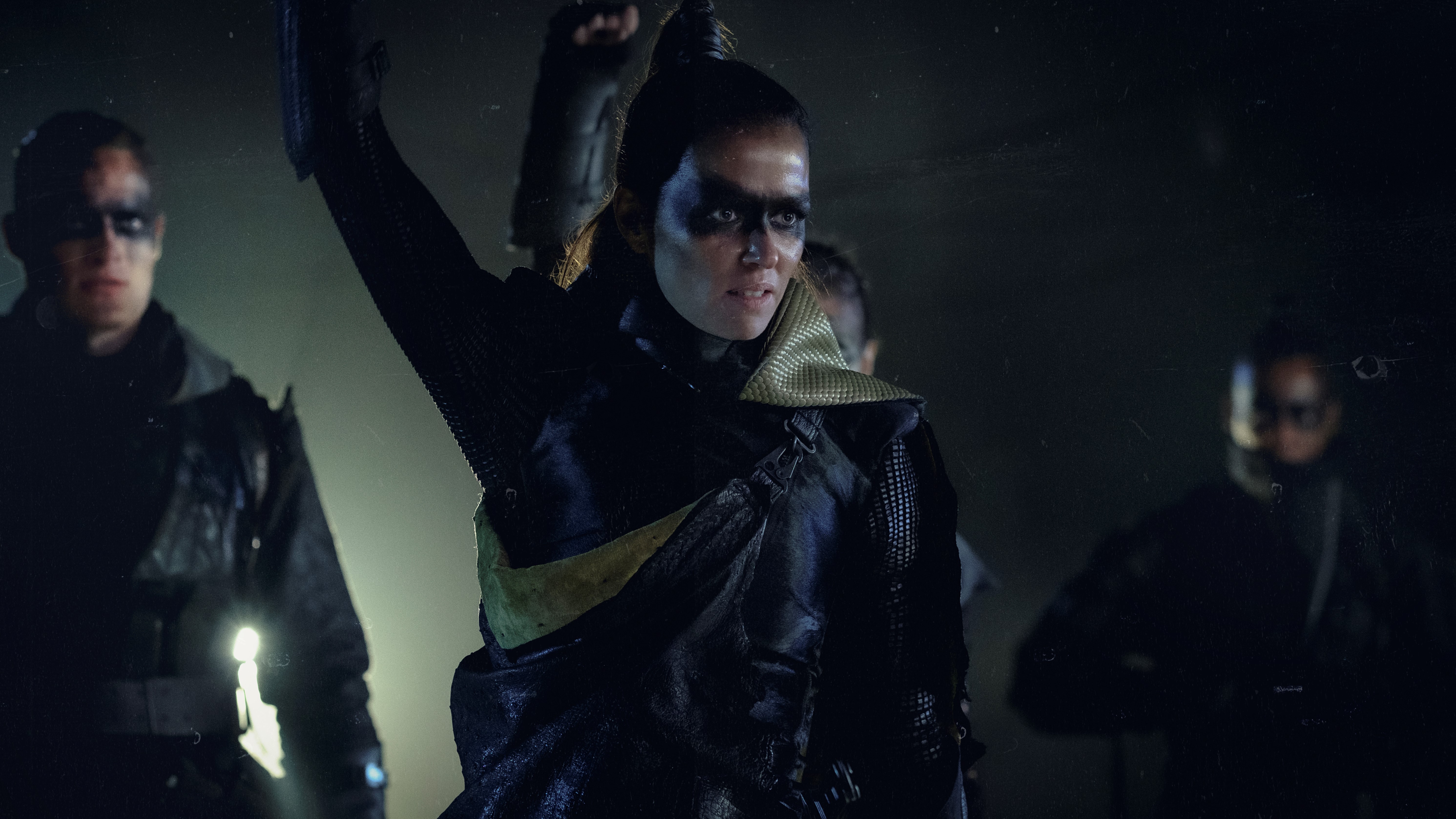
Two of Netflix’s finest European originals, Dark and The Rain, have been firmly rooted in dystopia, so hopes are high for this German sci-fi series set in a post-apocalyptic 2074.
Sharing a production company with Dark, Tribes of Europa sees three peace-loving siblings become embroiled in a deadly war after discovering a mysterious and much-coveted cube. From desolate snow-capped landscapes to villains sporting Mad Max chic, the six-episode series certainly looks the part, while a bilingual script and familiar faces including Game of Thrones’ James Faulkner may well convince a wider audience to get on-board.
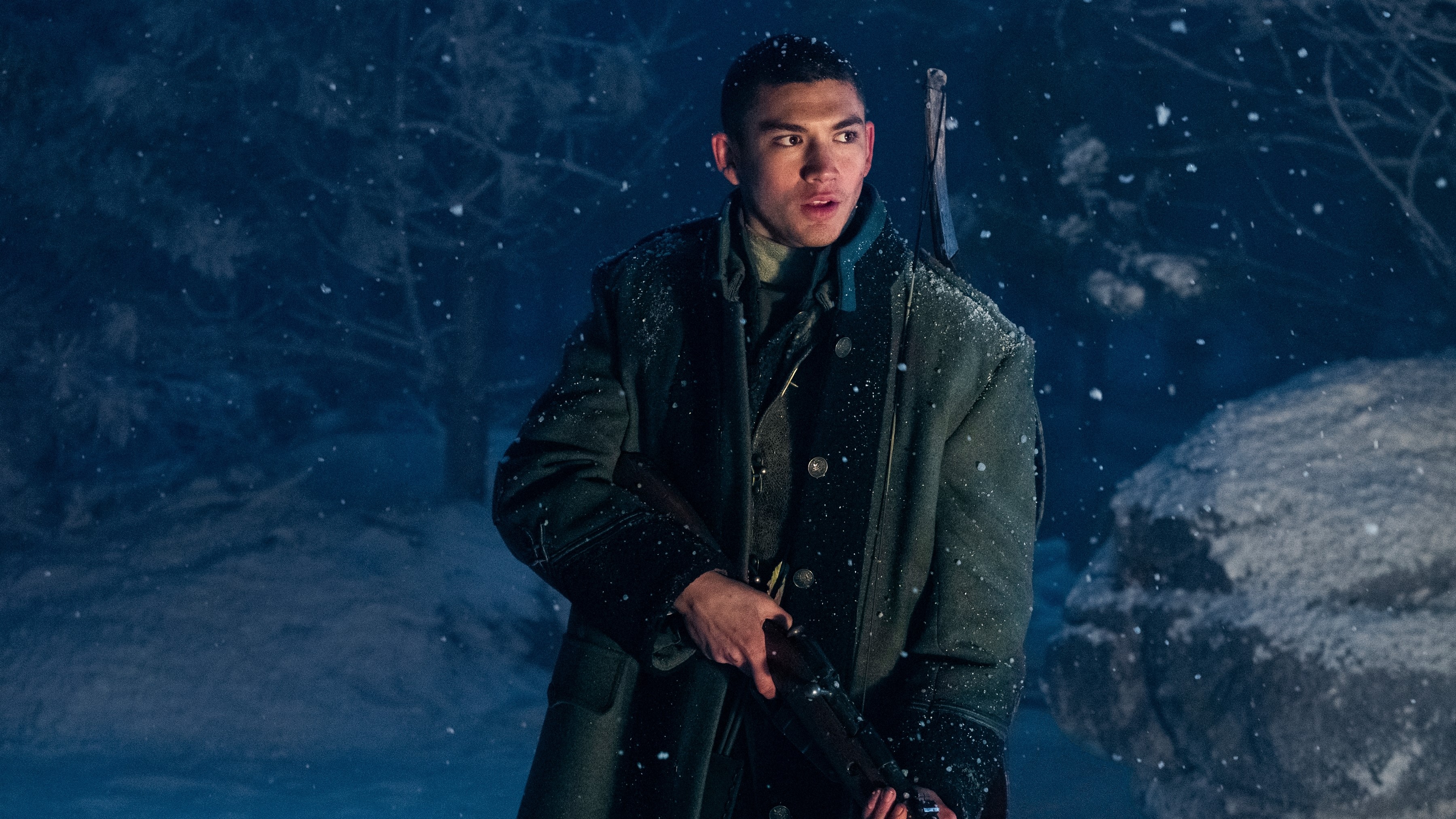
Shadow and Bone
(Image credit: DAVID APPLEBY/NETFLIX)
Release date: April 23
It’s hard enough compacting one series of young adult novels into a TV drama, let alone two. But that’s the task ambitious showrunner Eric Heisserer faces with this epic tale of a newly-discovered superhero’s quest to save her permanently dark world.
In a move that will undoubtedly upset some purists, Shadow and Bone transports the sharp-shooters, spies and soldiers of Leigh Bardugo’s duology Six of Crows into the timeline of her equally successful Grisha trilogy. No stranger to the fantastical, Westworld’s Ben Barnes plays mysterious commander The Darkling, while relative unknown Jessie Mei Li takes top billing as the orphaned teen with the power to summon light.
Clickbait
Release date: TBA
Clickbait is an ever-timely cautionary tale about how our social media personas can impact our real lives. Shot and based in Melbourne, the eight-part thriller revolves around a family torn apart by a mysterious disappearance which appears to stem from the online world. The Big Sick’s Zoe Kazan leads the impressive cast as the sister determined to find out the truth, with Entourage’s Adrian Grenier, Get Out’s Betty Gabriel and Aussie native Phoenix Raei all caught up in the intriguing web of lies. You won't believe what happens next!
Jupiter's Legacy
(Image credit: Frank Quitely/Mark Millar)
Release date: TBA
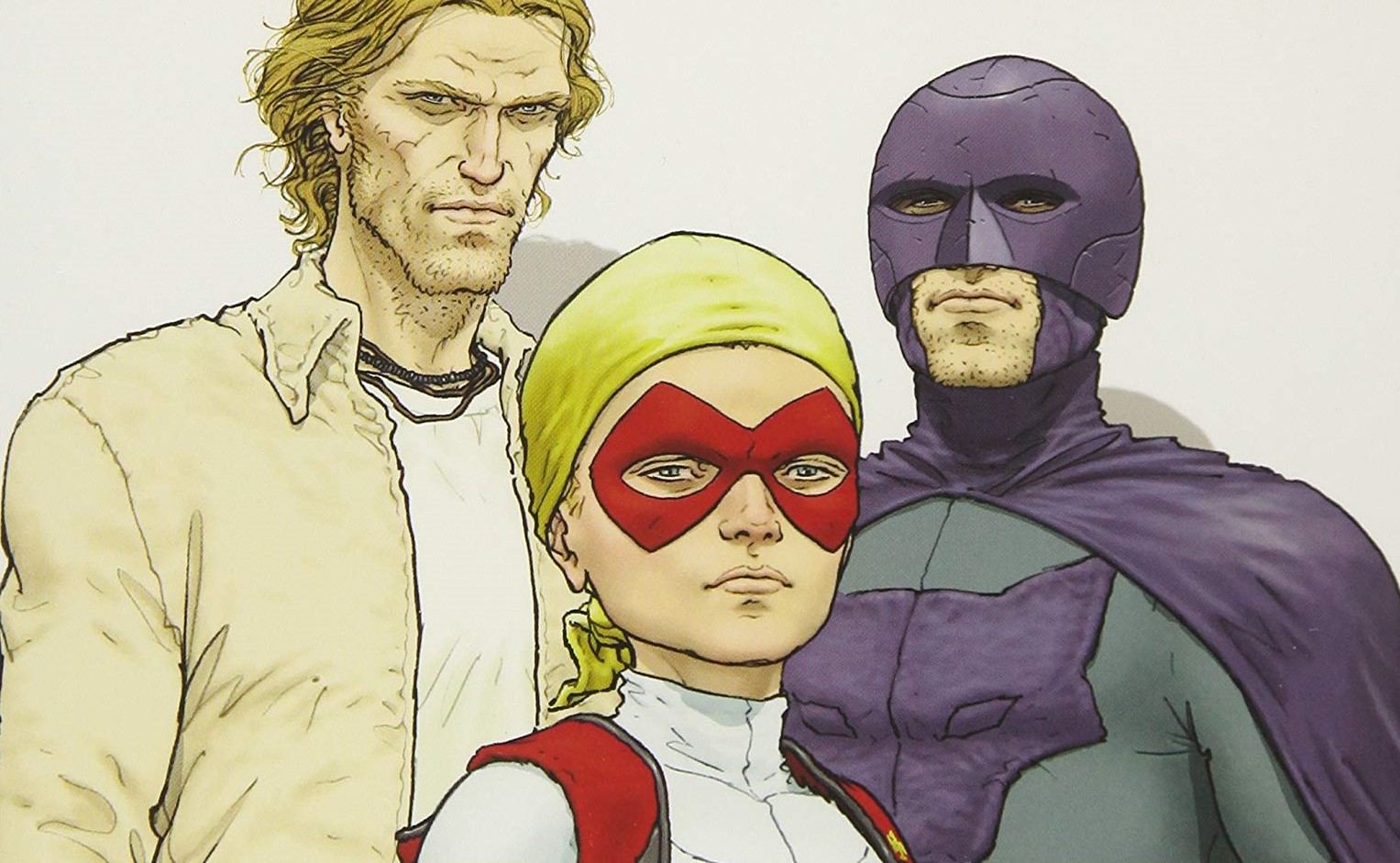
Four years after buying the rights, Netflix should finally enter the Millarworld in 2021 with this adaptation of Frank Quitely and Mark Millar’s acclaimed comic book. Jupiter’s Legacy stars Josh Duhamel and Leslie Bibb as two powerful superhero parents whose children are more interested in cashing in on their fame than changing the world. And their problems continue to pile up when old friend-turned-foe George returns to enact his revenge on their aging gang. Netflix will no doubt be hoping to win back some of the Marvel crowd with this big-budget series, the first two episodes of which Millar claims made him weep with joy.
Don’t Look Up
(Image credit: Netflix)
Release date: TBA
Netflix sure has brought out the big guns for this intriguing tale of two astronomers embarking on the most depressing media tour of all time: to tell the world it’s about to be destroyed by a giant comet. Leonardo Di Caprio and Jennifer Lawrence play the bearers of bad news, while Meryl Streep, Cate Blanchett, Jonah Hill and Chris Evans are just a few of the A-listers providing support. Of course, Ryan Murphy’s The Prom proves that star power doesn’t necessarily equate to greatness. However, we expect director Adam McKay (The Big Short) to make better use of his ridiculously stacked cast.
Pinocchio
Release date: TBA
Stuck in development hell for nearly a decade, Guillermo del Toro’s attempt to bring Pinocchio back to life finally kicked into gear following The Shape of Water’s Oscar-winning success. Unsurprisingly, the monster maestro’s take on the famous fibber is destined to be much more macabre than Walt Disney’s. Co-directed by Mark Gustafson, the stop-motion animated musical is set in the fascist Italy of the 1930s and draws just as much from Frankenstein as it does Carlo Collodi’s classic fairytale. Not one for the kids, then. Yet this labor of love, which sees Ewan McGregor voice The Talking Cricket and Tilda Swinton The Fairy with Turquoise Hair, will no doubt still enchant.
Bad Trip
(Image credit: Netflix)
Release date: TBA
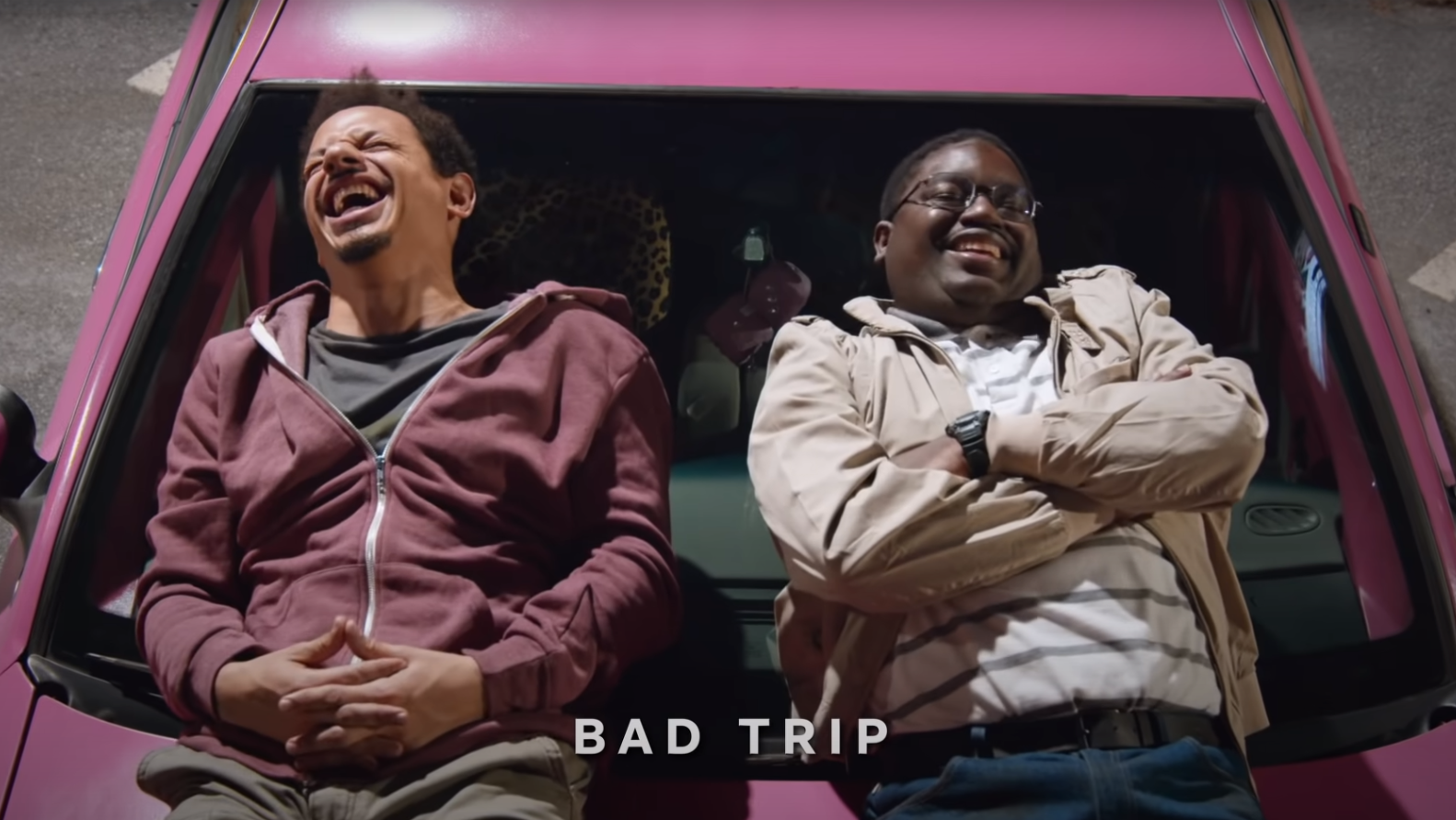
Originally due to hit cinemas and then Amazon Prime, Bad Trip will finally make its screen debut on Netflix later this year. Like Bad Grandpa and Sacha Baron Cohen’s mockumentaries, this long-delayed comedy interweaves a loose scripted narrative – in this case, two Floridian friends head to the Big Apple to track down an old crush – around several real-life pranks played on an unsuspecting general public. Who knows whether anything can top that Rudy Giuliani moment in the latest Borat? But with the host of the brilliantly anarchic The Eric Andre Show in tow, this will undoubtedly provide the absurdist escapism we all need.
Army of the Dead
(Image credit: Clay Enos/NETFLIX)
Release date: TBA
After four years away from the spotlight, Zack Snyder appears to be making up for lost time in 2021. Firstly, there’s that entirely unnecessary four-hour director’s cut of Justice League. But more promisingly, there’s also a revisit to the genre where he first displayed his polarizing visual style.
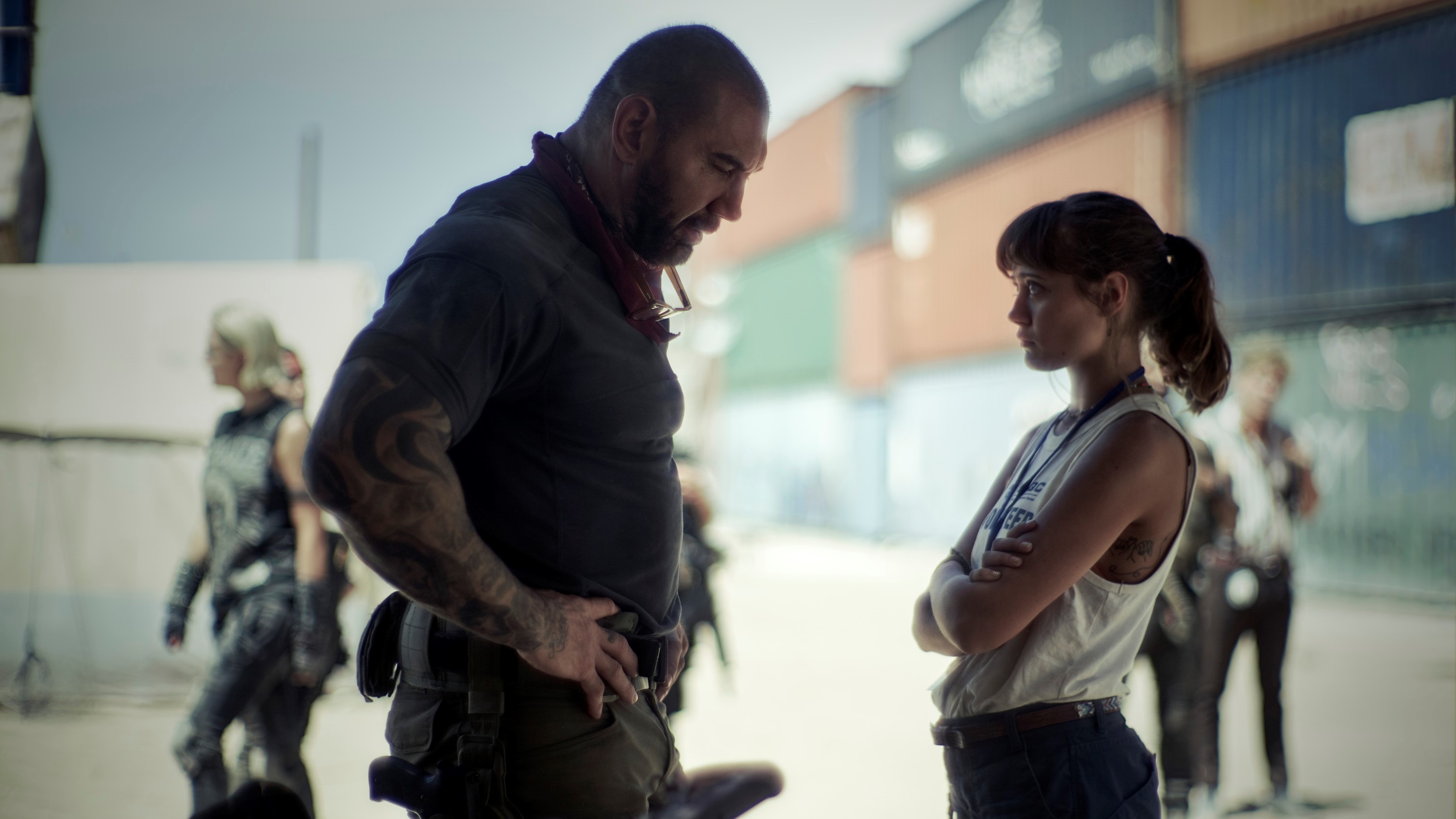
No relation to his 2004 debut Dawn of the Dead, this heist horror sees Dave Bautista front a mercenary gang who decide that a zombie pandemic is the perfect time to rob a Vegas casino. The fact that Netflix have already greenlit a prequel suggests that Snyder may have rediscovered his earlier flesh-eating form.
Escape from Spiderhead
(Image credit: Netflix/trailer)
Release date: TBA
Chris Hemsworth’s first Netflix vehicle, Extraction, remains one of the streaming giant’s most-watched originals. And his second, the near-future sci-fi Escape from Spiderhead, has the potential to rack up similarly impressive viewing figures. In this adaptation of a trippy short story by Man Booker Prize winner George Saunders, the middle Hemsworth and Miles Teller play prisoners who agree to be clinical trial guinea pigs in exchange for shorter terms. But as their emotions become altered and their minds controlled, the convicts soon end up wishing they’d simply played out their sentences instead.
Apollo 10 ½
Release date: TBA
After the relatively conventional Where D’You Go, Bernadette?, Richard Linklater returns to more familiar idiosyncratic territory with an animated coming-of-age film inspired by his Houston childhood. Featuring the voices of Jack Black, Glen Powell and Zachary Levi, Apollo 10 ½ sees the visionary director adopt the same rotoscoping techniques he helped pioneer in the adult-oriented Waking Life and A Scanner Darkly. However, the story – a young suburban boy dreams of training as an astronaut during the excitement of the 1969 moon landing – suggests this will be a much sweeter, if still very singular, sci-fi tale.
This one isn't confirmed for release in 2021, yet, but the live-action part finished filming last year.
Nvidia’s GeForce Now game streaming service has brought in official support for Google’s Chrome web browser, and updated the macOS app to support the new Macs with Apple’s own M1 processor.
Chrome support means you’ll be able to hop in and enjoy game streaming right there and then on any device with the browser, but in the release notes, as spotted by XDA Developers (via Tom’s Hardware), Nvidia clarifies that only Windows and macOS systems are officially supported with Google’s browser.
That leaves Linux gamers in the lurch, potentially, although these users can always give it a shot, as Nvidia notes: “Other platforms may work, but are unsupported.” Still, that situation is obviously better than nothing.
Of course, Chromebook support (meaning Chrome OS, rather than the Chrome browser) was already brought in last year (check out our guide on how to use GeForce Now on a Chromebook).
Nvidia elaborates: “We have also added an easy way for you to create bookmarks and shortcuts to help you launch your favorite games faster. Simply click on a game to open the game details options, and select +SHORTCUT to open a dialog to create a game shortcut on your desktop.”
M1 goodness
The latest update (GeForce Now version 2.0.27) also introduces support for Apple’s Macs powered by the ARM-based M1 chip, which is delivered via the official macOS app. So that’s very handy for anyone who has bought one of these new machines.
Note that some folks have been running GeForce Now in Chrome on Windows systems previously, but unofficially – and the official launch represents a fully optimized incarnation. That’s good news in terms of responsiveness, and avoiding lag with your game streaming, of course.
Tom’s gave GeForce Now a spin on Chrome with a Windows 10 machine, and found it runs slickly, giving you an experience pretty close to that of the native app. Some settings are missing, though, including the ability to drop the frame-rate (to 30 fps) and the option that compensates for ‘poor network conditions’.
For those kind of reasons, it is worth using the native GeForce Now application if you can, but the option to simply fire up Chrome and just jump straight in is obviously a useful one to have.
The iPhone 12 range has been heralded as the start of a new era for Apple’s famed smartphone family. But is it really such a leap forward?
Perhaps the best way to answer that question is to pitch the iPhone 12 against the iPhone 11 in a straight face-off. Not only does one directly follow the other, but they’re thought to be one of the best selling Apple phones from their respective years.
Add in the fact that Apple still sells the iPhone 11 as new, and this comparison becomes all the more pertinent. Below we'll talk you through everything we've learned about these two phones during our reviews process so you can make a decision which is for you.
The iPhone 12 became available for purchase on October 23, 2020. Prices start from $799 / £799 / AU$1,349 for the 64GB model, moving up to $849 / £849 / AU$1,429 for 128GB, and $949 / £949 / AU$1,599 for the 256GB model.
Its predecessor, the iPhone 11, landed on September 20, 2019. At launch, prices started at $699 / £729 / AU$1,199 for 64GB, increasing to $749 / £779 / AU$1,279 for 12GB and $849 / £879 / AU$1,449 for 256GB.
However, we’re a year on now. As mentioned above, the iPhone 11 is still available to buy brand new in all three storage capacities, but prices are much lower than before.
You can currently pick up the 64GB model for $599 / £599 / AU$999, the 128GB model for $649 / £649 / AU$1,079, and the 256GB model for $749 / £749 / AU$1,249.
This gives the iPhone 12 quite a task. Can it justify the additional expenditure of $150 / £150 / AU$270 over its still-relevant predecessor?
Design
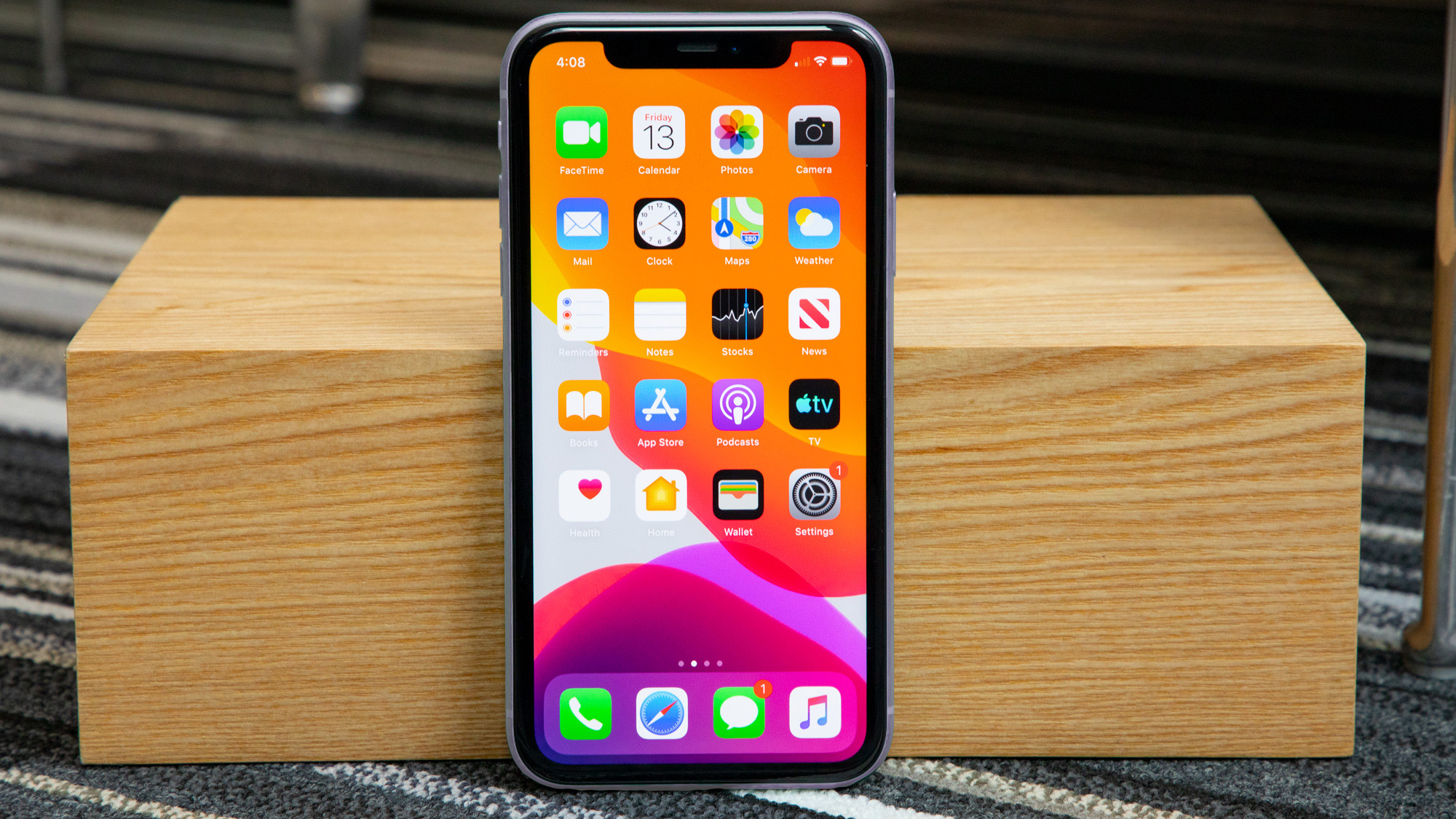
We weren’t hugely enamored with the iPhone 11 design when it arrived on the scene. There was a sense that we’d seen it all before – which we had (or most of it, at any rate) with the previous year’s iPhone XR.
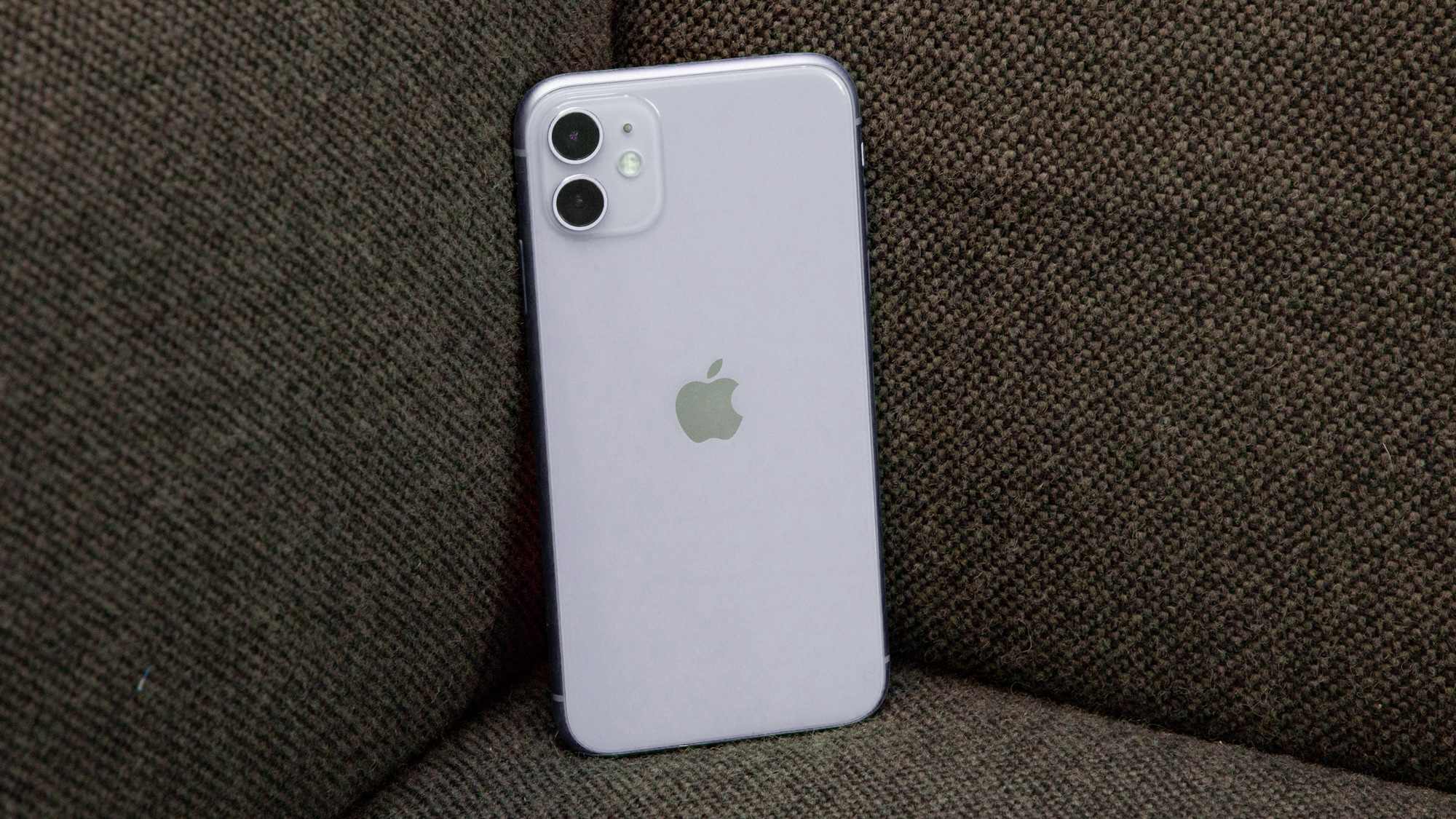
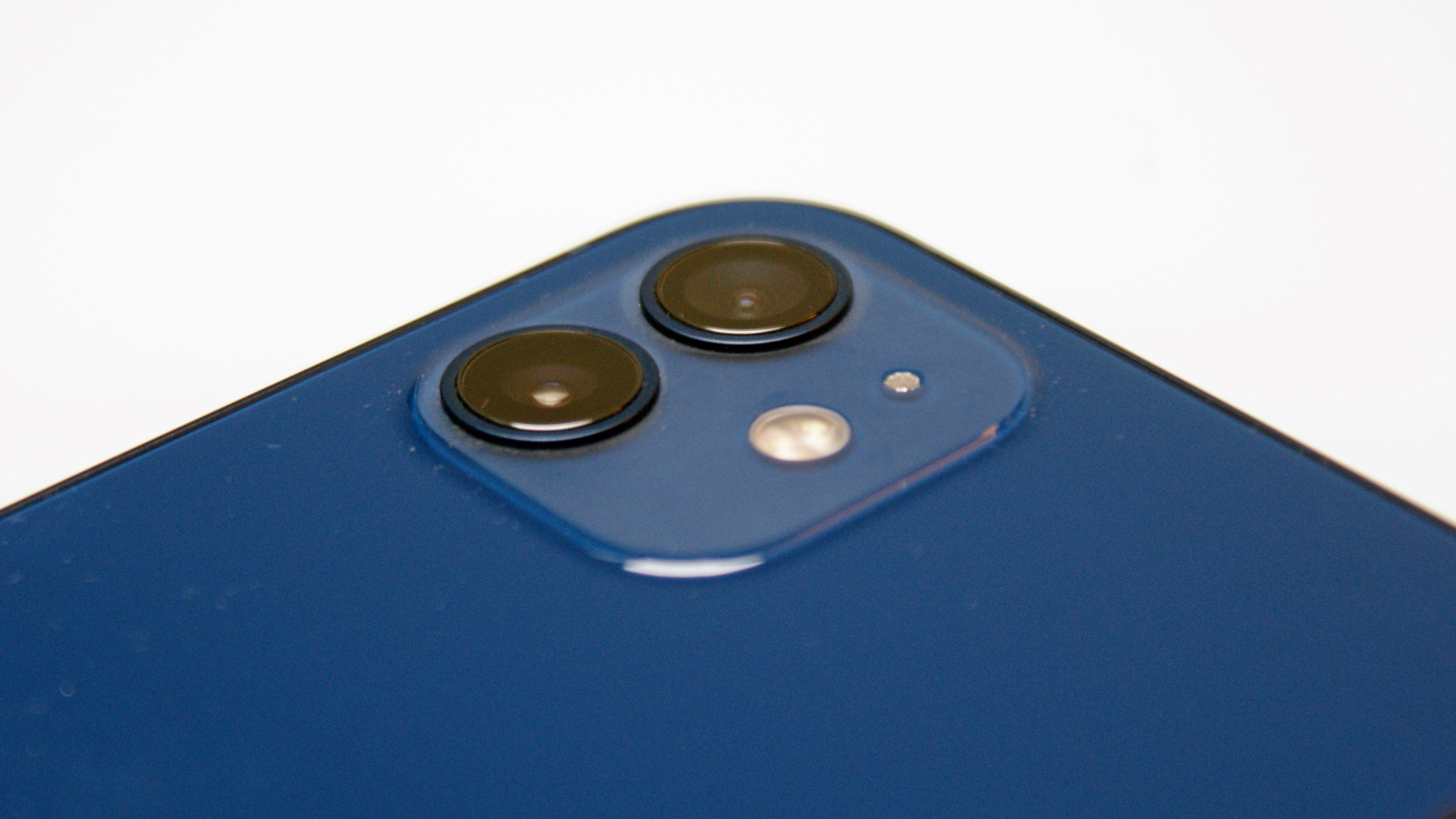
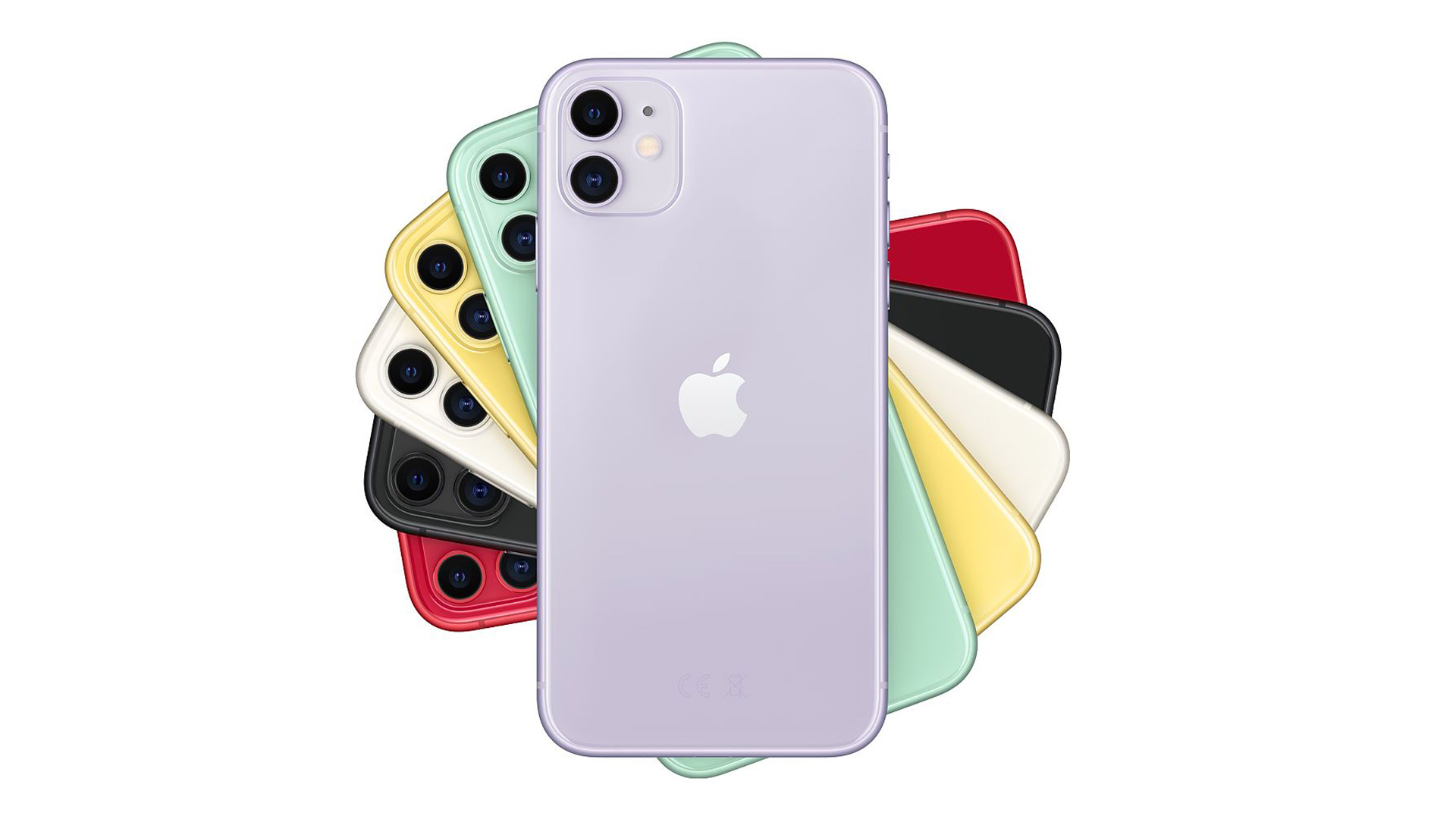
The iPhone 11 essentially followed the same blueprint, albeit with a few differences. It’s available in fetching new colors of mint green, lilac and lighter yellow shades, which join the Product (RED), black, and white variants. The back of the phone is slightly cleaner than before, but with a rather obtrusive new camera array that also appears on the iPhone 12.
The iPhone 11’s is a premium-feeling phone, featuring the same balance of glass surfaces and aluminum body as its newer sibling. But it’s a chunky bit of kit at 150.9 x 75.7 x 8.3mm and 194g – certainly compared to the iPhone 12, which measures just 146.7 x 71.5 x 7.4mm and weighs 164g.
Image 1 of 2
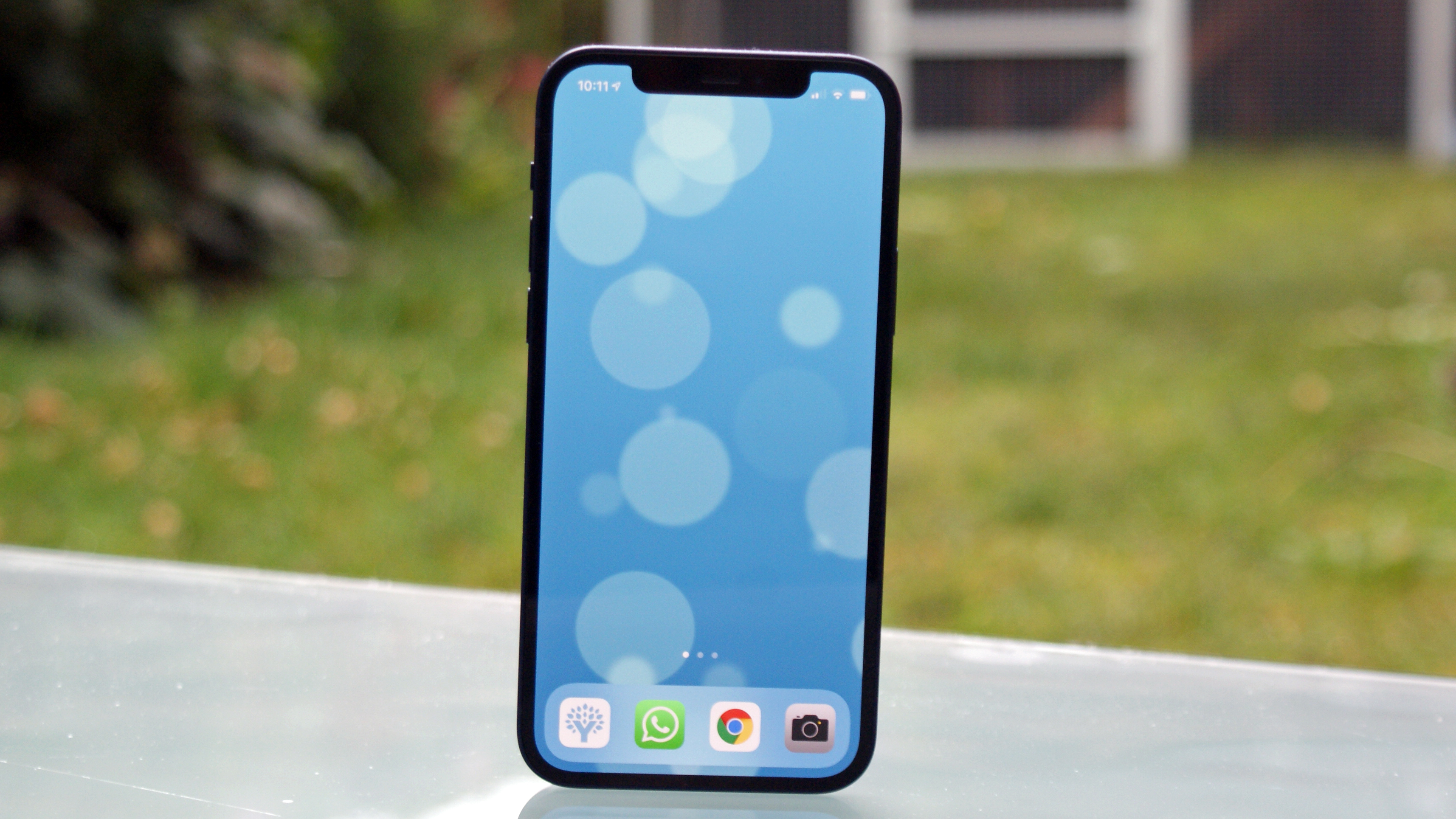
The iPhone 12(Image credit: TechRadar)
Image 2 of 2
The iPhone 11(Image credit: TechRadar)
Lest you get blinded by figures, the iPhone 12 is smaller than the iPhone 11 in every way. It’s 4mm shorter, 4mm narrower, almost a millimetre thinner, and a whopping 30g lighter.
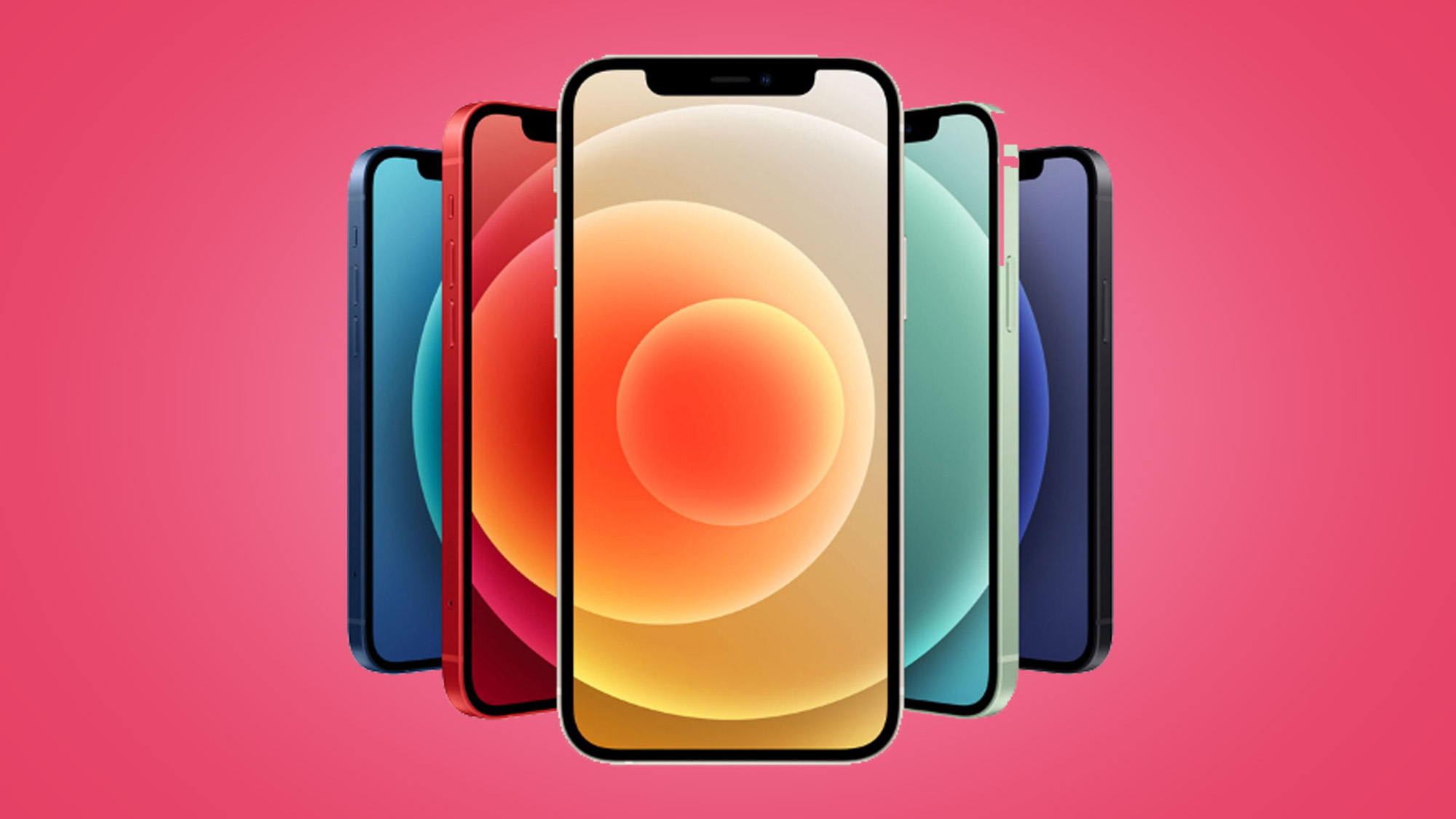
This comes down to Apple’s crisp new design for the iPhone 12. It’s rather reminiscent of the iPhone 4 and 5, with its flat-edged industrial approach. However, the tolerances are even tighter, and the screen extends closer to the edges.
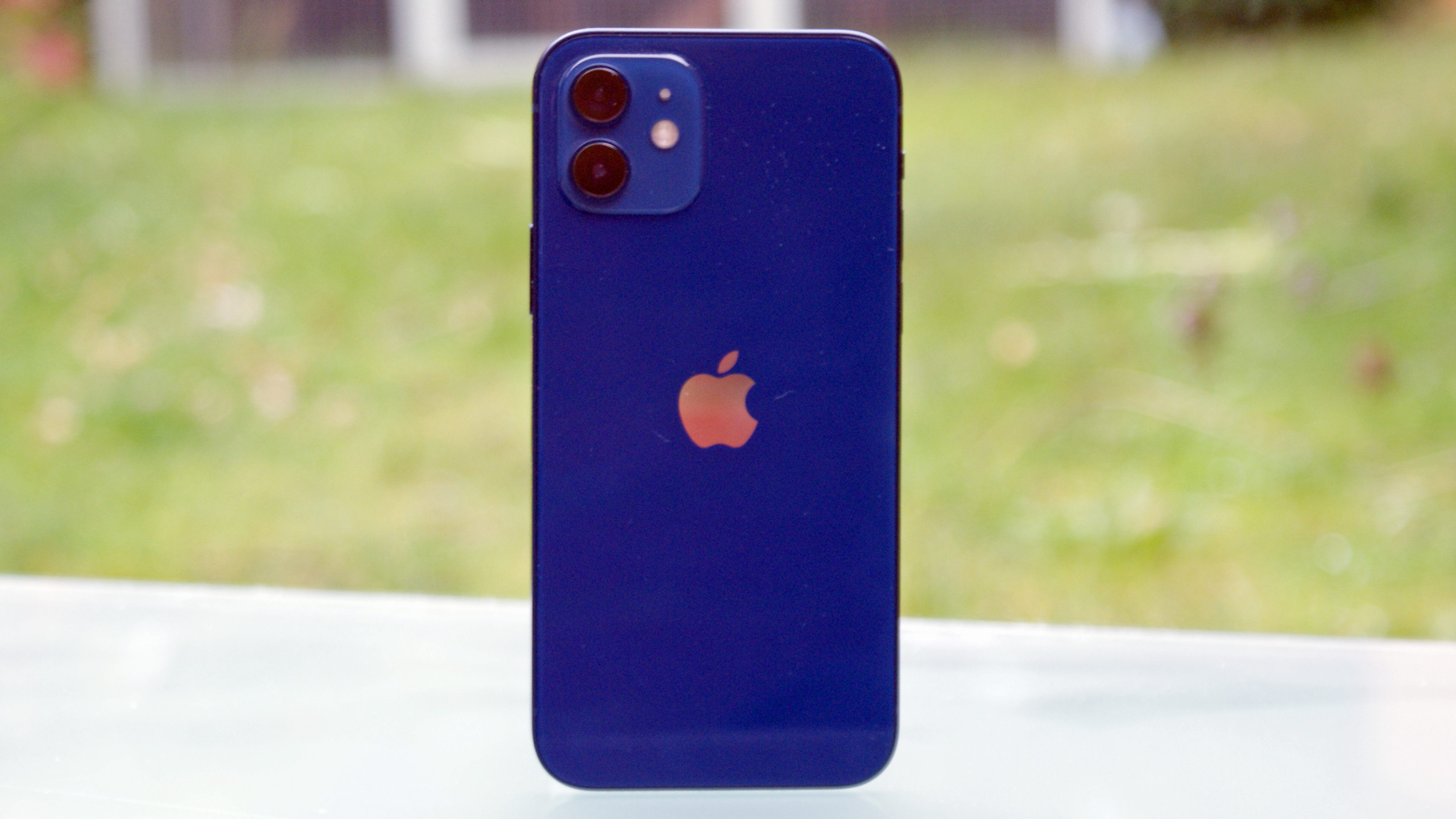
It loses the attractive dark green shade from the iPhone 11 lineup, as well as the less appealing yellow and purple shades, but in their place is an appealingly deep shade of blue and a slightly less attractive light green tone, It’s also available in the usual Black, White, and Product (RED) variants.
Going back to the subject of build quality, the iPhone 12 gains a new nano-crystalline Ceramic Shield screen, which is four times tougher than before. While both phones are IP68 certified, meanwhile, the iPhone 12 can be immersed in 6 metres of water for 30 minutes, while the iPhone 11 can only withstand 2 metres.
From a certain perspective the iPhone 11 is more comfortable to hold, courtesy of those rounded edges. But we prefer the look and compact nature of the iPhone 12 overall.
Display
Image 1 of 2
iPhone 12(Image credit: TechRadar)
Image 2 of 2
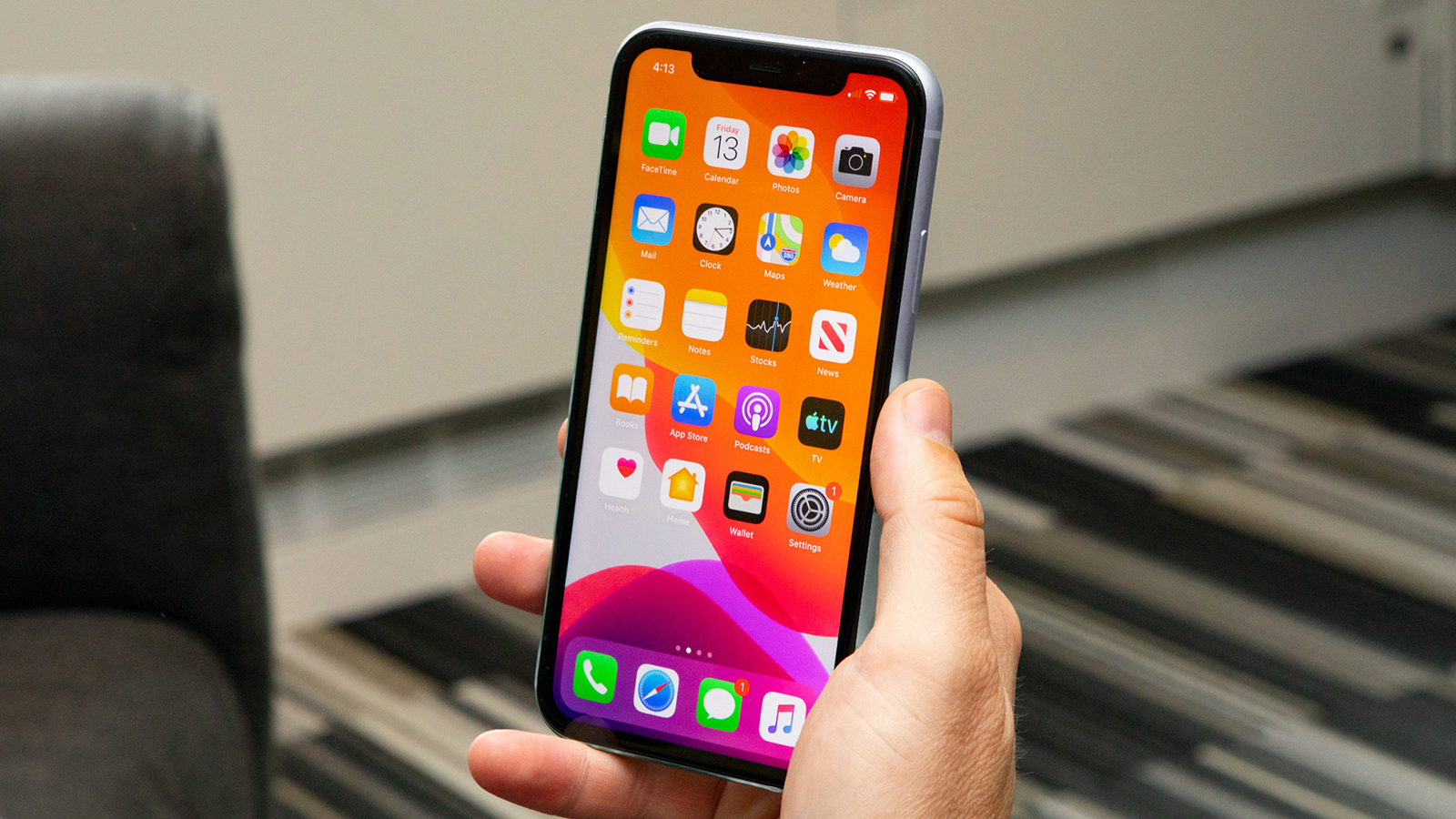
iPhone 11(Image credit: Future)
If the iPhone 12’s fresh design makes the release gap between it and the iPhone 11 seem longer than 11 months, just wait until you consider the screens.
While both measure 6.1 inches and get to around 600 nits of brightness in typical conditions, that’s where the similarities end.
There are significant differences in screen technology. While the iPhone 11 employs IPS LCD technology, the iPhone 12 makes the leap to OLED. This results in more vibrant colors, deeper blacks, and far more contrast for the newer phone. There’s really no comparison.
The iPhone 12 presses home its display advantage with a much sharper resolution. While the iPhone 11 can manage only 828 x 1,792 for a meager 326ppi, the iPhone 12 comes in at 1,170 x 2,532 for 460ppi.
Both models do share a 60Hz refresh rate. But that’s far more disappointing on the iPhone 12, which has been released at a time when 90Hz and 120Hz screens are the norm in the Android world.
Camera
iPhone 12(Image credit: TechRadar)
In terms of hardware, the camera offering in both devices is similar. And not just from a visual standpoint.
Both the iPhone 12 and the iPhone 11 pack a pair of 12-megapixel cameras – one wide and one ultra-wide – with the same-sized image sensors. The only major difference here, in fact, is that the iPhone 12’s wide sensor has a faster f/1.6 aperture, which naturally helps with low-light photography.
That’s not to say that the iPhone 12 camera doesn’t achieve superior results. It does – but the difference isn’t seismic, and those improvements are largely a result of Apple’s improved image processing and the more capable A14 Bionic chip.
This brings about new features such as Smart HDR 3, which handles dynamic range better than before. Scenes with bright skies will look better balanced with the iPhone 12.
In other daytime shots, you’ll struggle to see much of a difference. But like we’ve already said, the key improvements can be seen with low-light and night-time shooting. We noticed that the iPhone 12 captures brighter shots with more detail in more challenging conditions.
Night mode in general is more flexible on the iPhone 12, as you can employ it across all three cameras (including the 12-megapixel selfie camera).
Video has also been improved in the iPhone 12, with Dolby Vision now rendering scenes with much better balance and dynamic range. Although on the iPhone 12, it’s limited to 4K/30fps.
Specs and performance
iPhone 11(Image credit: TechRadar)
Apple improves its smartphone performance by a decent margin every year, so it’s no surprise that the iPhone 12’s A14 Bionic comfortably beats the iPhone 11’s A13 Bionic. Going by benchmarks and Apple’s own estimates, the CPU is around 20% faster, while the GPU is around 10% faster.
The A14 also contains a 16-core Neural Engine for an 80% boost to AI performance compared to the A13.
In general use, however, we defy you to notice the difference. Both phones feel extremely fast, and no modern 3D game or multitasking session will highlight a clear advantage for the newer phone – minus the odd lighting effect or optimized 60fps frame rate.
The true advantage of this performance boost is increased future-proofing. You might be able to buy both phones brand new today, but the iPhone 12 will enjoy an extra year of feeling fast, not to mention ongoing software support from Apple.
It’s also the more capable A14 that enables many of the camera advances outlined in the previous section. These days, such photographic improvements are more a result of processing power and machine-learning than they are lens and sensor upgrades.
For what it’s worth, both phones run on 4GB of RAM. We say ‘for what it’s worth’ because iOS is famously frugal with its memory usage, so such an amount is ample for everything you could want to do with these devices. Yes, the Pro models pack 6GB of RAM, but we remain unconvinced that they enable anything meaningful.
The iPhone 12 and the iPhone 11 come with identical storage options, too: 64GB, 128GB, and 256GB. We would have liked to see the iPhone 12 join the iPhone 12 Pro in adopting 128GB as the new entry-level option.
Another spec advantage for the iPhone 12 is 5G connectivity. If you live in an area with next-gen network coverage (admittedly, still a big ‘if’), then only the newer phone will be able to capitalize on it.
Battery life
So far the iPhone 12 has secured a win in every category, aside from price. But there’s one area that the older iPhone 11 would appear to hit back: battery life.
With a 3,110mAh battery, the iPhone 11 certainly has more power on tap than the iPhone 12 with its 2,815mAh unit. But you need to factor in the added optimization based on the more efficient A14 Bionic chip.
Apple quotes identical battery life figures across video (17 hours) and music (65 hours). Sure enough, we experienced similar stamina from both phones.
However, we’d say that the iPhone 11’s battery life is slightly better. With its lower-res display and lack of power-sapping 5G, we found that we could perhaps eke a tad more life out of the older phone.
Moving around between 4G and 5G networks certainly seemed to drain the iPhone 12’s juice quite heavily in our experience, leading to an empty battery after 16 to 18 hours. Hopefully that will improve in future models, when the 5G modem is better integrated.
While both phones pack wireless charging, only the iPhone 12 supports Apple’s new MagSafe method. Imagine if your Qi charging pad was smaller and clipped onto the back of your phone magnetically. Then add an ecosystem of compatible cases and wallets – this is MagSafe in a nutshell. It requires extra expenditure for the accessories, and it’s too early to say whether it will become a neglected gimmick in the vein of 3D Touch.
Another piece of additional expenditure will be a regular wall charger. If you were to buy a new iPhone 12 or iPhone 11 direct from Apple today, you wouldn’t get a brick in the box – just a USB-C to Lightning cable. Find a new iPhone 11 from before the iPhone 12 rollout, however, and you’ll score that classic charger.
Takeaway
Image 1 of 2
The iPhone 12 in a variety of colors(Image credit: Future)
Image 2 of 2
The iPhone 11 in a variety of colors(Image credit: Apple)
The iPhone 12 is a better phone than the iPhone 11 in every way bar battery life.
It’s faster, more compact, more attractive, and it packs a vastly superior display. Its camera represents only a modest improvement, but those advances make themselves known in tricky low-lighting conditions.
As mentioned, the iPhone 11 might just pip its sibling to the post in the battery life stakes, which is disappointing. But part of that comes down to the provision of 5G connectivity in the iPhone 12, which will hopefully come into its own throughout 2021 and 2022.
Are these improvements combined worth the $150 / £150 premium? That’s something each reader will have to answer for themselves – but one thing’s for certain: after a couple of years treading water, the iPhone 12 feels like a clear step forward from Apple.