Intel has said it will share more details on incoming Xe Graphics via the official Intel Graphics account on Twitter, letting us know this in a now deleted tweet.
Intel tweeted: “You’ve waited. You’ve wondered. We’ll deliver. In 20 days, expect more details on Xe Graphics.”
As mentioned, the tweet has since been removed, but there’s a good chance that we will still hear some info drop on Intel’s incoming graphics tech, we reckon, given how firm and specific the message seemed to be.
The tweet emerged the day before yesterday, as Tom’s Hardware reports, so that means theoretically, the day to mark on your calendar is August 13.
The question is, assuming the event or presentation goes ahead, will Intel be providing more details on integrated Xe Graphics, or on the full-blown discrete Xe GPU which is also inbound?
Obviously, we don’t know, but we can but hope for more details on the latter, considering that we’ve already had some bits and pieces drop about integrated Xe Graphics. Recently, an Intel exec shared a video clip of Battlefield V running relatively well on a thin-and-light Tiger Lake laptop at high details.
Something big this way comes
We’ve already heard that Intel has an event planned for September 2 which will be “something big” to quote the company, and the expectation is that Intel will be showing off its Tiger Lake processor line-up with integrated Xe Graphics as mentioned.
That’s another reason, perhaps, why we might hear something about the discrete GPU on August 13, if a major event is coming on Tiger Lake and Xe integrated graphics soon after (theoretically, anyway – unless that September reveal turns out to be something else, like an initial teaser for Rocket Lake CPUs, although that seems unlikely).
We know Samsung is poised to unveil a whole host of hardware devices over the next few days, and after some comprehensive Galaxy Buds Live leaks, it's now the turn of the Samsung Galaxy Watch 3 to have some of its features revealed ahead of time.
As leaks go, ones that come straight from the manufacturer are the most reliable, and as XDA Developers has spotted, Samsung has decided to put the Galaxy Watch 3 plug-in companion app live on the Android app store.
The most interesting revelation from a dig through the app code is support for gestures: you'll be able to clench and unclench your fist to answer a call, or shake your wrist to reject it, for example.
Fall detection is going to be included with the Samsung Galaxy Watch 3, it would seem. If the wearable thinks that you've fallen over, you'll be asked to confirm you're okay – if you don't respond, your emergency contacts or the emergency services get a call.
Watch out for updates
XDA Developers has also been able to establish that the way of taking screenshots on your Samsung watch is changing with the Galaxy Watch 3: you need to press both side buttons at the same time to capture whatever's on the screen.
A host of wallpaper options have also been revealed, including ones that match the wallpapers arriving with the Galaxy Note 20 line of phones. Both the phones and the wearable are expected to break cover at an official online Samsung event on August 5.
9to5Google was able to tease out a few more details from the app, including a wrist rotation gesture that lets you mute alarms, and a way of opening your hand to take a photo on your connected smartphone.
You haven't missed the Galaxy Watch 2 by the way – this is the direct successor to the original Galaxy Watch from 2018. We've already had the name, the sizes and the materials of the wearable leaked via a Samsung support page online.
Whether you’re bingeing box sets and gaming the days away, TV has provided a much-needed escape during these uncertain times.
But just as technology continues to advance, so does the way in which we watch TV. While your grandparents might reminisce of the days in which they would gather round a small box to watch crackled black and white monster movies, people nowadays expect a fully-immersive experience; one that enhances what they’re viewing on screen and envelopes them in its narrative.
Thankfully, 2020 has seen plenty new and exciting TV technologies enter the fray. While many of them were first shown off or teased at the CES 2020 expo earlier this year, it’s only now that most of these technologies are entering the market or starting to see their potential realized on a large scale.
Here we’ll delve into five of these new TV technologies to see how the future of TV watching is changing – and help you seek out the features you’ll want on your next TV upgrade.
Lots of Netflix shows are in Dolby Vision, and IQ gives it an upgrade(Image credit: Steve May)
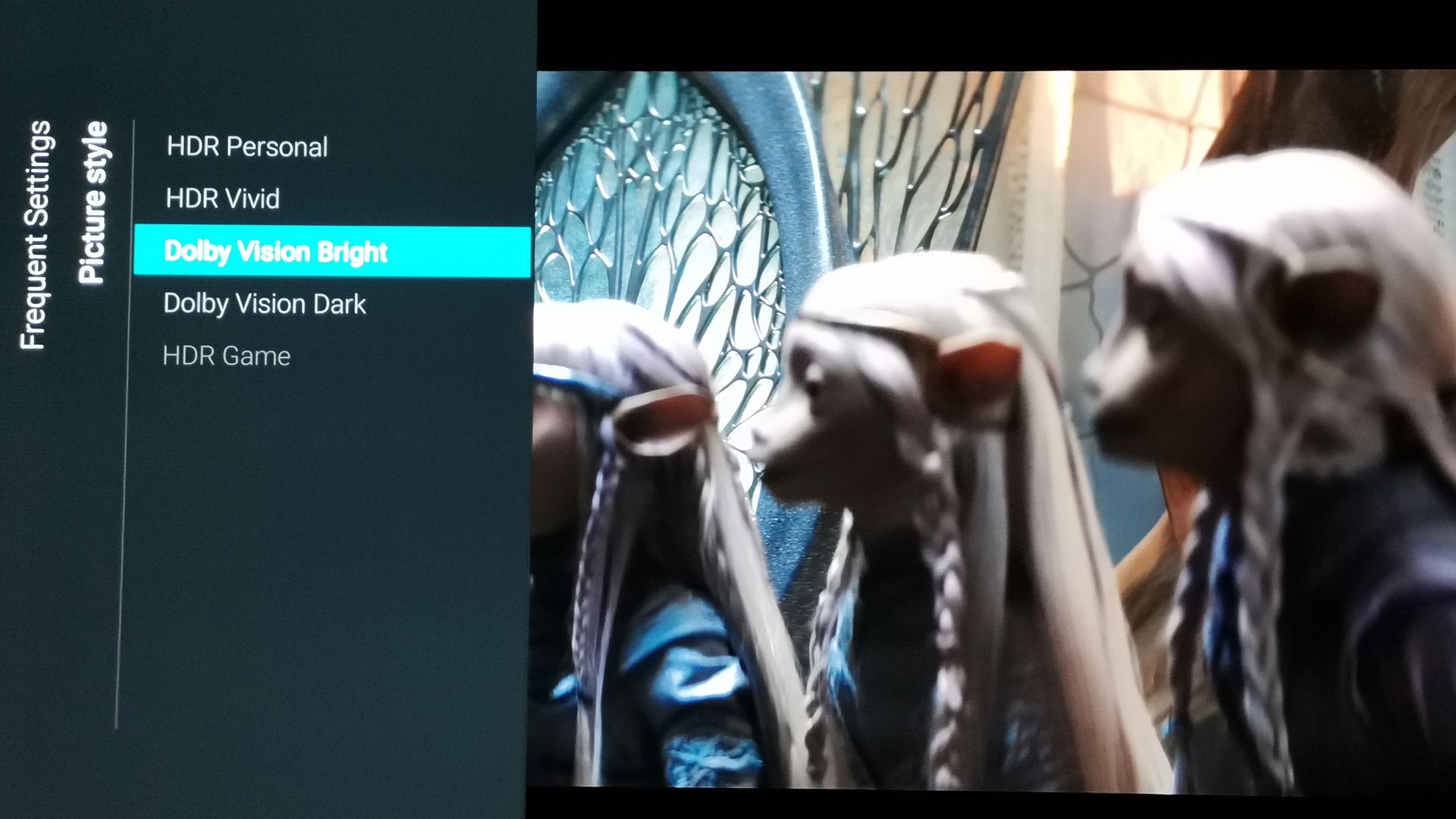
When launched at CES 2020, Dolby Vision IQ was described as being "Beyond HDR". HDR (High Dynamic Range) video has long allowed for expanded contrast and color, which directors and show creators have taken advantage of to grade content with a generally darker output. Unfortunately, not every TV can bring out those details clearly, especially watching in a well-lit living room. Dolby Vision IQ tackles this issue through adjusting to the brightness of the room you're watching in, using dynamic metadata from Dolby Vision and light sensors within your TV to deliver a perfect picture.
So far only certain 2020 TVs have announced compatibility with Dolby Vision IQ, including LG and Panasonic's 2020 OLED ranges. Panasonic also utilizes its built-in light sensor to apply this to non-DV content (through Intelligent Sensing), making it easier than ever for your TV to auto-calibrate to your environment.
HDMI upgrades to a new standard(Image credit: Shutterstock)
2. HDMI 2.1
HDMI (High Definition Multimedia Interface) has been a lifesaver in the tech world, providing high definition video via a small cable and removing the need for those bulky SCART connectors that used to trail behind our televisions (phew). Over the years it has advanced to keep up with the ever-changing technology of TVs and HDMI 2.1 is its latest exciting update.
Most of the hype is around increased video resolutions, with HDMI 2.1 supporting up to 8K content at 60 frames per second, and 4K at 120 frames per second. These faster refresh rates, along with HDMI 2.1’s support for Variable Refresh Rates, Dynamic HDR and Quick Media Switching will have a huge impact on the AV industry, along with gamers and home cinema fanatics looking to experience TV at its best.
“This is part of the HDMI Forum’s continuing mission to develop specifications for the HDMI ecosystem that meet the growing demand for compelling, high-performance and exciting features,” said Robert Blanchard of Sony Electronics, president of the HDMI Forum.
While LG offers wide support for the technology, with four HDMI 2.1 ports on each 2020 OLED TV, you'll find only one port on new Samsung TVs, and none on the fleet of new Panasonic sets.
Most of Samsung's 2020 TVs will support Tap View(Image credit: Samsung)
3. Samsung Tap View
Want to share a video from your phone to the TV? Samsung Tap View makes it easier than ever.
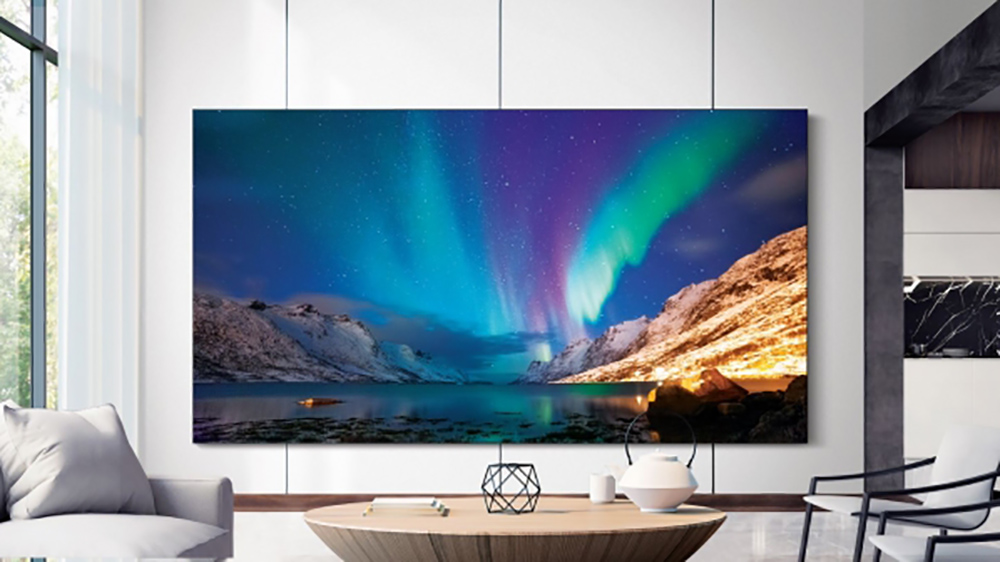
It goes without saying that this only works on Samsung TVs that support Tap View (so one of their 2020 models). Once you've downloaded the program onto your phone — both Android and iOS are supported — it activates NFC mode, which the NFC receiver on the TV can then connect with.
It’s this dependency on NFC that makes Tap View different to other cast-to-TV technologies such as Google Chromecast or Miracast. There’s also also the ability to physically tap your device against the TV, so that when you hold your phone or tablet close to the NFC receiver Tap View reads the information and begins showing your video content, be it from your library, Netflix or YouTube. It’s as easy as tapping your contactless card in the corner shop.
This one’s for the gamers – PC gamers that like to connect up to the TV, in particular.
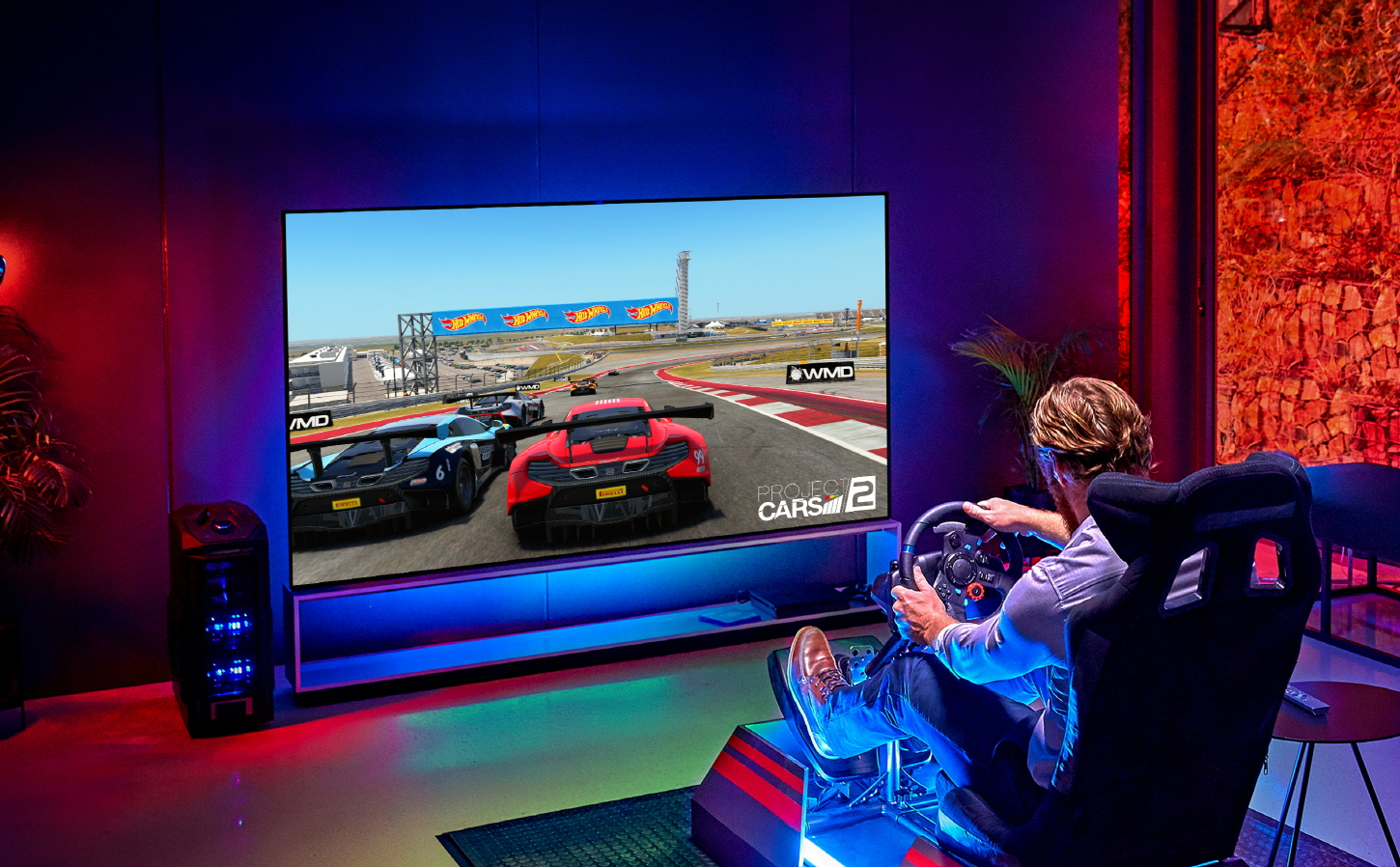
When LG announced that they were introducing Nvidia's G-Sync technology at CES 2020, it seemed a little odd due to the niche user base it was targeting. It is, however, a great way to experience variable refresh rate technology that's smooth and tear-free.
The technology works by synchronizing the TV's refresh rate with the frame rate of your PC game or device — although you will need a Nvidia GPU to make it work. Once plugged into a compatible LG TV you'll find refresh rates of up to 120Hz.
You’ll find G-Sync supported on 2019’s LG C9, E9, and B9 OLED models, as well as the entirety of the 2020 LG TV OLED range (LG CX, LG GX, LG WX).
While it won’t be for everyone, Nvidia G-Sync will certainly be a game-changer for PC players that want a truly immersive experience via their TV screens.
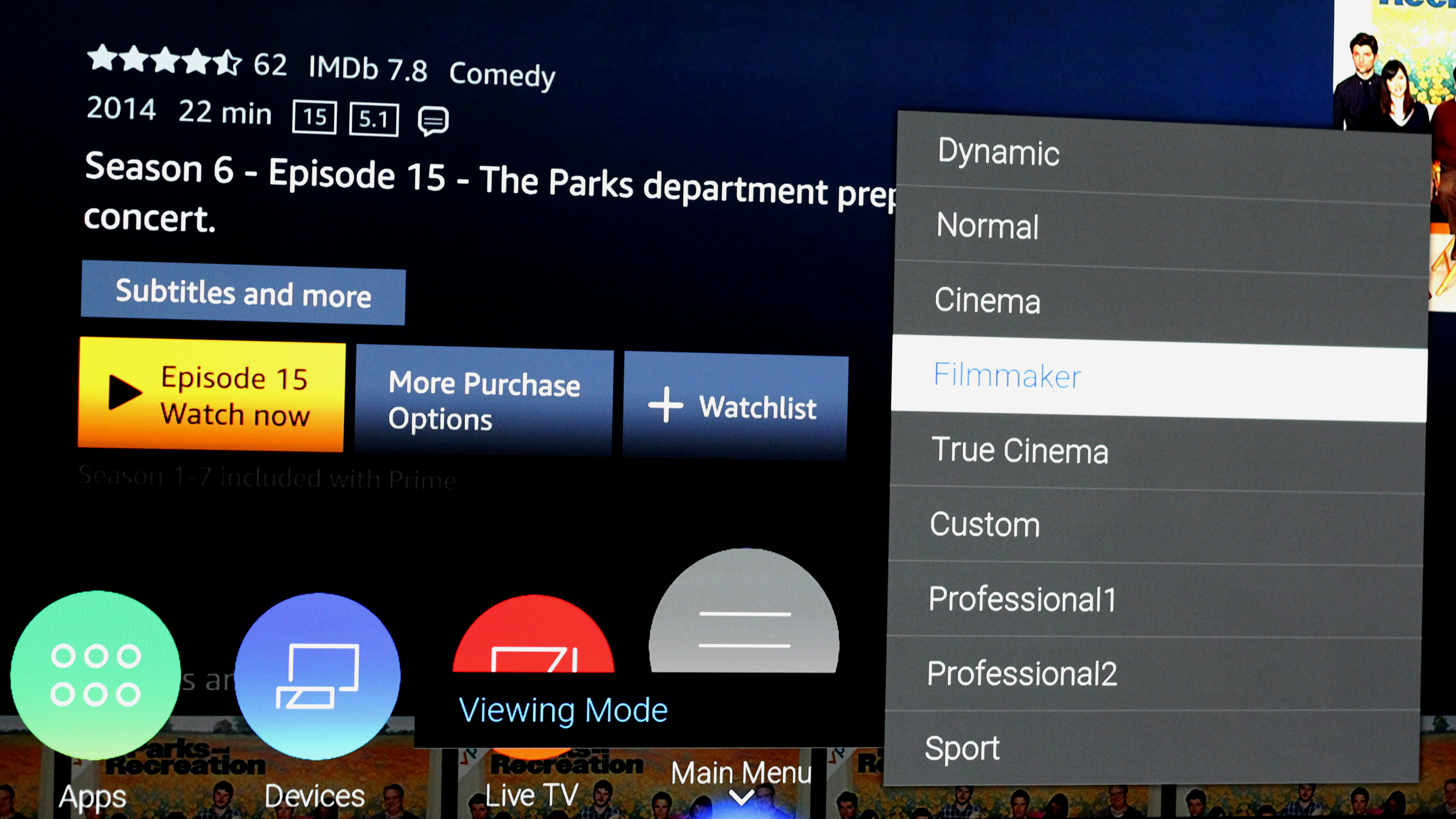
Filmmaker Mode, on a Panasonic OLED TV(Image credit: TechRadar)
5. Filmmaker Mode
Imagine this: you spend millions of dollars making a movie, putting all your time and love into creating a very specific vision — only for it to be ruined by a shoddy TV processor.
Directors have been fuming over excessive motion smoothing, also known as the ‘soap opera effect’, for a long time. It’s caused by your TV struggling to display 24Hz film content on a 60Hz screen, which means frames are shown multiple times in varying quantities (given 24 doesn’t multiply cleanly to 60). Motion technologies will artificially insert additional frames to combat this, which can be great for keeping sports programming looking smooth, but the result is that movies can end up looking... well, worse.
Thankfully Filmmaker Mode is here to the rescue. It's essentially a picture mode that the UHD Alliance (an industry group that includes Dolby, LG, Netflix, Samsung and more) has collaborated with filmmakers to create. Once activated it overrides any motion smoothing and ensures that you’re getting the authentic cinematic experience — as intended by the film creators.
For those that love nothing more than a night in with popcorn and a movie, Filmmaker Mode will be a must-have. Keep in mind that you may want motion smoothing for certain programming, but it’s important that you’re able to turn it off when you need too.
Supported TV models:
So far, LG, Philips, Samsung, Panasonic and Vizio have announced that most of their 2020 4K and 8K TVs will support Filmmaker Mode, with LG planning to activate it automatically for relevant content, while others will opt for it to be activated manually.
343 Industries has suggested that its plans for Halo Infinite public testing may have to be scaled back or reworked as a result of “the unprecedented challenges of this year”.
Plans for Halo Infinite test flights were first announced back in 2018 and, according to studio head Chris Lee, the community feedback that comes from such testing has proven to be “instrumental” in bringing Halo: The Master Chief Collection to PC.
However, in a post published on the Halo Waypoint blog, Lee admits that “given the unprecedented challenges of this year, we’re not quite where we expected to be in terms of broader public flighting” when it comes to Halo Infinite.
"Assessing options"
In the post, Lee assures fans that the team has still been working “very closely with the community on nearly every facet of the project”, with feedback on art styles and confidential hands-on play testing with community representatives being a part of the development journey.
Although wider public testing has not been as extensive as the studio initially hoped, and the looming Xbox Series X release means the window of opportunity is growing smaller, it could still happen in some form. According to Lee “the team is still working and assessing options for broader hands-on opportunities before launch and we’ll share an update when we can.”
Of course, pre-launch testing may not be quite as integral to Halo Infinite as other Halo games. In a recent interview with IGN, 343 Industries called Halo Infinite “the start of our platform for the future”, outlining a ten-year vision that will see Infinite “grow over time, versus going to those numbered titles and having all that segmentation that we had before.”
It’s likely in relation to this plan to create an evolving platform that Lee concludes his post with the promise that “this process doesn’t stop with launch. In fact, in many ways, feedback and community flighting will be even more important after launch as we partner together to continually evolve and update the game into the future.”
Halo Infinite is still expected to launch towards the end of 2020 alongside the Xbox Series X, though it will also be playable on Xbox One and PC and available on Xbox Game Pass.
For many of us, it's impossible to avoid Microsoft Office, such is its popularity among businesses - and cybercriminals are using this pervasiveness to their advantage.
According to analysis from security firm SonicWall, the number of malicious Office documents in circulation has skyrocketed since the turn of the year, totaling more than 70,000 - an increase of 176% over H1 2019.
The firm also observed an increase in sophistication among malware campaigns based on Microsoft Office. One new Excel malware in particular was found to contain facilities that allowed it to evade signature-based security software and hinder attempts at analysis.
“Threats are becoming more evasive and more nefarious, particularly those leveraging PDF and Office files,” the report notes.
“Cybercriminals are too sophisticated to use known malware variants, so they’re reimagining and rewriting malware to defeat security controls like traditional sandboxing techniques - and it’s working.”
Threat landscape
While malicious Office documents appear to pose an increasingly acute threat, this attack-type is but one of many faced by security teams today.
According to SonicWall, ransomware attacks are also on the rise, with 121.4 million attacks registered since the turn of the year - an increase of 20%. The potency of this kind of attack was emphasized this week, with fitness giant Garmin finding itself on the end of a ransomware attack that crippled its systems, causing a multi-day outage.
Cryptojacking cyberattacks are also said to have rebounded after a fall in 2019, with a huge increase of 252% in the US this year, while phishing remains an ever-present threat.
Security risk has also been amplified in recent months by the rise of remote working, brought about by the coronavirus pandemic, which has seen an unprecedented volume of employees operating outside the traditional security perimeter.
“This latest cyber threat data shows that cybercriminals continue to morph their tactics to sway the odds in their favor during uncertain times,” said Bill Conner, SonicWall President and CEO.
“With everyone more remote and mobile than ever before, businesses are highly exposed and the cybercriminal industry is very aware of that. It’s imperative that organizations move away from makeshift or traditional security strategies and realize this new business normal is no longer new.”
Here's our list of the best antivirus services on the market
from TechRadar - All the latest technology news https://ift.tt/39rPB9A
Better drop resistance, thinner designs and maybe even germ-fighting glass. Here's what Victus glass could tell us about the next generation of phones.
Sony’s Xperia 1 III may look like a confusing name on paper, but it’s what we’re likely to see the 2021 flagship phone from the Japanese company be called when it’s officially unveiled.
The Xperia 1 III has yet to be leaked or properly rumored, but it’s likely Sony will continue making smartphones, with a new flagship in the next 12 months. We’ve put together a list of improvements we’d like to see on that device, especially after our time with Sony's last big phone.
We don’t yet know anything for certain about the Xperia 1 III, but there are ways the Sony Xperia 1 II could be improved upon. TechRadar gave the Xperia 1 II a 4 star review, so there’s room for improvement from Sony’s next flagship phone.
We don’t know much about the Sony Xperia 1 III, but we can comfortably assume that Sony’s next flagship will land at some stage in 2021.
The Xperia 1 II was unveiled a full year after the original Xperia 1. That latest phone was unveiled in February 2020, so we’d expect a similar announcement for the Xperia 1 III in 2021.
That said, it took Sony three months to bring the Xperia 1 II to shop shelves as it began to be released in May - and that was just for certain markets - so it may be we have to wait a few months after release to be able to buy one.
We don’t yet know what to expect when it comes to price, but the Xperia 1 II cost $1,199.99 / £1,099 (around AU$1,840). That’s remarkably high, but we wouldn’t expect Sony to drop the price any lower than this.
Sony Xperia 1 III news and rumors
We haven’t yet heard any firm leaks around the Xperia 1 III, but we’ll be sure to collate anything extra we hear about the upcoming device here in the future.
What we want to see
Sony’s next flagship is sure to be designed to improve on the last smartphone from the company. Here’s what we’re hoping the company will be able to do.
1. A lower price
The Sony Xperia 1 II is particularly expensive, especially for those in the US. The variant you can buy in the US doesn't have 5G functionality - a major driving force in phone prices - yet it still costs $250 more than the Xperia 1's launch price.
There are a few additional upgrades here, but it's a remarkably high price for Sony's latest and we hope the company reconsiders that for the Xperia 1 III and may be able to drop it down a little.
2. 5G across the world
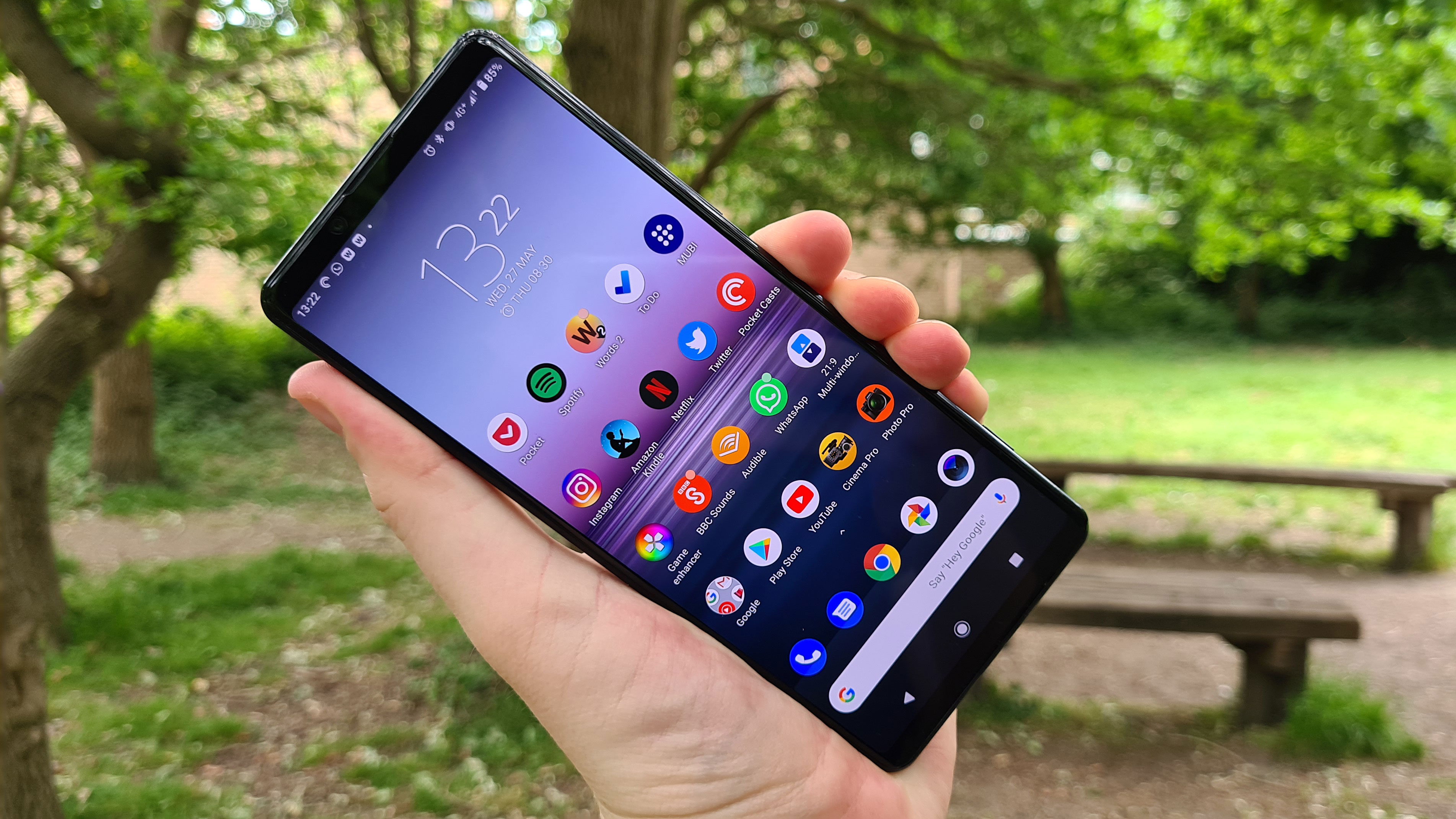
(Image credit: TechRadar)
This is a simple one, but the Xperia 1 II didn’t feature 5G connectivity when it was released in the US. Other markets around the world, including the UK, got 5G connectivity by default.
Exactly why this happened hasn’t been made clear by Sony, but it’s a feature that is soon becoming standard on a variety of other smartphones. We’d like to see Sony embrace 5G technology across the world for its next flagship.
3. Keep the 3.5mm headphone jack
Sony has a big selling point in that the Xperia 1 II has a headphone jack. If you want to be able to use a wired headset with your smartphone, the Xperia 1 II is one of the best flagship options on the market that offers you the option.
The company made an odd choice to drop the headphone jack on the Xperia 1, but then brought it back for the Xperia 1 II. We’d like to see Sony hold onto the headphone jack for its next release.
4. A faster release date
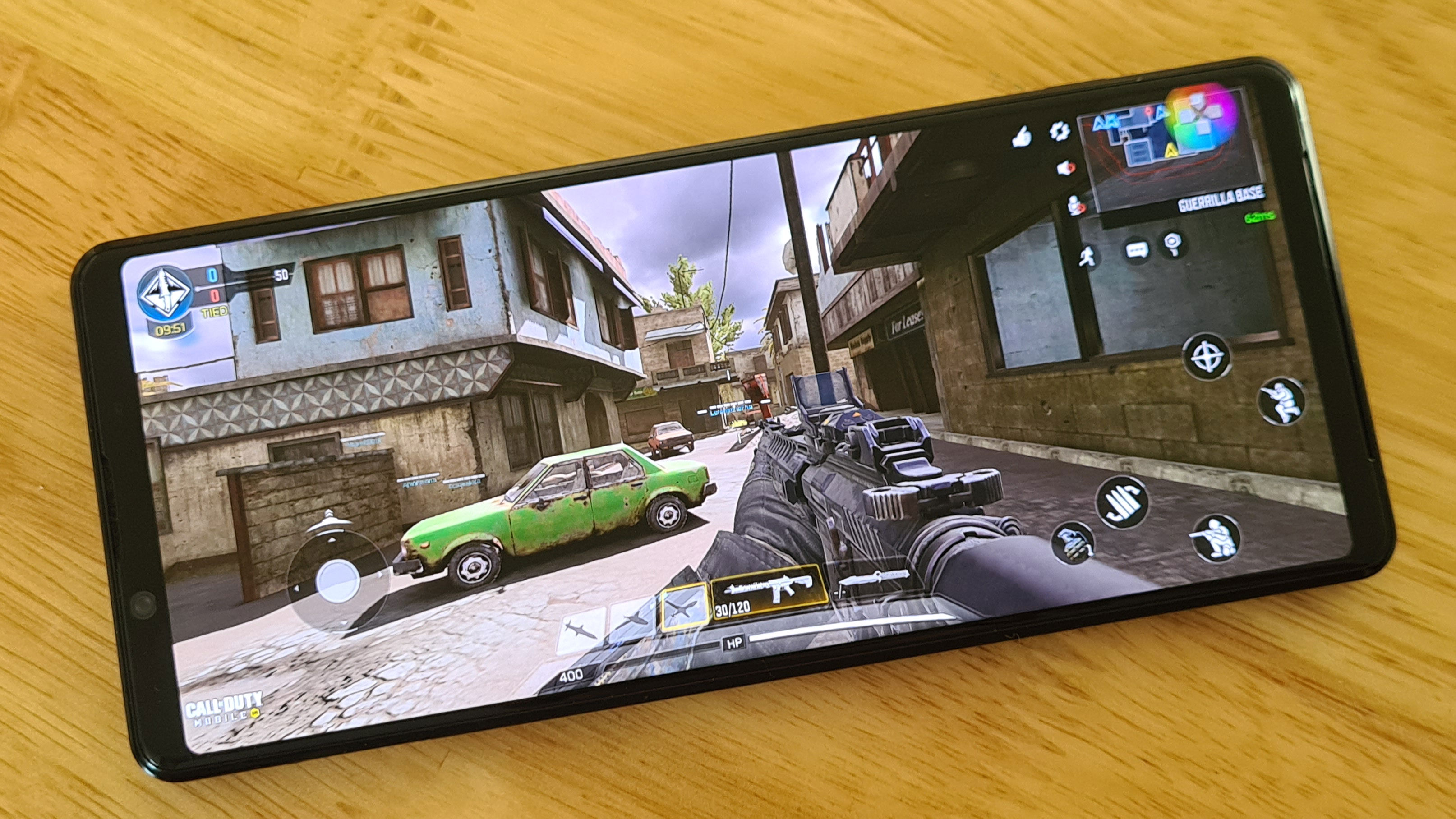
(Image credit: TechRadar)
This is a minor one, but the wait for the Xperia 1 II to be available was long. It was announced in late February, and it only begun to be released in May with markets like the UK having to wait until June.
For true Sony fans, that wait was probably worth it but for some who were just passingly interested in the handset they had a lot of other choices including the Samsung Galaxy S20 and OnePlus 8 Pro series.
5. Keep the 21:9
Again, this is a unique selling feature of Sony's phones and it's clearly something that fans are resonating with. We'd like to see Sony continue its 21:9 aspect ratio, but we hope to see more content to watch or play available in the next year or so to make the technology worthwhile.
6. Include a high refresh rate screen
(Image credit: TechRadar)
This is similar to 5G in the fact that it’s a feature we’re seeing become standard on a variety of competing smartphones but is missing here. That’s a big omission for a flagship phone.
We’d like to see Sony embrace a higher refresh rate, especially if it’s able to combine that with a phenomenal 4K display that would offer one of the best screen experiences on a smartphone.
7. Make it easier to grip
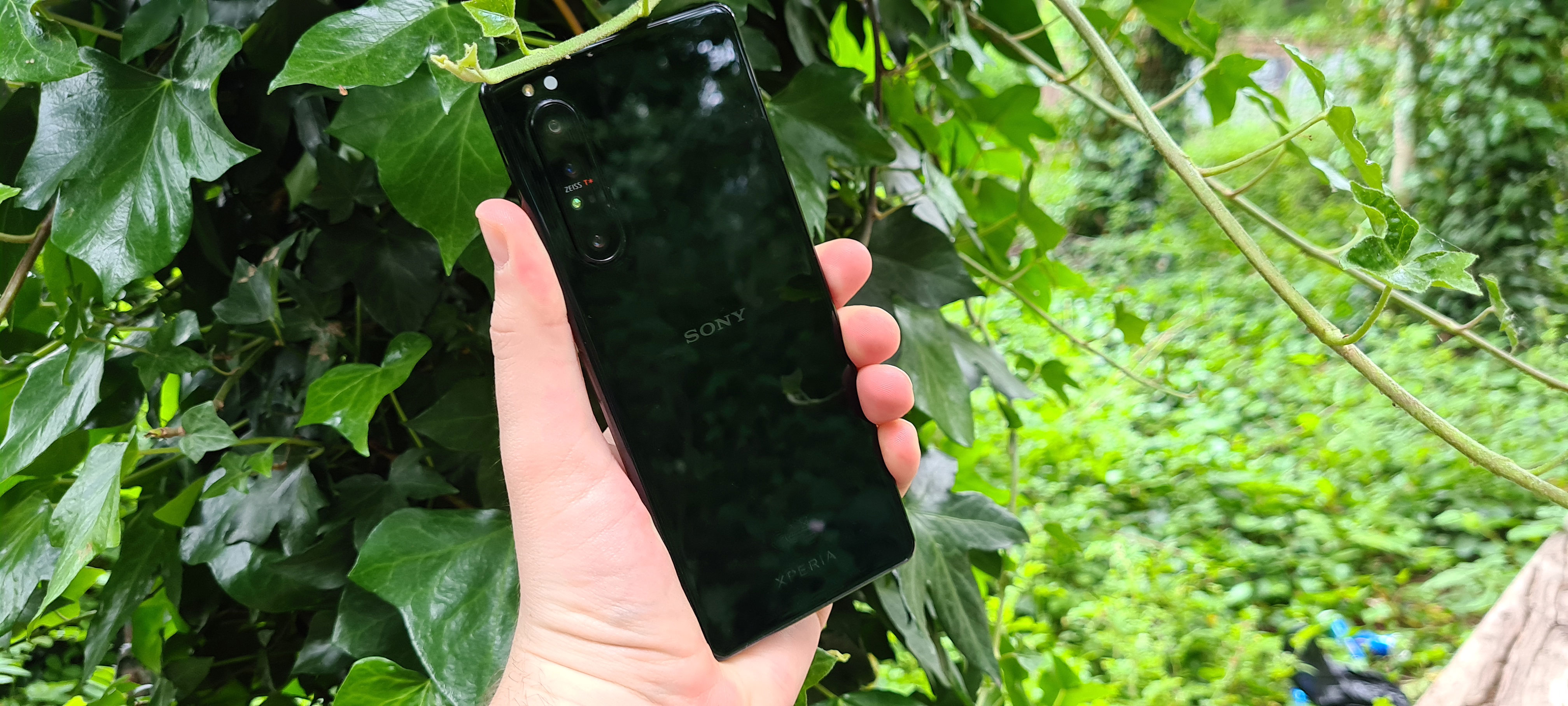
The rear of the Sony Xperia 1 II is made of glass, and combined with its long shape that can make is a difficult phone to grip.
We'd like to see Sony look toward rounded the corners of the rear of the phone or including another material that makes you more confident of holding the phone in one hand without dropping it.
Garmin said Saturday that client data from the company's smartwatch and GPS services -- offline since Thursday -- has not been compromised, despite fears of a ransomware attack.
A congressional hearing on digital marketplace competition featuring the chief executives of four of the largest American tech companies has been rescheduled for Wednesday, a House subcommittee said on Saturday.
An Indian court has summoned Alibaba and its founder Jack Ma in a case in which a former employee in India says he was wrongfully fired after objecting to what he saw as censorship and fake news on company apps, documents seen by Reuters showed.