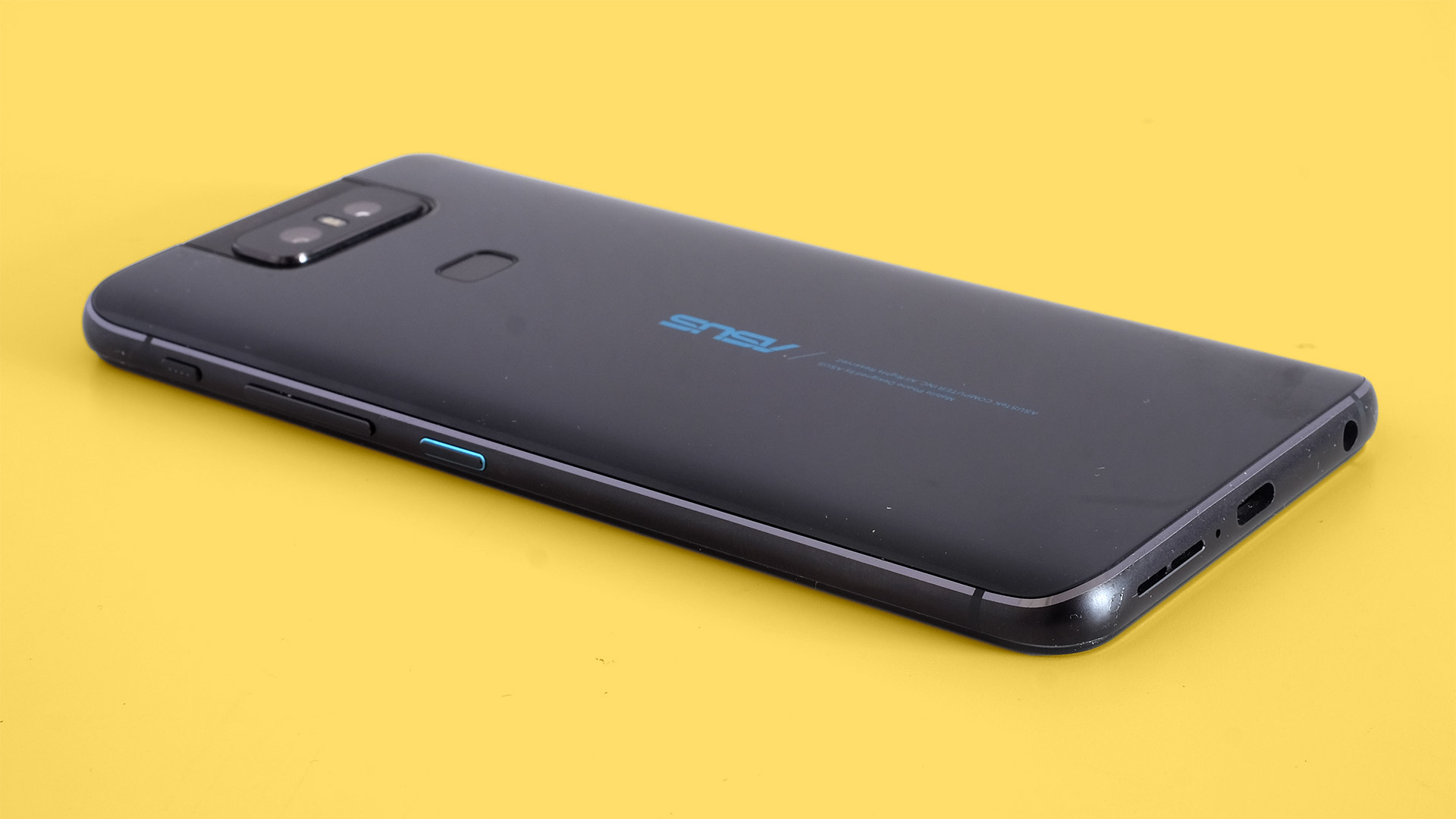
We’ve been hearing plenty of rumors about the Asus ZenFone 7, and given we’re nearing a year after the Asus ZenFone 6 launched, we’re looking forward to learning more about the computing company’s next mid-range phone.
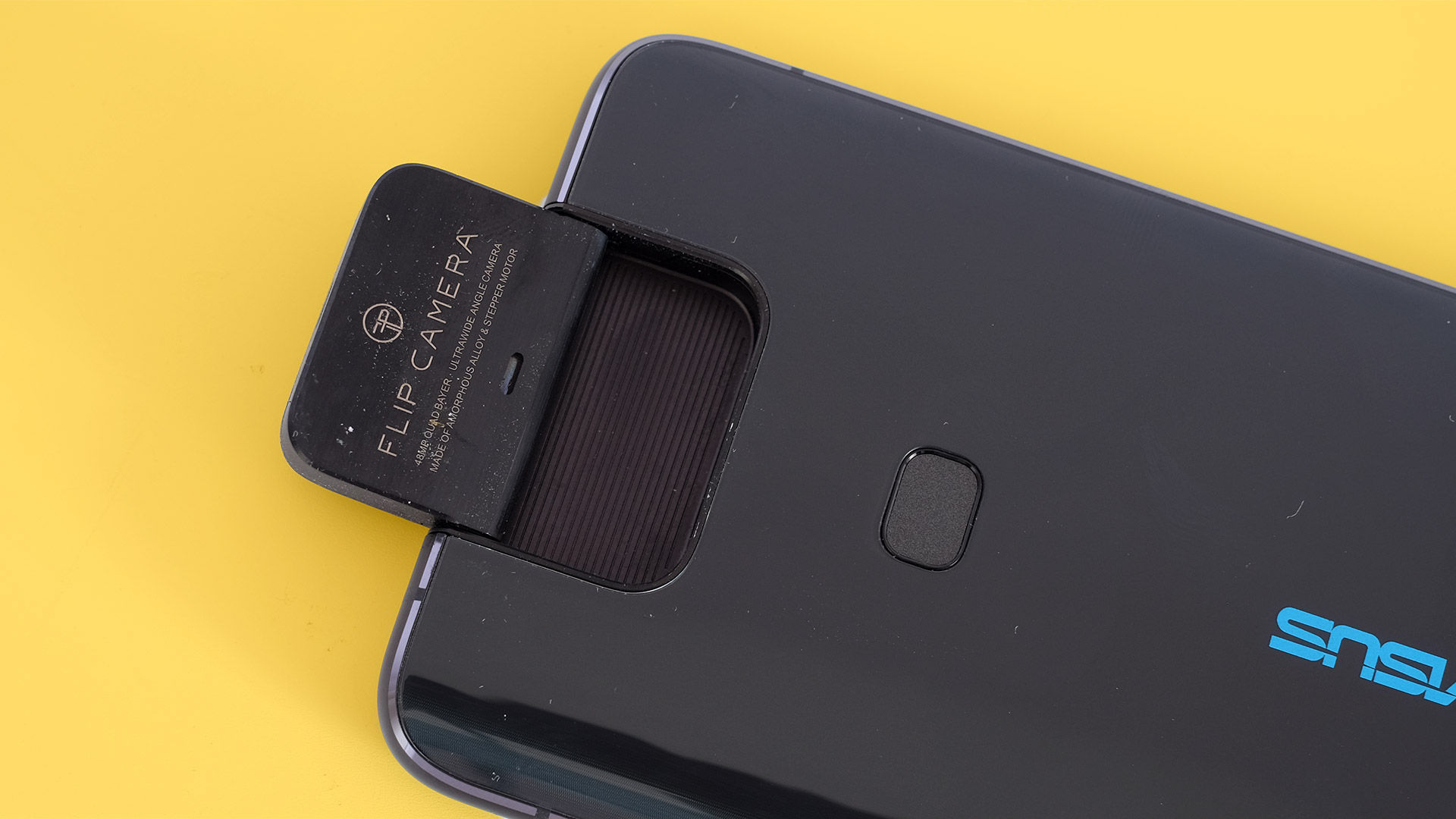
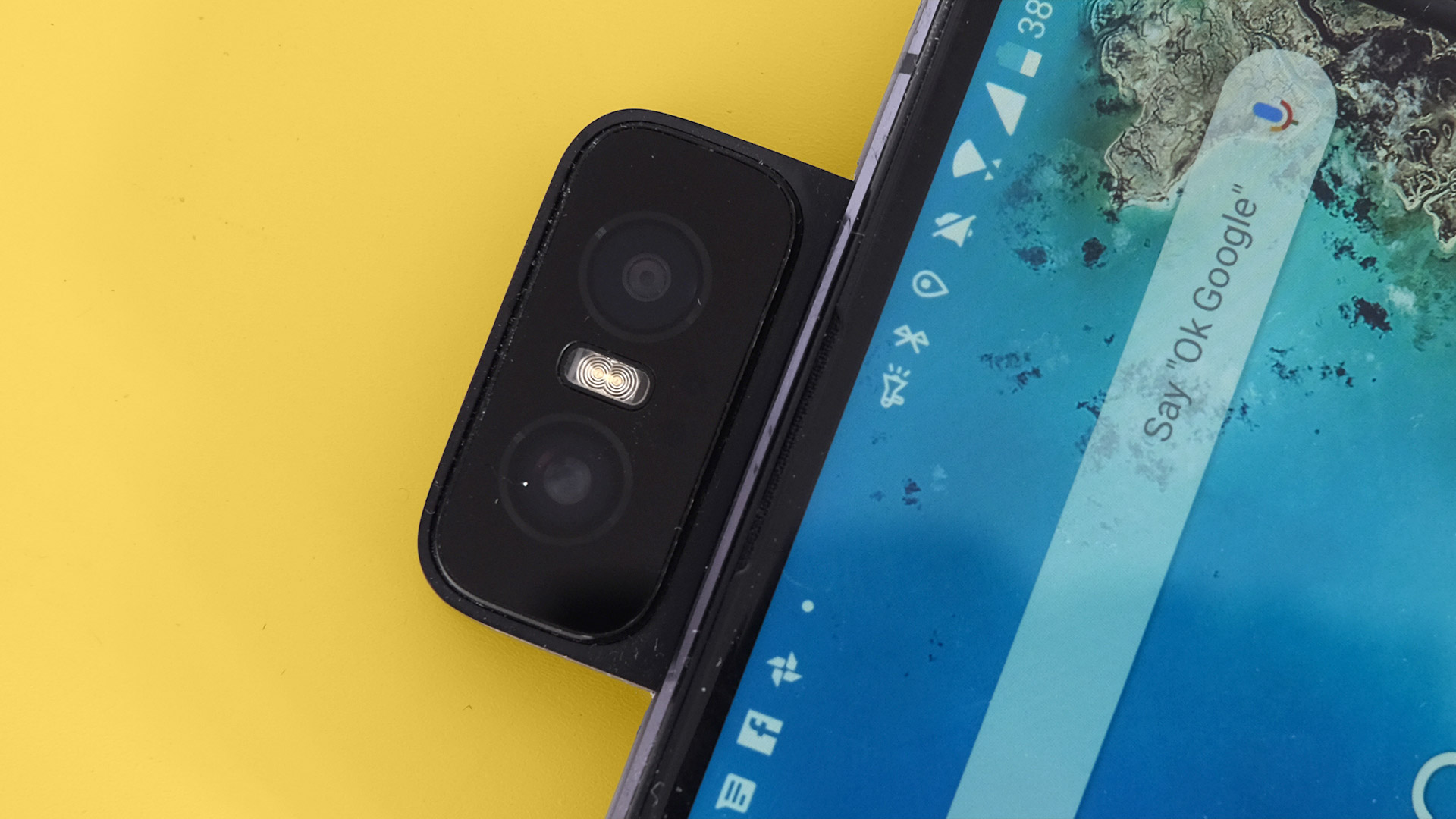
While the Asus ROG 2 pulled out all the stops in making a flagship gaming phone, the ZenFone 6 brought several top-tier perks, like a leading chipset and a 5,000mAh battery, to consumers at a much more affordable mid-range price. And, of course, its neat flip camera that enables the same cameras to take both rear- and front-facing photos.
So far, Asus ZenFone 7 rumors suggest the new phone will be a suitable successor with the same flip camera (perhaps one with more sensors), as well as top specs and – most curious of all – also spawn a ZenFone 7 ‘Pro’ model.
All eyes are on the Asus ROG 3, rumored for an imminent launch at an exceptionally high price. The ZenFone 7, meanwhile, is poised to be a mid-range powerhouse that won’t break the bank, so we’ve gathered all of the leaks and speculation below on what could be Android’s sleeper hit for 2020.
(Image credit: Future)
Cut to the chase
What is it? The next mid-range phone from Asus
When is it out? Possibly in August
What will it cost? Likely upwards of $499/£499 (roughly AU$725)
Asus ZenFone 7 price and availability
The exact Asus ZenFone 7 launch date is still unknown, though a specs leak suggests it could come out sometime in August, matching an earlier report that the phone will be announced in China either at the end of Q2 or start of Q3 2020. A rumor hints that we could see the standard ZenFone 7 and a ZenFone 7 Pro launching alongside it.
While the later ZenFone lines haven’t been on as rigid a release schedule as phones from other brands, it’s still reasonably late in the year for Asus to have revealed nothing about the ZenFone 7. For reference, the ZenFone 5 launched in February 2018, while the ZenFone 6 was announced in May 2019.
It’s even more shocking that we know the Asus ROG 3 will be officially announced on July 22, but still don’t have a solid launch date for the ZenFone 7.
We haven’t heard word, either official or rumored, about what the ZenFone 7 will cost, either. Given the ZenFone 6 was priced at $499/£499 (roughly AU$725), we’d expect its successor to cost the same or a bit more. Of course, if we end up seeing a ZenFone 7 Pro model come out alongside the standard version, we expect it would cost more.
(Image credit: Future)
Asus ZenFone 7 design and display
We haven't heard anything about the Asus ZenFone 7's design, aside from keeping its predecessor's flip camera. Admittedly, this was its most distinguishing feature, which also allowed the phone to have a full front display unblemished with notches or punch-holes.
Thanks to a recent specs leak via certifications from regulatory agencies in Taiwan and Japan, we’ve heard the ZenFone 7 could pack a 6.7-inch display, which would be notably larger than the 6.4-inch screen on its predecessor.
(Image credit: Future)
Asus ZenFone 7 camera and battery
A recent rumor suggests that the ZenFone 7 will feature its predecessor’s flip camera. While the ZenFone 6’s dual cameras consisted of a 48MP main shooter and a 13MP ultrawide camera, the rumor suggests its successor will pack more sensors into the flip section.
The ZenFone 7 could pack a 5,000mAh battery much like its predecessor, according to certifications reportedly given by Taiwan’s National Communications Commission and Japan’s TUV Rheinland. It may also come with a 30W fast charger.
(Image credit: Future)
Asus ZenFone 7 specs and features
At this point, we’ve heard a few rumors suggesting the Asus ZenFone 7 will pack the Snapdragon 865 chipset. A Geekbench listing codenamed ‘Asus ZF,’ which we’ve intuited refers to the ZenFone 7, listed the Qualcomm chipset as well as 16GB of RAM and Android 10 out of the box.
While 16GB of RAM is a little high for the phone, it could come in other configurations more appropriate for a mid-range device. That listing could be for the Asus ROG 3, of course, but given our suspicions that that high-end phone will be getting the Snapdragon 865 Plus chipset, we believe the Asus ZF refers to the ZenFone 7.
The Asus ZenFone 7 could have 512GB of storage, according to the aforementioned certifications leak, which also echoes the assertion it will come with a Snapdragon 865 chipset.That applies to both the standard model and the supposed ZenFone 7 Pro – and given that chipset requires 5G connectivity, Asus’ mid-range phones could connect to 5G, too.
from TechRadar - All the latest technology news https://ift.tt/39ci7fo
Majority of organisations in the UAE and Saudi Arabia, which were not well prepared for the sudden shift to remote work due to Covid-19, are now comfortable with remote working and are now investing in technology to drive performance.
About 68% of UAE and Saudi organisations were not completely prepared to support remote working when the pandemic began but 95% of UAE and Saudi business leaders are now comfortable with the shift to remote work.
The Riverbed Future of Work Global Survey 2020 shows that business leaders are now much more comfortable with their teams working remote, however, organisations must have the right technology in place to ensure greater productivity and better remote experiences as employees increasingly work from anywhere.
“Businesses had already been accommodating more remote workers the past several years, but Covid-19 is accelerating this, and the office of the future will look very different with a more flexible and hybrid workplace,” Rich McBee, President and CEO of Riverbed, said.
(Image credit: Riverbed)
Issues impacting remote work
According to the study, business leaders see a direct connection between technology issues and how well their people can perform working remotely and even feel.
About 97% of the business leaders in the UAE and Saudi Arabia reported that technology performance issues impact the experience of their remote workers.
The most common issues – all resolvable – include frequent disconnects from corporate networks (43%), slow file downloads (41%), apps not working properly (40%), and long response times when loading apps (39%).
When asked about the impact these issues have on the remote work experience of employees, business leaders report increased technical disruptions or difficulties (44%), weaker employee performance and lack of productivity (41%), lack of clarity on strategic priorities (37%), and reduced direct services to customers or clients (37%).
UAE and Saudi business leaders said that the biggest barriers to success for ensuring the performance of a remote workforce are: training or manager support (43%), the need for software or technology to optimize or improve performance (40%), and the need for better visibility into network and application performance (37%).
Subbu Iyer, CMO at Riverbed, said that it’s encouraging to see that businesses and governments are planning to invest more in technology to boost remote work performance.
Despite challenges, more than one in five (22%) UAE and Saudi business leaders expect half or more of their employees to work remotely (full time or at least half time) after the pandemic.
Moreover, 79%of business leaders plan to make additional technology investments and 41% plan to make significant investments in the next 12 months.
The top initiatives to undertake in the next two years include: updating company-wide remote workplace strategies and policies, deploying technology to automate remote network operations, re-evaluating and/or re-architecting the IT environment and gaining better visibility of network and application performance.
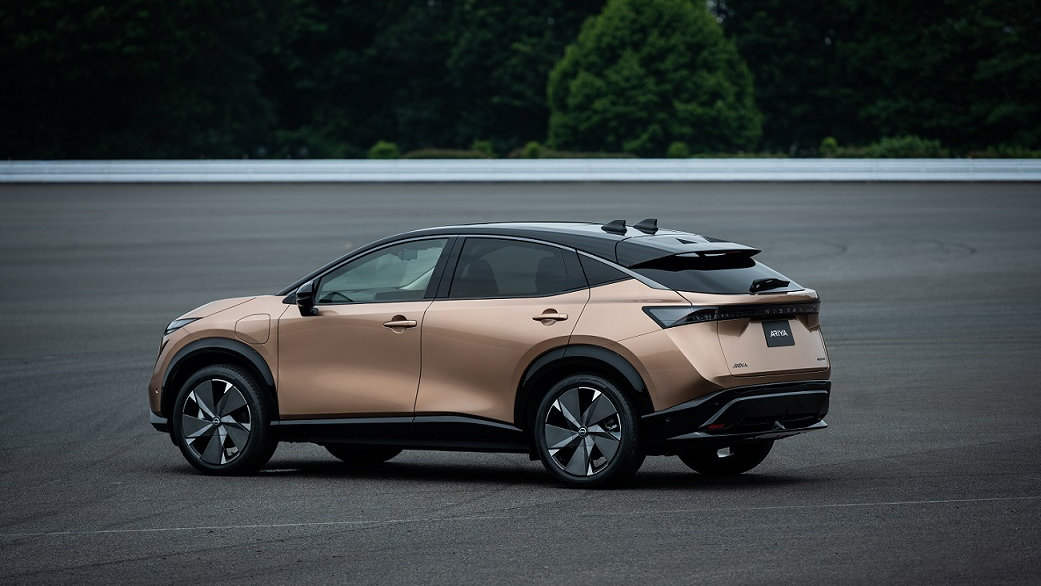
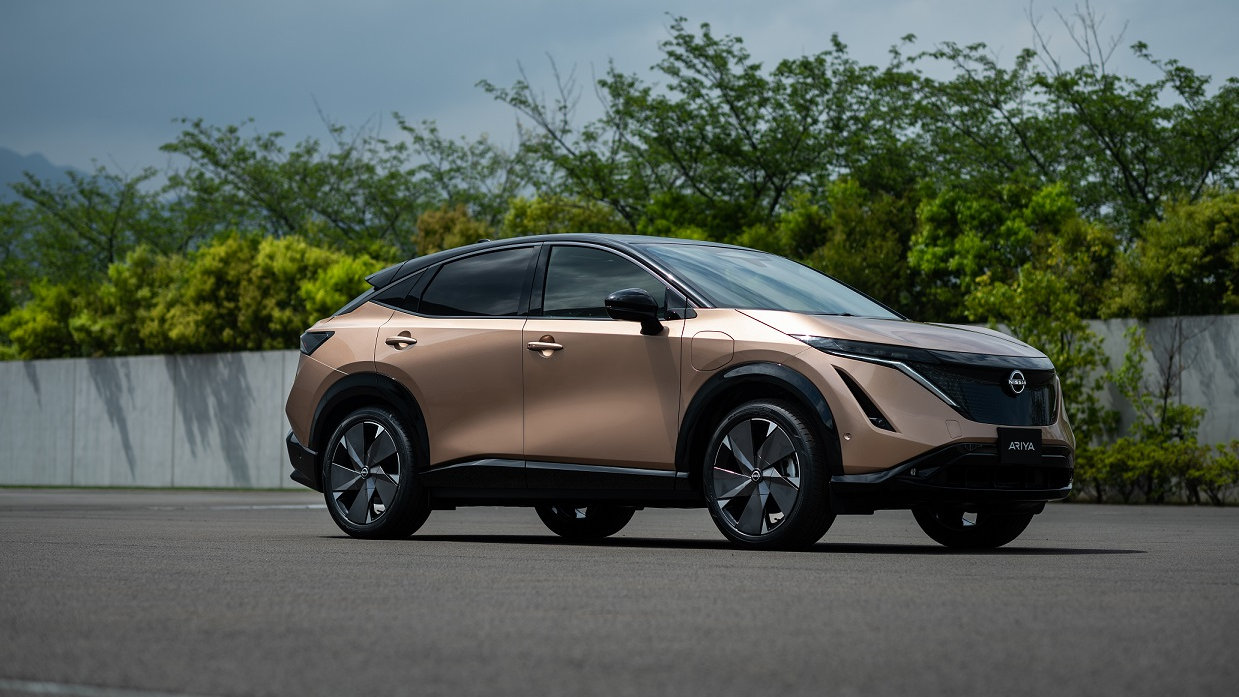
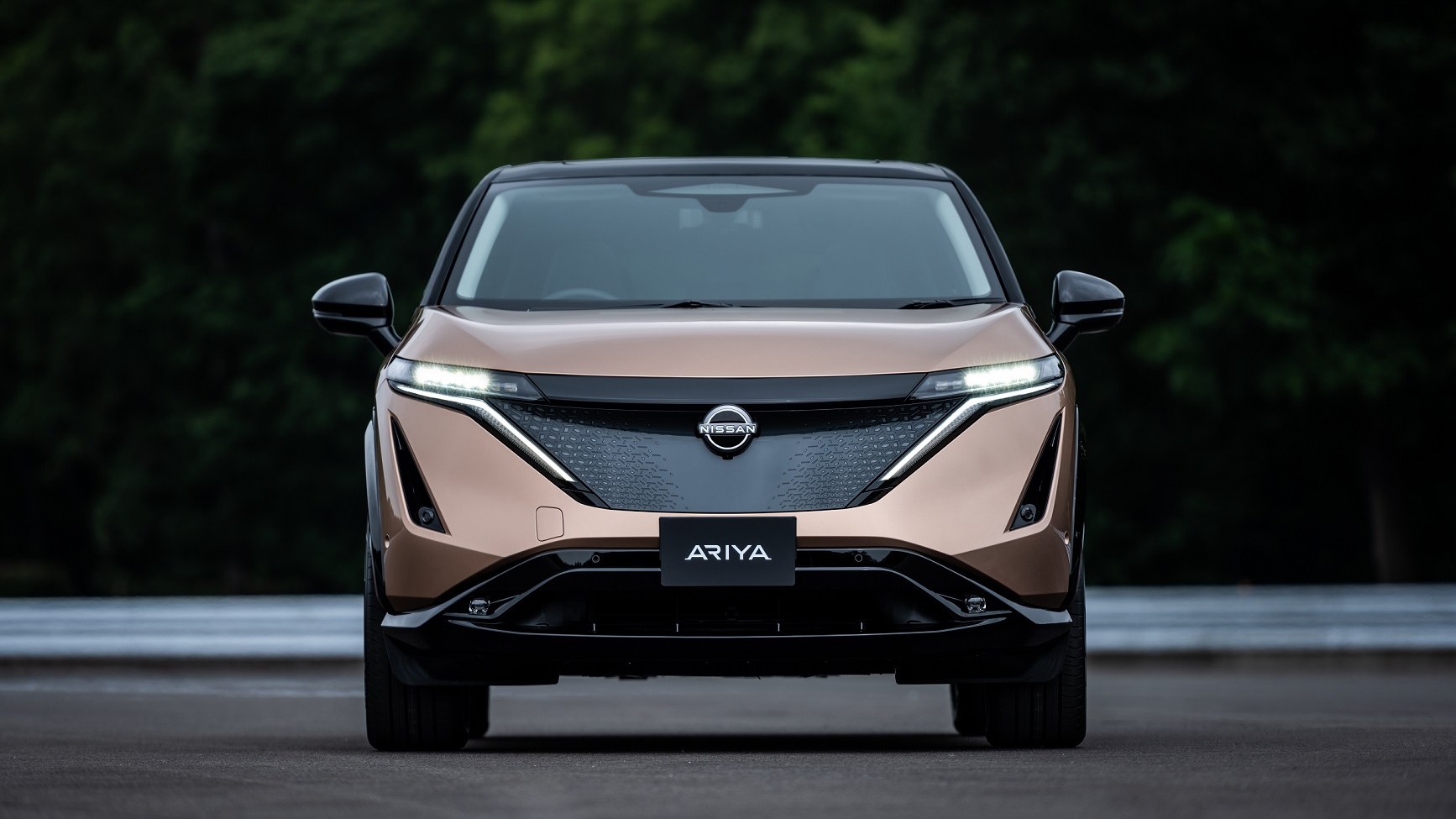
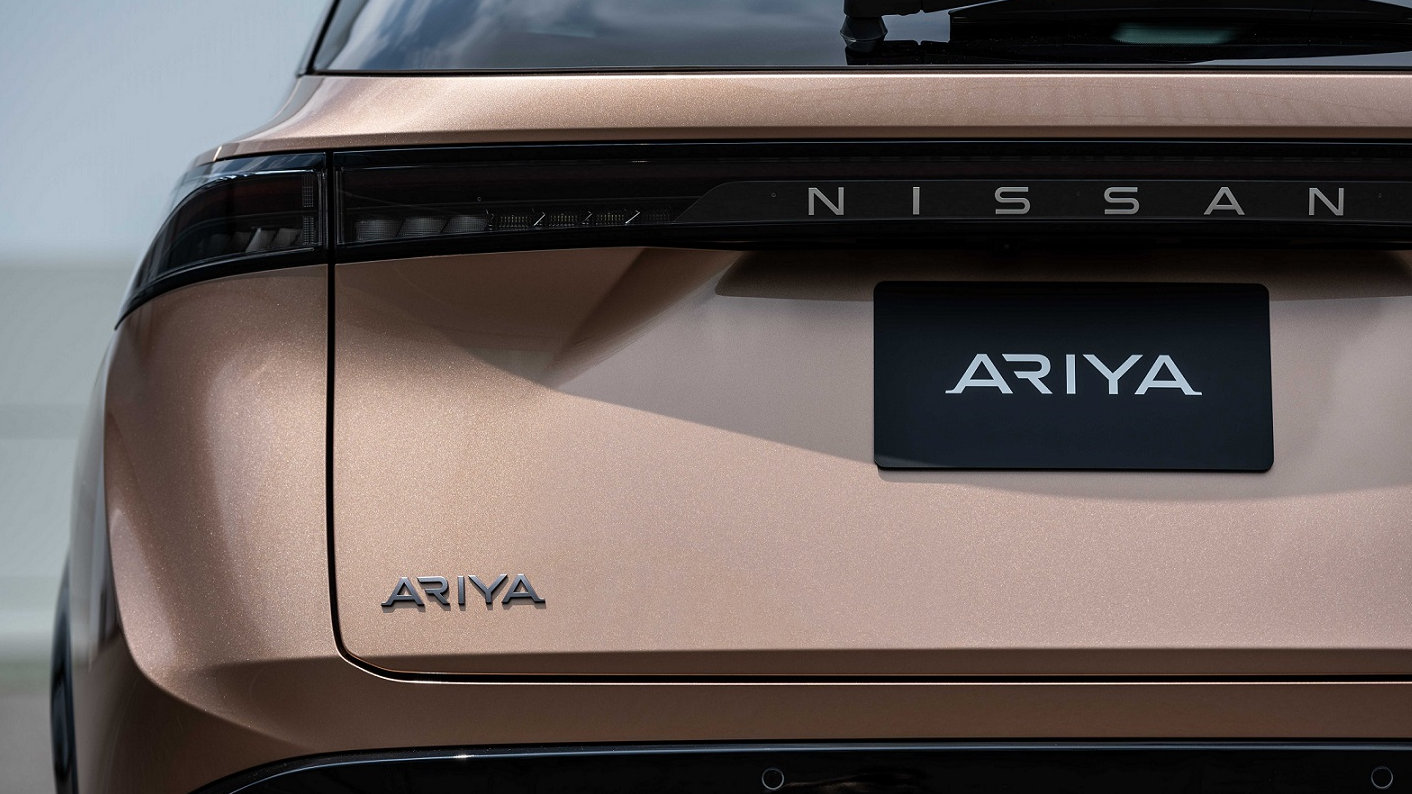
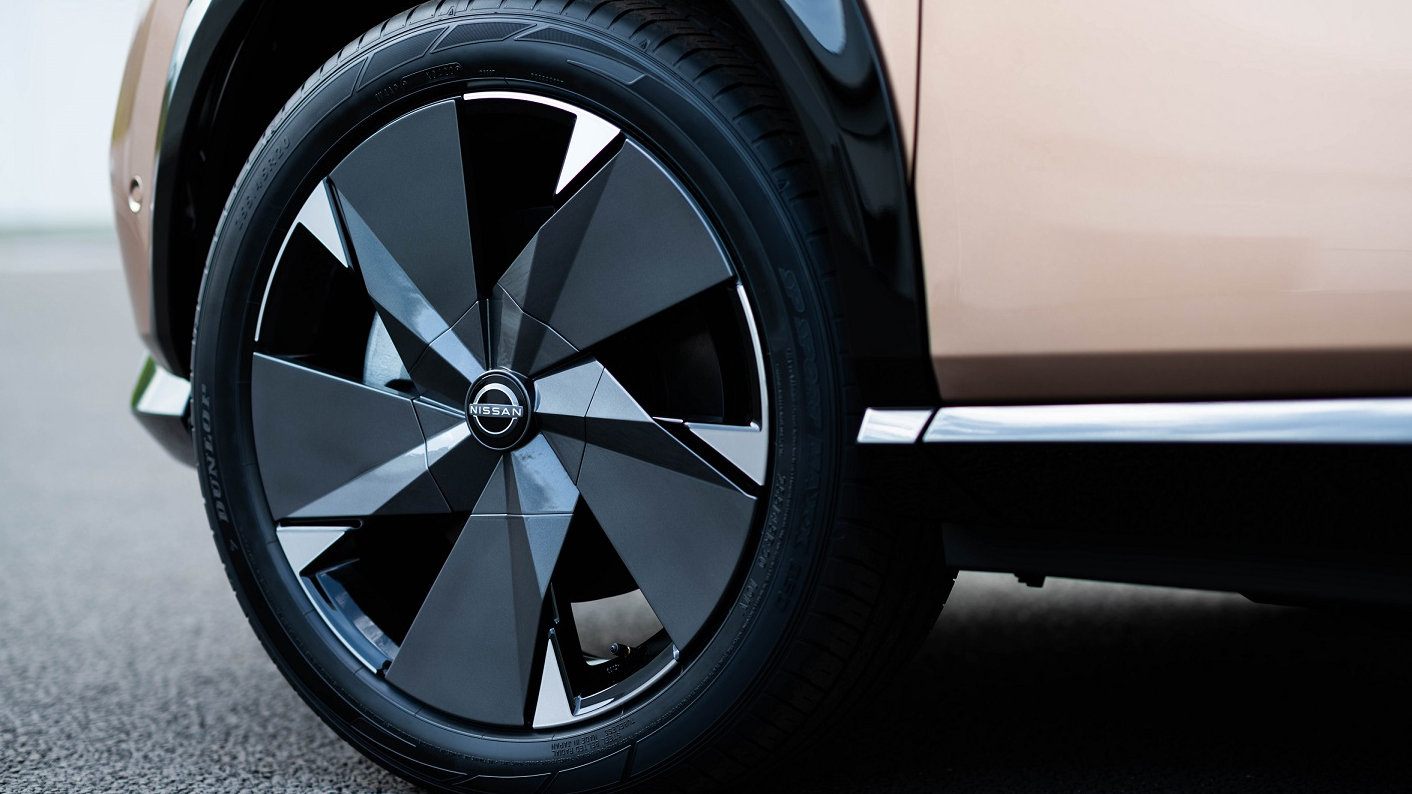
Previously revealed at the Tokyo Motor Show, Nissan today introduced the Nissan Ariya to the world - the company’s first electric crossover SUV.
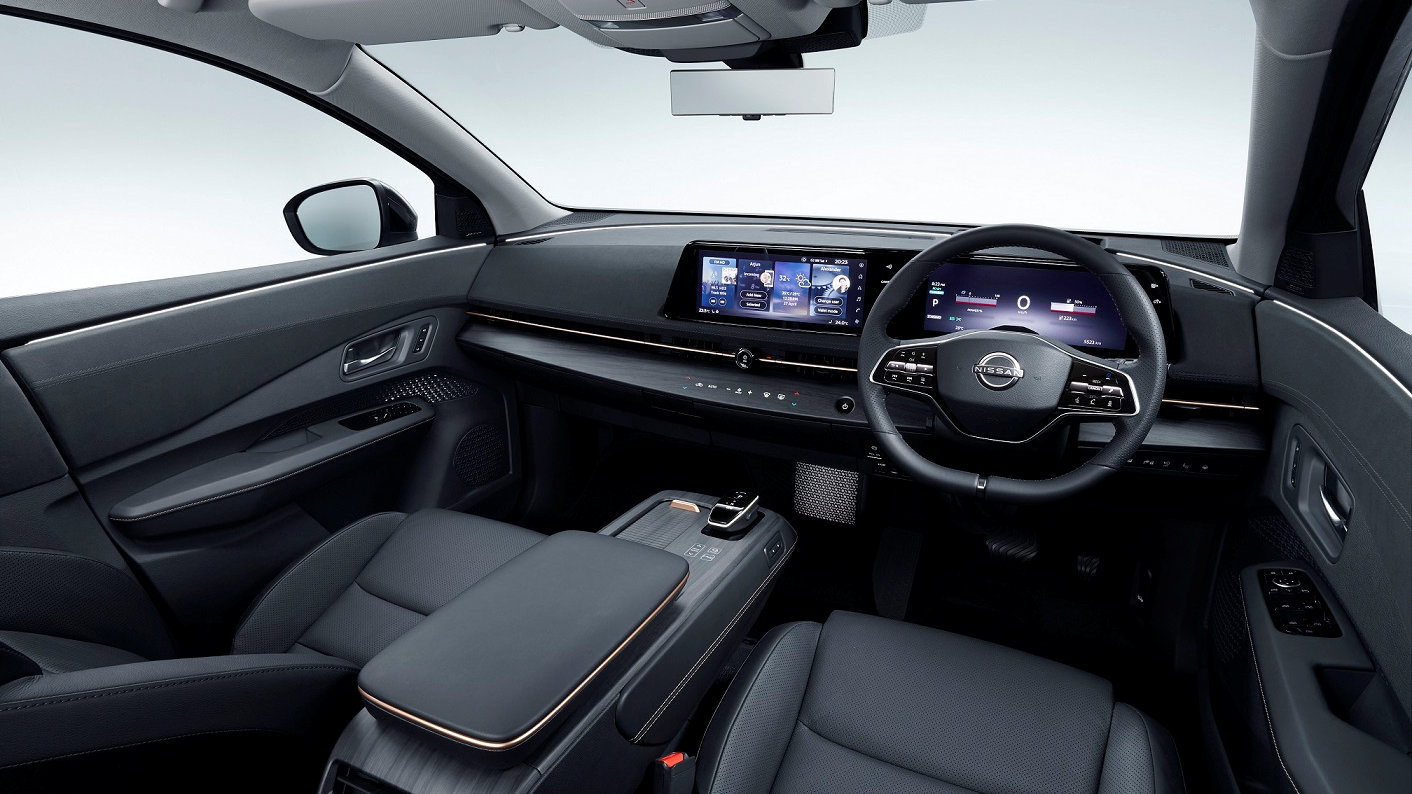
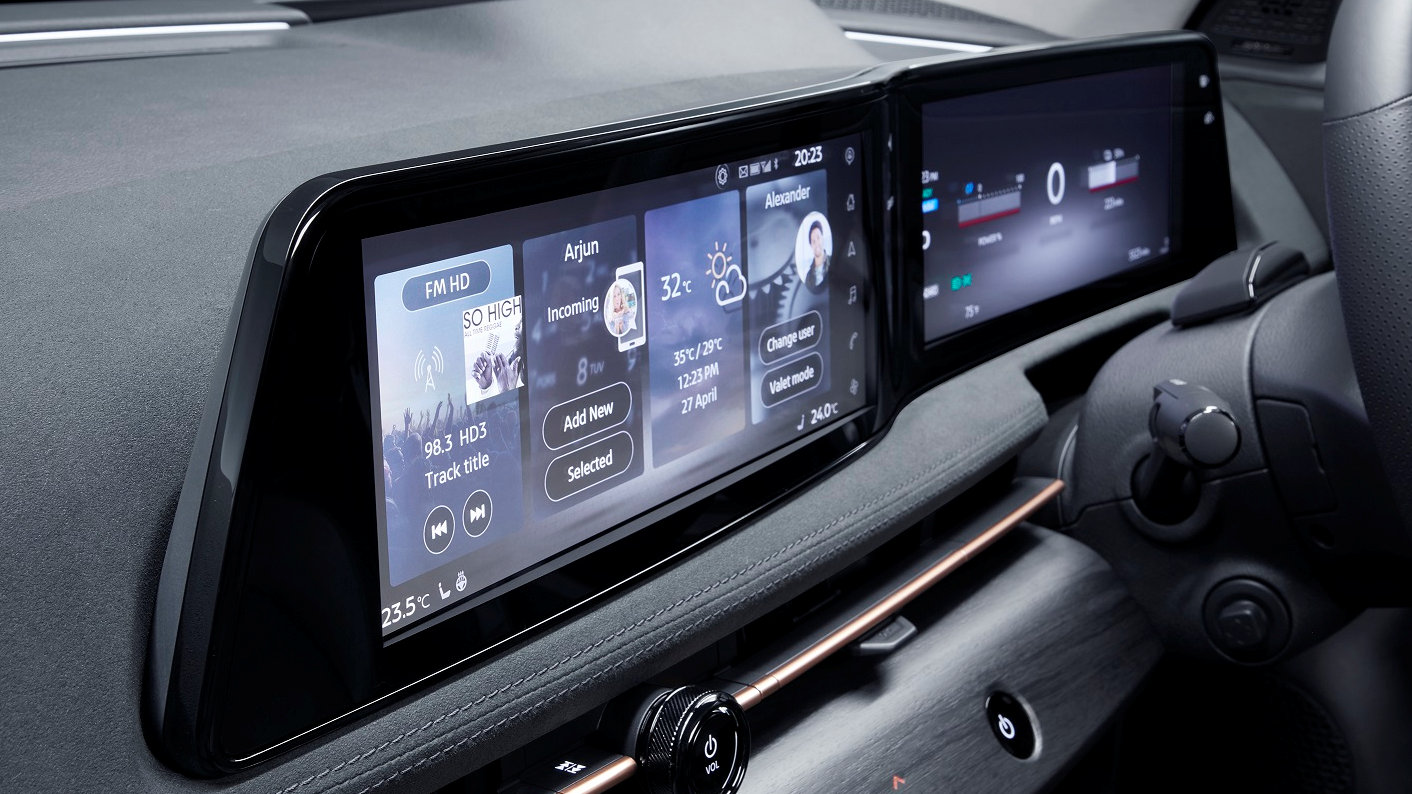
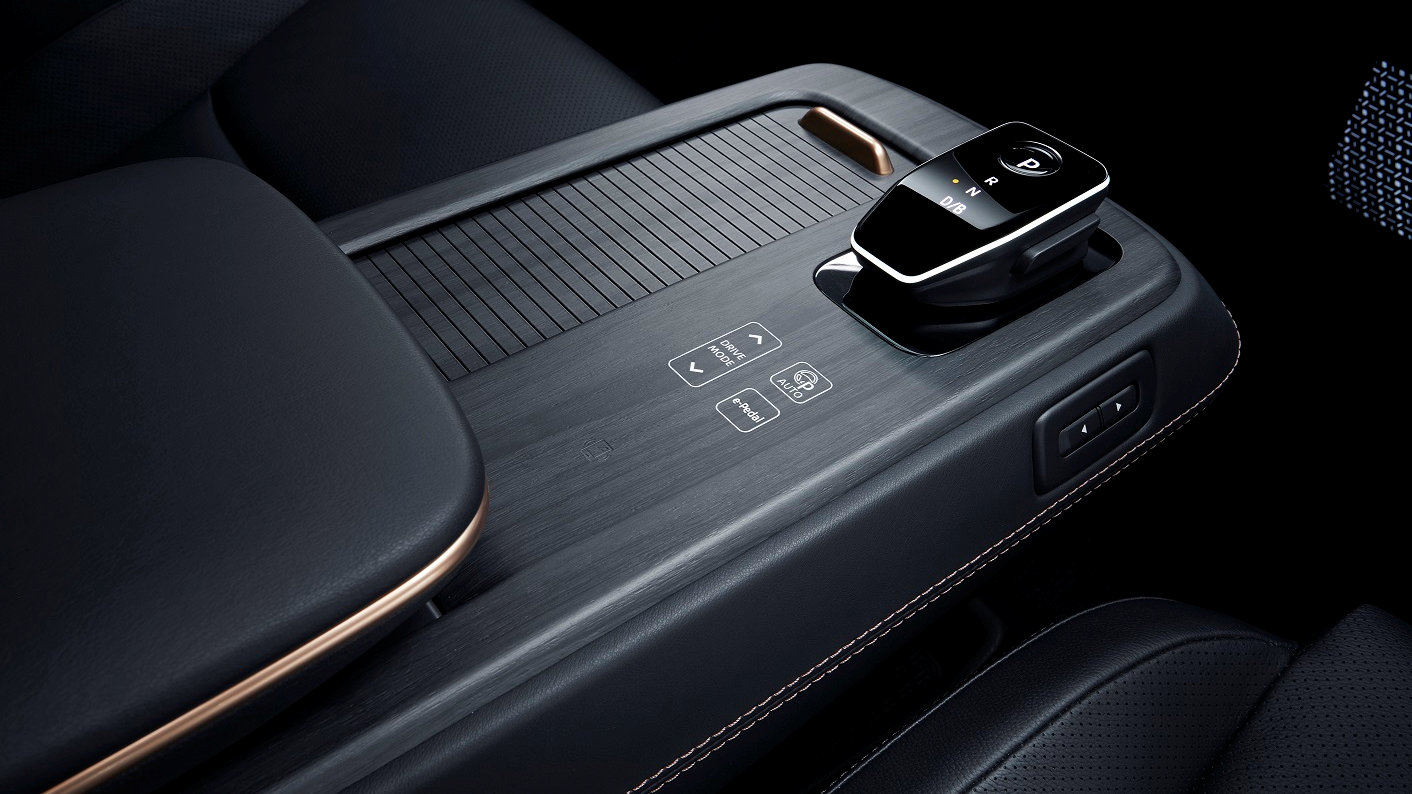
The vehicle features an 100% electric powertrain, autonomous driving technology, concierge-level assistance, seamless connectivity and a spacious, lounge-like interior. The company puts an estimated range of up to 610 kilometers, making it ideal for daily commutes as well as long-distance weekend road trips.
CEO Makoto Uchida and Chief Operating Officer Ashwani Gupta unveiled the Ariya to a global audience during a livestreamed event at the new Nissan Pavilion in Yokohama.
“The Nissan Ariya is a truly beautiful and remarkable car,” Gupta said. “It enables you to go further, easier and in comfort. The Ariya is designed to impress, and to express what Nissan strives for – making our customers’ lives better.”
The all-new Nissan Ariya is scheduled to go on sale in Japan in mid-2021, be priced at around 5 million yen (AED 171,627). The vehicle will be available in Europe, North America and China by the end of 2021, though Middle East availability has yet to be confirmed.
Image 1 of 9
(Image credit: Nissan)
Image 2 of 9
(Image credit: Nissan)
Image 3 of 9
(Image credit: Nissan)
Image 4 of 9
(Image credit: Nissan)
Image 5 of 9
(Image credit: Nissan)
Image 6 of 9
(Image credit: Nissan)
Image 7 of 9
(Image credit: Nissan)
Image 8 of 9
(Image credit: Nissan)
Image 9 of 9
(Image credit: Nissan)
Performance and tech
Depending on customer preference, the Ariya can be equipped with two-wheel-drive and e-4ORCE all-wheel-drive, as well as two different battery sizes. Subject to regional availability, customers can utilize the ProPILOT 2.0 advanced driver assistance system and the ProPILOT Remote Park and e-Pedal features for a safer and more convenient driving experience.
Other safety features include Intelligent Around View Monitor, Intelligent Forward Collision Warning, Intelligent Emergency Braking and Rear Automatic Emergency Braking technology. Customers will also be able to use voice control to adjust various car settings, along with built-in Amazon Alexa integration.
Motorola’s Moto G range has gone from strength to strength, remaining one of the best budget smartphone ranges around and recently delivering the Moto G8, a phone that we awarded 4.5 stars to.
So we are of course eagerly awaiting the Moto G9 range, since there’s every reason to think the company will continue its streak of excellent affordable handsets.
At the time of writing we don’t know much about the Moto G9 range, but we are starting to hear the first rumors about it, suggesting that at least one model in the range might arrive soon.
Below you’ll find all the news and leaks that we’ve heard so far, along with information on the likely price and release date, and a list of the things we most want from the Moto G9 range.
Cut to the chase
What is it? The next budget smartphone selection from Motorola
When is it out? Possibly October
What will it cost? We'd expect a low-end price
Moto G9 release date and price
There’s no specific news on when we might see the Moto G9 range, but the Moto G8 Plus launched in October 2019, ahead of the rest of the Moto G8 range (despite being a ‘Plus’ model) so we might well see the Moto G9 Plus land in or around October of this year.
Indeed, it looks like the Moto G9 Plus may well land before the standard Moto G9 or any other G9 model, as the phone has been spotted by MySmartPrice on the EEC (Eurasian Economic Commission) certification database, and by leaker Sudhanshu on a Spanish retailer’s website.
There’s no release date listed on either, but they’re both appearances that we’d expect to only happen fairly close to launch. Note that the database listing doesn’t include the name of the phone either, but it does include the model number XT2087-2, which is also on the retailer’s site, alongside the Moto G9 Plus name.
As for the price, according to the retailer (Paratupc) it’s €277.15, which is roughly $315 / £250 / AU$450. Note however that the Moto G8 Plus launched for €269 in Spain, so if this price leak is right then the Moto G9 Plus might be a tiny bit more expensive.
Seems like Motorola moto g9 plus launch might not be so far.#motog9plus #motog9series pic.twitter.com/lFRTBCk6ZlJuly 13, 2020
For reference, the Moto G8 Plus is £239 / AU$499 (roughly $310), so the Moto G9 Plus is likely to either be similar or slightly more expensive. However, it may not be available in the US, given that the Moto G8 Plus isn’t.
Some phones in the range probably will be though, and we’re even less sure when the rest of the Moto G9 range will land. But if they follow in the Moto G8 range’s footsteps then many might arrive in early 2021, and the price tags could well be similar to their predecessors’, just like current leaks suggest the Moto G9 Plus’s will be.
Moto G9 news and leaks
According to the retailer listing above, the Moto G9 Plus has 4GB of RAM and 128GB of storage, which would make for the same RAM amount as the Moto G8 Plus, but double the storage. Of course, we’d take this with a pinch of salt as it could just be a placeholder listing.
There may also be different configurations available and there will of course also be other models sooner or later. A standard Moto G9 is sure to show up eventually for a start, while a Moto G9 Power, Moto G9 Power Lite, or other variants are also possible. It’s likely that they will all run Android 10, but everything else is up in the air.
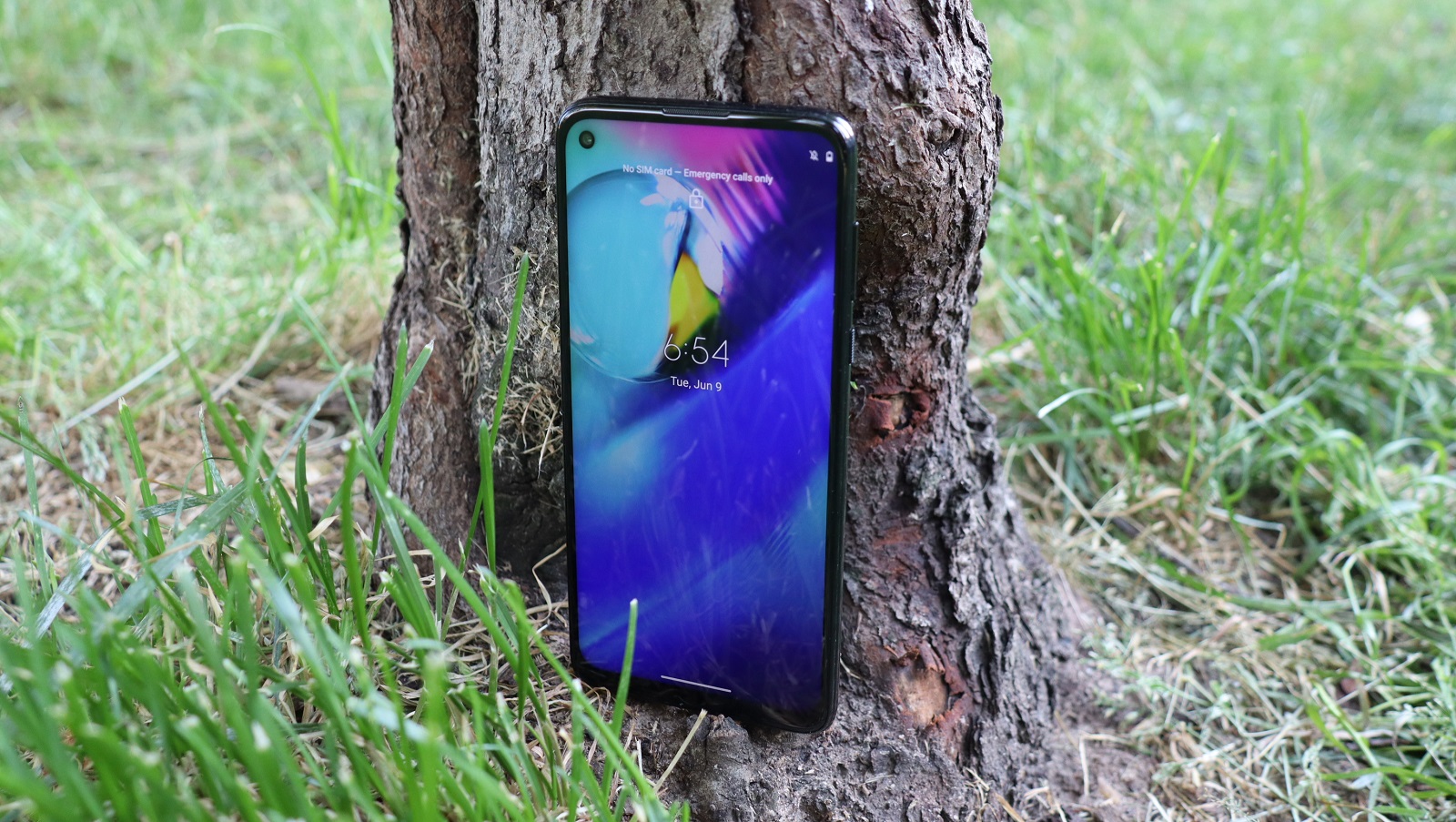
The range might include a successor to the Moto G8 Power (above)(Image credit: Future)
What we want to see
While we don’t know much about the Moto G9 range at the time of writing, we do have plenty of ideas about what we want from it, such as the following.
1. NFC in all models
The basic Moto G8 doesn’t have NFC, which means you can’t make contactless payments with it, which seems a significant omission in 2020, especially when the Moto G7 does have NFC (at least in some regions).
Sure, the Moto G8 Plus has NFC, but for the Moto G9 we want to see it offered across the range. Its absence in the Moto G8 was likely a cost-cutting measure, but hopefully it can be included this time without pushing the price up much if at all.
2. 1080p or better screens across the range
As with NFC, the basic Moto G8 doesn’t have a 1080p screen, and nor does the Moto G8 Power Lite, which even for a budget phone feels like a bit of a miss.
So for the Moto G9 range we want the resolution boosted on these basic models. In a world where many phones are now QHD+, and 1080p is the standard, it’s the least we want to see.
3. Better secondary cameras
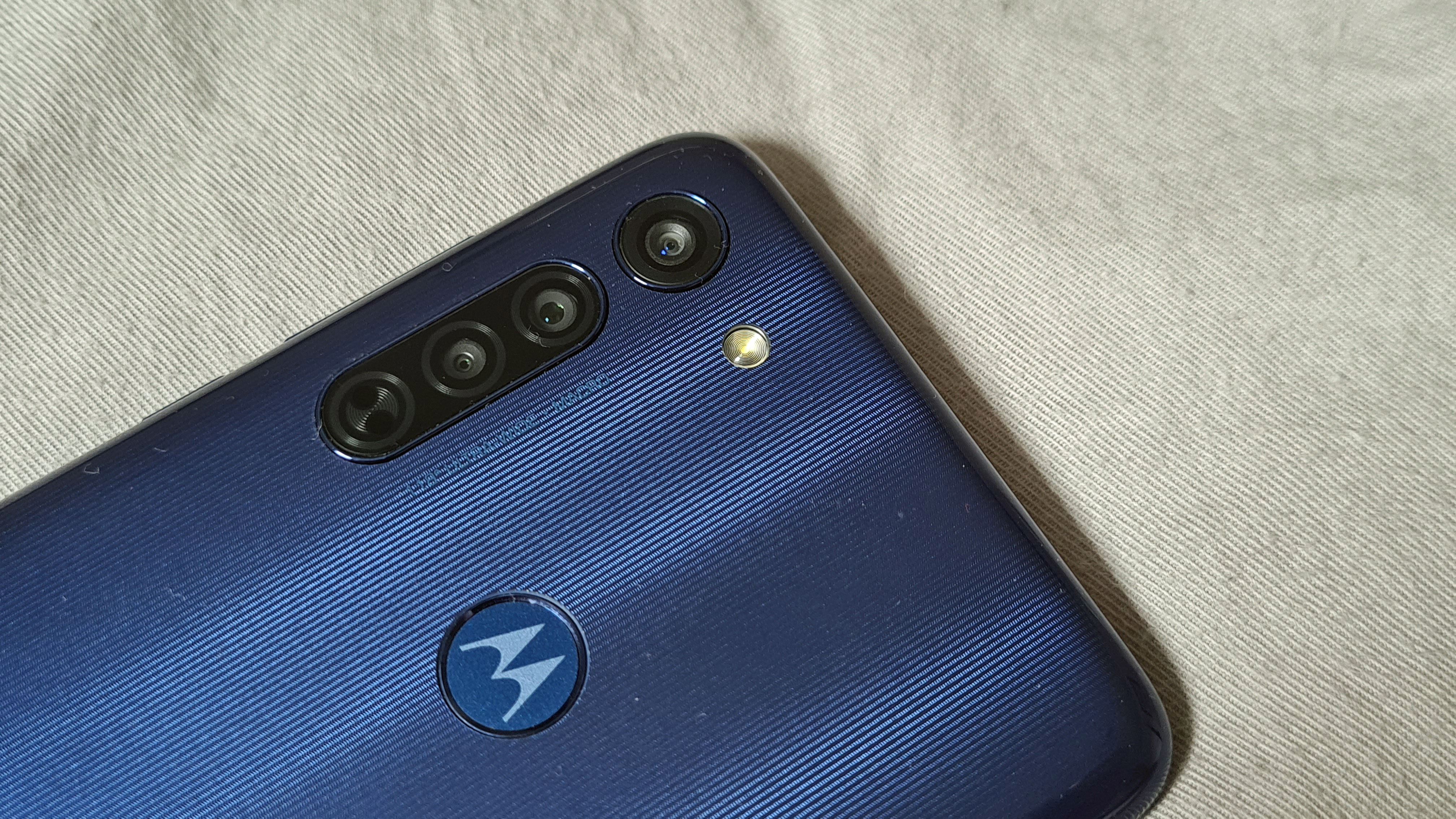
The Moto G8 has a triple-lens camera but not all the lenses are useful(Image credit: TechRadar)
The Moto G8 and Moto G8 Plus both have triple-lens cameras, but they’re not without issues. The third of those cameras on the Moto G8 is a near-useless macro one, while on the Moto G8 Plus the ultra-wide lens oddly only works for video, which is quite limiting.
So we want some more thought put into the cameras for the Moto G9 and Moto G9 Plus, so that every lens is as useful as possible.
4. Glass backs and metal frames
The Moto G8 and Moto G8 Plus both have plastic backs and frames, marking them out as distinctly cheap, but for the Moto G9 and Moto G9 Plus we’d like to see them upgraded to glass backs and metal frames.
In fairness, most rival handsets are also plastic, so this might be asking a bit much, but with ever steeper competition coming from the likes of the Oppo A5 2020, a more premium build would help the Moto G9 range stand out.
5. 5G
5G phones are quickly becoming more affordable, and Motorola has got in on the affordable 5G action already with the Moto G 5G Plus, but the next step is surely to build 5G into the main Moto G range, so we’d like to see at least one of the Moto G9 models offer it.
Walt Disney has become the latest company to slash its advertising spending on Facebook as the social media giant faces an ad boycott over its handling of hate speech and controversial content, the Wall Street Journal reported on Saturday, citing people familiar with the situation.
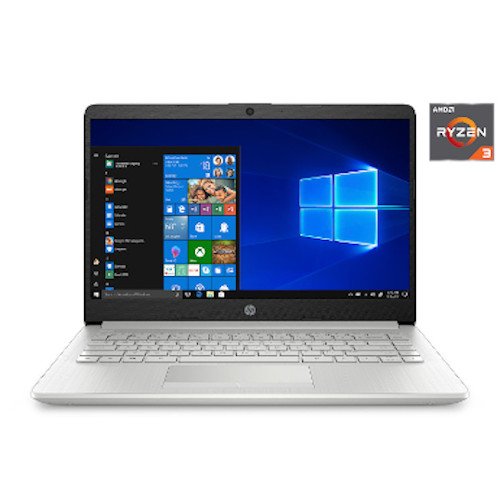
HP 14-dk1022wm laptop -$299.00 from Walmart
(roughly £240) HP was so close to nailing it with this affordable business laptop, powered by AMD Ryzen. The machine boasts decent specs and a smart aesthetic, but the screen is seriously outdated and upgrade options are limited too.View Deal
The 14-dk1022wm is currently HP’s most affordable business laptop on the market right now, at just under $300 from Walmart (roughly £240).
This 2020 model comes with the AMD Ryzen 3 3250U, a dual-core CPU with a base clock of 2.6GHz. It's comparable to an Intel Core i3-8121U processor, which is to say it's not too shabby, especially with AMD Radeon 3 Graphics.
In terms of aesthetic, the machine is a considerable step up from the graphite-coloured models of yesteryear, with a sharp-looking silver finish. We also appreciate the large single hinge and ultra-narrow bezel on the frame.
However, the display is a 14-inch SVA model, which is inferior to an IPS equivalent - usually a sign of cost-cutting. It's also worth noting that this screen is HD only, not full HD.
The rest of the specification is decent, but nothing to write home about. There’s 4GB of DDR4 memory (sadly soldered on board, so not upgradable) and a 128GB M2 SATA3 SSD.
Connectivity options, meanwhile, include a Gigabit Ethernet port, card reader, 802.11ac, Bluetooth, three USB ports, an audio port and an HDMI port.
The 41WHr 3-cell battery will power the laptop for up to eight hours, which is remarkable for an entry level laptop and, at only 3.33Lbs, this is also a pretty portable notebook.
Should 128GB prove too small for you, there’s a 1TB model (14-dk1025wm) that costs around the same, but it has a much slower hard disk drive rather than an SSD and has a much shorter battery life.
This product does not ship to all regions, so non-US customers will likely need to use a specialist parcel forwarding service to take advantage of the deal.
If you've managed to find a cheaper product with equivalent specifications, in stock and brand new, let us know and we'll tip our hat to you.
from TechRadar - All the latest technology news https://ift.tt/2ZHPVxH
We're approaching September 2020, which means it's almost time for a new GoPro Hero 9 Black – at least according GoPro's previous release schedule.
GoPro has released a new flagship action camera every September or October for the last decade, so it'd be a surprise if a Hero 9 Black didn't arrive at a similar time this year. Then again, this isn't a normal year.
There has been very little rumor chatter about the GoPro Hero 9 Black online, but we still expect to be here before the end of the year. After all, a product that could well be this camera was referenced in a GoPro FCC filing back in May.
With many of us keener than ever to get outside and active, particularly with other entertainment avenues severely restricted in most countries, it would be a good time to introduce a more versatile version of its flagship action camera.
With hope in our hearts and the GoPro Hero 9 Black on our mind, our camera team got together to sketch out the changes we think are realistic — and in some cases almost a dead cert — for the next GoPro Hero Black.
The GoPro Hero 8 Black did not get any new, top-billing capture modes – so it’s time for a step up.
Shooting 4K at 120fps is the obvious next move. A GoPro is a better-suited for a focus on high frame-rate modes than any phone or mirrorless camera, because action is its natural environment.
Such a high 4K frame rate is also possible even if the GoPro Hero 9 Black keeps the same camera sensor as the Hero 8 Black. Its Sony IMX277 is already capable of 119.88fps readout at 3840 x 2160 resolution, according to Sony’s specs.
(Image credit: GoPro)
Of course, 120 frames per second in 4K will likely only be of use in good lighting. High frame-rates necessitate fast shutter speeds, so the GoPro Hero 9 Black will have to increase its ISO sensitivity more than it would when shooting at, for example, 30fps.
We see the same effect today when using the 120fps and 240fps modes of the Hero 8 Black at 1080p. But it's still a mode we'd love to see in the Hero 9 Black for shooting on sunny days.
2. A new CMOS sensor
The best way for GoPro to improve the Hero 9 Black’s native low-light sensitivity is to use a larger sensor. All Black-series GoPros to date have 1/2.3-inch sensors. They are small – in fact, even smaller than those of the best camera phones.
But is there room for something larger? Many have waited for a GoPro with a 1-inch sensor ever since the Sony RX0 arrived in 2017, and proved you could fit such a chip in a small action camera.
However, we don’t think the Hero 9 Black will have one. It would mean a dramatically higher price, and involve a drastic redesign of the camera’s internal layout.
This does not mean GoPro will use the same 12MP Sony IMX277 as all top-end GoPros since 2017’s Hero 6 Black. There are other options.
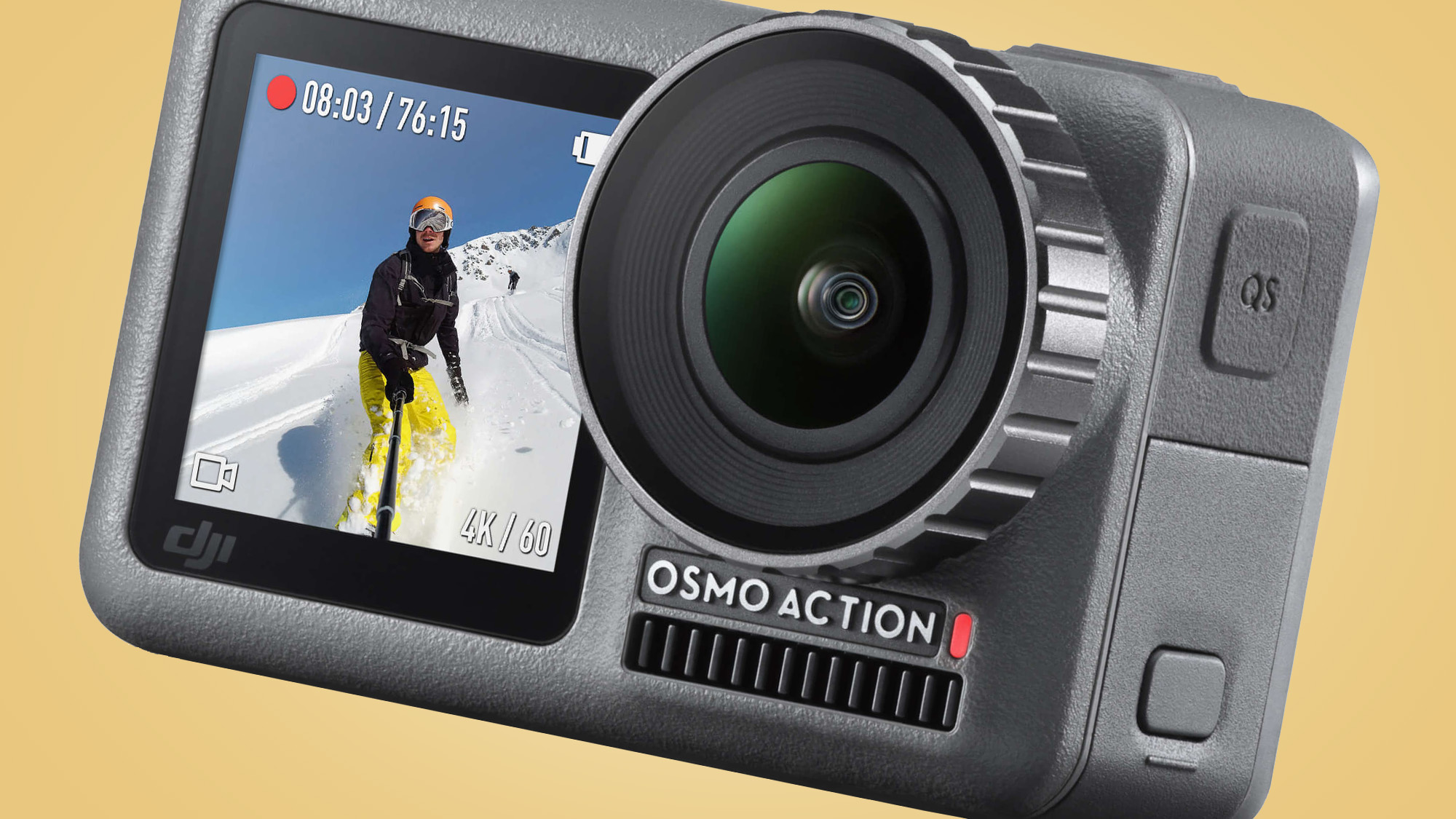
(Image credit: DJI )
The DJI Osmo Action (above) uses the Sony IMX377. Mokacam’s crowdfunded Alpha3 uses the Sony IMX577.
There’s a newer option too, the Sony IMX677, whose specs were published in 2019. This is the same size as the current GoPro’s sensor, 1/2.3-inch, but has a higher resolution of 23MP.
Higher resolution is good news for stills, and potentially for sharper-looking footage at the more tightly cropped fields of view GoPro offers. Low-light shooting is a potential headache, but the IMX677 supports pixel binning, which could solve this issue with the right implementation.
The Sony IMX277 has served GoPro very well. And the amount GoPro has squeezed out of it is incredible, but surely it’s time to move on given this sensor is almost four years old.
3. Speedier operation
If the Hero 9 Black is to get real slo-mo 4K video and a potentially higher resolution sensor, it also needs a faster processor with a beefier image signal processor (ISP).
It’s about time for a change here too, as GoPro’s cameras have used the GP1 CPU since the GoPro Hero 6 Black. We expect it to be called, no surprise here, GP2.
(Image credit: GoPro)
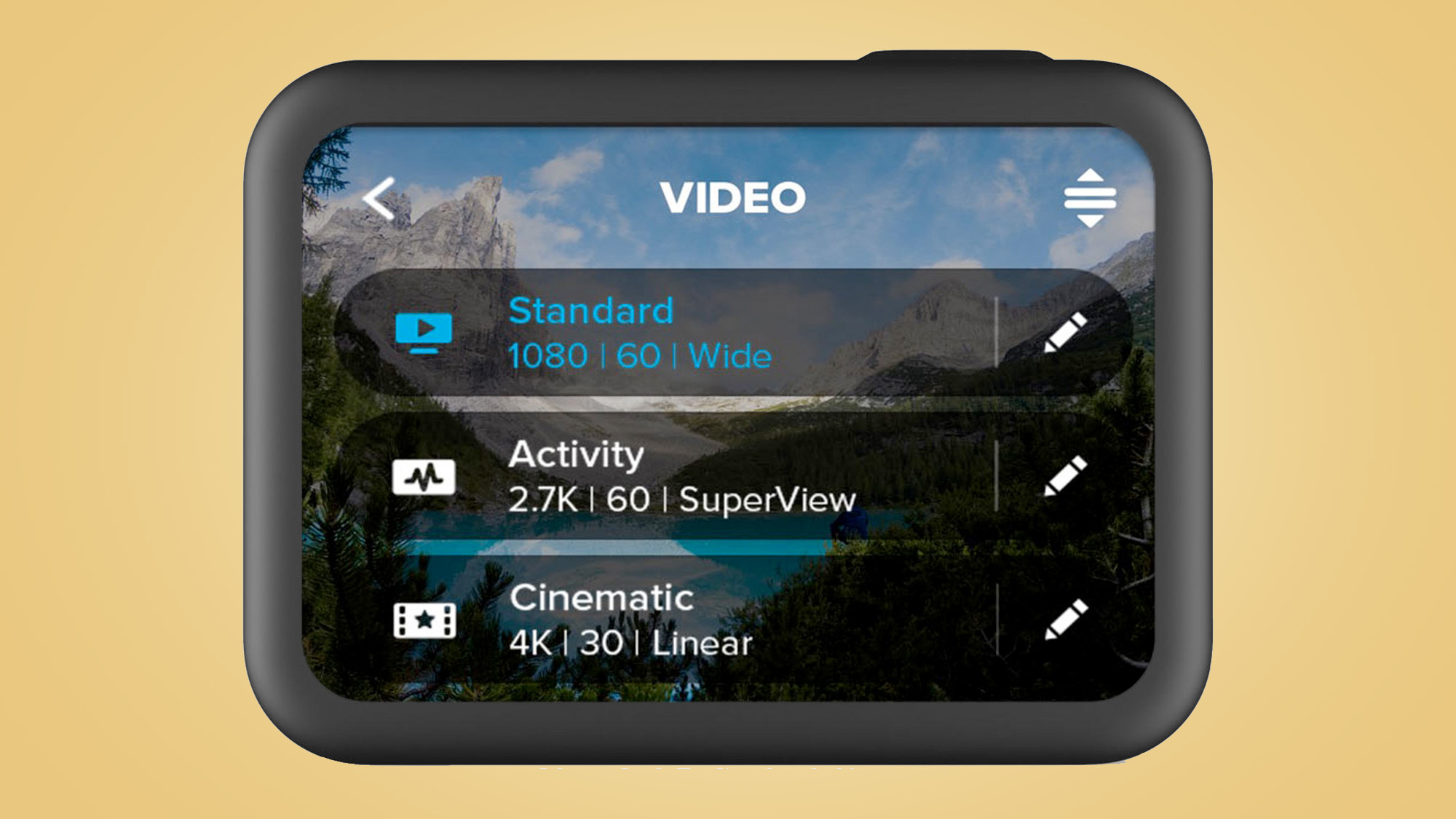
Enabling more advanced capture modes may be its main job, but we would also like to see much faster boot-up and a more responsive menu system.
The ideal would be a GoPro that feels as quick and instant to use as the phone in your pocket. And also only needs to fully turn itself off when manually shut down or left unused for an extended period.
5. A larger, edge-to-edge screen
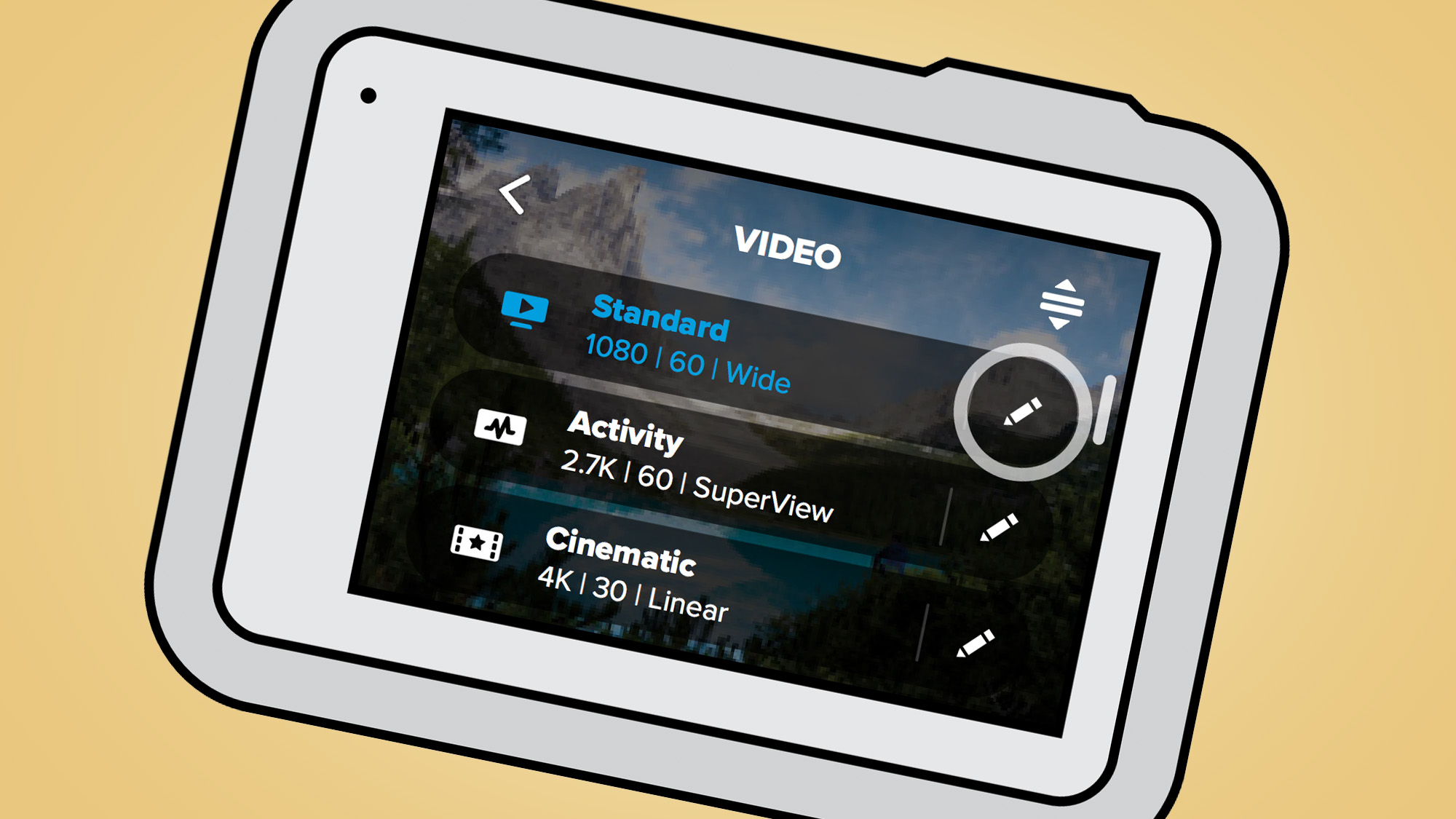
There is a clear improvement to be made to the GoPro Hero 8 Black’s rear screen. It has thick borders, and was shown up last year by the DJI Osmo Action.
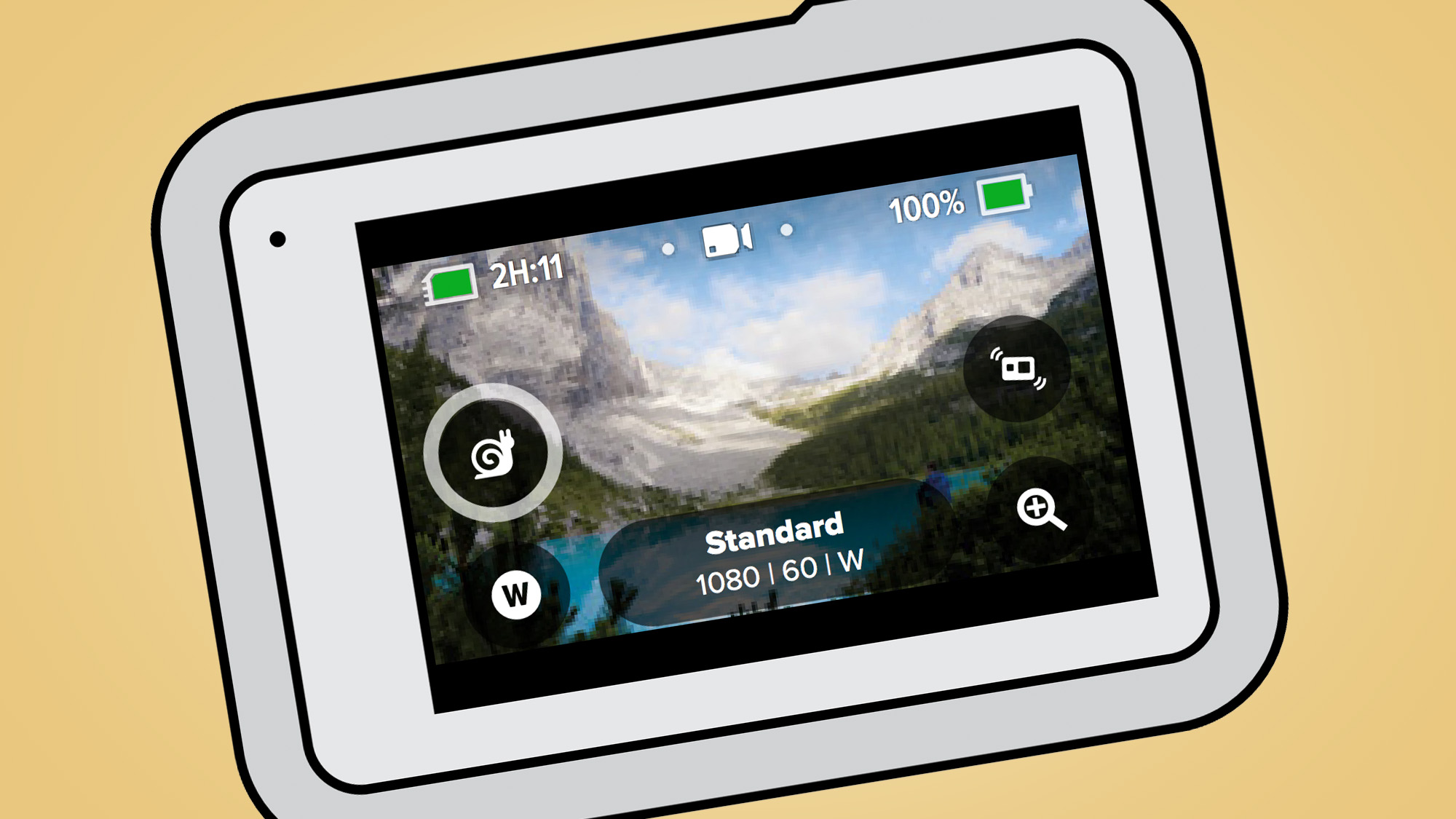
The latest GoPro has a 2-inch, 480x320 pixel display, the DJI a 2.25-inch 640x360 one. A larger, sharper screen would make the menu system easier to navigate, and be a better composition tool.
(Image credit: Future)
This one is a no-brainer. A 2.55-inch LCD is about the largest possible size to expect.
Both current GoPro Hero 8 Black display drivers are made by Sitronix. Its step-up model, according to the Sitronix catalogue, would mean a shift to 854x480 pixels, a boost in color to 16.7 million shades and a change in aspect ratio from 3:2 to 16:9.
This is a much better fit than the current display driver, as the preview image for video in the Hero 8 Black doesn’t even fill the already small space provided by the screen.
5. Color front display with touch shutter
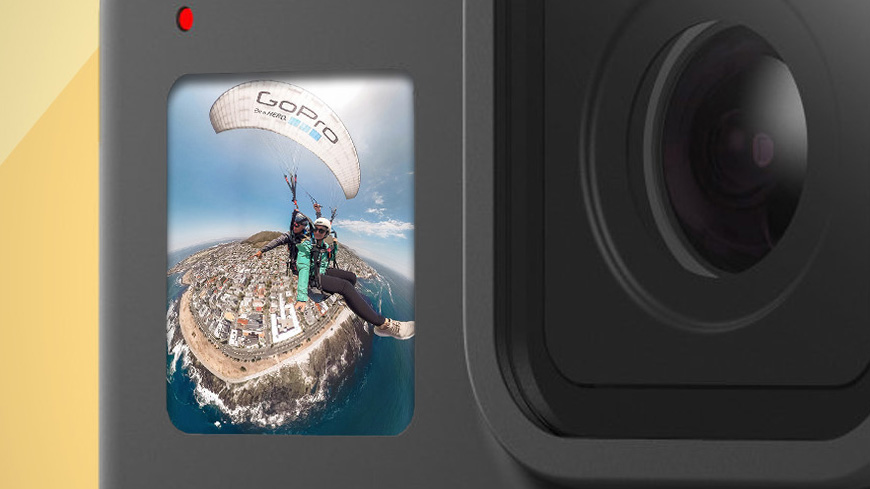
The DJI Osmo Action’s front display also makes the GoPro Hero 8 Black seem a little under-specced, particularly for vloggers.
We do get a little stamp-sized screen in the Hero 8 Black, but it is a simple monochrome display that shows the current shooting mode and battery life.
A full-color LCD screen would be too small, and likely the wrong shape, for full image composition. But it would let you check the top and bottom of the frame aren’t cutting anyone’s head off.
(Image credit: Future)
A touchscreen front display would also offer more comfortable capture commands, as the GoPro Hero 8 Black’s physical shutter button can feel a bit stiff at times if you don’t hold it like a micro compact camera.
There are problems for GoPro to deal with here. One of the highlights of the current monochrome screen is that it is visible in the brightest sunlight. A normal LCD needs a powerful backlight to compete with a lot of ambient light.
And GoPro would need to be careful with touchscreen implementation to avoid accidental fire-offs, preferably without relegating front touch control to a mode hidden in Settings that few will take the time to find. In this respect, a new front display is something of an outside bet for the Hero 9 Black.
6. Hypersmooth 3.0
GoPro cameras already have excellent electronic stabilization. This is where the sensor feed is cropped and the spare image information is used to smooth out movement transitions and eliminate judder.
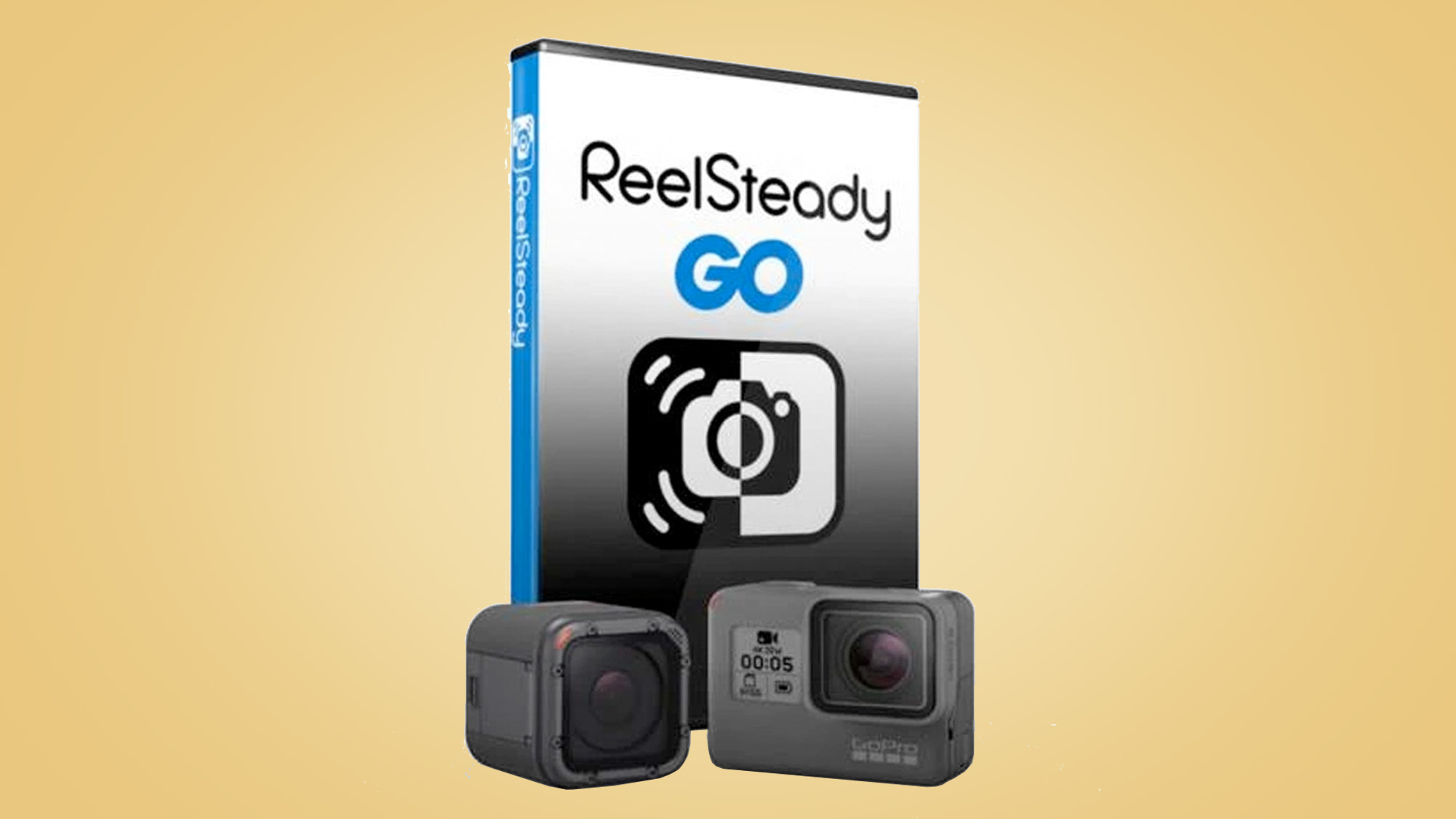
However, there’s evidence we can expect a lot more in the future. GoPro acquired ReelSteady, which makes a superb motion-smoothing After Effects plug-in, in May 2020.
(Image credit: GoPro)
ReelSteady related features are already available in GoPro Labs, a beta program that lets you try out unfinished features as GoPro works on them. Right now the beta firmware “improves rolling shutter correction” to make footage work better when used with the plug-in. But it seems inevitable GoPro will bring ReelSteady's stabilization algorithms into the main GoPro feature set.
At present you can buy a standalone version of this feature, ReelSteady Go, for $99 (around £80 / AU$140). We expect to see it merge with GoPro’s mobile and desktop apps, at some point. GoPro doesn’t want to annoy those who bought ReelSteady Go too much, although it could be bundled with GoPro Hero 9 Black, but remain a paid add-on for owners of older models.
More processor power for the Hero 9 Black should also mean GoPro will be able to get closer to the stabilization offered by the ReelSteady desktop plug-in, only in camera. There’s no magic difference between the two, but more advanced algorithms are liable to be more processor intensive, limiting what a camera can feasibly do on-the-fly.
GoPro Labs also suggests a few other features we may see in the Hero 9 Black, ones that relate to loosening a few restrictions.
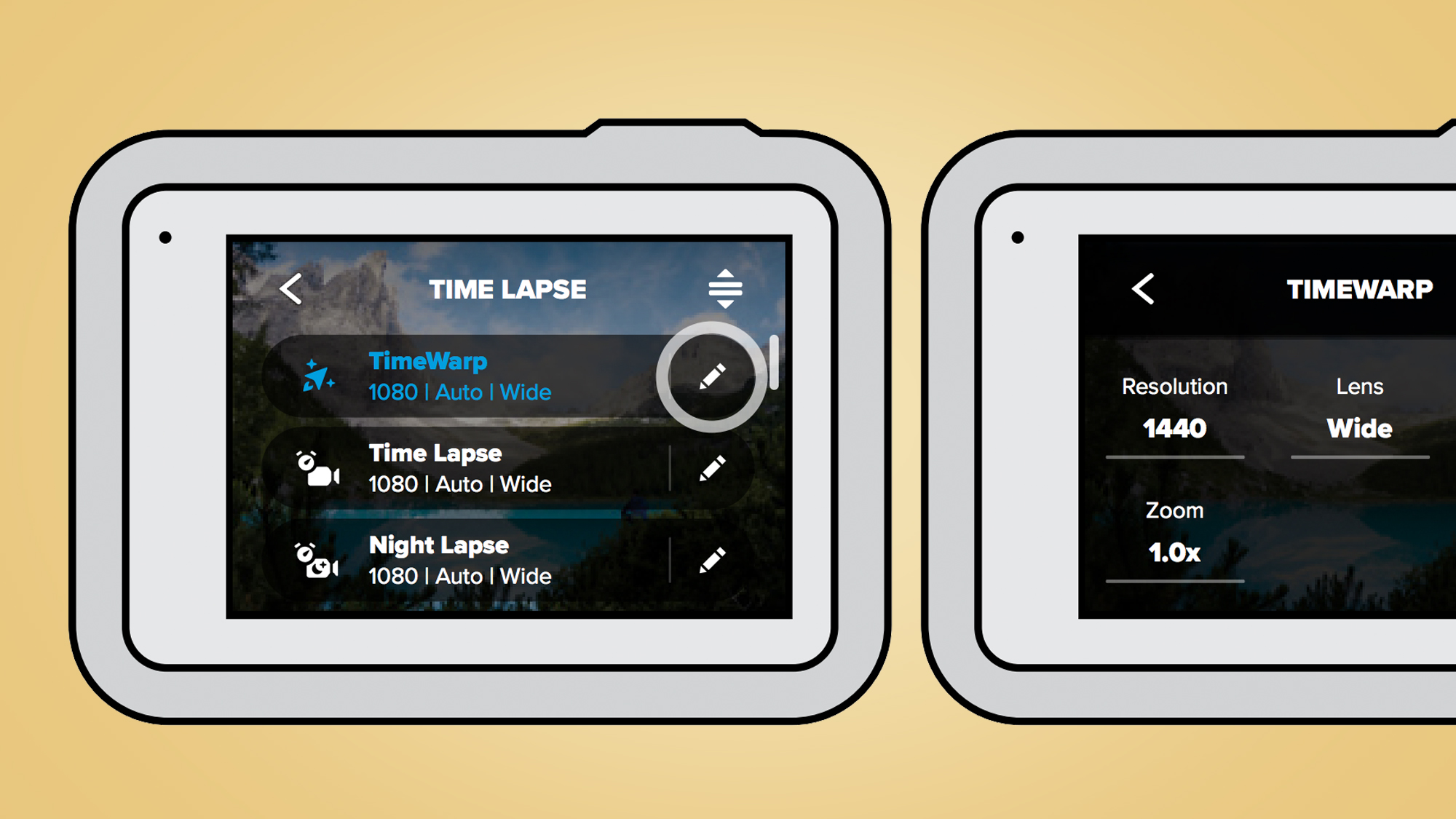
For example, the custom Labs firmware lets you take timelapse videos of up to 50 days, and customize how they operate. You could, for example, set it to only capture during certain times of the day.
(Image credit: GoPro)
The firmware also lets you schedule shots in the future, like setting a wake-up alarm. Few are likely to need these features, but they could prove incredibly useful for those who really go deep with their GoPro cameras. They would make it much easier to capture certain creative shots, with less prep and editing.
8. Body cam mode
Taking another Labs hint a little further, it's possible we could see a 'body cam' mode added to the Hero 9 Black.
Several of the prerequisite components are right there in the beta firmware. For example, it raises the maximum video size from 4GB to 12GB, the original being the file size limit of the FAT32 format traditionally used by SD cards.
(Image credit: Future)
You can add overlays, for things like the time and date, camera name and traveling speed. And capture can be linked to changes in motion or speed.
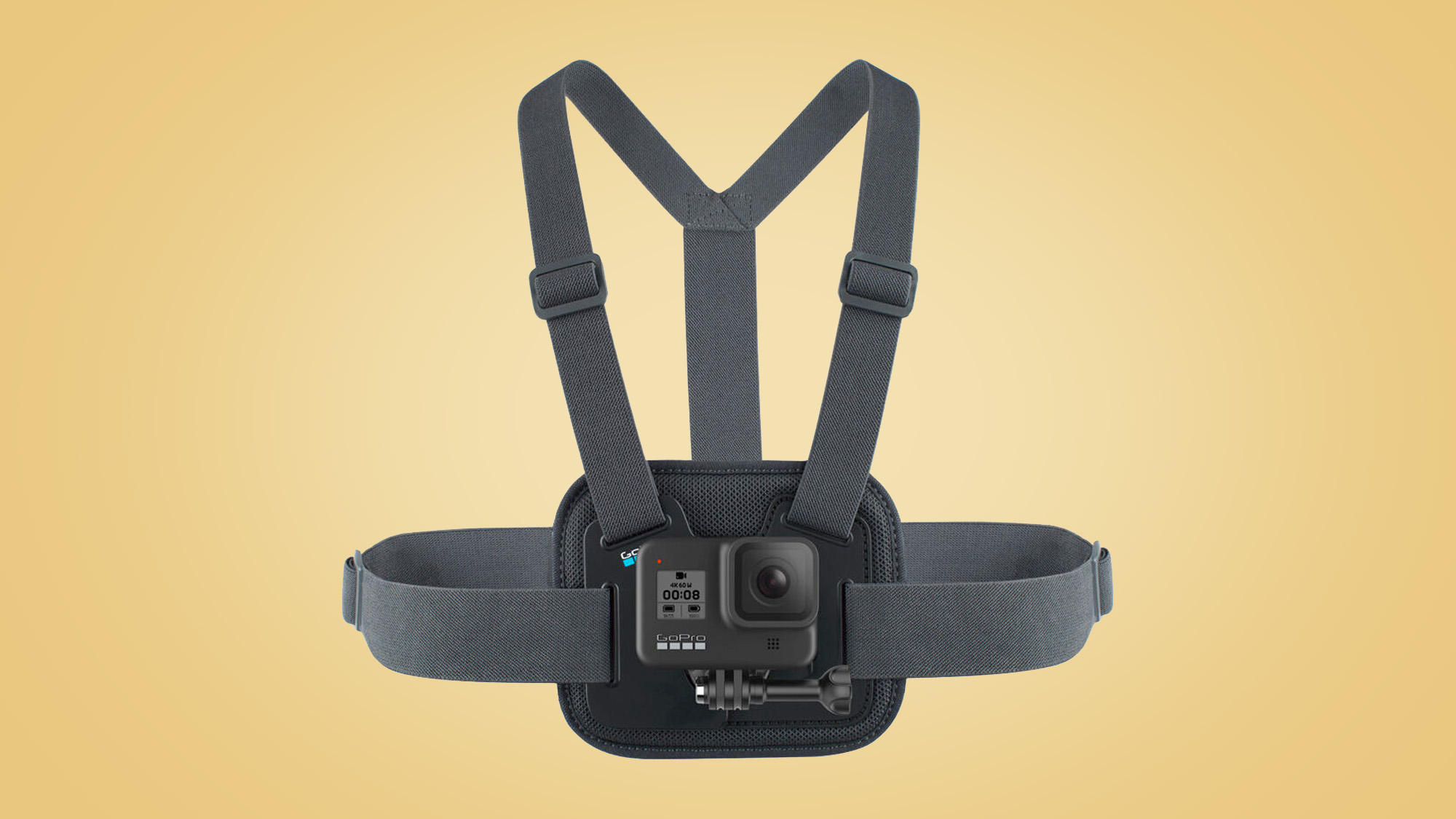
GoPros are already used as body and dash cams, but these extra hints of intelligence and customization suggest GoPro is at least considering bundling them into a separate mode. It's something we'd like to see, given the rising popularity of body cameras.
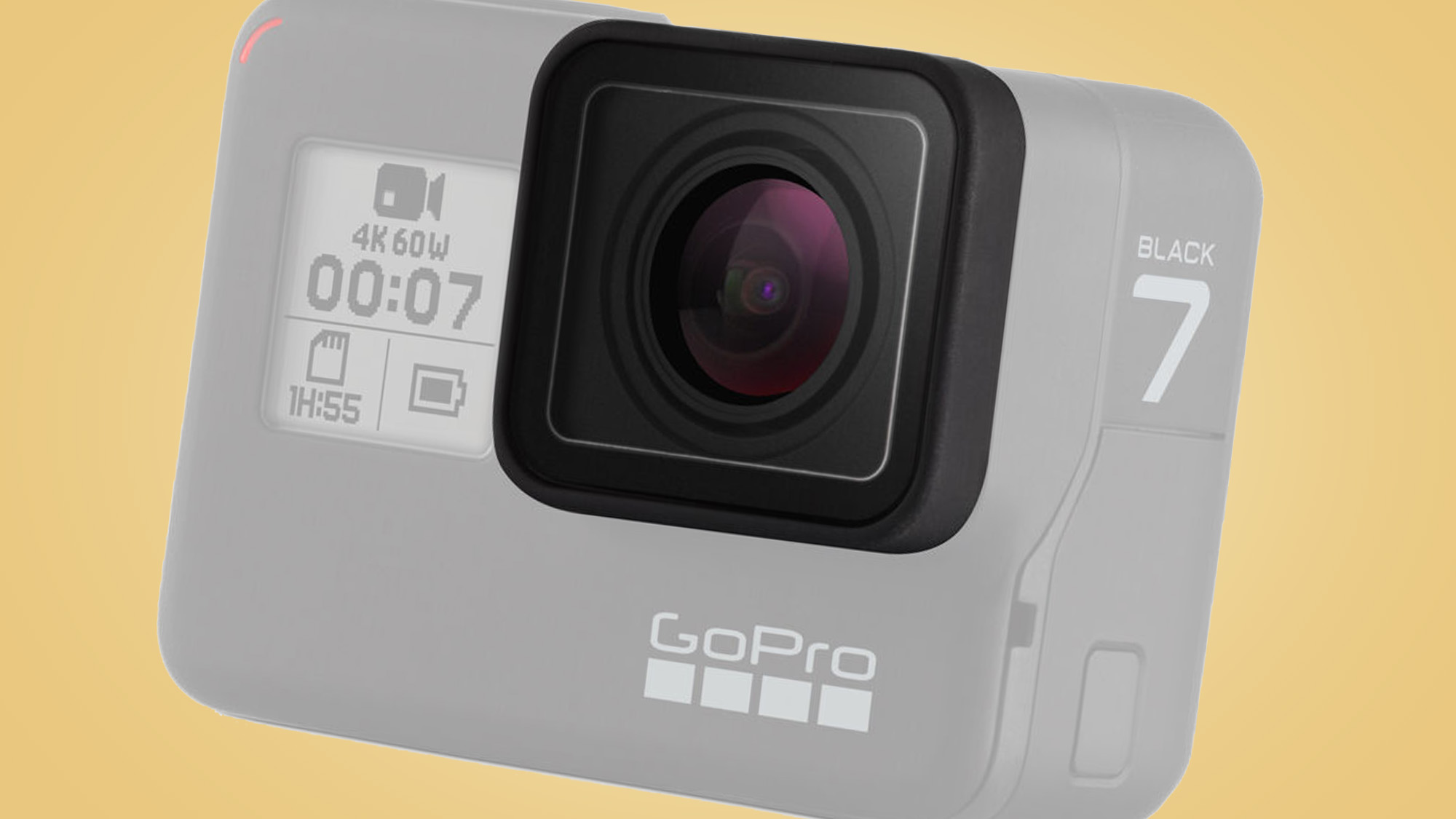
Our final request is a simple one. Many GoPro users didn't like that the Hero 8 Black removed the ability to change its glass lens cover. We’d like it back.
This feature saved a lot of heartbreak in older versions, when you could replace a broken glass lens component for just $19.99 (around £16 / AU$29). It is a tiny outlay in the context of a GoPro's full price.
(Image credit: GoPro)
Why did GoPro do it? The cynical would say it means more of us will upgrade more often. Or that GoPro wants us to sign up for GoPro Plus, the $4.99 / £4.99 / AU$5.83 p/month cloud storage and insurance plan that lets you replace a damaged GoPro up to twice a year.
All of that is probably true, too, but the GoPro Hero 8 Black would likely not have shrunk down as much as it did without ditching the removable lens cover.
The Geekbench listing of the Moto G9 Play hints at 4GB of RAM and the phone is listed to run on Android 10 software. The Moto G9 Play is listed to run on a Qualcomm processor going by the codename ‘guamp’. The processor is said to come with a base frequency of 1.8GHz and integrate eight cores. Judging by the details mentioned in the identifier,...
Redmi Note 9 is all set to launch in India on July 20. The device is now reported to come in 6GB RAM option for the Indian market. The phone was launched in April in 3GB RAM and 4GB RAM options only. The India Redmi Note 9 model may not see a 3GB RAM option at all.
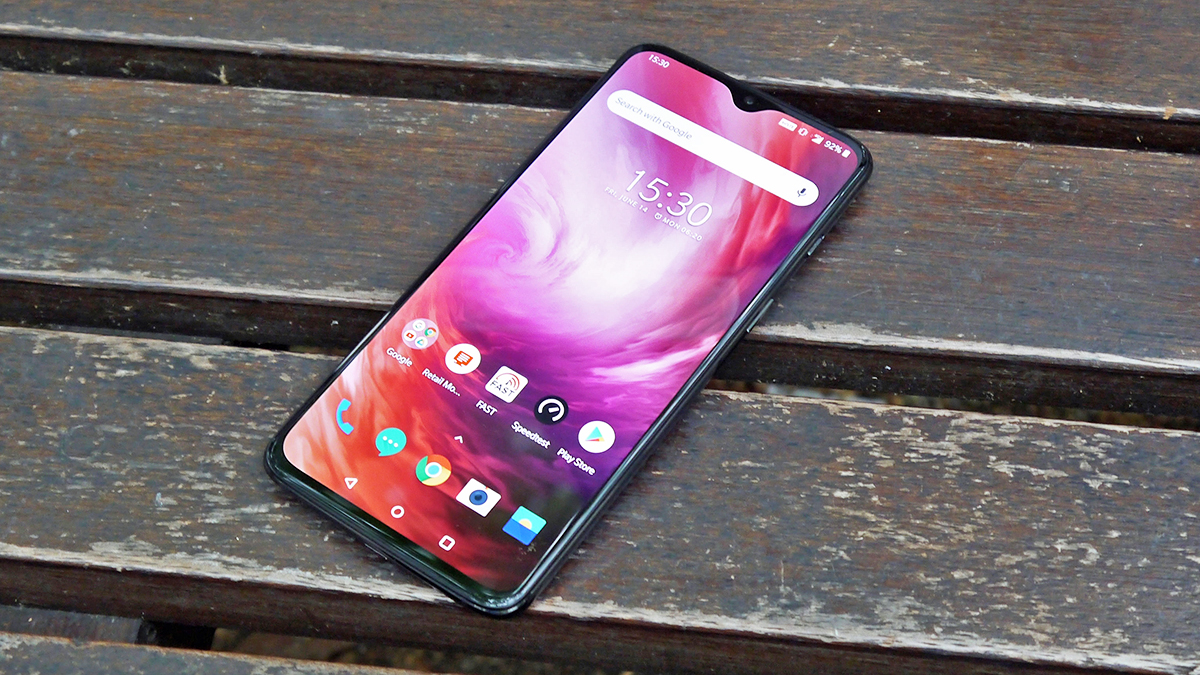
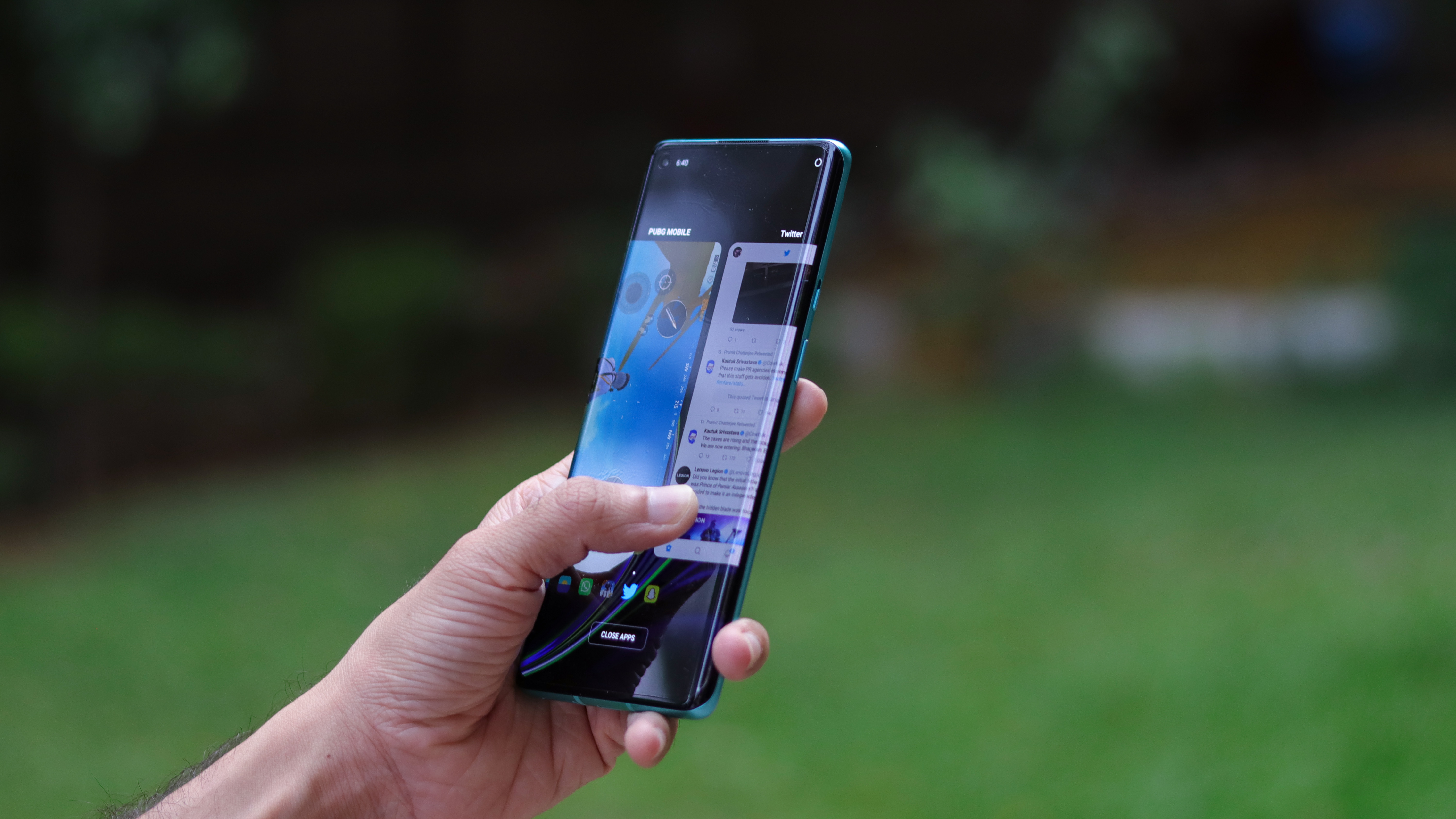
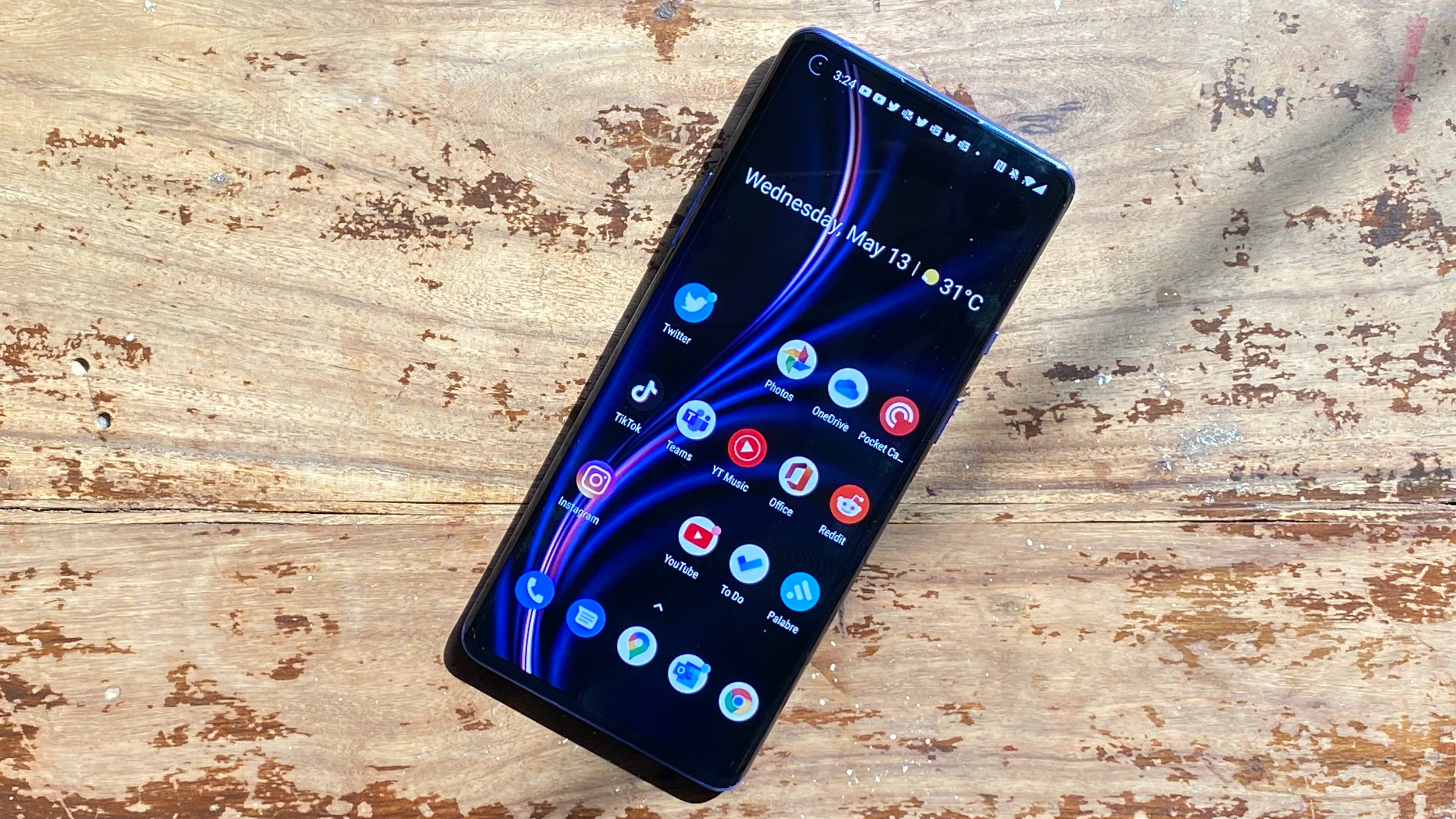
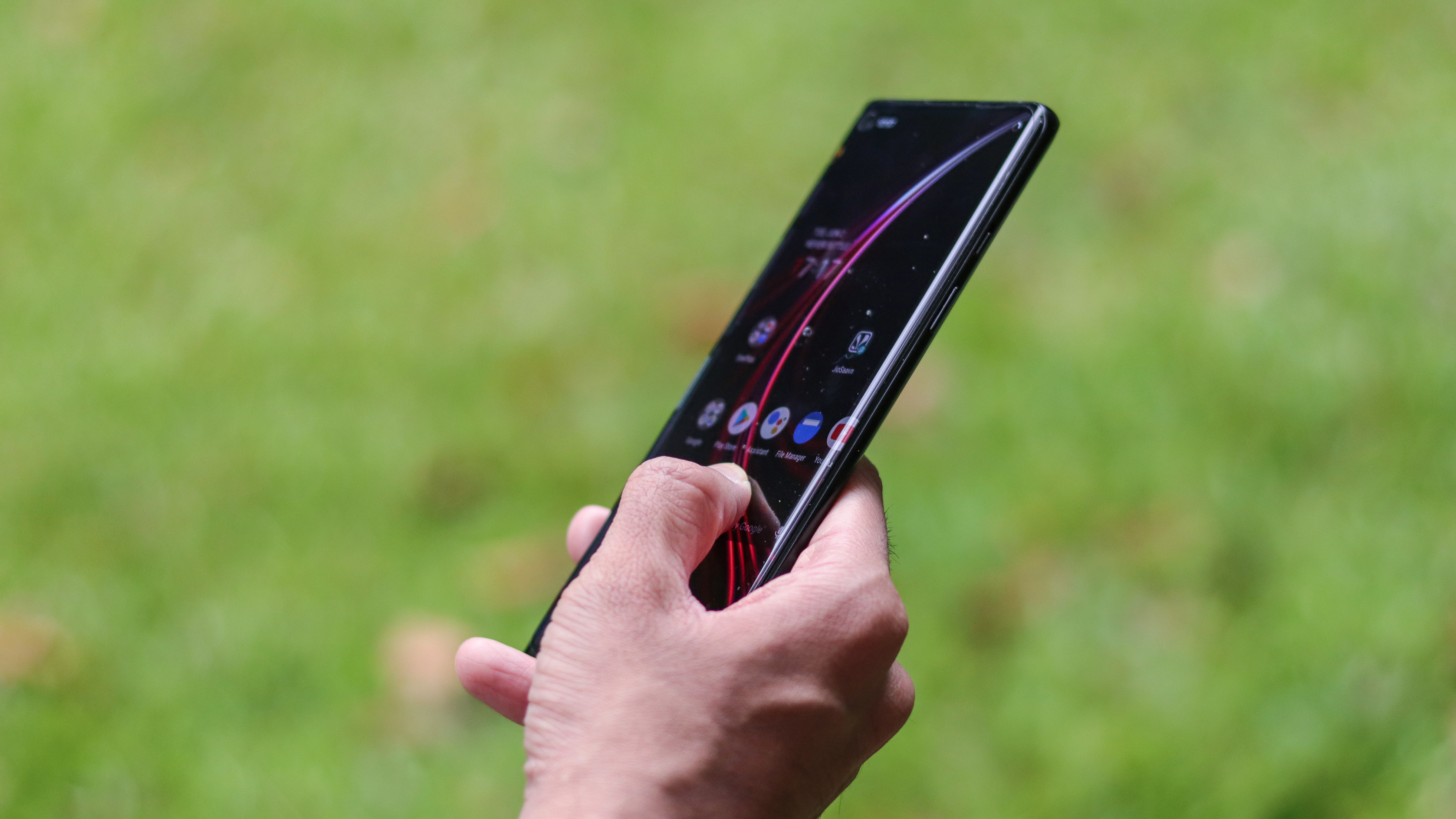
The tech news has been awash with OnePlus Nord headlines for a few weeks now as the company has been drip-teasing its upcoming mid-range phone for a while now, and at this point we know plenty even ahead of its launch.
We know the chipset, we know it's 5G-compatible, we know how many front and back cameras it has - we even know why it's called the OnePlus Nord.
While it may feel like we know everything, there actually are a few things we haven't heard about the OnePlus Nord. So while this may be shocking to hear... OnePlus does have more to announce at the July 21 launch event.
For the most part ,these aren't the obvious things. We know the design, we know the price, we know its relation to OnePlus' other phones - but they're still things worth thinking about if you're considering buying the OnePlus Nord when it goes on sale. Here are the seven key things we still need to find out about the OnePlus Nord.
We've heard that the OnePlus Nord will cost less than $500 - that's a pretty vague price as it is, but given the phone isn't coming to the US at launch, a price in US dollars doesn't help much.
If the OnePlus Nord ends up costing £200 or less (the phone is coming to the UK, Europe and India, so a British pound price is our best point of comparison), it would easily rank in our list of the best cheap phones, and it would compete with lots of phones that have issues in one way or another.
If the price ends up being closer to that $500 mark - let's say £500, though that converts to higher than $500 - it's competing with higher-tier devices like the Xiaomi Mi Note 10, iPhone SE (2020) and Google Pixel 4, the current prices of which you can see below.
Price is an important battleground with smartphones, and we're only going to know what sort of strength the OnePlus Nord is fielding when we hear how much it actually costs.
OnePlus 8 Pro(Image credit: Aakash Jhaveri)
2. Will it come to the US?
The OnePlus Nord is apparently only being released in Europe and India. However, the company has hinted the phone could come to the US at some point too, if it's successful in its core regions.
That could be big news for OnePlus, if true. While the Indian and European phones markets are cluttered with mid-ranged phones at exactly the same price we're expecting the OnePlus Nord to come in at, the US has decidedly fewer such phones.
With far fewer competitors in the market, the OnePlus Nord could be hugely successful in the US, so we'd anticipate it would make its way there at some point, but there's no way of knowing for sure.
OnePlus 8 Pro(Image credit: Future)
3. What will the screen resolution be?
OnePlus often prides itself in having high-res screens, but the OnePlus Nord is set to be more affordable than the main phones. Does that mean the resolution will be lower than its flagships?
The OnePlus 8 Pro has a 1440 x 3168 resolution, so it's pretty high-res, but the OnePlus 8 is 1080 x 2400 so it's clear OnePlus isn't married to one resolution.
It's unlikely the OnePlus Nord will have a top-end display if the OnePlus 8 didn't, but we don't know if the phone will have a 1080p screen like the OnePlus 8 or perhaps sink even lower to HD like some other phones. It's unlikely, given OnePlus is trying hard to make this device seem premium, but we'll have to wait to be sure.
OnePlus 8(Image credit: Aakash Jhaveri)
4. Will the OnePlus Nord have a curved screen?
OnePlus phones since the OnePlus 7T have all had curved-edge screens, but that generally isn't the case for cheaper phones, so we'll have to see which way the company goes.
Curved-edge screens are more comfortable to hold, and feel more premium in the hand, but some users find they can accidentally hit the sides and trigger functions without meaning to, so some people looking for top-end phones still want totally-flat displays.
From the peeks we've seen of the OnePlus Nord, it doesn't seem to have a screen that curves at the edges, but it could just have a really gentle taper like the Samsung Galaxy S20 that you can't see too well from pictures.
OnePlus 8(Image credit: Aakash Jhaveri)
5. Where's the front-facing camera?
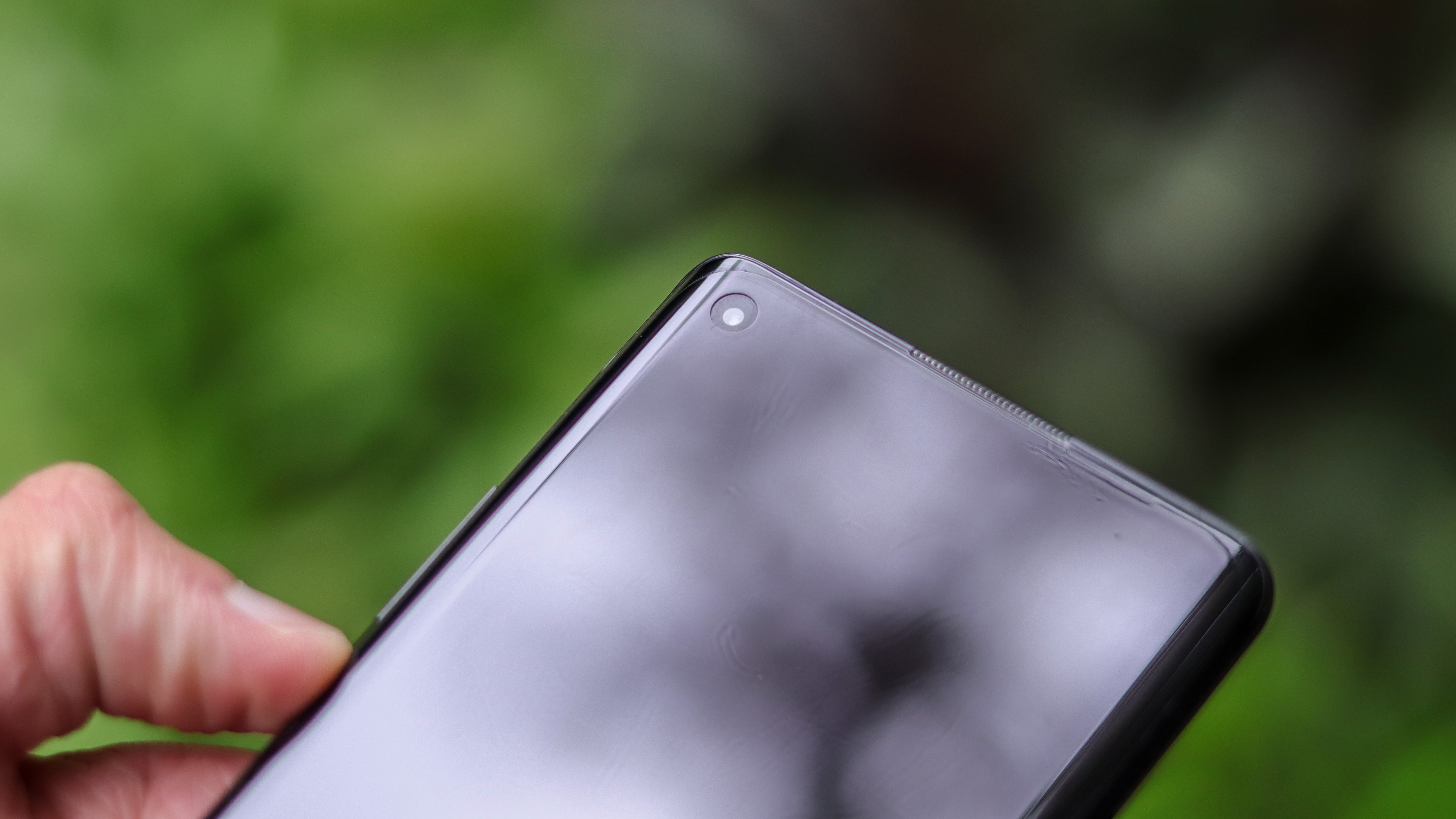
We know the OnePlus Nord will have two front-facing cameras - that's more than the OnePlus 8 phones - and that type of set-up obviously takes up more space than just one snapper. So where are they going to go?
The OnePlus 8 phones have punch-hole cut-out segments for the front-facing cameras, but if you've got multiple cameras these can take a lot of space. Will OnePlus use an old-fashioned notch instead? Some might find that antiquated, but it might take up less screen space.
Perhaps the OnePlus Nord will have a pop-up camera like the OnePlus 7 Pro and 7T Pro? For now, though, we can only guess.
OnePlus 8 Pro(Image credit: Future)
6. What are the OnePlus Nord camera specs?
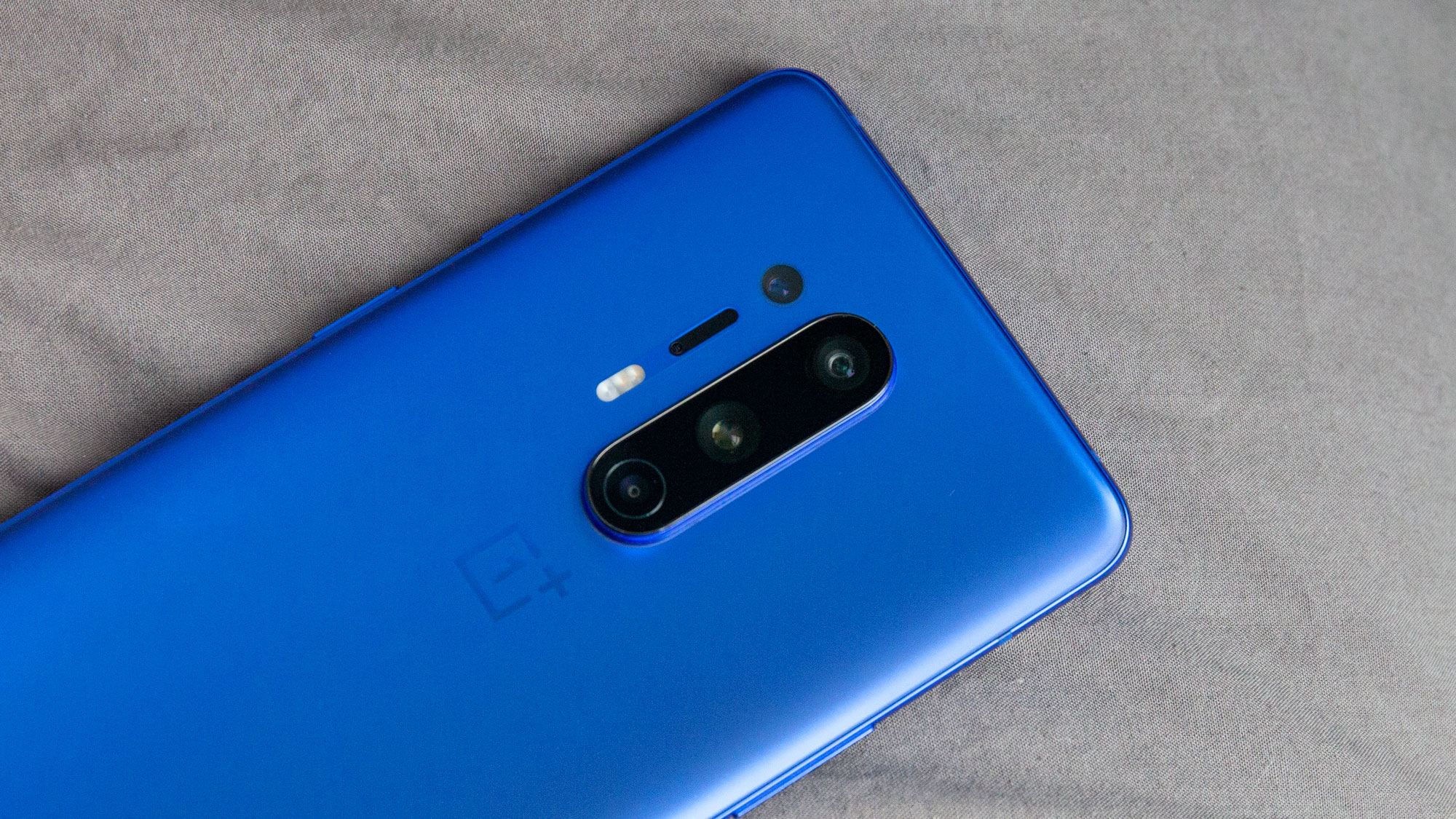
Perhaps the biggest thing we don't know about the OnePlus Nord - other than price - is the camera specs it'll have. We've heard various leaks, but nothing's confirmed except for the number of cameras - four on the back and two on the front.
When affordable phones have plenty of cameras, it often feels more like an attempt to make the device look good on paper than take actual good pictures. It's likely two of these snappers will be a depth-sensor and maybe a macro snapper that takes worse pictures than the main camera, if precedent from other companies (and older OnePlus phones) is to be believed.
We'd also expect there to be a main camera with a high-resolution sensor, and an ultra-wide lens on another sensor. Telephoto cameras rarely rear their head on affordable phones, so this might be out.
If the OnePlus Nord has an impressive array of cameras, instead of just some superfluous lenses chucked on to flesh out a spec sheet, it could be a great phone - but that's a big 'if'.
(Image credit: TechRadar)
7. Will anyone buy the OnePlus Nord?
Our final question is something no-one knows right now - how will the OnePlus Nord be received by customers?
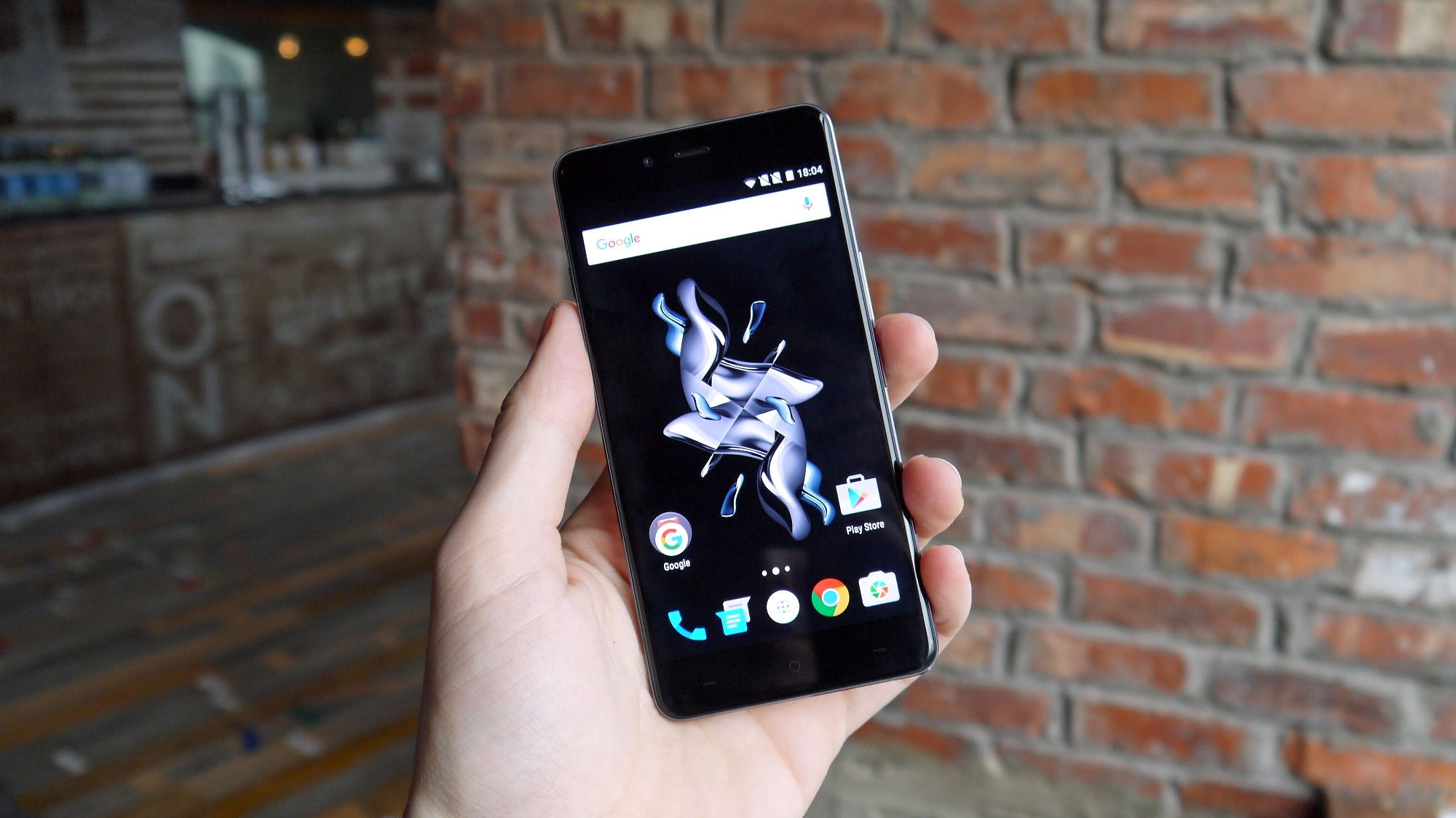
Years ago, OnePlus launched another affordable phone; the OnePlus X. That didn't do well enough to deserve a sequel, so there's no guarantee a phone will do well just because it was made by OnePlus.
But with the high prices of other OnePlus phones, it's possible people will have a fiercer appetite now for a handset from the company that doesn't cost the same as other flagship devices.
The only way we can find out if anyone chooses to buy the OnePlus Nord is to wait and see.
Hackers involved in the high-profile hijacking of Twitter accounts earlier this week were young pals with no links to state or organised crime, The New York Times reported Friday.
Alphabet’s Google said on Friday it would prohibit websites and apps that use its advertising technology from running ads on "dangerous content" that goes against scientific consensus during the coronavirus pandemic.