Wednesday, July 8, 2020

Latest Tech News

Finding the best phones for music in 2020 is a little tricky when many high-end phones don’t have headphones jacks. But the good news is that some still do, and even those that don’t can still have superior mobile audio.

The audio you’re after might also not be headphone based, and the phones we’ve ranked here also have decent speaker set-ups if you want to use your phone as a radio or podcast player in the kitchen.

Bluetooth audio is becoming the norm for many of us now, so we’ve also taken into account which phones are for this, even though every phone is capable of it. With most phones you can also use a USB-C or Lightning adapter to plug in regular headphones, but that adapter might not come with the phone. 

The LG V60 is our current best phone for music pick because of its superior headphone jack. But there’s also great audio choices from Samsung, Apple, Google, Sony and Razer to choose from depending on your budget and needs.  
(Image credit: LG)

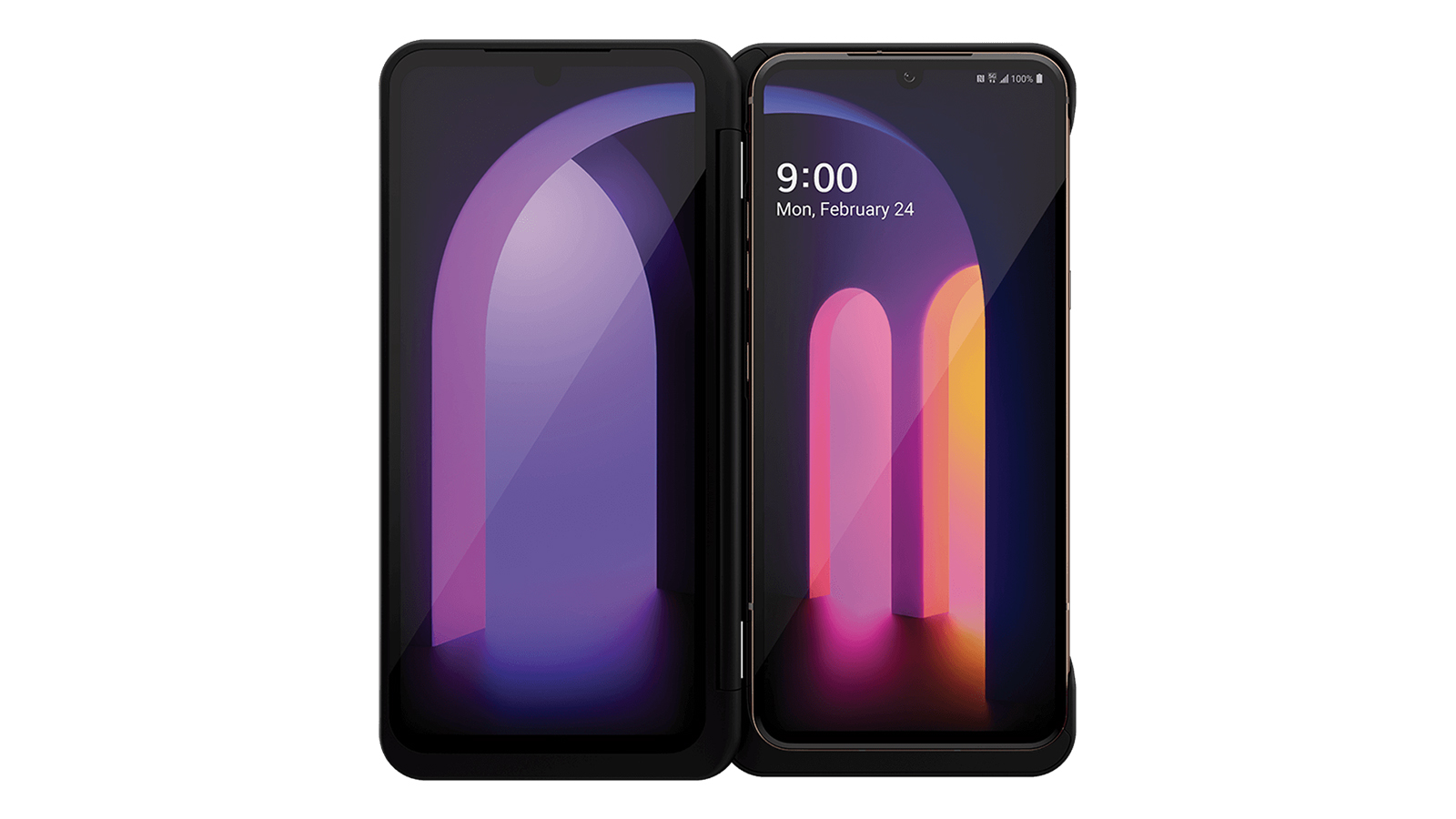
1. LG V60 ThinQ

The best headphone jack on a phone

Release date: March 2020 | Weight: 218g | Dimensions: 169.3 x 77.6 x 8.9 mm | OS: Android 10 | Screen size: 6.8-inch | Resolution: 1080 x 2460 | CPU: Snapdragon 865 | RAM: 8GB | Storage: 128GB | Battery: 5,000mAh | Rear camera: Dual 16MP + 13MP | Front camera: 10MP

Has a headphone jack, and a good one
Excellent EQ settings
Hard to buy outside the US
A huge phone

While it may not be as popular with consumers or tech press as its Korean rival Samsung, LG is the leading smartphone manufacturer when it comes to wired audio. The LG V60 still has a headphone jack unlike many competing high-end flagships which already makes it better, but the company also includes a Quad-DAC (digital-to-analog) component that drives the audio to an even better level of detail.

What’s the point? Does this somehow make the sound four times better, or louder? Not quite. The DAC turns the digital signal into the analog one your headphone drivers can be fed. Bluetooth headphones have a DAC, even some USB-C to 3.5mm cables do.

The LG V60 has a ‘quad’ DAC because it lets the phone analyze the digital signal four times in parallel. These four interpretations are then combined and cross-checked, to eliminate errors. This in turn increases the signal-to-noise ratio, giving us purer sound.

It also has an unusually powerful headphone amp that, when used in the Quad DAC mode, offers higher volume output than most. This is useful for naturally quieter headphones.

We tested the V60 with high quality in-ear and over-ear headphones and the audio quality is much improved over other wired smartphone outputs, as well as wireless. The external dual stereo speakers aren’t the best on the market, but with wired audio this good, it doesn’t matter to us. 

LG also does a whole bunch else with its tech, incorporating the most wonderfully geeky sound customization of any phone. You can alter the ‘digital filter’, which changes the shape of the impulse response. This is like EQ that affects the character of the sound stage rather than the tonal make-up.

There’s normal parametric EQ too, and a DTS:X 3D Surround mode. But we don’t recommend the latter for music.

Read our full LG V60 ThinQ review 
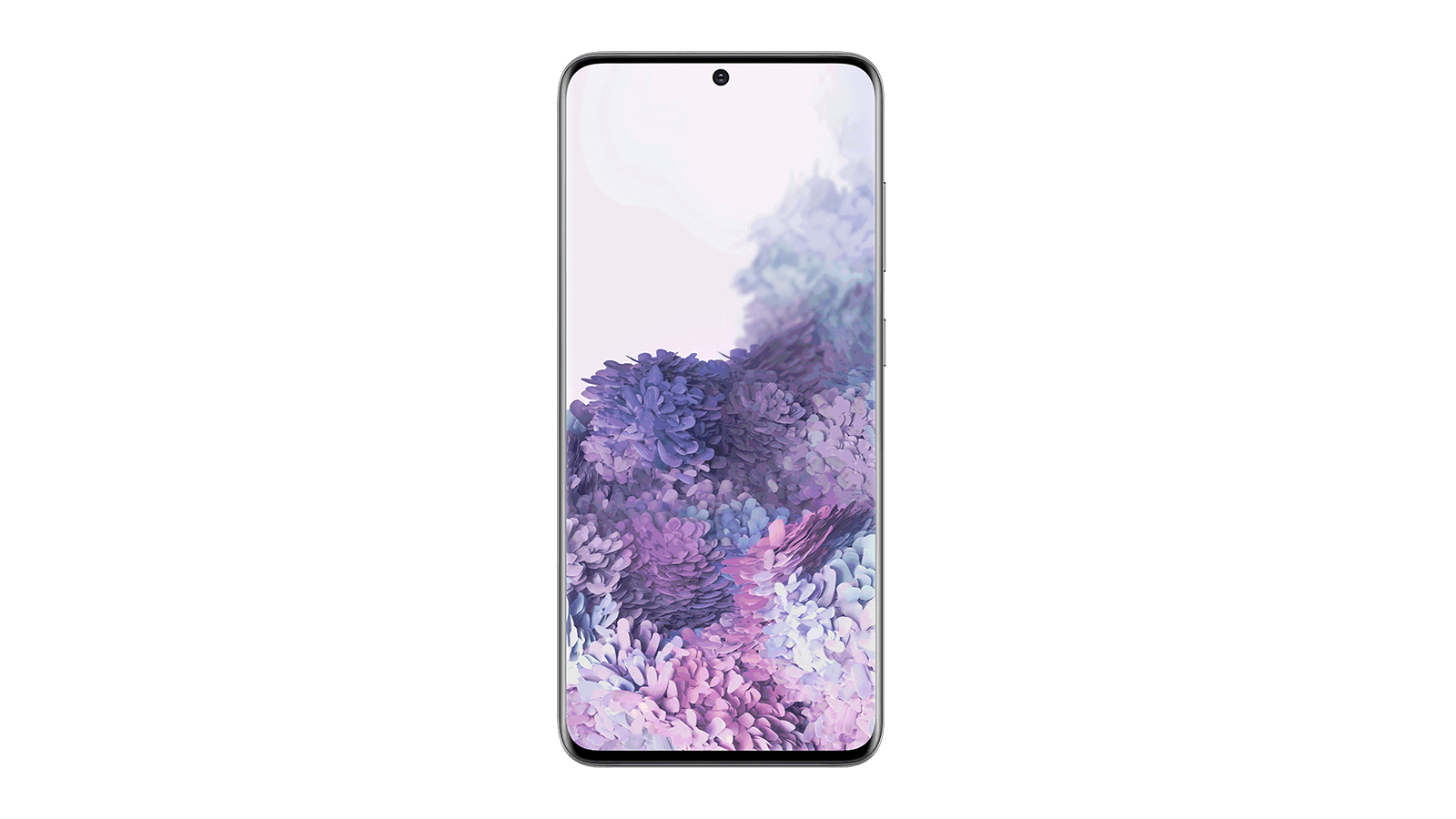
Samsung Galaxy S20

(Image credit: Samsung)

2. Samsung Galaxy S20

Superb USB-C and wireless audio

Release date: March 2020 | Weight: 163g | Dimensions: 151.7 x 69.1 x 7.9mm | OS: Android 10 | Screen size: 6.2-inch | Resolution: 1440 x 3200 | CPU: Snapdragon 865 / Exynos 990 | RAM: 8GB/12GB | Storage: 128GB | Battery: 4,000mAh | Rear camera: 12MP + 64MP + 12MP | Front camera: 10MP

High end audio format support
AKG USB-C earbuds included
No headphone jack
5G version is pricey 

Samsung slips to second place in 2020 thanks to the loss of the headphone jack. That doesn’t mean it loses many of its audio chops, but it does mean that LG bests Samsung for pure sound quality through wired headphones.

Samsung puts a pair of in-ear AKG-tuned USB-C earbuds in the box with the Galaxy S20 and S20 Plus and they’re very good for a bundled set but a little thin on some details. Samsung doesn’t ship the phone with a 3.5mm headphone jack dongle, so you’ll have to fork out $14.99 for one if you don’t want to go wireless. 

The S20’s all around sound reproduction is above average though thanks to some beefed up internals, and it can even support ultra-high-end formats like DSD 64/128 and 32-bit PCM. But, no, you won’t find that on Spotify.

The phone also has Dolby Atmos audio. In the cinema this usually means there are speakers across the ceiling for advanced spatial audio. At home it might mean having extra ‘height channel’ speakers. In a phone it involves psychoacoustic processing used to increase the sense of size and scale in audio.

We find it works better for movies than music when using headphones, though, as it can also add a little too much weight to the mid-bass, and this may clog up the separation in a high-performing headphone. When we review headphones, we turn off all these sound-coloring extras. But trust your ears on this one and use whatever makes your tunes more fun and engaging.

The Samsung Galaxy S20’s speakers are good too, with plummy-sounding lower mids that give podcasts, lower register vocals and bass instruments a bit more weight. They also benefit from Dolby Atmos enhancement, and you can tweak the sound with a few different Dolby modes.

Read our full Samsung Galaxy S20 review
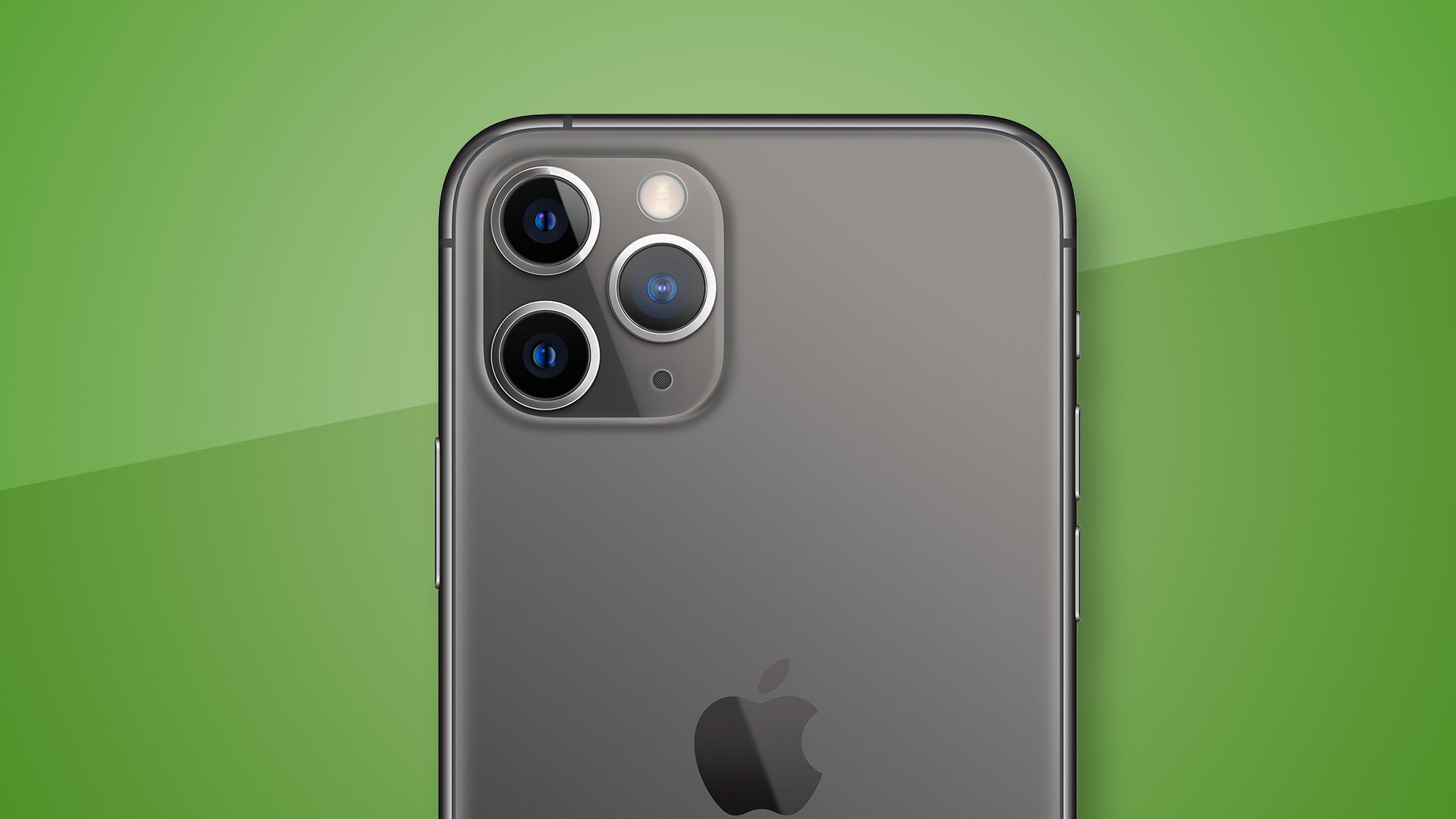
iPhone 11 Pro

(Image credit: Apple)

3. iPhone 11 Pro

A good all-rounder with strong speakers

Release date: September 2019 | Weight: 188g | Dimensions: 144 x 71.4 x 8.1mm | OS: iOS 13 | Screen size: 5.8-inch | Resolution: 1125 × 2436 | CPU: Apple A13 Bionic | RAM: 4GB | Storage: 64/256/512GB | Battery: 3,046mAh | Rear camera: 12MP + 12MP + 12MP | Front camera: 12MP

Great internal speakers
Top wireless headphone support
No headphone jack
Expensive

Don’t groan. The iPhone has always been a great choice for audio, even if moving your music files to one has never been as easy has it has on Android.

The iPhone 11 Pro’s excellent speakers are the main draw here, as well as the bespoke wireless experience you get when you buy a pair of headphones with an Apple H1 or W1 chipset. This include the Beats Solo Pro and Apple’s own AirPods Pro (yes, we know Apple owns Beats too these days).

The pairing experience is cleaner, and wireless stability is generally flawless.

The Apple iPhone 11 Pro's internal speakers have stereo drivers for a more immersive experience and are auto-enhanced with Dolby Atmos. This helps make the sound seem much wider, and more expansive.

Earlier in this article we were a bit sniffy about using Atmos for high-quality headphones, but it can work wonders for much more limited phone speakers.

How about the headphone output? Well, there isn’t one really. The Lightning port does not have an analog audio output. It fires out the digital signal as-is, leaving the job of audio quality to your headphones.

Even the Lightning to 3.5mm cable you may end up buying to use your old favorite earphones has its own DAC chip, so choose your headphones wisely.

Read our full iPhone 11 Pro review
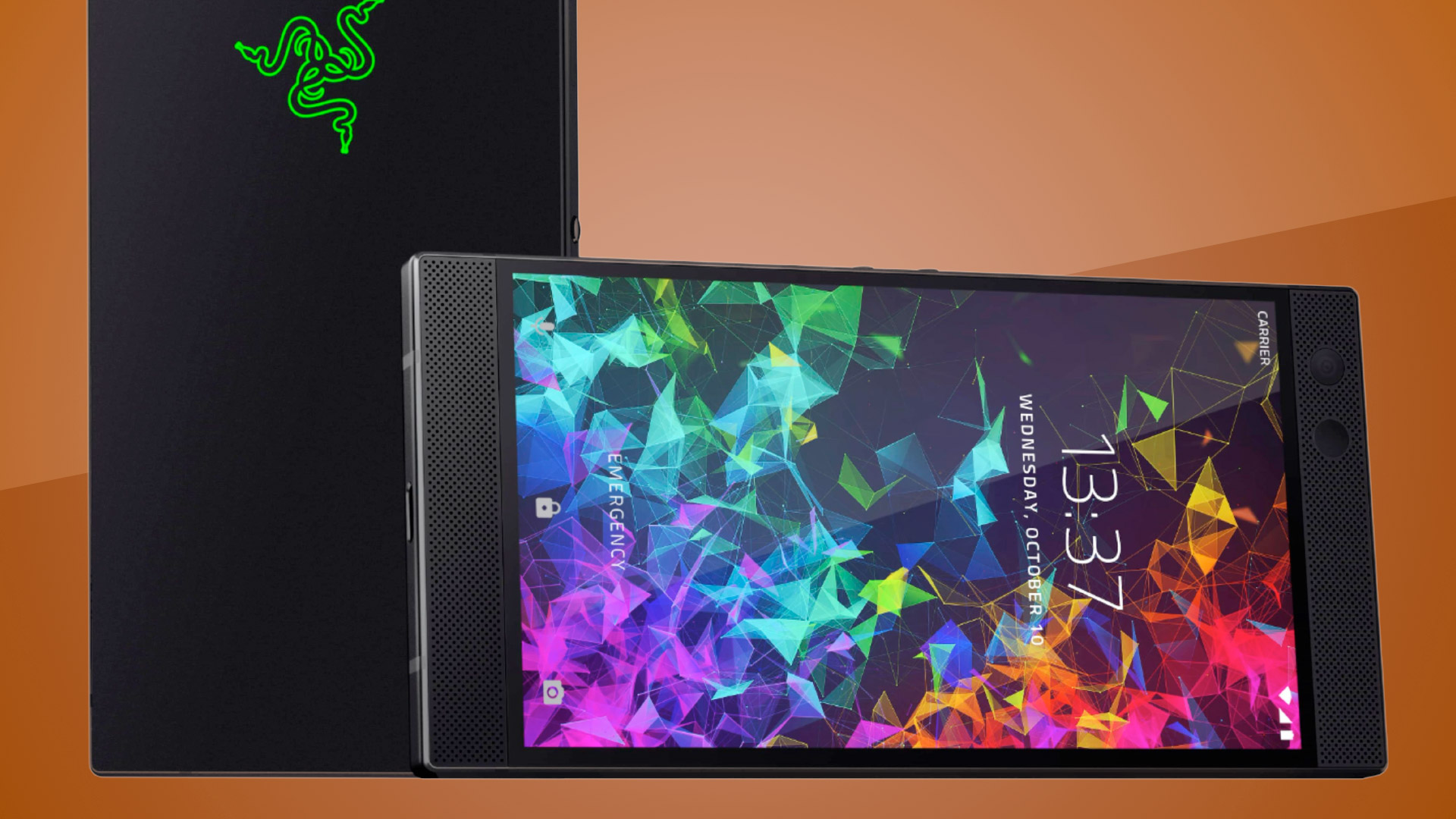
Razer Phone 2

(Image credit: Razer)

4. Razer Phone 2

A phone with serious volume

Release date: October 2018 | Weight: 220g | Dimensions: 158.5 x 79 x 8.5mm | OS: Android 9 | Screen size: 5.72-inch | Resolution: 1440 x 2560 | CPU: Snapdragon 845 | RAM: 8GB | Storage: 64GB | Battery: 4,000mAh | Rear camera: 12MP + 12MP | Front camera: 8MP

Forceful speakers
Proper stereo balance between drivers
No headphone jack
May look ugly to some eyes

The Razer Phone 2 is one of the masters of flat-out loud phone speakers, alongside its arch-rival the Asus ROG Phone 2.

There’s space above and below the screen to allow for more room for these speakers. And both of them sit on the front, rather than using the common strategy of having one on the bottom, one up front.

Driver size isn’t actually the crucial bit here, but rather an extra chunk of cabinet space in the plastic speaker enclosure. Sometimes all you need is a little fresh air to let the sound breathe.

At maximum volume, the Razer Phone 2 doesn’t exactly sound super-relaxed and unstrained. But when it’s competing with the noise of your showering or frying onions, volume matters more.

These speakers really project.

There’s no headphone jack on the Razer Phone 2, which loses it major points. However, you do get a 3.5mm adapter in the box, which incorporates a 24-bit DAC.

Read our full Razer Phone 2 review
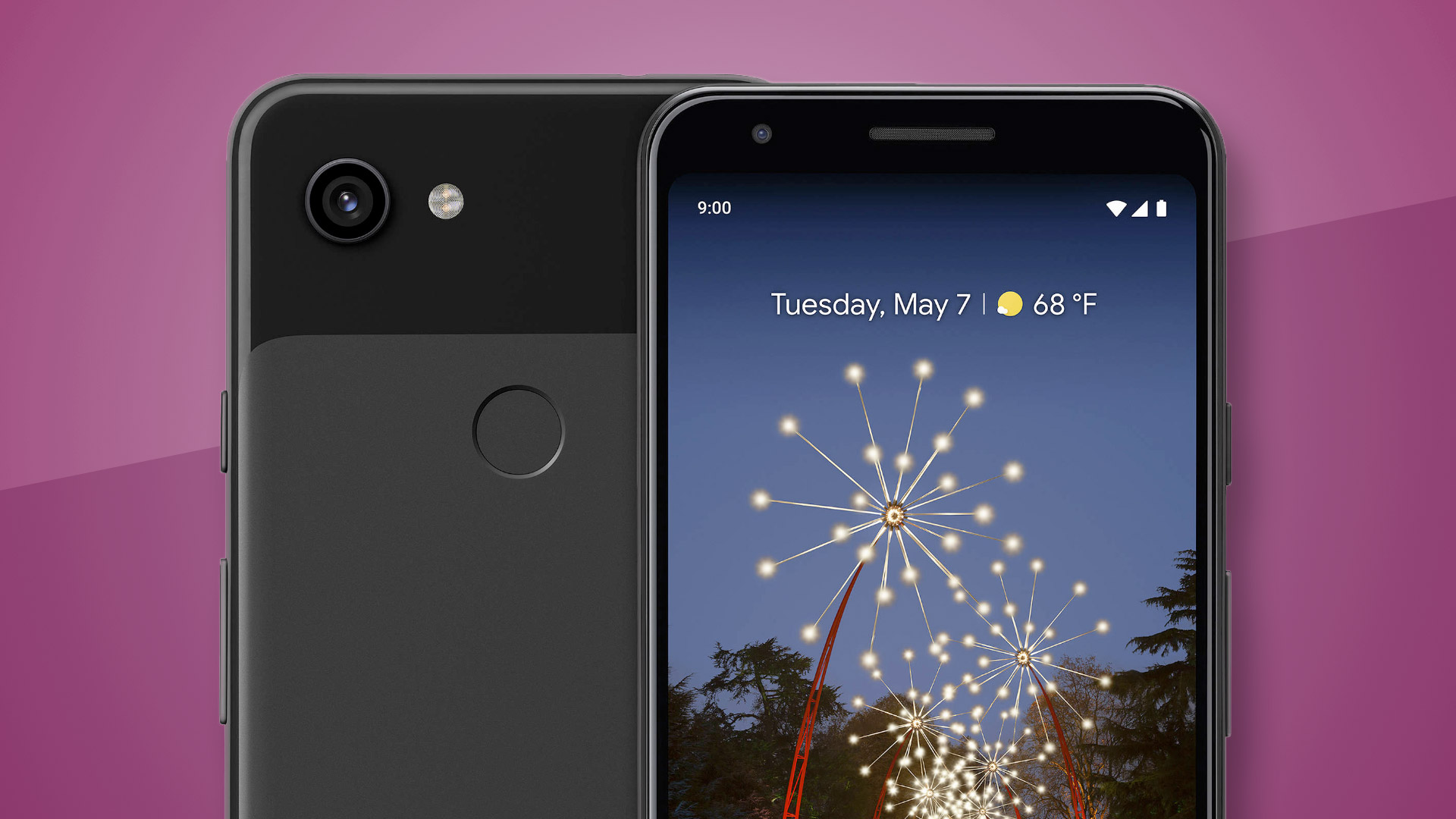
Google Pixel 3a

(Image credit: Google)

5. Google Pixel 3a

A cheaper choice with a headphone port

Release date: May 2019 | Weight: 147g | Dimensions: 151.3 x 70.1 x 8.2mm | OS: Android 10 | Screen size: 5.6-inch | Resolution: 1080 x 2220 | CPU: Snapdragon 670 | RAM: 4GB | Storage: 64GB | Battery: 3,000mAh | Rear camera: 12.2MP | Front camera: 8MP

Solid speaker quality
Has a headphone jack
Not the greatest wired audio output
Plastic body

In one crucial sense the Google Pixel 3a is a better phone for music than the more expensive Pixel 4. Why? It has a headphone jack, so you can use it with those great older pairs the tech giants want you to bin.

Its wired output does not have the sonic purity of the best around, but this is a relatively affordable mobile, so we’re not going to rule it out completely for not having quite as lively audio as the LG V50 ThinQ.

The Pixel 3a’s speakers are solid too. We compared them directly to the Pixel 4’s for this piece. The Pixel 4 has slightly better bass and mid-bass warmth, but they are not in completely different leagues.

We think of the Pixel 3a and Pixel 3a XL as satisfying all-rounders. They have clean software, solid design, good screens and just about the best cameras you’ll find at the price.

Read our full Google Pixel 3a review
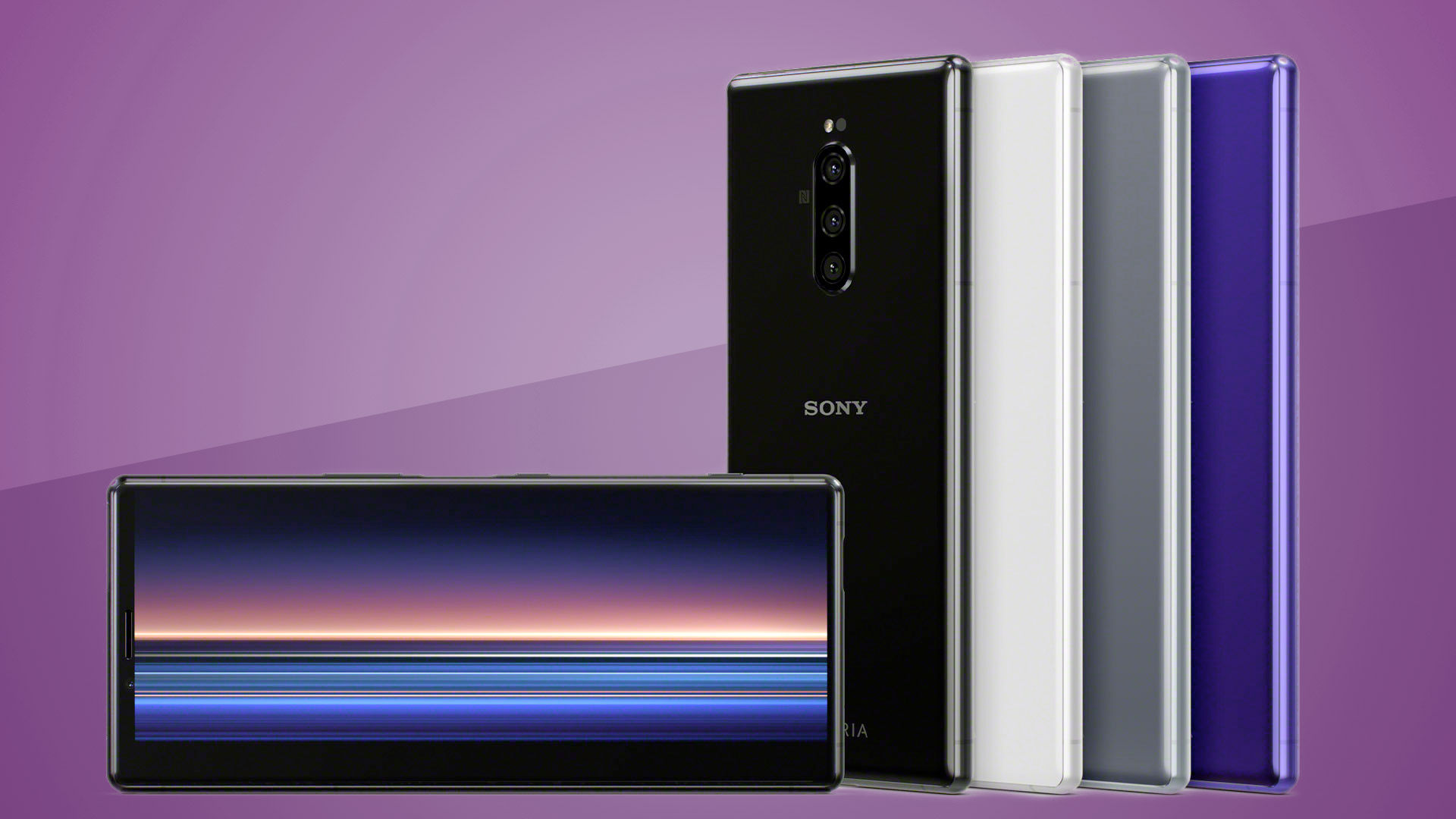
Sony Xperia 1

(Image credit: Sony)

6. Sony Xperia 1

Impressive speakers with an unusual vibration

Release date: June 2019 | Weight: 178g | Dimensions: 167 x 72 x 8.2mm | OS: Android 9 | Screen size: 6.5-inch | Resolution: 1644 x 3840 | CPU: Snapdragon 855 | RAM: 6GB | Storage: 64/128GB | Battery: 3,330mAh | Rear camera: 12MP + 12MP + 12MP | Front camera: 8MP

Stereo speaker array
Unusual Dynamic Vibration feature
Rumble feature is a gimmick
Lopsided speaker output

What else should we include? As we get further away from the front-runners, there are many other phones we could have put in this position. Huawei, Honor and Oppo have all put some decent speakers into their mid-range phones, many of which are hard to get hold of in some countries. And let’s not even get into the Huawei/Honor US issue.

The Sony Xperia 1 is one safe place to land. This top-end Sony phone does not have a headphone jack, which disappointed many fans. However, it does have stereo speakers and an unusual feature called dynamic vibration.

This acts a bit like the rumble function in a game controller, making the phone vibrate in time with the beat. It is, you guessed it, a bit of a gimmick.

The speakers are solid, though. There’s one on the front and one on the bottom, for a stereo effect when the phone is in front of your face. However, unlike the best stereo pairs, the front speaker is mostly there for treble information. All mid and bass sound is provided by the bottom driver.

Read our full Sony Xperia 1 review


from TechRadar - All the latest technology news https://ift.tt/2DkRdCT

Latest Tech News

Until 2018, Huawei phones were not that well-known outside of their native China. But after the storming rise of the company thanks to its excellent P20 Pro with a premium design and amazingly good triple cameras, suddenly Huawei was a smartphone maker to contend with on a global scale.

But a recent US trade ban means that Huawei cannot work with Google, so all its new phones - including the premium P40 Pro and Mate Xs - can’t ship with Google apps and services.

That holds them back, but they still have superb hardware, so are worth considering if you can get by without Google.

As such they still make our list, but you’ll also find a number of mostly older Huawei handsets that do still sport Google apps and the Play Store, none of which are more notable than the Huawei P30 Pro.

Despite this phone being over a year old it’s still an incredible handset with an amazing zoom camera, great display and class-leading battery life. You can even get most of the features for less in the P30, too. 2018’s Mate 20 Pro is still a very good option too, and Huawei’s mid-range phones like the P Smart (2019) offer slick design in an affordable package.

Best Huawei phone 2020 at a glance:

  1. Huawei P30 Pro
  2. Huawei Mate 20 Pro
  3. Huawei P30
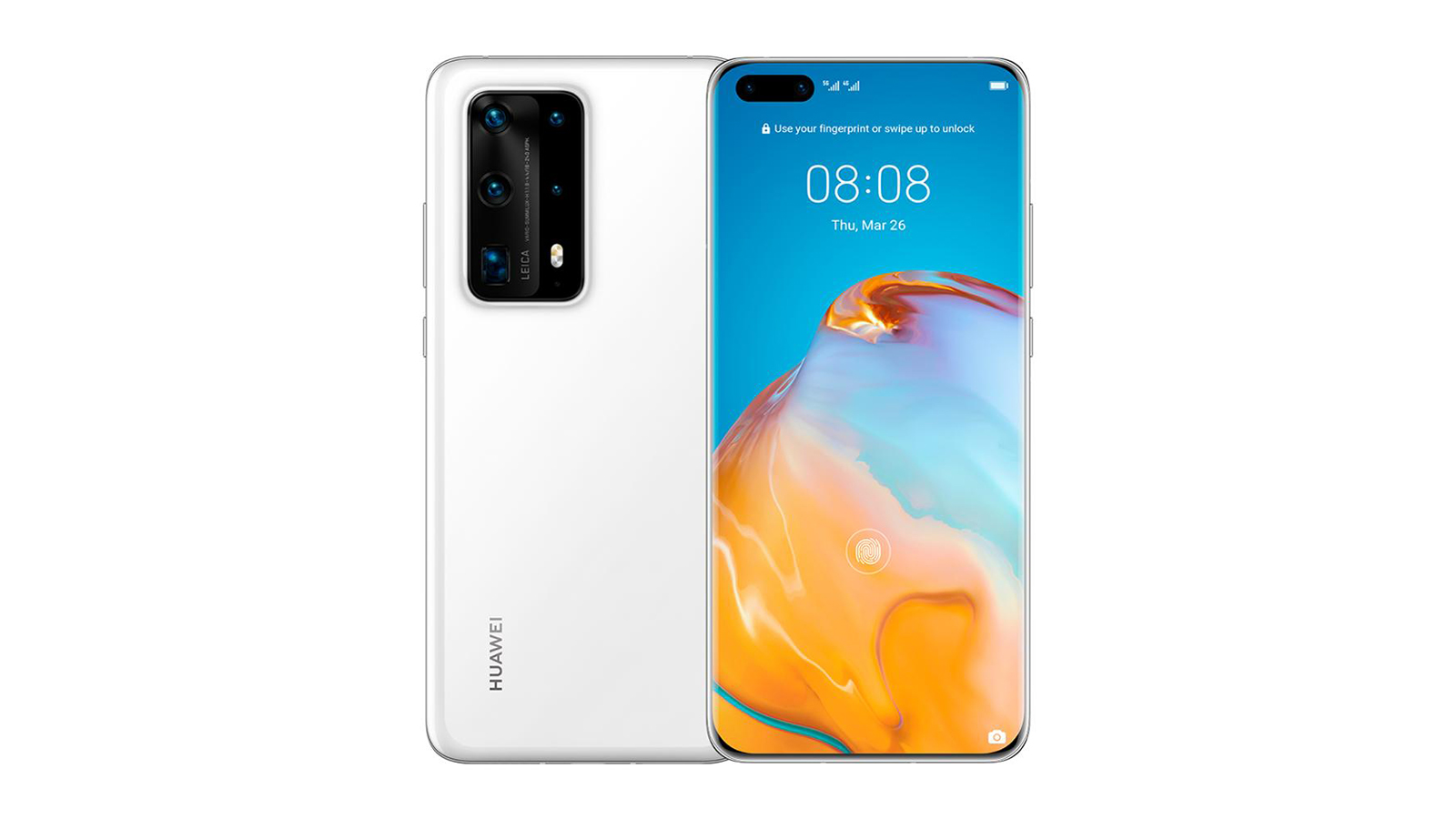
  4. Huawei P40 Pro
  5. Huawei P40 Pro Plus
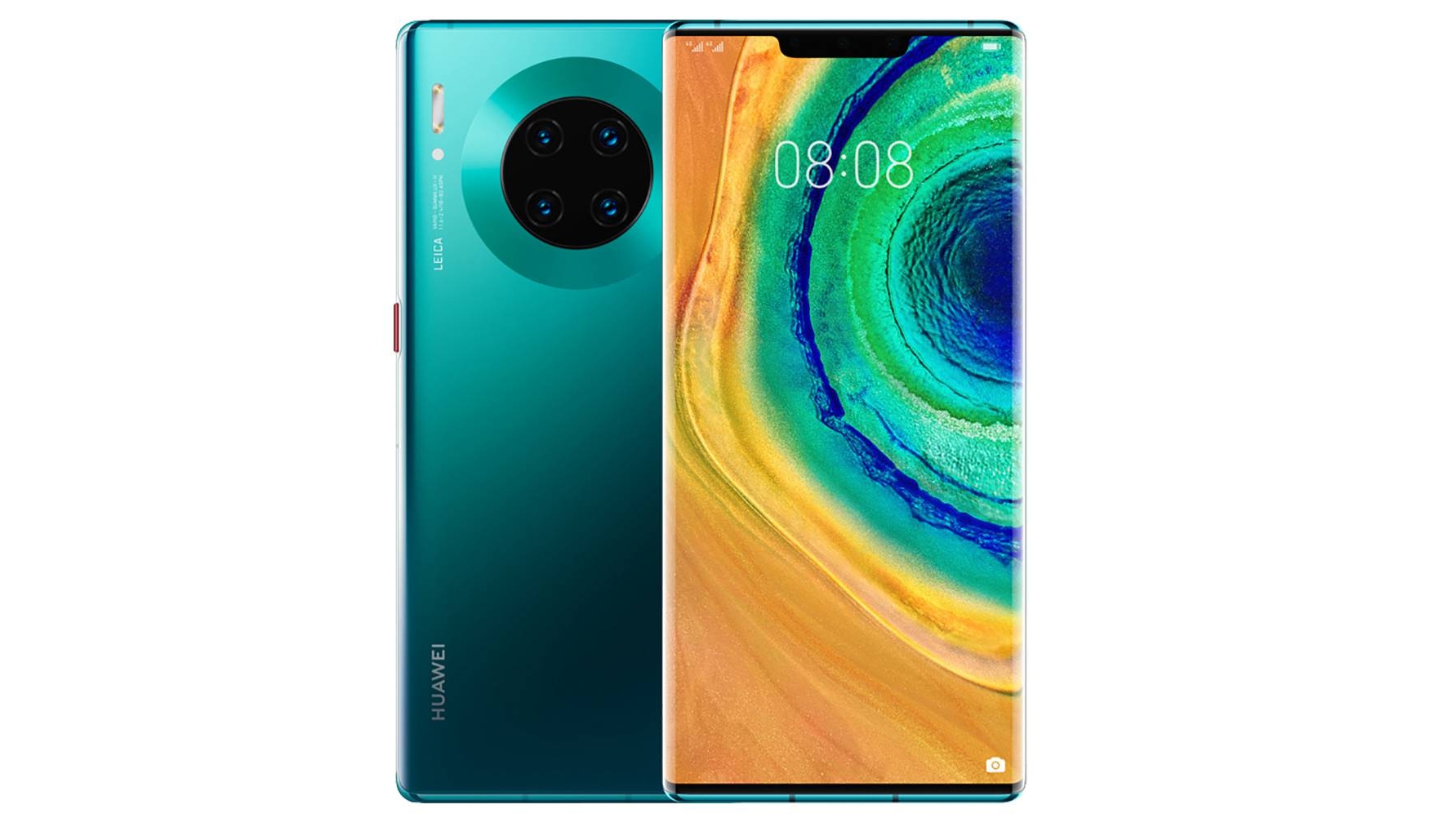
  6. Huawei Mate 30 Pro
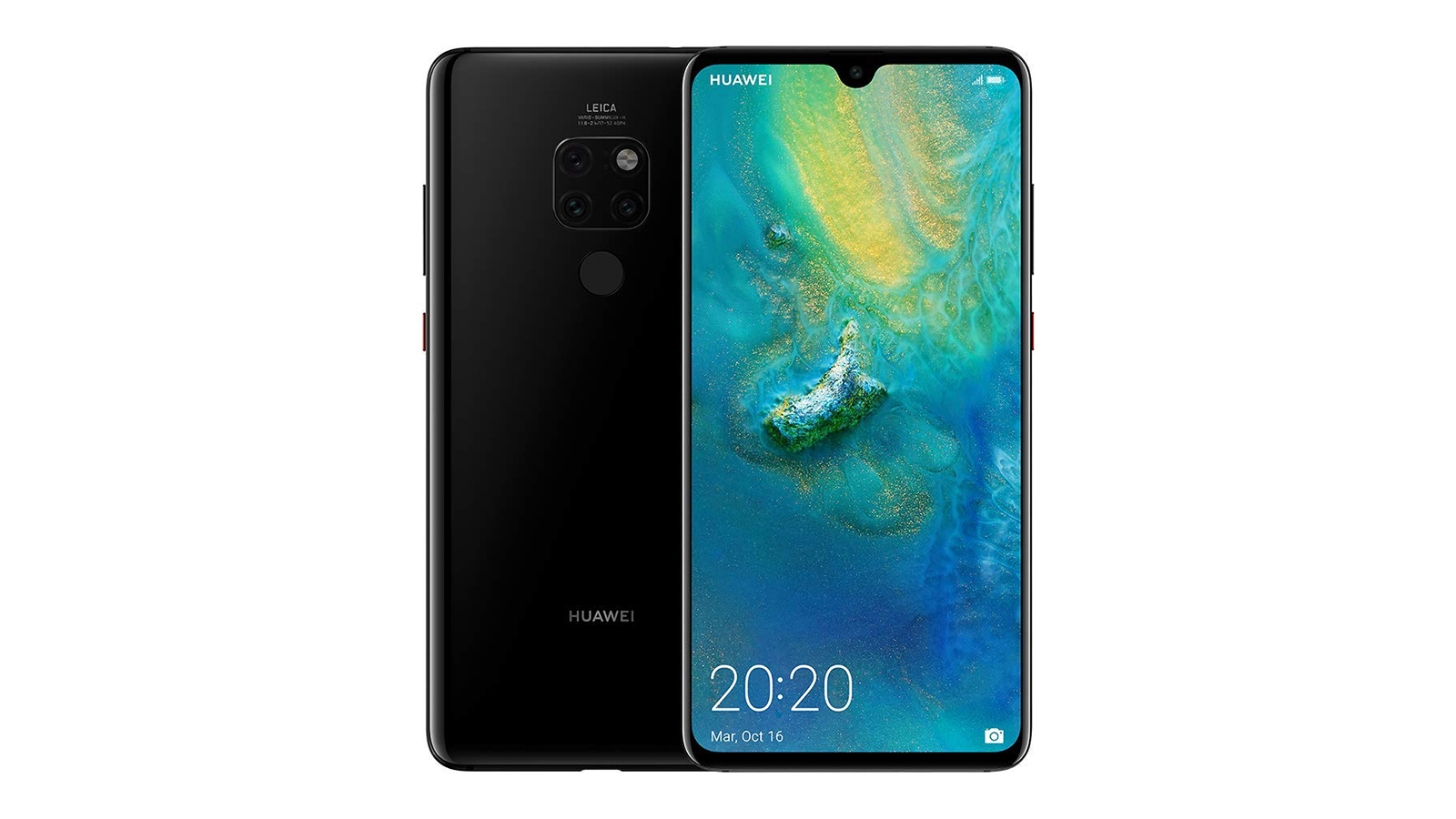
  7. Huawei Mate 20
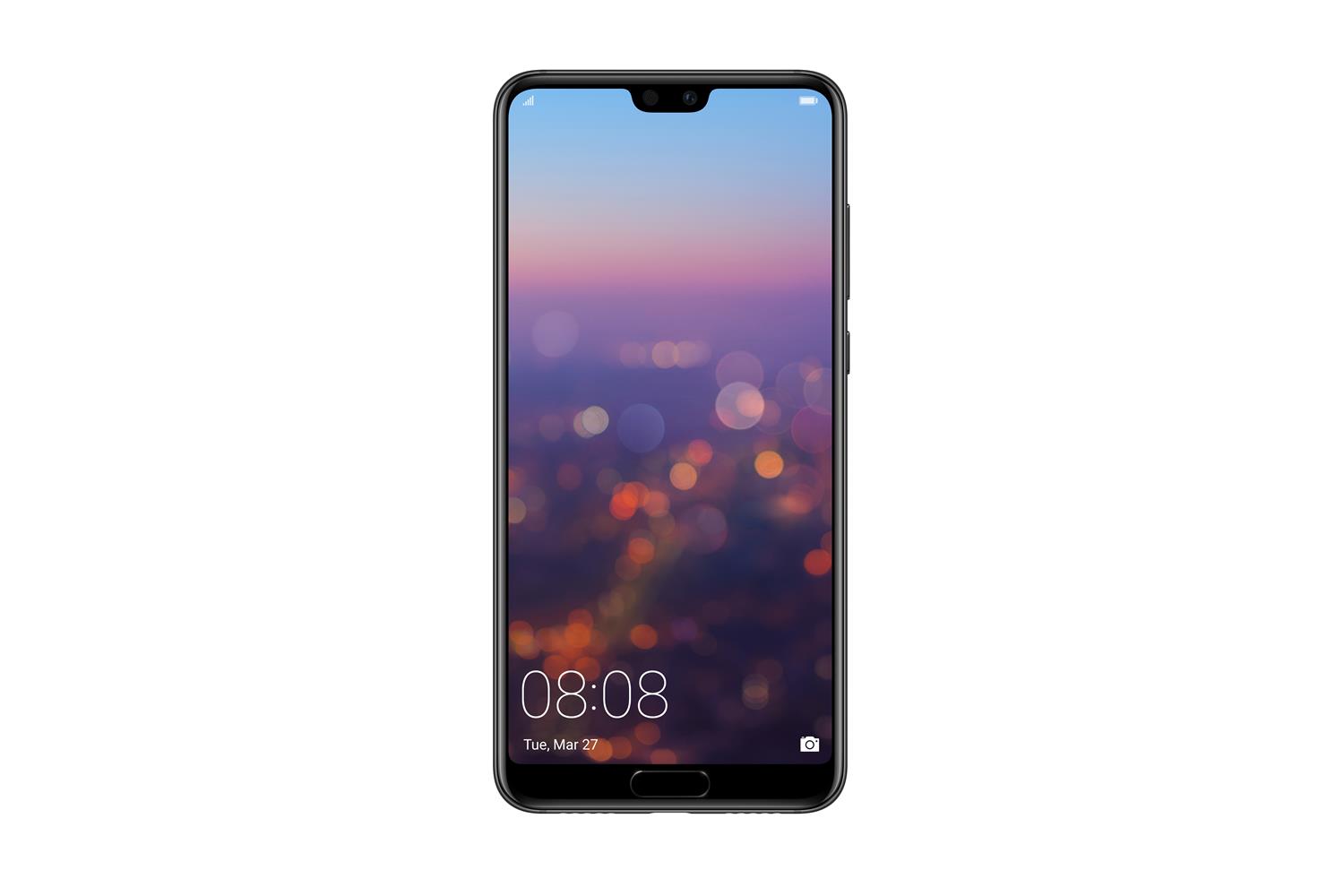
  8. Huawei P20 Pro
  9. Huawei P Smart (2019)
  10. Huawei Mate Xs
  11. Huawei P30 Lite

Best Huawei phones

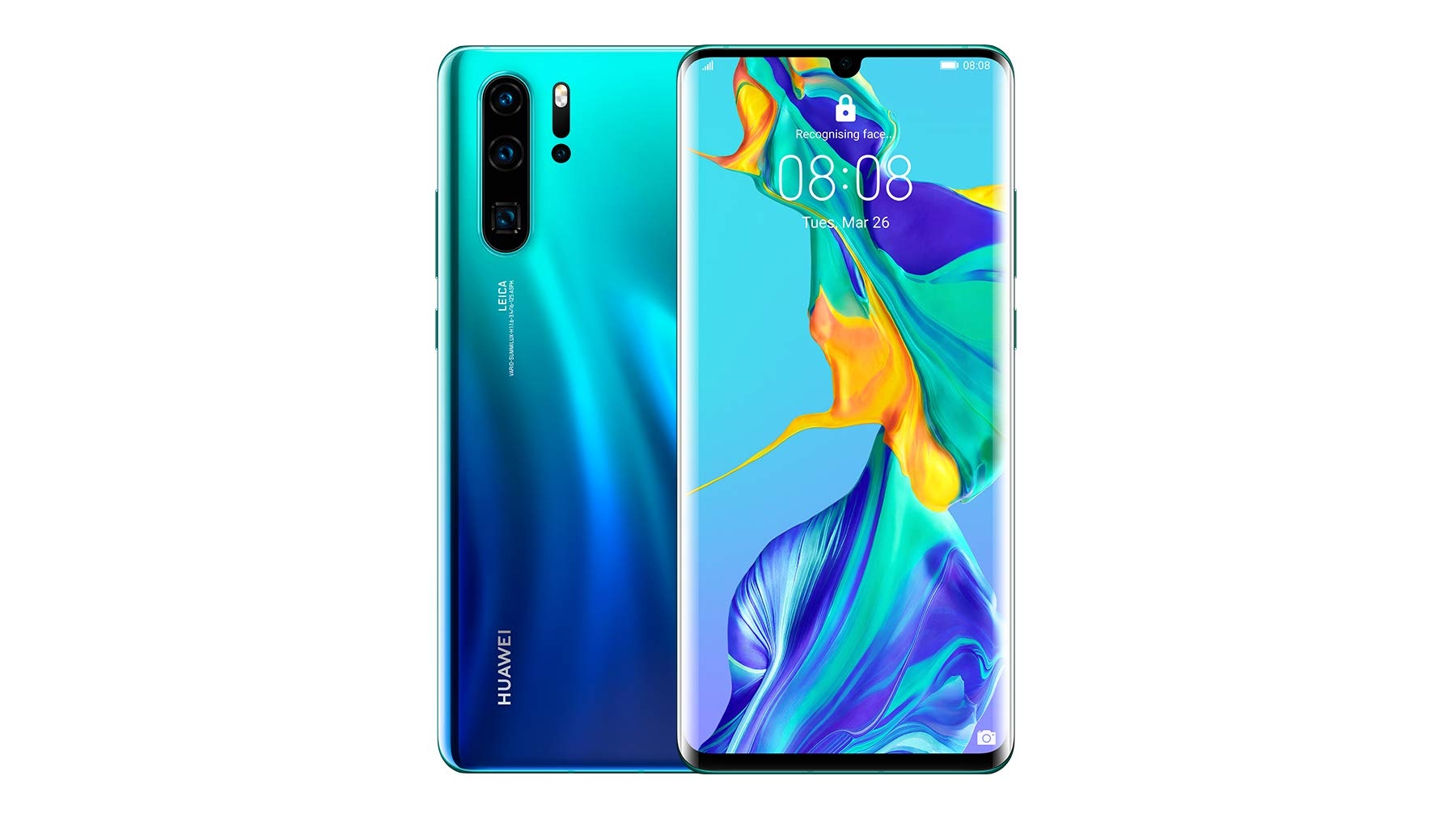
Huawei P30 Pro

(Image credit: Huawei)

1. Huawei P30 Pro

The P30 Pro is the best Huawei phone you can buy right now

Release date: March 2019 | Weight: 192g | Dimensions: 158 x 73.4 x 8.4mm | OS: Android 9 | Screen size: 6.47-inch | CPU: Kirin 980 | RAM: 8GB | Storage: 128/256/512GB | Battery: 4,200mAh | Rear camera: 40MP + 20MP + 8MP + ToF | Front camera: 32MP

Fantastic cameras
Eye-catching design
Display 'only' Full HD
EMUI lacks polish

The Huawei P30 Pro is the best Huawei phone you can buy right now. It's also one of the best phone we've used when it comes to photography, with the cameras being the P30 Pro's real party piece, providing staggeringly good 5x and 10x zoom, and a digital 50x zoom with gets you insanely close to objects far off in the distance. Its low-light capabilities are also top-notch.

The large 6.47-inch screen on the P30 Pro may 'only' have a Full HD+ resolution, but it's bright, clear and colorful providing an excellent canvas for your apps and games.

There's no worry when it comes to the P30 Pro potentially running out of juice, the battery life here is excellent. We regularly got to the end of the day with 30% or more left in the tank.

The P30 Pro not only sets a new standard for Huawei, it sets a new standard for the entire mobile industry. Its cameras are quite simply astonishing, the design is eye-catching and the power plentiful. It’s a true flagship smartphone.

Read more: Huawei P30 Pro review

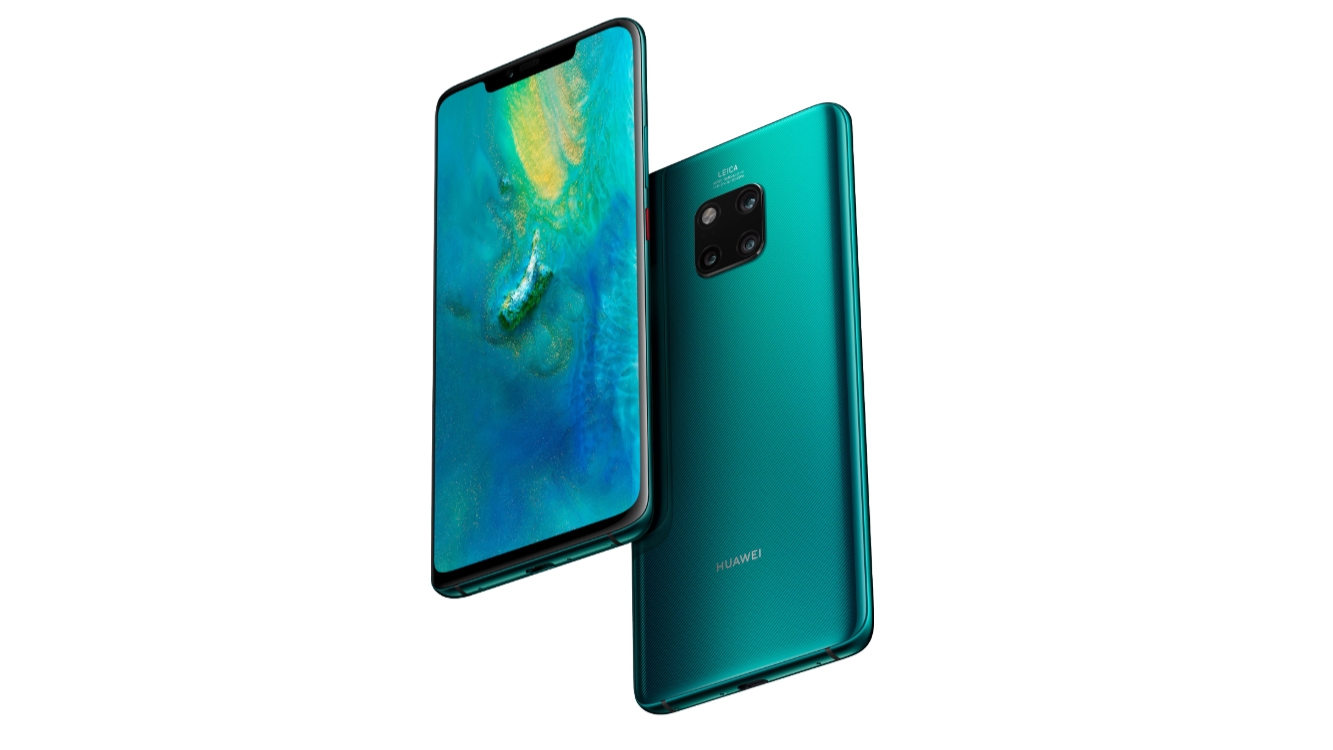
Huawei Mate 20 Pro

(Image credit: Huawei)

2. Huawei Mate 20 Pro

An outstanding all-round handset

Release date: November 2018 | Weight: 189g | Dimensions: 157.8 x 72.3 x 8.6mm | OS: Android 9 | Screen size: 6.39-inch | Resolution: 1440 x 3120 | CPU: Kirin 980 | RAM: 8GB | Storage: 256GB | Battery: 4200mAh | Rear camera: 40MP + 20MP + 8MP | Front camera: 24MP

In-screen fingerprint scanner
Great triple cameras
The UI needs refinement
High price

The Huawei Mate 20 Pro is a brilliant all-round phone, offering up a heady mix of design, power and performance with a few party pieces thrown in too.

It builds on the excellent P20 and P20 Pro offering up even more screen, enhanced triple rear cameras and an in-display fingerprint scanner.

The Mate 20 Pro packs a huge 6.39-inch display giving you a large amount of space for gaming and movies, and its QHD resolution and HDR10 support ensures everything looks great. There is a wide notch at the top of the display though.

It also boasts three cameras on the rear, nabbing the excellent 40MP wide-angle and 8MP telephoto lenses from the P20 Pro - but the third sensor is new. It's an ultra-wide 16MP snapper allowing you to cram even more of your surroundings into each shot.

The Mate 20 Pro is a full-featured phone for a full-featured price - it even has a few tricks you won’t see elsewhere, and more powerful specs than most of its competitors.

Read more: Huawei Mate 20 Pro review

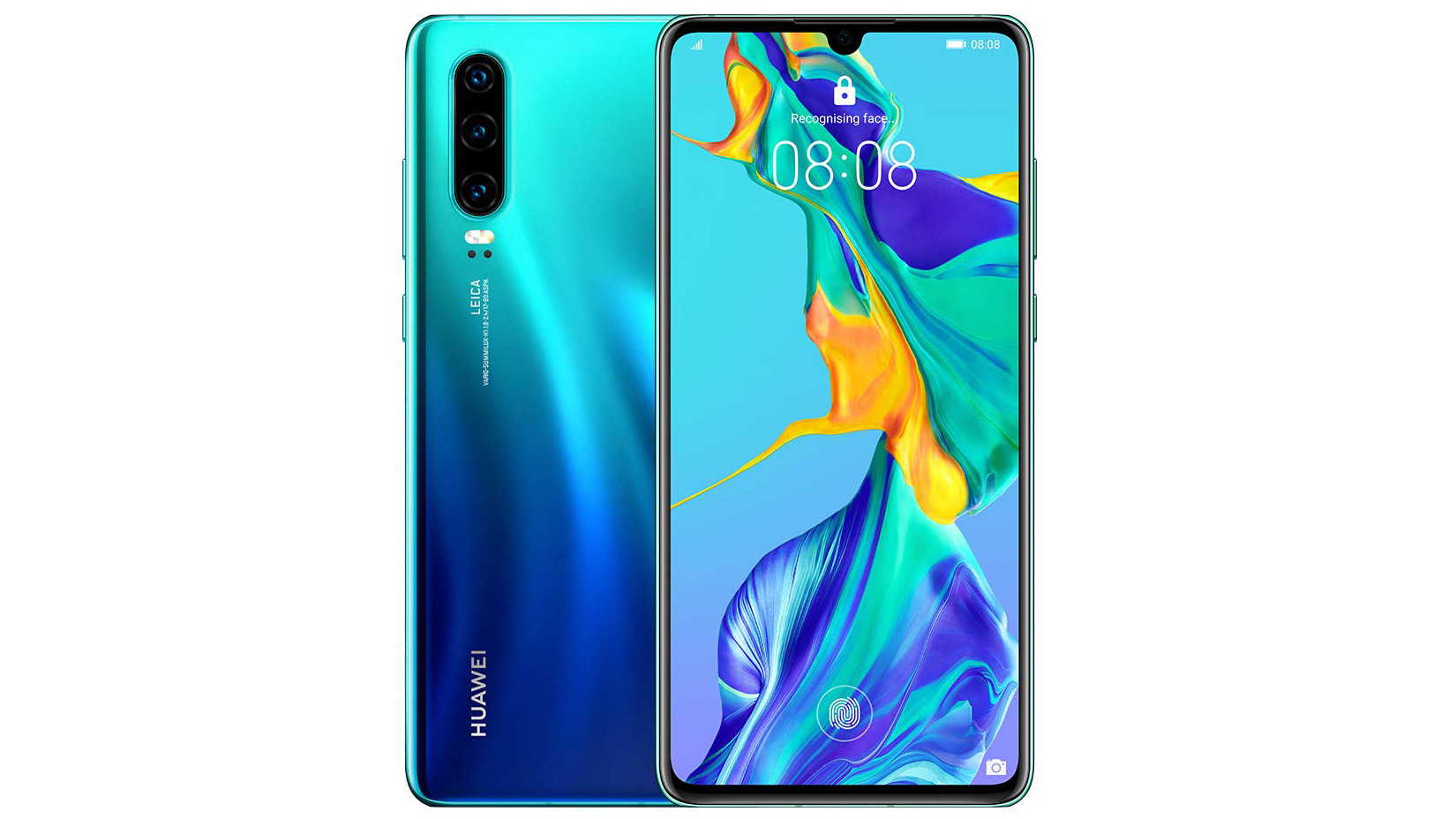
Huawei P30

(Image credit: Huawei)

3. Huawei P30

Another top Huawei phone

Release date: March 2019 | Weight: 165g | Dimensions: 149.1 x 71.4 x 7.6mm | OS: Android 9 | Screen size: 6.1-inch | Resolution: 1080 x 2340 | CPU: Kirin 980 | RAM: 8GB | Storage: 64/128/512GB | Battery: 3,650mAh | Rear camera: 40MP + 16MP + 8MP | Front camera: 32MP

Great camera
Powerful processor
No wireless charging
P30 Pro is superior

The Huawei P30 has a smaller screen than the P30 Pro, and makes do with just the three rear cameras and a maximum zoom of 30x, but it's still one of the best Huawei phones around.

With a 6.1-inch display the P30 is a little easier to manage in the hand than its larger sibling, and with a Full HD+ and plenty of colour it's a top smartphone screen. You can expect to get excellent battery life from the Huawei P30, with the phone often lasting a day and a half on a single charge without issue.

While the three cameras on the rear aren't quite as good as the four on the P30 Pro, they still offer up an impressive shooting experience with 5x, 10x and 30x zoom and great low-light abilities.

There's heaps of power, a handy headphone jack (something the Pro can't boast) and a more manageable form factor for one-handed use. And of course, it's a little cheaper too.

Read more: Huawei P30 review

(Image credit: Huawei)

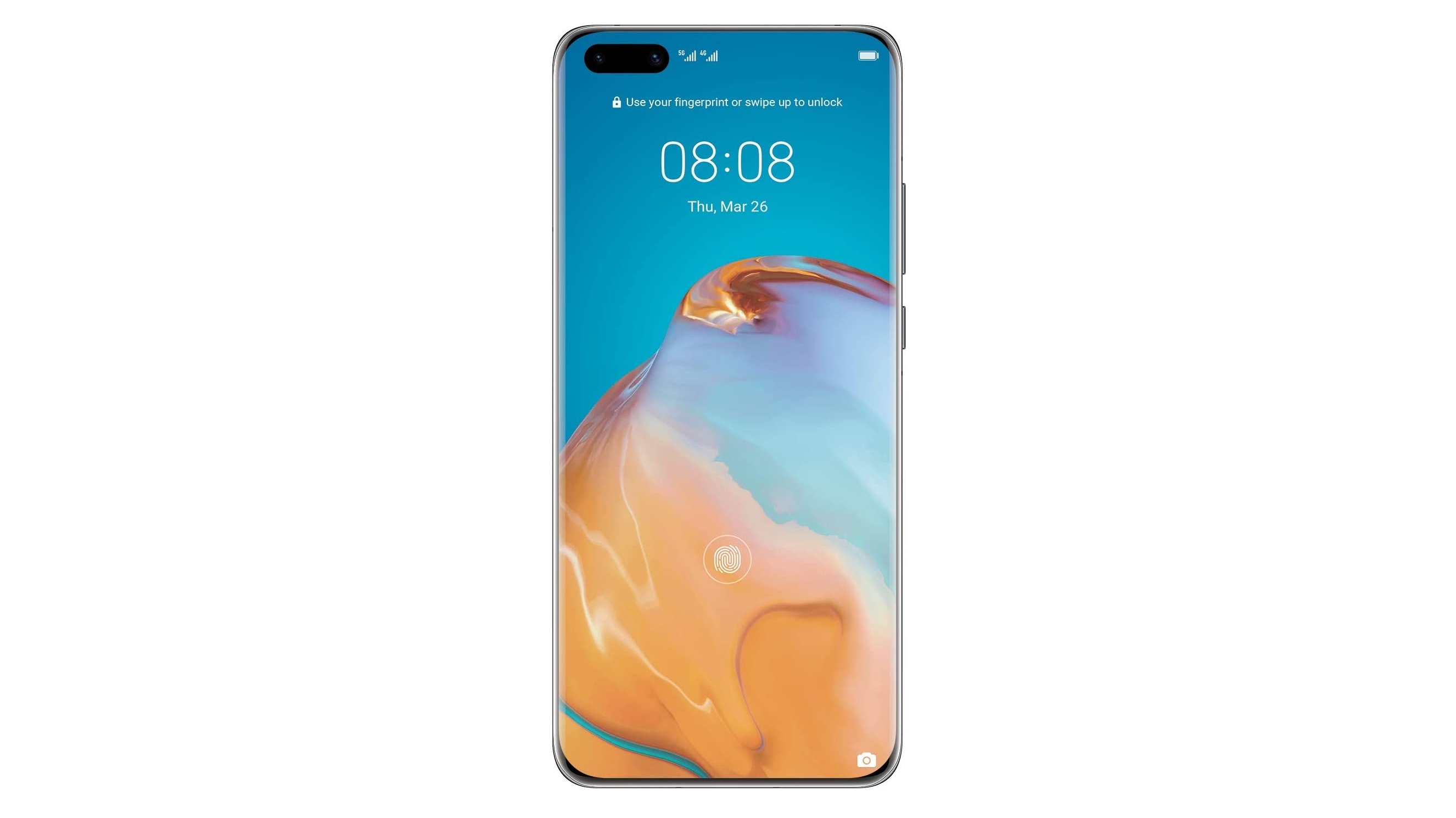
4. Huawei P40 Pro

The P40 Pro has superb cameras, but it’s hampered by its software

Release date: March 2020 | Weight: 209g | Dimensions: 158.2 x 72.6 x 9mm | OS: Android 10 | Screen size: 6.58-inch | CPU: Kirin 990 | RAM: 8GB | Storage: 128/256/512GB | Battery: 4,200mAh | Rear camera: 50MP + 40MP + 12MP + ToF | Front camera: 32MP

Phenomenal battery life
Brilliant cameras
Frustratingly limited software
Big camera bump

The Huawei P40 Pro should be the best handset Huawei has ever made. After all, it’s an upgrade on the Huawei P30 Pro in most ways, with a superb quad-lens camera, phenomenal life from its 4,200mAh battery, and a stylish design, with curved glass on all four front edges.

You also get flagship power from the P40 Pro’s Kirin 990 chipset, plus a great screen with a high 90Hz refresh rate.

So why isn’t this Huawei’s best phone? Because like other recent Huawei handsets it lacks Google Mobile Services, meaning no Google apps (such as Maps) and more importantly no access to the Google Play Store. So you have to get your apps elsewhere, and the selection is more restrictive.

As such, the Huawei P40 Pro finds itself in the awkward position of being a lesser handset than its predecessor. But the hardware is great, so if you can live without Google on your phone then it’s still well worth considering.

Read more: Huawei P40 Pro review

(Image credit: Huawei)

5. Huawei P40 Pro Plus

The best smartphone camera system

Release date: June 2020 | Weight: 226g | Dimensions: 158.2 x 72.6 x 9mm | OS: Android 10 | Screen size: 6.58-inch | CPU: Kirin 990 5G | RAM: 8GB | Storage: 128/256/512GB | Battery: 4,200mAh | Rear camera: 50MP + 40MP + 8MP + 8MP + ToF | Front camera: 32MP

Best cameras on a smartphone 
Premium hardware 
No Google apps and services 
Very expensive 

This phone is every bit as good as the P40 Pro and then goes the extra mile with even better cameras. We think it has the best camera system on any smartphone in 2020, with some breathtaking capabilities that put it ahead of many standalone compact cameras on the market.

It can shoot optically stabilised stills at 10x zoom and is a photographer’s dream. But without access to the Google Play Store and Google apps and services, it’s considerably hampered for daily use for all but the most tech-savvy or patient.

It means the phone won’t play nice with your Gmail account, won’t work with third party apps like Uber that use Google Maps and won’t link up to any Wear OS wearables. Even though it packs the best cameras around, 5G and great battery life, the P40 Pro Plus remains a tough sell, particularly at the asking price. 

(Image credit: Huawei)

6. Huawei Mate 30 Pro

When excellent isn’t enough

Release date: September 2019 | Weight: 198g | Dimensions: 158.1 x 73.1 x 8.8mm | OS: Android 10 | Screen size: 6.53-inch | CPU: Kirin 990 | RAM: 8GB | Storage: 128/256GB | Battery: 4,500mAh | Rear camera: 40MP + 40MP + 8MP + ToF | Front camera: 32MP

Stunning edge-to-edge display
Excellent battery life
No Play Store
Screen curve creates vignetting

The Huawei Mate 30 Pro was one of the earliest casualties of the Huawei ban – so there are no Google apps on this phone, and there’s no access to the Google Play Store.

If you can get past the restricted software though, there’s some very good hardware here, including a stunning edge-to-edge waterfall display, great battery life from its 4,500mAh battery, and an excellent quad-lens camera, which outperforms most rivals in low light situations.

The Huawei Mate 30 Pro also has the same chipset as the Huawei P40 Pro, so performance is similar, and it packs most other flagship features, such as water resistance and wireless charging.

Read more: Huawei Mate 30 Pro review

Huawei Mate 20

(Image credit: Huawei)

7. Huawei Mate 20

Could be your best Mate

Weight: 188g | Dimensions: 158.2 x 77.2 x 8.3mm | OS: Android 9 | Screen size: 6.53-inch | Resolution: 1080 x 2244 | CPU: Kirin 980 | RAM: 4/6GB | Storage: 128GB | Battery: 4,000mAh | Rear camera: 12MP+16MP+8MP | Front camera: 24MP

Excellent battery life
Incredible power for the price
Full HD+ screen resolution is low
No IP68 water and dust resistance

The standard Huawei Mate 20 may be worse than the Huawei Mate 20 Pro, but it’s still a strong phone in its own right and it’s cheaper too.

Other than the lower – though still high – price, highlights include a 4,000mAh battery which in our tests delivered excellent life, and top-end power, thanks to the use of an octa-core Kirin 980 chipset and up to 6GB of RAM.

The Huawei Mate 20 also has a triple-lens camera on the back. This isn’t the same selection of lenses as its Pro-level sibling, but still makes for a versatile setup.

And in some ways the Mate 20 actually has the Mate 20 Pro beat, as its 6.53-inch screen is larger, and it has a headphone port, which the fancier phone doesn’t.

Read more: Huawei Mate 20 review

Huawei P20 Pro

(Image credit: Huawei)

8. Huawei P20 Pro

A real pro for photography

Weight: 180g | Dimensions: 155 x 73.9 x 7.8mm | OS: Android 9 | Screen size: 6.1-inch | Resolution: 1080 x 2240 | CPU: Kirin 970 | RAM: 6GB | Storage: 128GB | Battery: 4,000mAh | Rear camera: 40MP+20MP+8MP | Front camera: 24MP

Great battery life
Ultra-flexible camera
No wireless charging
Minor fizz to the OLED screen

The Huawei P20 Pro may not be Huawei's latest flagship any more, but it still has a lot going for it, with the highlight being its exceedingly impressive and versatile triple-lens rear camera.

That camera allows for 3x optical zoom and proves surprisingly adept at night shots, which is usually a setting that phone cameras really struggle with.

Other highlights of the Huawei P20 Pro include a big, long-lasting battery, and an even bigger AMOLED screen that delivers vivid colors on a large scale.

The Huawei P20 Pro also has a striking design, with a metal frame and a glass back, that optionally comes in a gradient color scheme that sees the colors shift from purple at the top to a turquoise shade at the bottom.

Like any good flagship the Huawei P20 Pro also has facial recognition, a fingerprint scanner and lots of RAM.

There’s no wireless charging and the chipset isn’t quite a match for some flagships, but it’s not far off, and as a complete package the Huawei P20 Pro can compete with any other handset, as its strong ranking in our best smartphones list attests.

Read more: Huawei P20 Pro review

(Image credit: Huawei)

9. Huawei P Smart (2019)

A great-value phone that we’ve basically seen before

Release date: January 2019 | Weight: 160g | Dimensions: 155.2 x 73.4 x 8mm | OS: Android 9 | Screen size: 6.21-inch | CPU: Kirin 710 | RAM: 3GB | Storage: 32/64GB | Battery: 3,400mAh | Rear camera: 13MP + 2MP | Front camera: 16MP

Slick design at a great price
Ample storage
Mono speaker
Camera images overly processed

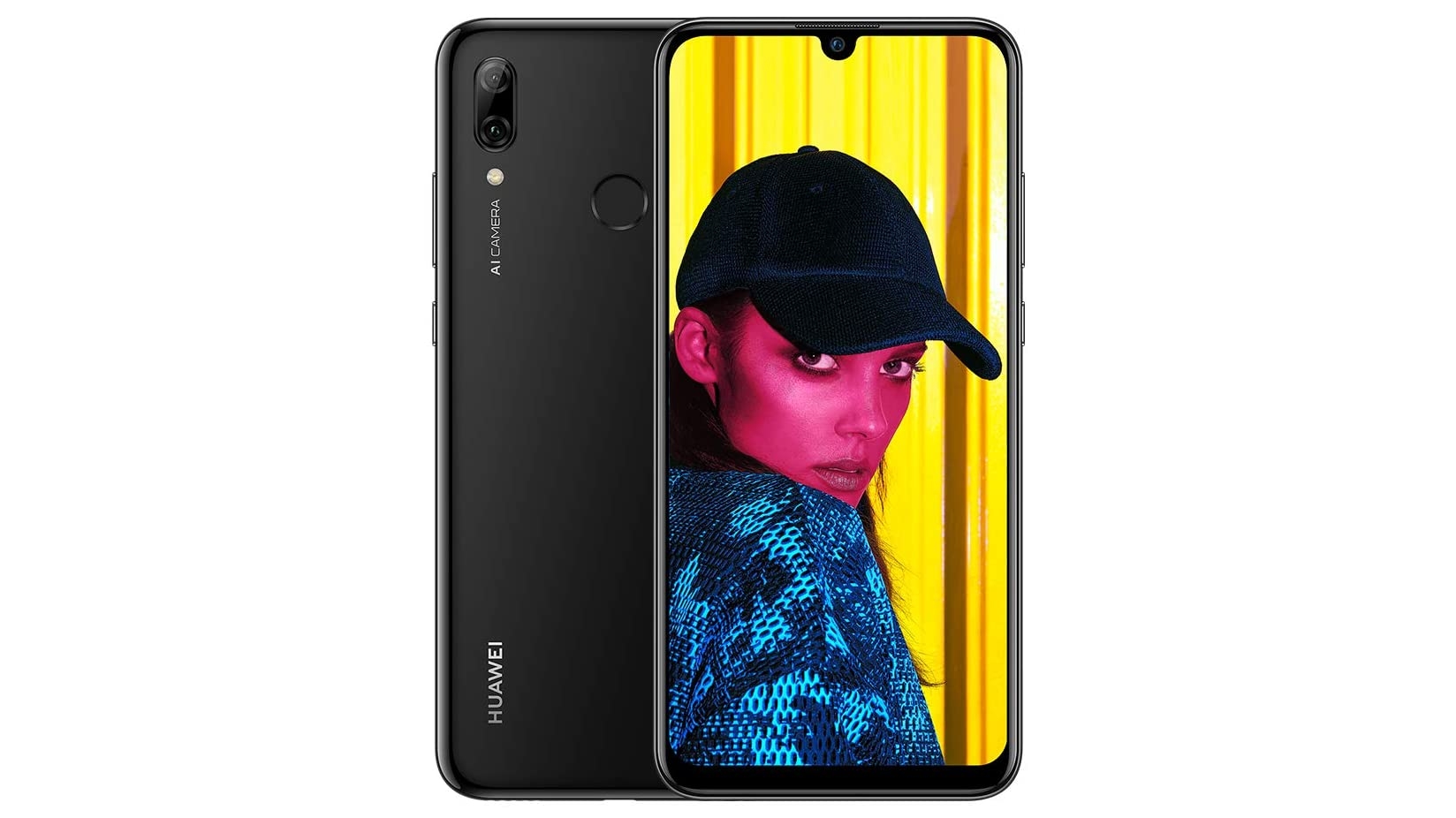
The Huawei P Smart (2019) is one of Huawei’s more affordable phones, yet it still packs a 6.21-inch screen that at 1080 x 2340 is great for the money. It also has a sleek design and a decent 13MP camera, backed up by a 2MP depth sensor.

Plus, unlike some more recent Huawei handsets, the Huawei P Smart (2019) comes with full fat Android, including access to the Google Play Store.

Performance is mid-range at best, the mono speaker doesn’t sound great, and while the camera is mostly decent it can go overboard on image processing, but when taken alongside the Huawei P Smart (2019)’s price these are minor complaints.

Read more: Huawei P Smart (2019) review

(Image credit: Huawei)

10. Huawei Mate Xs

The foldable phone done right

Release date: March 2020 | Weight: 300g | Dimensions: 161.3 x 78.5 x 11mm (folded) / 161.3 x 146.2 x 5.4mm (unfolded) | OS: Android 10 | Screen size: 6.6-inch (folded) / 8.0-inch (unfolded) | CPU: Kirin 990 | RAM: 8GB | Storage: 512GB | Battery: 4,500mAh | Rear camera: 40MP + 16MP + 8MP + ToF | Front camera: N/A

The best foldable phone design
Flagship level performance
No access to Google Apps
Very expensive

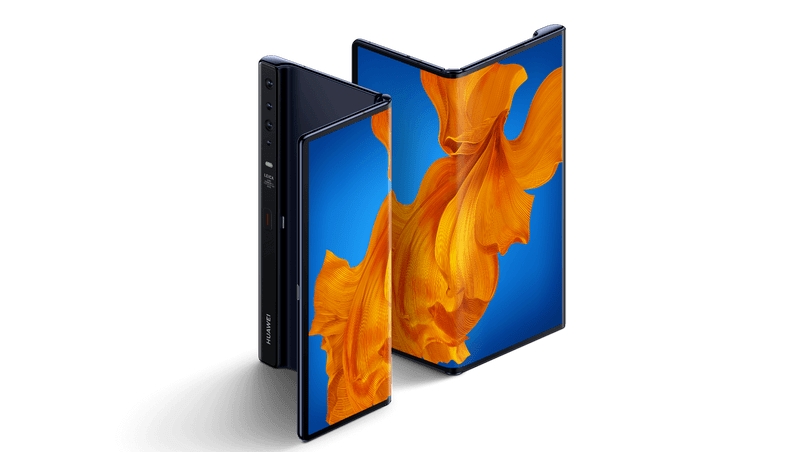
The Huawei Mate Xs has arguably the best foldable phone design we’ve seen so far, achieved by placing the foldable screen on the outside so it’s always visible.

This allows the Huawei Mate Xs to work effectively as both a 6.6-inch smartphone and an 8.0-inch tablet, and it’s got the specs to carry out both roles, with a high-end Kirin 990 chipset, 8GB of RAM, a 4,500mAh battery, and a great quad-lens camera.

Other than its inevitably high price the main thing that holds the Huawei Mate Xs back is the same issue most recent Huawei phones have – the lack of Google Mobile Services. So while the hardware’s great, the software is at a disadvantage.

Read more: Huawei Mate Xs review

Huawei P30 Lite

(Image credit: Huawei)

11. Huawei P30 Lite

Huawei's mid-ranger is a notch or two below its brothers

Weight: 159g | Dimensions: 152.9 x 72.7 x 7.4mm | OS: Android 9 | Screen size: 6.15-inch | Resolution: 1080 x 2312 | CPU: Kirin 710 | RAM: 4/6GB | Storage: 128GB | Battery: 3,340mAh | Rear camera: 48MP + 8MP + 2MP | Front camera: 24MP

Attractive design
Competent camera
Middling power
Mediocre battery life

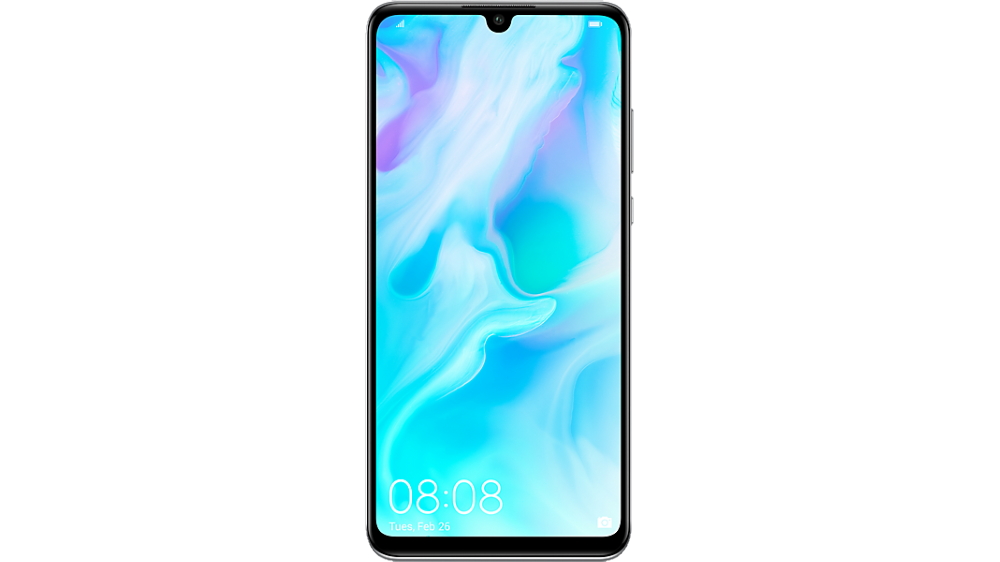
Despite having P30 in its name, the Huawei P30 Lite is no match for the rest of the range and nor is it a flagship. Instead it’s a mid-ranger, but it’s quite a good one.

For one thing, it looks good, with a glass-backed design that’s similar to the Huawei P30, down to the notch on the front.

It also has a similarly good screen to its pricier sibling, as it has a 6.15-inch 1080 x 2312 display with a pixel density of around 415 pixels per inch.

Plus it has face unlock, a triple-lens rear camera, an octa-core chipset and 4/6GB of RAM. However, this is a mid-range chipset and not as good as the ones some similarly priced alternatives have.

Overall, it's a solid mid-range handset, but attempting to say it belongs in the same family as the other two P30 devices feels like a little bit of a stretch.

Read more: Huawei P30 Lite review


from TechRadar - All the latest technology news https://ift.tt/2EVdBUT
Latest Tech News

Choosing the best Wear OS watch for you is a fun process but it’s also a tricky one. There’s a lot of choice out there and the process of picking one can be daunting. 

Thankfully, we’ve tested pretty much every watch running Google’s software on the market to bring you this definitive list of the best ones going. 

These watches are from brands like Huawei, Fossil, TicWatch and Misfit, who continuously put out the best Wear OS has to offer. It means this list doesn’t have watches from Fitbit or Samsung as those wearables run their own operating systems. The best part of many manufacturers making Wear OS devices is that you can pick from a wide range of designs and prices to get whichever is best for you.

The software on these watches is very similar. It has a clean design and focuses on providing you with notifications from your phone while pairing with the watches’ physical sensors to track your health and fitness, and some watches will have custom additions to the software. 

Most of the wearables will have heart rate sensors and some will have GPS built-in meaning you can go for a run or walk and it’ll still track your route even if you don’t take your phone. Some also have NFC so you can make contact payments, while all of the watches on this list will count your steps.

We’ve also been sure to only include recent Wear OS products, so rest assured these watches will all have recent software and won’t be outdated. Make sure to read the individual reviews for each smartwatch to make sure you pick the one that best suits your needs, tastes and budget. 

Image 1 of 4

best cheap smartwatch deals prices sales

(Image credit: Fossil)
Image 2 of 4

Image credit: TechRadar

Image credit: TechRadar
Image 3 of 4

Image credit: TechRadar

Image credit: TechRadar
Image 4 of 4

Image credit: TechRadar

Image credit: TechRadar

1. Fossil Sport

The best in Wear OS

Compatibility: Android, iOS | Display: 1.2-inch 390 x 390 AMOLED | Processor: Quad-core 1.2GHz | Band sizes: 22mm straps | Onboard storage: 4GB | Battery duration: Two days | Charging method: Proprietary | IP rating: IP68 | Connectivity: Wi-Fi, Bluetooth, GPS

Lightweight design
Powerful watch
Lacks high-end features
GPS can be slow

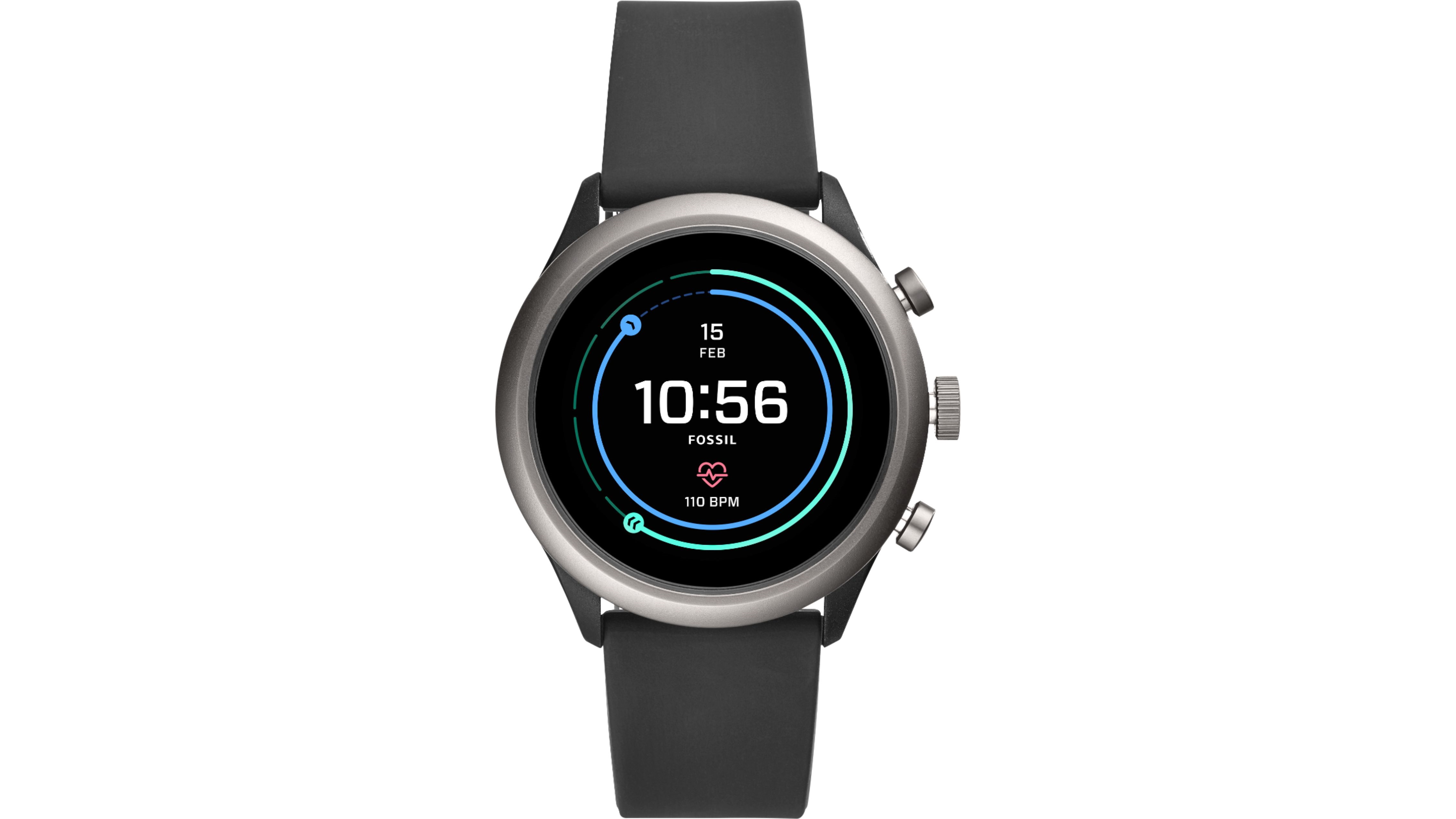
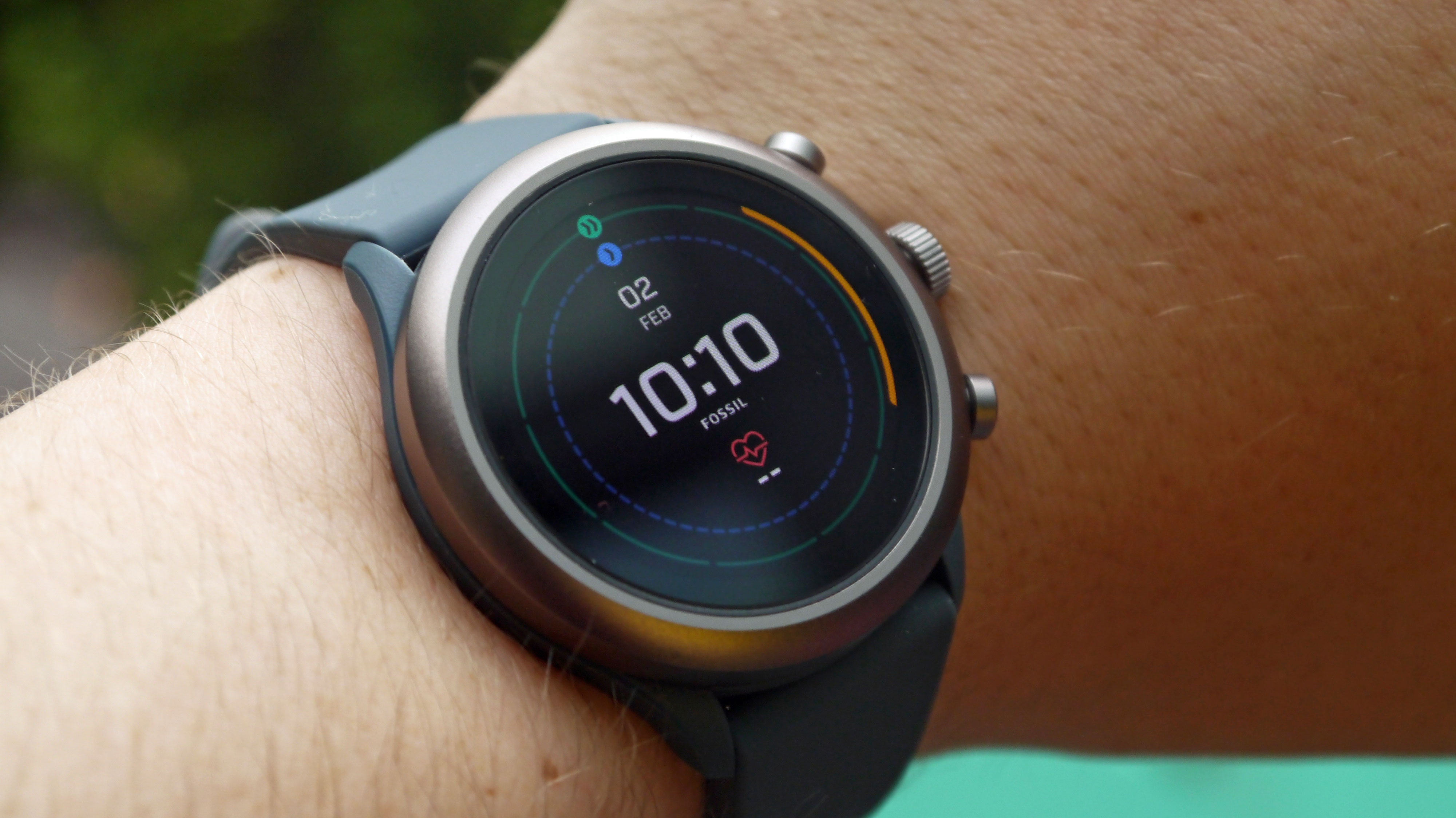
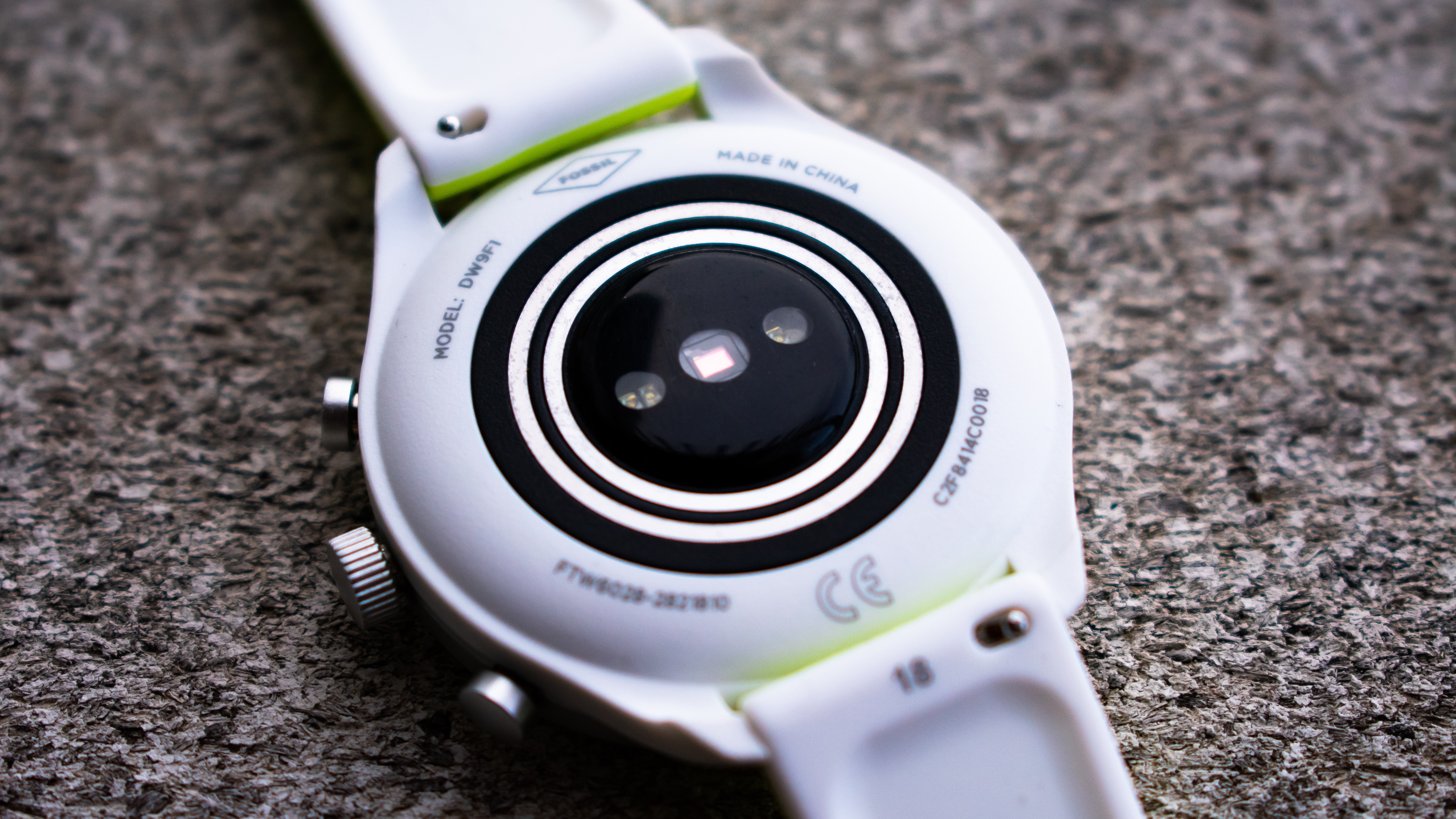
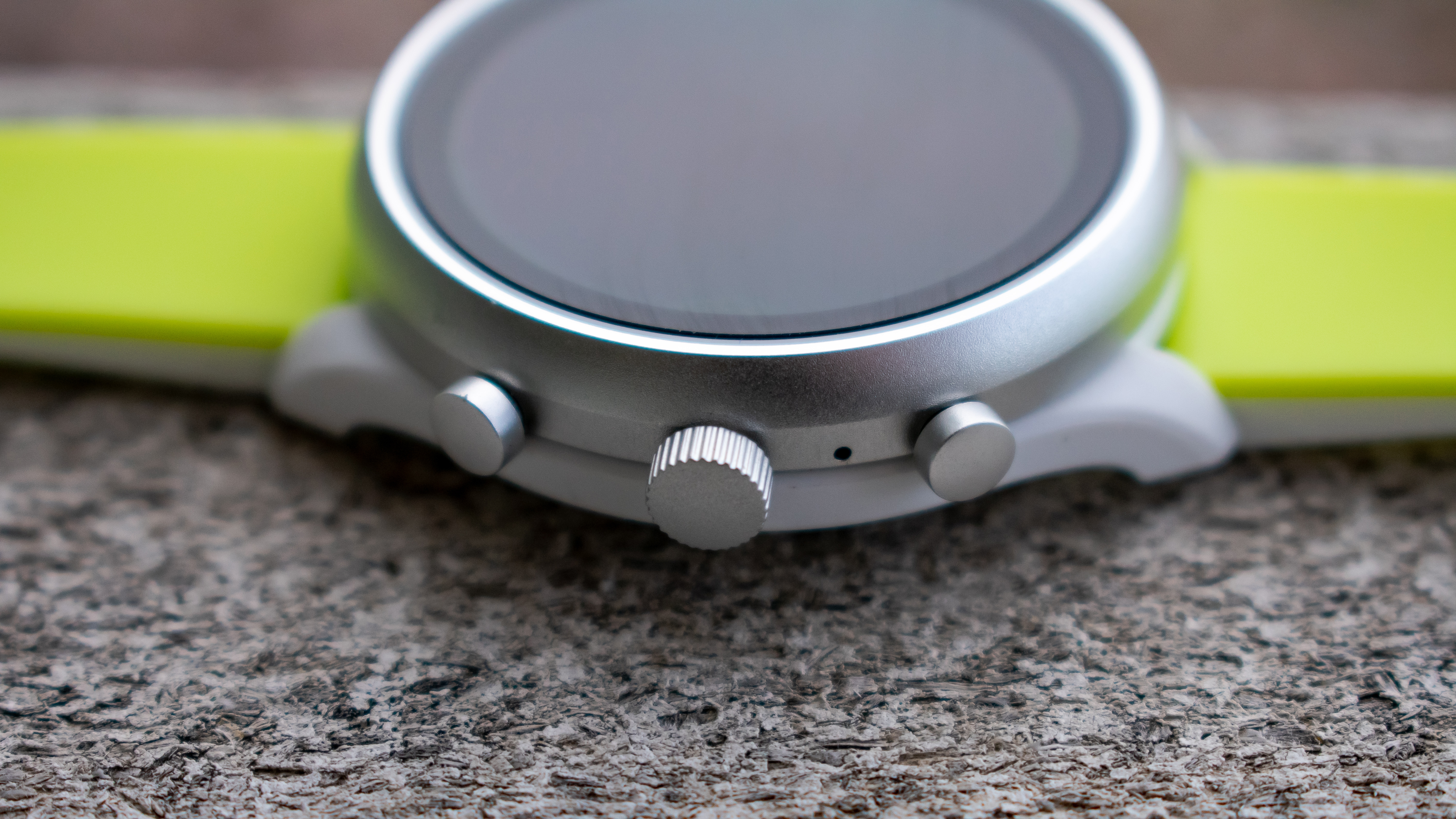
Looking for the greatest Wear OS watch money can buy? We currently think that's the Fossil Sport. It's not the very best smartwatch overall, and it doesn't boast many unique features but it does offer a fantastic all round package.

The Fossil Sport is a great combination of value and features in a lightweight body that you're able to wear comfortably day-to-day or when you're working out. There's GPS and the battery life often lasts around two days.

It was one of the first smartwatches to sport the Qualcomm Snapdragon Wear 3100 chipset. That means this watch offers a smoother experience than a lot of the others in this list.

Overall, if you're looking for a smoother experience or an easy to use smartwatch. you're almost certain to enjoy the Fossil Sport.

Read the full Fossil Sport review

Image 1 of 4

Image credit: Mobvoi

Image credit: Mobvoi
Image 2 of 4

Image credit: Mobvoi

Image credit: Mobvoi
Image 3 of 4

Image credit: TechRadar

Image credit: TechRadar
Image 4 of 4

Image credit: TechRadar

Image credit: TechRadar

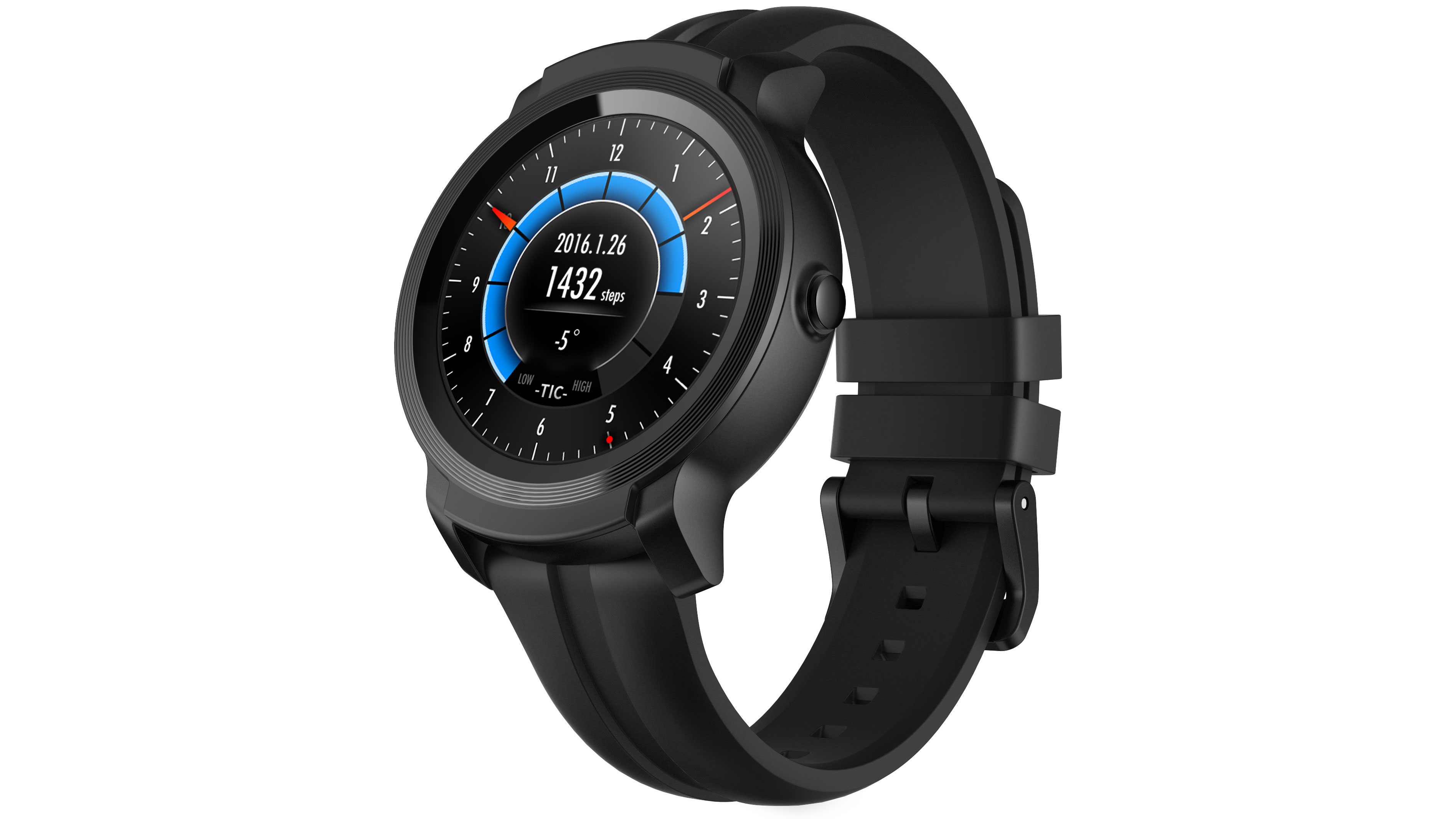
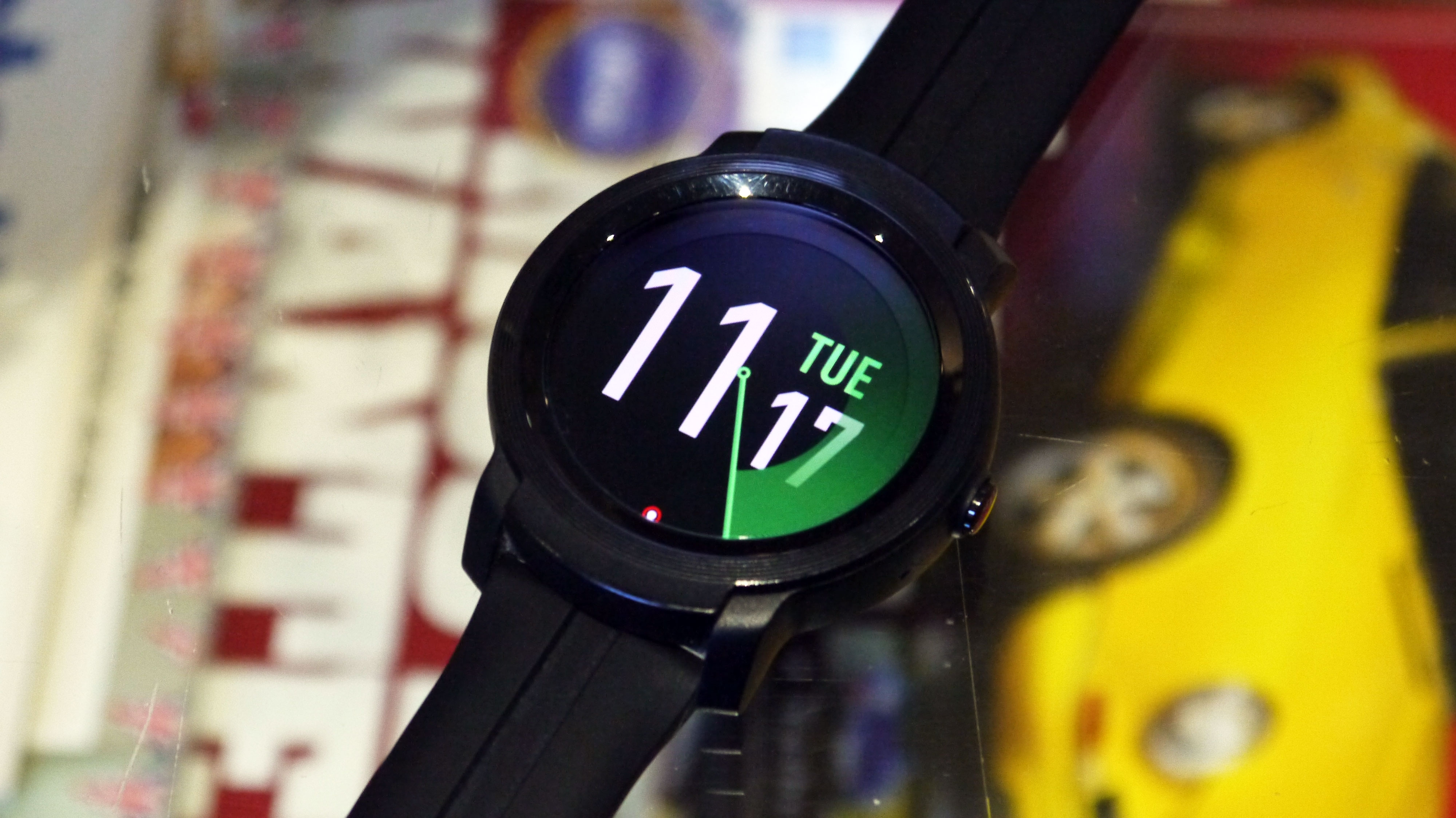
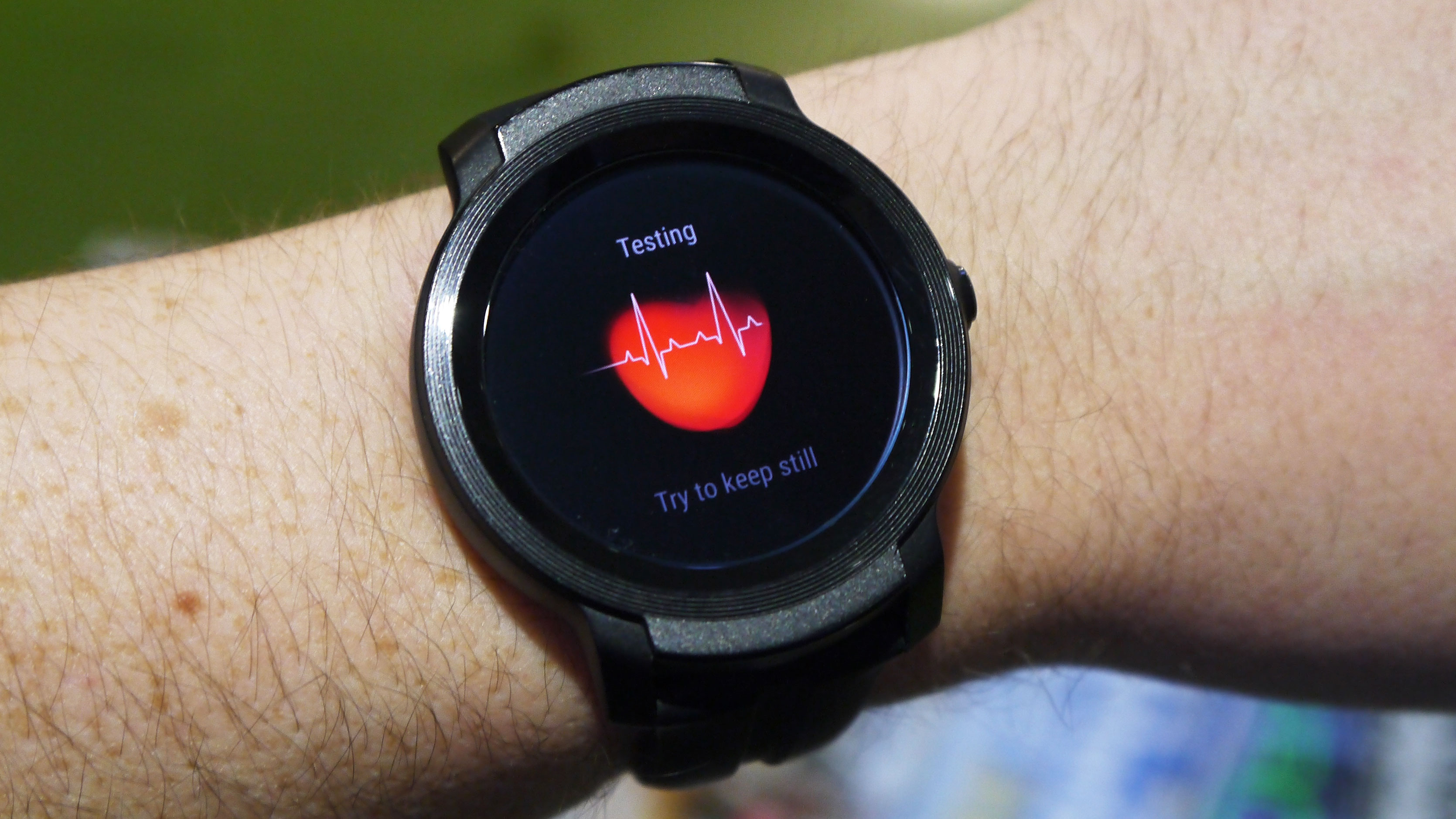
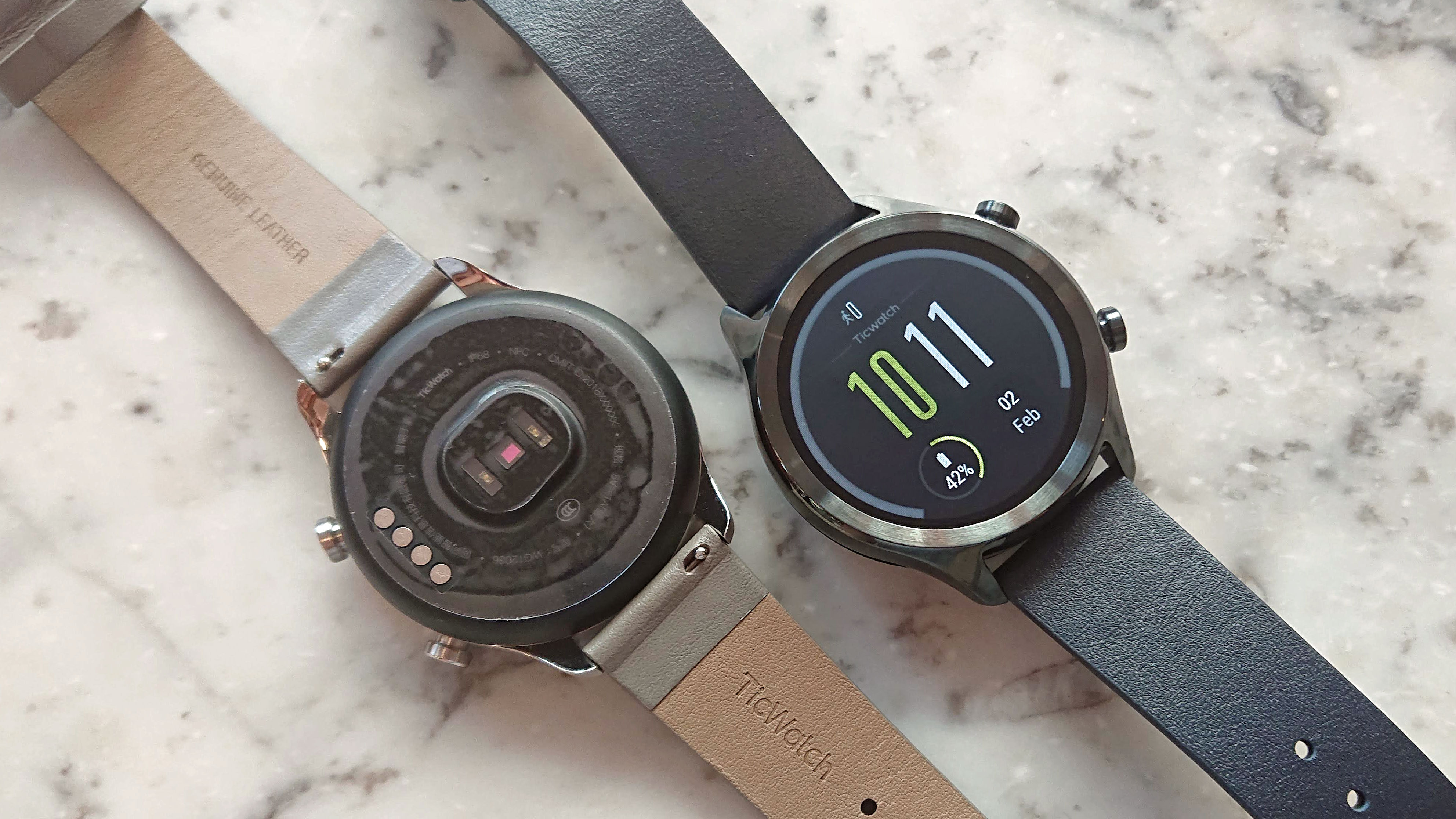
2. TicWatch E2

One of the cheapest Wear OS watches

Compatibility: Android 4.3+, iOS 8+ | Display: 1.39" 400 x 400 OLED | Processor: Snapdragon Wear 2100 | Onboard storage: 4GB | Battery duration: Around 48h | Charging method: Magnetic connecting pin | IP rating: IP67 | Connectivity: Wi-Fi, Bluetooth 4.1

Affordable price
Easily two day battery life
No NFC for payments
Bland design

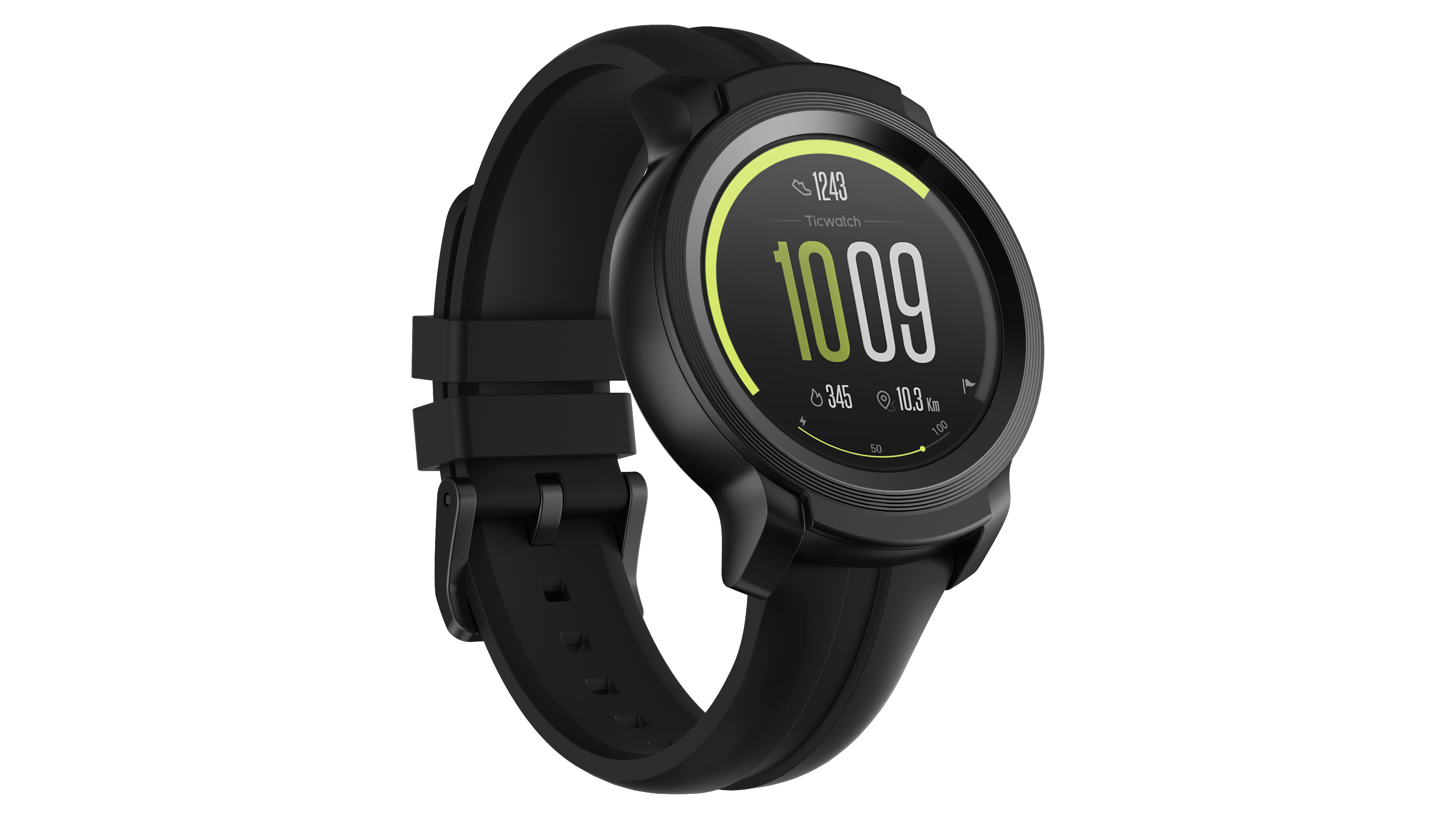
The reason the TicWatch E2 sits so highly in this list is largely down to its price. It's one of the best cheap smartwatches money can buy, and it sports the latest in Wear OS software.

Compared to the last-gen TicWatch E, you'll get 30% better battery life here with our reviewer saying it lasted for over two days with average usage. You'll get less if you're using lots of fitness features though.

It's waterproof so you can take this watch into the swimming pool, there's GPS to track your location and there are lots of other features here too. It lacks NFC, so you can't use this for Google Pay, but considering the price you'll likely love what the TicWatch E2 can do.

Read the full TicWatch E2 review

Image 1 of 4

Image credit: Mobvoi

Image credit: Mobvoi
Image 2 of 4

Image credit: Mobvoi

Image credit: Mobvoi
Image 3 of 4

Image credit: Mobvoi

Image credit: Mobvoi
Image 4 of 4

Image credit: Mobvoi

Image credit: Mobvoi

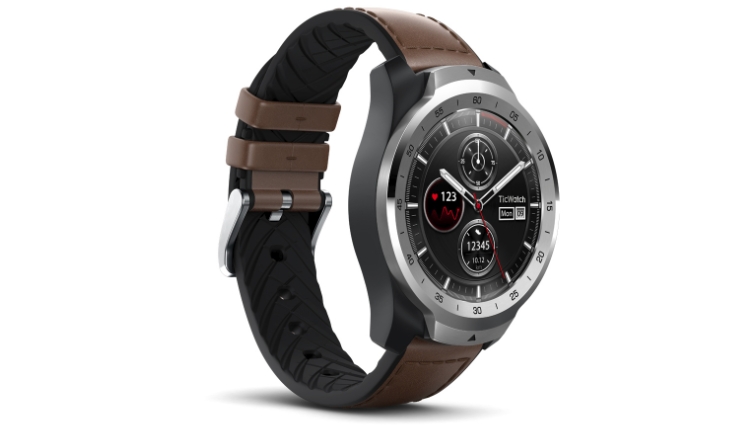
3. TicWatch Pro

One of the most innovative smartwatches

Compatibility: Android 4.3+, iOS 8+ | Display: 1.4" 400 x 400 OLED paired with LCD screen | Processor: Qualcomm Snapdragon Wear 2100 | Onboard storage: 4GB | Battery duration: Up to 48h, 5 extra days in Essential mode | Charging method: Magnetic connecting pin | IP rating: IP68 | Connectivity: Wi-Fi, Bluetooth 4.1

Innovative screen tech
Premium design
No LTE
Limited app

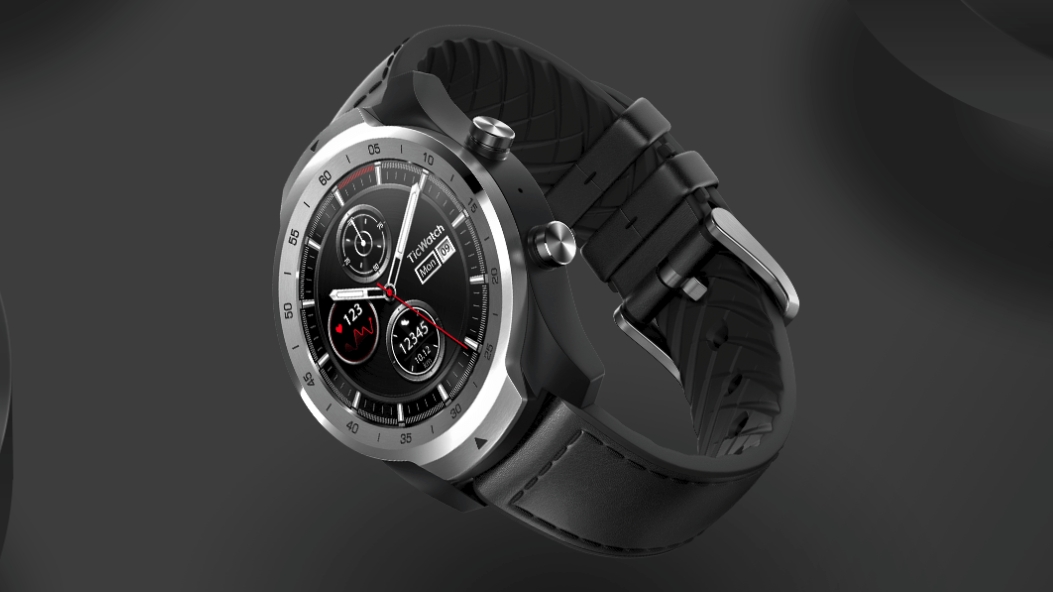
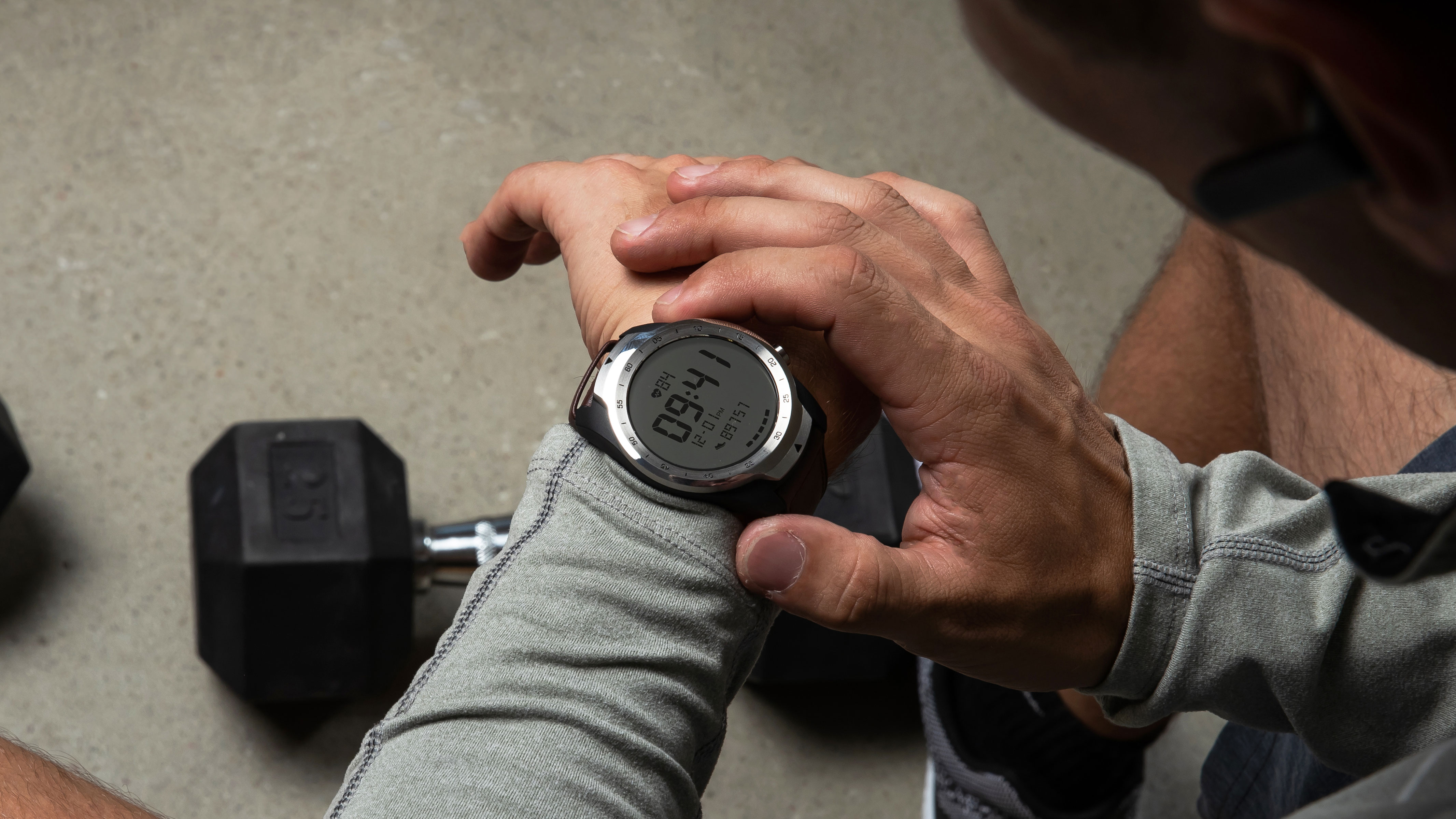
This watch from Mobvoi is a powerhouse that comes with two displays. That doesn't mean there's one display on each side of the watch, but instead it has a transparent LCD display on top of a full color OLED. When it's conserving battery, the watch will switch to the LCD screen that shows you the time, your step count and more.

The normal OLED screen will work like your average smartwatch, but the other display means the watch has much better battery life than a lot of the other watches on this list.

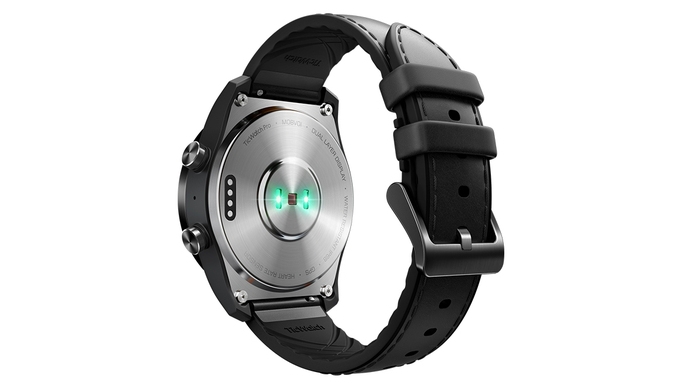
The TicWatch Pro also has a premium design, a heart rate sensor, great GPS tracking, NFC for Google Pay and much more alongside the latest Wear OS software powering the whole watch.

Read the full TicWatch Pro review

Image 1 of 5

(Image credit: Amazon)
Image 2 of 5

Image credit: TechRadar

Image credit: TechRadar
Image 3 of 5

Image credit: TechRadar

Image credit: TechRadar
Image 4 of 5

Image credit: TechRadar

Image credit: TechRadar
Image 5 of 5

Image credit: TechRadar

Image credit: TechRadar

4. TicWatch S2

Remarkably similar to the E2

Compatibility: Android 4.3+, iOS 8+ | Display: 1.39" 400 x 400 OLED | Processor: Snapdragon Wear 2100 | Onboard storage: 4GB | Battery duration: Around 48h | Charging method: Magnetic connecting pin | IP rating: IP67 | Connectivity: Wi-Fi, Bluetooth 4.1

Affordable
Waterproof design
Lacks NFC
No LTE variant

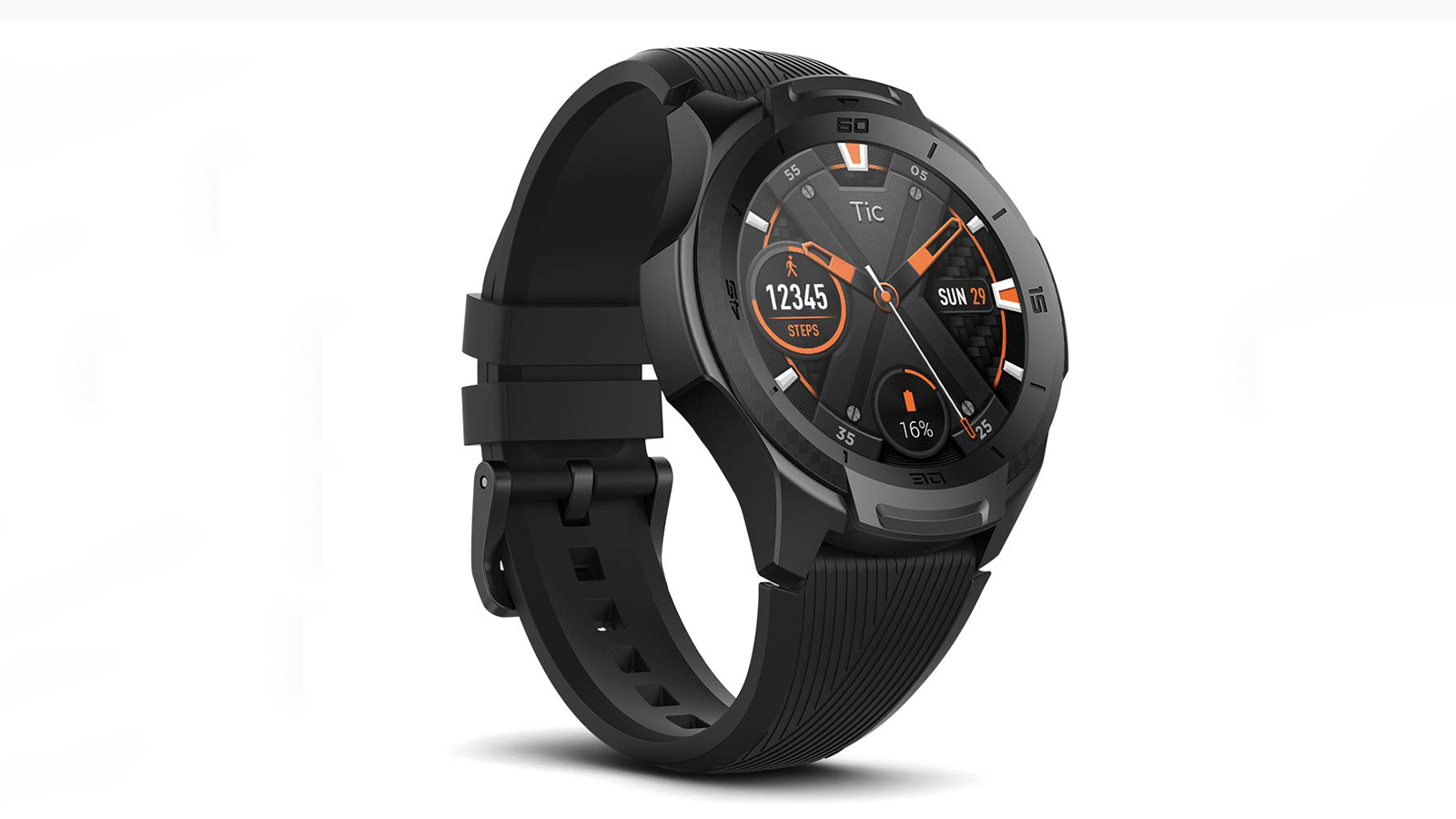
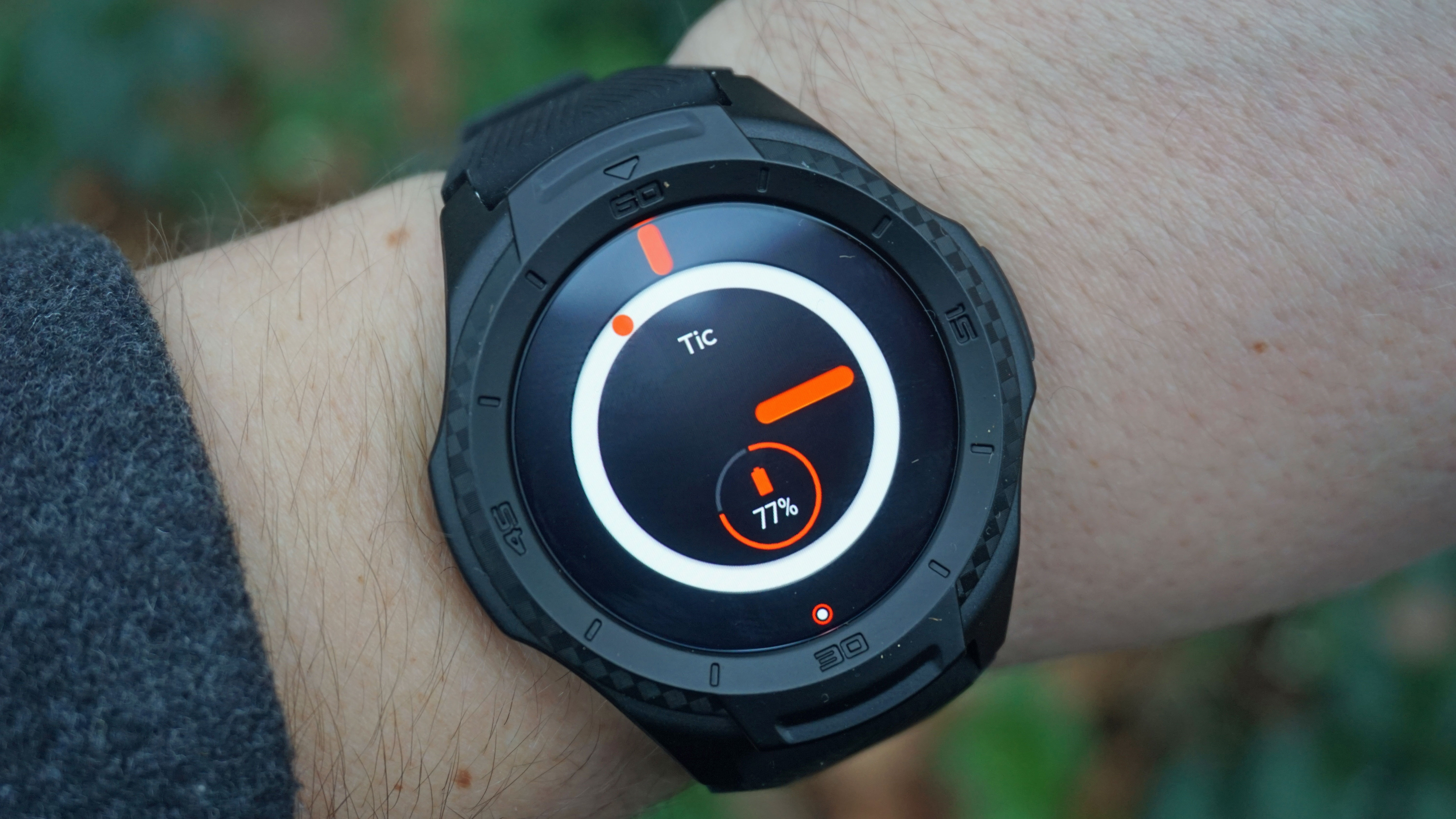
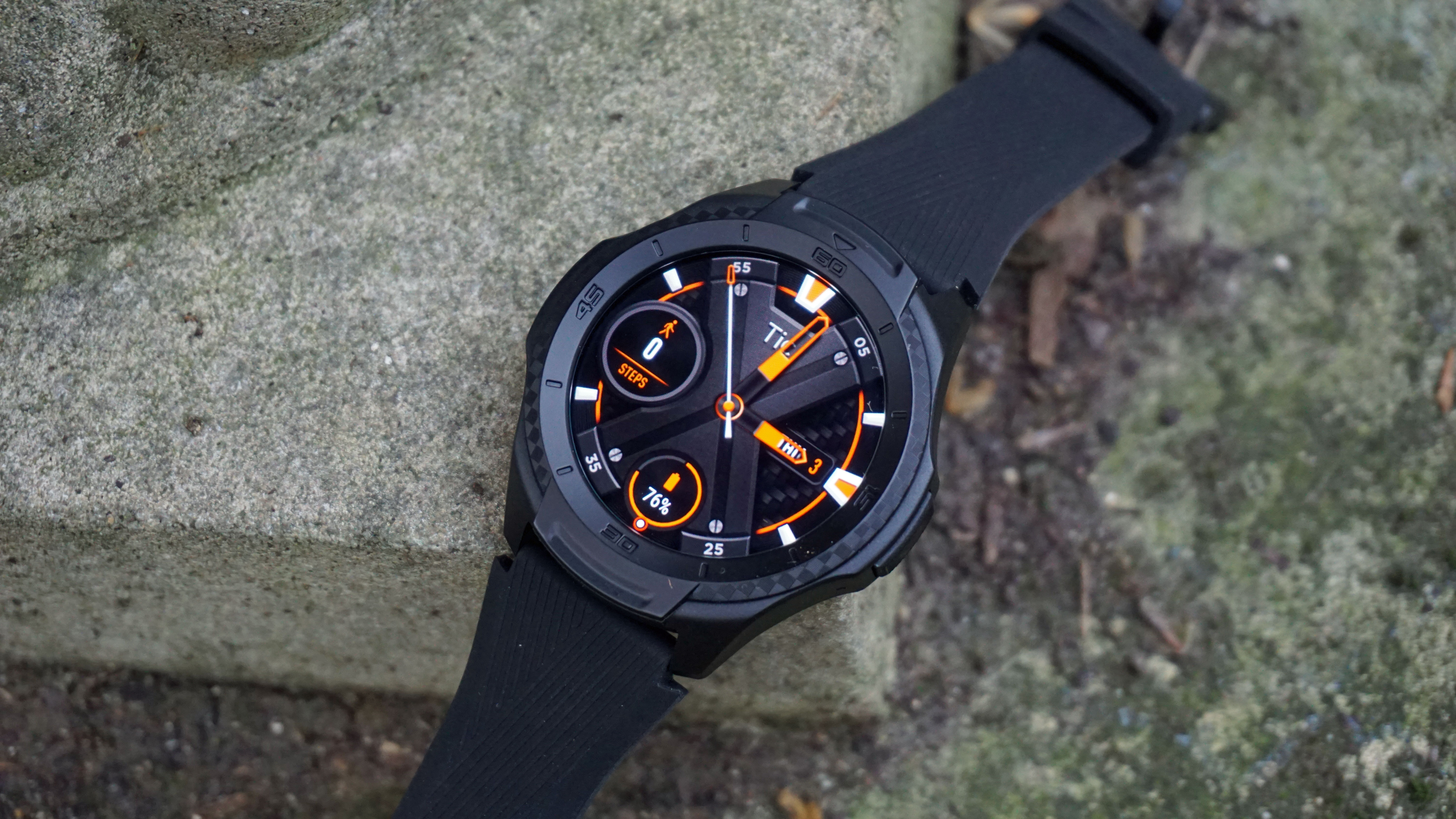
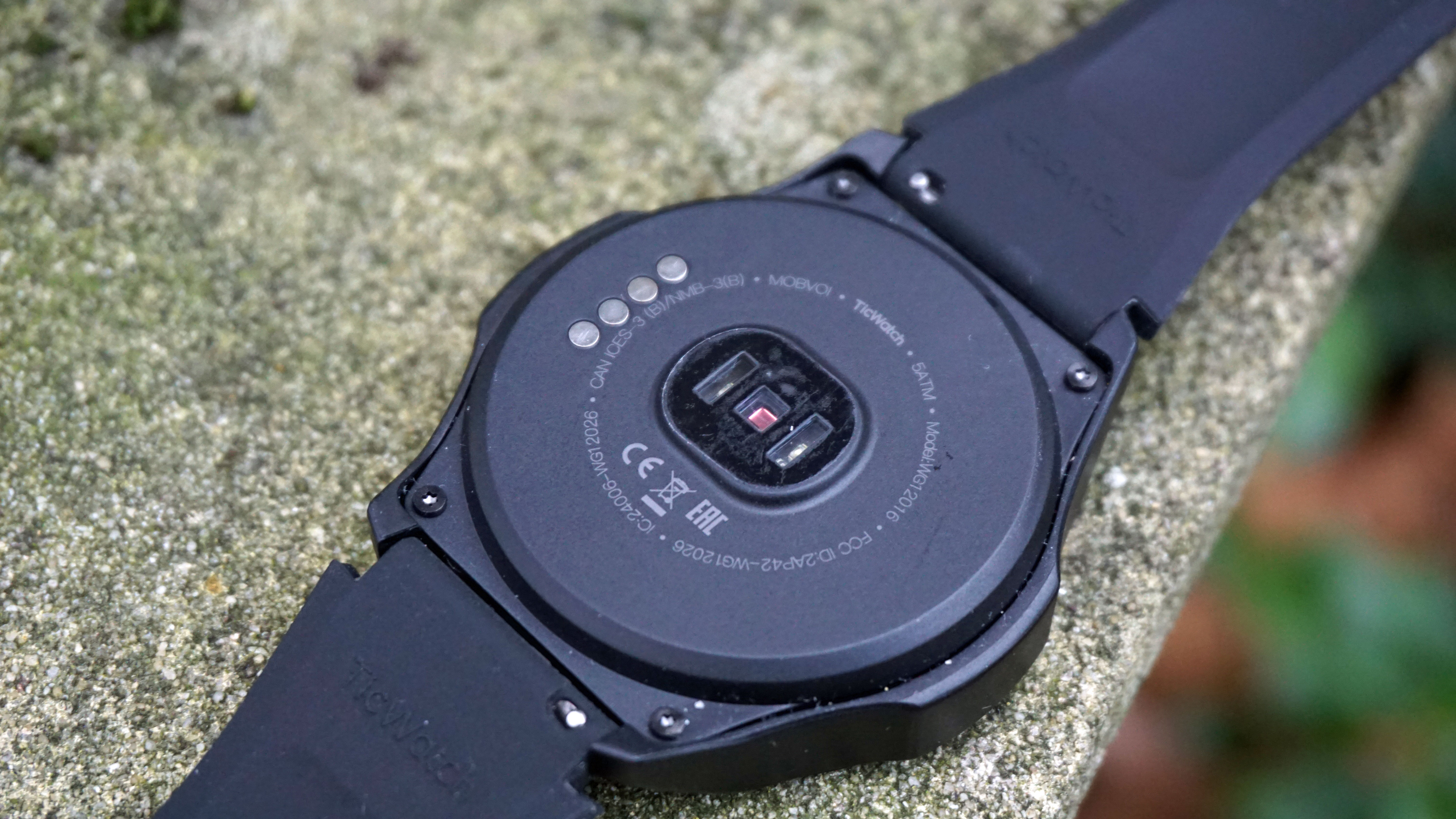
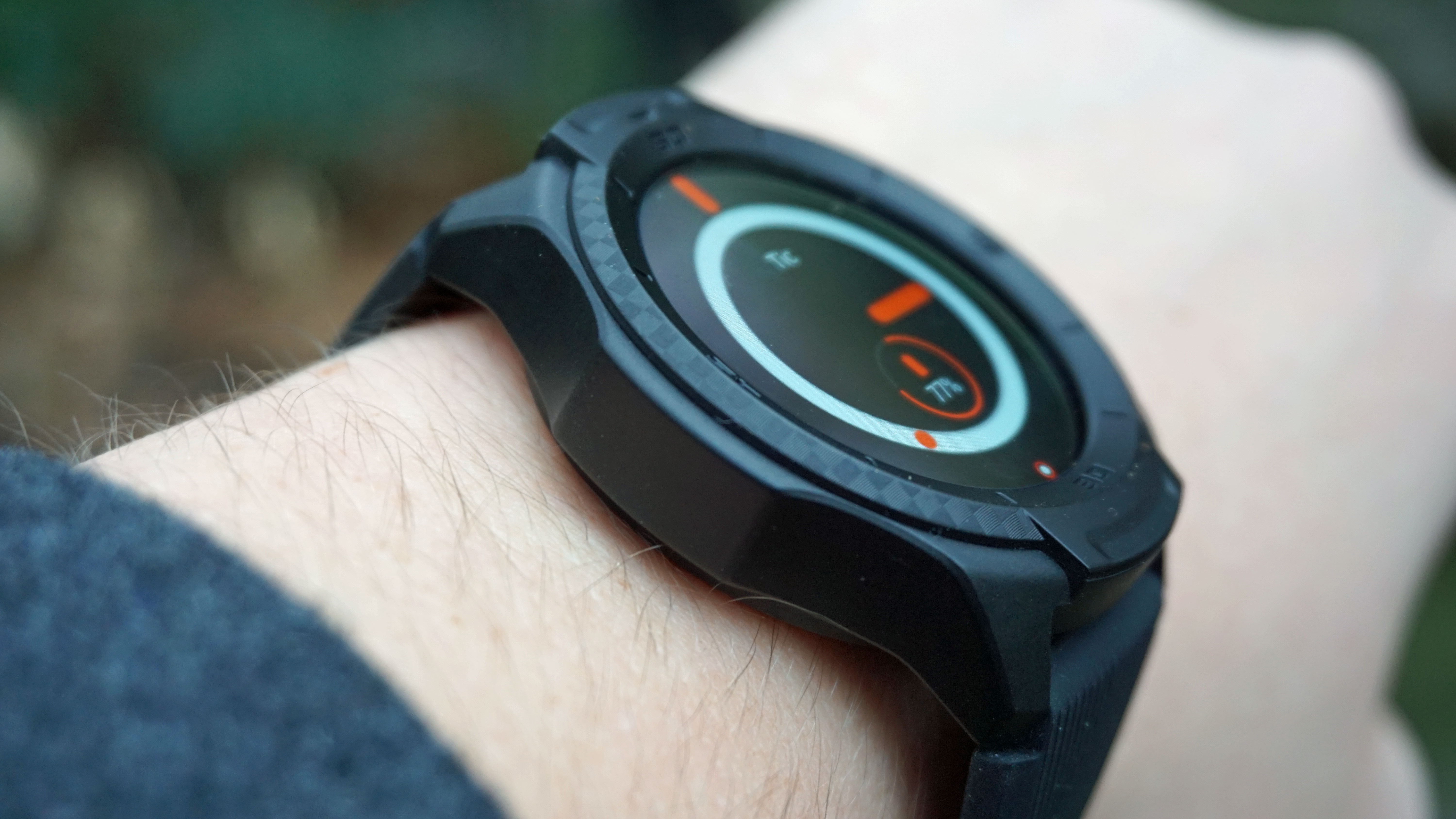
This watch is very similar to the TicWatch E2 on paper, and that's largely because it is. In fact, all of the spec is exactly the same here and the company has released two versions with different names because they have differing designs, but S2 has a more durable design than the E2 that is listed above.

The S2 has military grade durability so it should be able to take a bit more of a beating than any other watch on this list making it suitable for adventurers as well as runners.

Other than that, you'll have two-day battery life, GPS, a waterproof design and all the other benefits of the latest Wear OS software. If you're trying to save money look at the TicWatch E2, but if you prefer this design the S2 isn't much more expensive.

Read the full TicWatch S2 review

Image 1 of 3

(Image credit: Misfit)
Image 2 of 3

Image credit: Misfit

Image credit: Misfit
Image 3 of 3

Image credit: TechRadar

Image credit: TechRadar

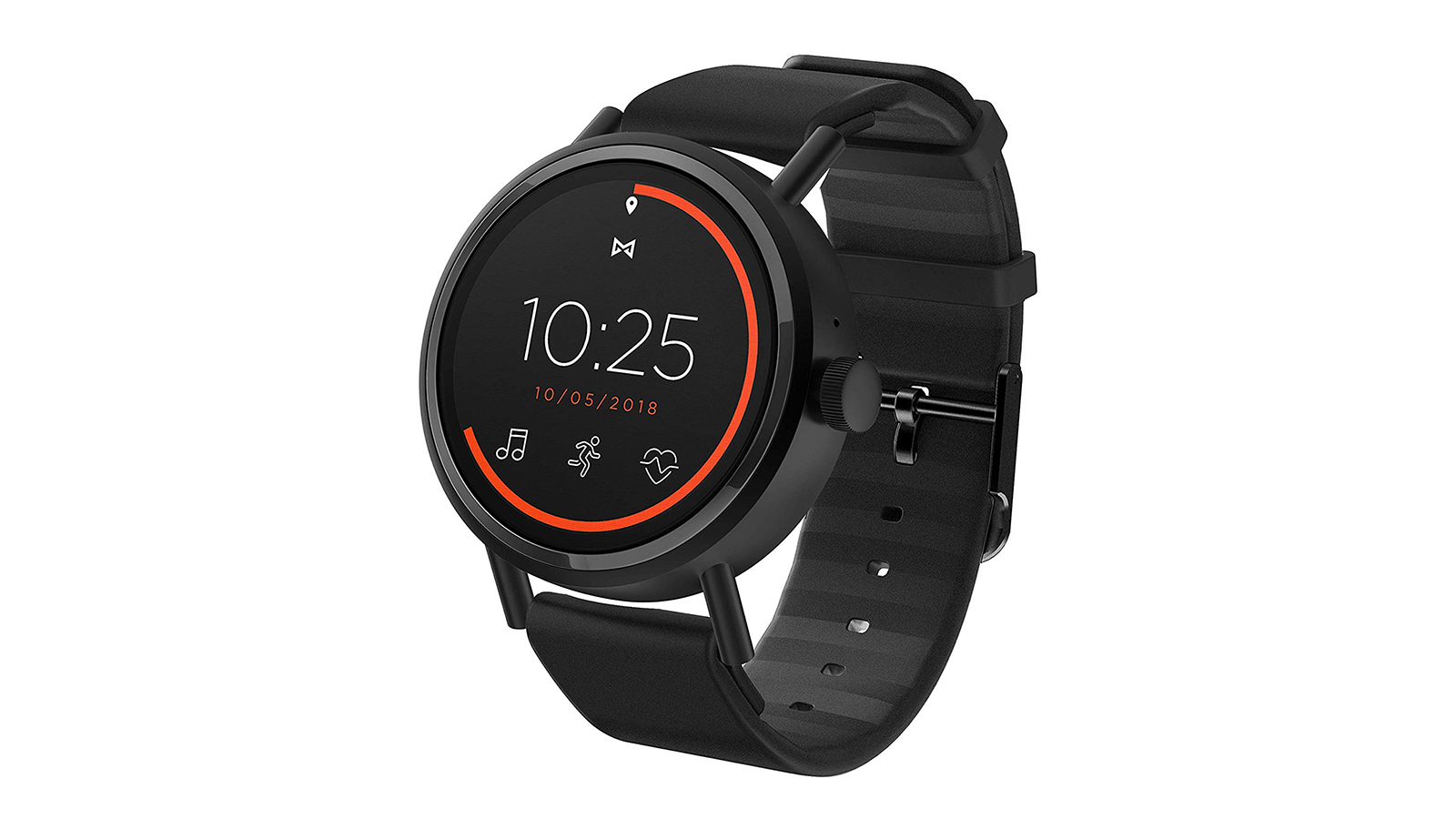
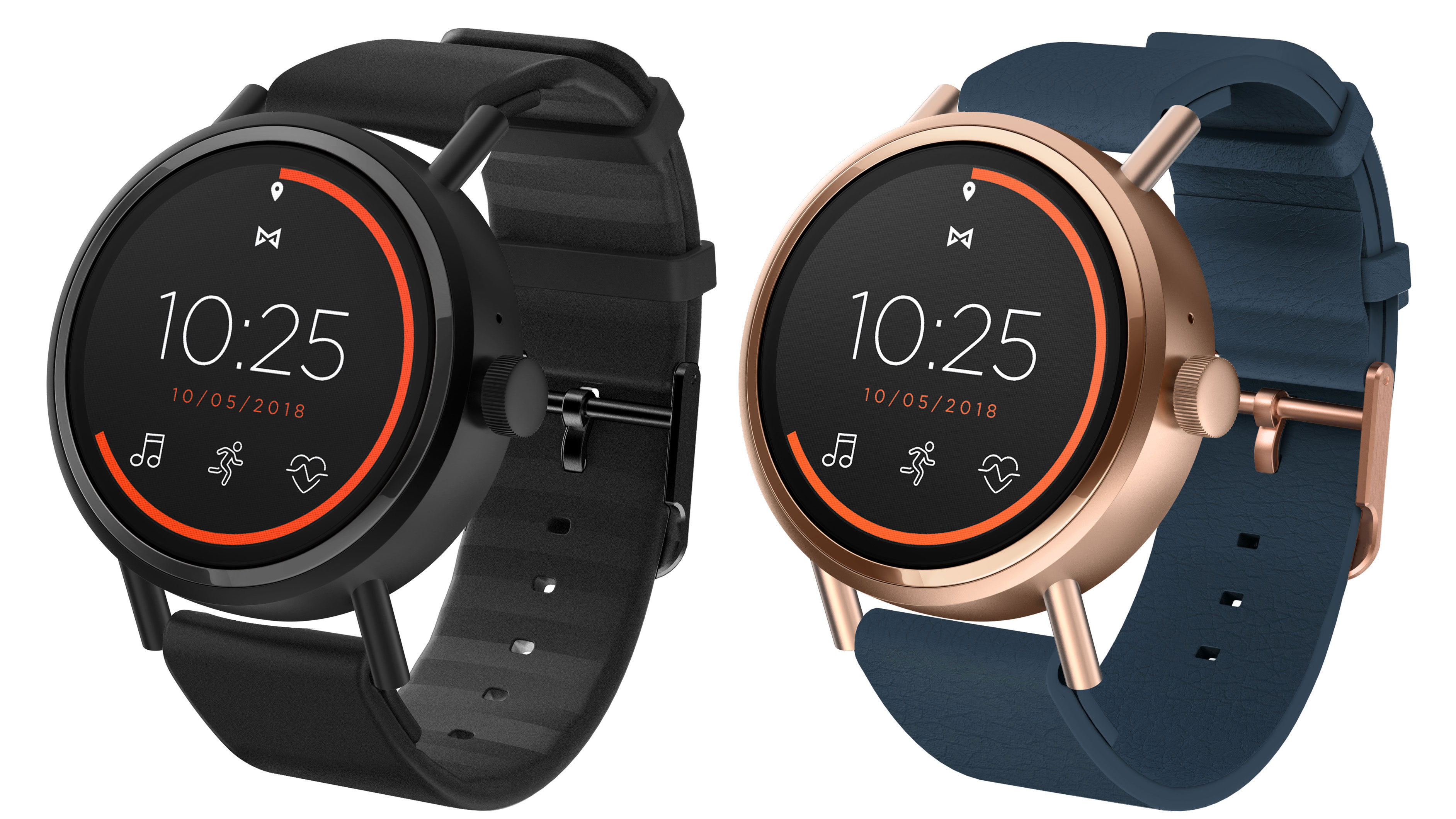
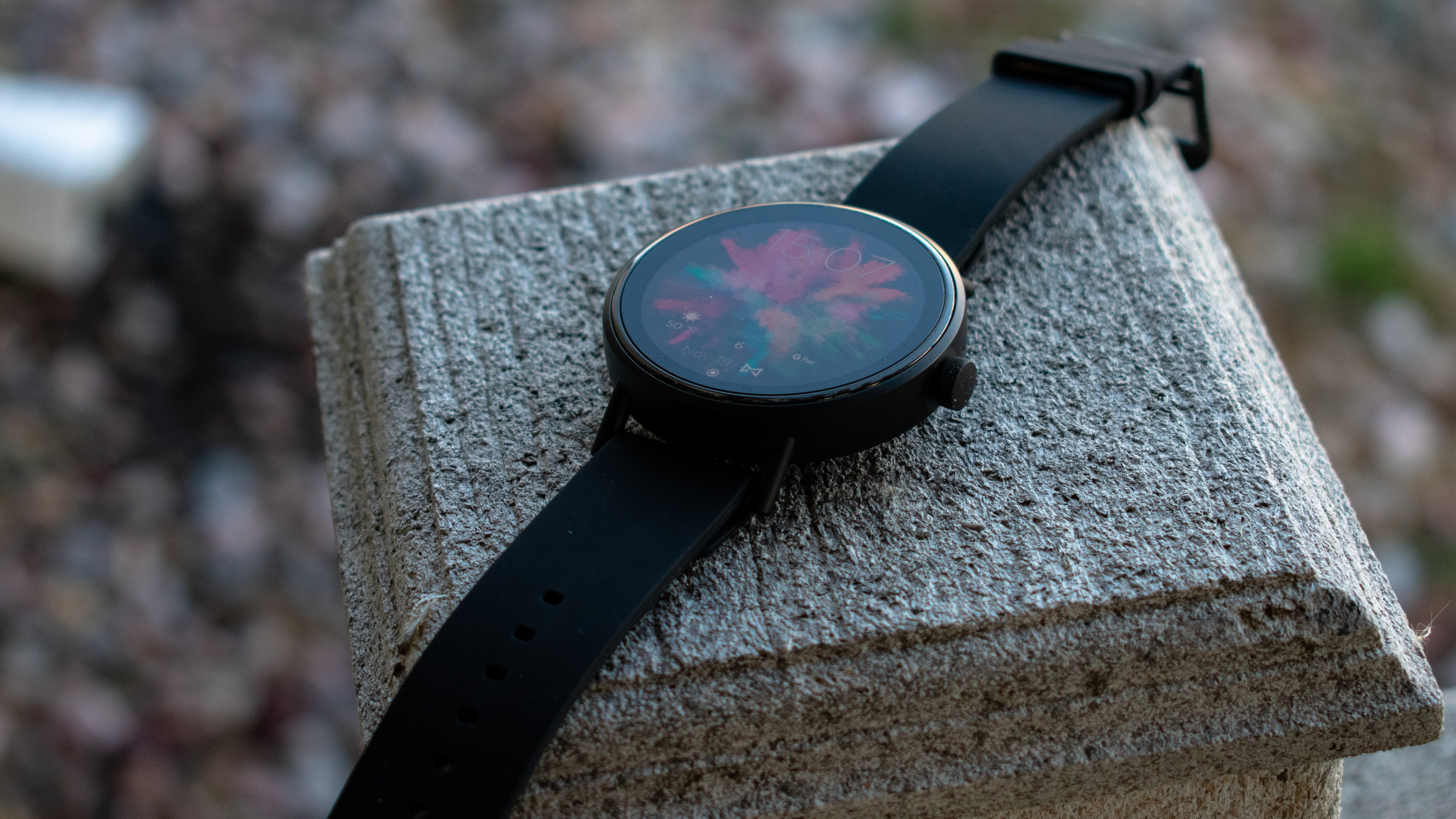
5. Misfit Vapor 2

A revamped watch from the fitness experts

Compatibility: Android, iOS | Display: 1.2-inch or 1.4-inch display, 360 x 360 AMOLED | Processor: Dual-core 1.0GHz | Band sizes: 20mm straps | Onboard storage: 4GB | Battery duration: A day | Charging method: Proprietary | IP rating: N/A | Connectivity: Wi-Fi, Bluetooth, GPS

Affordable price
NFC for Google Pay
No LTE option
Kind of flimsy

Misfit's second attempt at a Wear OS watch is a positive step in the right direction with this new product solving a lot of the issues we found with the first generation. There's NFC here for Google Pay, GPS so you can track your runs and you can get it in two separate sizes.

The design of this watch is simple, and that may be something you're looking for from your smartwatch. There's either a 1.2-inch or 1.4-inch display in the center of the watch, which is more than enough room to navigate around Wear OS.

This is one of the best smartwatches for exercising, and the lower price point than some of the alternative smartwatches on the market makes the Misfit Vapor 2 an attractive option for a lot of people.

Read the full Misfit Vapor 2 review

Image 1 of 3

(Image credit: Amazon)
Image 2 of 3

Image credit: TechRadar

Image credit: TechRadar
Image 3 of 3

Image credit: TechRadar

Image credit: TechRadar

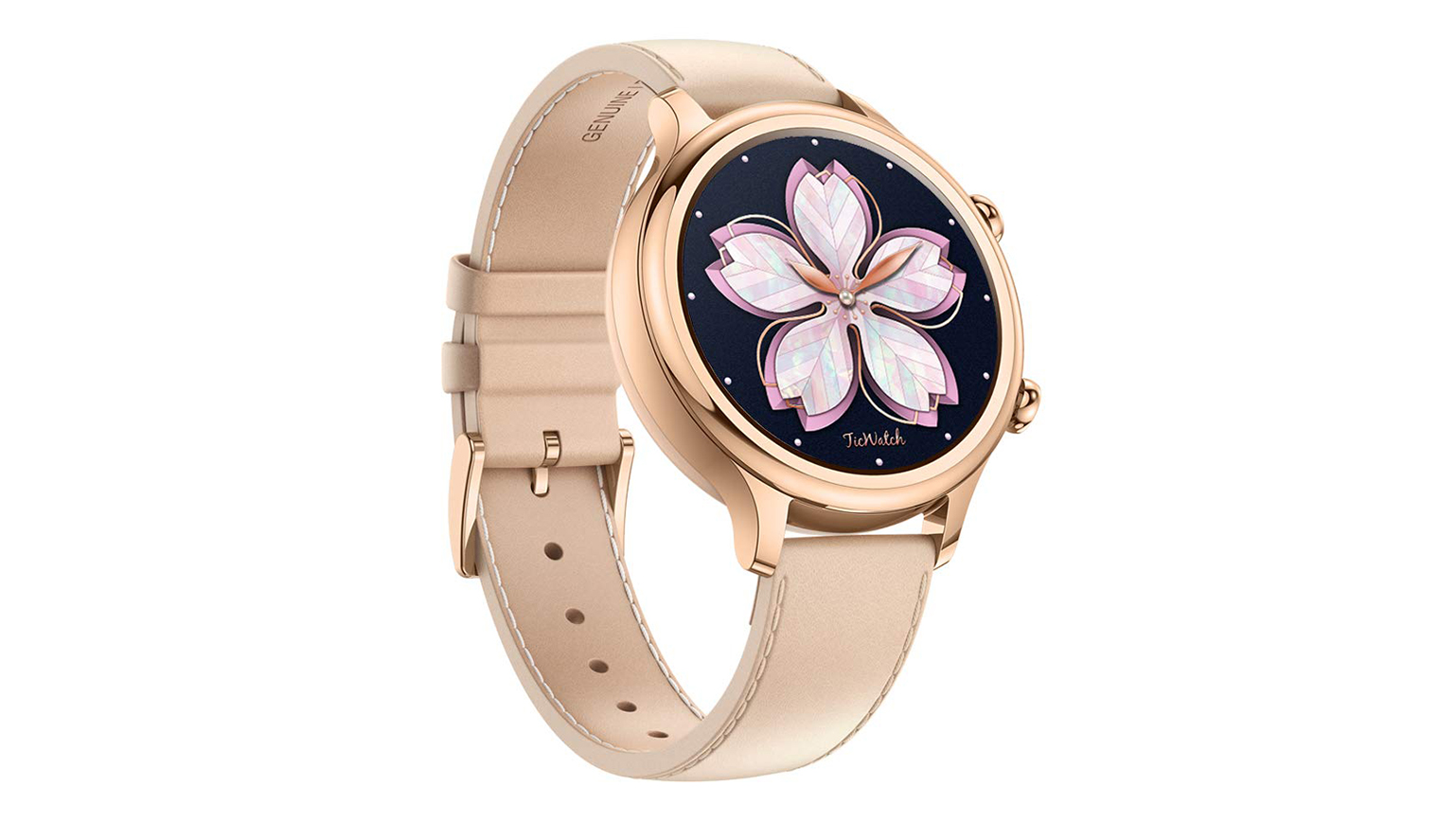
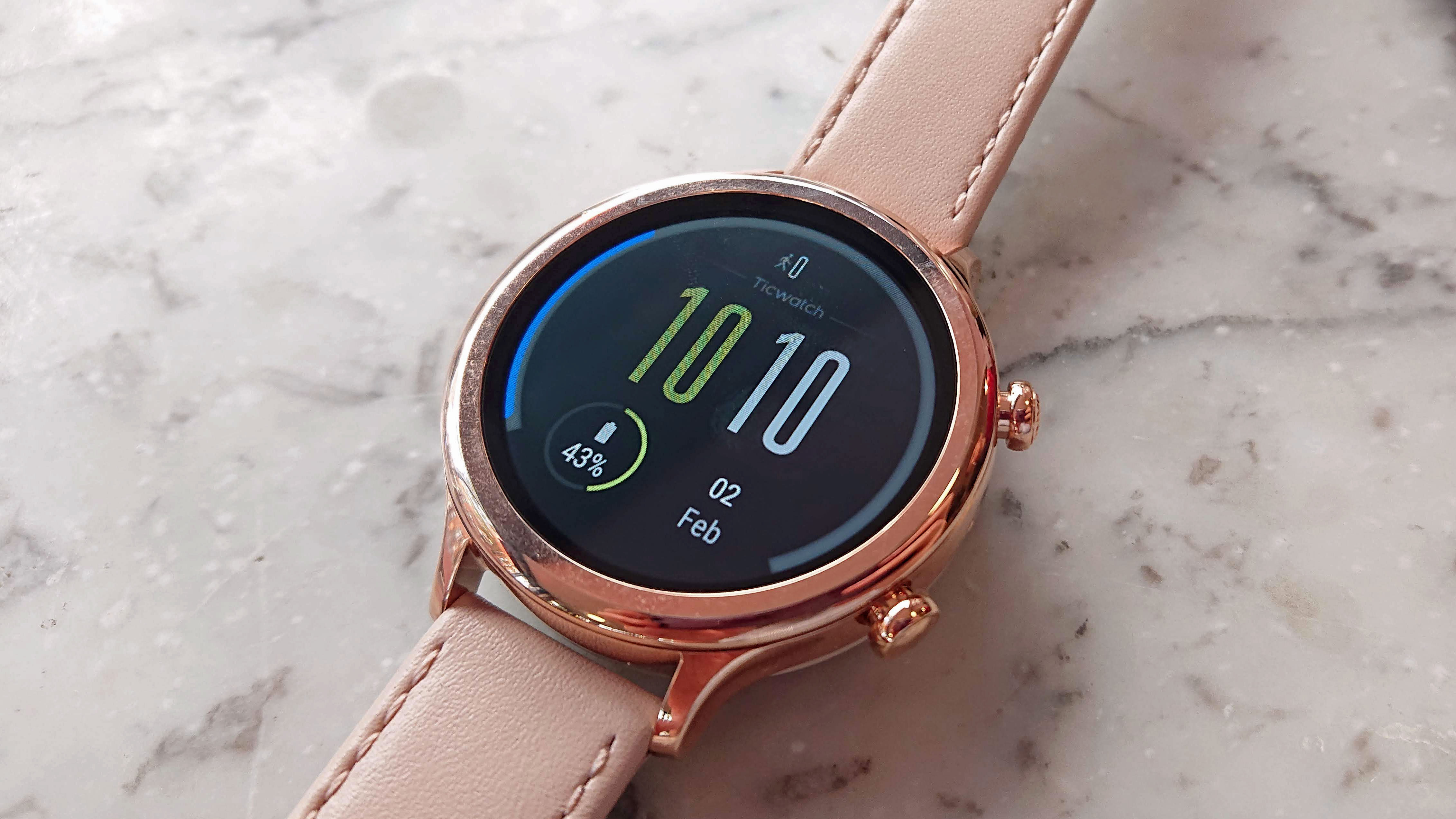
6. TicWatch C2

Yet another TicWatch on this list

Compatibility: Android, iOS | Display: 1.3-inch 360 x 360 AMOLED | Processor: Dual-core 1.0GHz | Band sizes: 20mm or 18mm straps | Onboard storage: 4GB | Battery duration: A day | Charging method: Proprietary | IP rating: IP68 | Connectivity: Wi-Fi, Bluetooth, GPS

Low price
Google Pay and GPS
Limited straps
Outdated internals

This isn't our favorite device in the TicWatch range - which takes up a lot of places near the top of this list - and that's because it isn't as innovative as the TicWatch Pro. That said, it's still a good option if you're looking for an affordable smartwatch.

In fact, this is one of the most affordable smartwatches if you want GPS and Google Pay support in the same package. 

This isn't as built for fitness fans as a lot of other options on this list, but it does feature some elements for you to use to workout. With some impressive tech built-in considering the price, you should take a look at the TicWatch C2 before buying any other watch on this list.

Read the full TicWatch C2 review

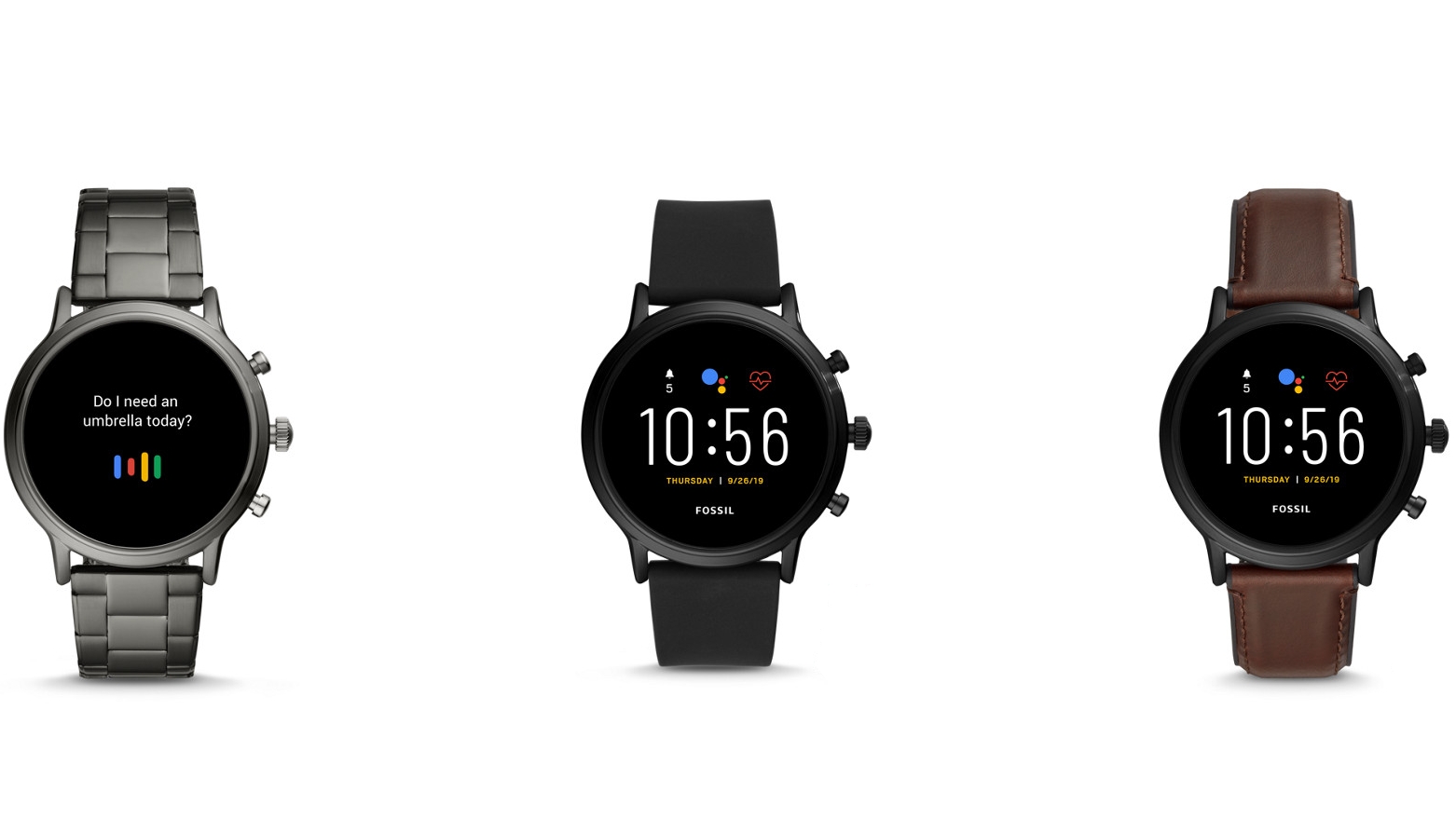
Best Wear OS watch: Fossil Gen 5

(Image credit: Fossil)

7. Fossil Gen 5

Classic watch aesthetic

Compatibility: Android 6.0+, iOS 10+ | Display: 1.28" 416 x 416 AMOLED | Processor: Snapdragon Wear 3100 | Onboard storage: 8GB | Battery duration: 24h+ | Charging method: Conductive USB charger | IP rating: IP68 | Connectivity: Wi-Fi, Bluetooth

Battery saving modes 
Fast processor 
More expensive than rivals 
Weak speaker


The Gen 5 is a decent Fossil smartwatch but not a patch on the Fossil Sport sitting at number one in this ranking. The Gen 5 cost is more expensive without bringing too much else, but you might prefer its classic watch looks to the Sport’s more active design.

The Gen 5 comes in a larger Carlyle version or a smaller Julianna, but both have the same premium features like bright vibrant displays, GPS, a heart rate sensor, 1GB RAM and the latest Snapdragon Wear 3100 chipset, meaning it’s very fast and responsive. 

Its battery saver modes are genuinely useful and it has water resistance up to 30m, but it’s more expensive than other Wear OS watches and the speaker is poor.

Read the Fossil Gen 5 review 

Image 1 of 5

Image credit: Huawei

Image credit: Huawei
Image 2 of 5

Image credit: Huawei

Image credit: Huawei
Image 3 of 5

Image credit: Huawei

Image credit: Huawei (Image credit: Evan Blass (via VentureBeat))
Image 4 of 5

Image credit: TechRadar

Image credit: TechRadar
Image 5 of 5

Image credit: TechRadar

Image credit: TechRadar

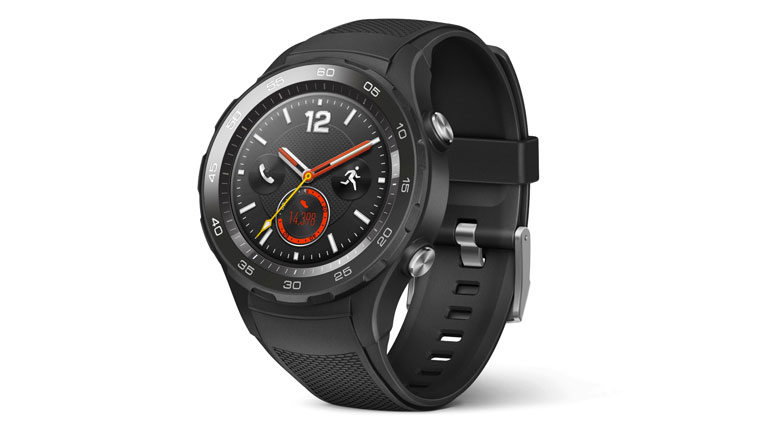
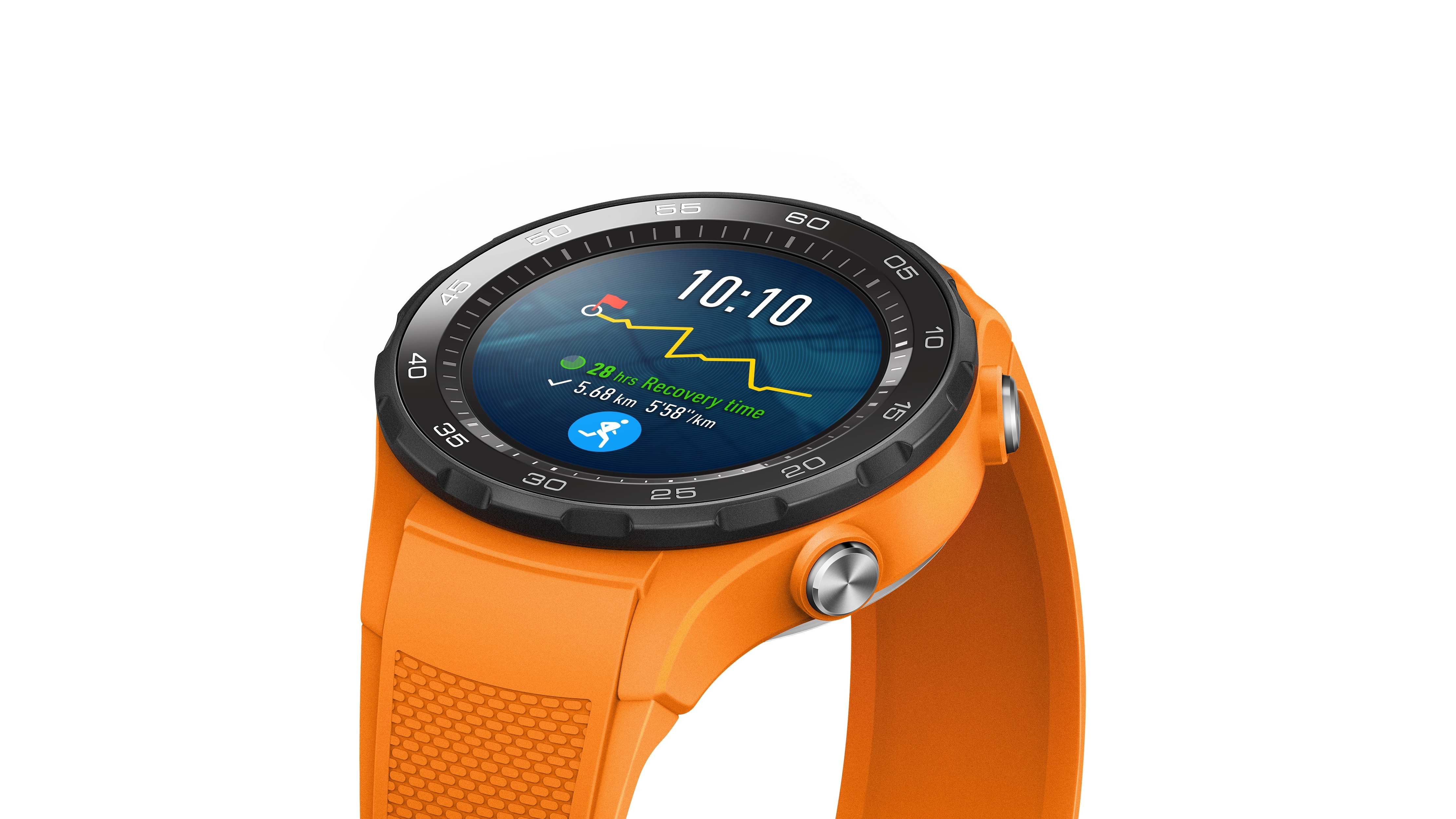
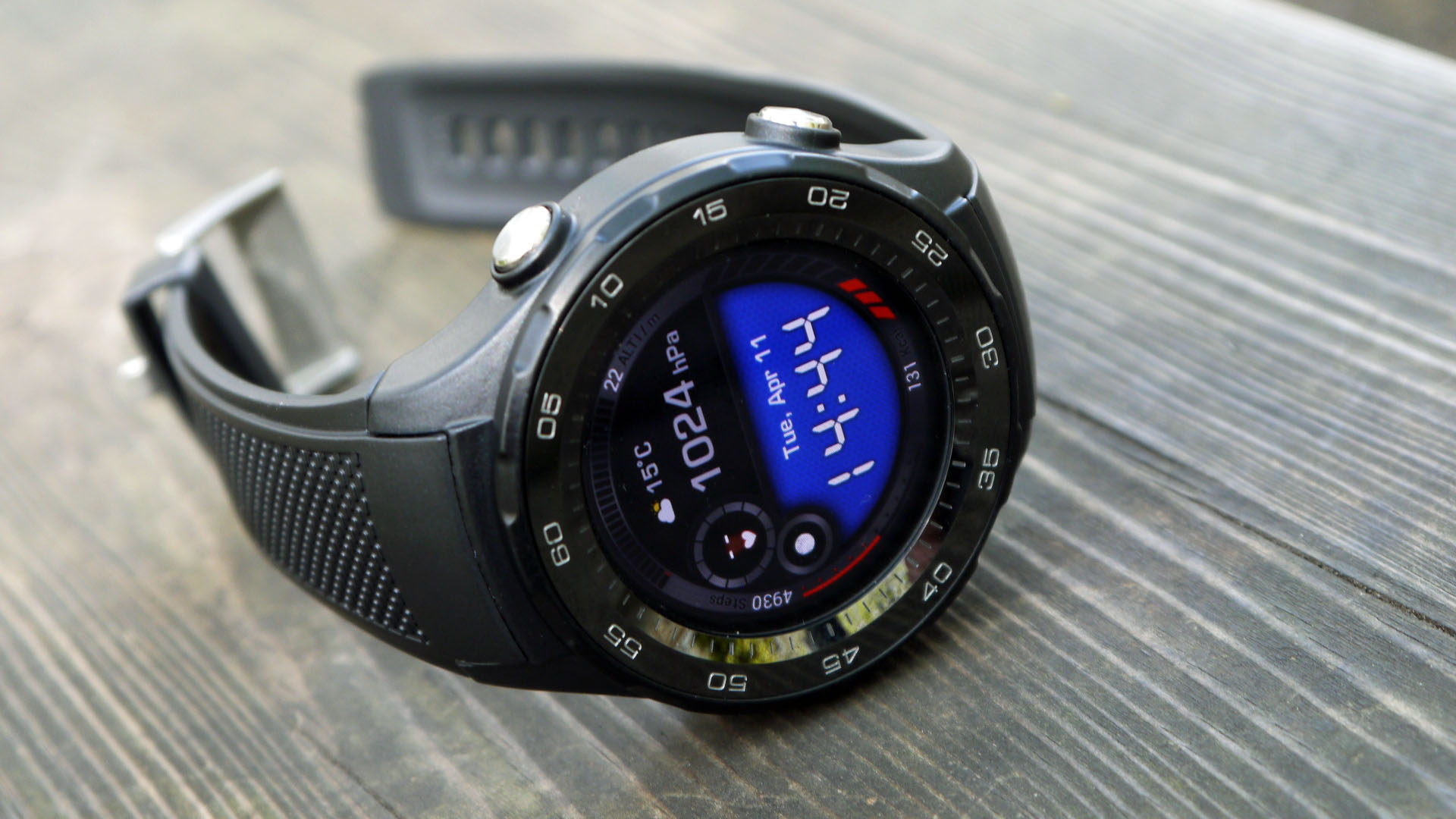
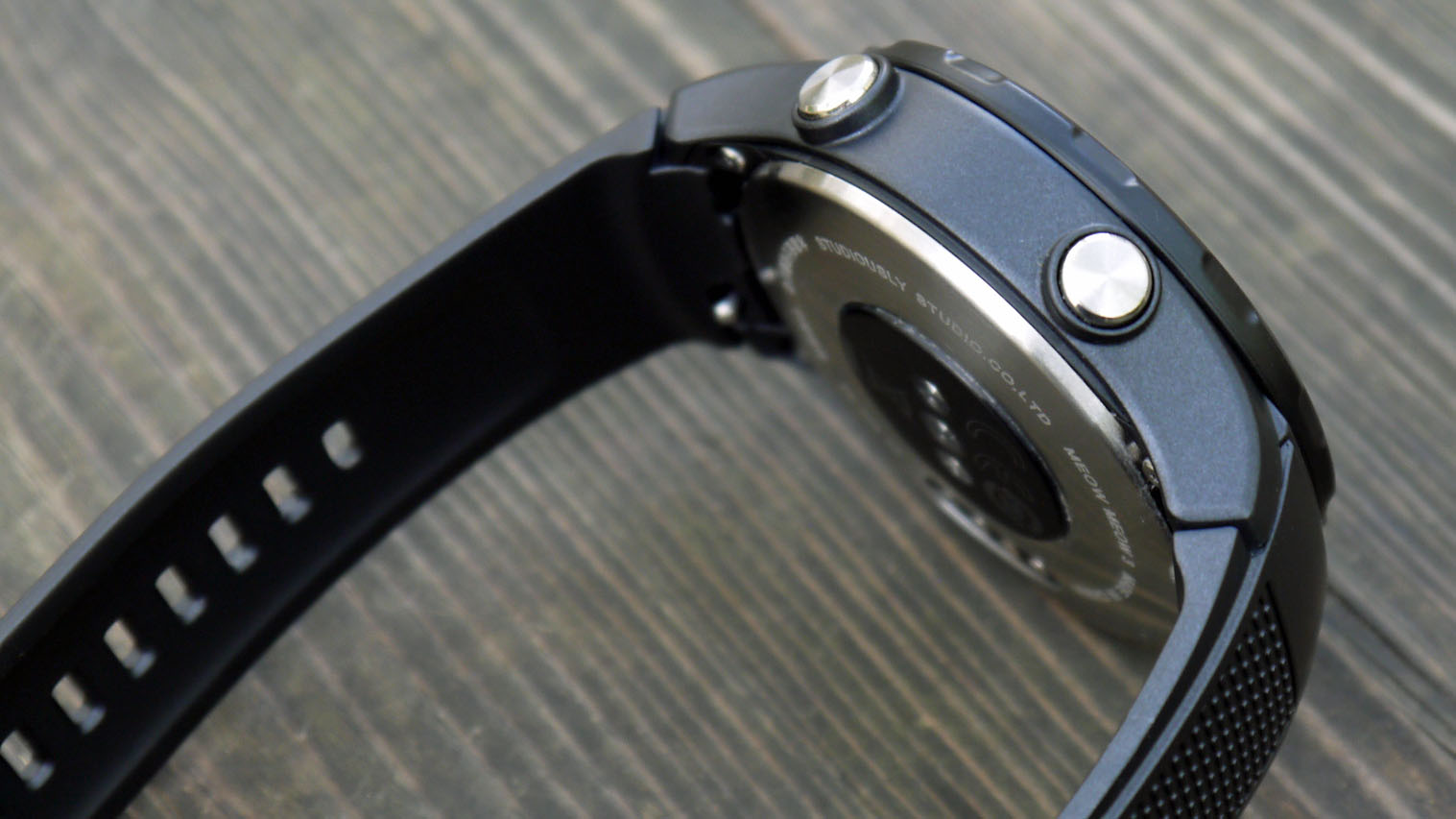
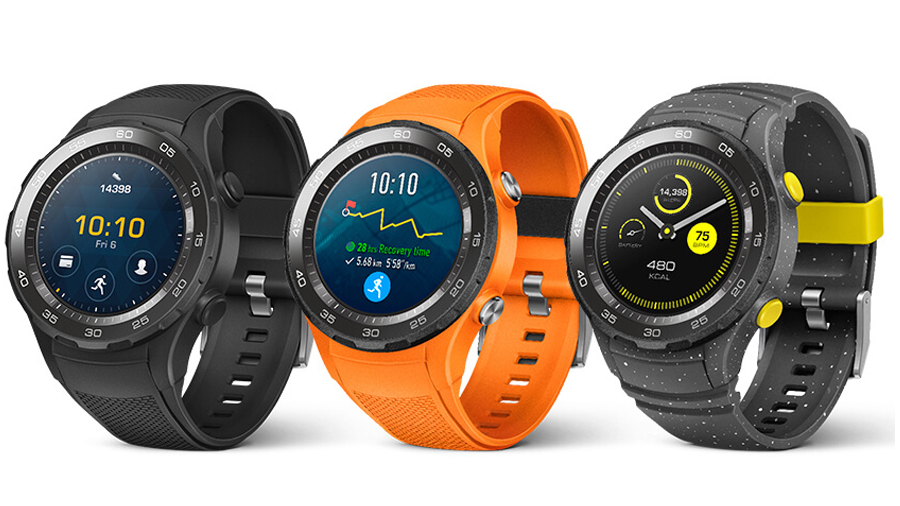
8. Huawei Watch 2

A well-equipped smartwatch with too many features

Compatibility: Android 4.3+, iOS 9+ | Display: 1.2" 390 x 390 | Processor: Snapdragon Wear 2100 | Onboard storage: 4GB | Battery duration: Up to 48h | Charging method: Conductive USB-C charger | IP rating: IP68 | Connectivity: Wi-Fi, Bluetooth, 3G + 4G LTE

Built-in GPS and NFC
Optional 4G model
Screen too small
Performance can be sluggish

The Huawei Watch 2 is an attempt by the Chinese company to widen the use of Wear OS watches. Huawei has tried to include a variety of new features in its latest smartwatch and it's not entirely clear if it succeeded with the Watch 2.

We like the built-in GPS and NFC on the watch as well as the option to have a 4G model, but the Huawei Watch 2 can be sluggish and the screen is a little small for some. 

This may suit you though with an attractive design and a plethora of features, but the price is much higher than the original Huawei Watch.

Read the full Huawei Watch 2 review

Photo illustration: TechRadar; Mobvoi; Huawei; Misfit


from TechRadar - All the latest technology news https://ift.tt/2JfW20V

Latest Tech News

The best cheap smartwatches we’ve reviewed and ranked here are great because they don’t sacrifice much in order to keep their prices down. While they may not have every feature under the sun, they’re all more than enough wrist-tech for most people, all at a price that won’t have you remortgaging your house.

Every watch here is £150 / $150 or less, meaning a few decent recent options like the Huawei Watch GT 2e miss out. But excellent well-priced options like the Fitbit Versa Lite and TicWatch E2 mean there’s something on our list for everyone.

Have a think about your needs and tastes - do you want something to mainly track your steps and exercise, or do you want a watch that’ll deliver smartphone notifications with a slick look? Some will also have on-board GPS for running without your phone or NFC for mobile payments.

Be sure to read each individual review for a full run down to make sure you’re buying the best cheap smartwatch for you.  

(Image credit: Fitbit)

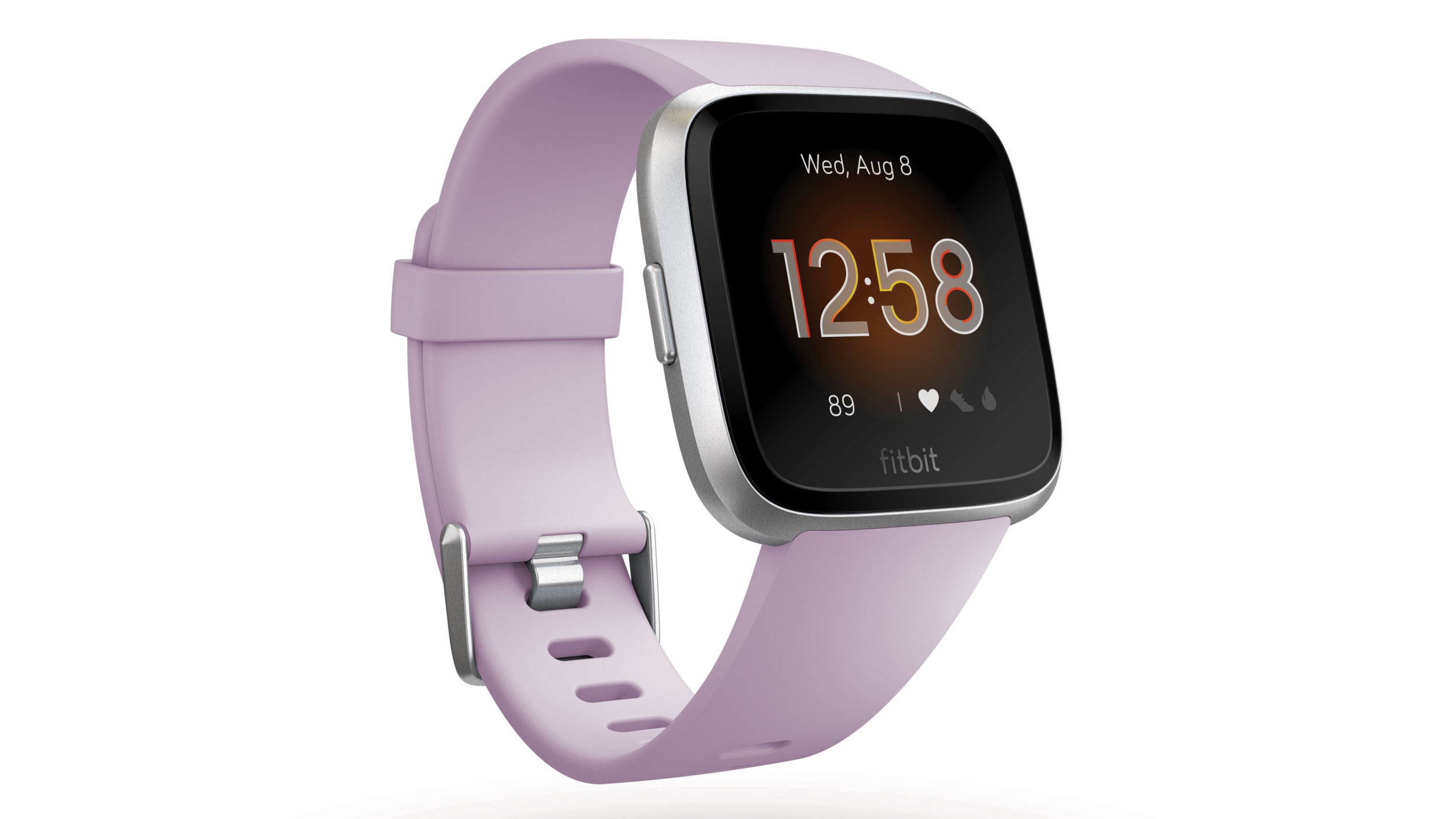
1. Fitbit Versa Lite

Like a Fitbit Versa, but lighter on features

OS: Fitbit OS | Compatibility: Android 5+, iOS 10+ | Display: 1.34" 300 x 300 | Processor: N/A | Onboard storage: N/A | Battery duration: Around four days | Charging method: Magnetic connecting pin | IP rating: IP67 | Connectivity: N/A

Cheaper than other Fitbits
Small and comfortable design
No Fitbit Pay
No onboard storage for music

You've probably already heard of the Fitbit Versa in your search for a new smartwatch, but did you know the company now has a less feature-rich and therefore more affordable version of it? It's called the Fitbit Versa Lite, and it's now our best cheap smartwatch.

It isn't the most comprehensive smartwatch experience as notifications are limited, you can't listen to music and there's no contactless payment tech, but all of that said, if you're looking for an attractive timepiece that tracks your workouts as well as offering a few basic smartwatch features this may suit you.

Before you buy the Fitbit Versa Lite, we'd recommend checking prices for the Fitbit Versa. In some markets it has cost a similar amount to the Lite, and if you can get the original watch you'll get additional features such as music and swim tracking too.

If not, the Fitbit Versa Lite is a great companion if you're looking for a fitness focused smartwatch.

Read our full Fitbit Versa Lite review

(Image credit: Mobvoi)

2. TicWatch E2

Basically the only great cheap Wear OS watch

OS: Wear OS | Compatibility: Android 4.3+, iOS 8+ | Display: 1.39" 400 x 400 OLED | Processor: Snapdragon Wear 2100 | Onboard storage: 4GB | Battery duration: Around 48h | Charging method: Magnetic connecting pin | IP rating: IP67 | Connectivity: Wi-Fi, Bluetooth 4.1

Affordable price
Easily two day battery life
No NFC for payments
Bland design

The TicWatch E2 isn't a phenomenal upgrade upon the TicWatch E, but it will offer a waterproof design and better battery life for a similar price to the original watch.

The design of this watch hasn't been improved much, so it still doesn't feel particularly premium on your wrist but it's still a good looking piece of tech that we're happy to wear at all times of day.

You'll get around two days of battery life from the watch, there's GPS built-in and swim tracking as well if you like to take your devices into the pool for a dip. 

One of the biggest frustrations is the lack of NFC which means you can't use Google Pay on the watch, but you do get all of the rest of the benefits of Wear OS here. That's something nothing else on this list offers.

Read our full TicWatch E2 review

(Image credit: Amazfit)

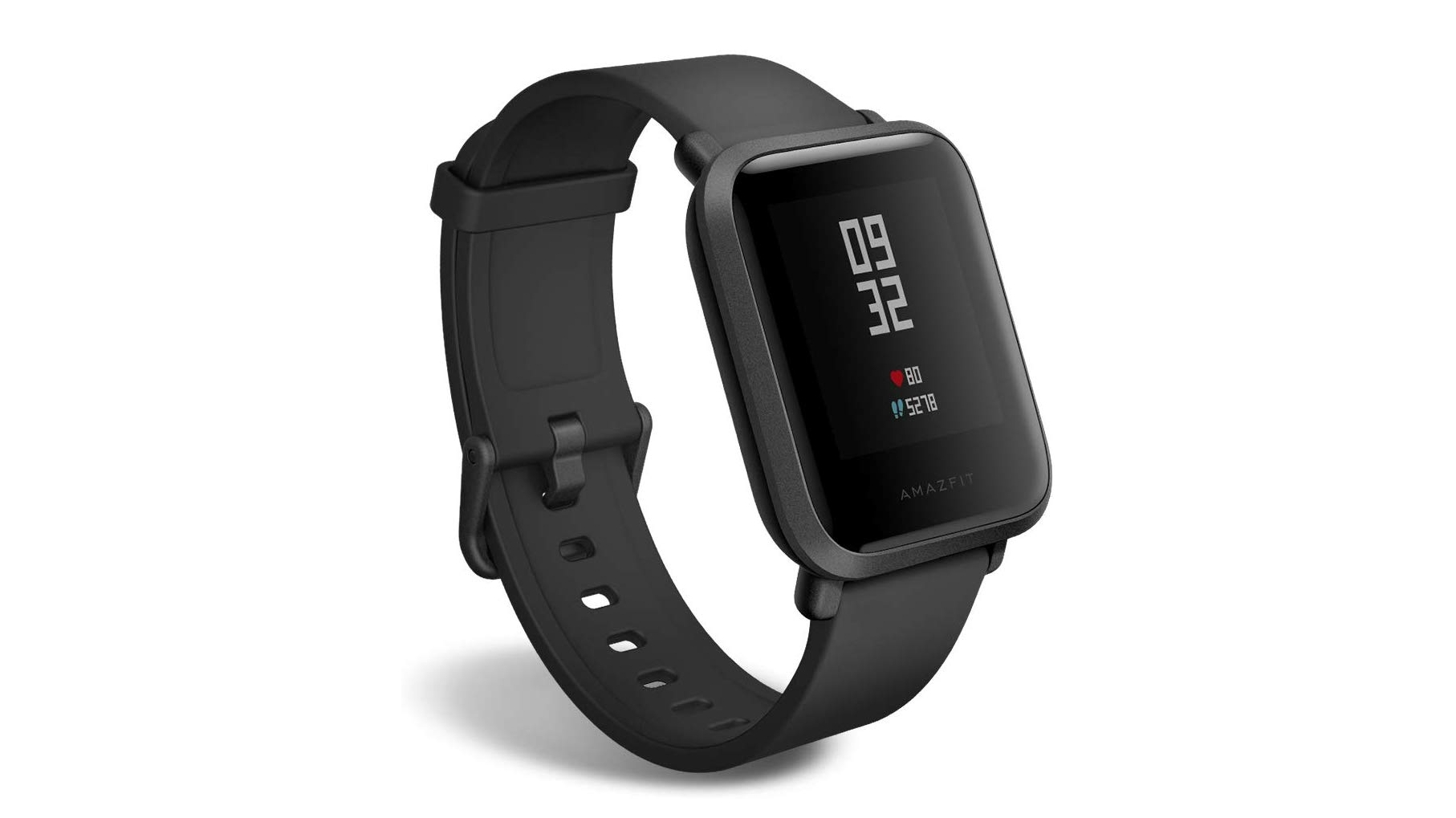
3. Amazfit Bip

Looks like an Apple Watch, but it's not as smart

OS: Amazfit OS | Compatibility: Android/iOS | Display: 1.28" 400 x 400 LCD | Processor: MediaTek N/A | Onboard storage: Just for fitness data | Battery duration: Up to 45 days | Charging method: Proprietary charger | IP rating: IP68 | Connectivity: Bluetooth 4

Stylish design
Excellent companion app
Auto-pause feature doesn't work
Finicky UI

OK, this isn't the most inventive smartwatch you're going to find to buy in 2020, but it is one of the cheapest. In fact, it may even be the most affordable watch that is actually worth buying.

It looks quite like an Apple Watch, but this device is a whopping six times cheaper than a top-end Apple Watch Series 5 when bought brand new.

It doesn't do anywhere near as much as the Apple Watch, but it does sport some incredible battery life at 45 days and lots of features for cyclists and runners including a heart rate sensor.

Read our full Amazfit Bip review

(Image credit: Garmin)

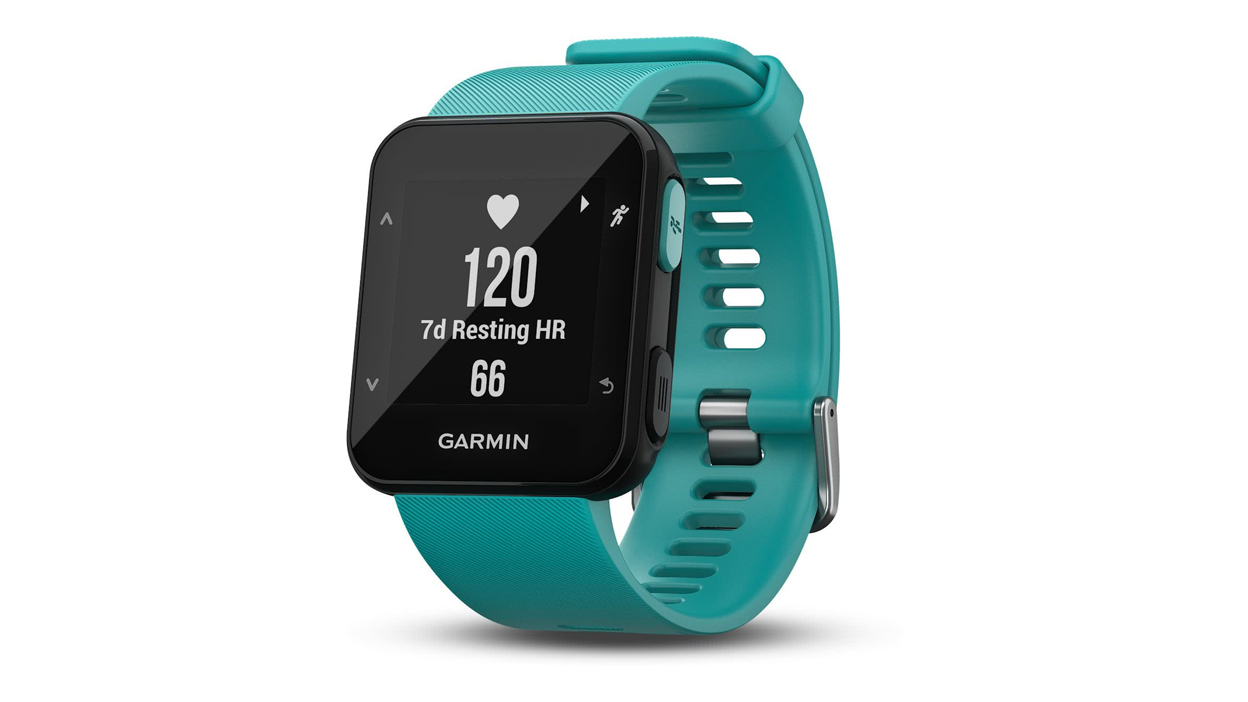
4. Garmin Forerunner 30

A pared-back run tracker that packs in some serious features

OS: Garmin OS | Compatibility: Android/iOS | Display: 0.93" 128 x 128 | Processor: N/A | Onboard storage: Just for fitness data | Battery duration: Up to 5 days | Charging method: Proprietary charger | IP rating: N/A (Garmin claims 5 ATM) | Connectivity: Bluetooth

Clear screen
Fantastic app
Design isn't incredible
No touchscreen

The Garmin Forerunner 30 is the first dedicated fitness watch you'll find on this list, and this is mostly built for runners. It's a device you'll want to wear if you're big into your jogging, but it does have some features suitable for cyclists too.

It has GPS onboard, a heart rate monitor - that we found to be accurate in our testing - and a few other features that make is stand out as one of the most affordable running watches. 

It has a VO2 Max monitor, which allows you to record your fitness level over time, something that is usually reserved for top-end devices. There's no touchscreen, but it does have a fantastic app that you use to control it.

Read the full Garmin Forerunner 30 review

(Image credit: Polar)

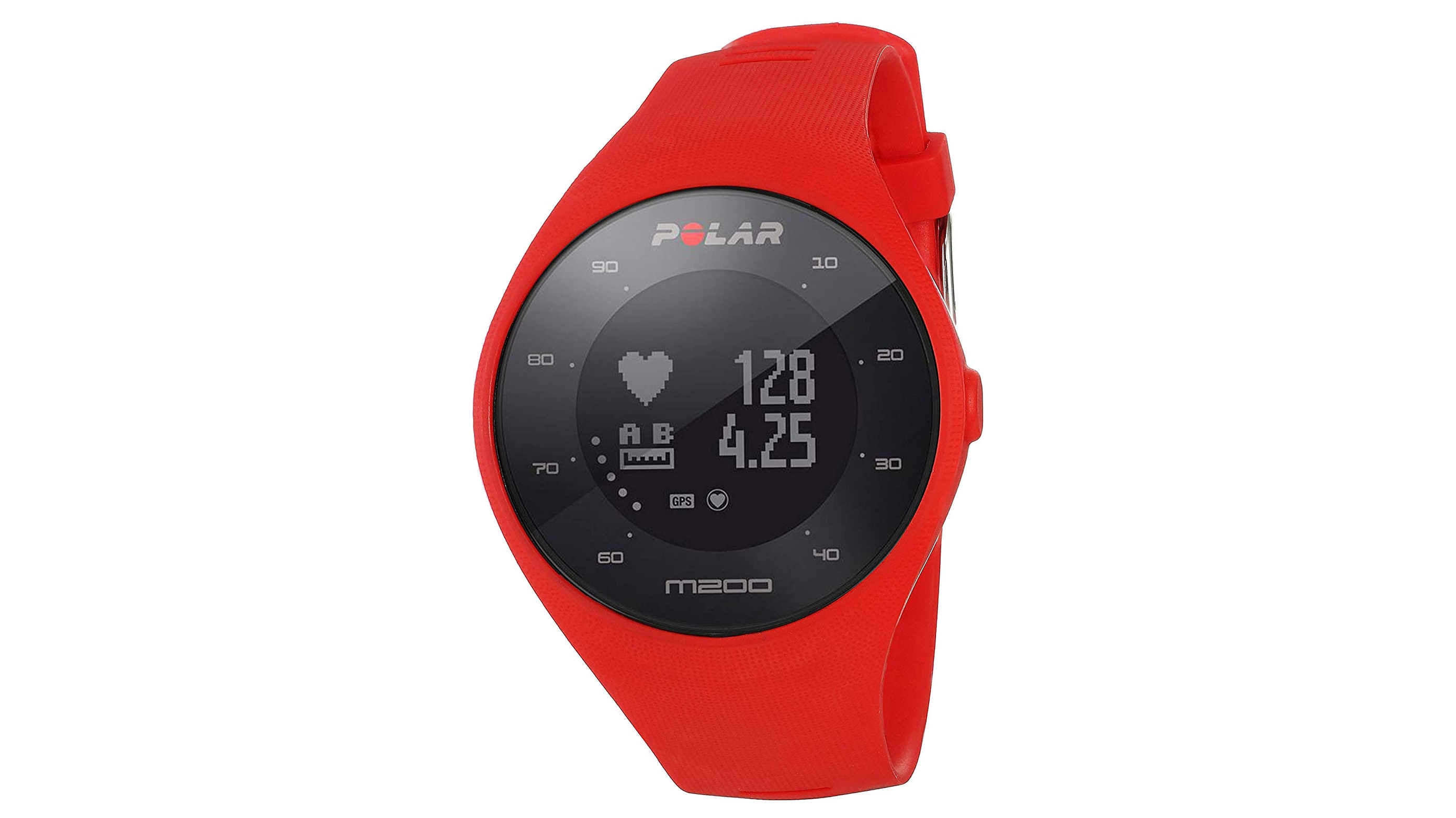
5. Polar M200

Another running watch for your consideration

OS: Polar OS | Compatibility: Android/iOS | Display: 26mm diameter | Processor: N/A | Onboard storage: Just for fitness data | Battery duration: Up to 6 days | Charging method: Proprietary charger | IP rating: N/A (Polar claims water resistant) | Connectivity: Bluetooth

Accurate GPS
Good battery life
Dated screen
Not a premium design

The Polar M200 is one of the most affordable running watches money can buy and you'll find it includes almost all of the fitness features you'll want from a smartwatch.

We found the GPS could be a little slow at times, and the design isn't as premium as some of the other devices we've seen from Polar, but apart this is a solid running watch with great battery life.

This won't offer notifications and apps like some of the other devices on this list, but if fitness is the main aim for you the Polar M200 is an affordable choice that offers a variety of top features.

Read the full Polar M200 review

Photo illustration: TechRadar; Mobvoi; Amazfit; Garmin


from TechRadar - All the latest technology news https://ift.tt/2Lnpfd0

Tuesday, July 7, 2020

Odd pink snow in the Alps is pretty, but it might also be a red flag - CNET

More "watermelon snow" in the Alps could be a sign of fast-melting ice.

from CNET https://ift.tt/2O1VDny

Latest Tech News

DDR5 memory sticks with a triple-fan cooler on top are going to leave your wallet quaking in fear. from Latest from TechRadar https://ift....